
Stepping into wildlife spotting is far easier when you have a clear, reliable field guide by your side. Whether you’re identifying birds in the garden, exploring coastal habitats or learning the basics of UK nature, the right beginner‑friendly book helps you recognise what you see with confidence. This guide highlights four simple, trusted field guides that make your early wildlife adventures more enjoyable, accessible and rewarding.
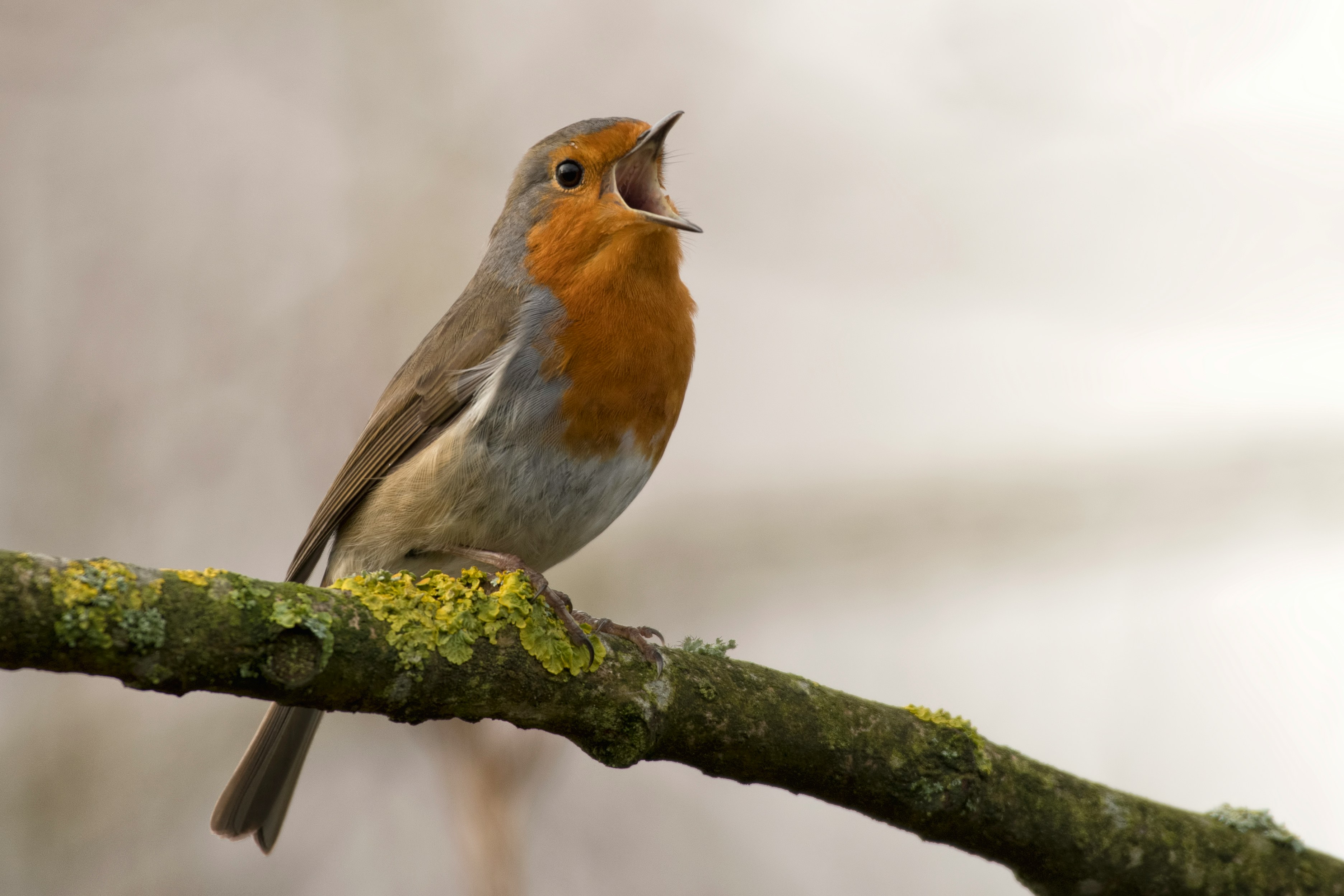

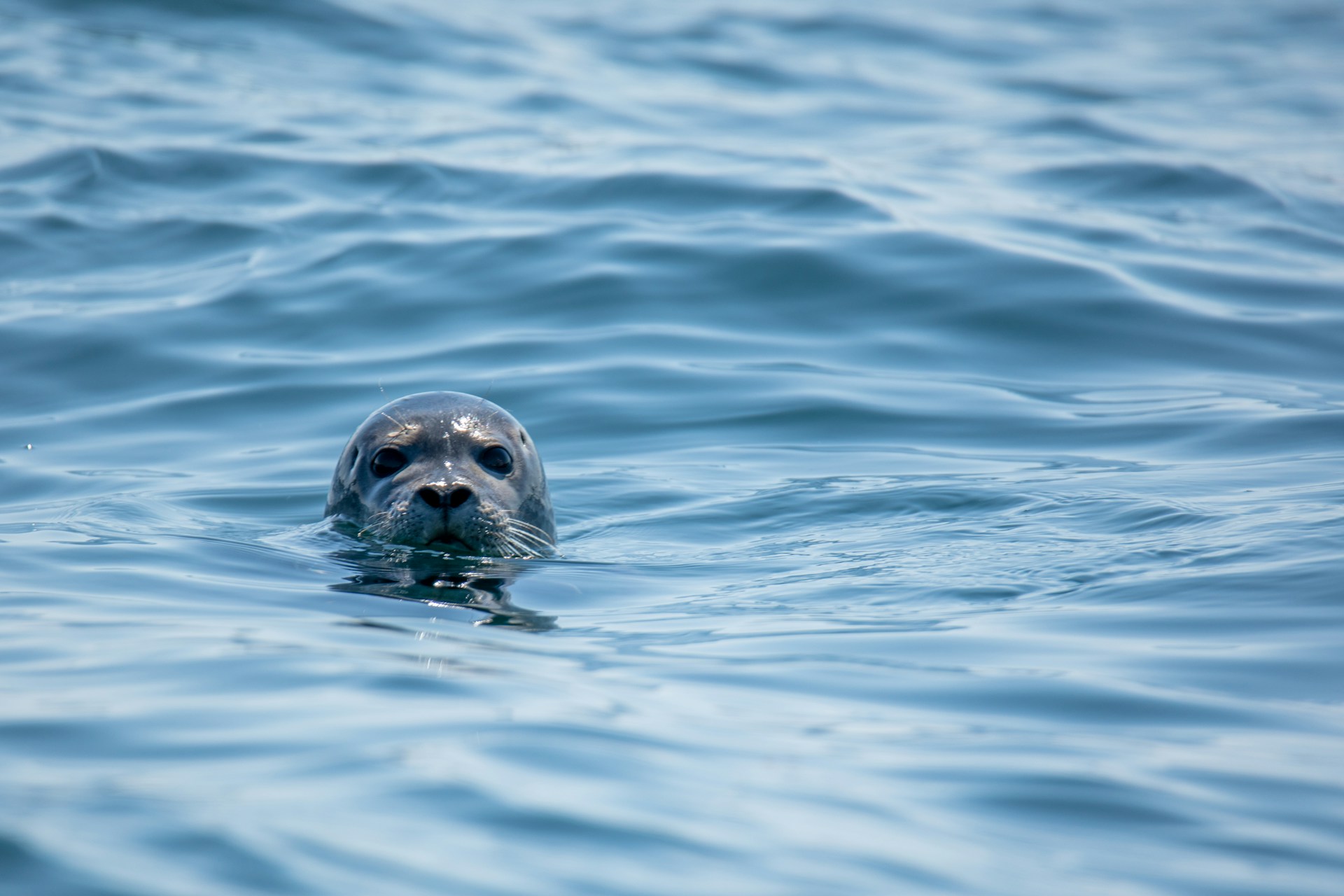
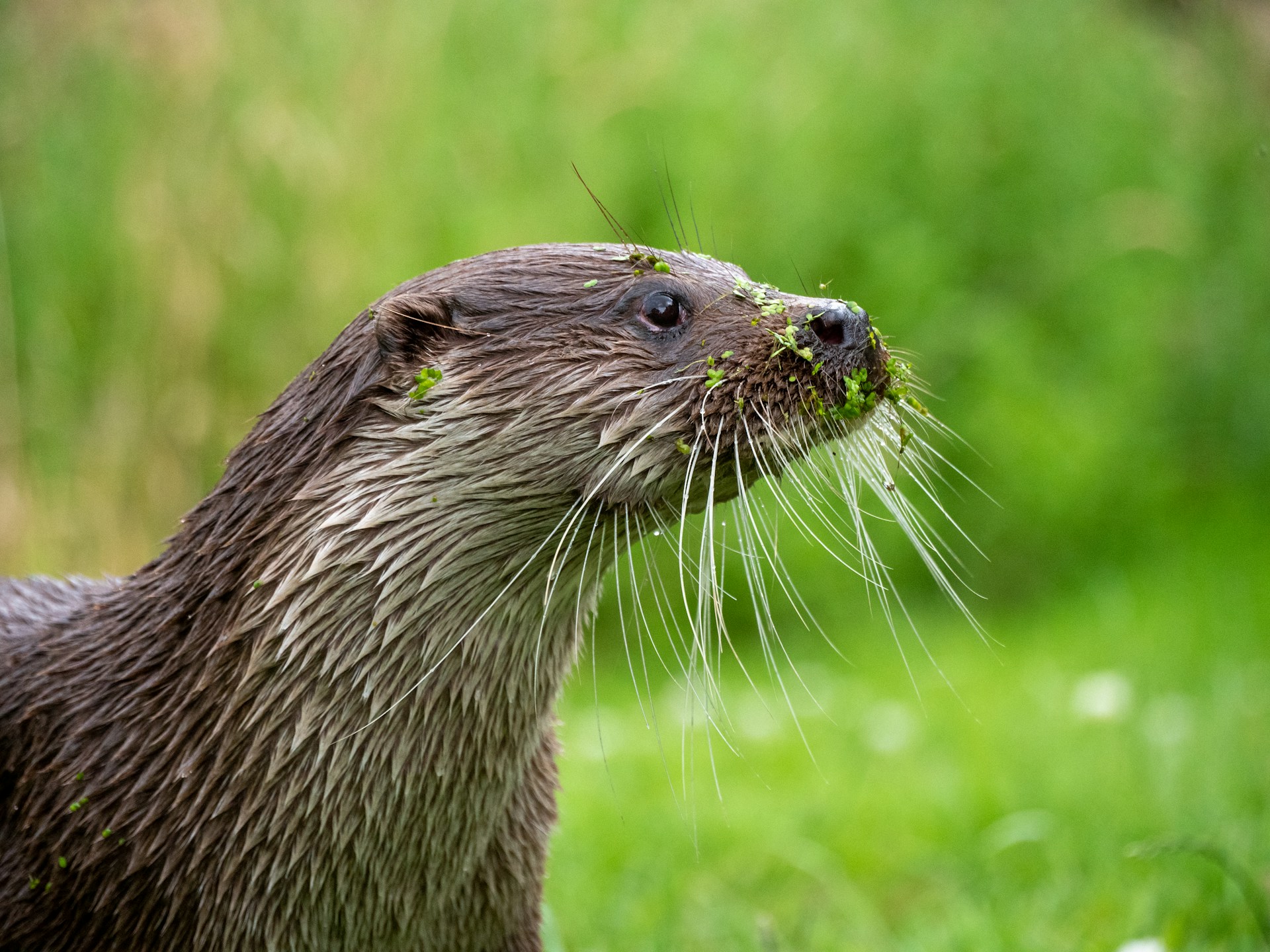
A good field guide is one of the simplest tools for building confidence outdoors. When you’re just starting out, it’s easy to feel unsure about what you’re seeing, is that a wren or a dunnock, a seal or a sea lion, a hoverfly or a bee? Beginner‑friendly field guides remove that uncertainty by giving you clear pictures, simple descriptions and quick tips that help you recognise wildlife in real time. They turn every walk, garden visit or coastal trip into a chance to learn something new.
Field guides are designed to make identification easier, even if you’ve never picked up a nature book before. They show you the key features to look for; the colours, shapes, behaviours, habitats etc. and explain them in plain language. Many guides include comparison images, seasonal notes and 'similar species' sections, which help you avoid common mistakes. For beginners, this is incredibly helpful: you learn what to focus on, what to ignore and how to make quick, confident IDs.
One of the biggest challenges for new wildlife spotters is simply knowing what’s out there. Field guides open that world up. They show you the species that live in your local area, the ones you might see on holiday, and the wildlife you can find in different habitats across the UK. This makes exploring far more rewarding instead of guessing, you start recognising patterns, habitats and behaviours. Over time, you build a mental map of UK wildlife that makes every outing feel richer.
The best field guide for you depends on where you spend most of your time outdoors. If you enjoy general nature walks, an all‑round wildlife guide is ideal. If you’re drawn to birds, a dedicated bird guide will give you clearer illustrations and more detail. Coastal explorers will benefit from a guide focused on marine and shoreline species, while pocket‑sized books are perfect for quick reference on the go. Beginners don’t need anything toocomplicated just a clear layout, simple descriptions and reliable illustrations.
It’s tempting to collect lots of books, but beginners get the most value from starting small. One general wildlife guide and one bird guide cover almost everything you’re likely to see in your first few months. As your confidence grows, you can add more specialised guides later. This keeps things simple, avoids overwhelm and helps you learn at a comfortable pace.
You do not need one, but it makes learning much easier. A beginner friendly field guide helps you recognise birds, mammals, insects and coastal species with confidence, especially when you are not sure what to look for. It turns every walk or garden visit into a chance to learn something new.
A general wildlife guide covers many species across the UK including birds, mammals, insects and plants. A bird guide focuses only on birds and usually includes clearer illustrations, behaviour notes and identification tips. Beginners often benefit from having one of each.
Both are useful, but field guides are often easier for beginners. Books show clear illustrations, highlight key features and avoid the confusion of similar species appearing in search results. Apps are great for quick checks, but a physical guide helps you learn patterns and build long term confidence.
Think about where you spend most of your time outdoors. If you enjoy general nature walks, choose an all round wildlife guide. If you are drawn to birds, pick a dedicated bird guide. Coastal explorers will benefit from a shoreline or marine guide, and pocket sized books are ideal for quick reference on the go.
You only need one or two to begin with. A general wildlife guide and a bird guide cover almost everything you are likely to see in your first few months. You can add more specialised guides later as your confidence grows.
Yes. Many guides are designed specifically for beginners and younger readers. They use simple language, clear illustrations and easy identification tips. Pocket sized guides are especially good for families and casual nature walks.
Most beginner friendly guides include notes on when species are easiest to spot, how their appearance changes through the year and where they are likely to be found in different seasons. This helps you know what to look for at the right time of year.
Yes. Field guides are made for beginners. They show you the key features to focus on, explain similar species and help you avoid common mistakes. You do not need any prior knowledge, just curiosity and a bit of patience.
For most beginners a simple, well illustrated field guide is the easiest way to start identifying wildlife with confidence. A clear layout, reliable species images and straightforward descriptions help you recognise what you see and discover more of the nature around you. A general wildlife guide or a dedicated bird guide will suit almost all early wildlife spotting situations.
Once you start recognising more of the wildlife around you, having the right binoculars makes a huge difference to what you can see. If you are looking for clear, easy views of birds, mammals and insects, take a look at our beginner’s guide to choosing binoculars. It will help you pick a pair that suits your needs and makes spotting wildlife much more enjoyable.