Choosing your first pair of binoculars can feel confusing, especially when every model seems to promise brighter views, sharper images, or more magnification. The good news is that beginners don’t need anything complicated, just a clear, comfortable pair that makes wildlife easier to spot and more enjoyable to watch. This guide breaks down the best beginner‑friendly binoculars for UK wildlife, with simple explanations and reccommendations to help you decide the right pair for you.
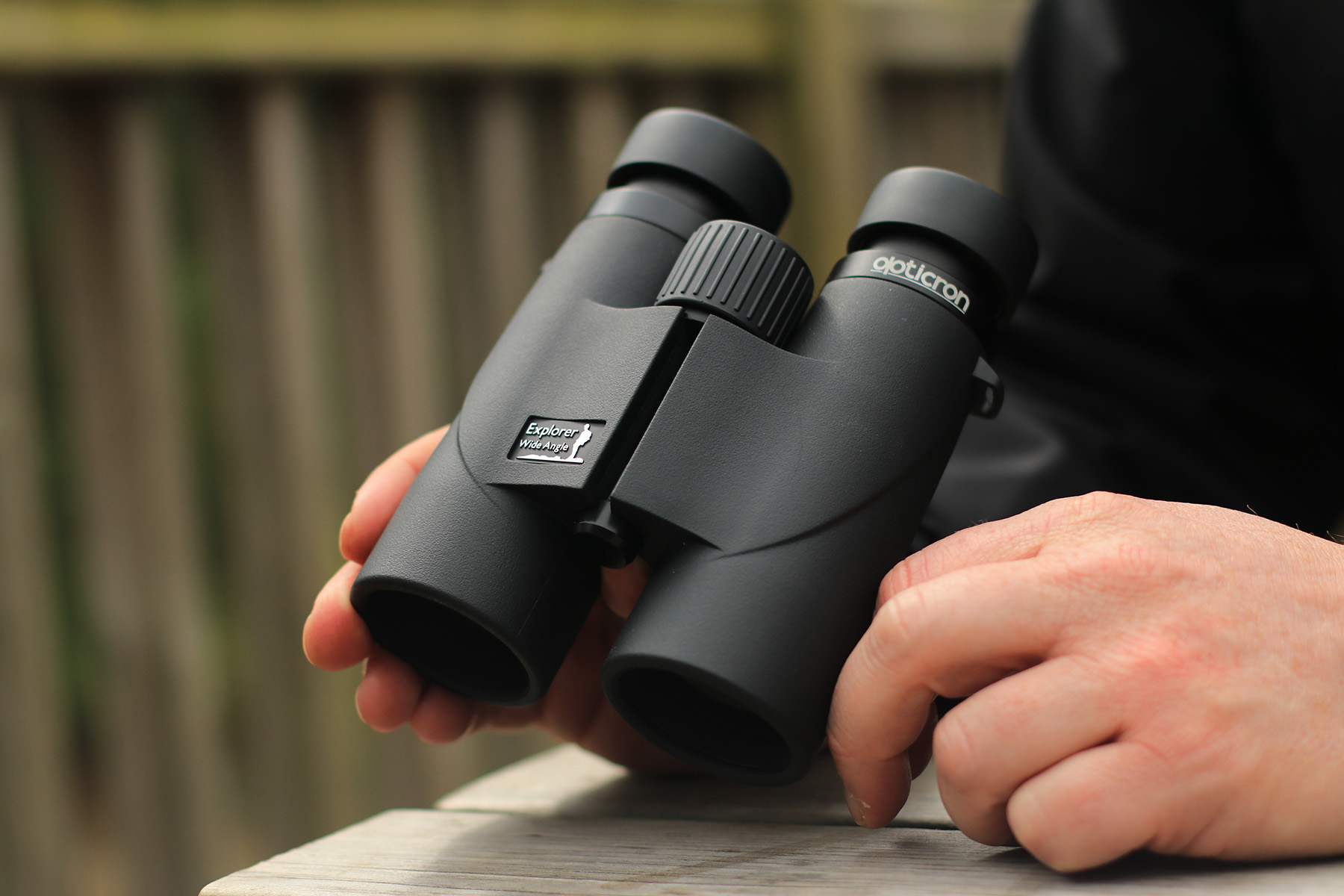
Choosing your first pair of binoculars can feel confusing. Every model promises bright views, sharp images, or advanced coatings, and it is not always clear what actually matters for wildlife watching. This guide explains the key features in simple terms so you can choose with confidence.
Every pair of binoculars is described using two numbers. These numbers tell you almost everything you need to know about how the binoculars will behave.
The first number is the magnification. An 8× binocular makes wildlife appear eight times closer. The second number is the size of the objective lenses at the front. Larger lenses gather more light and make the image brighter.
For most beginners an 8×42 binocular is the best all round choice. It offers a steady image, a bright view, and a wide field of view that makes it easier to find and follow wildlife.
It is tempting to think that higher magnification is always better. In practice a 10× binocular is harder to hold steady and gives a narrower view. This makes it more difficult to track moving wildlife, especially small birds.
An 8× binocular gives a wider view and a steadier image. This makes it easier to locate wildlife quickly and follow it as it moves. For most beginners 8× is the more enjoyable and forgiving choice.
The second number in the binocular description tells you the size of the objective lenses. A 42mm lens gathers more light than a 32mm lens. This means a brighter image, especially in woodland or at dusk.
A 32mm binocular is lighter and easier to carry for long periods. A 42mm binocular is brighter and more versatile. If you want the best balance of brightness and comfort a 42mm model is usually the better choice.
Field of view describes how wide an area you can see through the binoculars. A wider field of view makes it easier to find wildlife and follow it as it moves. This is especially helpful for birds in flight or animals moving through woodland.
Most good 8×42 binoculars offer a wide field of view that suits beginners well.
Weight has a bigger impact on real world use than most people expect. A heavy binocular can cause neck strain and hand fatigue, especially during long walks or extended wildlife watching sessions.
Compact models are lighter but often less bright. Full size models are brighter but heavier. The best choice depends on how long you plan to carry the binoculars and how important brightness is for your wildlife watching.
Most modern binoculars designed for outdoor use are waterproof and nitrogen filled. This prevents internal fogging and protects the binoculars from rain and damp conditions.
For wildlife watching in the UK waterproofing is essential. It ensures the binoculars remain clear and usable in all weather conditions.
Binoculars use prisms to correct the image. There are two main types: roof prisms and porro prisms.
Roof prism binoculars have a straight, compact shape and are the most common choice for wildlife watching. Porro prism binoculars have a wider, stepped shape and can offer good value but are usually bulkier.
Most modern wildlife binoculars use roof prisms because they are lighter, more durable, and easier to handle.
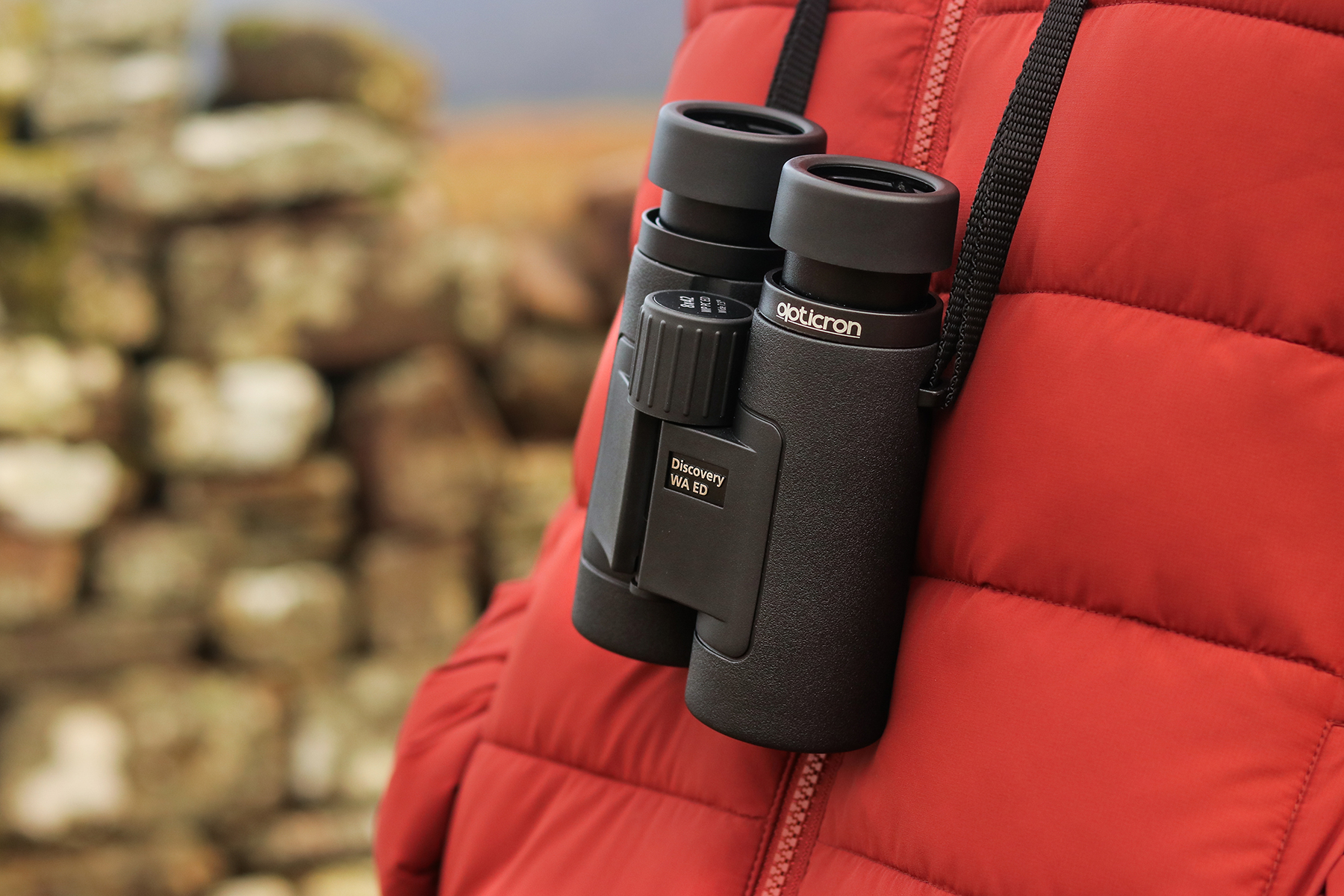
ED glass reduces colour fringing and improves sharpness. It is most noticeable when viewing high contrast subjects such as birds against the sky.
ED glass is not essential for beginners but it is a worthwhile upgrade if you want cleaner, more accurate colour and a sharper image.
If possible it is helpful to try binoculars in person. Check how they feel in your hands, how smoothly the focus wheel turns, and whether the image feels comfortable to look at for long periods.
Comfort and ease of use are just as important as optical performance.
For most beginners an 8×42 binocular offers the best balance of brightness, stability, and ease of use. A waterproof roof prism model with good eye comfort and a wide field of view will suit almost all wildlife watching situations.
Clifton Cameras offer a wide range of beginner friendly binoculars from trusted brands. Their full binocular selection is a good place to compare models across different budgets.
Most beginners find 8× binoculars easier to use. They give a wider view and a steadier image, which makes it easier to find and follow wildlife.
Not always. They bring subjects slightly closer, but the image is harder to hold steady and the field of view is narrower. For most wildlife watching, 8× is more practical.
Yes. Waterproofing protects the internal optics from rain and moisture. It also prevents fogging inside the binoculars, which is important in the UK climate.
A 42mm binocular is brighter, especially in woodland or low light. A 32mm binocular is lighter and easier to carry. Both are good choices depending on your priorities.
ED glass reduces colour fringing and improves sharpness. It is a useful upgrade if you want cleaner, more accurate colour, especially when viewing birds against the sky.
Compact binoculars are lightweight and easy to carry, but they are not as bright as full size models. They work well in bright daylight but are less effective in low light.
Most beginners get the best results from binoculars in the £100 to £250 range. These models offer good optical quality, reliable waterproofing, and comfortable handling.
You only need to set the dioptre once to match your eyesight. After that you simply use the main focus wheel. If the image ever feels uneven, you can reset the dioptre in a few seconds.
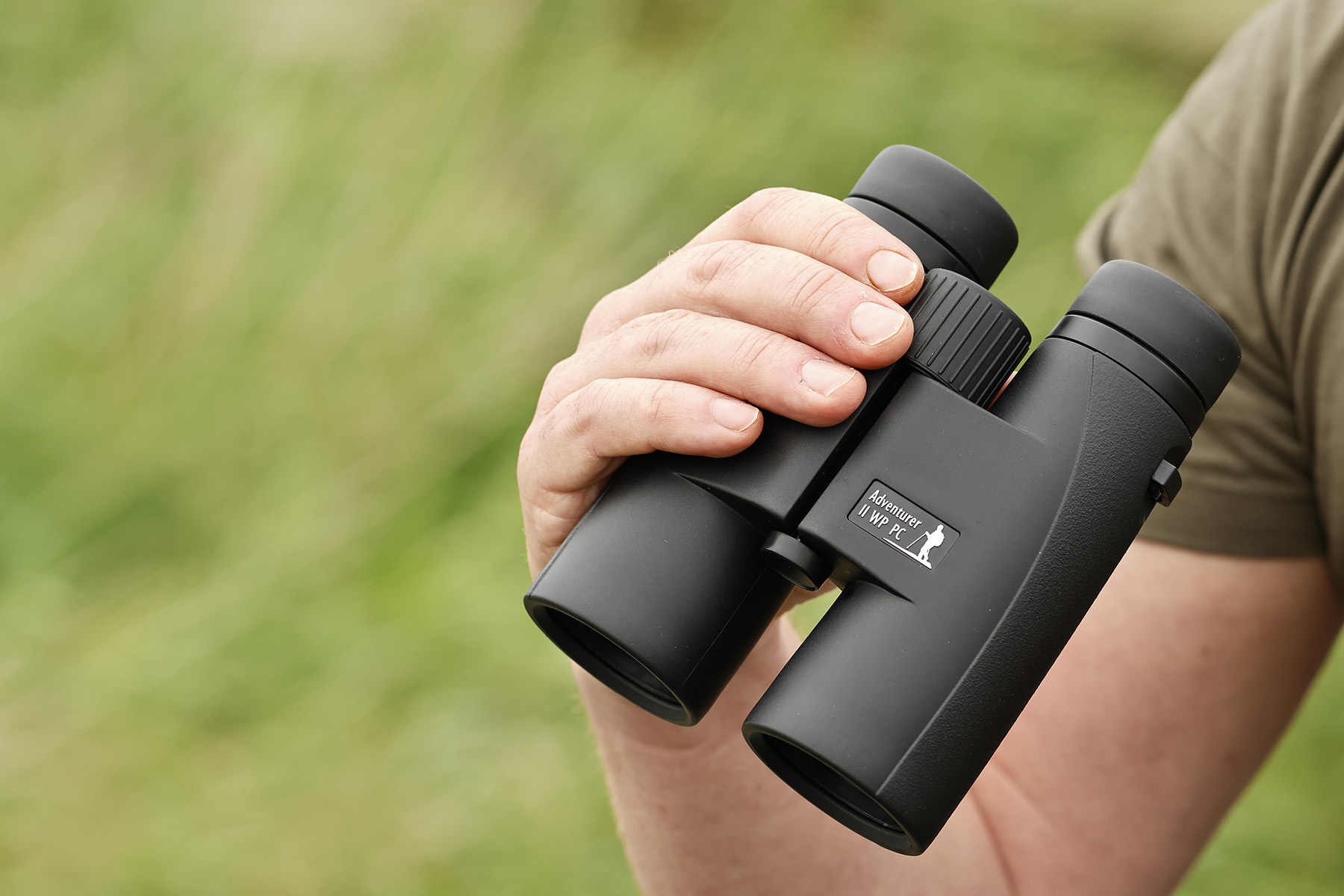
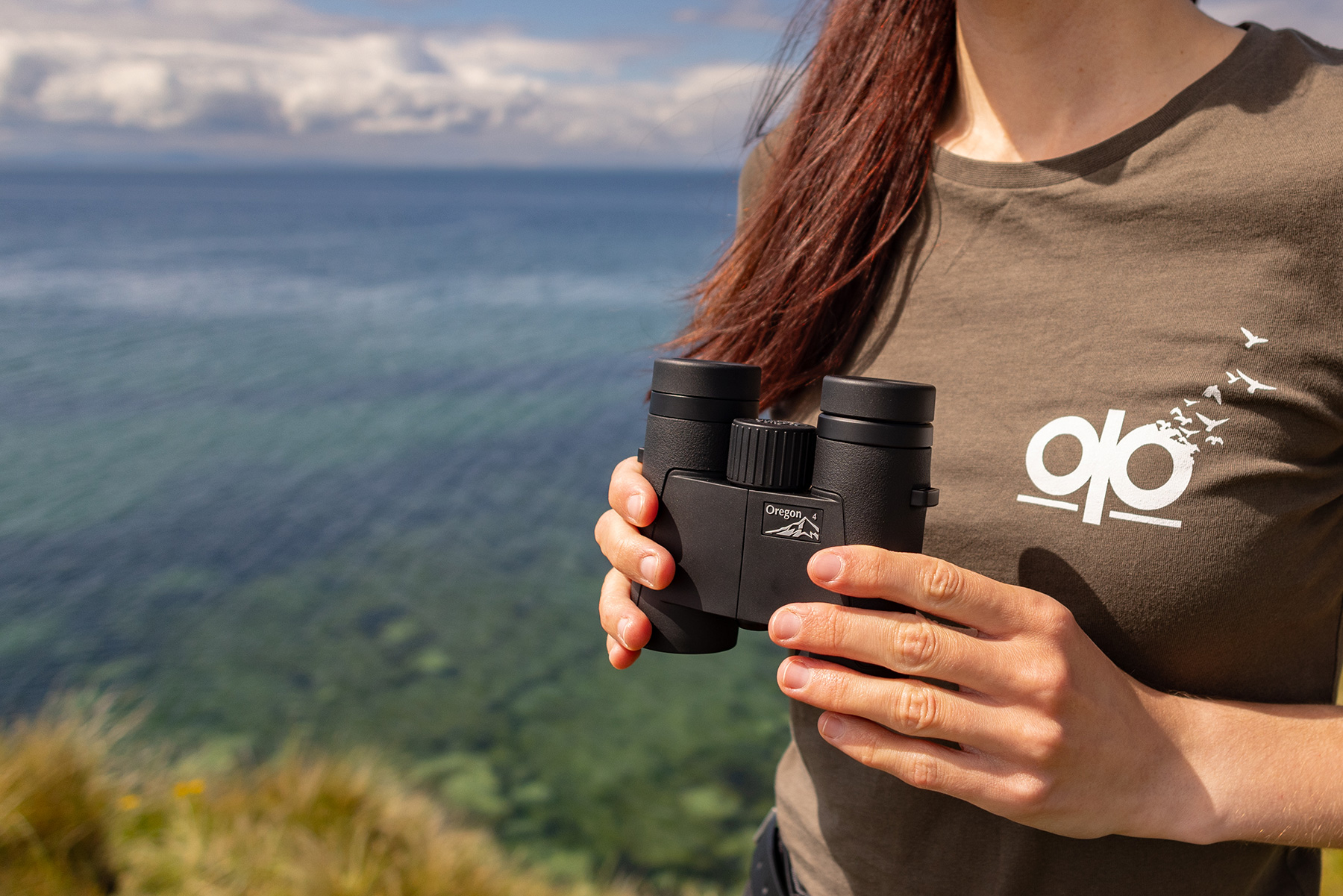
For most beginners, the Adventurer II WP 8×42 offers the best balance of brightness, stability, and value. If you want a lighter option, the Oregon 4 PC Oasis 8×32 is an excellent alternative.
Once you’ve chosen the right binoculars, the real fun begins, getting outside and learning to recognise the wildlife you’re watching. If you’d like help identifying birds, mammals and insects with confidence, explore our beginner‑friendly guide to the best UK field guides.