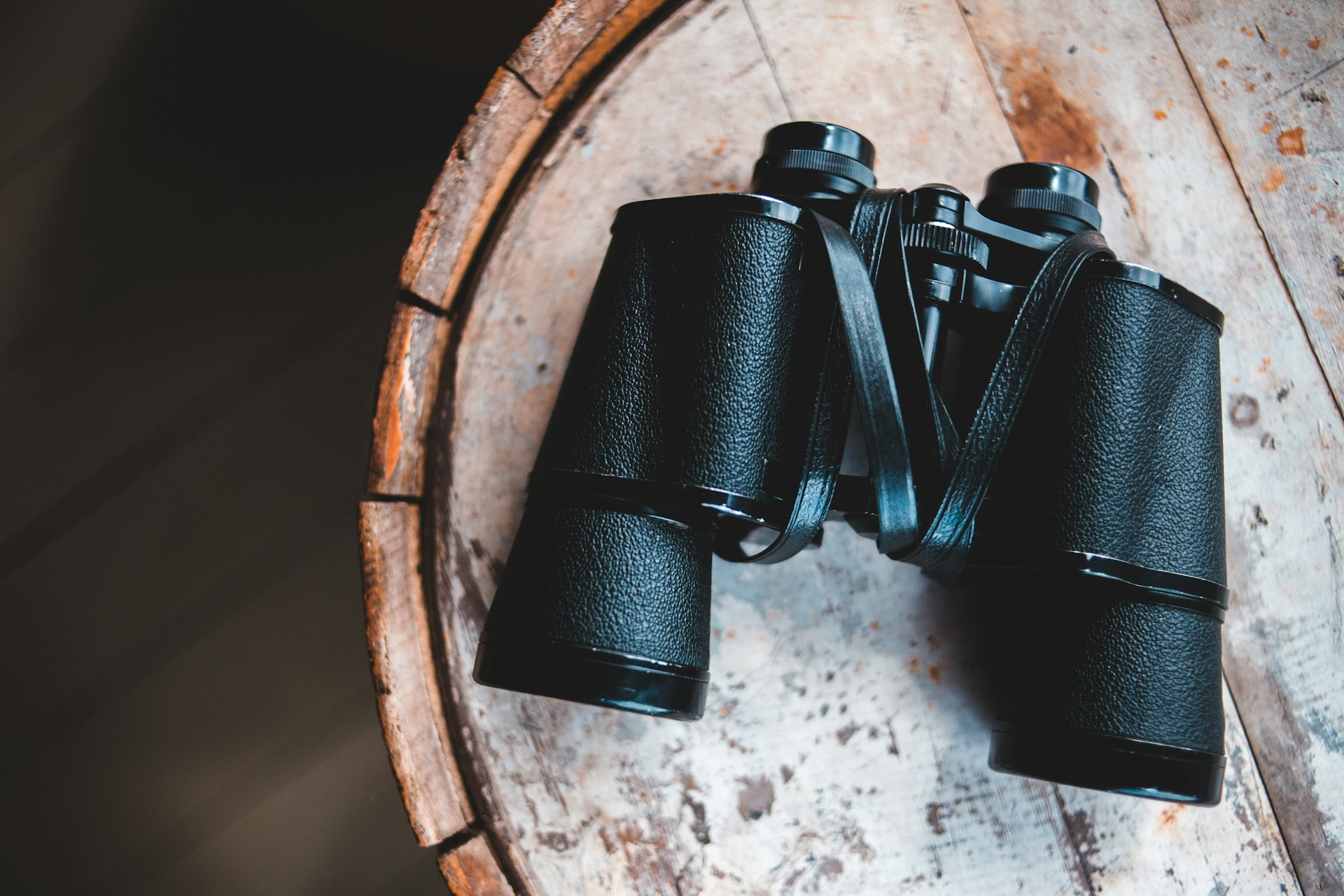
Birds are the easiest wildlife to start spotting, and one of the most rewarding. Whether you’re watching garden visitors, scanning the sky for birds of prey, or exploring the coast for waders and seabirds, these beginner‑friendly guides will help you recognise species, understand their behaviour, and enjoy birdwatching with confidence.

A beginner friendly guide to starling murmurations in the UK. Covers when they occur, the best places to see them, why starlings gather in such huge flocks, and how to watch this mesmerising behaviour gently and responsibly.
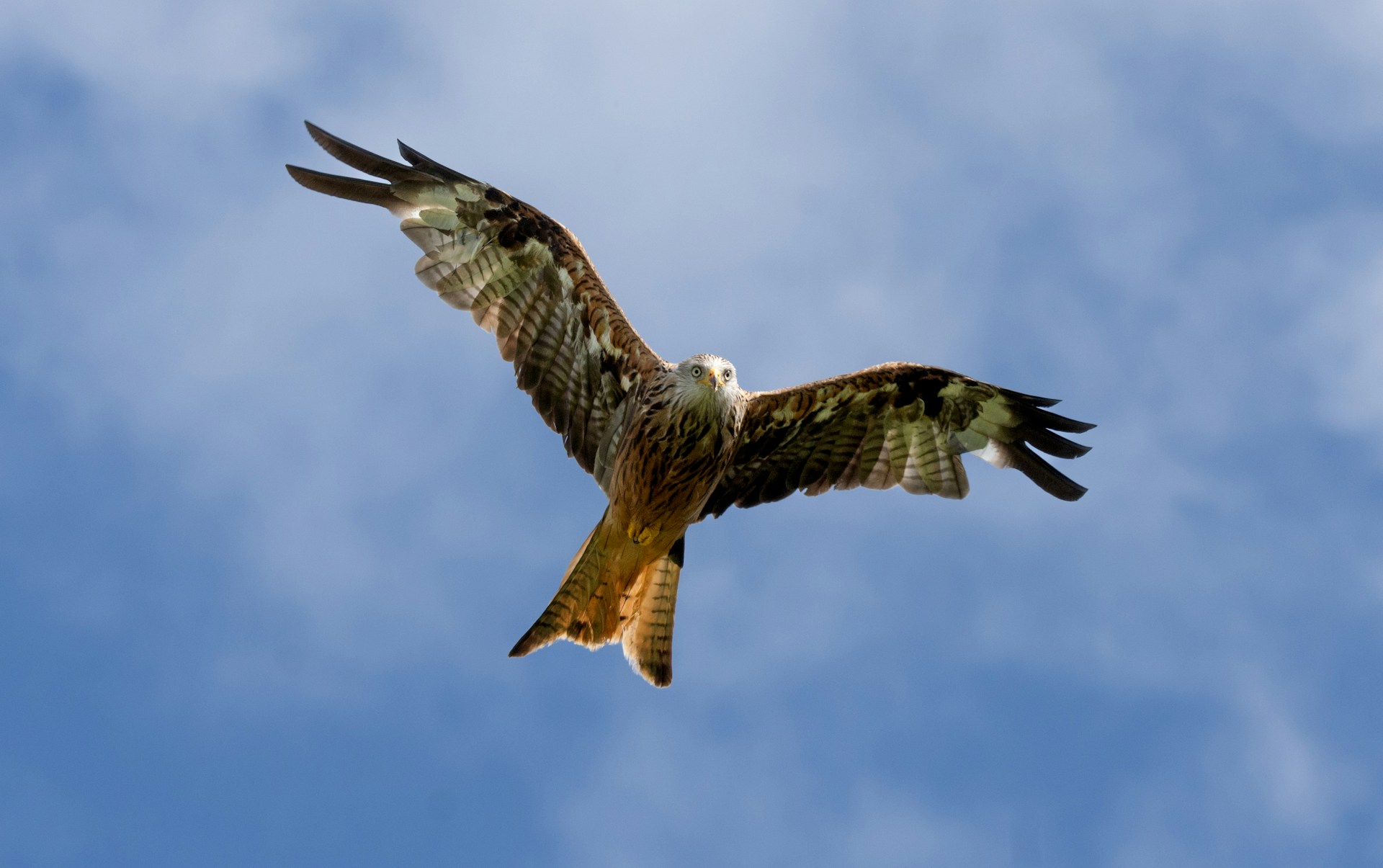
A beginner friendly guide to the red kite, one of the UK’s greatest conservation success stories. It covers how this once rare bird returned from near extinction, where to see them today, and how to identify them confidently in the wild.
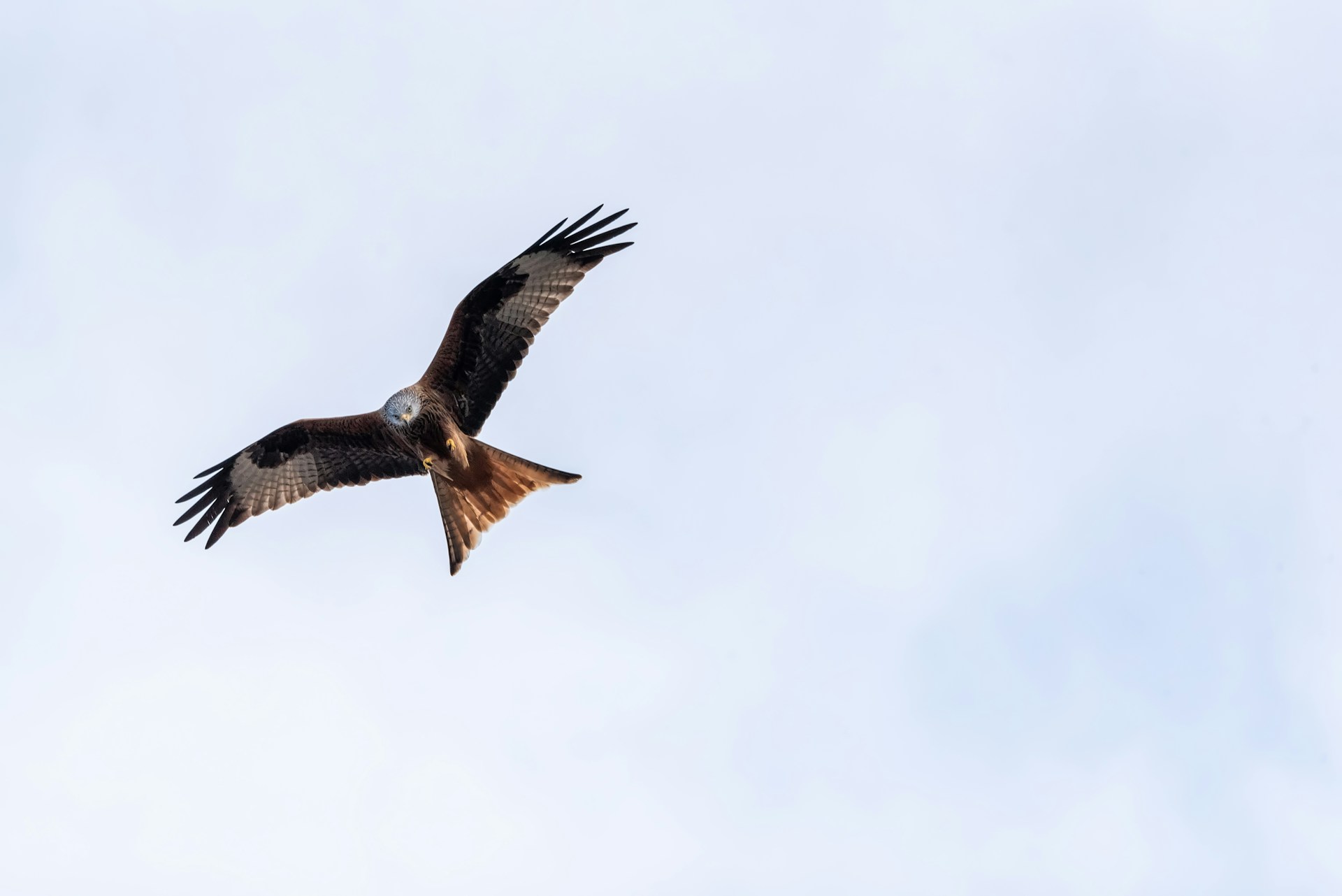
A beginner friendly guide to the UK’s most common birds of prey. Covers where to find them, how to identify species by shape and behaviour, and how to watch raptors safely and respectfully in the wild.
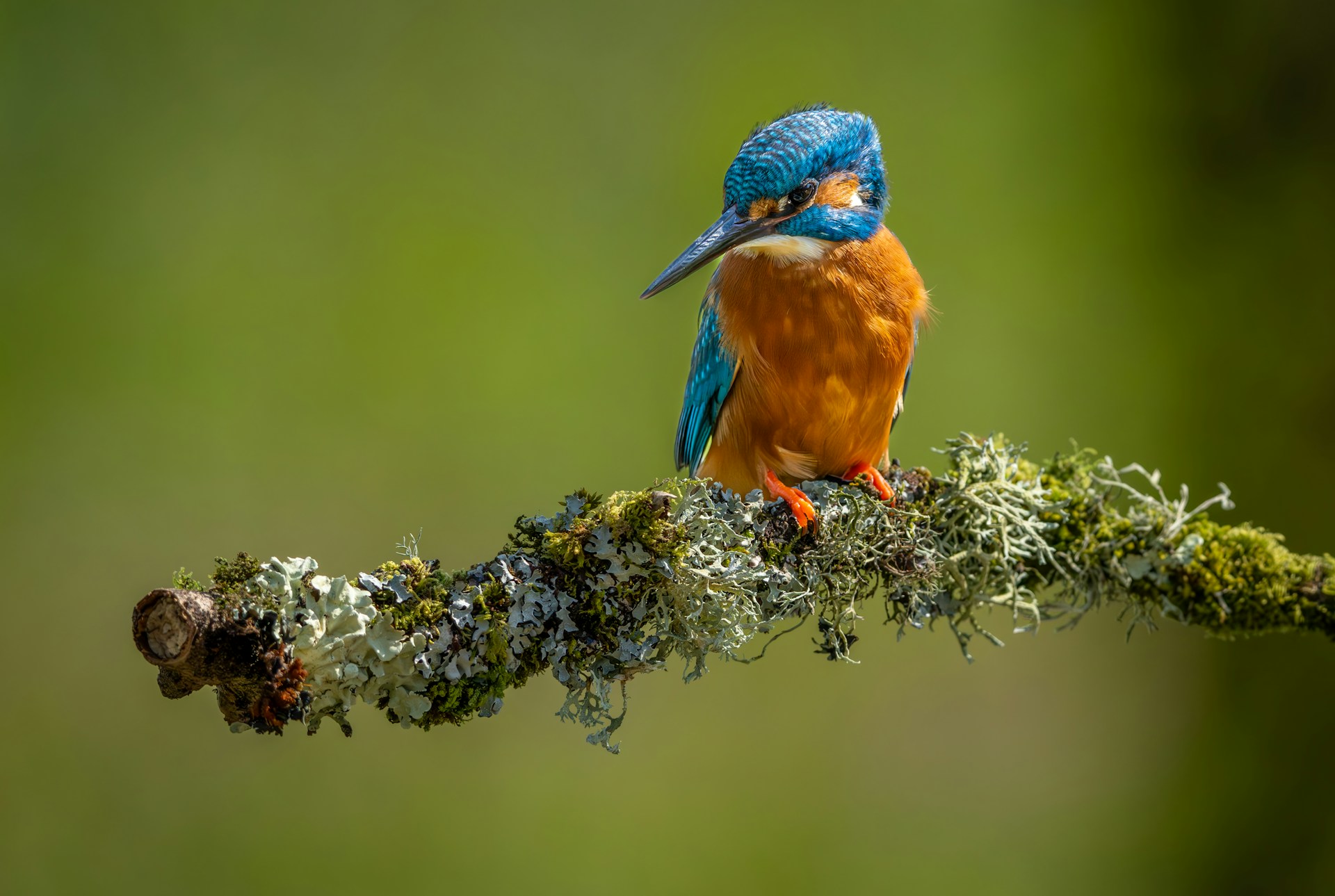
A beginner‑friendly guide to finding and watching kingfishers in the UK. Covers where to look, how to recognise their behaviour and the best times to visit rivers and canals.
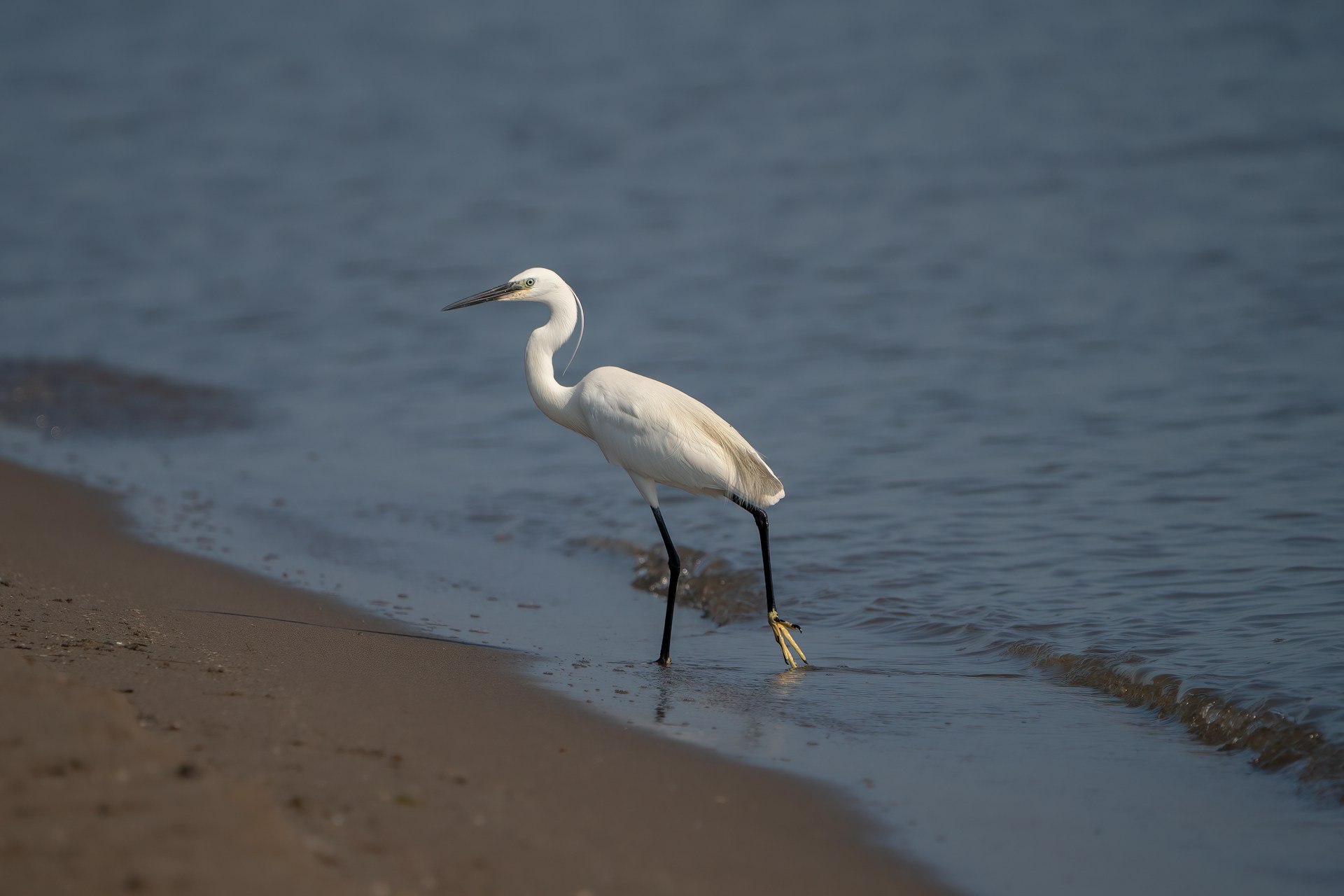
A beginner friendly guide to recognising the UK’s most common wading birds. Covers key features, simple ID tips, where to find them, and how to watch these sensitive species responsibly along coasts, estuaries, and wetlands.
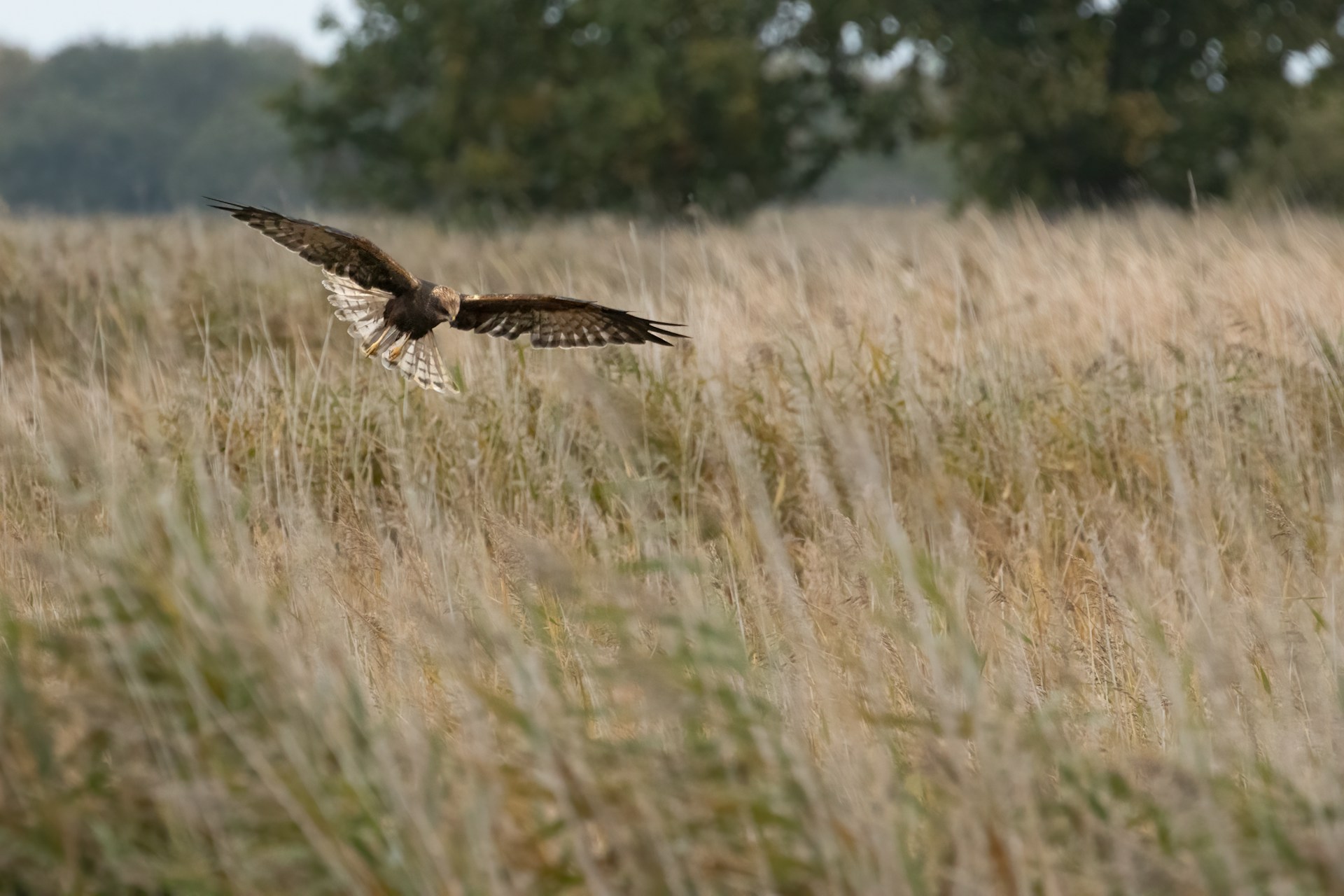
A gentle introduction to birdwatching that focuses on behaviour, silhouettes, movement, and sound rather than equipment. Perfect for beginners and easy to illustrate with atmospheric garden or woodland images.

A gentle guide to using RSPB resources to deepen your wildlife watching, understand habitats, and support conservation from home or on your daily walks.
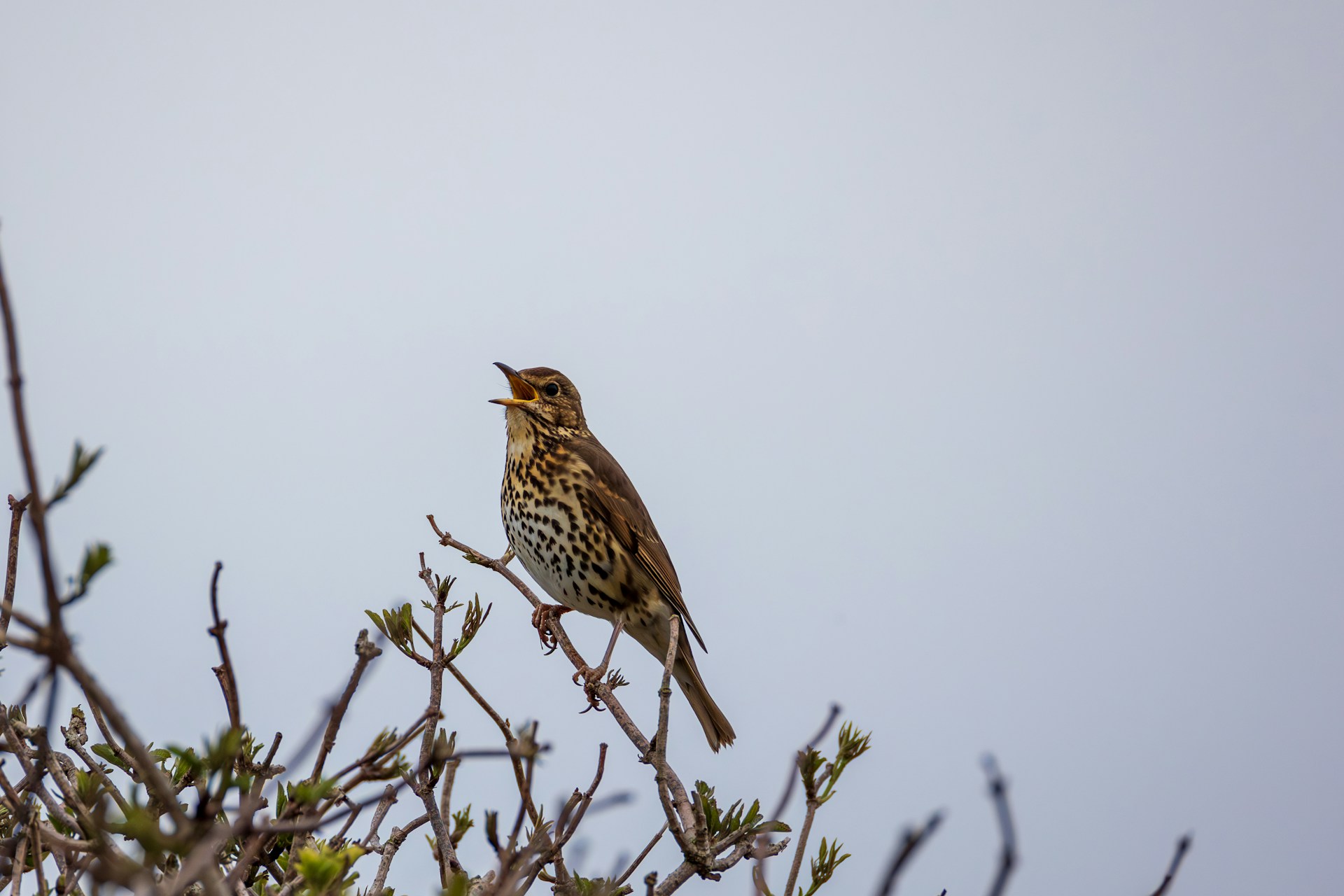
A simple, confidence building guide to recognising bird songs, with tips on listening patterns, common calls, and how to train your ear outdoors.

A calm, practical guide to finding owls ethically, with advice on where to look, when to go, and how to listen for calls without disturbing these remarkable birds.
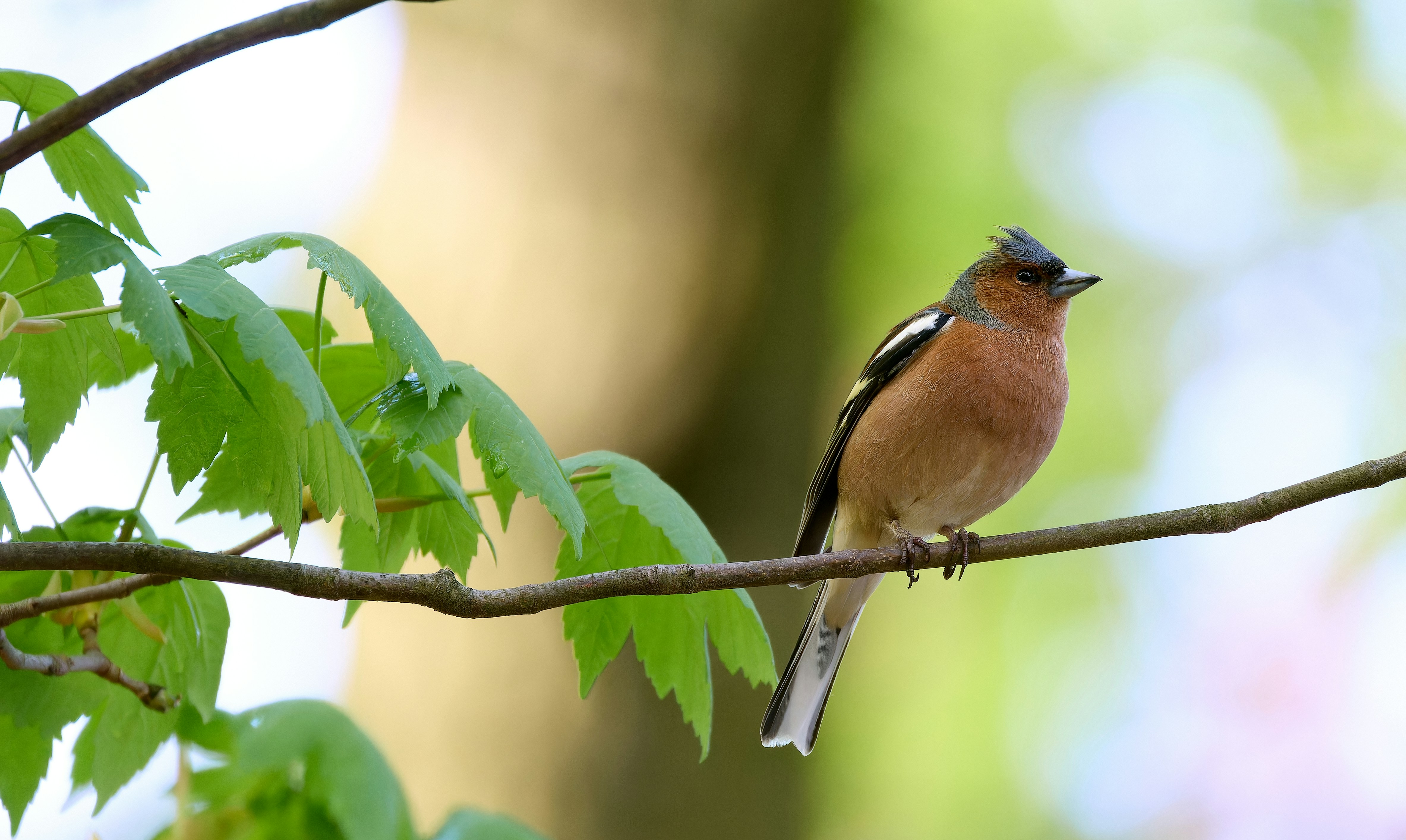
A gentle introduction to the UK’s most familiar garden birds, with simple tips on shape, colour, and behaviour to help you recognise species confidently on your very next walk.
From hedgehogs and foxes to deer, otters, bats, and even wild boar, the UK is home to an incredible variety of mammals; many of which can be seen with a little patience and the right approach. These guides show you how to spot them safely, ethically, and without disturbing their natural routines.
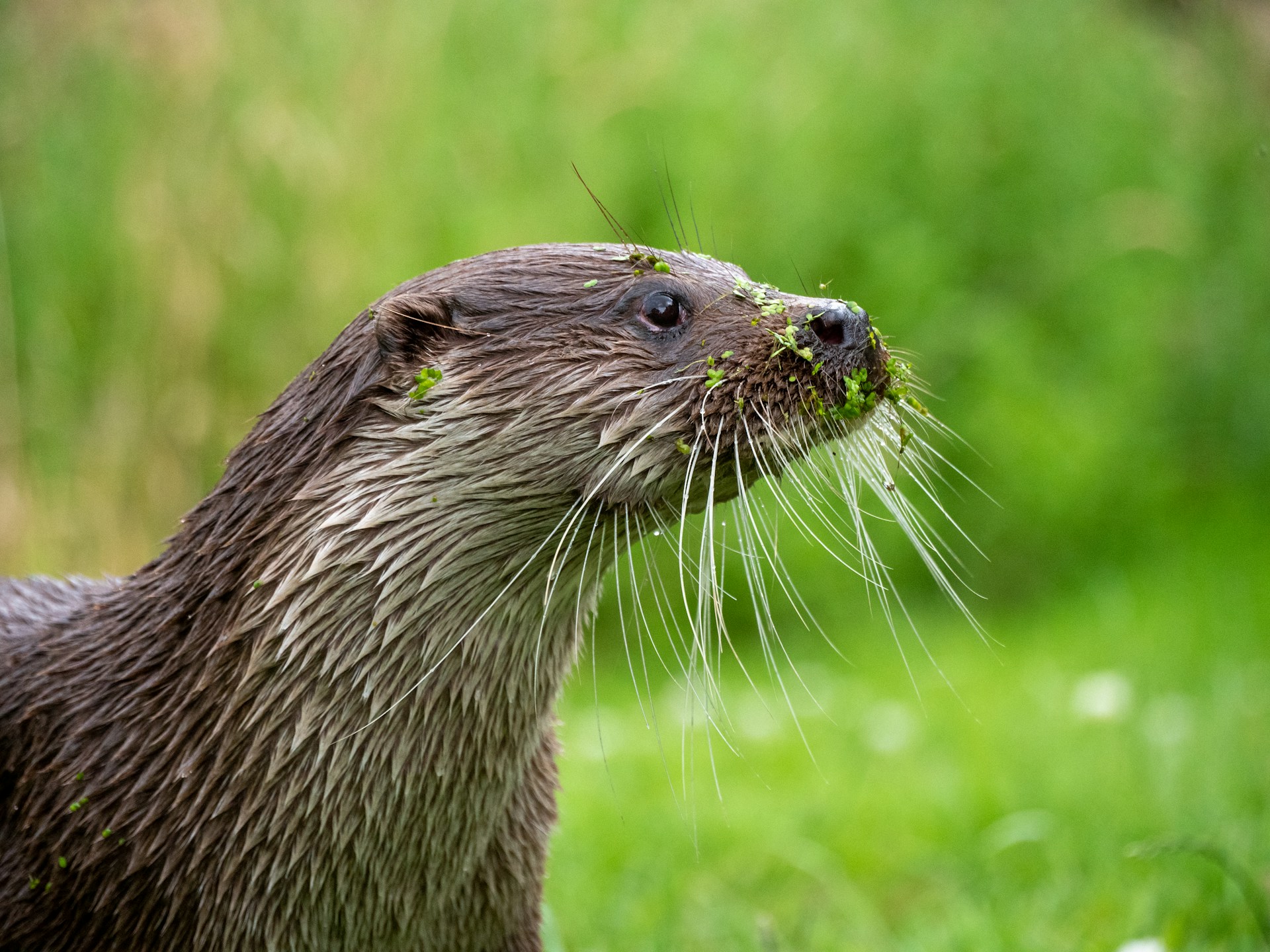
A beginner friendly guide to finding and watching wild otters in the UK. Covers where to look, how to recognise signs, the best times of day to visit, and how to observe these sensitive animals without disturbing them.
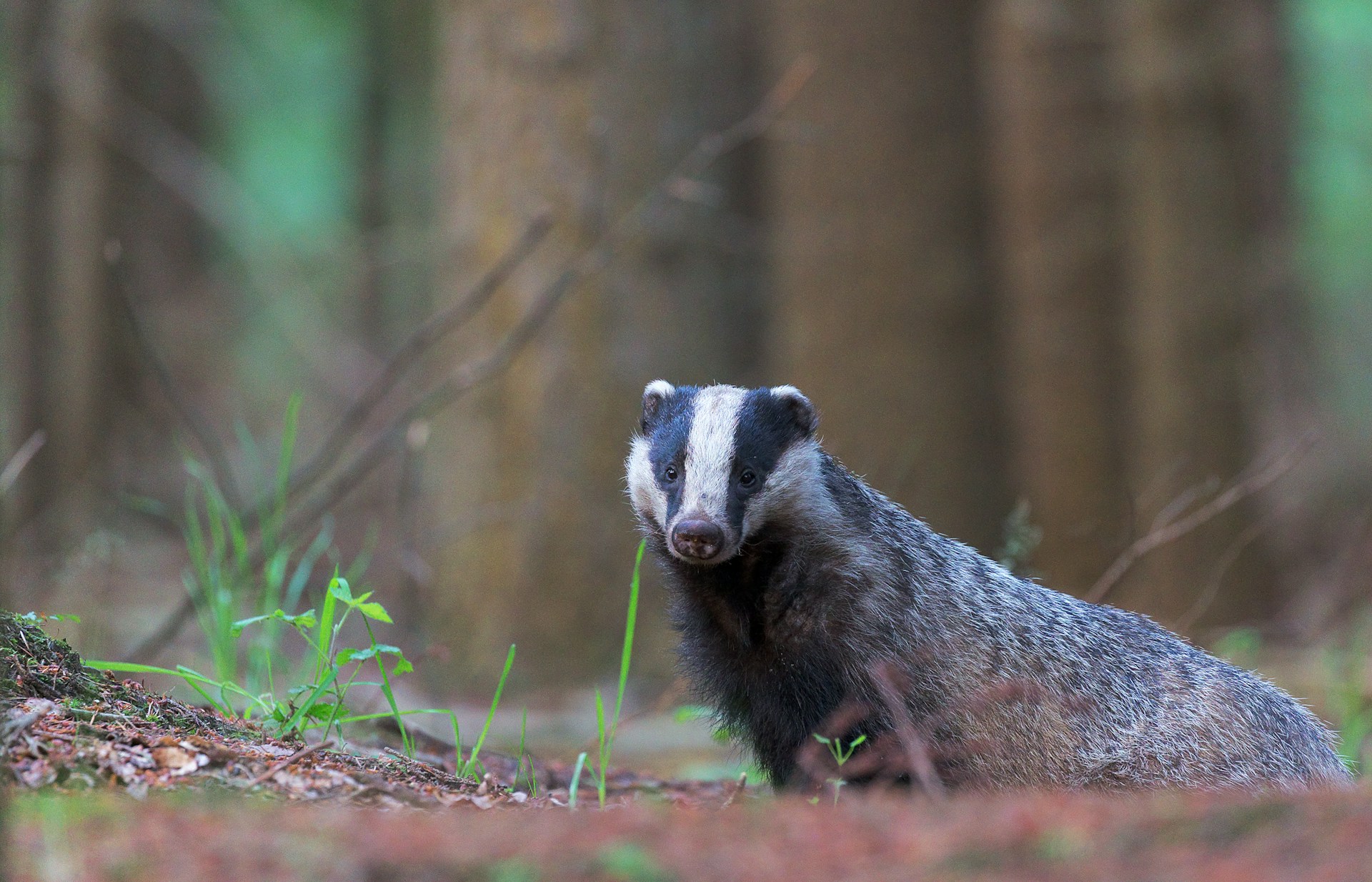
A clear, ethical approach to seeing badgers in the wild, including how to find setts, when to watch, and how to minimise your impact on these shy, protected animals.
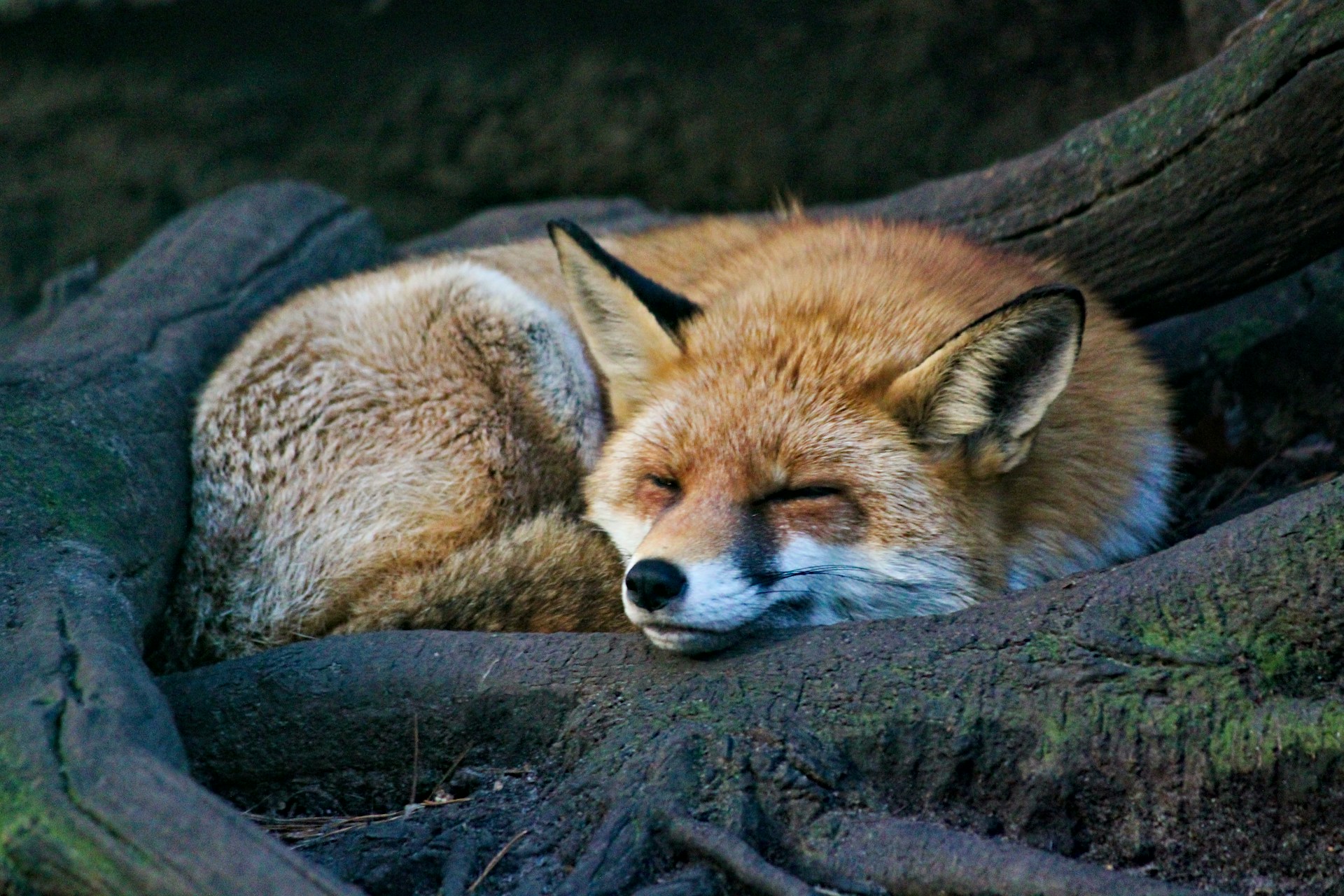
A beginner friendly guide to watching foxes respectfully, with tips on behaviour, tracks, and the best times to look without causing stress or disturbance.

A beginner friendly guide to recognising signs of wild boar in the UK. Covers where boar live, how to spot tracks, rooting, wallows, and other subtle clues — all without disturbing these powerful, sensitive animals.

A calm introduction to finding deer in the wild, with advice on habitats, behaviour, and the quiet approach needed to watch them respectfully.
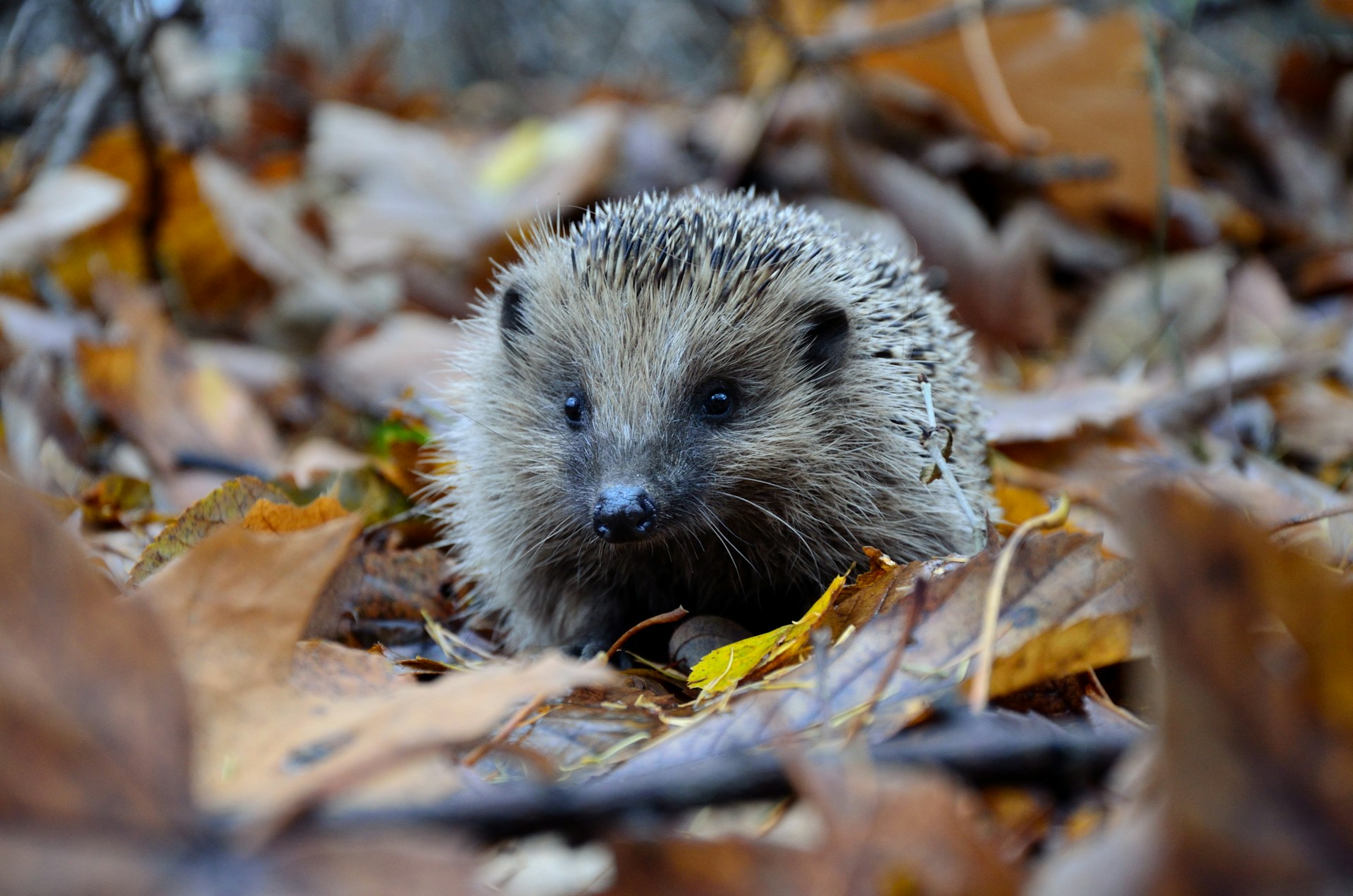
Everything you need to spot hedgehogs safely, understand their habits, and support them with simple, wildlife friendly steps in your own garden.
The UK coastline is one of the richest wildlife habitats in Europe. Seals, whales, coastal birds, and beach‑dwelling creatures all thrive here. These guides help you explore the shore with confidence, whether you’re rockpooling, scanning the waves, or discovering the wildlife that appears with the tides.
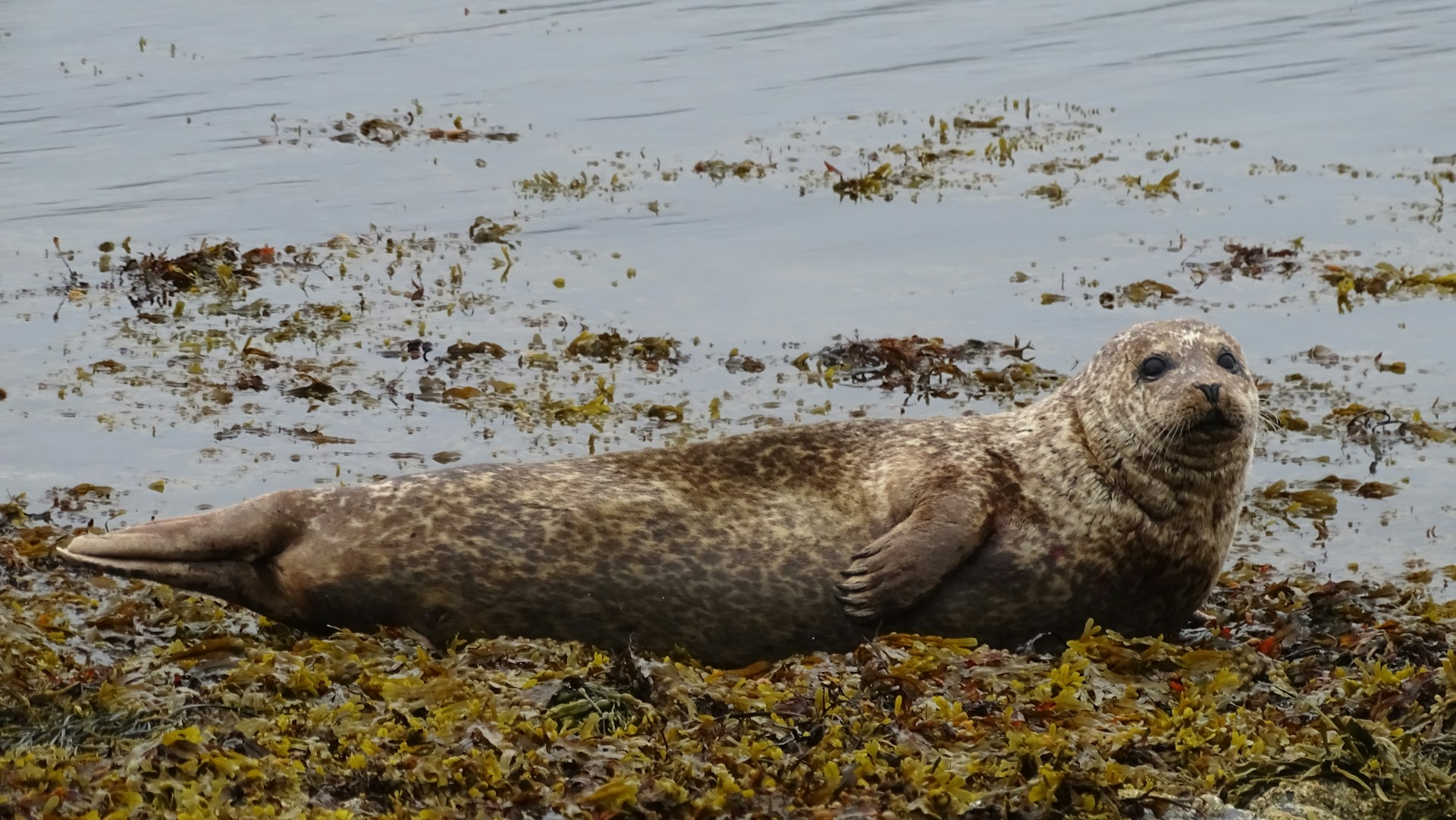
A beginner‑friendly guide to spotting seals around the UK coastline. Covers where to find them, how to recognise common species, the best times to watch, and how to enjoy seal encounters safely and responsibly without disturbing these protected marine mammals.
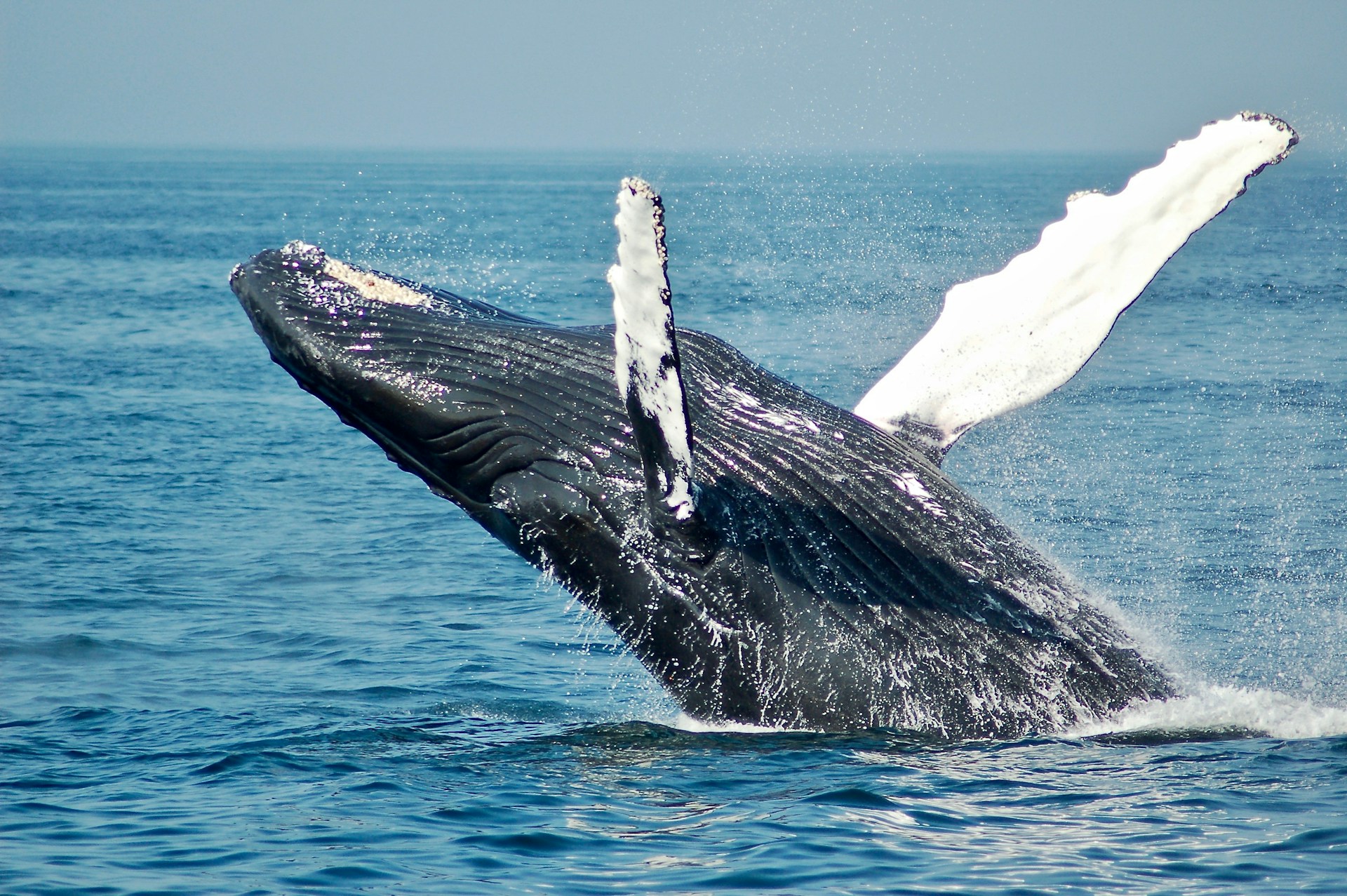
A beginner friendly guide to the whales that pass the UK coastline, including when migrations occur, the best viewing locations, what species you might see, and how to watch responsibly from land or sea.

A gentle introduction to spotting coastal wildlife, understanding tides, and exploring the shoreline with care and curiosity.
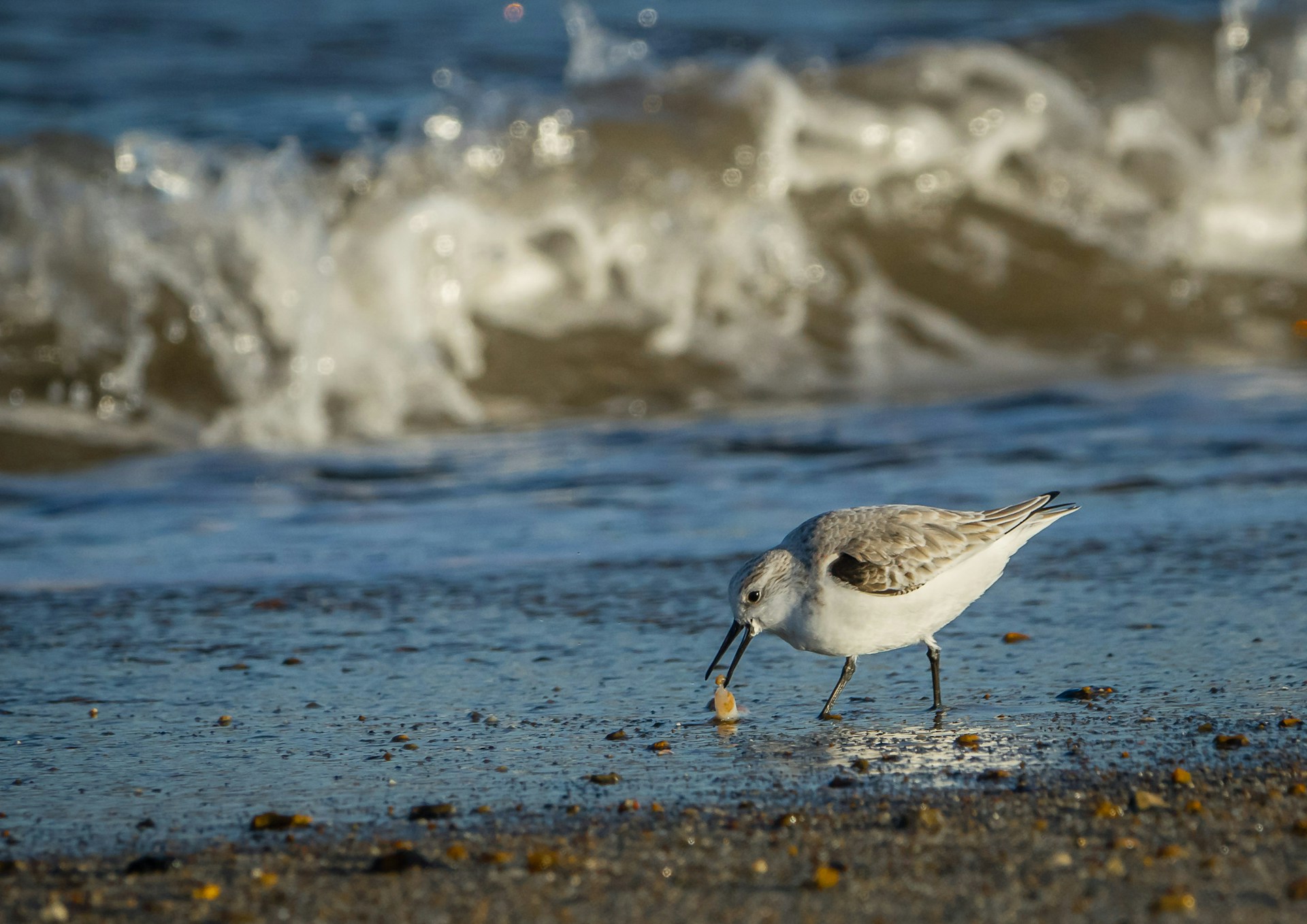
A gentle guide to the coastal birds that appear in early spring, and how to spot them along beaches, estuaries, and shorelines.

Explore the surprising mix of birds, shore creatures, and hidden coastal life that thrives along the beach throughout the year.
Every habitat has its own character and its own wildlife. From lakes and rivers to woodlands, heathlands, moorlands, and canals, these guides help you understand what lives where and how to explore each place in a calm, beginner‑friendly way.

Discover the wildlife that lives in British woodlands with this beginner friendly guide. Learn how to spot birds, mammals, insects, and plants in forests across the UK, understand the signs they leave behind, and explore the best woodland habitats to visit. Perfect for anyone wanting to slow down, look closer, and enjoy the rich wildlife found beneath the trees.

A beginner friendly guide to exploring the UK’s open moorlands — what makes these upland habitats unique, which birds, mammals, insects, and plants you’re likely to see, how to explore safely, and how to enjoy these wild spaces responsibly.
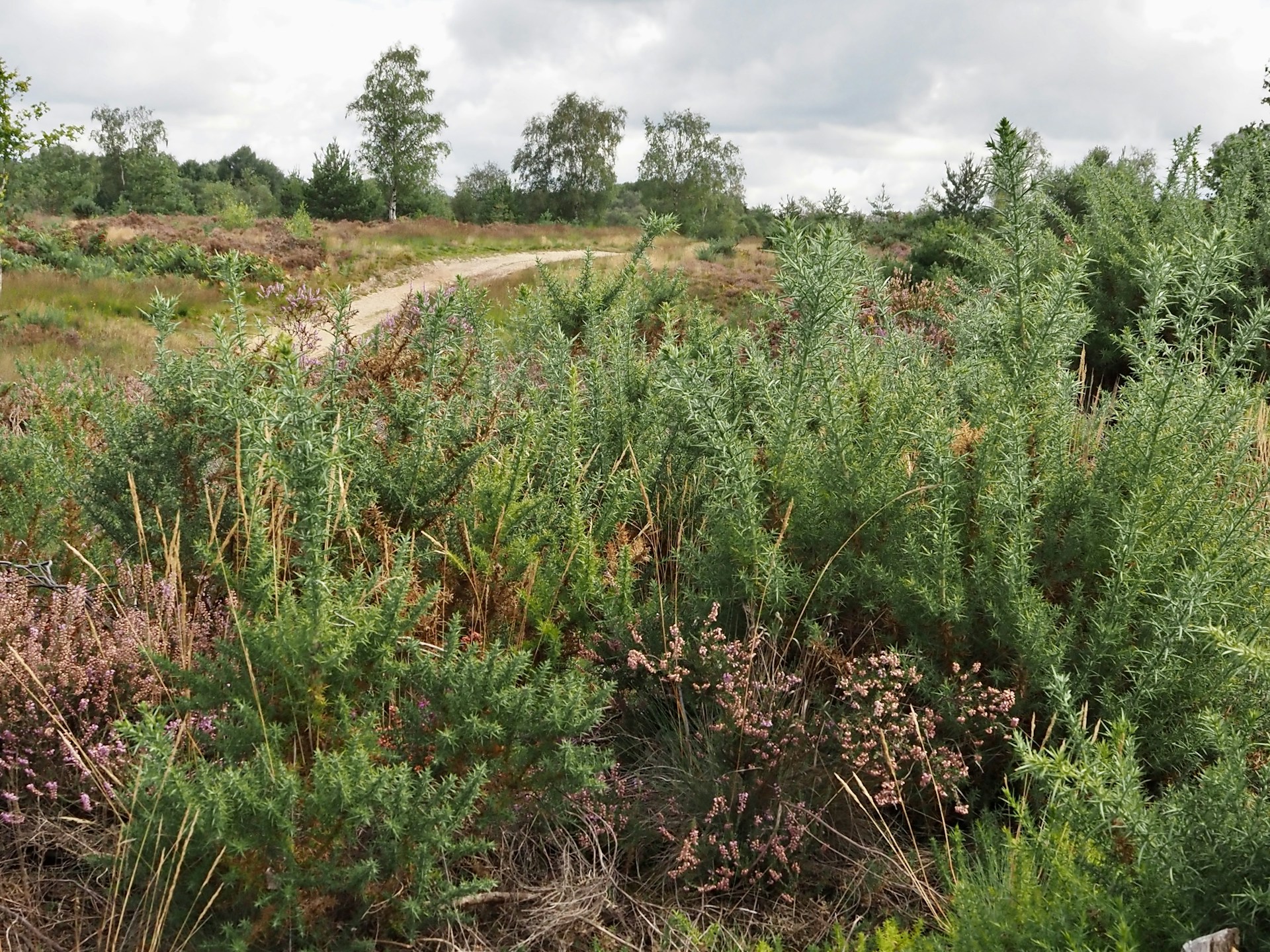
A beginner friendly introduction to the UK’s heathlands — what makes them special, which species you’re likely to see, how to explore them gently, and why these rare landscapes are so important for birds, reptiles, insects, and mammals.
You don’t need to travel far to enjoy wildlife. Gardens, balconies, and small outdoor spaces can become thriving habitats with just a few simple changes. These guides show you how to attract wildlife, create safe spaces, and spot the creatures that share your home environment.
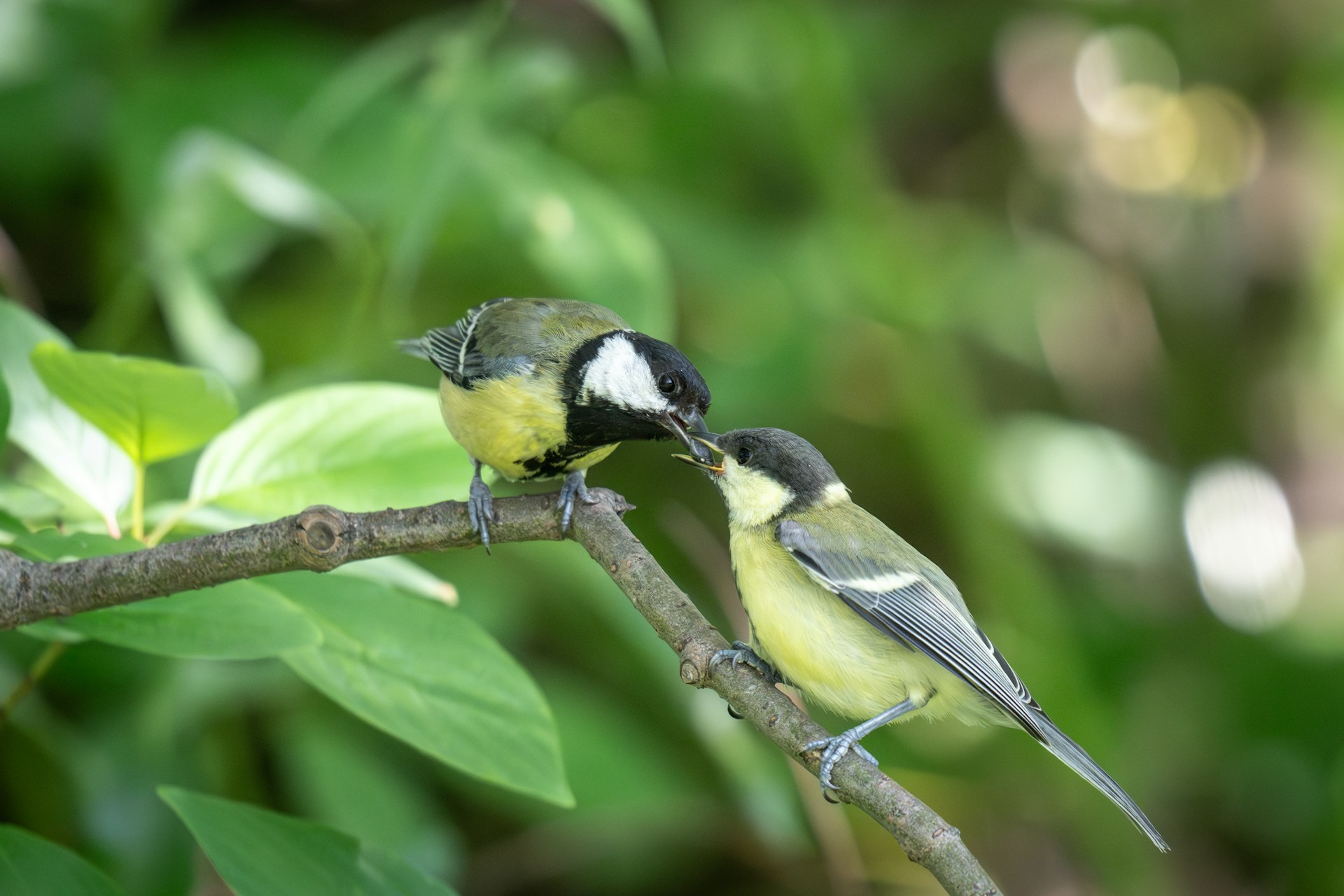
A seasonal guide to protecting fledglings, froglets, young hedgehogs, and other vulnerable animals. Includes tips on safe garden layouts, gentle maintenance, and how to avoid common hazards during the busiest wildlife season.
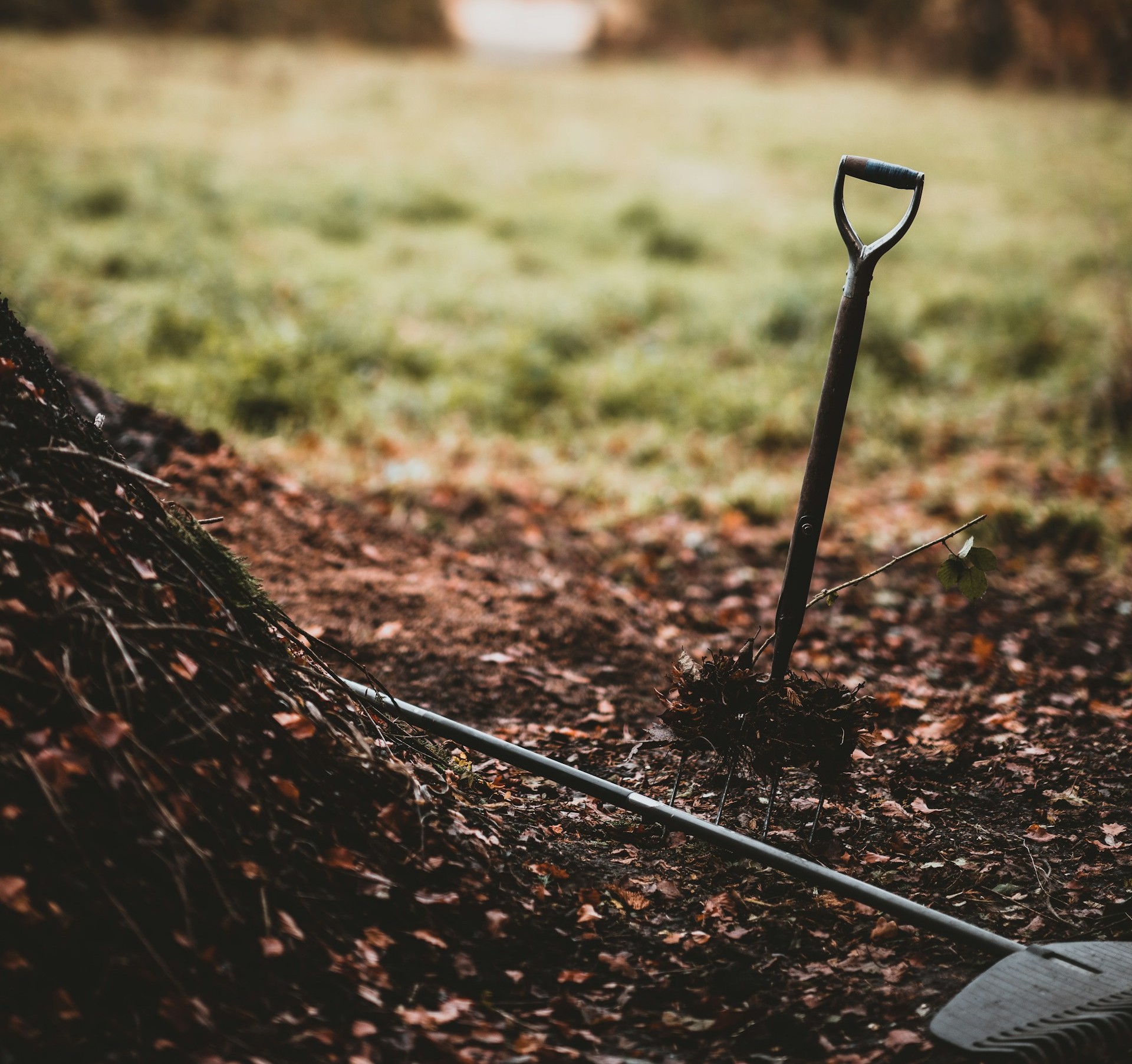
A practical guide to building a compost heap that supports slow worms, beetles, grass snakes, and soil life. Covers structure, placement, materials, and how to maintain it without disturbing the creatures that use it.
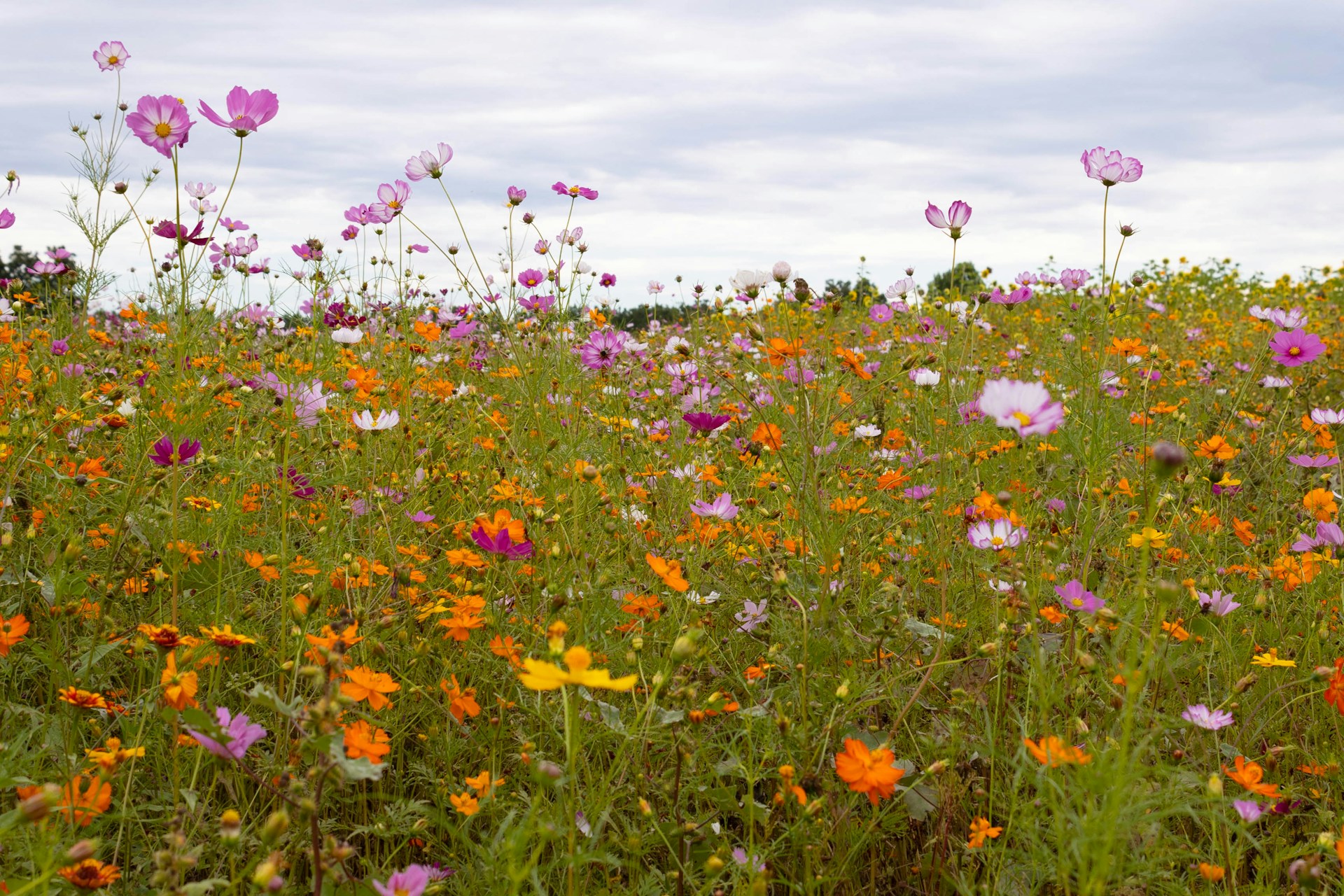
A simple, accessible guide to sowing a small wildflower area for bees, butterflies, and other pollinators. Covers choosing seeds, preparing the soil, seasonal timing, and how to maintain a patch that looks natural rather than manicured.
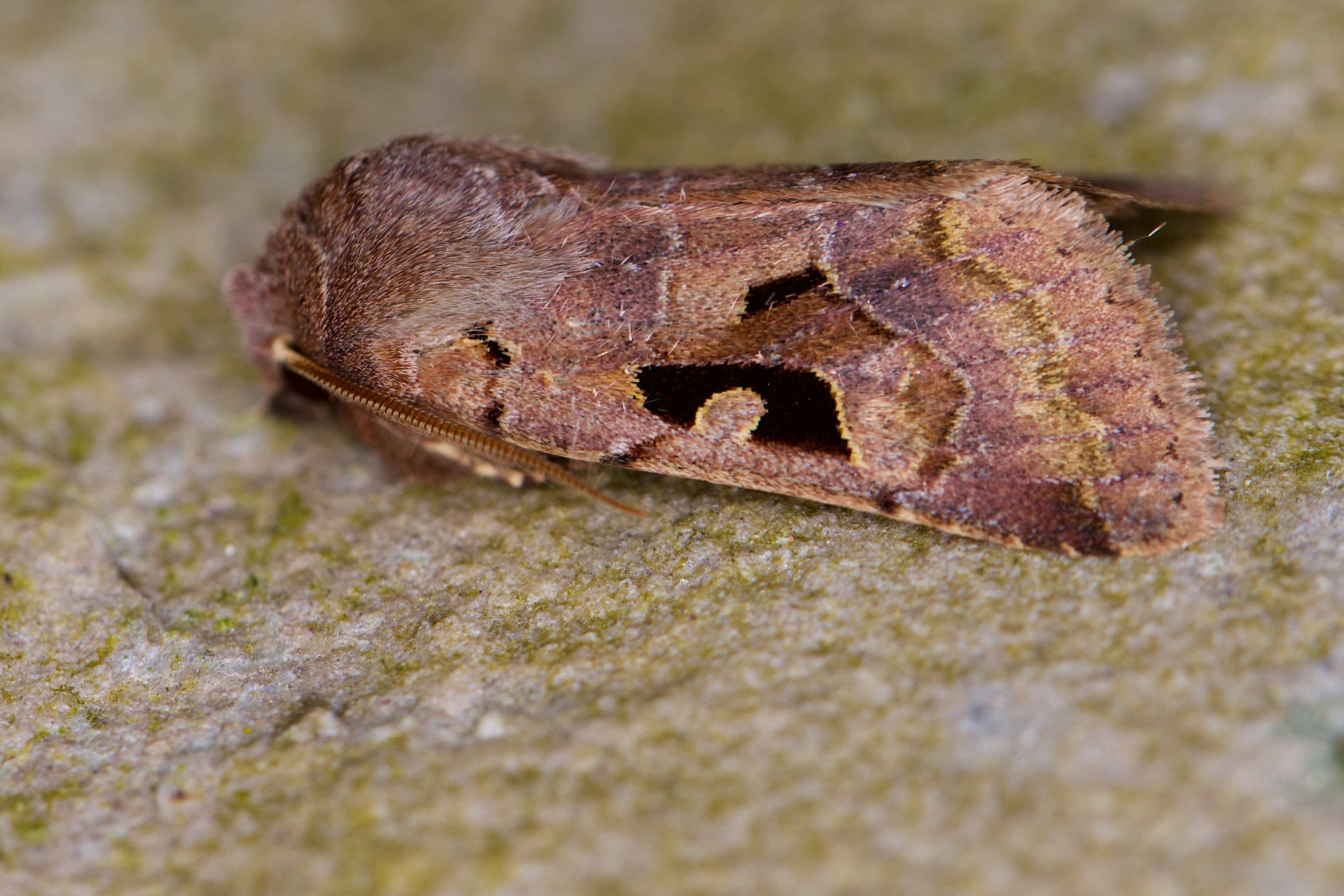
A soft, atmospheric guide to supporting night time pollinators. Covers night scented plants, gentle lighting, sheltered corners, and how to observe moths without disturbing them. Pairs beautifully with your Dawn/Dusk article.

A guide to building a simple log pile that supports beetles, amphibians, hedgehogs, and slow worms. Explains where to place it, how to layer materials, and why decaying wood is one of the richest micro habitats in any garden.
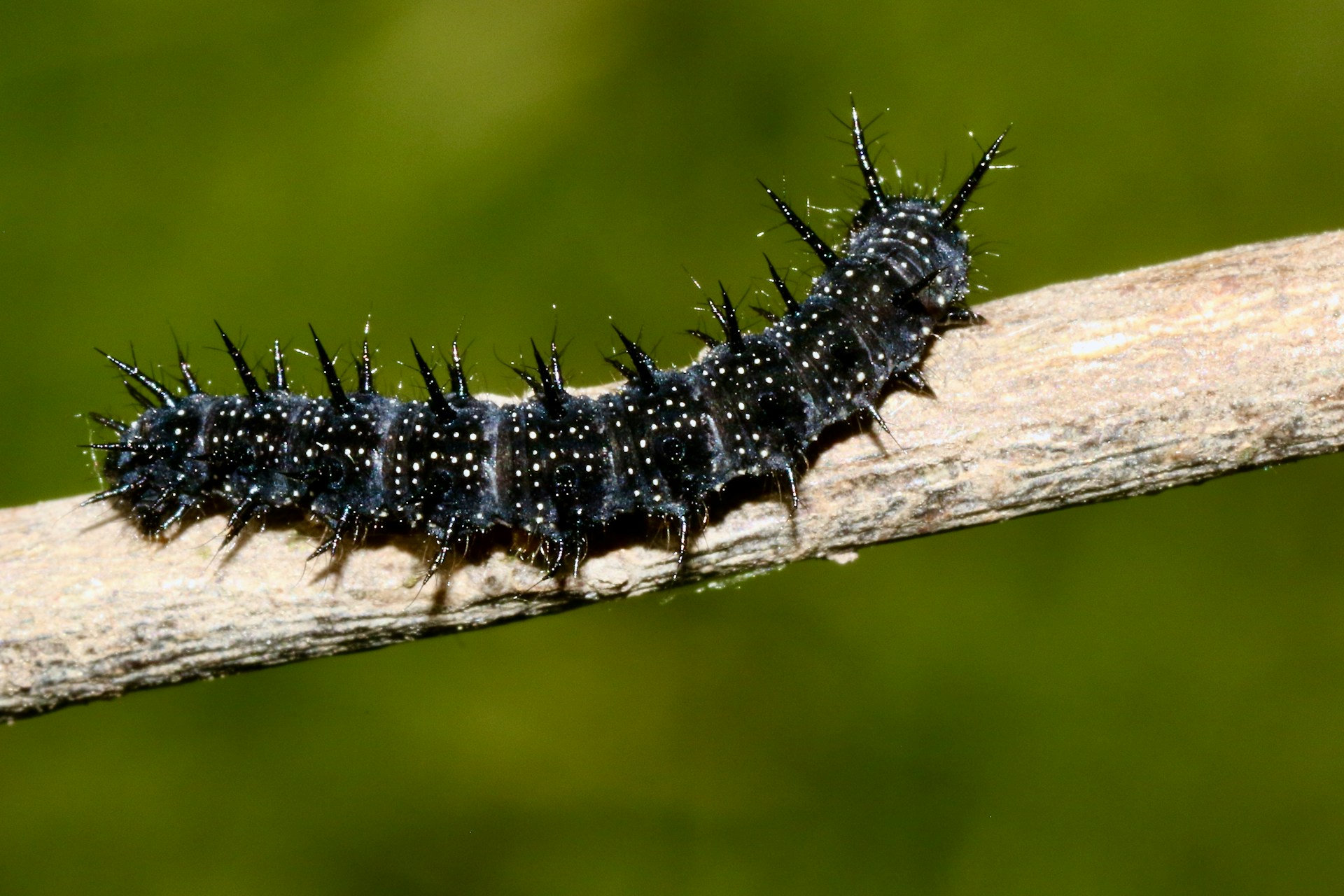
A practical introduction to host plants, leaf signs, and gentle observation. Helps beginners understand which plants caterpillars rely on, how to spot feeding trails, and how to create a safe, pesticide free space for them to thrive.
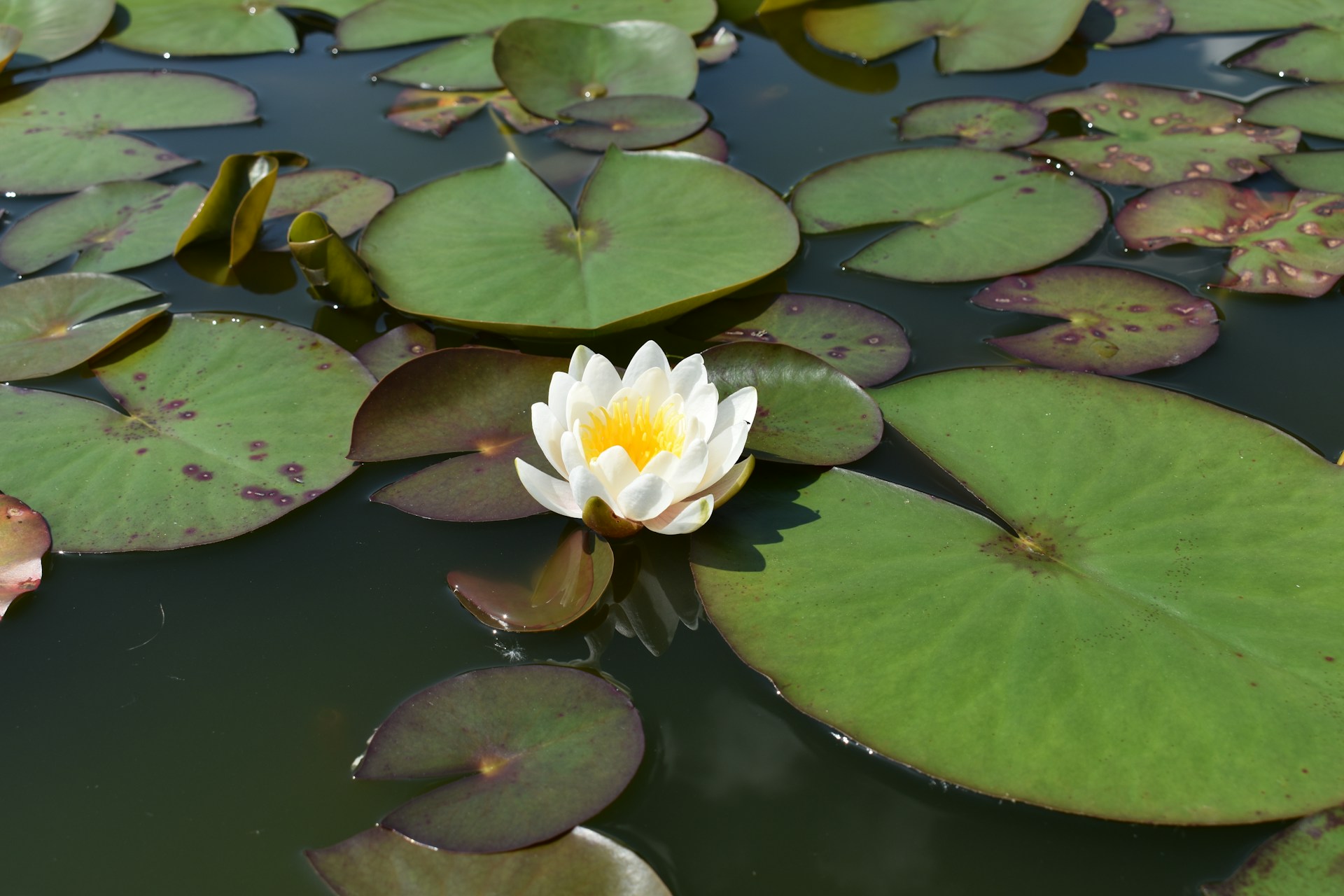
A simple, beginner friendly guide to creating a small pond that supports frogs, newts, dragonflies, birds, and insects. Covers choosing a spot, shaping the pond, adding shallow edges, planting native species, and maintaining it gently through the seasons.

Practical, easy steps to turn any outdoor space into a haven for wildlife, from planting choices to shelter, water, and year round food sources.
Wildlife isn’t just birds and mammals. Insects, amphibians, reptiles, and even fungi play essential roles in every ecosystem. These guides help you recognise the smaller, often overlooked species that bring the outdoors to life; especially in spring and summer.
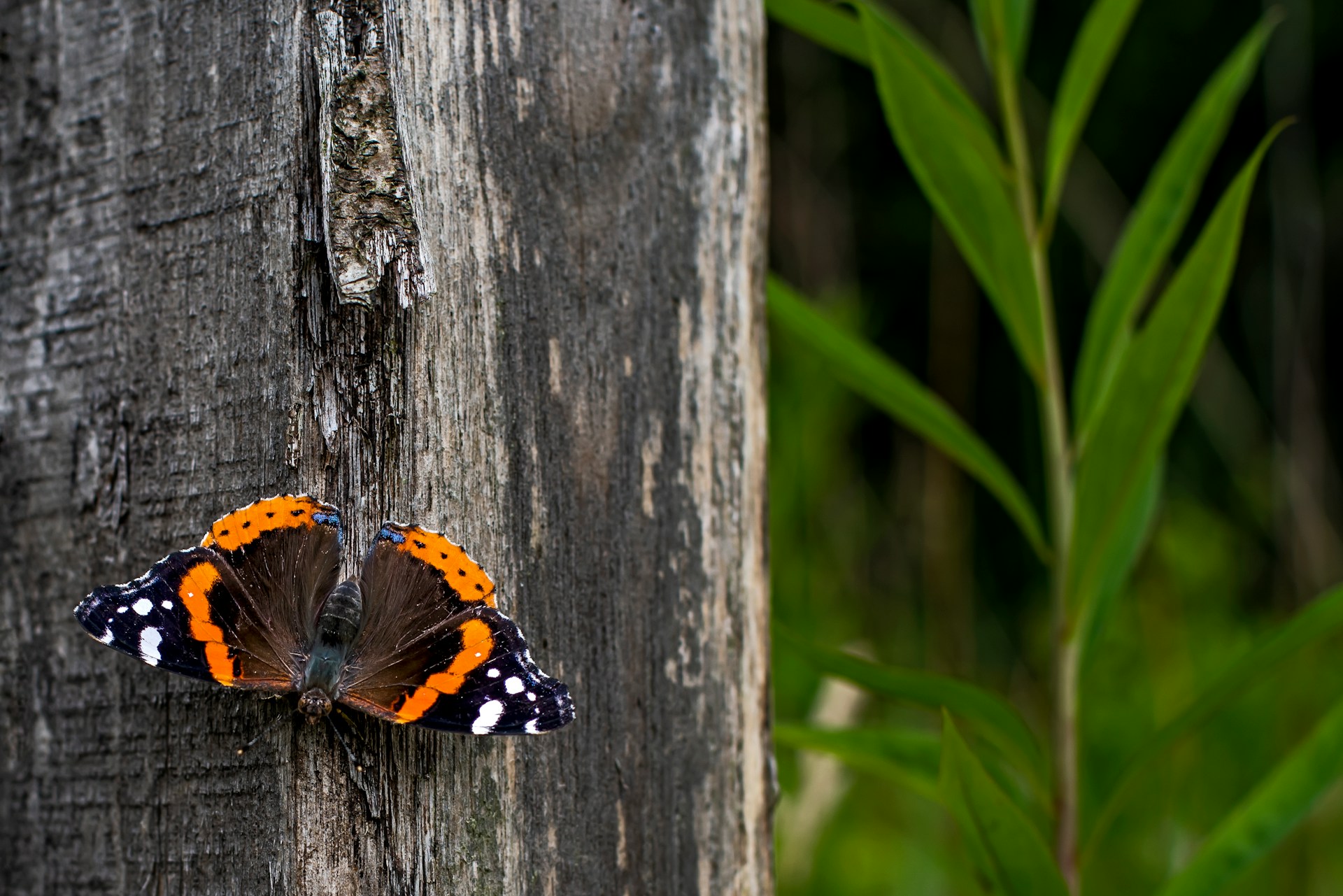
A beginner‑friendly guide to the UK’s most common insects — from butterflies and bees to dragonflies, beetles, and grasshoppers. Covers where to find them, how to spot key features, and how to enjoy insect life gently during the warmer months.
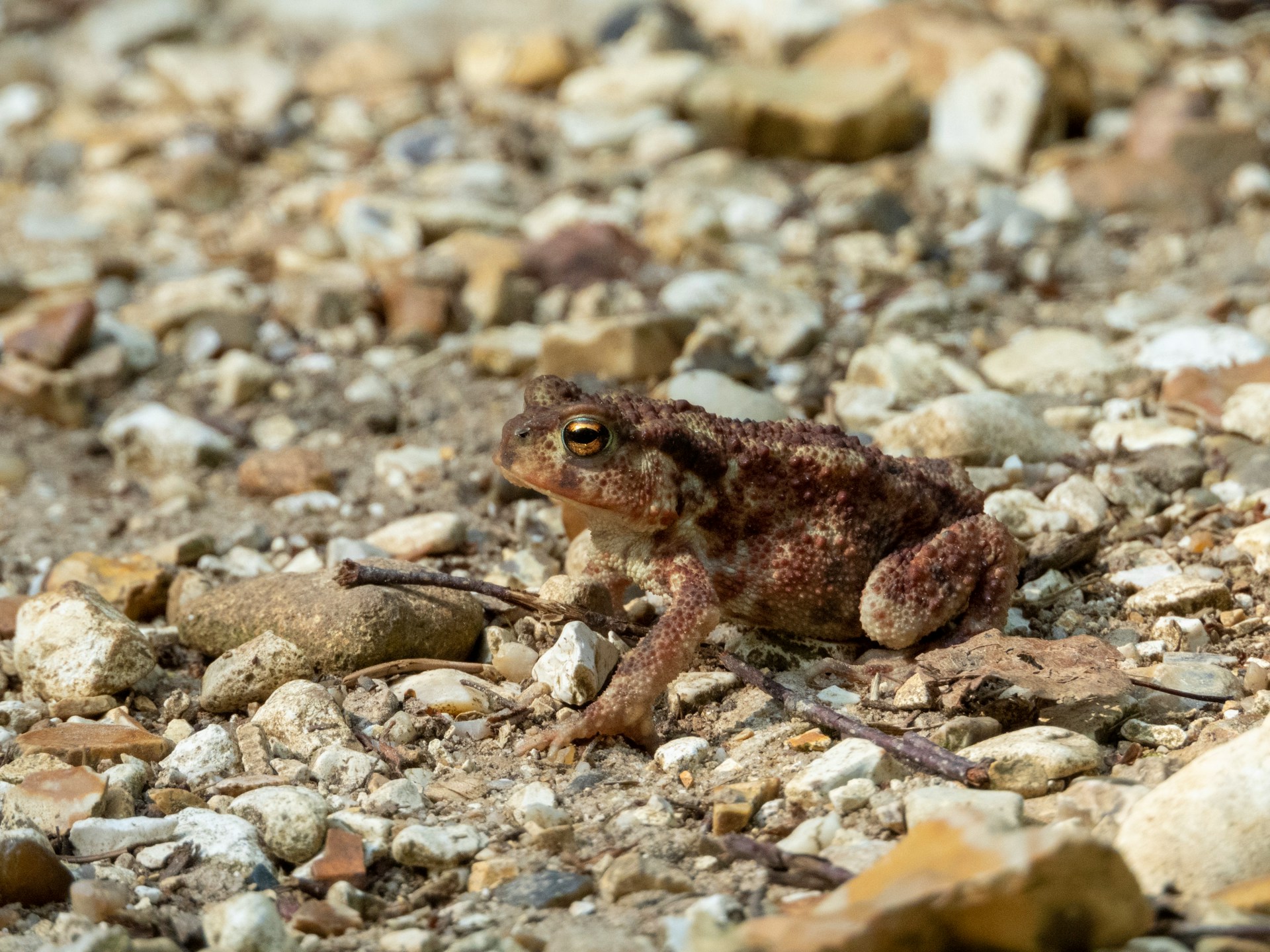
A simple, beginner friendly guide to the UK’s amphibians — how to identify frogs, toads, and newts, where to find them, when they’re most active, and how to watch them gently without causing harm.
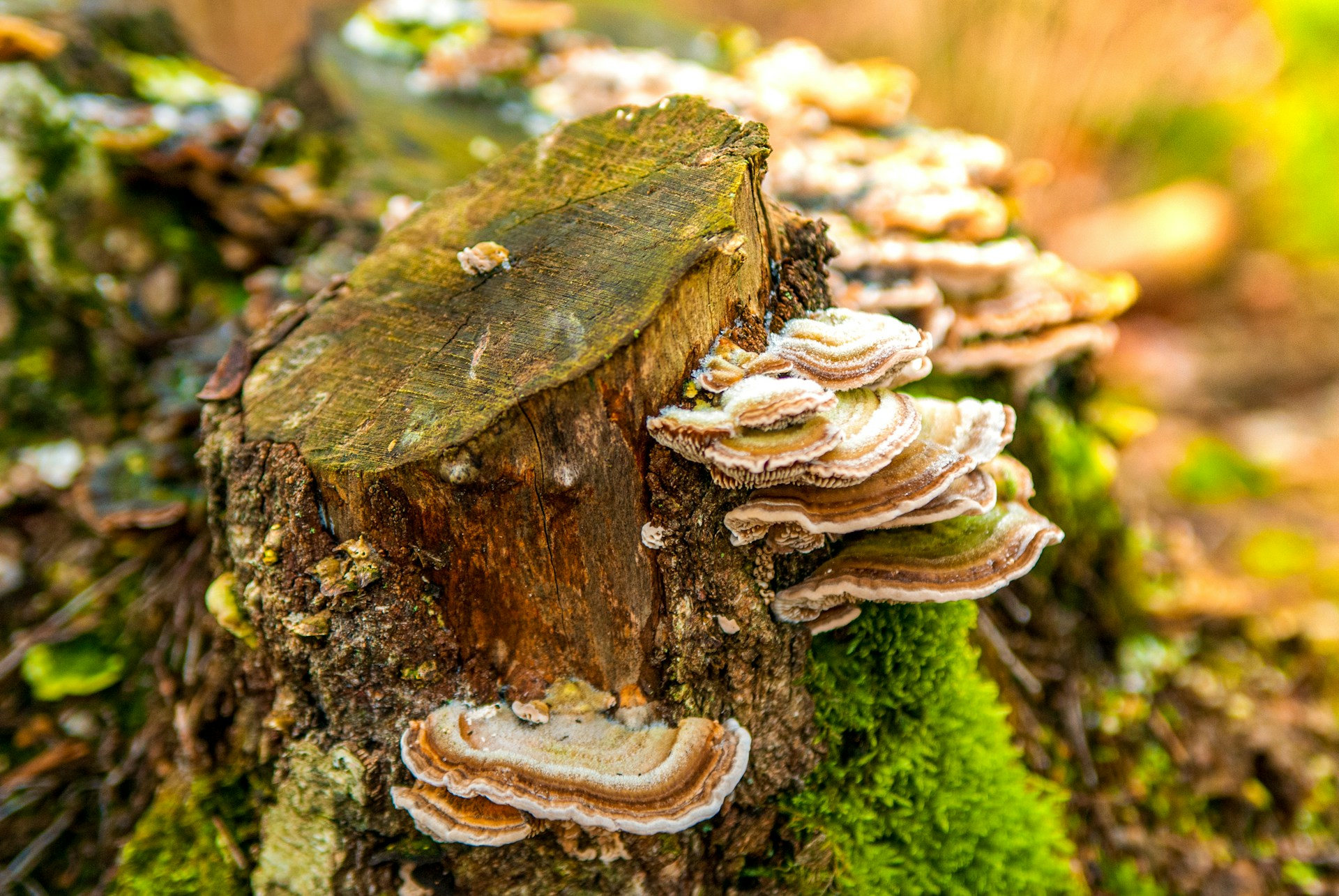
A beginner‑friendly introduction to spotting fungi on woodland walks. Learn where mushrooms are most likely to grow, how to recognise common shapes and colours, and simple ways to observe them.
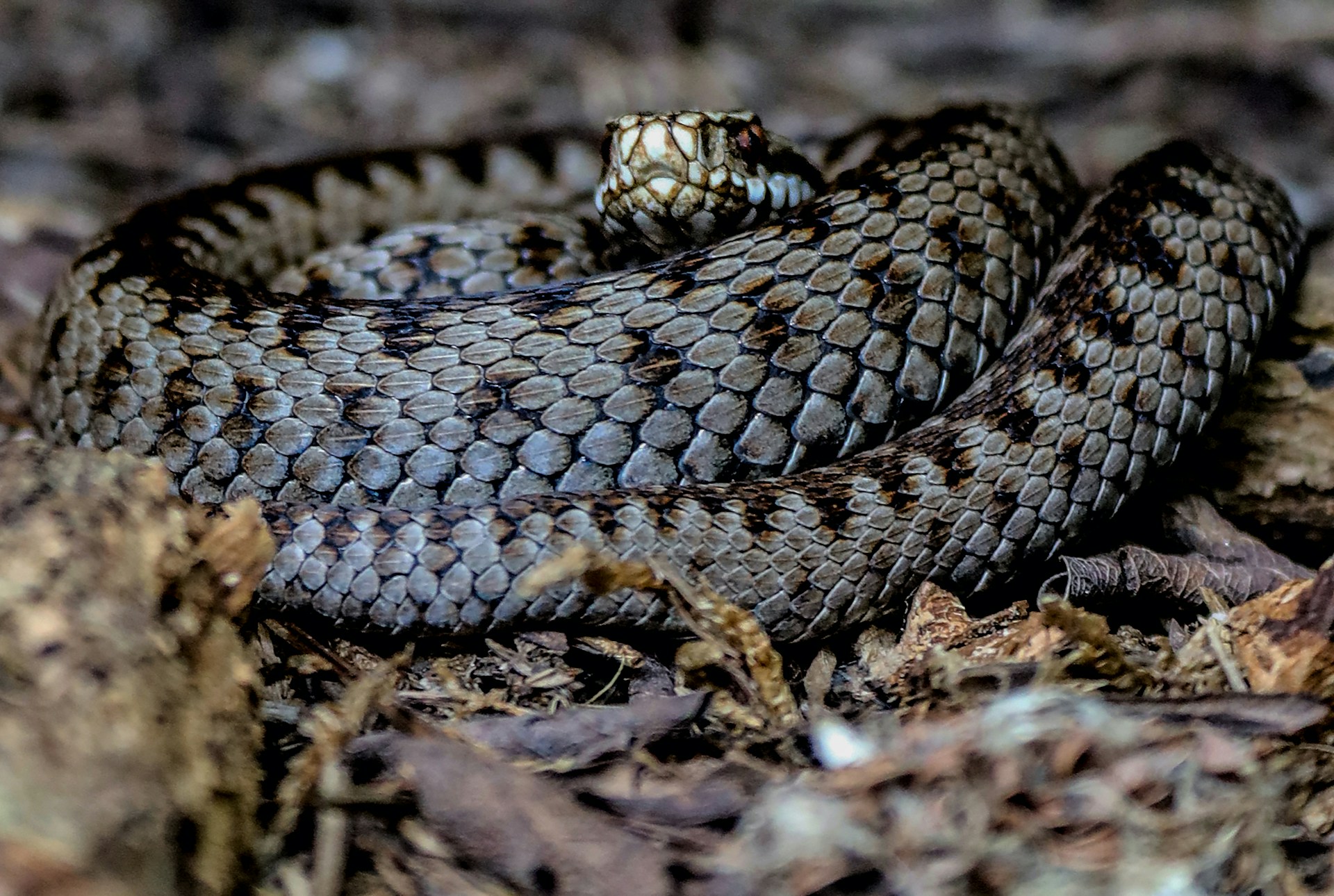
An easy introduction to the UK’s native reptiles, with simple tips on where to look for them and how to watch safely without disturbance.
Spotting wildlife is easier when you know how to look. These guides teach practical skills for beginners; from tracking signs and listening for animal calls to using hides, photographing wildlife with your phone, and exploring gently by canoe, bike, or paddleboard.

A beginner friendly guide to exploring UK wildlife by bike. Covers how to choose gentle cycling routes, what wildlife you might see along canals, country lanes, and nature trails, and how to cycle slowly and respectfully through shared habitats.
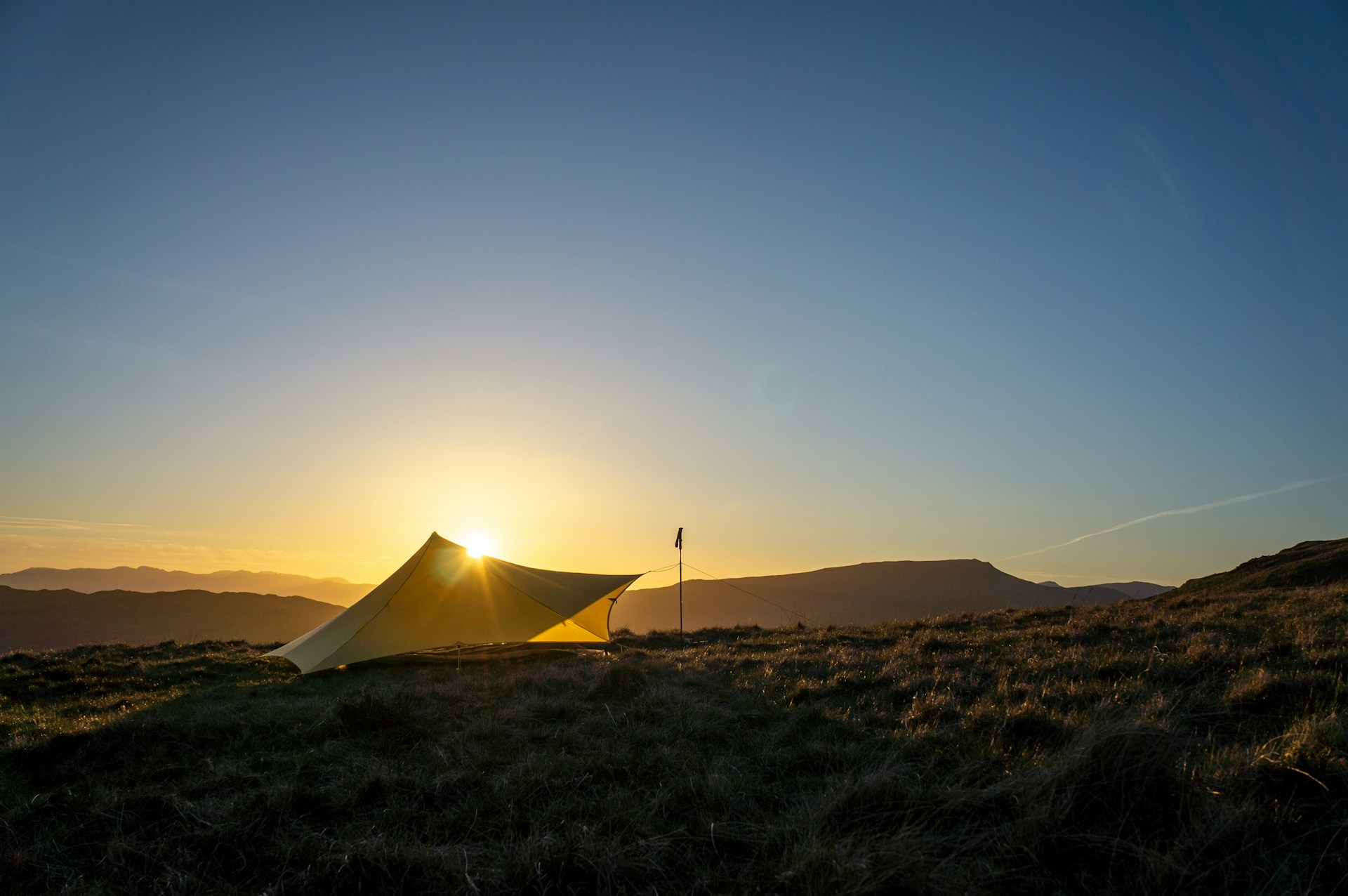
A beginner friendly guide to camping in a way that supports wildlife. Covers choosing a campsite, setting up responsibly, reducing disturbance, spotting wildlife safely, and leaving nature healthier than you found it.

A beginner friendly guide to using wildlife hides — how they work, what to expect, how to choose the right hide, and how to watch birds and mammals quietly and respectfully from these sheltered viewing spots.
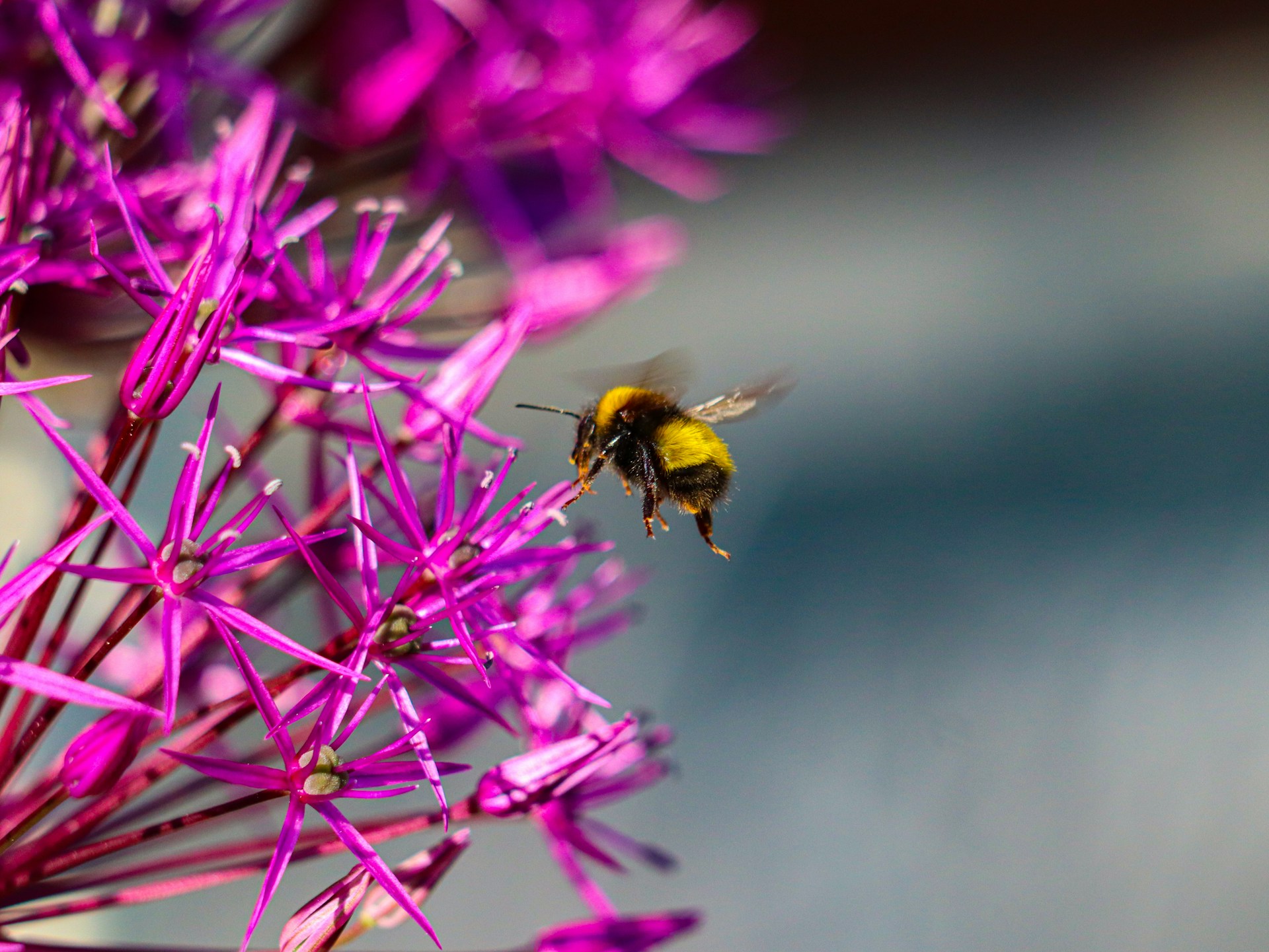
A simple, beginner friendly guide to understanding how animals use sound — from mammals and insects to amphibians and even plants.
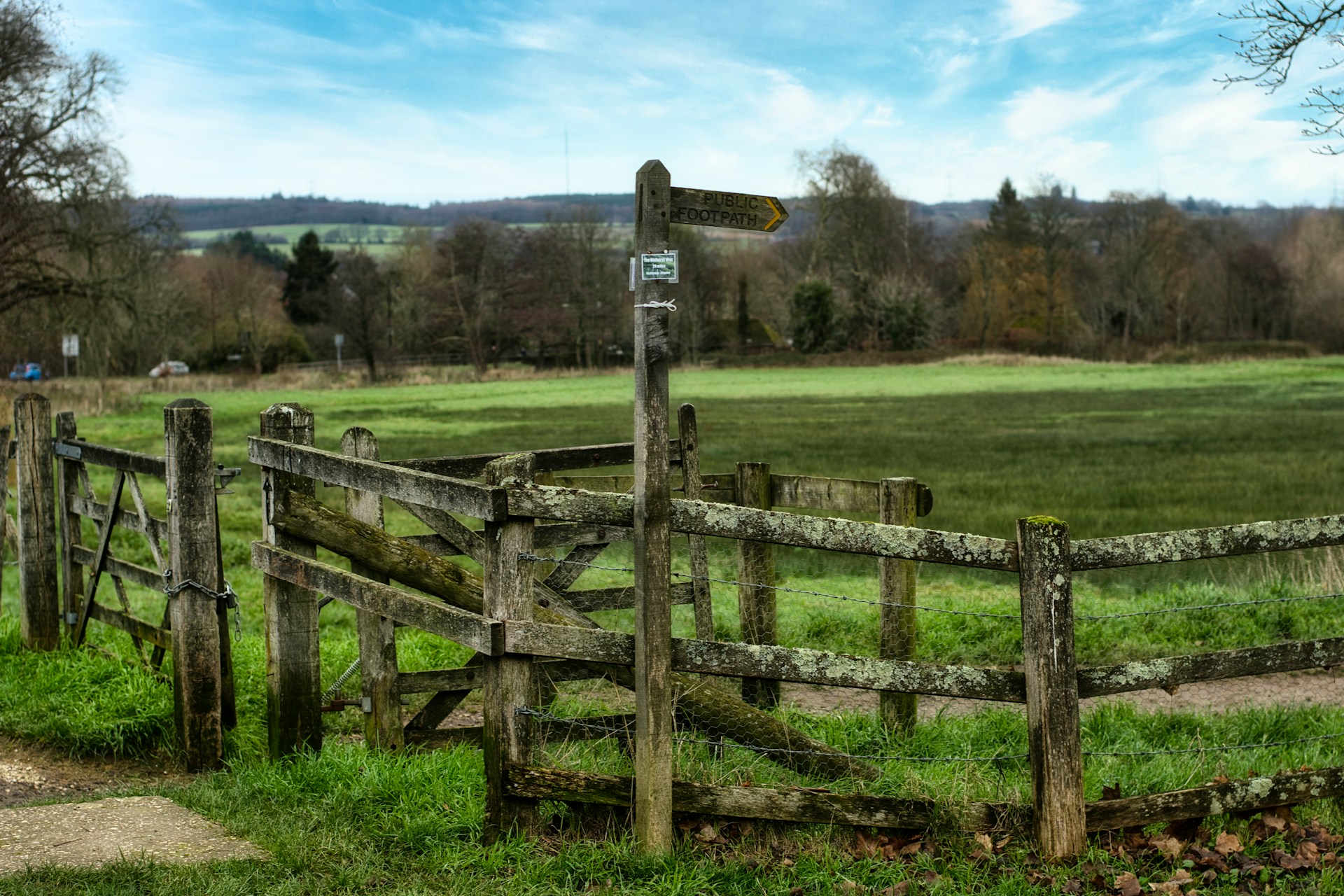
A mindset shifting guide that teaches readers how to slow down, tune into small details, and recognise subtle signs of wildlife in familiar places. Encourages gentle observation rather than active searching.

Learn how to make the most of dawn and dusk, when many animals are most active, and discover simple ways to spot wildlife in these low‑light hours.

Begin a simple wildlife journal this spring and learn how to record sightings, behaviours, and seasonal changes in a way that deepens your connection to nature.

A beginner’s guide to reading the signs animals leave behind, from footprints to feeding marks, helping you understand who’s sharing your local landscape.

Straightforward techniques for capturing wildlife moments with your phone, covering light, composition, focus, and how to get closer without disturbing animals.
Wildlife changes with the seasons. These guides help you understand how animals behave throughout the year; what to look for in spring and summer, how weather affects wildlife, and how dawn and dusk reveal species you might otherwise miss.
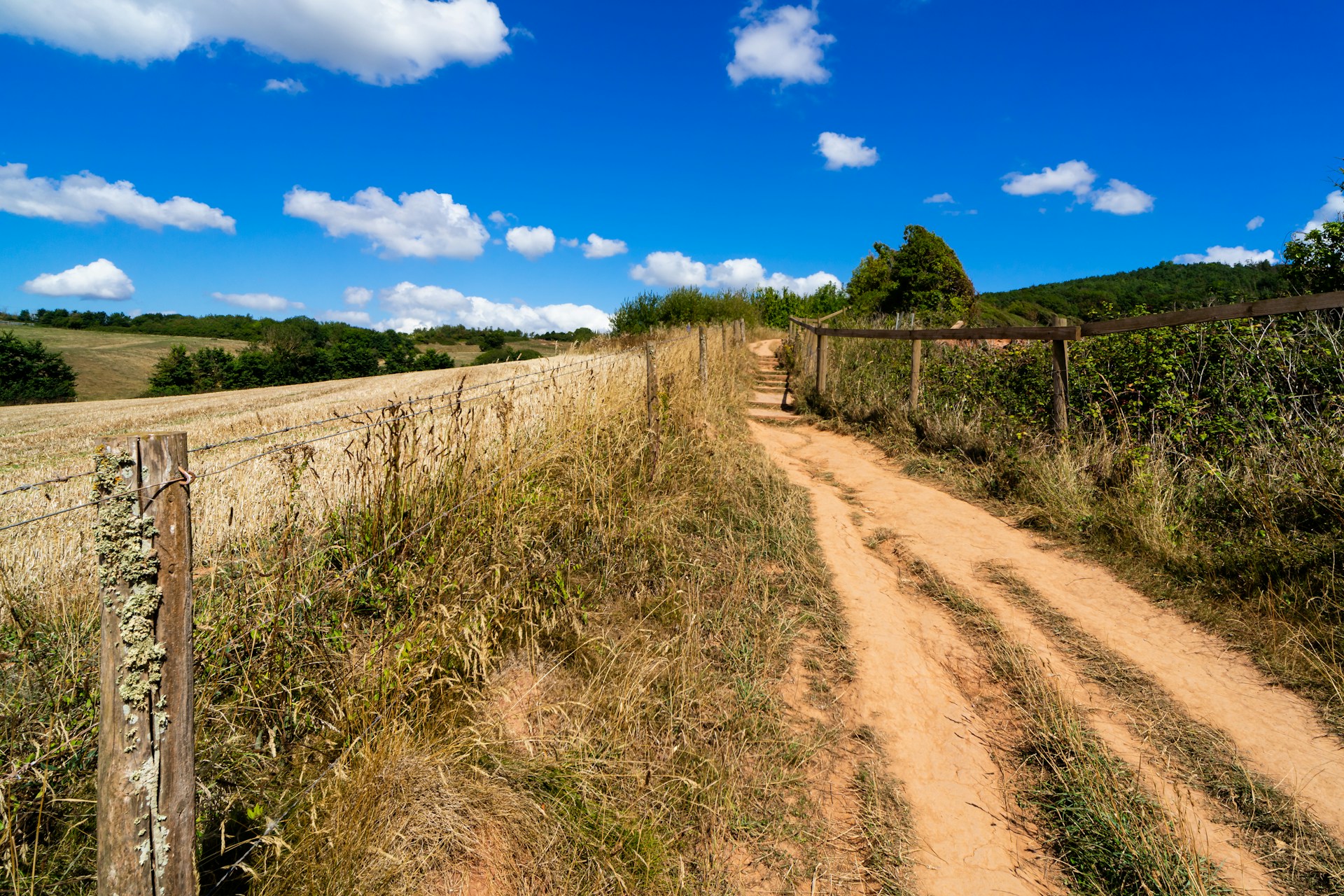
A beginner friendly guide to the wildlife changes that unfold in summer — from birds raising young to insects emerging, mammals shifting routines, and plants providing food and shelter. Covers what to look for, where to go, and how to enjoy summer wildlife responsibly.
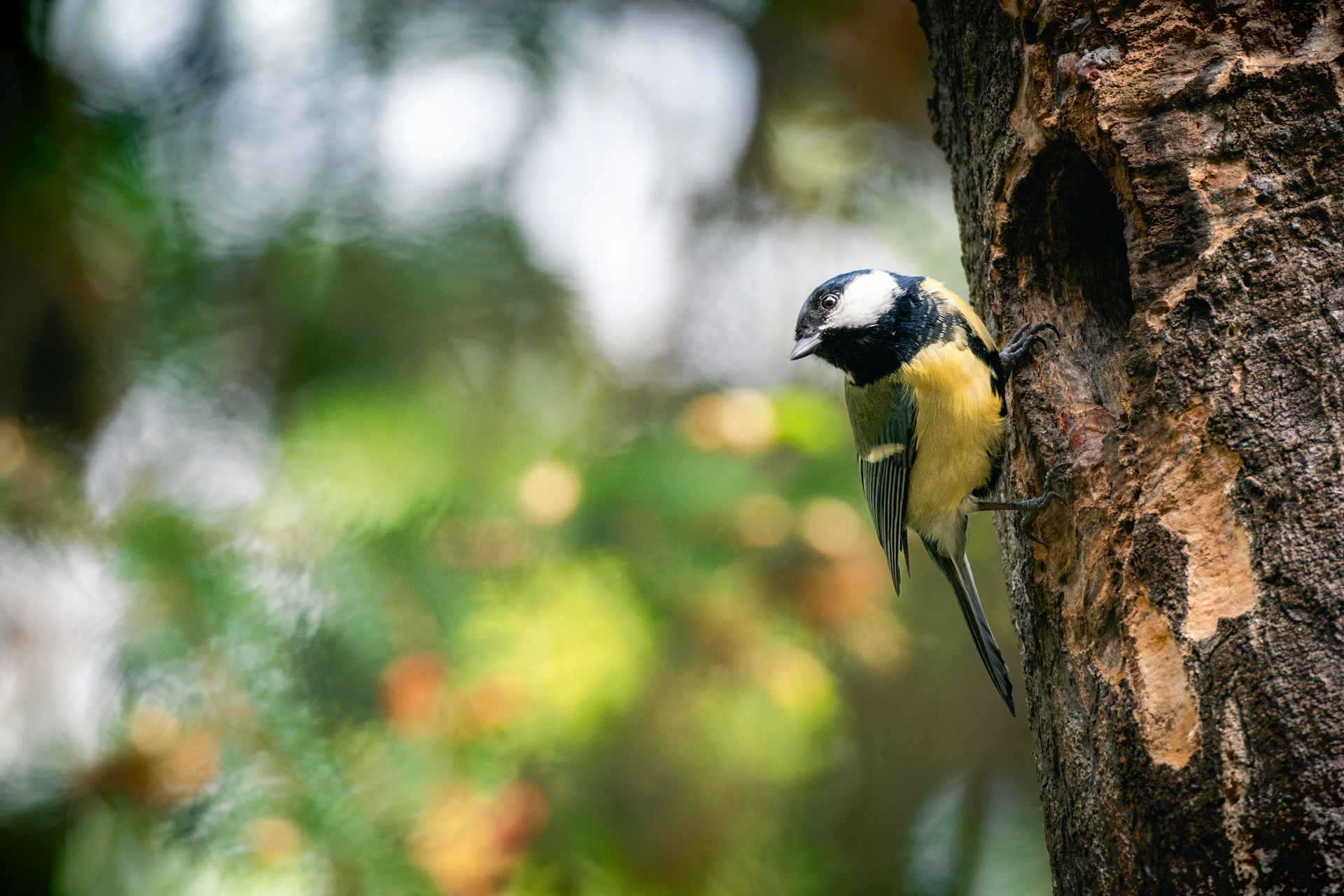
Discover the key behaviours wildlife shows in early spring, from courtship displays to emerging young, and learn what to notice as daylight returns.
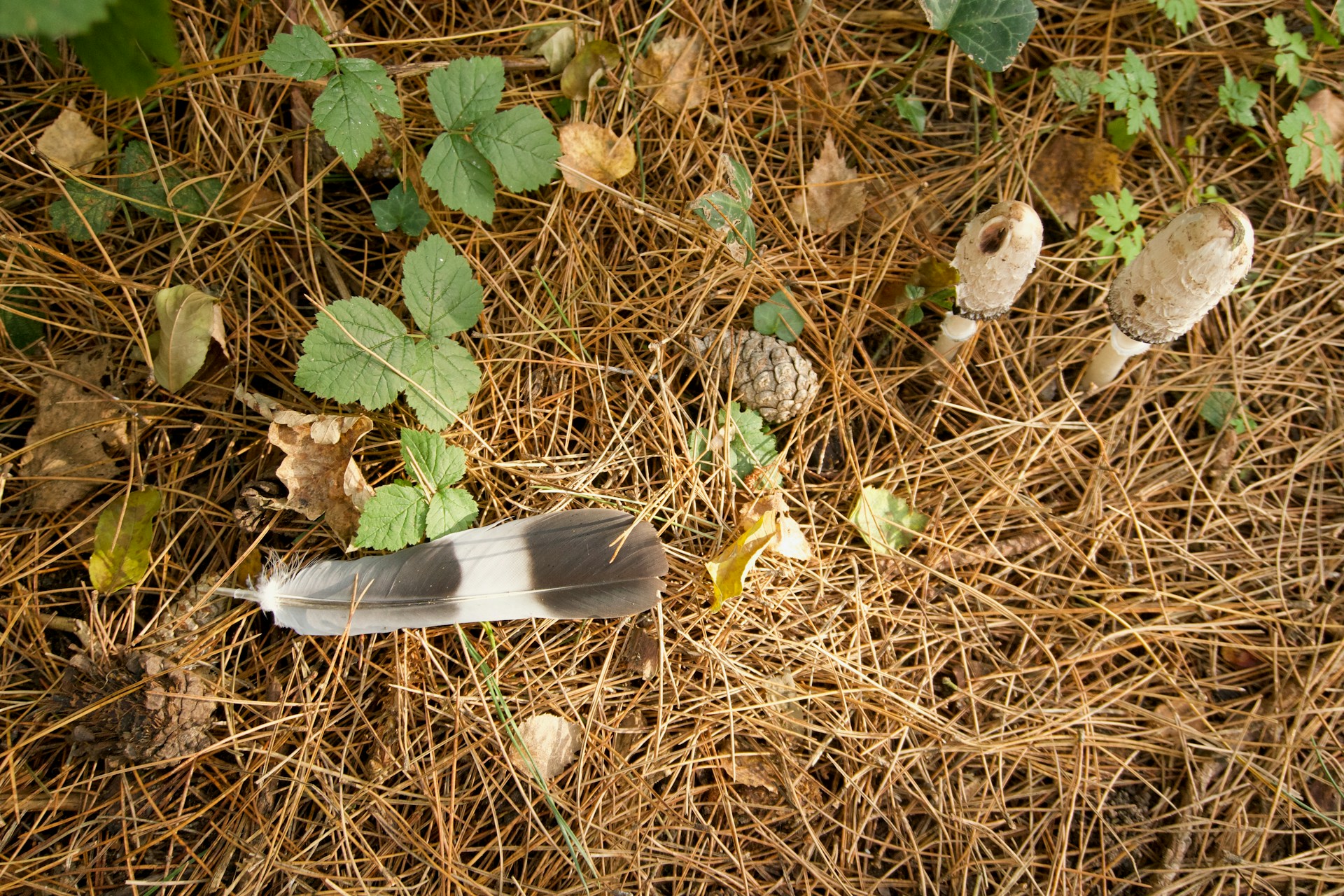
Learn how to spot subtle clues like tracks, feeding marks, feathers, and trails that reveal wildlife is nearby, even when the animals stay hidden.

Explore how rain, wind, sunshine, and seasonal shifts influence wildlife behaviour, and learn what to notice in different weather conditions.
The right gear makes wildlife watching easier, but beginners don’t need expensive equipment. These guides offer simple, clear advice on choosing binoculars, field guides, and other essentialsh, helping you get started without feeling overwhelmed.

This guide introduces beginners to wildlife photography and explains how to choose a camera that is easy to use outdoors. It focuses on simple features that help new photographers capture clear and enjoyable images without needing a complicated setup.
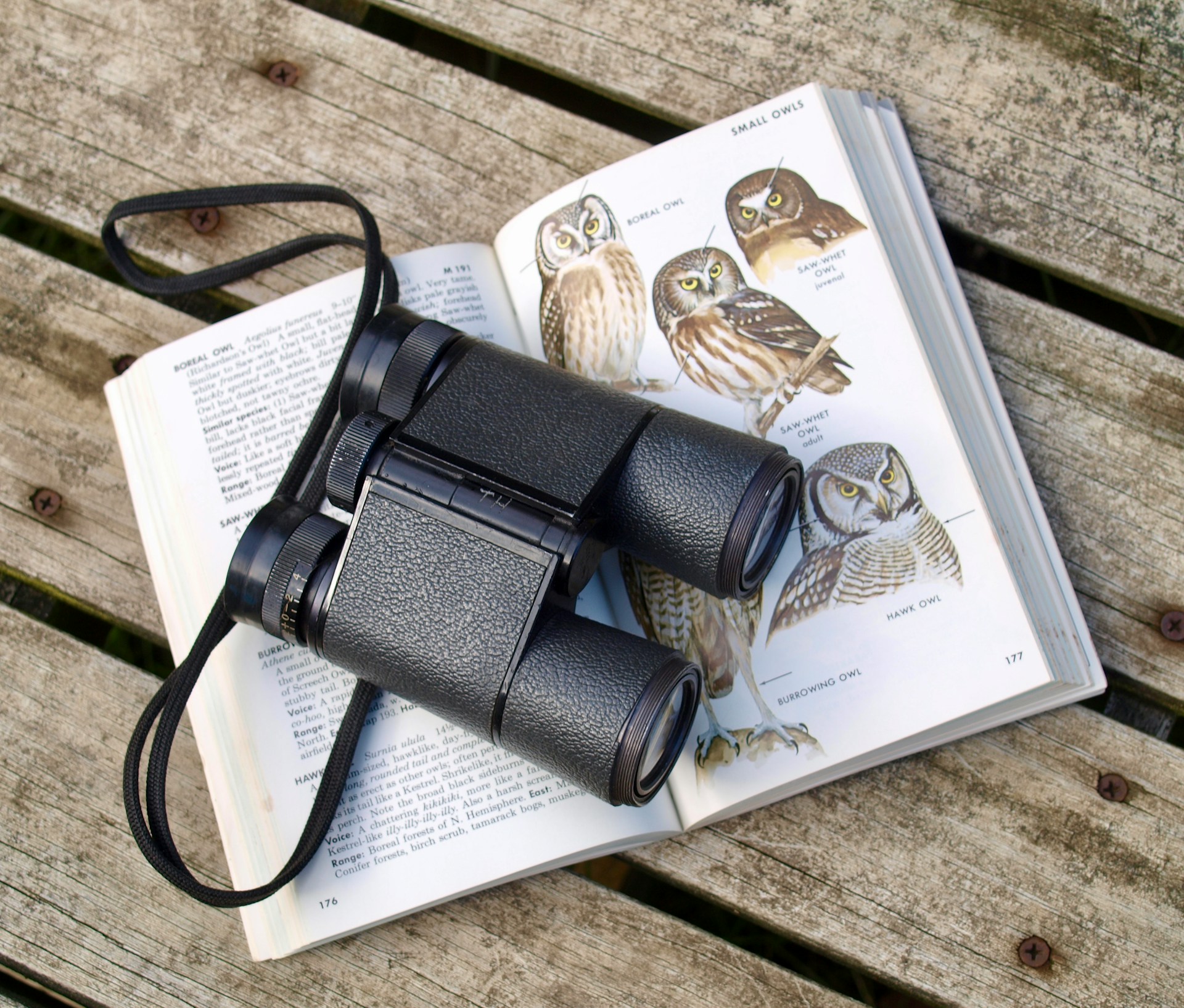
Discover more guides that make wildlife spotting easier, with simple tips for identifying species across the UK.
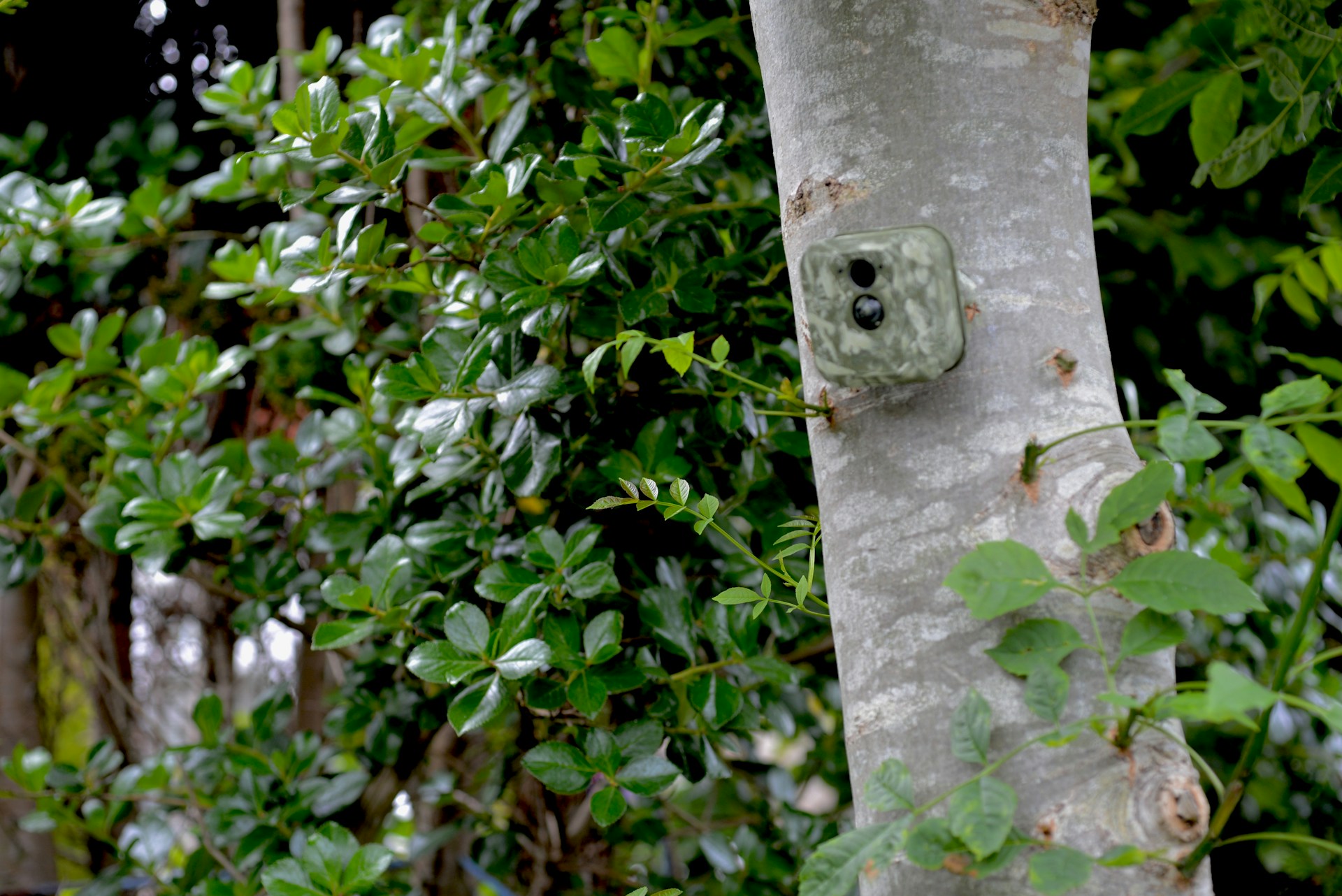
Trail cameras are a simple, affordable way for beginners to explore UK wildlife without disturbing it. The best models offer fast trigger speeds, clear night vision, and reliable waterproofing. In this guide, we recommend beginner‑friendly trail cameras and explain how to choose, place, and use them for the best results.
Browse every NatureGuide article in one place. From birds and mammals to habitats, skills, and seasonal wildlife, this full list lets you explore at your own pace and discover new topics whenever you’re ready.
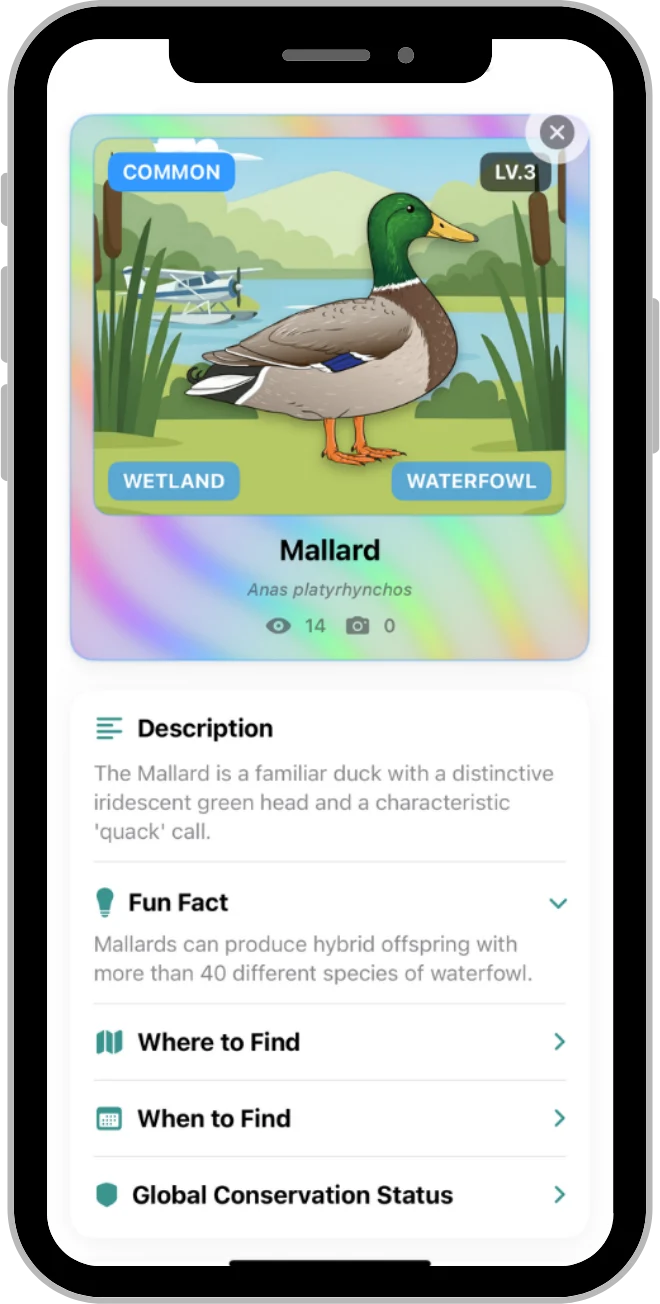
A great and easy to use app that helps beginners spot and log birds through gentle challenges and fun, easy collecting.
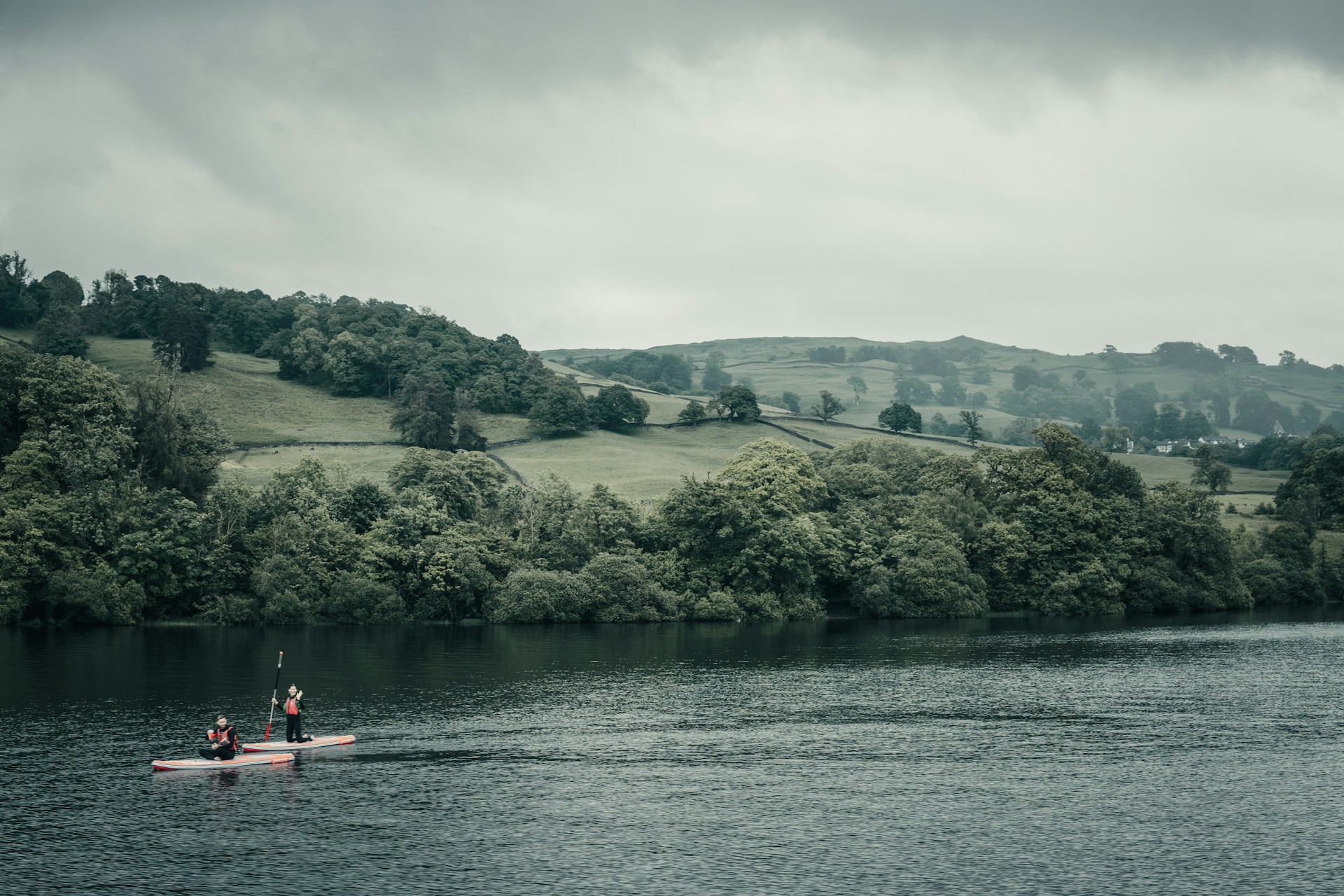
A beginner friendly guide to using a paddleboard to explore UK rivers and canals for wildlife. Covers choosing safe locations, how to move quietly, what species you might see, and how to paddle responsibly around birds and mammals.

Rockpools are full of fascinating wildlife, especially during summer when low tides reveal colourful creatures that are easy for beginners to spot. This guide introduces the most common rockpool species, from crabs and anemones to small fish, starfish, and shellfish — with simple identification tips and advice on where to look. It explains how tides shape rockpool habitats, how to explore safely, and how to observe marine life without disturbing fragile ecosystems. Ideal for family trips, coastal walks, and anyone curious about the hidden wildlife along the UK shoreline.
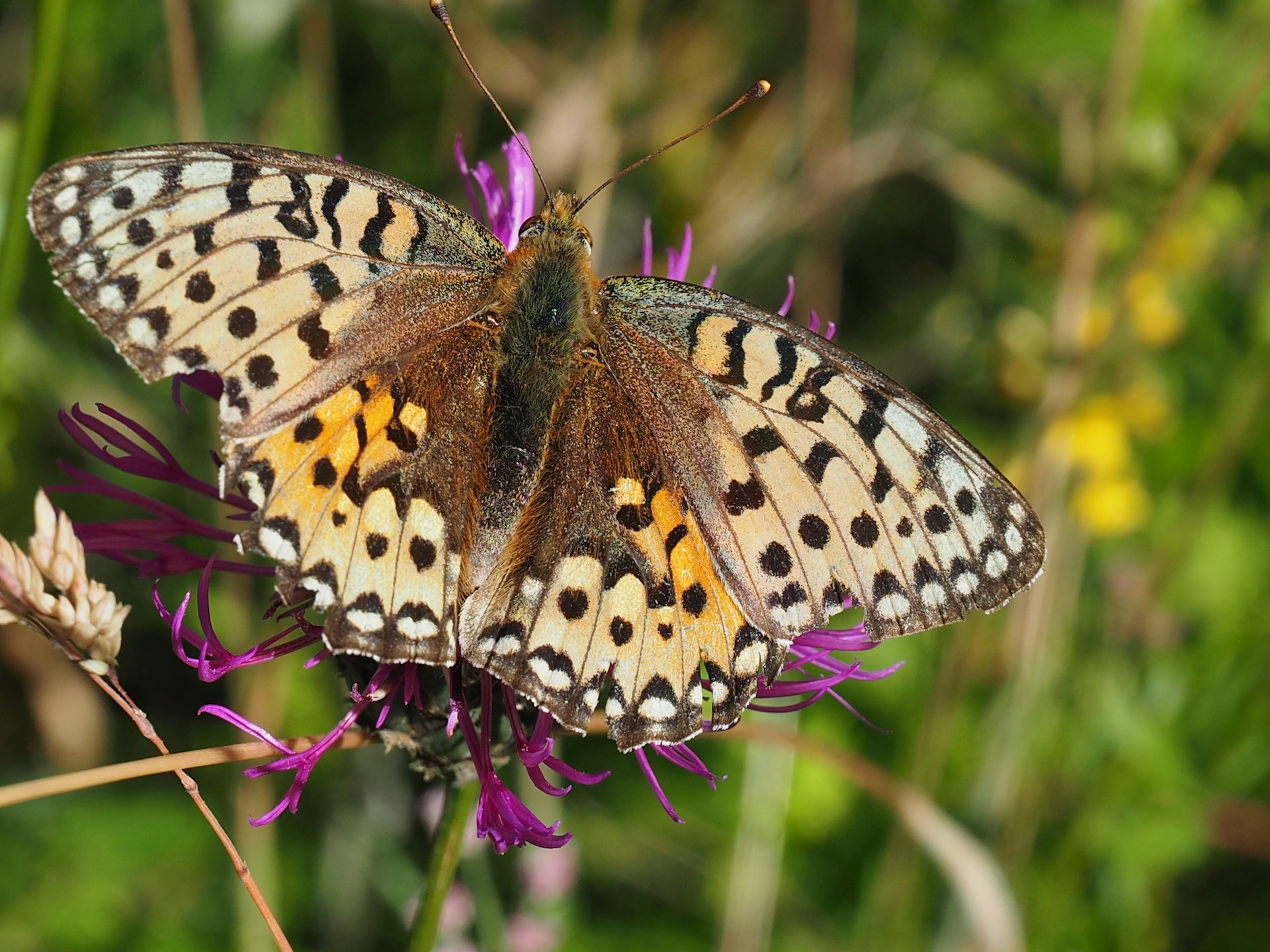
Summer is the best season for butterfly watching, and this guide helps beginners recognise the colourful species most likely to appear in gardens, parks, woodlands, and meadows. It covers easy identification features such as wing patterns, flight styles, and favourite plants, along with simple tips for attracting butterflies to your garden. You’ll also learn how weather affects butterfly activity, where to find different species, and how to observe them gently without causing disturbance. A calm, confidence‑building introduction to one of the UK’s most familiar summer wildlife groups.
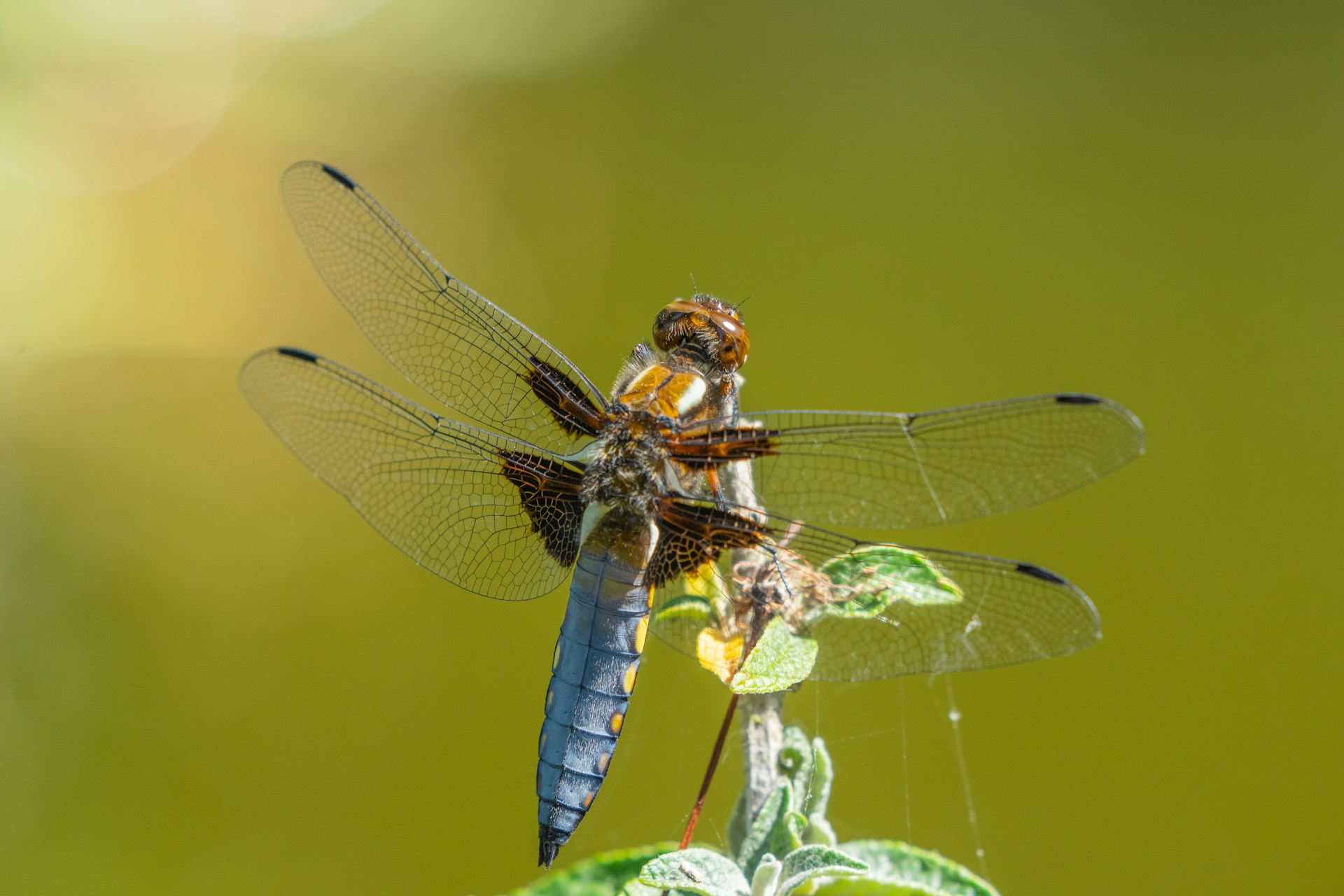
Dragonflies and damselflies are some of the most striking insects you can see in the UK during summer. This guide introduces beginners to the species most commonly found around ponds, lakes, canals, and slow‑moving rivers. It explains the key differences between dragonflies and damselflies, simple identification tips, and the behaviours you’re most likely to notice on warm days. You’ll also learn where to look, the best times of day to spot them, and how to watch them without disturbing their hunting or mating routines. Perfect for anyone exploring wetlands in July and August.
A beginner friendly guide to finding and watching wild otters in the UK. Covers where to look, how to recognise signs, the best times of day to visit, and how to observe these sensitive animals without disturbing them.
A clear, ethical approach to seeing badgers in the wild, including how to find setts, when to watch, and how to minimise your impact on these shy, protected animals.
A beginner friendly guide to watching foxes respectfully, with tips on behaviour, tracks, and the best times to look without causing stress or disturbance.
.jpg)
A calm and simple guide to the wildlife you can spot around UK lakes, from waterbirds and mammals to insects and amphibians. Learn how to identify common species, where to look, and how to watch lake wildlife gently. Ideal for beginners visiting reservoirs, village lakes, or quiet freshwater spots across the country.
Discover the wildlife that lives in British woodlands with this beginner friendly guide. Learn how to spot birds, mammals, insects, and plants in forests across the UK, understand the signs they leave behind, and explore the best woodland habitats to visit. Perfect for anyone wanting to slow down, look closer, and enjoy the rich wildlife found beneath the trees.
A beginner‑friendly guide to spotting seals around the UK coastline. Covers where to find them, how to recognise common species, the best times to watch, and how to enjoy seal encounters safely and responsibly without disturbing these protected marine mammals.
A beginner friendly guide to recognising signs of wild boar in the UK. Covers where boar live, how to spot tracks, rooting, wallows, and other subtle clues — all without disturbing these powerful, sensitive animals.
A beginner friendly guide to starling murmurations in the UK. Covers when they occur, the best places to see them, why starlings gather in such huge flocks, and how to watch this mesmerising behaviour gently and responsibly.
A beginner friendly guide to the red kite, one of the UK’s greatest conservation success stories. It covers how this once rare bird returned from near extinction, where to see them today, and how to identify them confidently in the wild.
A beginner friendly guide to the UK’s most common birds of prey. Covers where to find them, how to identify species by shape and behaviour, and how to watch raptors safely and respectfully in the wild.
A beginner friendly guide to the whales that pass the UK coastline, including when migrations occur, the best viewing locations, what species you might see, and how to watch responsibly from land or sea.
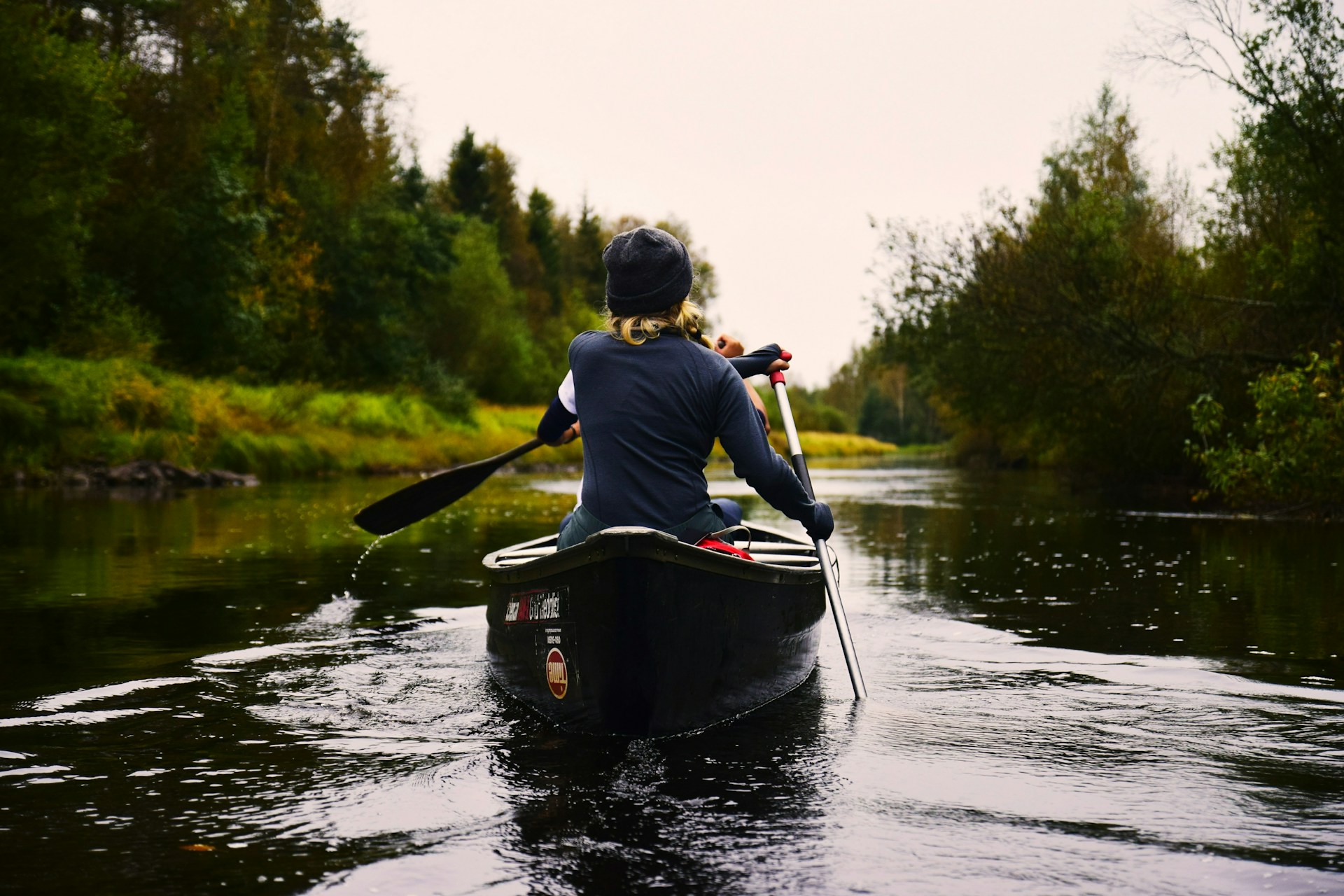
A beginner friendly guide to watching wildlife from a canoe. Covers choosing safe waterways, how to paddle quietly, what species you might see, and how to explore rivers, lakes, and wetlands gently and responsibly.
A beginner friendly guide to exploring UK wildlife by bike. Covers how to choose gentle cycling routes, what wildlife you might see along canals, country lanes, and nature trails, and how to cycle slowly and respectfully through shared habitats.
A beginner friendly guide to camping in a way that supports wildlife. Covers choosing a campsite, setting up responsibly, reducing disturbance, spotting wildlife safely, and leaving nature healthier than you found it.
A beginner friendly guide to using wildlife hides — how they work, what to expect, how to choose the right hide, and how to watch birds and mammals quietly and respectfully from these sheltered viewing spots.
A beginner‑friendly guide to finding and watching kingfishers in the UK. Covers where to look, how to recognise their behaviour and the best times to visit rivers and canals.
A beginner friendly guide to recognising the UK’s most common wading birds. Covers key features, simple ID tips, where to find them, and how to watch these sensitive species responsibly along coasts, estuaries, and wetlands.
A beginner‑friendly guide to the UK’s most common insects — from butterflies and bees to dragonflies, beetles, and grasshoppers. Covers where to find them, how to spot key features, and how to enjoy insect life gently during the warmer months.
A simple, beginner friendly guide to the UK’s amphibians — how to identify frogs, toads, and newts, where to find them, when they’re most active, and how to watch them gently without causing harm.
A beginner friendly guide to the wildlife changes that unfold in summer — from birds raising young to insects emerging, mammals shifting routines, and plants providing food and shelter. Covers what to look for, where to go, and how to enjoy summer wildlife responsibly.
A simple, beginner friendly guide to understanding how animals use sound — from mammals and insects to amphibians and even plants.
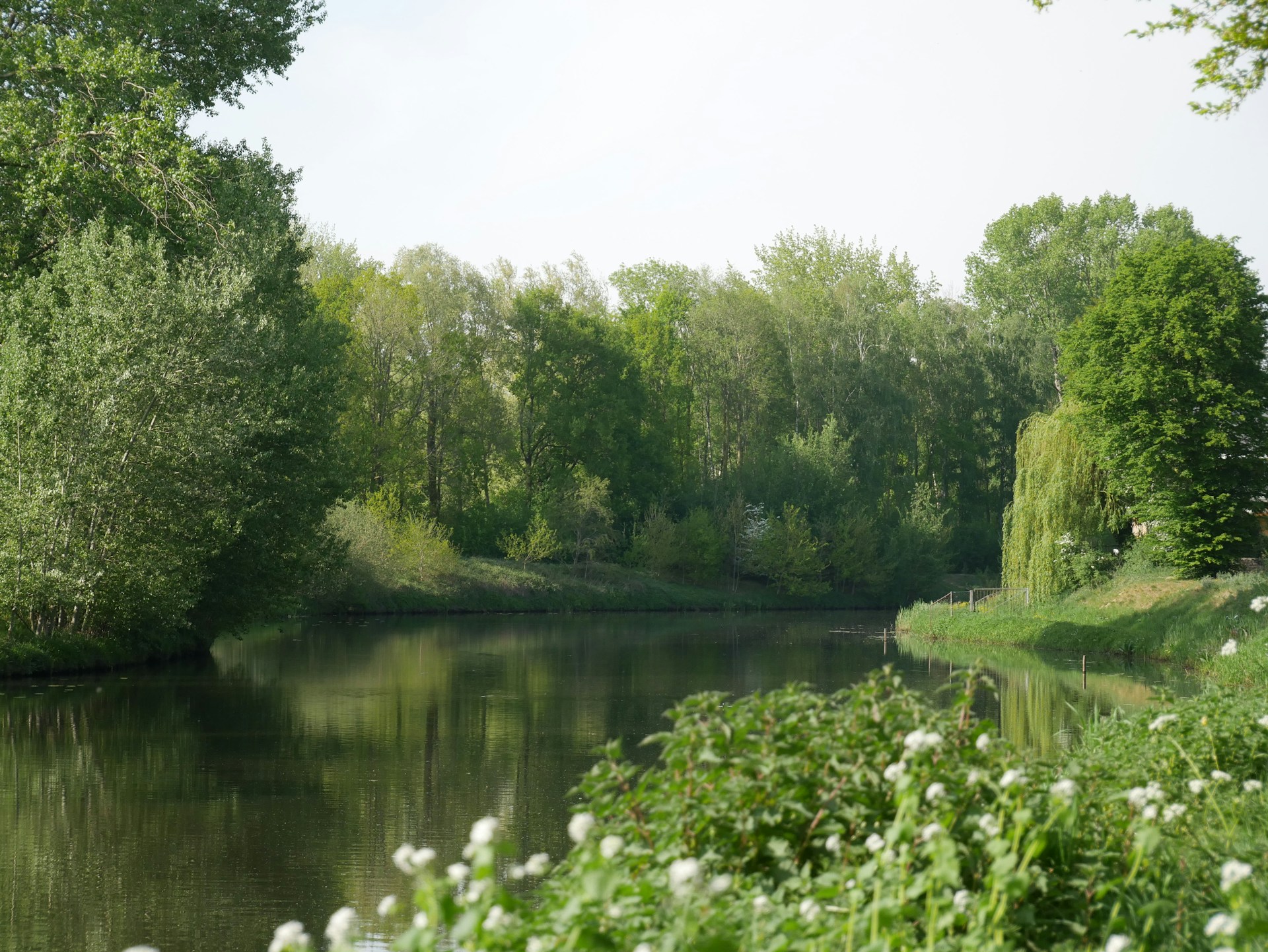
A simple, beginner friendly guide to exploring wildlife along rivers, streams, and canals. Covers what makes these watery edges so rich in life, which birds, mammals, insects, and plants you’re likely to see.
A beginner friendly guide to exploring the UK’s open moorlands — what makes these upland habitats unique, which birds, mammals, insects, and plants you’re likely to see, how to explore safely, and how to enjoy these wild spaces responsibly.
A beginner friendly introduction to the UK’s heathlands — what makes them special, which species you’re likely to see, how to explore them gently, and why these rare landscapes are so important for birds, reptiles, insects, and mammals.
A seasonal guide to protecting fledglings, froglets, young hedgehogs, and other vulnerable animals. Includes tips on safe garden layouts, gentle maintenance, and how to avoid common hazards during the busiest wildlife season.
A practical guide to building a compost heap that supports slow worms, beetles, grass snakes, and soil life. Covers structure, placement, materials, and how to maintain it without disturbing the creatures that use it.
A mindset shifting guide that teaches readers how to slow down, tune into small details, and recognise subtle signs of wildlife in familiar places. Encourages gentle observation rather than active searching.
A gentle introduction to birdwatching that focuses on behaviour, silhouettes, movement, and sound rather than equipment. Perfect for beginners and easy to illustrate with atmospheric garden or woodland images.
A simple, accessible guide to sowing a small wildflower area for bees, butterflies, and other pollinators. Covers choosing seeds, preparing the soil, seasonal timing, and how to maintain a patch that looks natural rather than manicured.
A beginner‑friendly introduction to spotting fungi on woodland walks. Learn where mushrooms are most likely to grow, how to recognise common shapes and colours, and simple ways to observe them.
A soft, atmospheric guide to supporting night time pollinators. Covers night scented plants, gentle lighting, sheltered corners, and how to observe moths without disturbing them. Pairs beautifully with your Dawn/Dusk article.
A guide to building a simple log pile that supports beetles, amphibians, hedgehogs, and slow worms. Explains where to place it, how to layer materials, and why decaying wood is one of the richest micro habitats in any garden.
A practical introduction to host plants, leaf signs, and gentle observation. Helps beginners understand which plants caterpillars rely on, how to spot feeding trails, and how to create a safe, pesticide free space for them to thrive.
A gentle guide to using RSPB resources to deepen your wildlife watching, understand habitats, and support conservation from home or on your daily walks.
A simple, beginner friendly guide to creating a small pond that supports frogs, newts, dragonflies, birds, and insects. Covers choosing a spot, shaping the pond, adding shallow edges, planting native species, and maintaining it gently through the seasons.
A gentle introduction to spotting coastal wildlife, understanding tides, and exploring the shoreline with care and curiosity.
A gentle guide to the coastal birds that appear in early spring, and how to spot them along beaches, estuaries, and shorelines.
Explore the surprising mix of birds, shore creatures, and hidden coastal life that thrives along the beach throughout the year.
Discover the key behaviours wildlife shows in early spring, from courtship displays to emerging young, and learn what to notice as daylight returns.
Learn how to spot subtle clues like tracks, feeding marks, feathers, and trails that reveal wildlife is nearby, even when the animals stay hidden.
Explore how rain, wind, sunshine, and seasonal shifts influence wildlife behaviour, and learn what to notice in different weather conditions.
Learn how to make the most of dawn and dusk, when many animals are most active, and discover simple ways to spot wildlife in these low‑light hours.
An easy introduction to the UK’s native reptiles, with simple tips on where to look for them and how to watch safely without disturbance.
Begin a simple wildlife journal this spring and learn how to record sightings, behaviours, and seasonal changes in a way that deepens your connection to nature.
A beginner’s guide to reading the signs animals leave behind, from footprints to feeding marks, helping you understand who’s sharing your local landscape.
Straightforward techniques for capturing wildlife moments with your phone, covering light, composition, focus, and how to get closer without disturbing animals.
A calm introduction to finding deer in the wild, with advice on habitats, behaviour, and the quiet approach needed to watch them respectfully.
A simple, confidence building guide to recognising bird songs, with tips on listening patterns, common calls, and how to train your ear outdoors.
Practical, easy steps to turn any outdoor space into a haven for wildlife, from planting choices to shelter, water, and year round food sources.
Everything you need to spot hedgehogs safely, understand their habits, and support them with simple, wildlife friendly steps in your own garden.
A calm, practical guide to finding owls ethically, with advice on where to look, when to go, and how to listen for calls without disturbing these remarkable birds.
A gentle introduction to the UK’s most familiar garden birds, with simple tips on shape, colour, and behaviour to help you recognise species confidently on your very next walk.