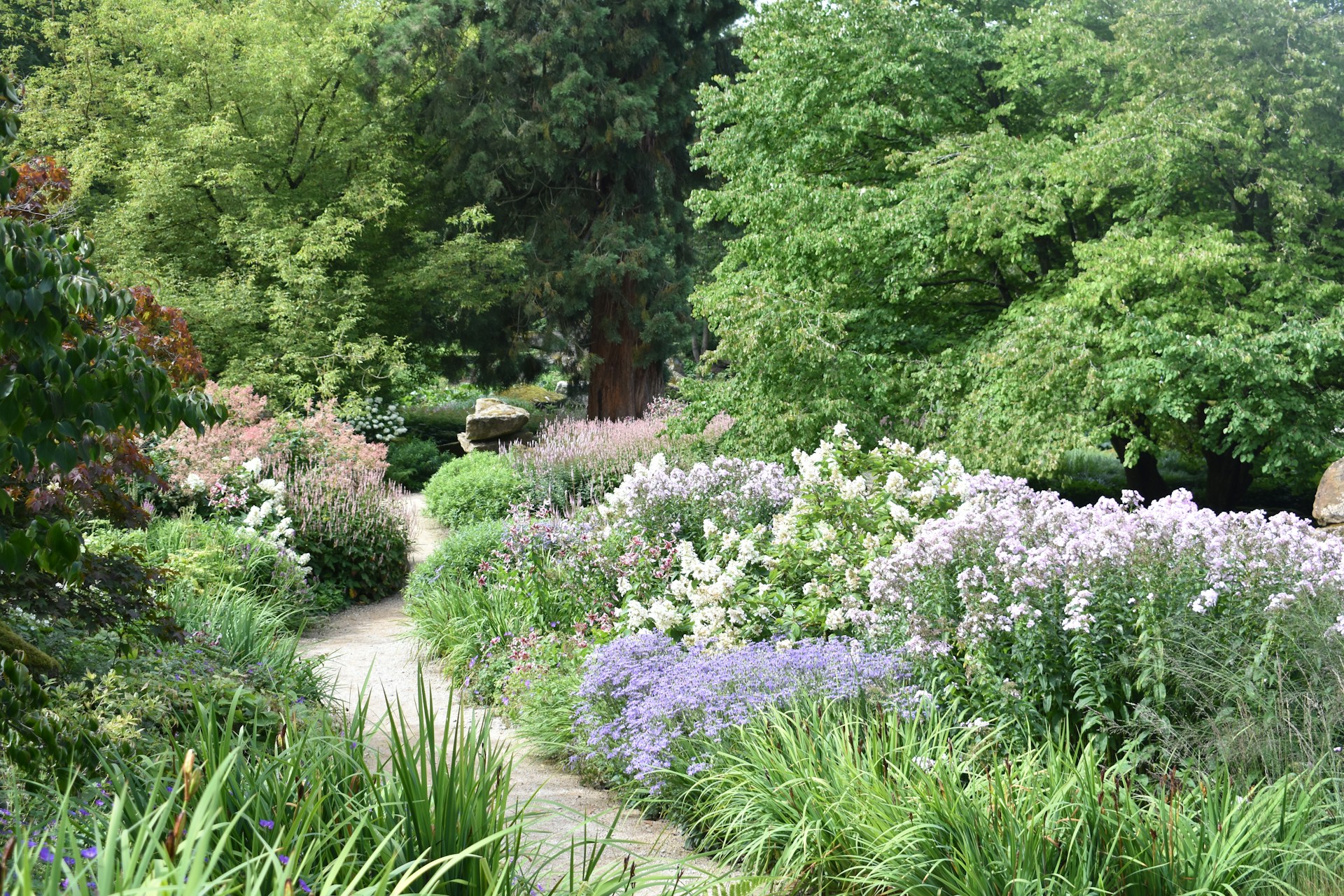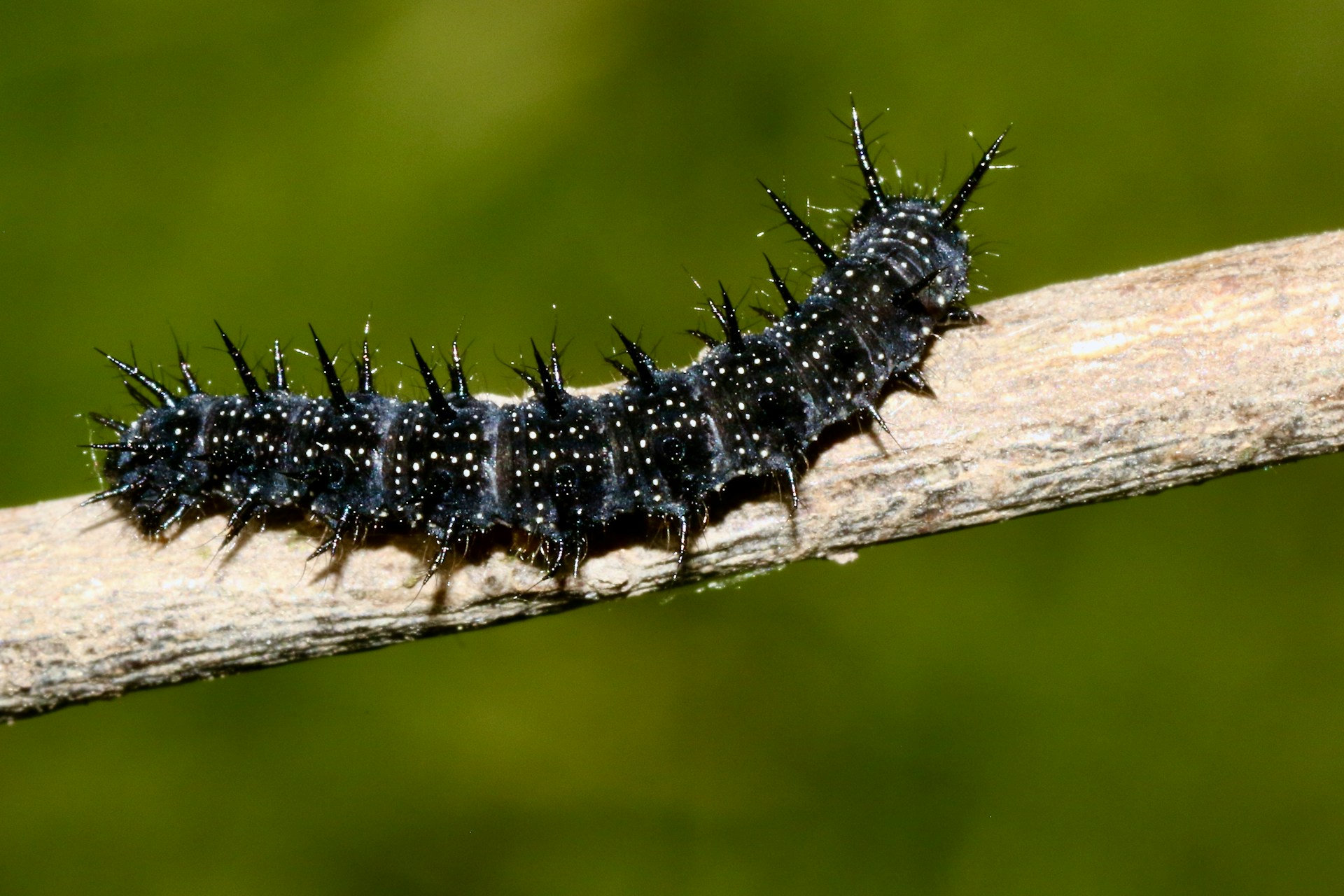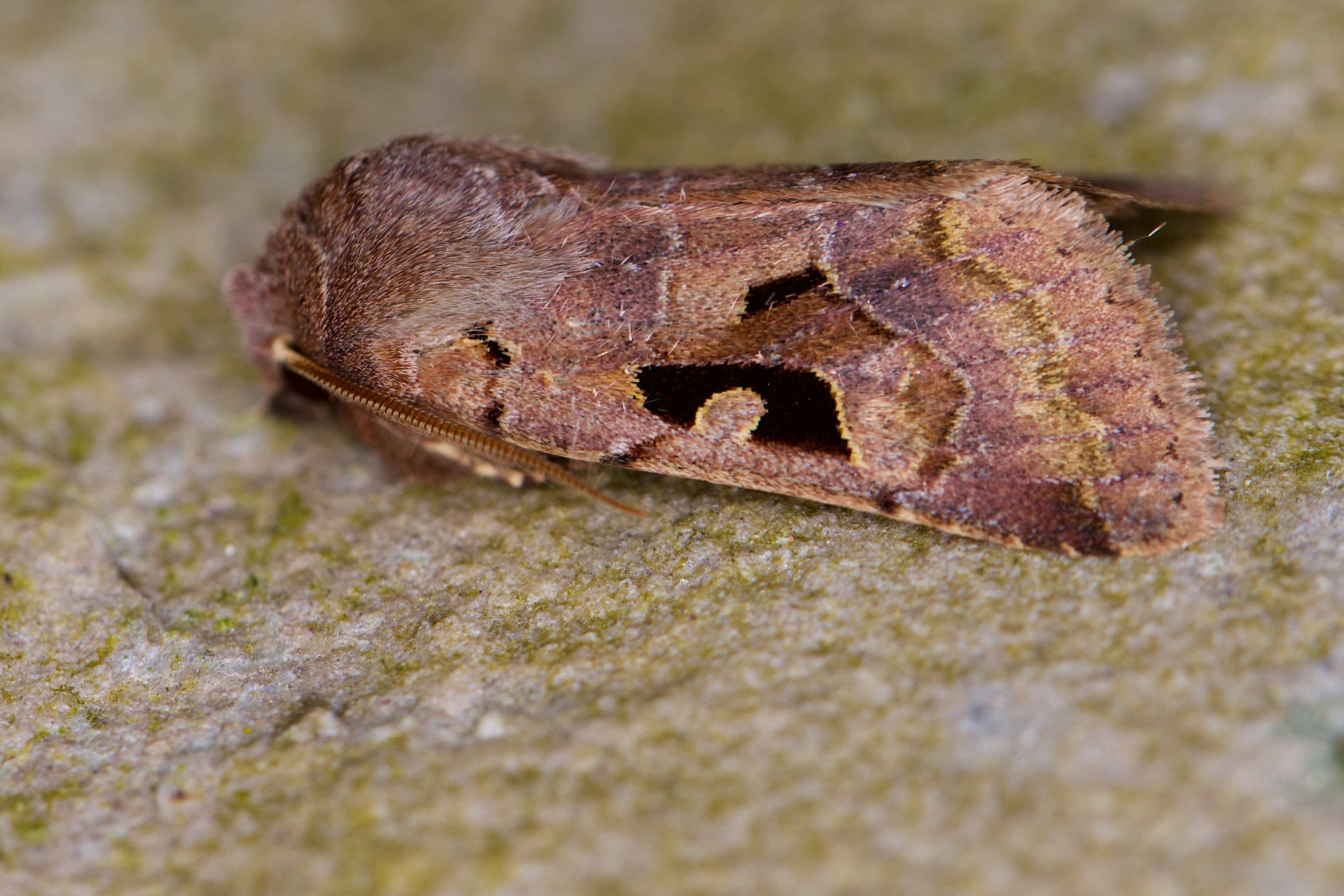
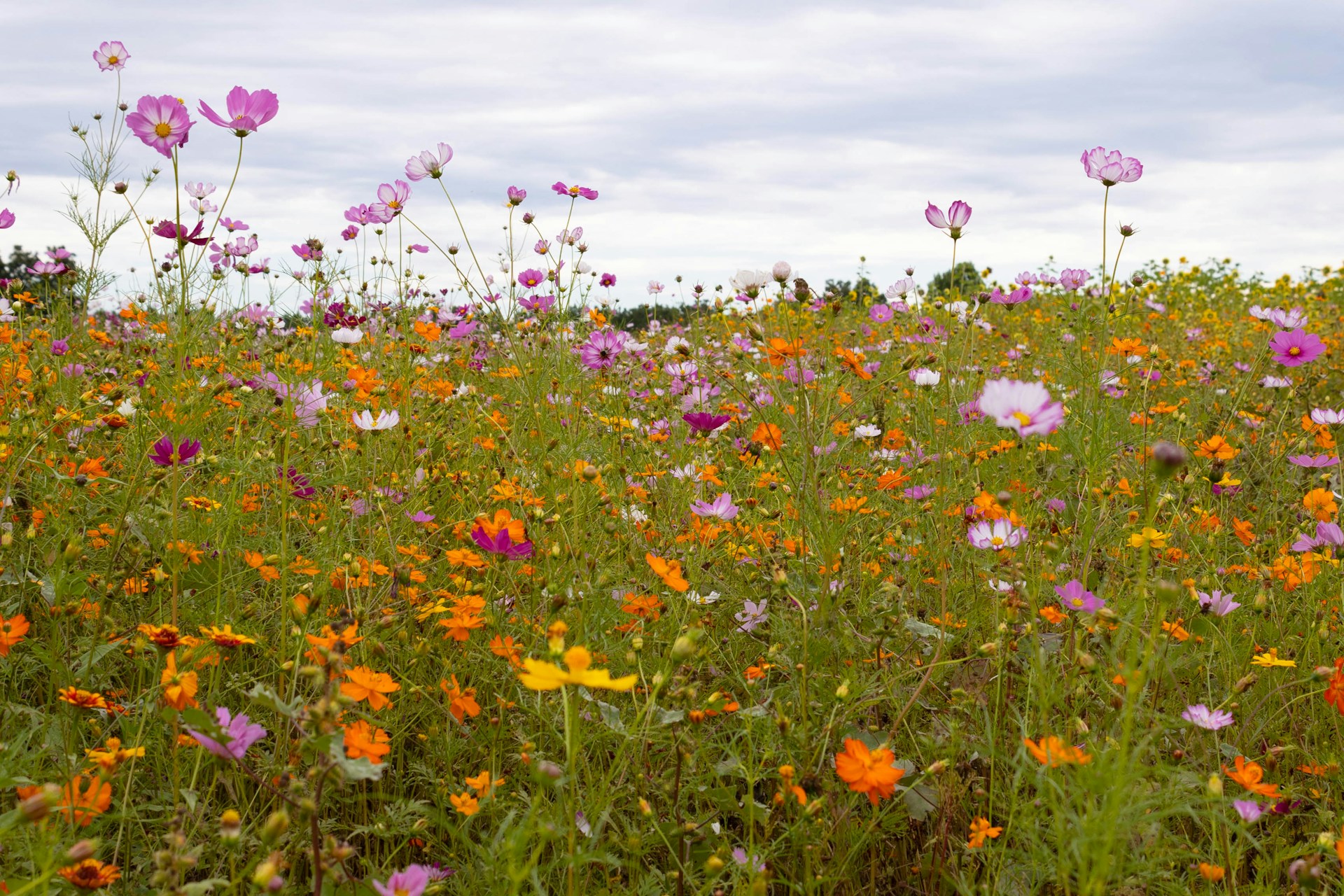
A wildflower patch is one of the simplest ways to bring colour, movement, and life into your garden. Even a tiny area; a single square metre, a corner of a lawn, or a large container can become a haven for bees, butterflies, hoverflies, and countless other pollinators. You don’t need a big space or specialist knowledge; just a willingness to let nature take the lead.
This guide shows you how to create a small, beginner‑friendly wildflower patch that supports wildlife and brings daily moments of joy. If you’re looking for more ways to support garden wildlife, our How to Make Your Garden Safe for Young Wildlife in Spring guide offers practical steps for creating a welcoming space.
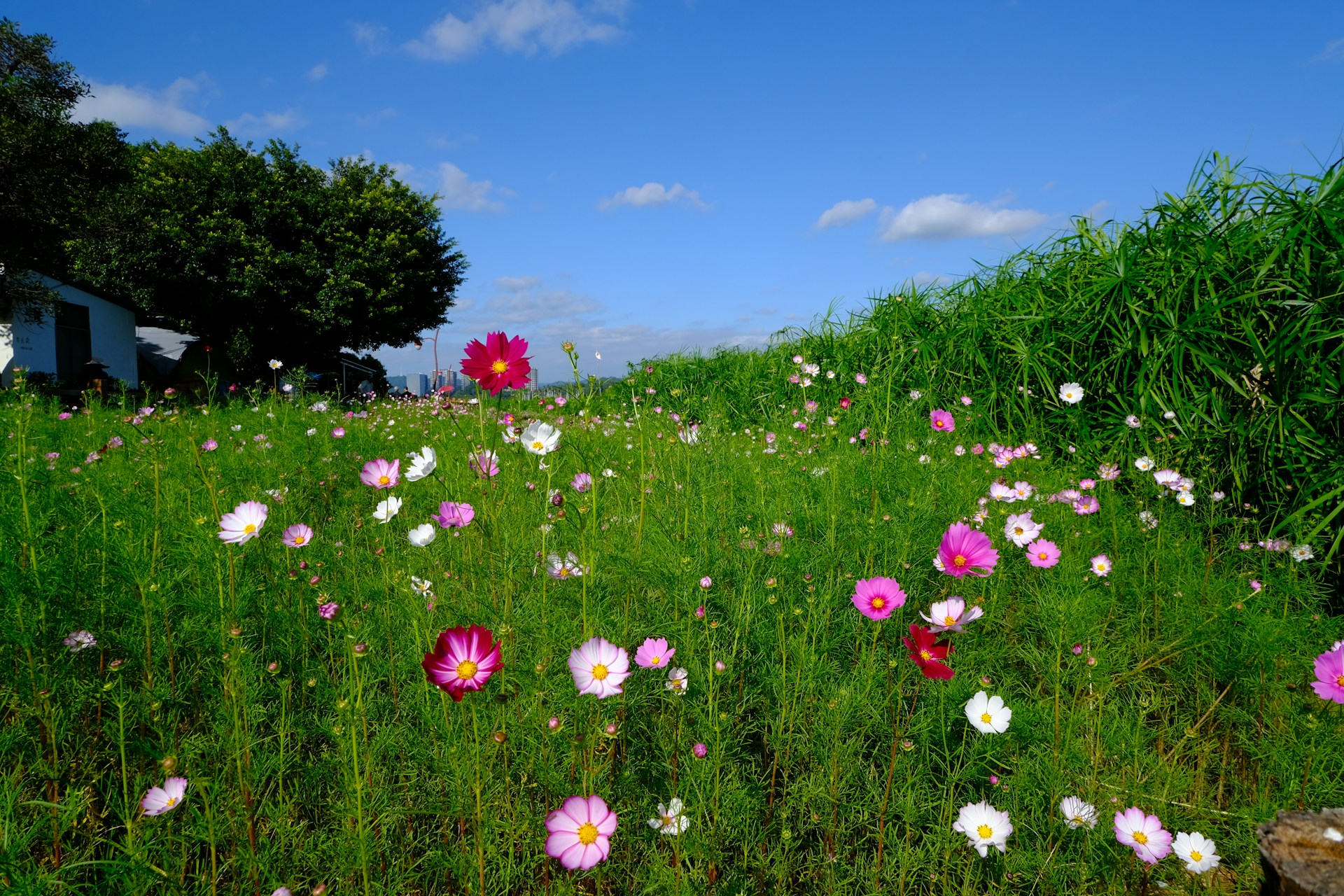
Wildflowers offer far more than colour. They provide:
Even a small patch becomes a miniature ecosystem buzzing with life.
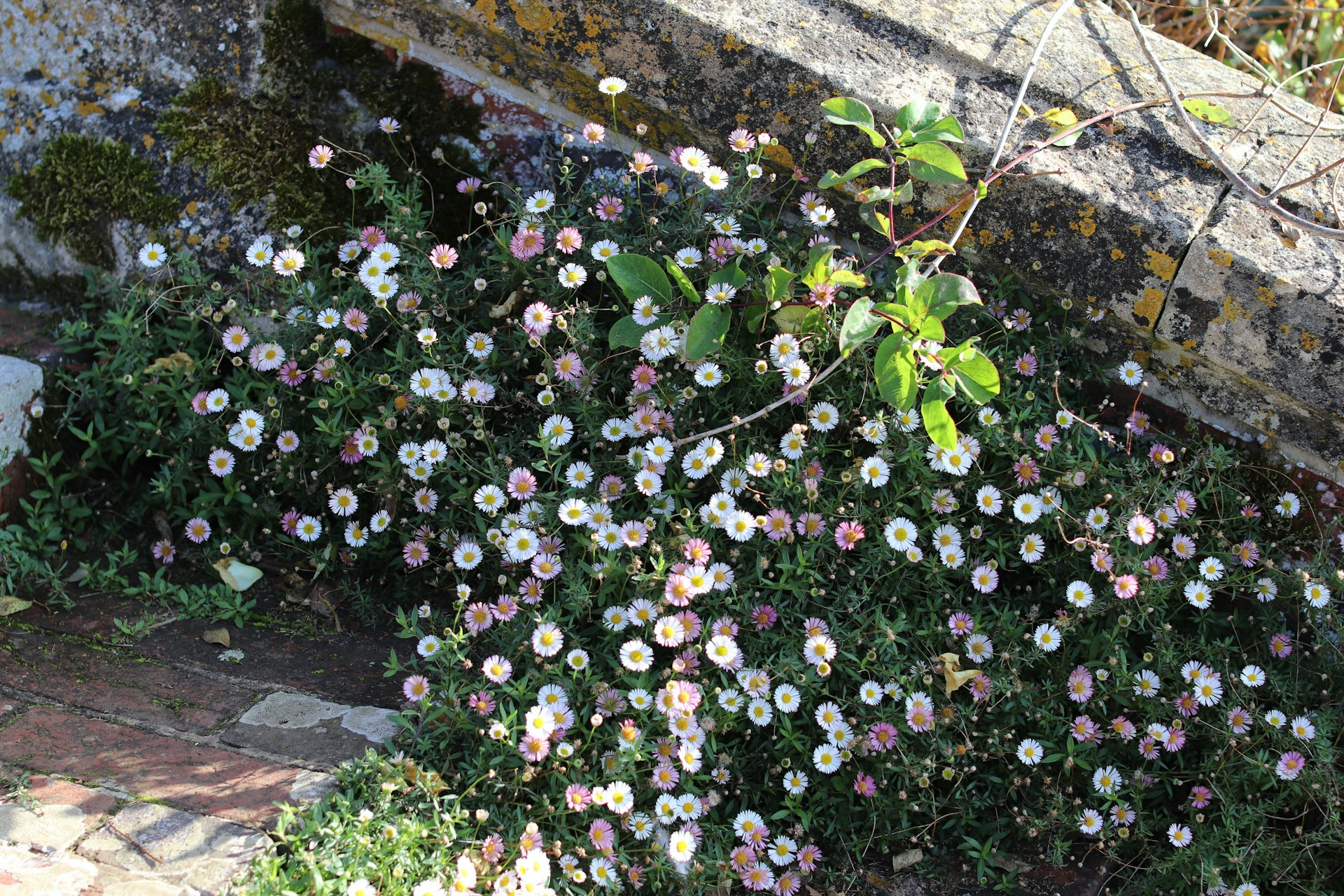
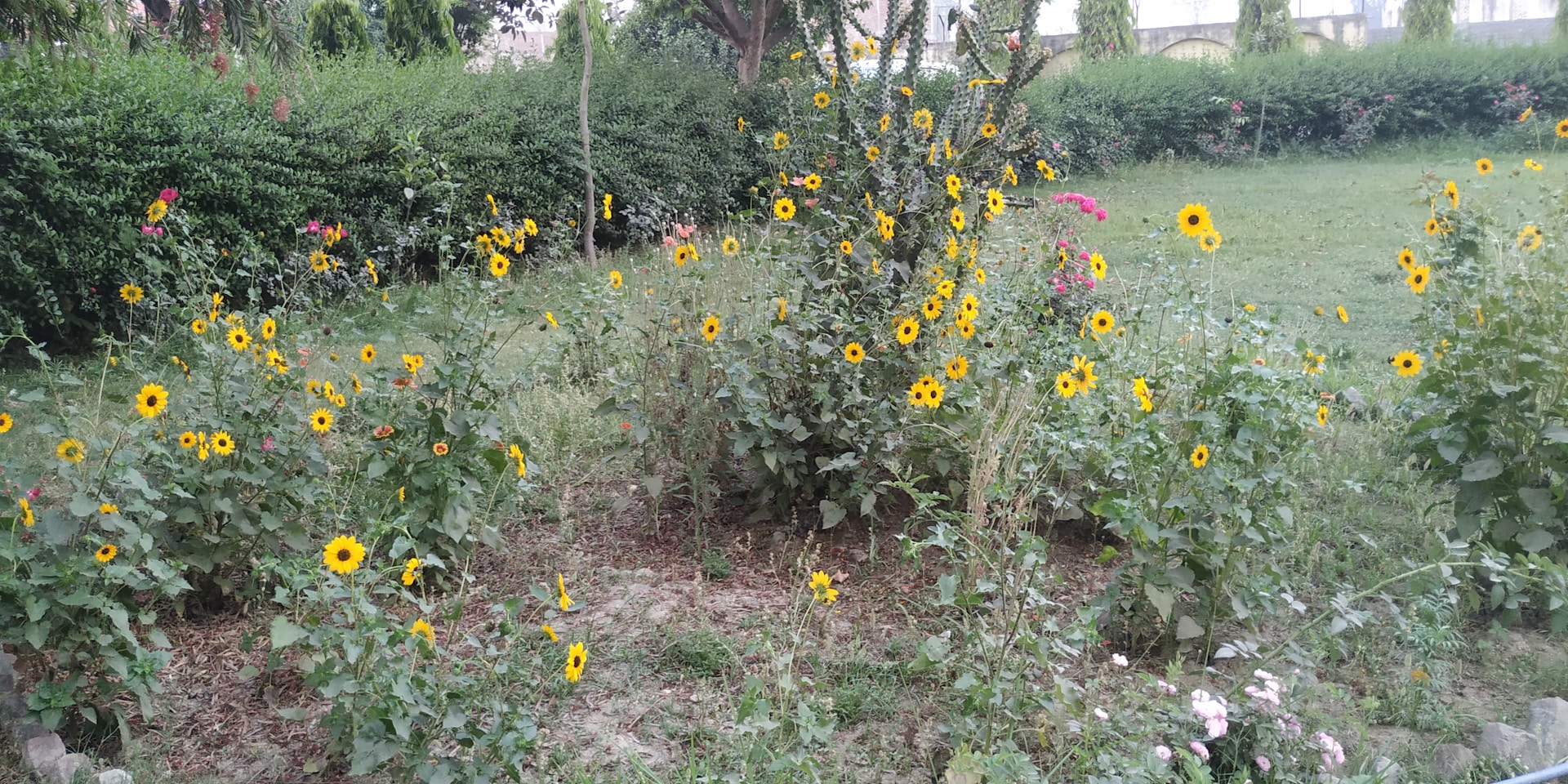
Wildflowers are adaptable, but choosing the right spot helps them thrive.
Look for:
Avoid:
If you don’t have a garden, a large pot or trough works beautifully too.
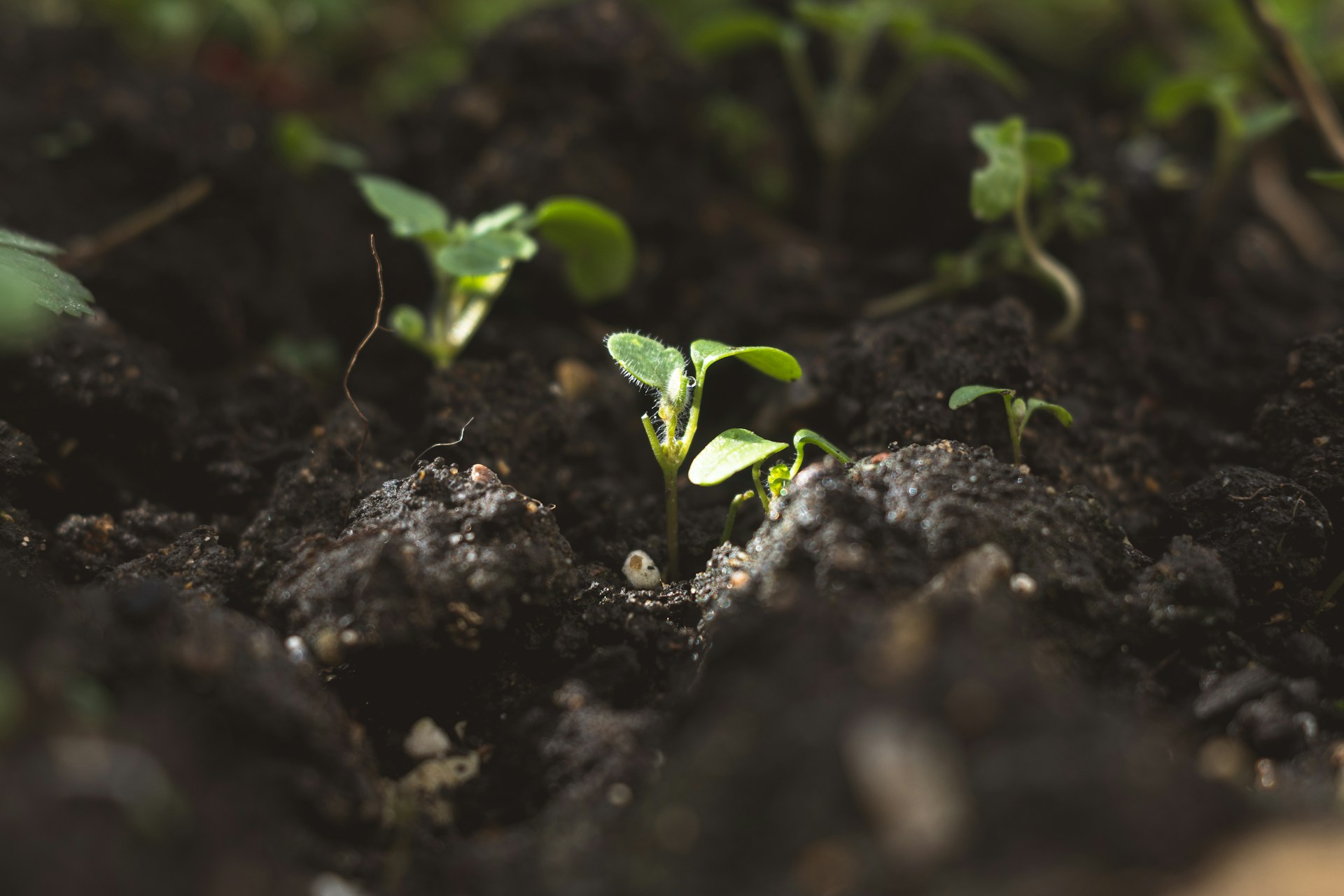
Wildflowers grow best in low‑nutrient soil, the opposite of most garden plants.
1. Clear the area
Remove grass, weeds, and roots so you’re left with bare soil.
2. Lightly rake the surface
Aim for a crumbly texture with small stones and unevenness, wildflowers love it.
3. Avoid adding compost or fertiliser
Nutrient‑rich soil encourages grasses to dominate.
4. Water the soil lightly (if dry)
This helps seeds settle into the surface.
You can sow wildflowers in spring or autumn.
1. Choose a native seed mix
Look for UK‑native wildflowers such as:
2. Mix seeds with dry sand
This helps you spread them evenly.
3. Scatter gently
Aim for a thin, even layer — too many seeds compete for space.
4. Press the seeds into the soil
Use your hands or a board. Don’t cover them with soil; most need light to germinate.
5. Water lightly
Just enough to settle the seeds.
Wildflowers are low‑maintenance, but a few simple steps help them flourish.
In the first year:
In late summer:
In autumn:
Your patch will become richer and more diverse each year.

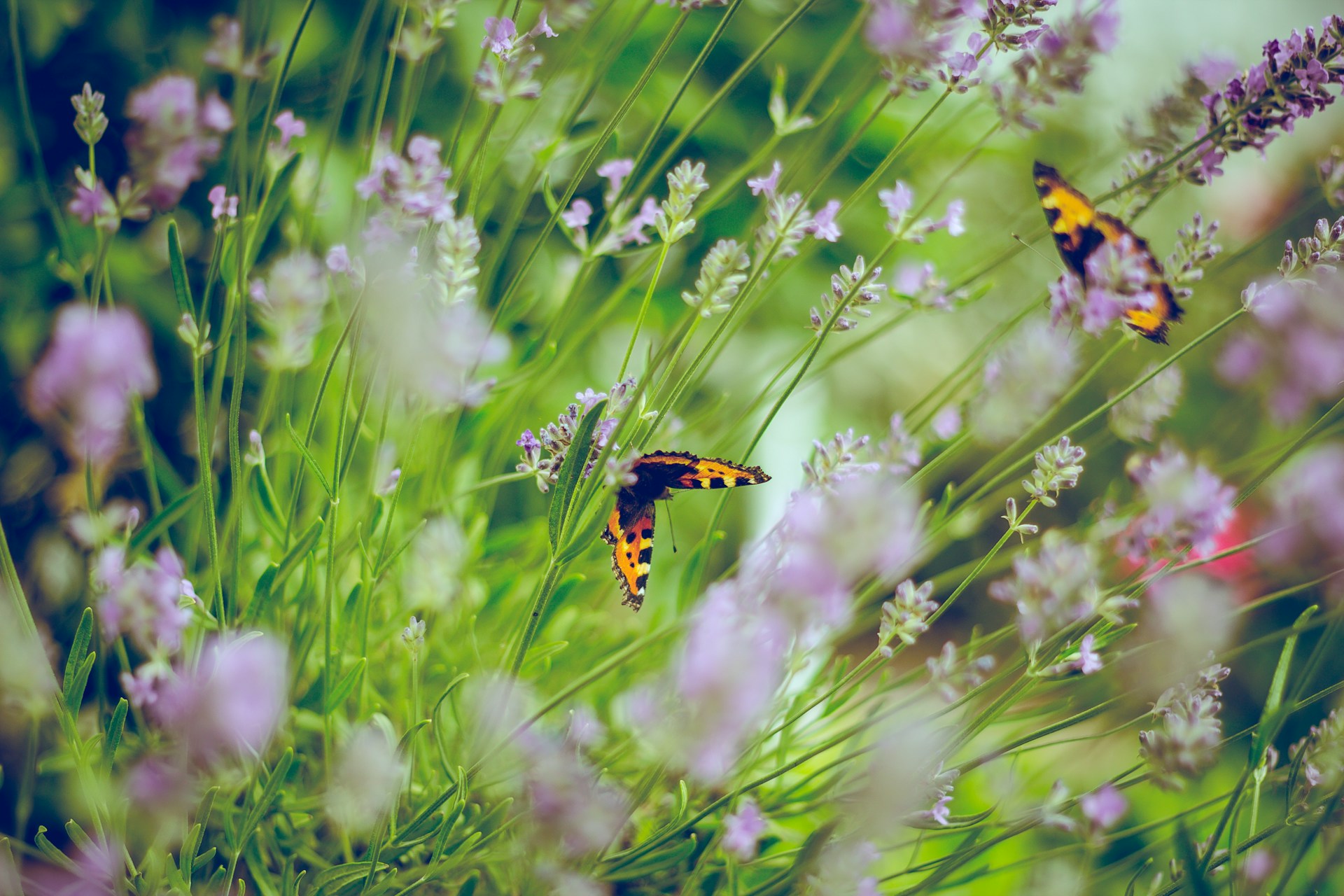
A mini wildflower patch attracts a surprising variety of species:
Insects
Birds
Other wildlife
Even a small patch becomes a lively, ever‑changing habitat. For help recognising the insects and small creatures your patch may attract, our Common UK Insects for Beginners guide introduces species you’re likely to see in warmer months.
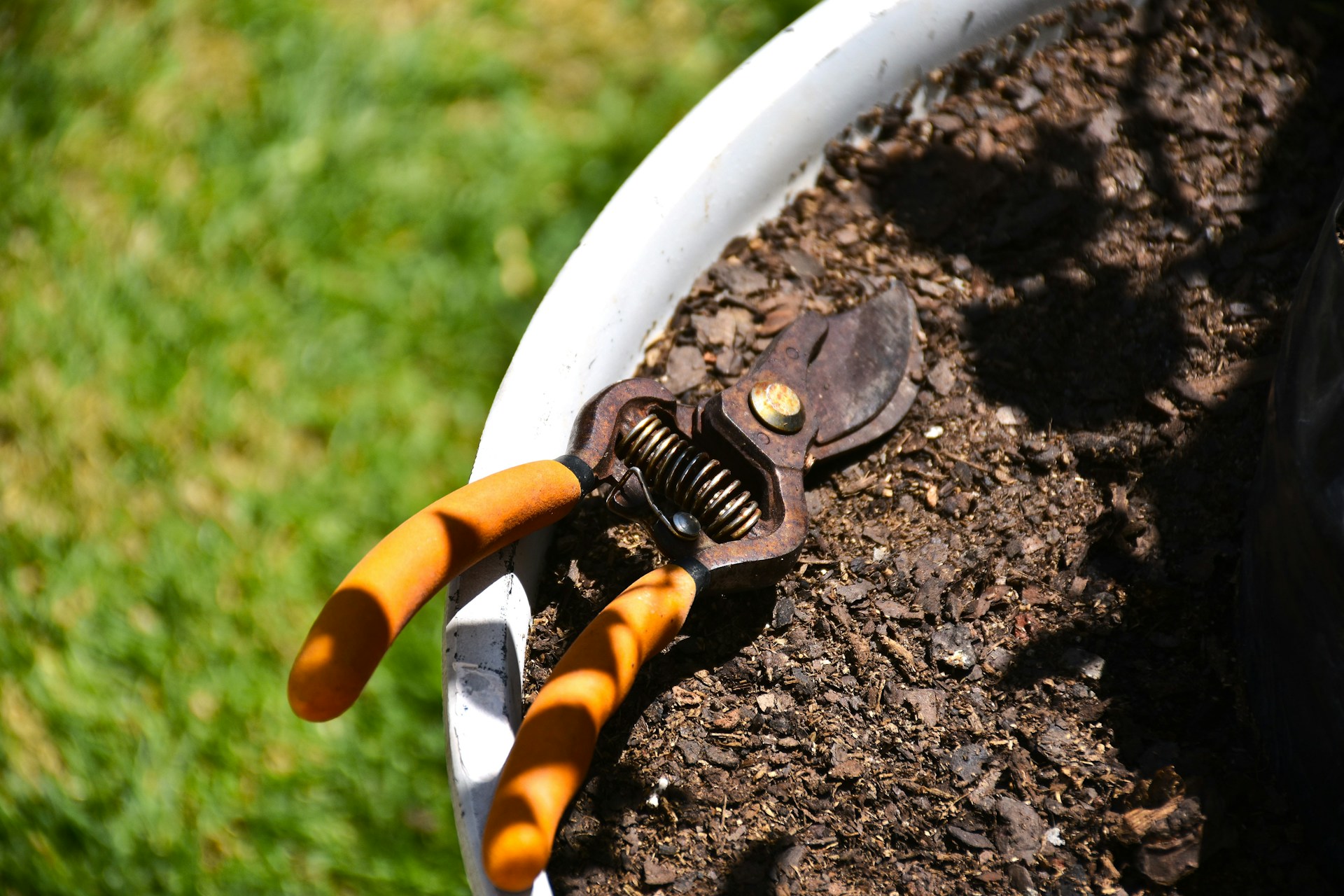
You don’t need specialist tools, but a few simple items make the process easier:

After sowing your seeds, pause and note:
“Which flower or insect do I hope to see here first?”
It might be a bee on a poppy, a butterfly drifting through the patch, or simply the first green shoots breaking through the soil. These small hopes make the process even more rewarding.
If you’d like to start a simple nature journal, our beginner’s guide walks you through how to begin: How to Start a Wildlife Journal.
A wildflower patch thrives when you give it space and time. A few simple principles help keep it wildlife‑friendly:
This gentle, hands‑off approach is at the heart of NatureGuide.
A mini wildflower patch doesn’t need to be large or elaborate to make a difference. Even a small corner of your garden can become a vibrant, buzzing space full of colour and life. By sowing a few native seeds and letting nature take the lead, you’re creating a haven for pollinators— and a place of quiet joy for yourself.