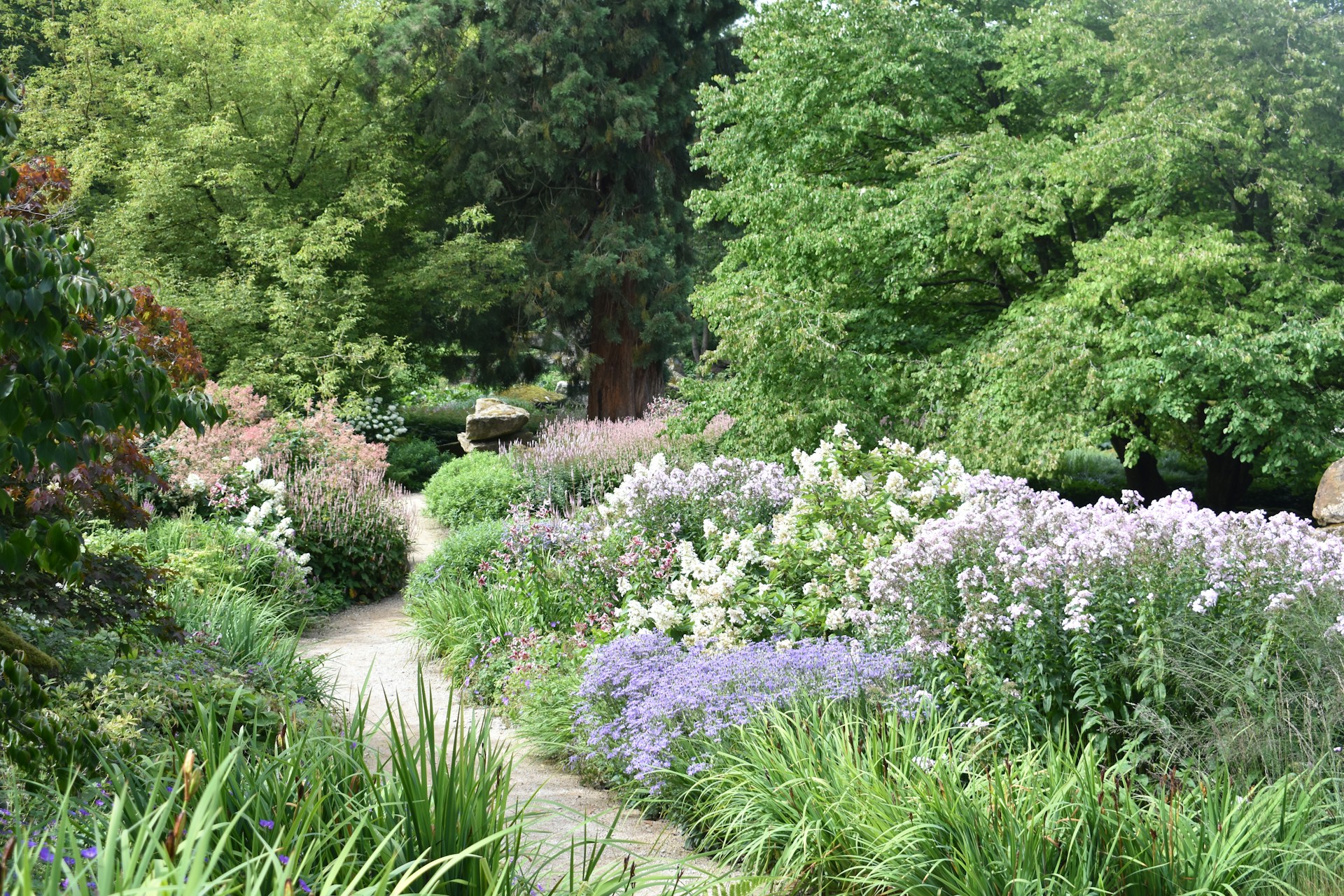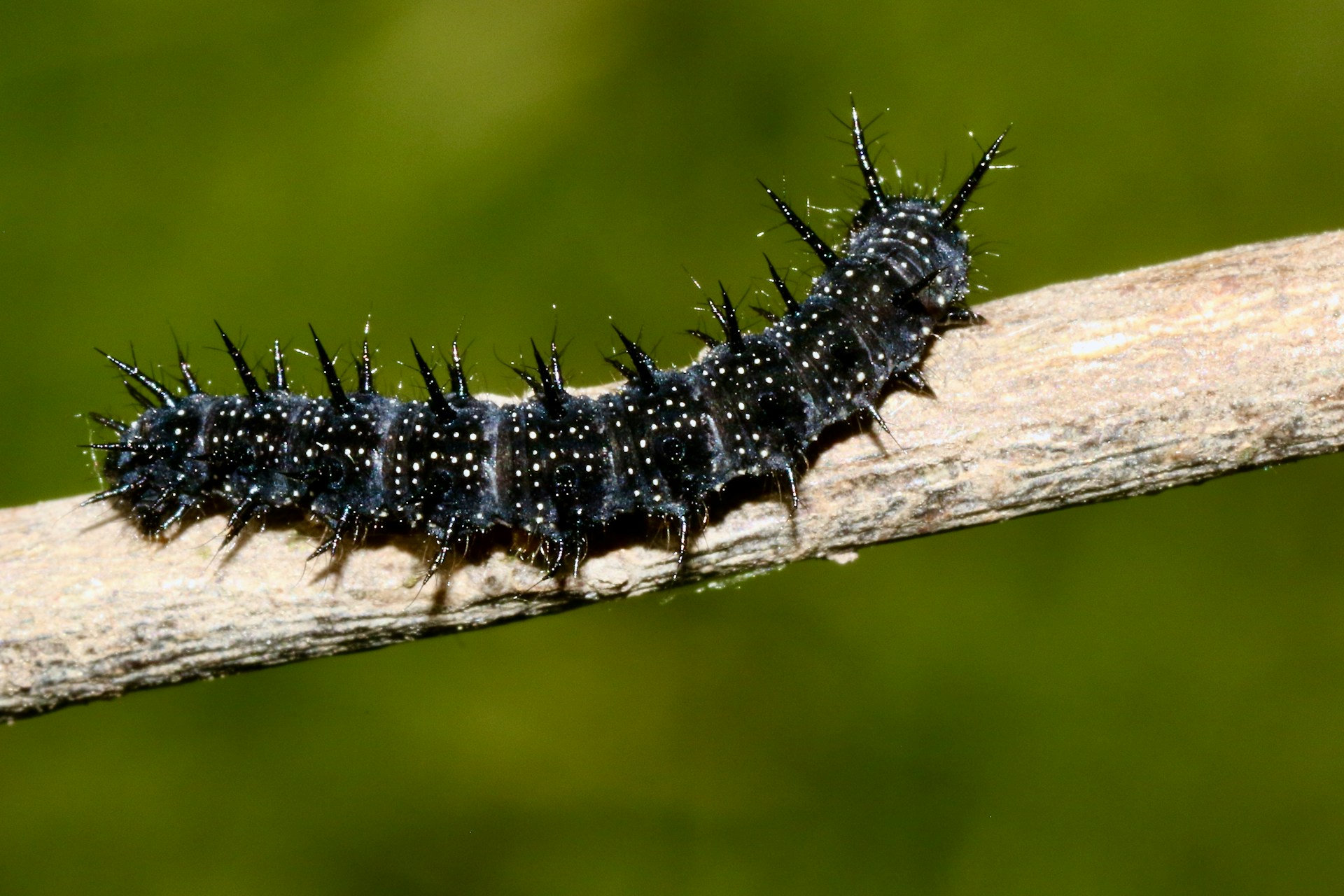
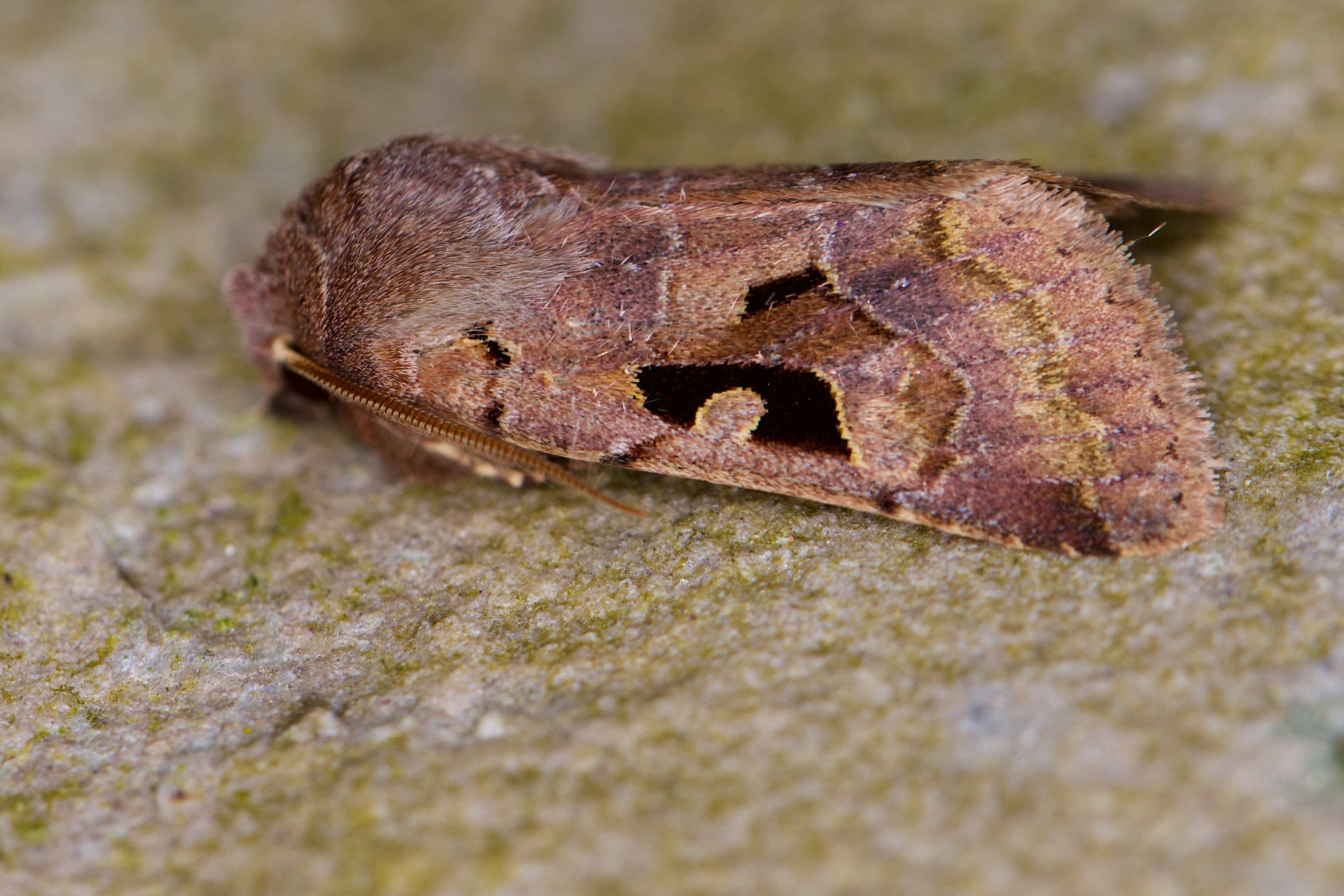
Moths are some of the most overlooked visitors in our gardens. While butterflies get most of the attention, moths quietly fill the night with movement, colour, and life. They pollinate flowers, feed birds and bats, and play a vital role in the health of our ecosystems. Creating a moth‑friendly garden is simple, gentle, and incredibly rewarding, even if you’ve never paid much attention to moths before.
This guide shows you how to attract moths, support their life cycles, and enjoy the quiet magic they bring to your garden after dusk. If you’re interested in supporting night‑time wildlife, our How to Find and Attract Caterpillars to Your Garden guide offers simple steps for encouraging the species moths depend on.

Moths are far more important than most people realise. They provide:
There are over 2,500 moth species in the UK, far more than butterflies and many are surprisingly colourful and easy to spot.
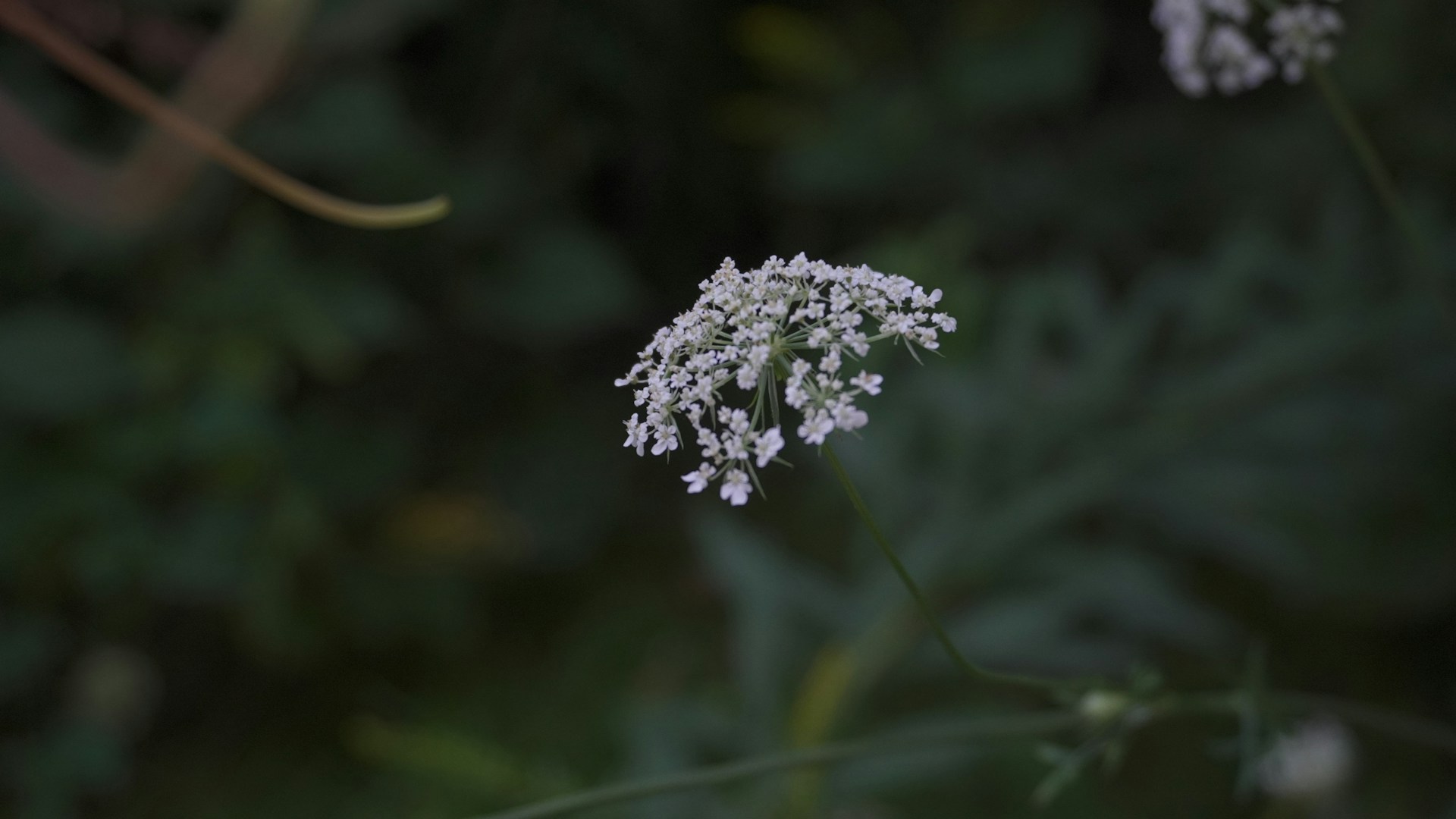
Moths use different parts of your garden at different stages of their lives. Look for them:
On flowers at dusk
Many moths feed on nectar just as the light fades.
Resting on fences, walls, and tree trunks
During the day, moths hide in plain sight.
In long grass and wild corners
Caterpillars feed and pupate here.
Around outdoor lights
Some species are drawn to light, though too much lighting can disrupt their behaviour.
On window sills and near hedges
These sheltered spots offer warmth and protection.
Once you start looking, you’ll notice moths far more often than you expect. For help observing animals active in low light, our How to Spot Wildlife at Dawn and Dusk guide shares practical tips for early‑morning and evening sightings.
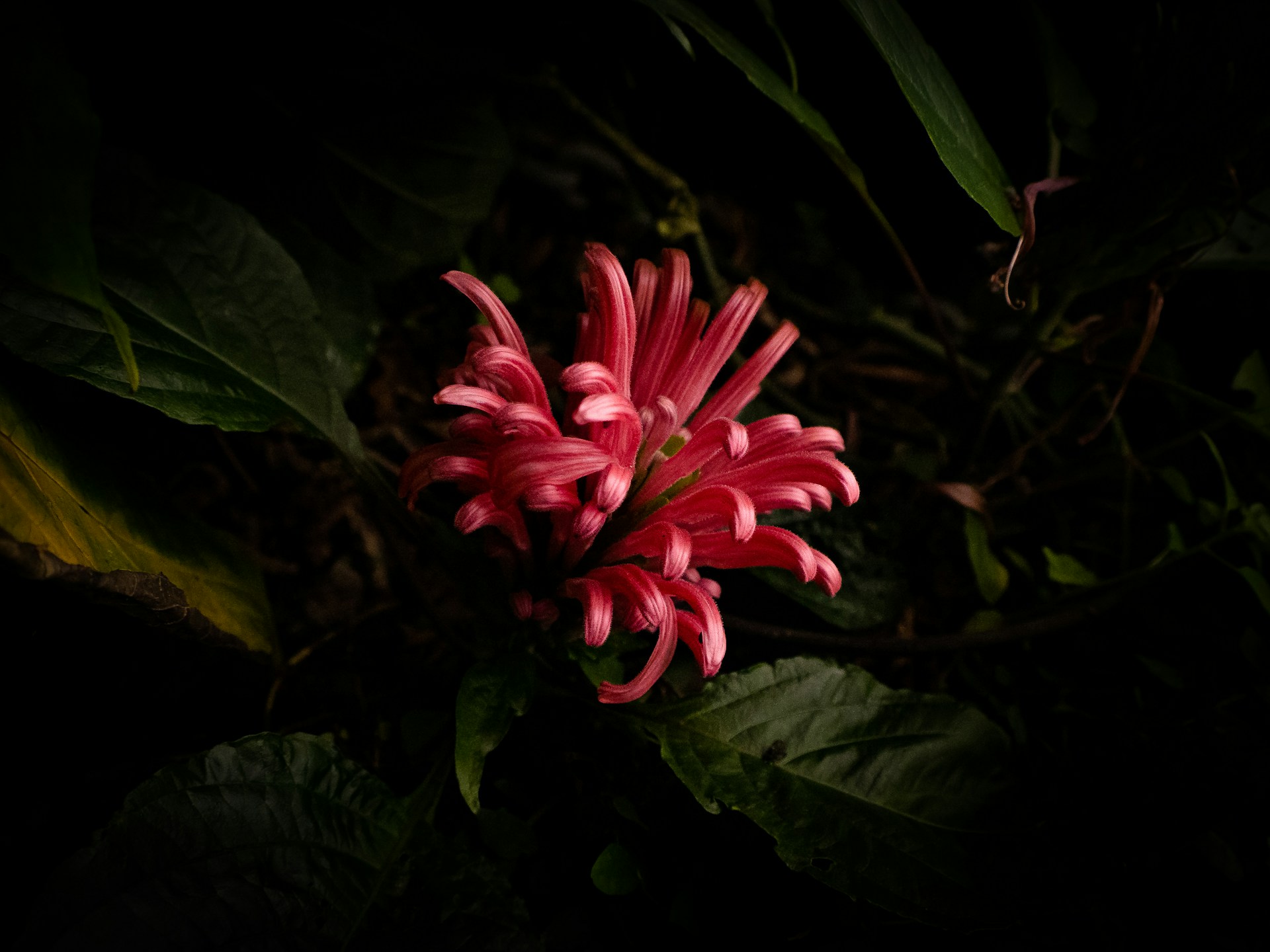
You don’t need special equipment, just a few simple changes.
1. Plant night‑scented flowers
These are irresistible to moths. Good options include:
Their fragrance becomes stronger at dusk, guiding moths in.
2. Grow caterpillar‑friendly plants
Moths need places to lay eggs and feed their young. Try:
A small patch of any of these supports dozens of species.
3. Reduce artificial lighting
Bright lights confuse moths and disrupt their natural behaviour.
A darker garden is a friendlier garden for moths.
4. Leave a wild corner
Long grass, fallen leaves, and natural debris create shelter for caterpillars and pupae.
5. Add a shallow water source
Moths and other night insects benefit from a small dish of water or a wildlife pond.

You don’t need to identify every species, just noticing patterns and colours is enough. Here are a few easy ones:
Elephant hawk‑moth
Bright pink and olive green; often found near honeysuckle and willowherb.
Silver Y
A small, fast‑moving moth with a metallic “Y” on each wing.
Angle shades
Beautifully folded wings that look like dried leaves.
Garden tiger moth (late summer)
Bold orange and black hindwings, a real garden highlight.
Light emerald
Soft green with delicate white lines.
These species are widespread and beginner‑friendly.
See our Field Guides Gear Guide for simple advice on choosing beginner friendly wildlife books, including general wildlife guides, bird guides and pocket guides.
You don’t need specialist equipment to enjoy moths, but a few simple items can enhance your experience:

After spending a little time in the garden at dusk, pause and note:
“What was the first moth or night‑time movement I noticed today?”
It might be a flutter near a flower, a shape resting on a wall, or simply the shift in atmosphere as the light fades. These small observations help you connect with the quieter side of your garden.
If you’d like to start a simple nature journal, our beginner’s guide walks you through how to begin: How to Start a Wildlife Journal.
Moths are sensitive to disturbance, especially at night. A few simple principles help you support them safely:
This calm, respectful approach is at the heart of NatureGuide.
Moths bring a quiet kind of magic to the garden; subtle colours, gentle movement, and a sense of life unfolding after dark. By planting a few night‑scented flowers, reducing lighting, and leaving space for caterpillars, you’ll create a haven for these remarkable insects. Even a single evening spent watching moths can change the way you see your garden.