Caterpillars are one of the quietest signs of life in a garden. They move slowly, hide well, and often go unnoticed; yet they play a vital role in supporting butterflies, moths, and countless other species. Encouraging caterpillars isn’t just about spotting them; it’s about creating a small, safe space where these early life stages can thrive.
This guide shows you how to find caterpillars in your garden and how to gently attract more of them, even if you’re completely new to wildlife watching.
If you’re interested in supporting more insect life, our How to Make Your Garden More Moth‑Friendly guide explains how to create conditions that benefit both caterpillars and adult moths.
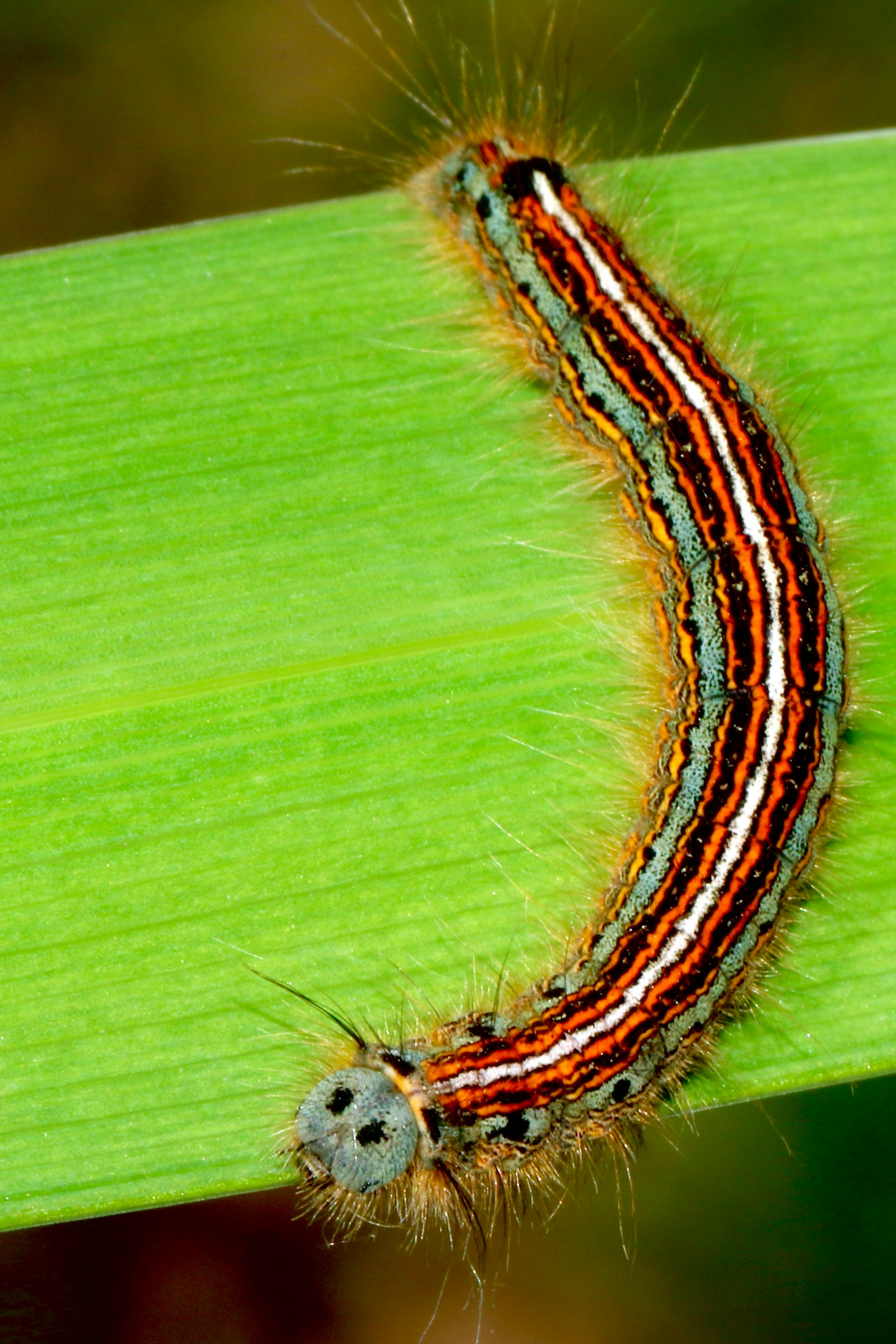
Caterpillars are at the heart of many garden food webs. They provide:
If you want more butterflies in summer, the journey begins with supporting caterpillars in spring.
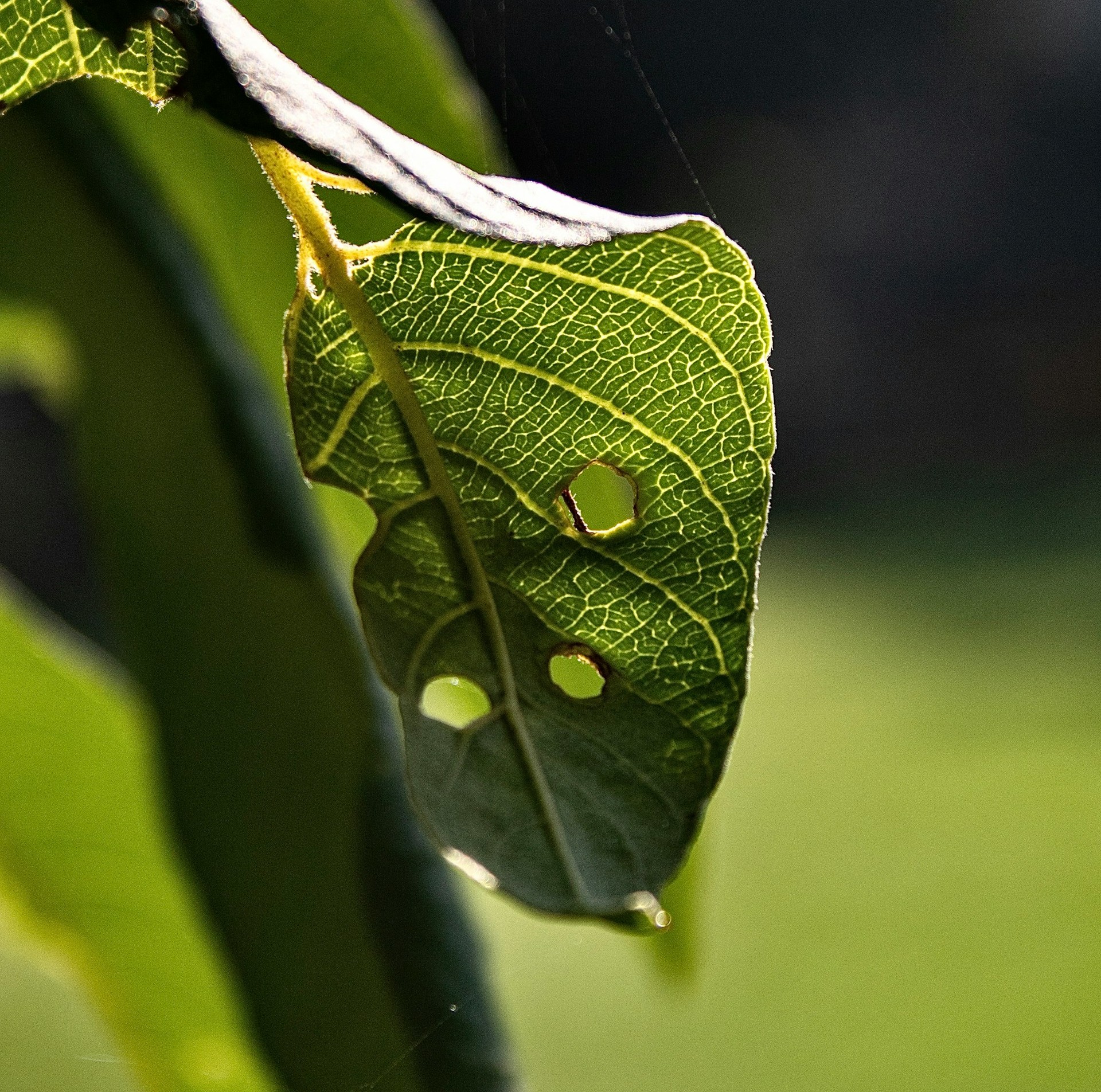
Caterpillars are experts at hiding, but once you know where to look, you’ll start spotting them more often.
1. On the underside of leaves
Most caterpillars feed from below, where they’re sheltered from predators and weather.
2. On specific “host plants”
Different species rely on different plants. Common ones include:
3. In curled or folded leaves
Some caterpillars stitch leaves together with silk to create a safe shelter.
4. On stems and twigs
Stick‑like caterpillars often rest along branches where they blend in perfectly.
5. In long grass or wild corners
Many species pupate or feed at ground level.
Move slowly, pause often, and look for tiny movements rather than shapes.

You don’t need to “do” much — just create the right conditions.
1. Grow host plants
This is the single most effective step.
A few pots of nettles or a small patch of bramble can support dozens of species.
2. Leave a wild corner
A small area of long grass or uncut plants gives caterpillars shelter and food.
3. Avoid pesticides completely
Even “natural” sprays harm caterpillars and their food plants.
4. Plant nectar flowers for adult butterflies and moths
This encourages them to lay eggs in your garden.
Good options include:
5. Let some plants go a little untidy
Holes in leaves are a good sign as it means caterpillars are feeding.
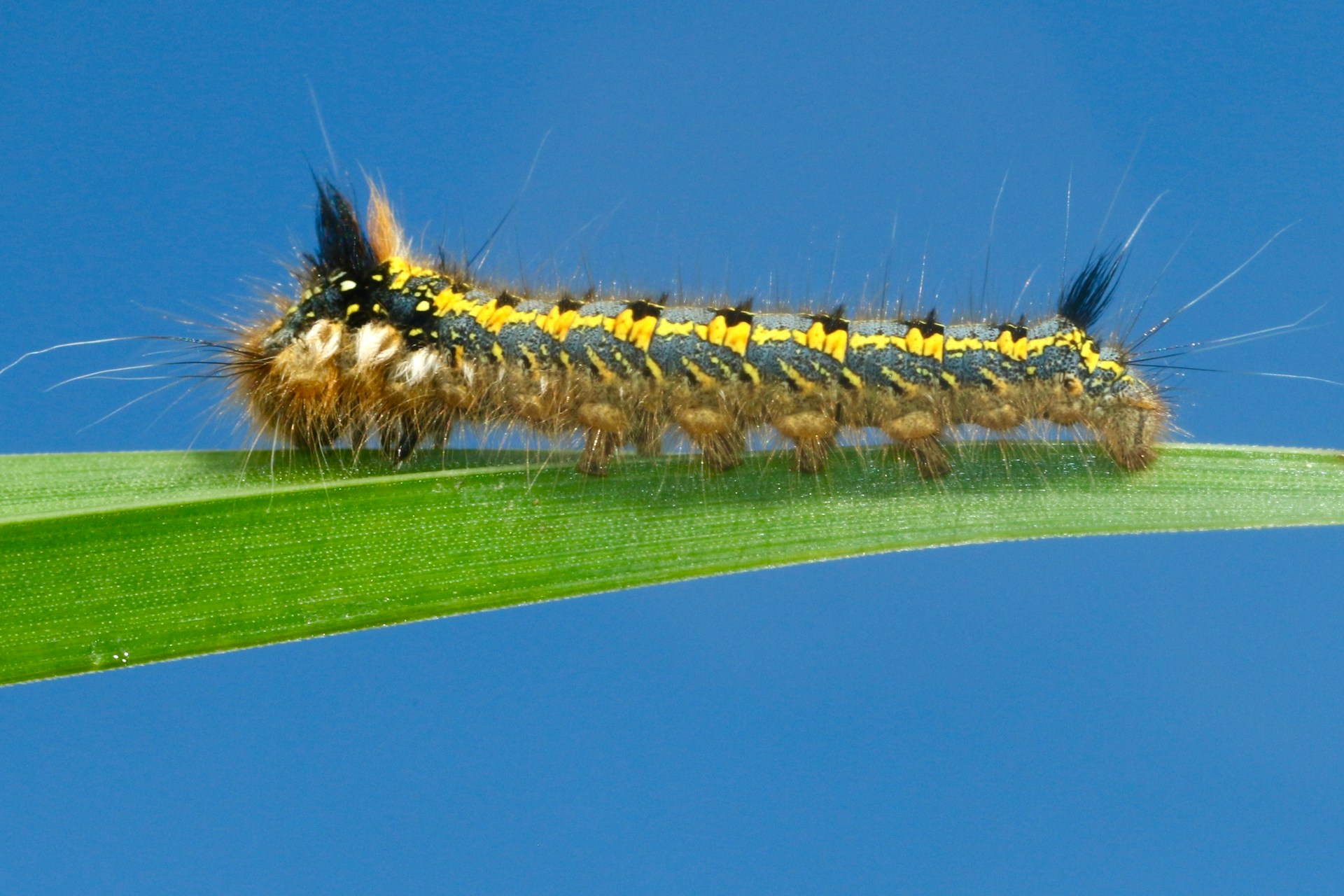
You don’t need to identify every species. Start with these familiar ones:
Small tortoiseshell caterpillar
Black and spiky, often found in groups on nettles.
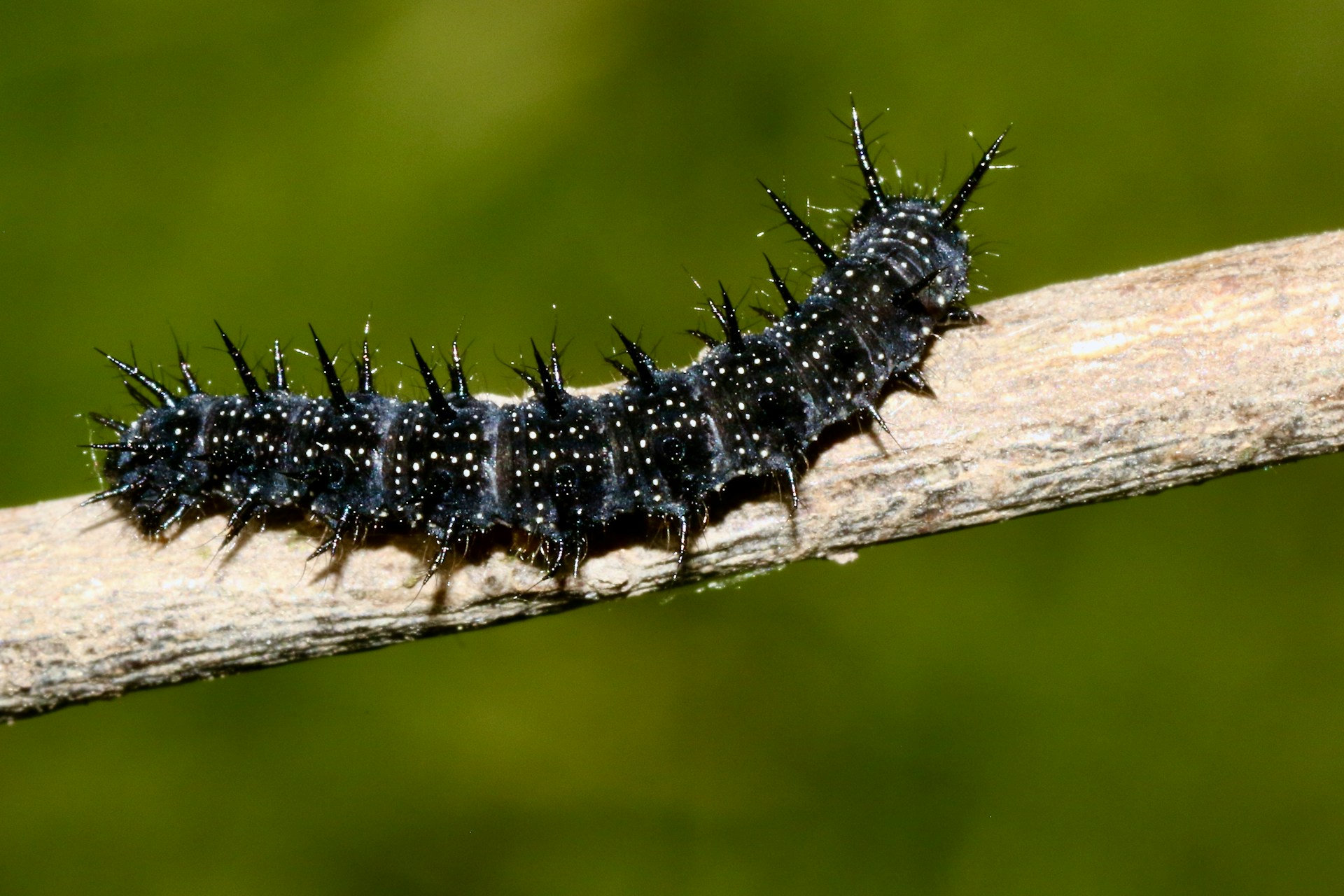
Peacock caterpillar
Also black and spiky, but with tiny white spots.
Large white (“cabbage white”) caterpillar
Greenish‑yellow with black speckles, often on brassicas.
Elephant hawk‑moth caterpillar
Large, smooth, and brown with big “eye spots”— surprisingly common in gardens.
Mullein moth caterpillar
Bright white with yellow and black spots, often on verbascum.
These species are widespread and easy to observe without disturbing them. For help identifying the birds that may visit your garden to feed on insects, our Garden Birds for Beginners guide introduces the species you’re most likely to see.
See our Field Guides Gear Guide for simple advice on choosing beginner friendly wildlife books, including general wildlife guides, bird guides and pocket guides.
You don’t need specialist equipment, but a few simple items make caterpillar spotting easier:

After spending a little time outdoors, pause and note:
“Which plant showed the most signs of caterpillar activity today?”
It might be a nibbled leaf, a curled shelter, or a tiny movement you almost missed. These small clues help you understand how wildlife uses your garden.
If you’d like to start a simple nature journal, our beginner’s guide walks you through how to begin: How to Start a Wildlife Journal.
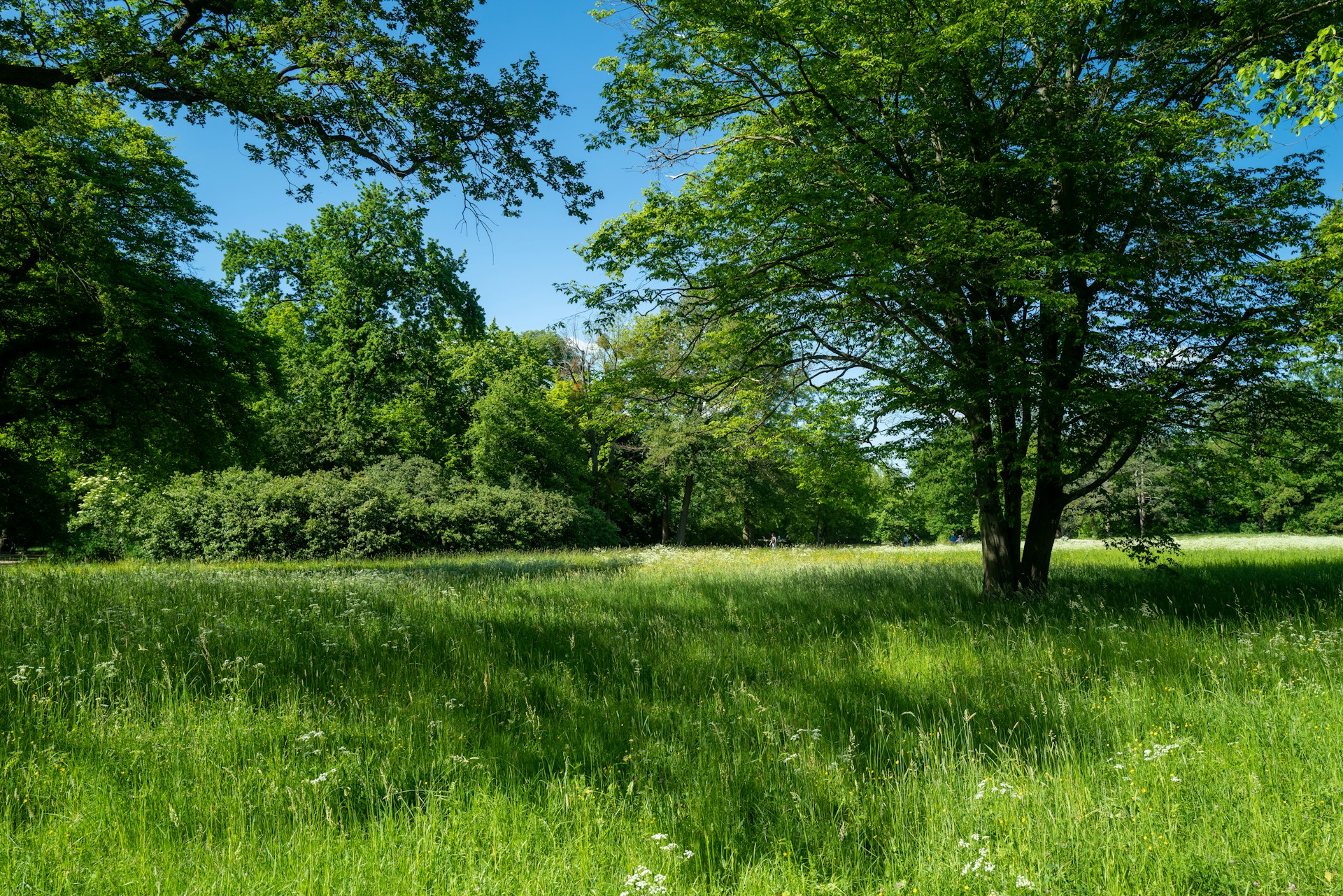
Caterpillars are vulnerable at every stage of their life cycle. A few simple principles help you support them safely:
This gentle, hands‑off approach is at the heart of NatureGuide.
Caterpillars may be small, but they’re a powerful sign of a thriving garden. By creating a few simple habitats and learning where to look, you’ll begin to notice the quiet, hidden stages of butterfly and moth life. Each tiny movement, curled leaf, or nibbled edge becomes part of the unfolding story of your garden and a reminder that even the smallest creatures matter.