
Spring and summer are the seasons when the insect world comes alive. Meadows hum with bees, butterflies drift along hedgerows, dragonflies patrol ponds, and beetles explore warm patches of ground. Once you start noticing insects, you realise just how much movement, colour, and quiet activity surrounds you on every walk.
You don’t need specialist knowledge to enjoy insect watching. With a slower pace and a little curiosity, these small creatures reveal a whole new layer of the natural world.
This guide introduces some of the UK’s most common insects and where to find them during the warmer months. If you’re interested in spotting more small creatures outdoors, our How to Find and Attract Caterpillars to Your Garden guide offers simple ways to observe insects up close.

Insects thrive anywhere with warmth, shelter, and food. Some of the best places to explore include:
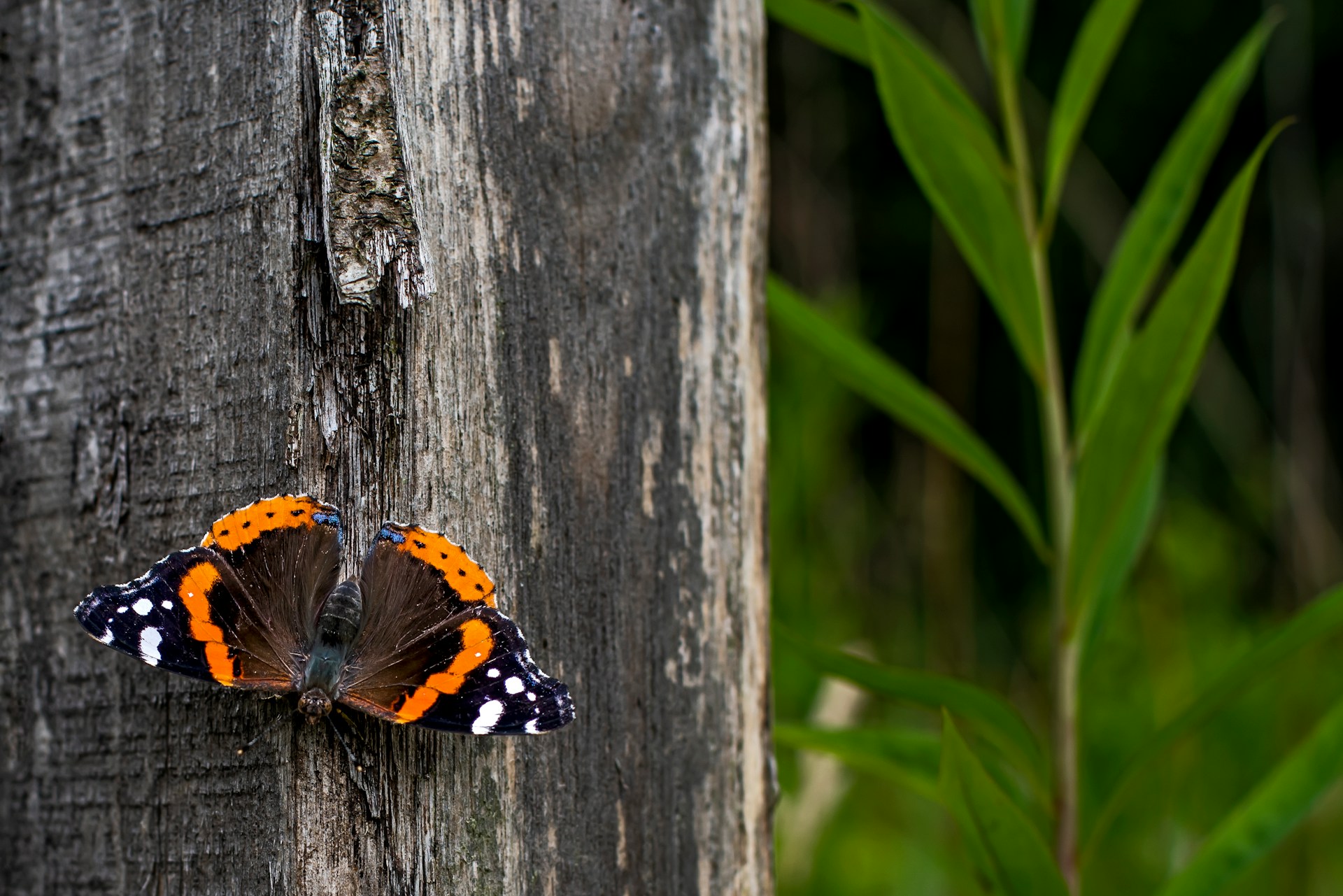
Some of the easiest insects to recognise:
Look for them drifting along hedges or feeding on flowers.
Essential pollinators that are surprisingly easy to tell apart:
Found near ponds, canals, and slow rivers:
They’re most active on warm afternoons.
Small but fascinating:
Look on leaves, logs, and sunny patches of ground.
You’ll often hear them before you see them:
Their calls are a classic sound of summer.
To deepen your awareness of subtle wildlife clues, our Simple Signs of Wildlife in Your Local Area guide can help you notice more on everyday walks.
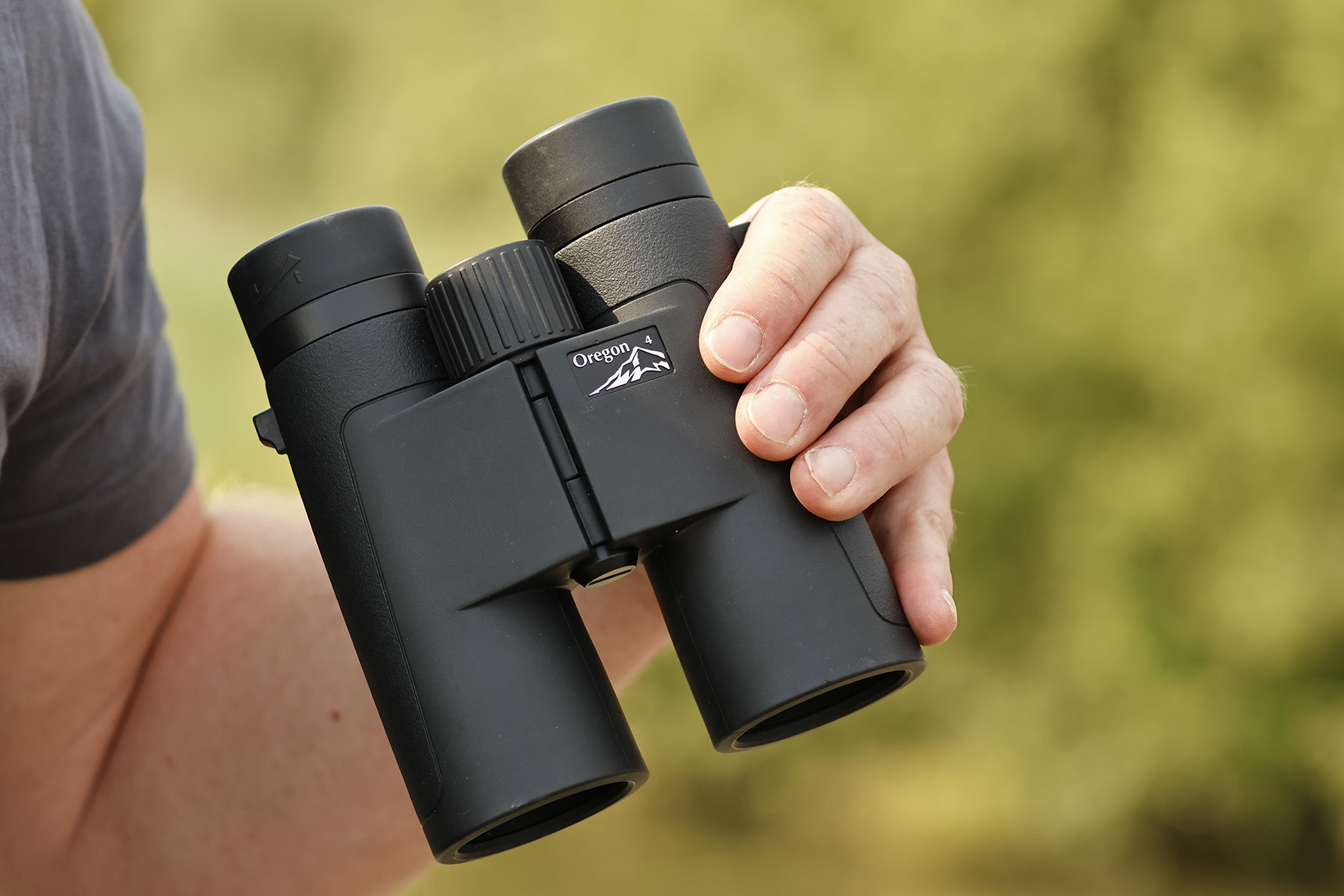
See our Beginner Binoculars Guide for simple advice on choosing your first pair, including what magnification means, how much to spend, and which models are genuinely beginner‑friendly.
See our Field Guides Gear Guide for simple advice on choosing beginner friendly wildlife books, including general wildlife guides, bird guides and pocket guides.
These simple items make insect watching more enjoyable:

Find a sunny patch of flowers or long grass, pause for a moment, and note:
“Which insect catches my attention first — and what is it doing?”
It might be feeding, resting, hovering, or simply passing through. Observing behaviour helps you connect with the tiny rhythms of summer.
If you’d like to start a simple nature journal, our beginner’s guide walks you through how to begin: How to Start a Wildlife Journal.
Insects are sensitive to disturbance, and a few gentle principles help protect them:
This quiet, hands off approach is at the heart of NatureGuide.
Insects may be small, but they bring incredible colour, movement, and life to spring and summer. From butterflies drifting through meadows to dragonflies patrolling ponds and bees buzzing between flowers, these tiny creatures offer endless moments of curiosity and calm. By slowing down and paying attention, you’ll discover a whole world of wildlife right at your feet.