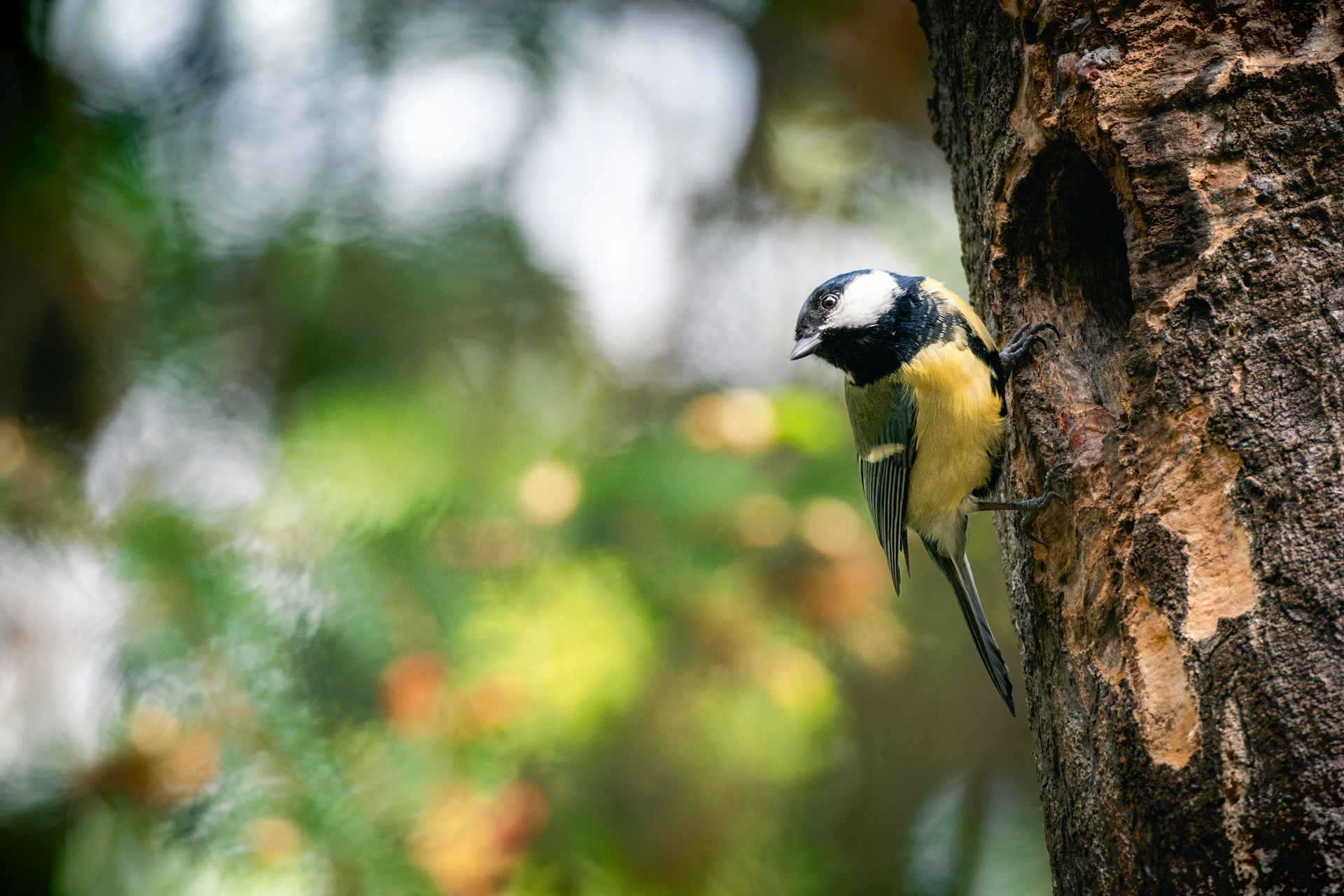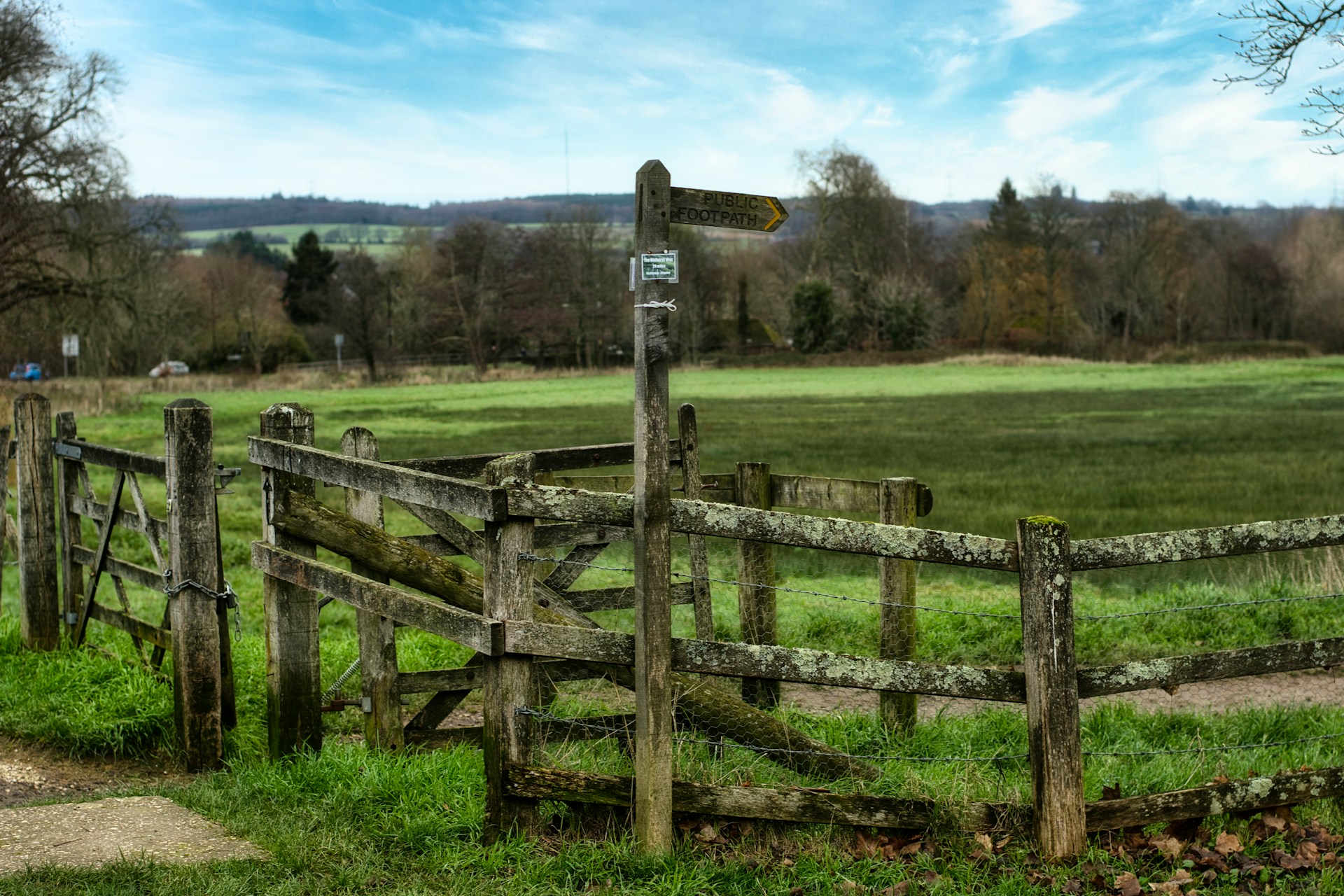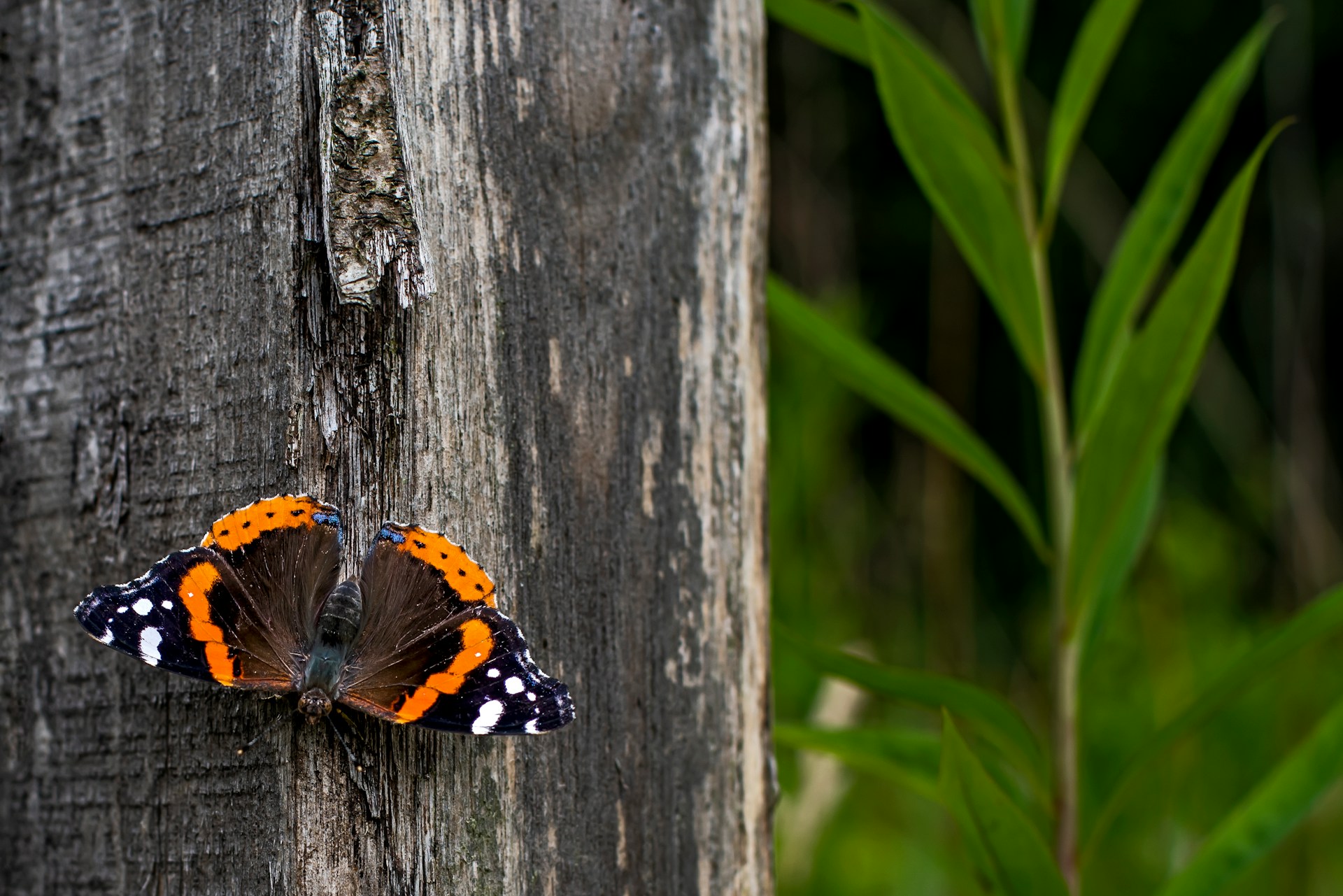
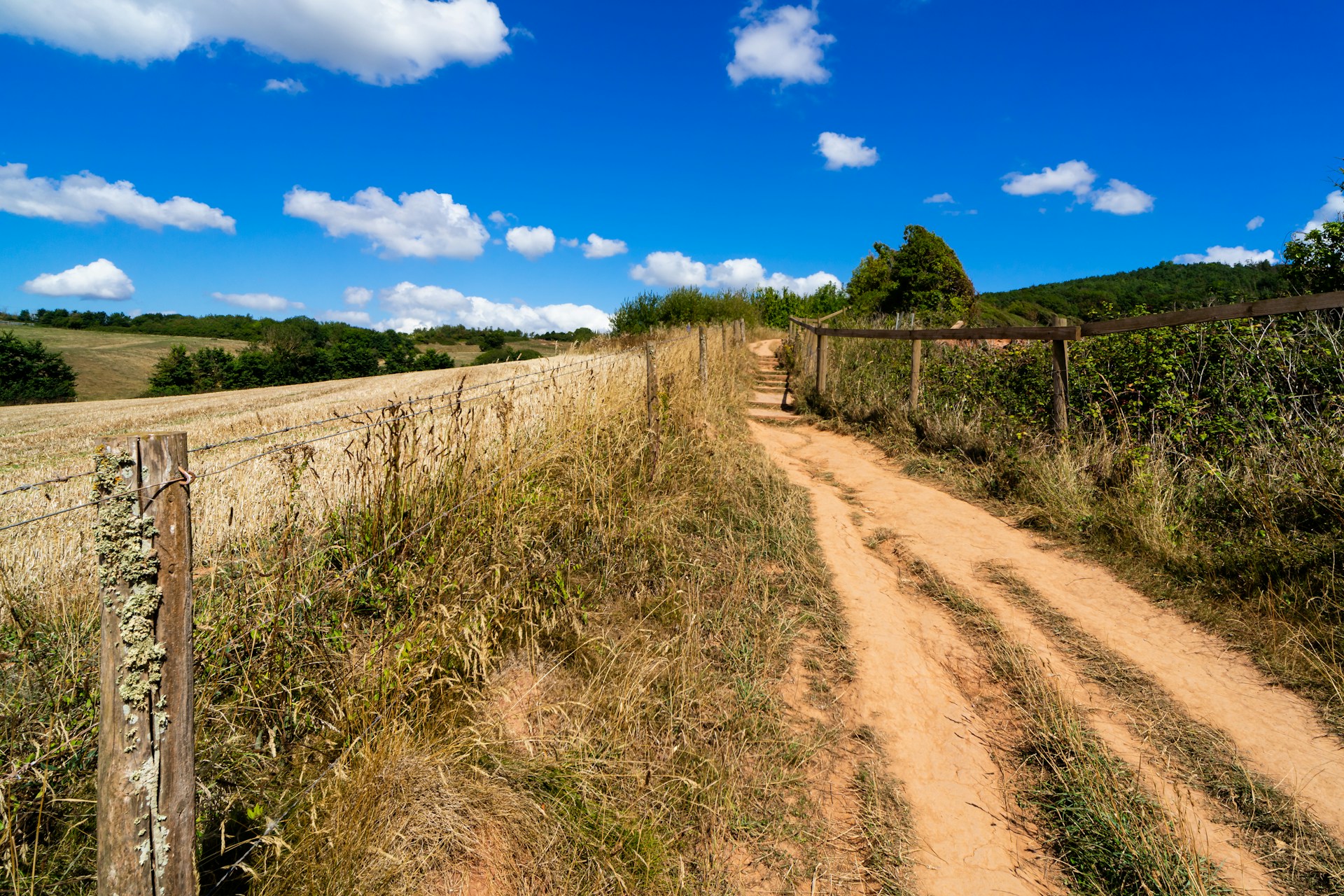
Summer is one of the most active times of year for UK wildlife. Long days, warm temperatures, and abundant food create a burst of activity across gardens, parks, woodlands, rivers, and coastlines. Birds are feeding chicks, insects are at their peak, mammals are more visible at dawn and dusk, and plants are in full growth.
You don’t need specialist knowledge to enjoy summer wildlife. With a slower pace and a little attention, you’ll start to notice the rhythms, behaviours, and seasonal changes happening all around you.
This guide walks you through what changes in summer, what wildlife you’re likely to see, and how to explore the season gently. If you’re curious about how wildlife changes through the year, our Spring Wildlife Behaviour guide explains the shifts that happen as days begin to lengthen.

Summer offers warmth, long daylight hours, and plentiful food, the perfect conditions for wildlife to thrive.
Summer brings:
It’s a season full of movement, colour, and sound.

Wildlife is active almost everywhere in summer, but some habitats offer especially rich experiences.
Look for:
Avoid:
Even a short walk at the right time of day can be full of activity.
1. Go early or late
Dawn and dusk are the coolest, calmest times, perfect for mammals and birds.
2. Slow your pace
Wildlife appears when you pause, especially insects and young birds.
3. Look for movement rather than shapes
A flutter, rustle, or ripple often reveals more than scanning for whole animals.
4. Listen for young birds
Fledglings make soft, persistent begging calls.
5. Watch flowers and sunny edges
Pollinators gather where warmth and nectar meet.
To make the most of warm‑weather outings, our How to Notice More Wildlife on Your Daily Walk guide shares simple techniques for staying observant.
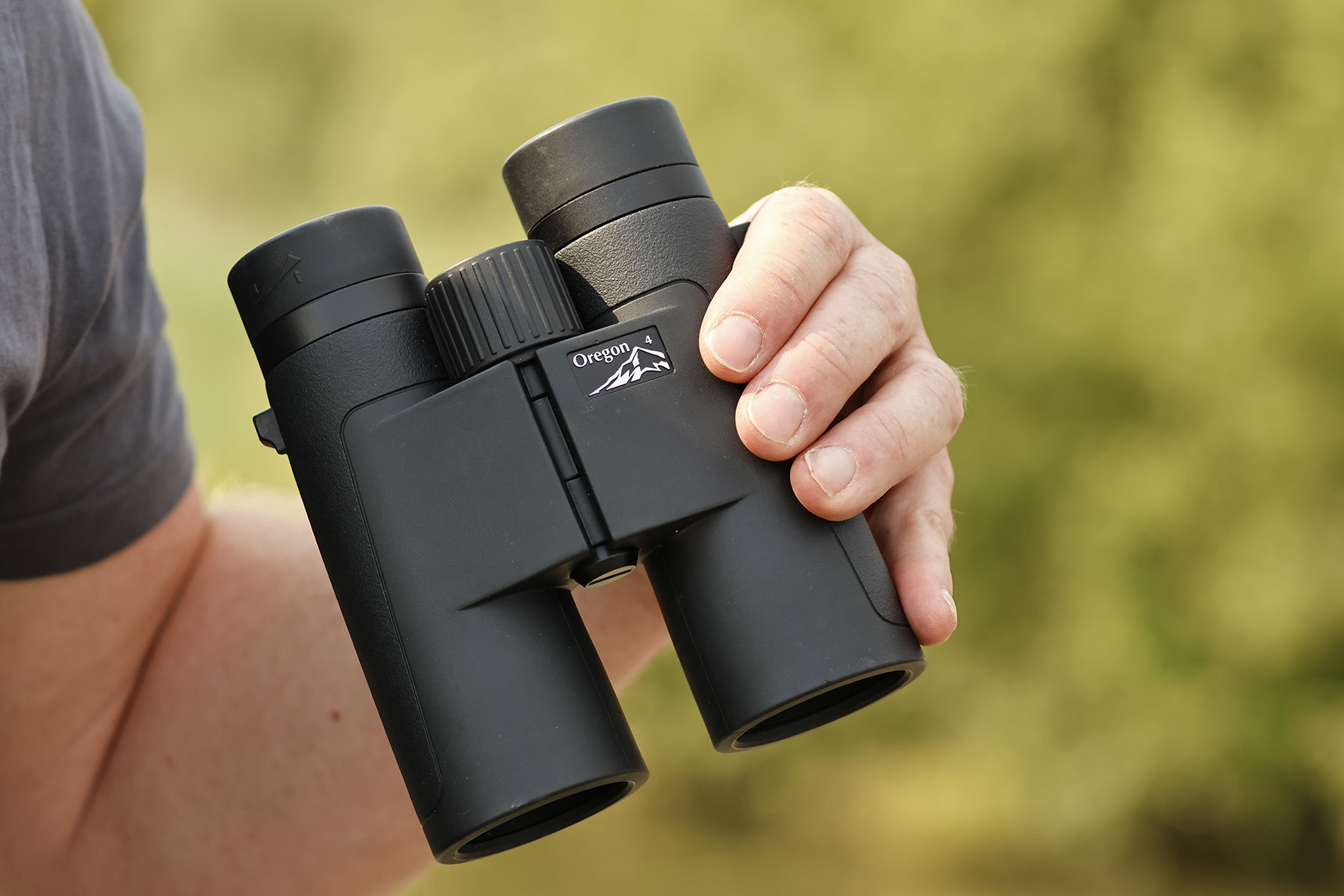
See our Beginner Binoculars Guide for simple advice on choosing your first pair, including what magnification means, how much to spend, and which models are genuinely beginner‑friendly.
See our Field Guides Gear Guide for simple advice on choosing beginner friendly wildlife books, including general wildlife guides, bird guides and pocket guides.
These items can also be really helpful for beginners:

Find a quiet spot, pause for a moment, and note:
“What is the most active part of this landscape right now?”
It might be a patch of flowers buzzing with insects, a hedge full of fledglings, or a pond alive with dragonflies. Summer is full of movement — this prompt helps you tune into it.
If you’d like to start a simple nature journal, our beginner’s guide walks you through how to begin: How to Start a Wildlife Journal.
Summer is a busy season for wildlife, and a few simple principles help protect it:
This gentle, hands off approach is at the heart of NatureGuide.
Summer is a season of abundance — full of colour, sound, and movement. From butterflies drifting over meadows to young birds exploring gardens and mammals active at dusk, the warm months offer endless opportunities for quiet discovery. By slowing down and paying attention, you’ll find that summer wildlife reveals itself in small, memorable moments.