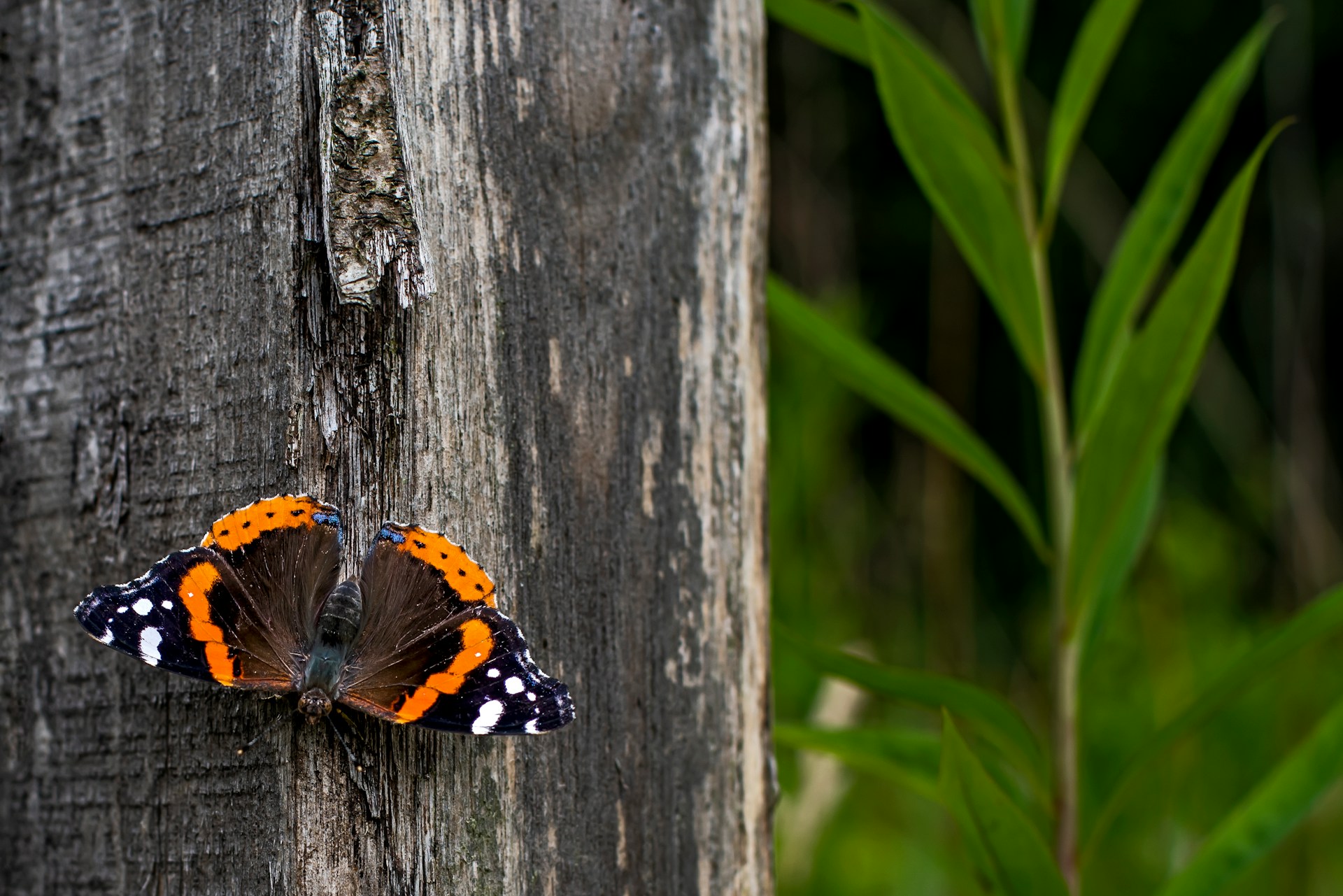
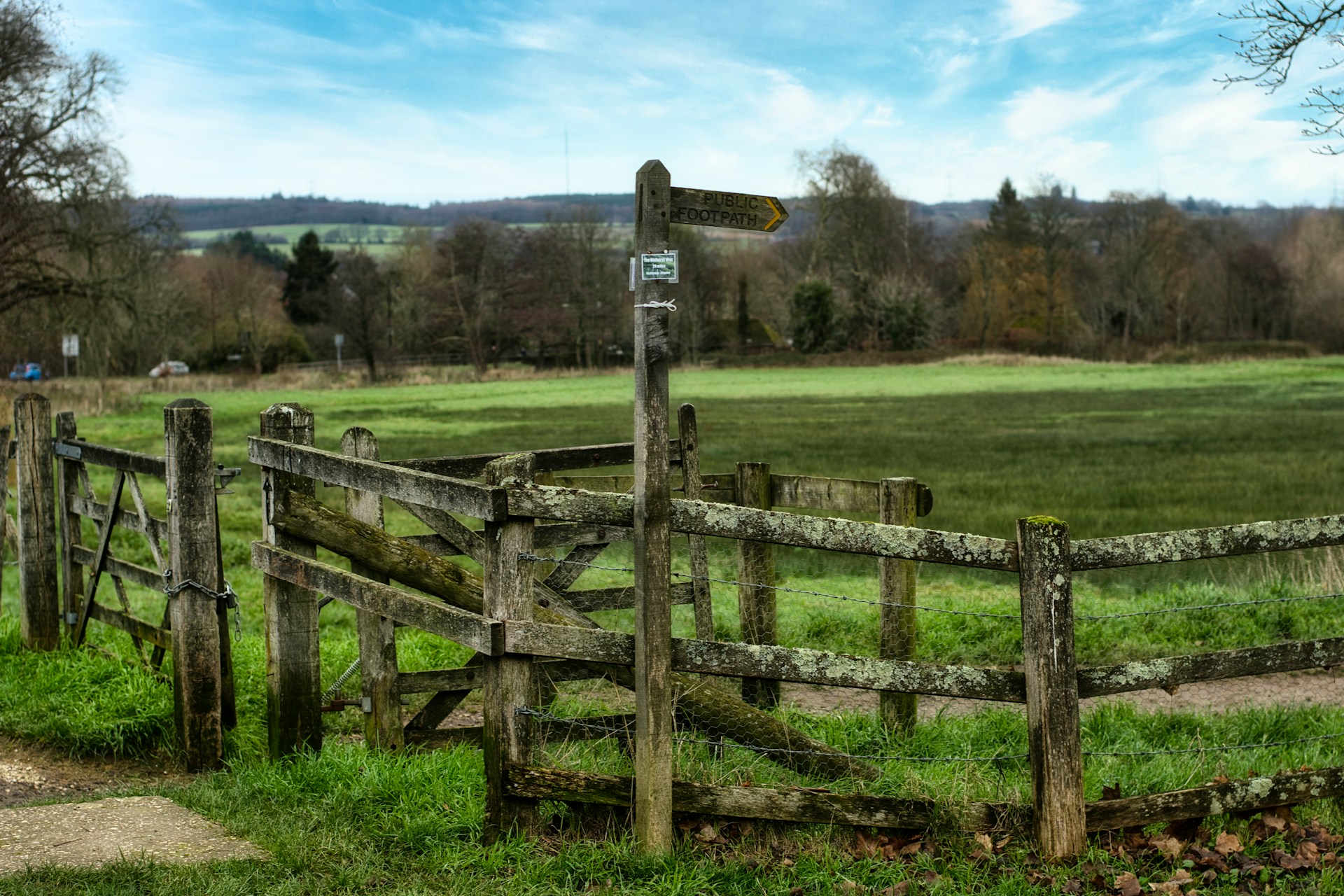
Even the simplest daily walk through a park, along a pavement, or down a familiar footpath can become a gentle wildlife watching experience when you know how to look. Wildlife is always present, even in busy places, but it often reveals itself through small movements, quiet sounds, and subtle signs that are easy to miss when we’re rushing.
This guide helps you slow down, tune in, and notice more of the natural world on every walk, no matter where you live. If you’d like to build your observation skills further, our Simple Signs of Wildlife in Your Local Area guide introduces the clues animals leave behind even when you don’t see them directly.

Wildlife watching isn’t about going somewhere special, it’s about shifting your attention. When you walk a little more slowly and look a little more closely, you begin to see:
These tiny moments turn an ordinary walk into something calming and quietly rewarding.

You don’t need a nature reserve to see wildlife. Start with the places you already pass.
1. Hedges and bushes
Look for birds hopping between branches, small movements deep inside the foliage, or the flick of a tail.
2. Pavements and verges
Dandelions, clover, and wildflowers attract bees, hoverflies, and butterflies.
3. Trees and rooftops
Birds often perch in high places where they can watch their surroundings.
4. Fences and walls
Wrens, robins, and blackbirds often pause here before moving on.
5. Puddles and drains
Birds drink from shallow water, and insects gather around damp areas.
6. Open sky
Look for silhouettes, gliding shapes, and birds travelling in small groups.
Once you know where to look, wildlife becomes much easier to spot. For help identifying the sounds you hear along footpaths and parks, our How Animals Use Sound guide explains how listening can reveal far more than you expect.
1. Walk a little more slowly
Wildlife settles quickly when you move gently.
2. Use your peripheral vision
Small movements often appear at the edge of your sight.
3. Pause for a moment
Stopping for just 10–20 seconds can reveal activity you would have walked past.
4. Listen before you look
Birdsong, rustling leaves, and insect buzzes guide your attention.
5. Scan one small area at a time
A single hedge or tree can reveal far more than scanning a whole landscape.
6. Visit the same route regularly
You’ll begin to notice patterns, seasonal changes, and familiar birds.
These habits turn everyday walks into gentle wildlife encounters.
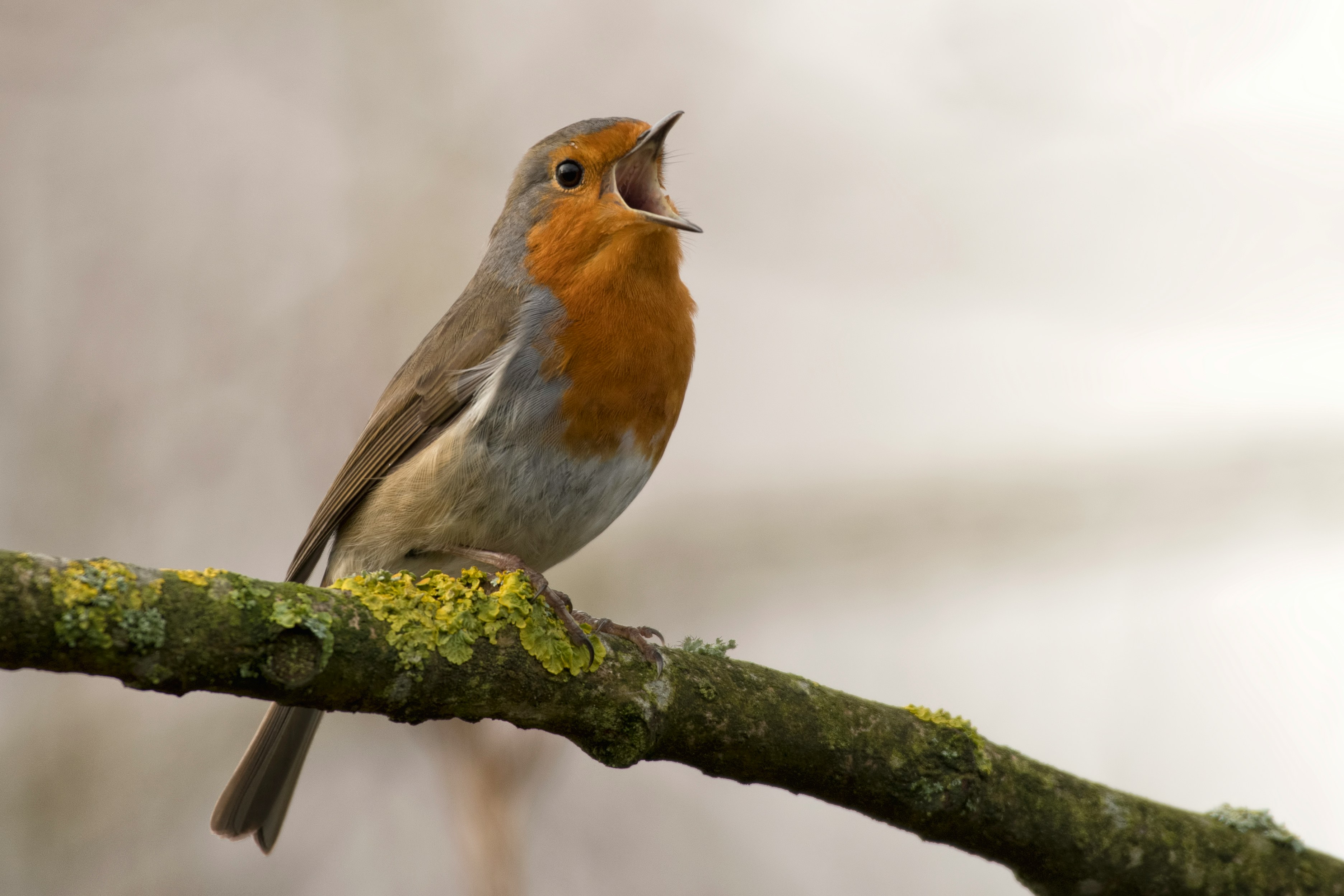
You don’t need to go far to see a surprising variety of species.
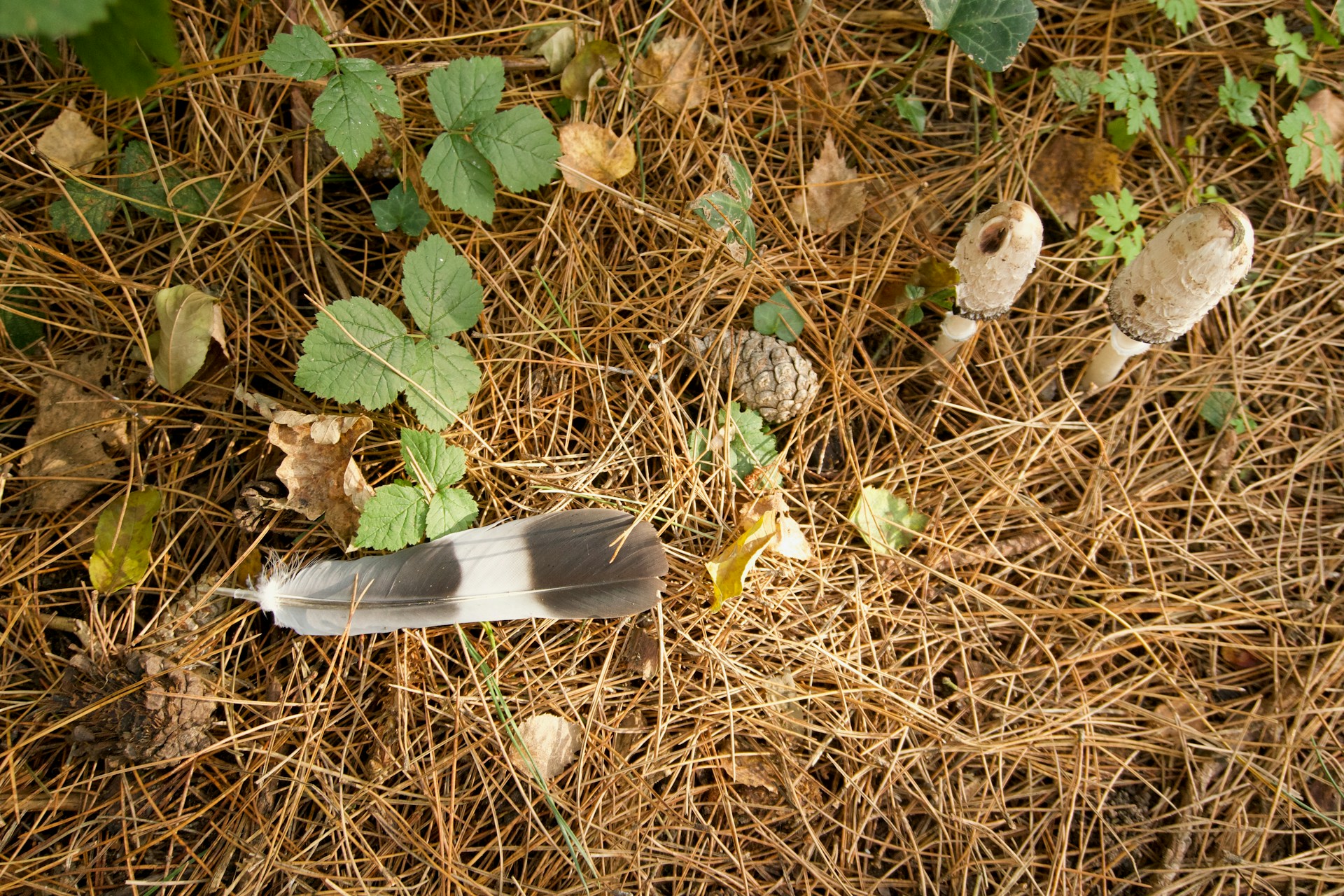
Even a short walk can reveal more than you expect.
See our Field Guides Gear Guide for simple advice on choosing beginner friendly wildlife books, including general wildlife guides, bird guides and pocket guides.
You don’t need equipment to enjoy wildlife on your walk, but a few simple items can enhance the experience:

After your walk, pause and note:
“What was the smallest thing I noticed today?”
It might be a bird call, a flicker of movement in a hedge, a bee on a pavement flower, or simply the way the light fell on a tree. These small observations build your awareness and deepen your connection to the places you pass every day.
If you’d like to start a simple nature journal, our beginner’s guide walks you through how to begin: How to Start a Wildlife Journal.
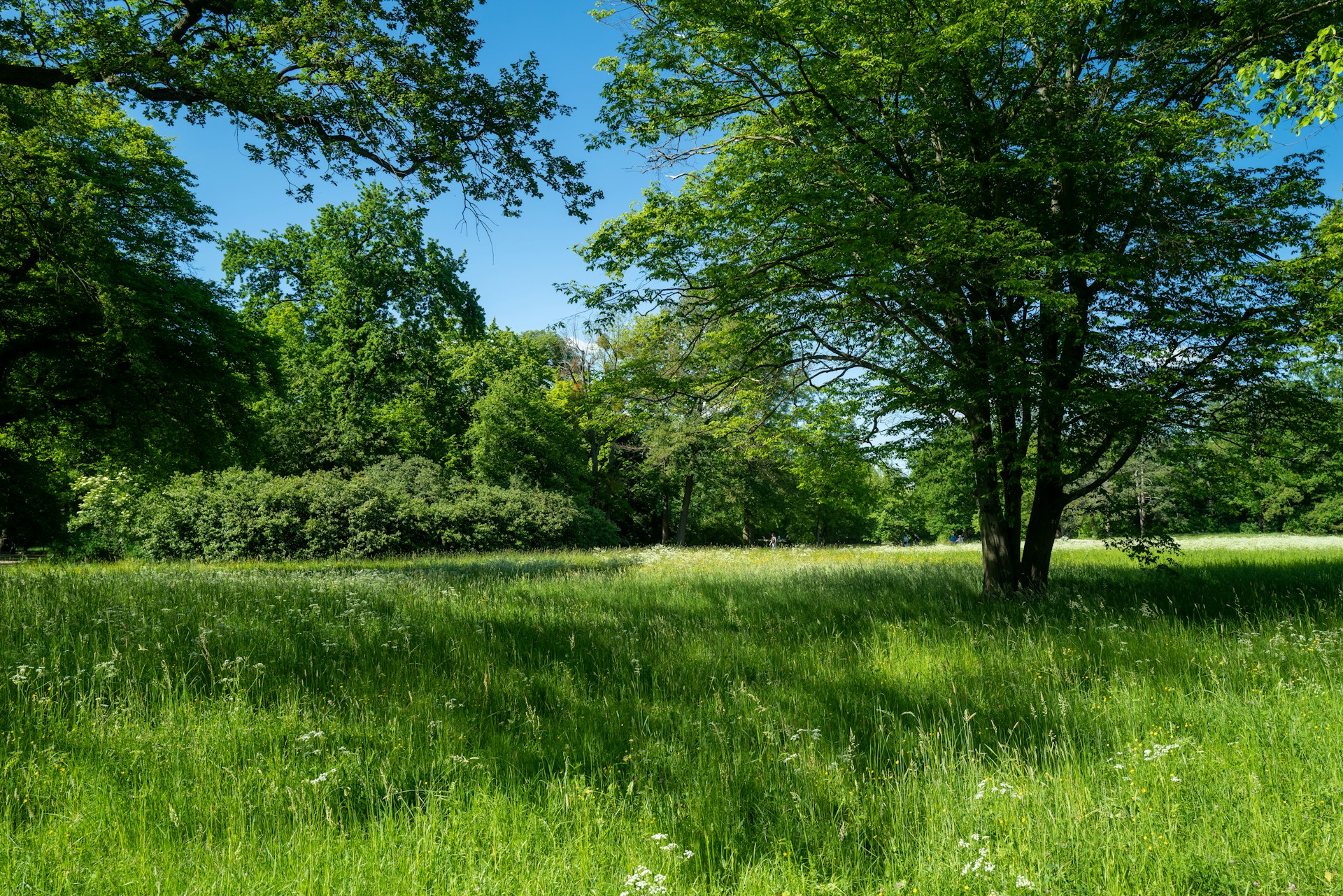
Wildlife watching is most rewarding when it’s calm and respectful. A few simple principles help keep it that way:
This gentle approach is at the heart of NatureGuide.
Your daily walk can become a small moment of connection with the natural world. By slowing down, listening carefully, and paying attention to the spaces around you, you’ll begin to notice wildlife in places you never expected. Each walk becomes a chance to pause, breathe, and rediscover the quiet life unfolding all around you.