
Dawn and dusk are two of the most magical times to be outdoors. The light softens, the air cools, and the landscape feels calm and expectant. For many animals, these gentle transitions between day and night are the busiest moments of all. They feed, move, call, and explore while the world is quiet.
For beginners, learning to watch wildlife at these times opens up a completely new side of nature; one that’s peaceful, atmospheric, and full of small surprises. If you enjoy watching animals during quieter times of day, our How Animals Use Sound guide explains how listening can help you detect species in low light.

Many animals are crepuscular, meaning they’re most active at first light and last light. These times offer:
Even familiar places feel different at these hours. A park, woodland edge, or footpath you know well can suddenly reveal new species and behaviours.
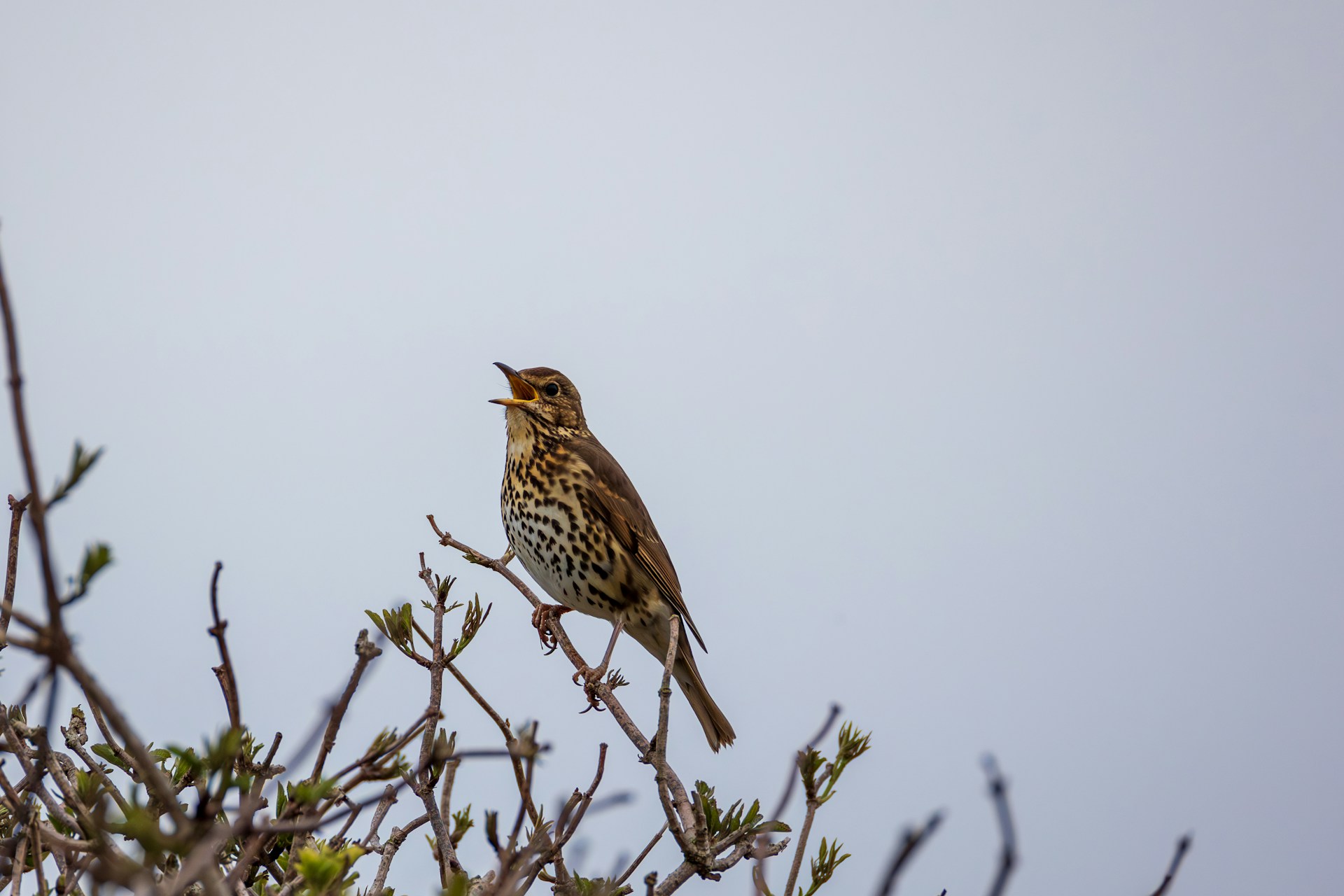
Birdsong and early movement
Dawn is the moment when birds announce themselves. You may hear:
Birds often feed actively in the early morning, making them easier to spot. To build your confidence identifying what you see, our Garden Birds for Beginners guide introduces common species active around dawn and dusk.
Mammals returning from the night
Some mammals finish their night time routines at dawn:
Their movements are calm and purposeful, often in soft, golden light.
Insects warming up
On warm mornings, you may see:
Dew on grass and spider webs adds a sense of stillness to the scene.

Birds settling for the night
As the light fades:
Dusk is a gentle handover between daytime and night time species.
Mammals becoming active
Many mammals prefer the cooler temperatures of dusk:
Their movements are quiet and deliberate —perfect for patient watching.
Insects in the fading light
Warm evenings bring:
Even the smallest creatures feel more noticeable at this time.

You don’t need remote wilderness, just places with a mix of cover and open space:
The key is choosing somewhere you feel safe and comfortable in low light.
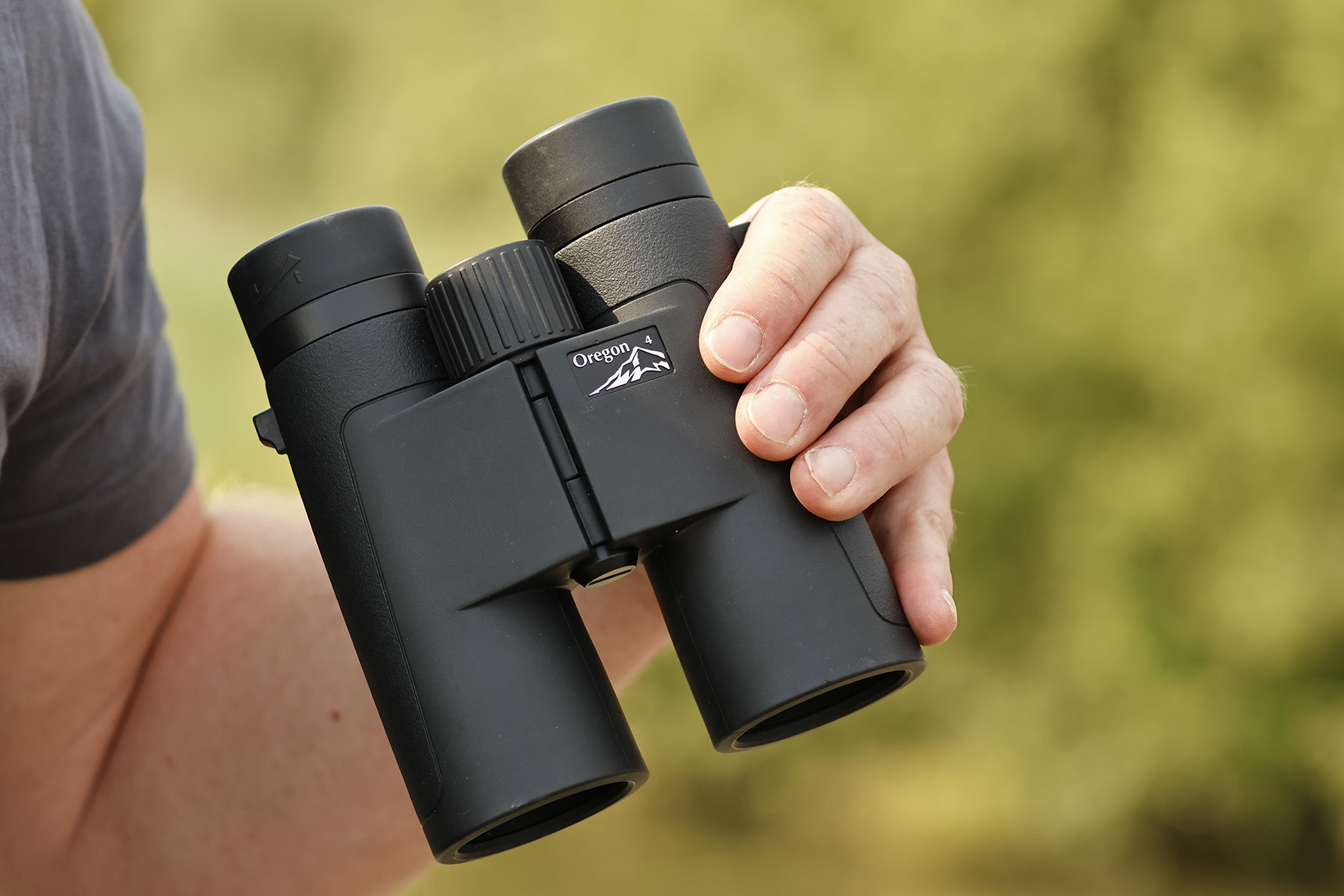
See our Beginner Binoculars Guide for simple advice on choosing your first pair, including what magnification means, how much to spend, and which models are genuinely beginner‑friendly.
See our Field Guides Gear Guide for simple advice on choosing beginner friendly wildlife books, including general wildlife guides, bird guides and pocket guides.
These items can also be really helpful for beginners:

After your dawn or dusk walk, pause and note:
“What changed as the light shifted — and which animals responded to it?”
This small reflection helps you tune into the rhythm of the landscape.
If you’d like to start a simple nature journal, our beginner’s guide walks you through how to begin: How to Start a Wildlife Journal.
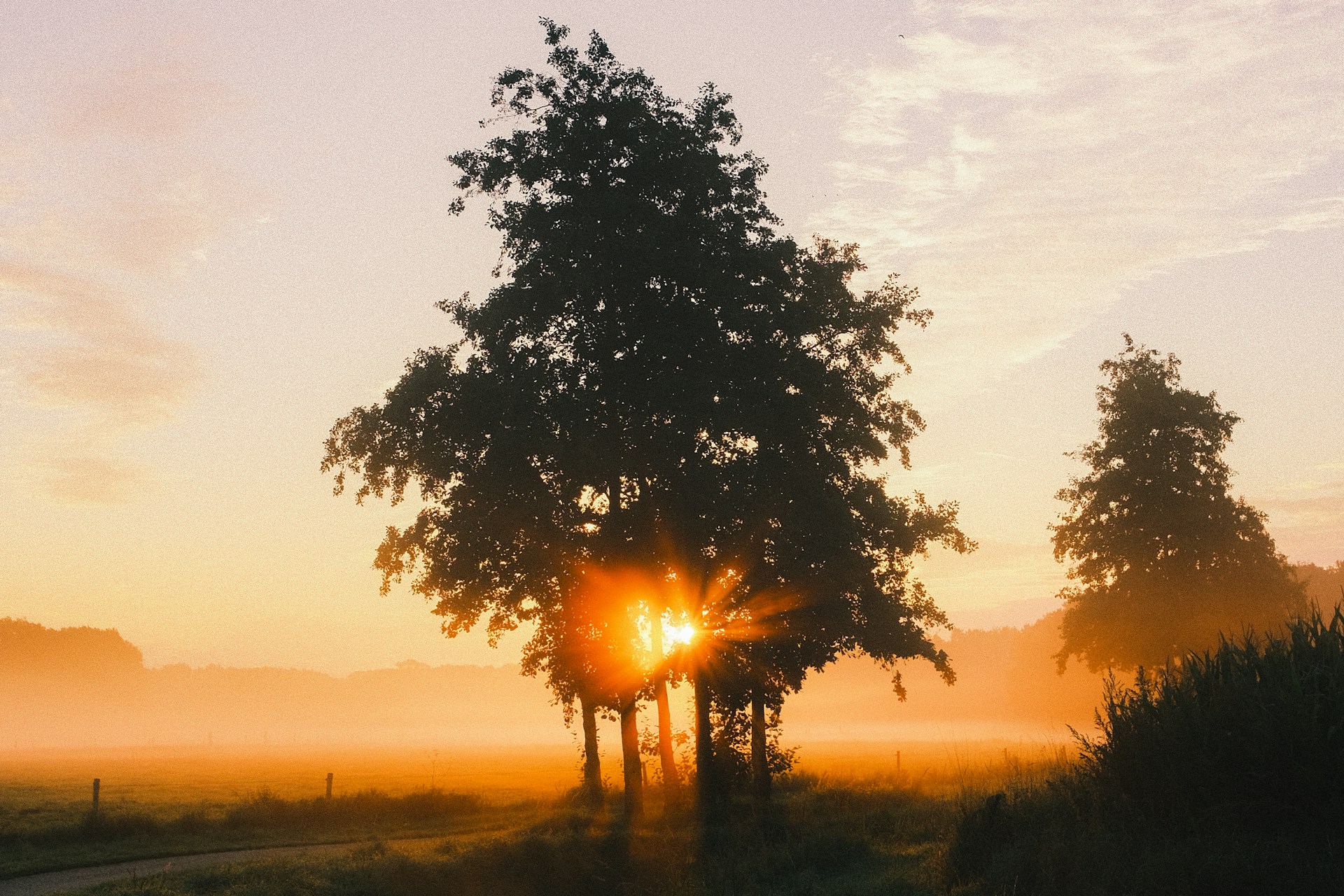
Dawn and dusk are some of the most active times for wildlife, but they’re also moments when reduced light can make animals more sensitive to disturbance; and make our own footing less certain. Moving slowly and giving wildlife space helps animals follow their natural routines while keeping us safe on uneven paths and in low visibility.
To protect wildlife and enjoy natural behaviour, we follow a simple approach:
Dawn and dusk offer some of the most peaceful and rewarding moments in nature. Whether it’s the first blackbird song of the morning or the quiet movement of a fox at sunset, these gentle transitions reveal a side of wildlife that many people never notice. With a little patience and curiosity, you’ll begin to see, and hear, the landscape in a completely new way.