
Deer are elegant, cautious, and surprisingly widespread across the UK. With patience and the right timing, you can enjoy magical encounters. If you enjoy looking for larger mammals, our Badger Watching for Beginners guide offers tips for observing another shy species safely and respectfully.
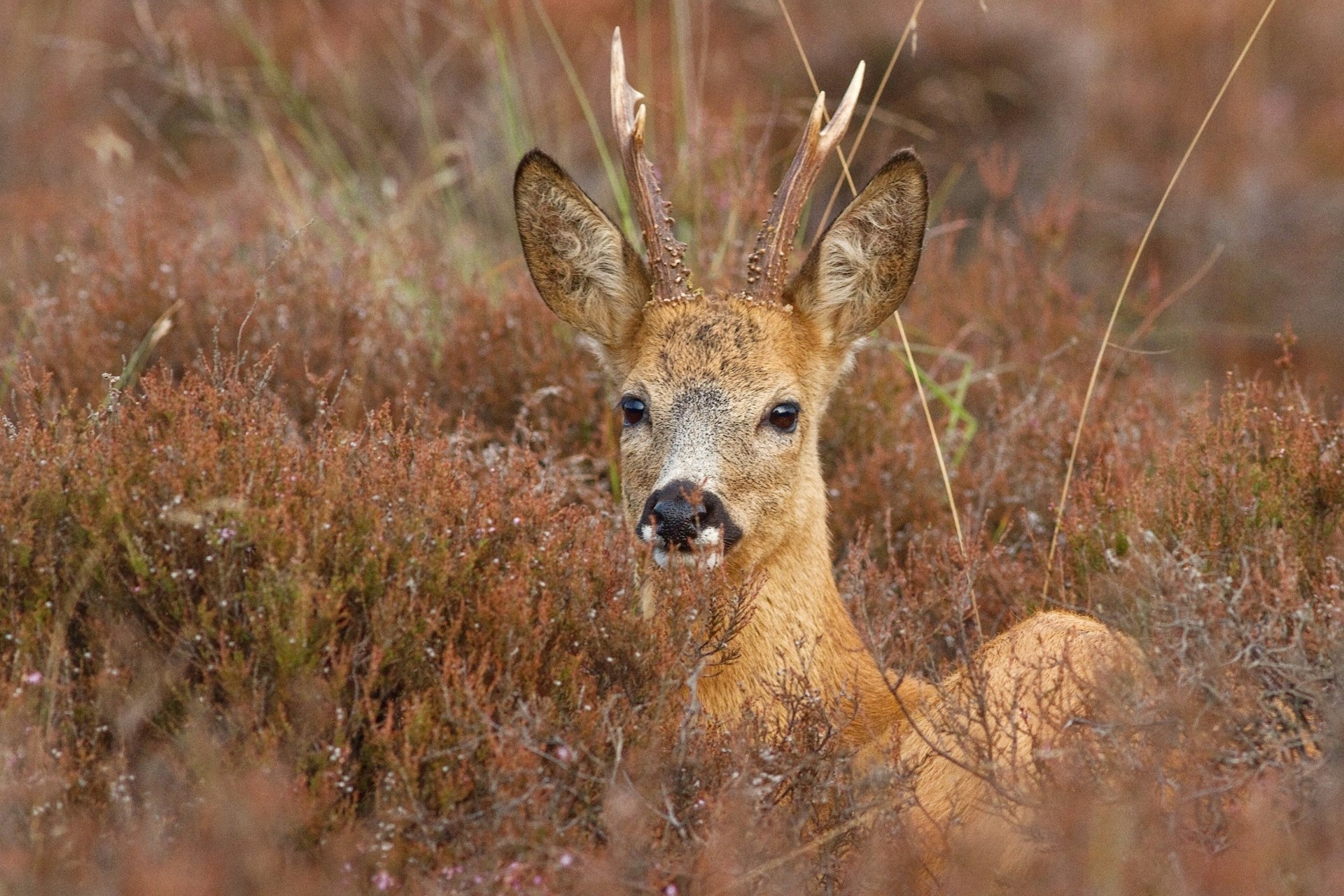
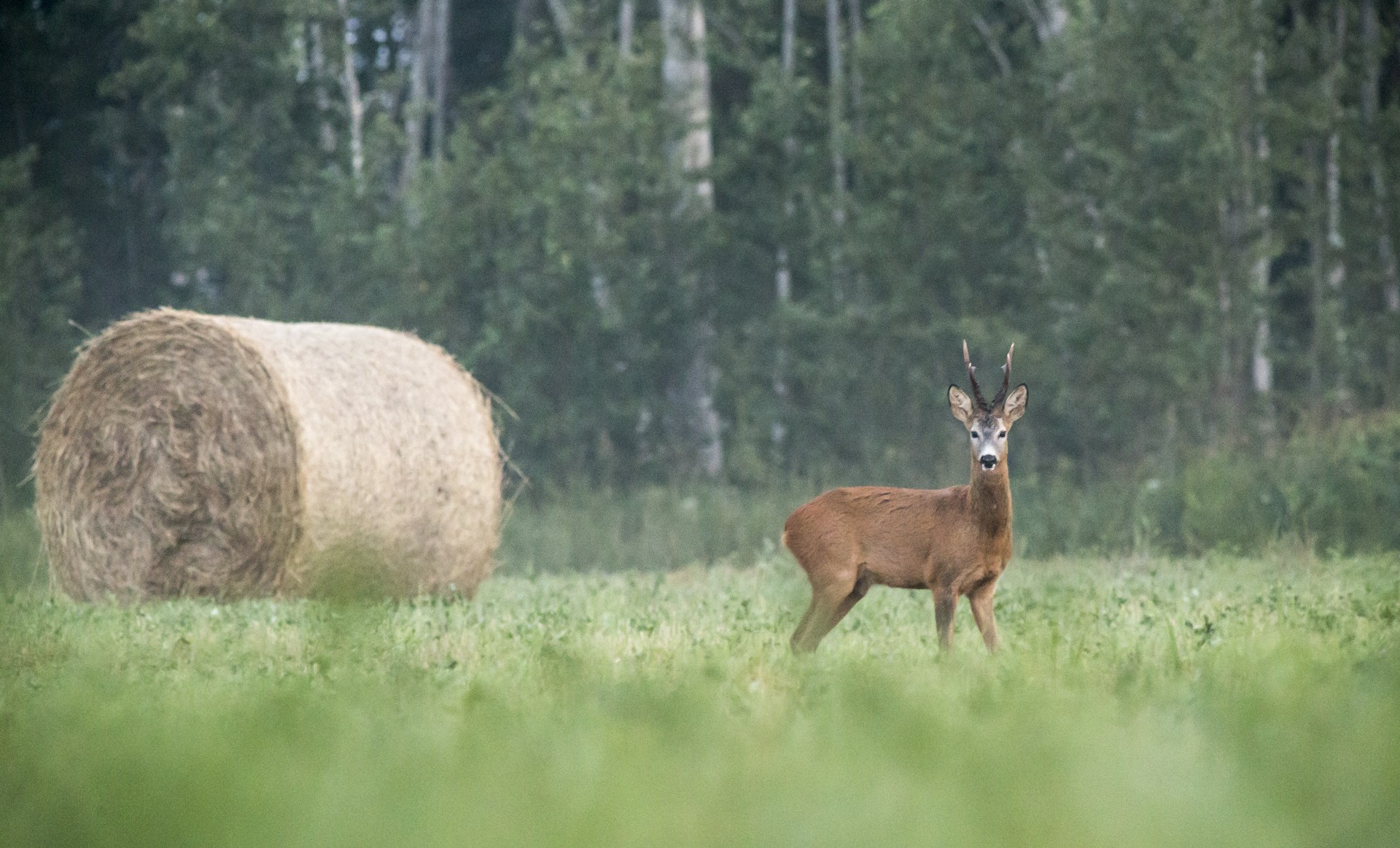
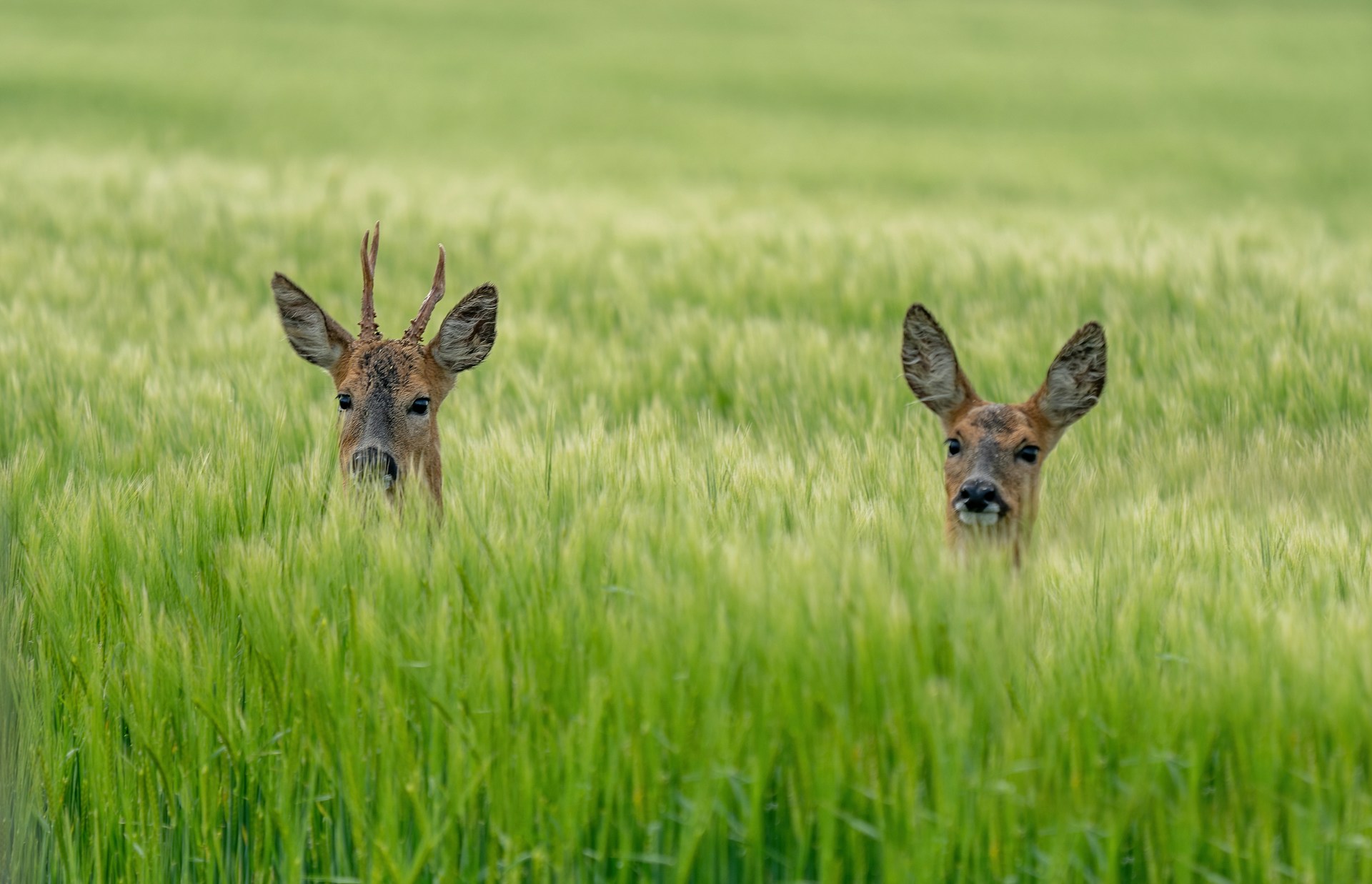
1. Roe Deer
Small, reddish‑brown, with a distinctive bouncing gait.
2. Fallow Deer
Spotted in summer, with a long tail and elegant build.
3. Red Deer
The largest UK deer — more common in Scotland but found in England too.
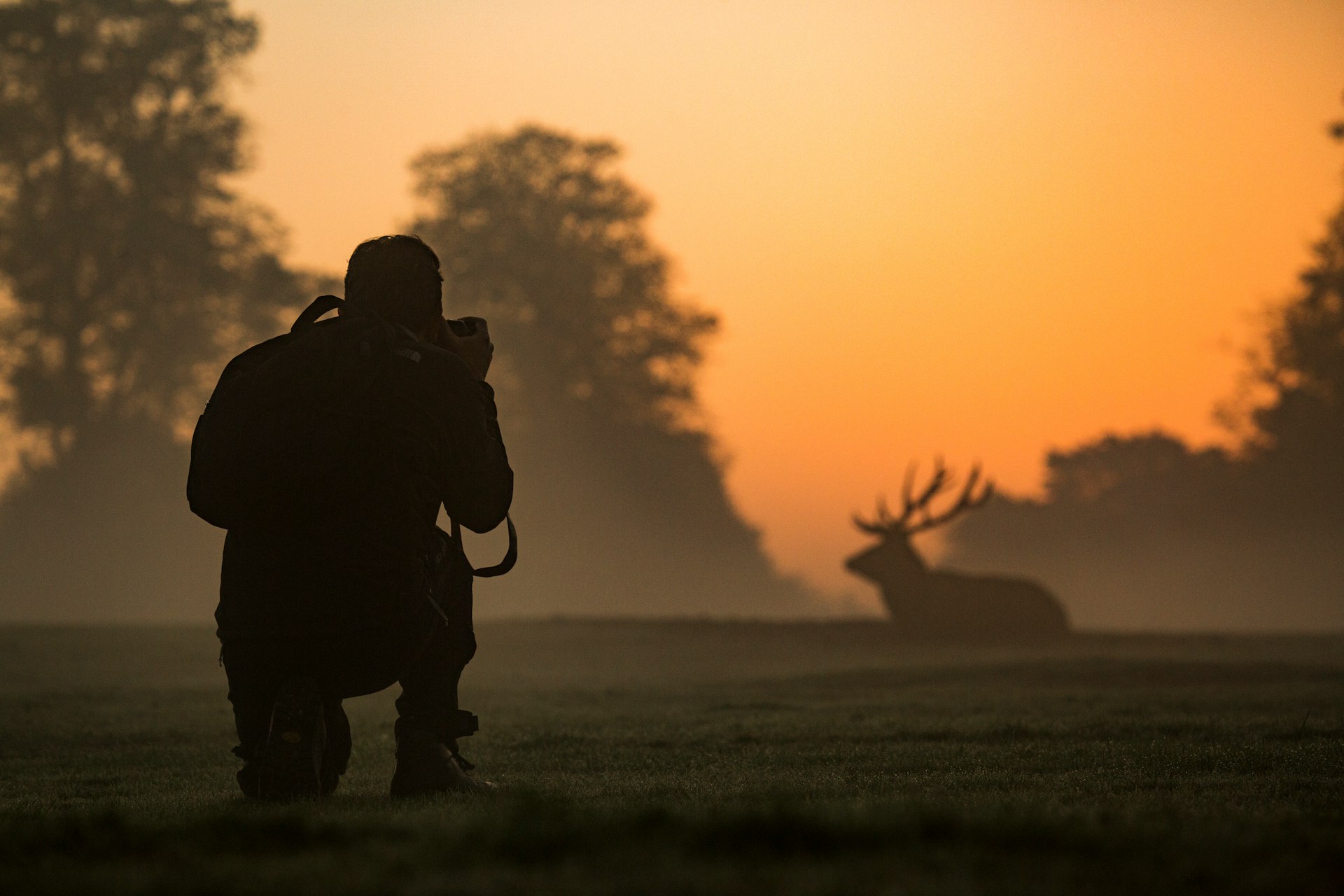
Deer are most active:
To improve your awareness of subtle clues left by deer, our How to Track Wildlife in Your Local Area guide explains the basics of prints, trails, and feeding signs.
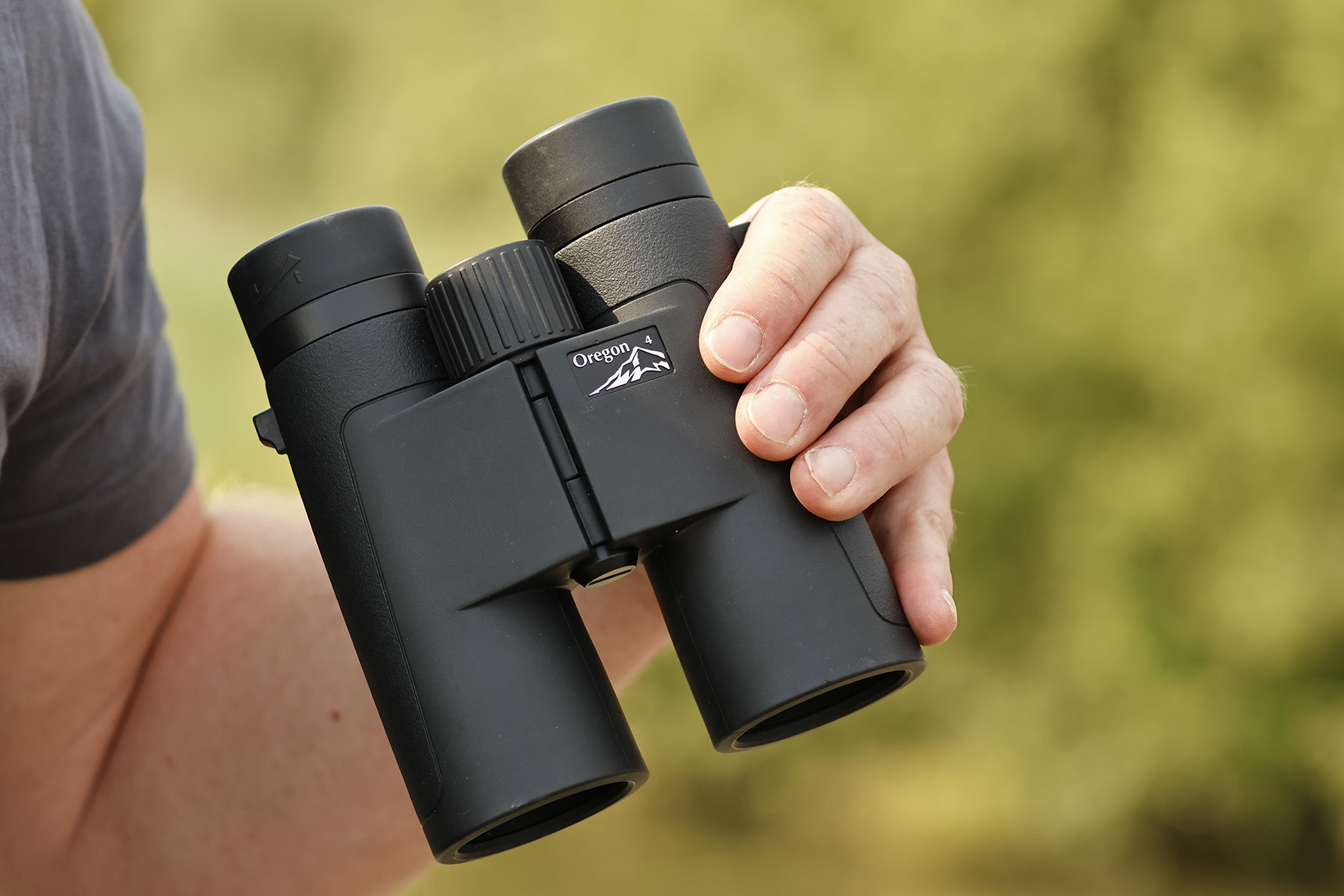
See our Beginner Binoculars Guide for simple advice on choosing your first pair, including what magnification means, how much to spend, and which models are genuinely beginner‑friendly.
See our Field Guides Gear Guide for simple advice on choosing beginner friendly wildlife books, including general wildlife guides, bird guides and pocket guides.
These items can also be really helpful for beginners:

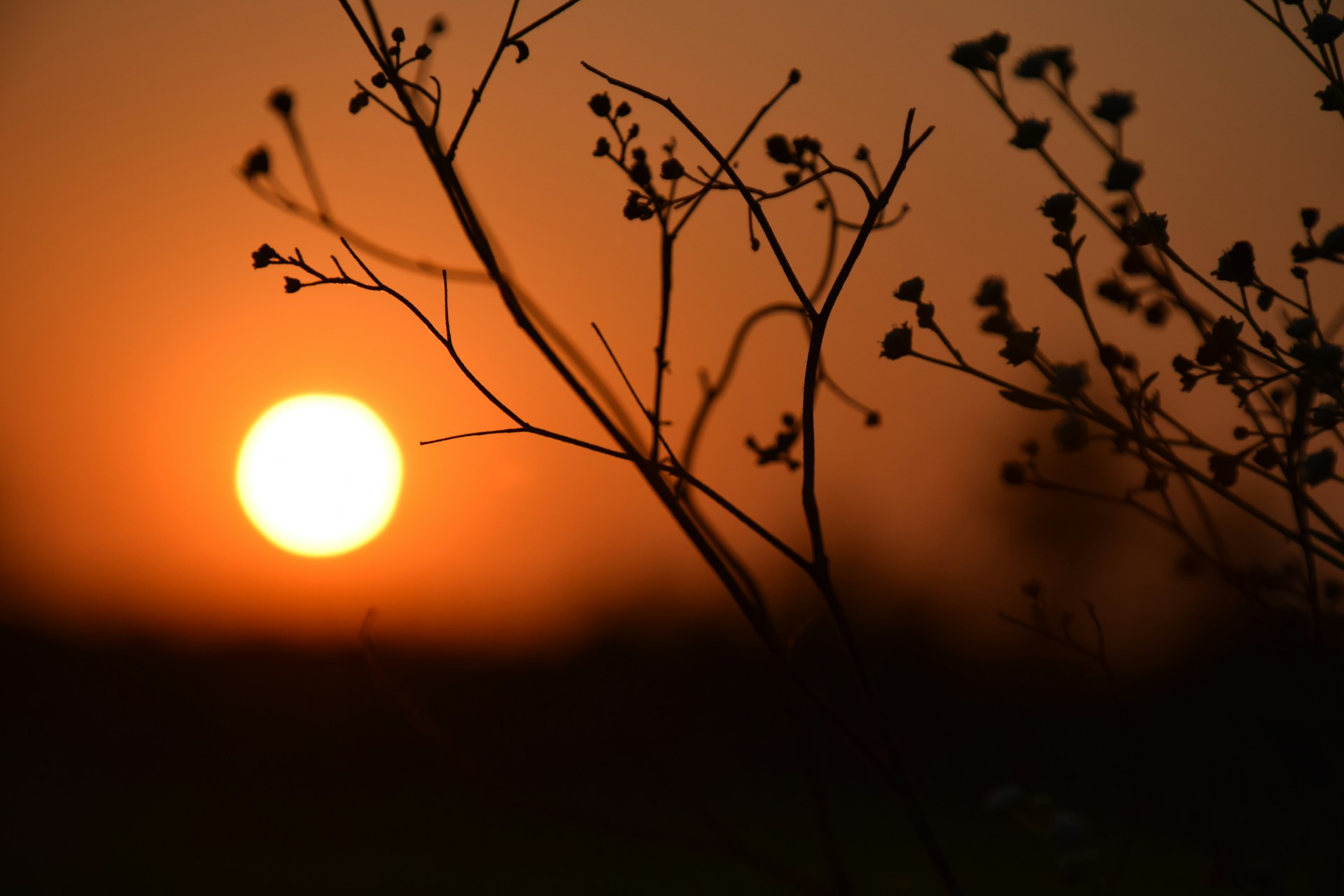
Find a quiet moment at dawn or dusk — the times when deer are most active — and pause before you begin scanning the landscape.
Write down:
How the light feels at this time of day
The shapes, shadows, or movements that first catch your eye
Any behaviours you notice, even from a distance — grazing, pausing, listening, or moving through cover
Deer often reveal themselves slowly, and noting these subtle details helps you build a deeper sense of how they use the landscape around you.
If you’d like to start a simple nature journal, our beginner’s guide walks you through how to begin: How to Start a Wildlife Journal.
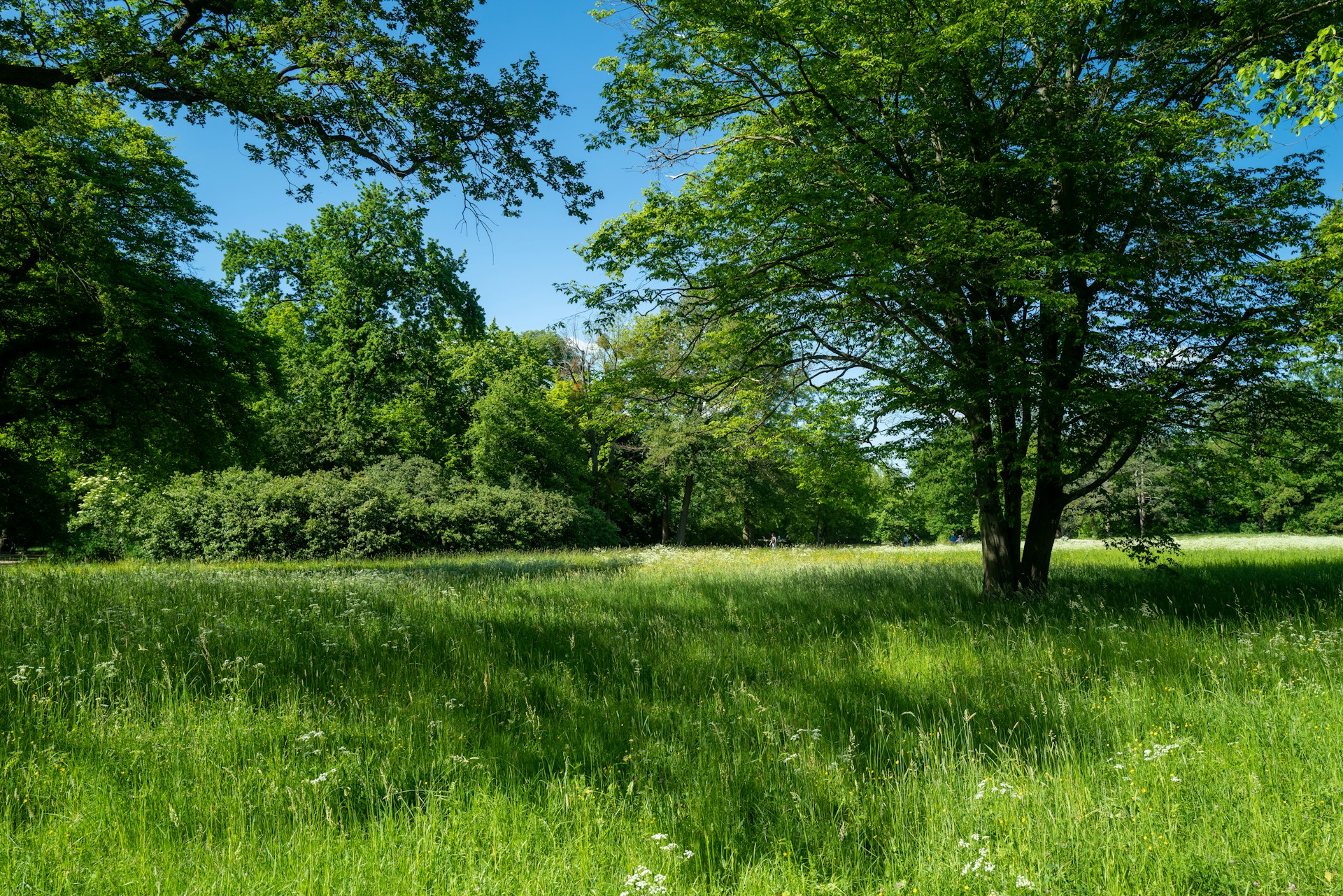
Deer are naturally wary animals, and even small disturbances can cause them to flee or change their behaviour. Watching them quietly from a distance helps them feel safe enough to feed, rest, and move naturally through their habitat.
To protect wildlife and enjoy natural behaviour, we follow a simple approach:
This calm, ethical approach is at the heart of NatureGuide.
Deer watching is peaceful and deeply rewarding. With patience and respect, you can enjoy graceful encounters in woodlands, fields, and even suburban edges.