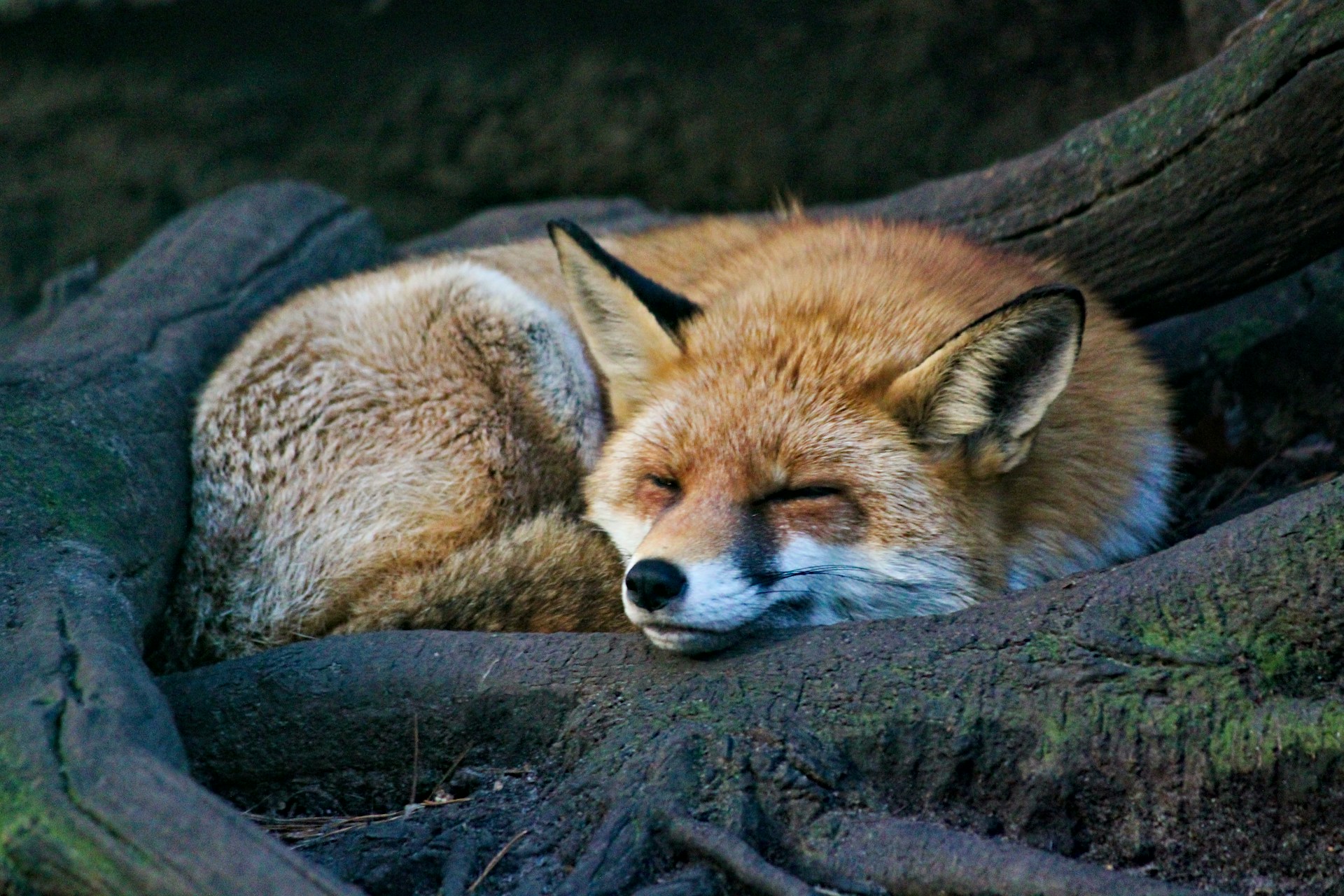
Foxes are one of the UK’s most familiar wild mammals; clever, adaptable, and far more present in our lives than most people realise. Whether you live in a city, a village, or the countryside, you can spot foxes with a little knowledge, patience, and respect.
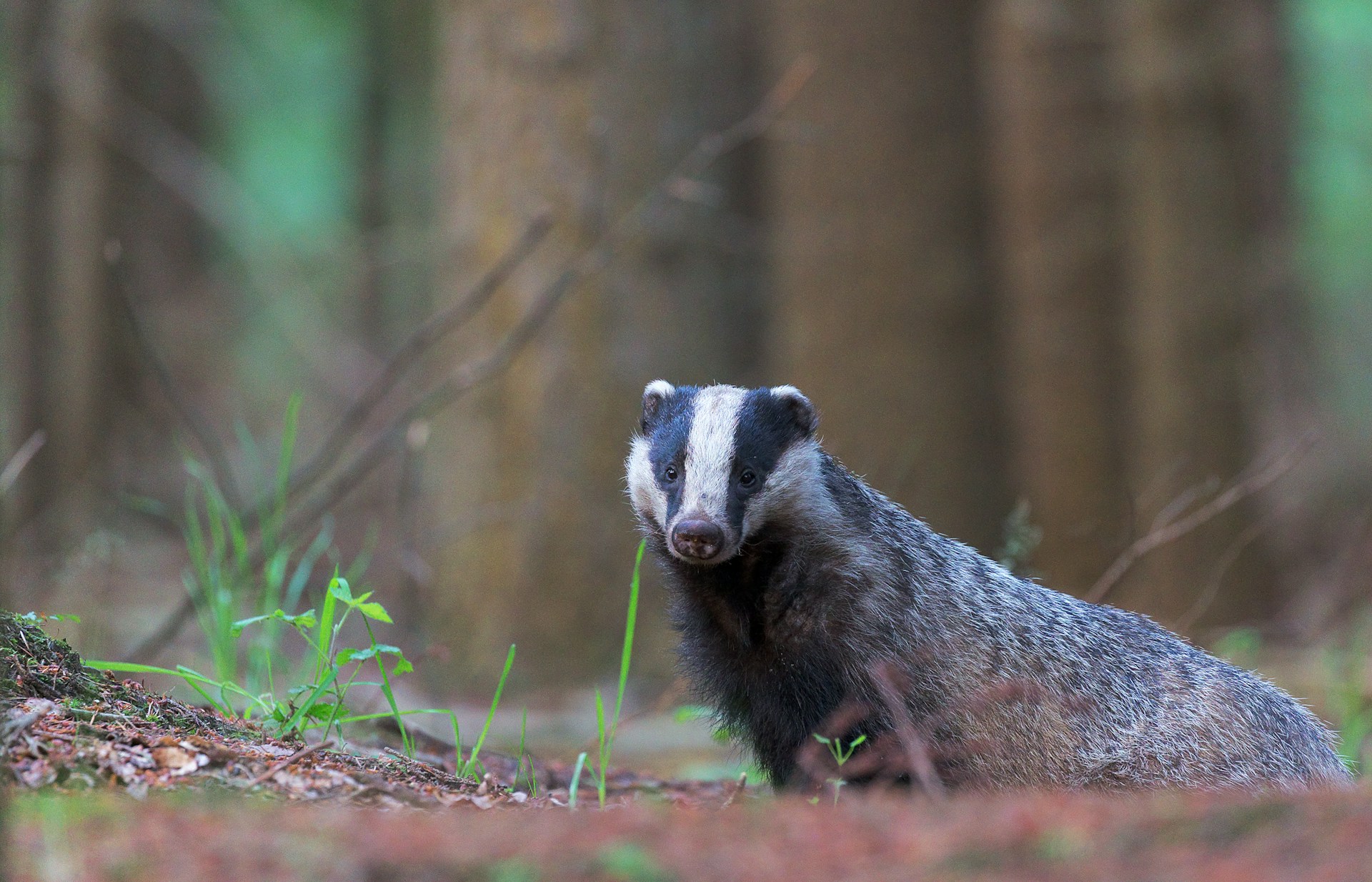
This guide will help you understand fox behaviour, where to look, when to watch, and how to enjoy encounters without disturbing them. If you’re interested in observing other nocturnal mammals, our Badger Watching for Beginners guide shares practical advice for watching these animals without disturbing them.

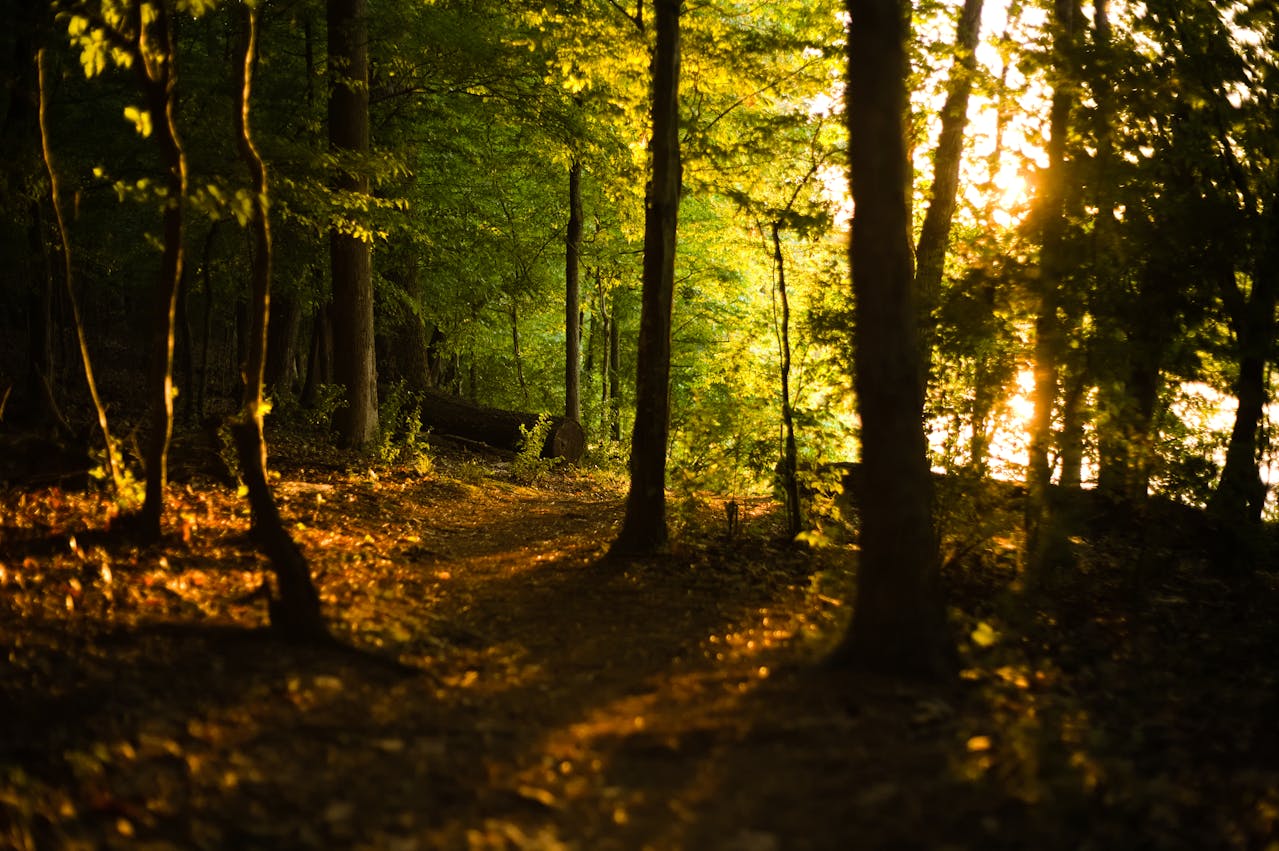
Foxes thrive in almost every habitat:
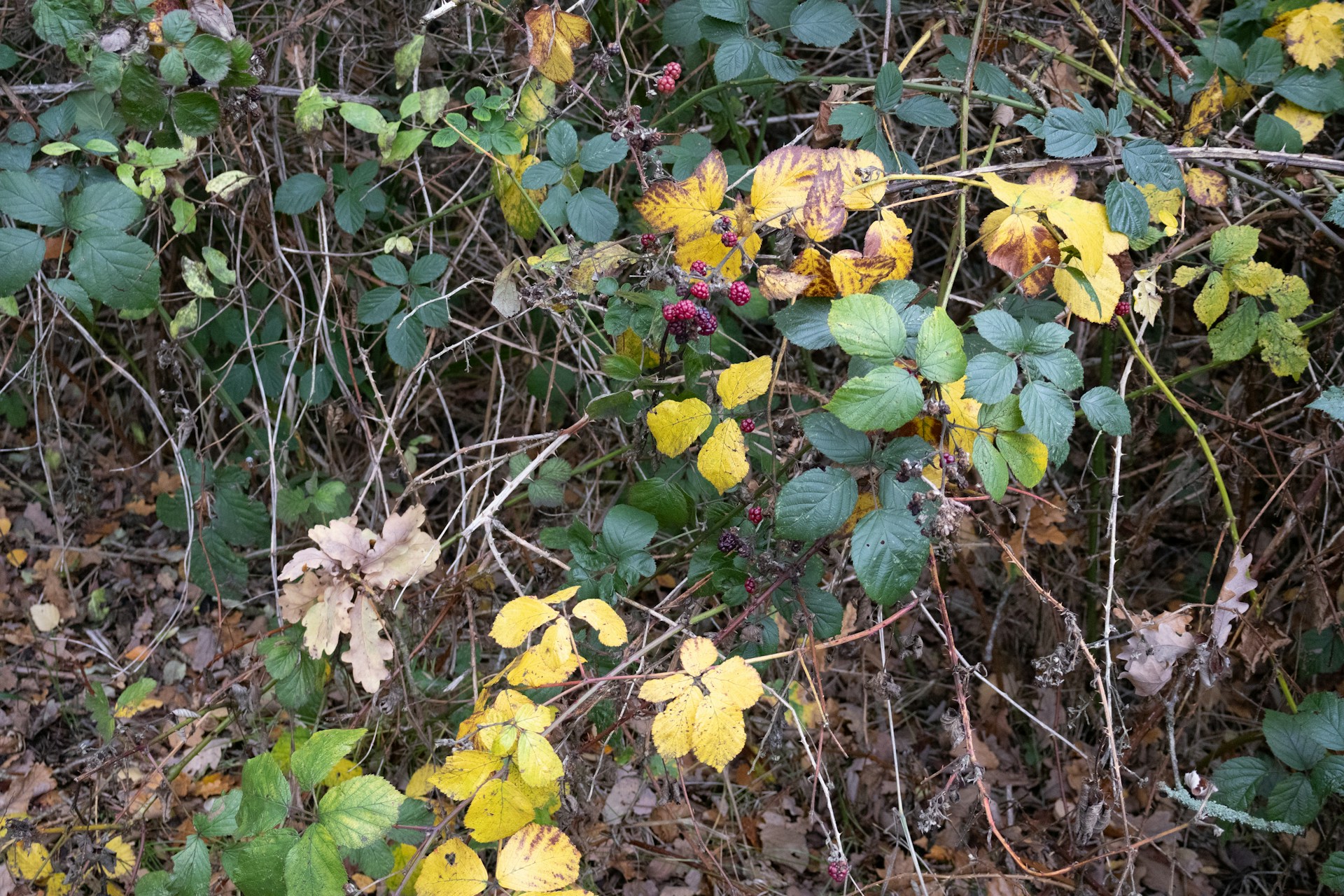
They’re highly adaptable and often create dens in:
Beginner insight:
If you have a mix of cover and open space nearby, foxes are almost certainly around — even if you’ve never seen one.
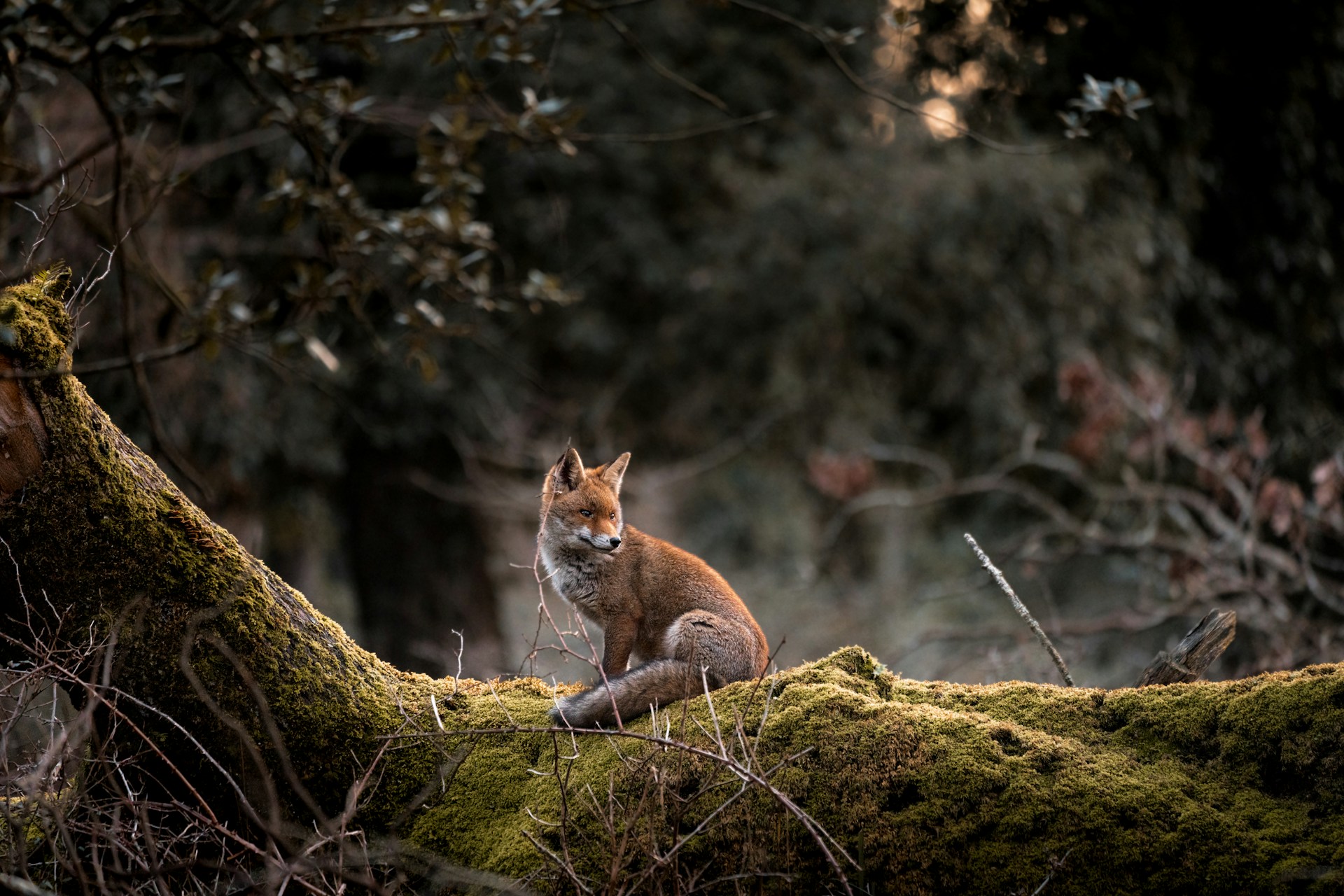
Foxes are crepuscular, meaning they’re most active:
You can also see them:
Beginner tip:
Look for movement at the edges of light, foxes often appear as a soft, reddish shape slipping between shadows.

1. Foraging
Foxes trot with purpose, nose low, scanning for:
2. Listening
They pause often, tilting their head to pinpoint sounds.
3. Scent marking
A quick tail lift and a tiny spray, this is a common territorial behaviour.
4. Play
Young foxes (kits) chase, pounce, and wrestle, especially in early summer.
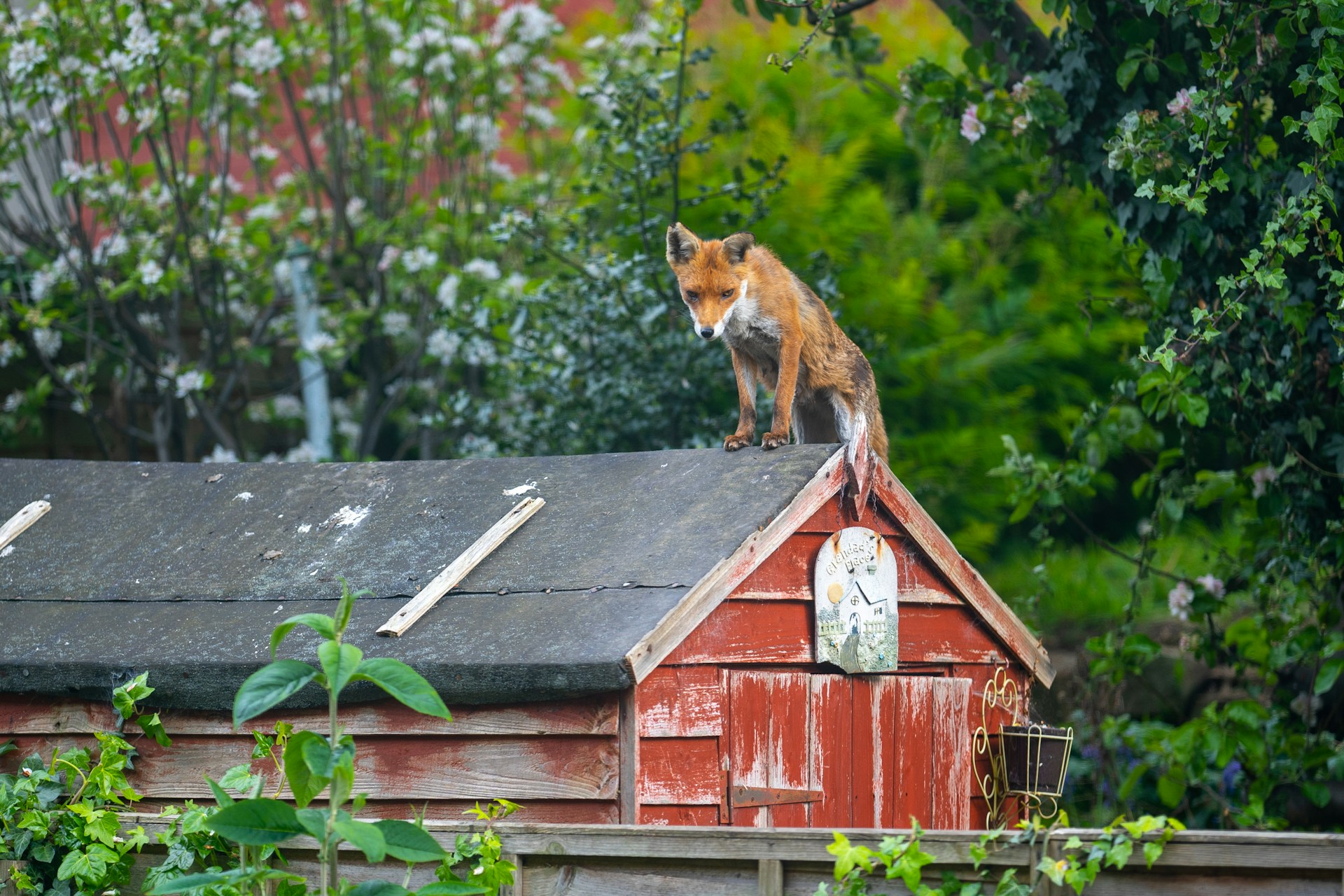
You don’t need to “attract” foxes they’re already around. But you can make your space safer:
If you choose to leave food, keep it, small, occasional and placed far from roads.

Even if you don’t see a fox directly, look for:
These clues help you understand their routes and routines. For help understanding how changing conditions influence fox behaviour, our How Weather Shapes Wildlife Behaviour guide offers beginner‑friendly insights.
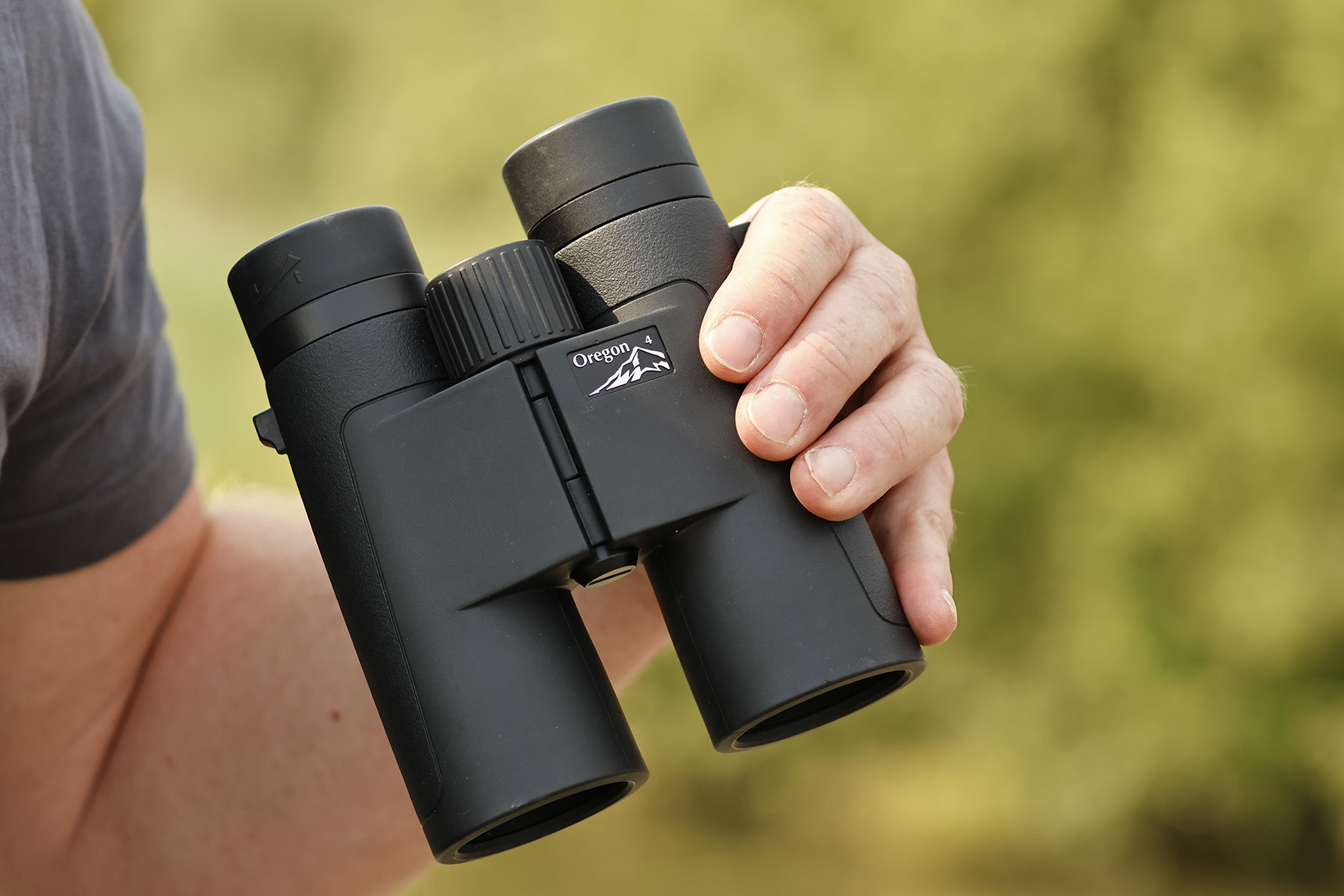
See our Beginner Binoculars Guide for simple advice on choosing your first pair, including what magnification means, how much to spend, and which models are genuinely beginner‑friendly.
See our Field Guides Gear Guide for simple advice on choosing beginner friendly wildlife books, including general wildlife guides, bird guides and pocket guides.
You can also use a trail camera to spot shy wildlife like foxes, deer or badgers when they’re active but you’re not around. See the beginner trail camera guide for simple options to get started.
These items can also be really helpful for beginners:

Find a quiet spot at dusk or early evening and pause for a moment before you start watching.
Write down:
The sounds and movements you notice as daylight fades
How the atmosphere changes as foxes become more active
Any behaviours you observe — even small ones like pausing, listening, or trotting along a boundary
Foxes often reveal themselves slowly, and noting these subtle moments helps you build a deeper sense of how they move through your local area.
If you’d like to start a simple nature journal, our beginner’s guide walks you through how to begin: How to Start a Wildlife Journal.

Foxes are naturally cautious, and sudden movement or noise can easily disrupt their evening routines. Watching them quietly from a distance helps them feel safe enough to forage, explore, and behave naturally.
To protect wildlife and enjoy natural behaviour, we follow a simple approach:
- Move slowly and quietly
- Keep a respectful distance from nests, dens, and resting animals
- Stay on paths in sensitive habitats
- Avoid trying to attract or disturb wildlife
- Let animals choose how close they want to be
This calm, ethical approach is at the heart of NatureGuide.
Fox watching is one of the most magical ways to connect with nature close to home.
Once you learn their habits, the soft trot, the sudden pause, the flick of a tail; you start to notice foxes everywhere. Slipping between gardens, crossing quiet lanes, exploring parks at dusk.
With patience, respect, and a little knowledge, you can enjoy unforgettable encounters with one of Britain’s most iconic mammals.