Tracking wildlife is like reading a secret story written across the landscape. Once you learn the basics, you’ll start noticing signs everywhere.
If you’d like to build your confidence recognising clues outdoors, our Simple Signs of Wildlife in Your Local Area guide introduces the everyday tracks and markings animals leave behind.
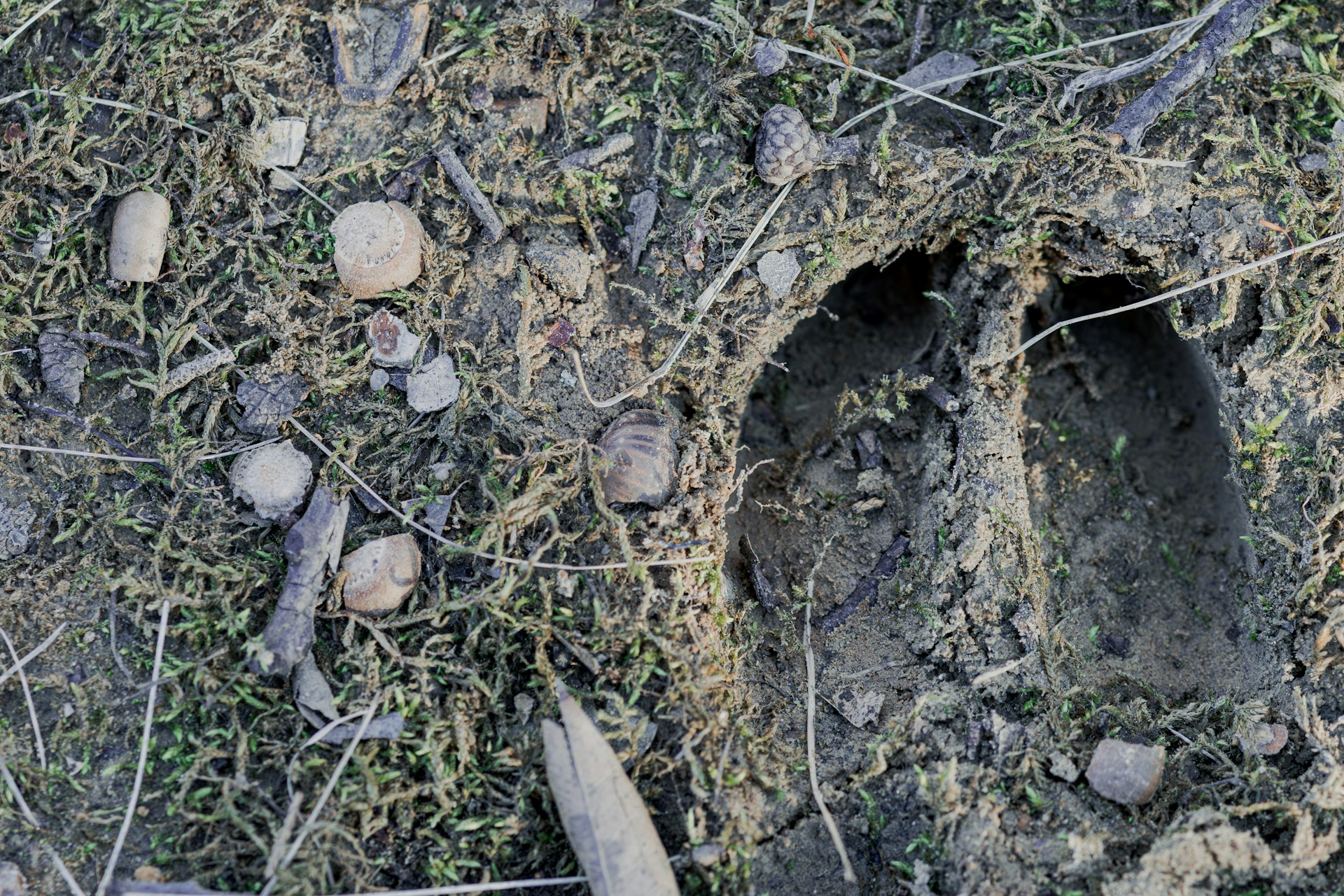
Common prints include:
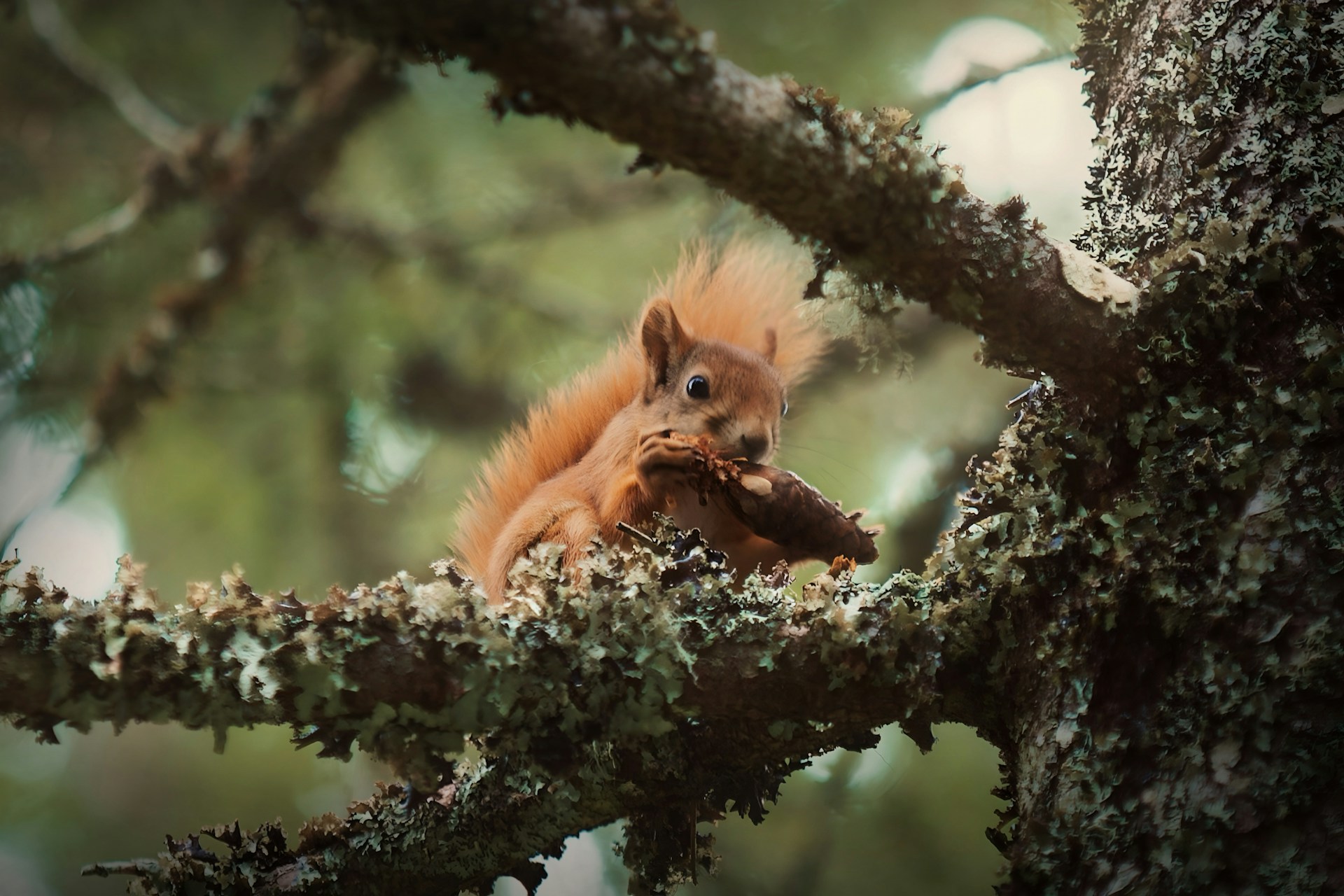
Check for Droppings (from a distance)
Droppings reveal:
Use a stick to examine — never touch.
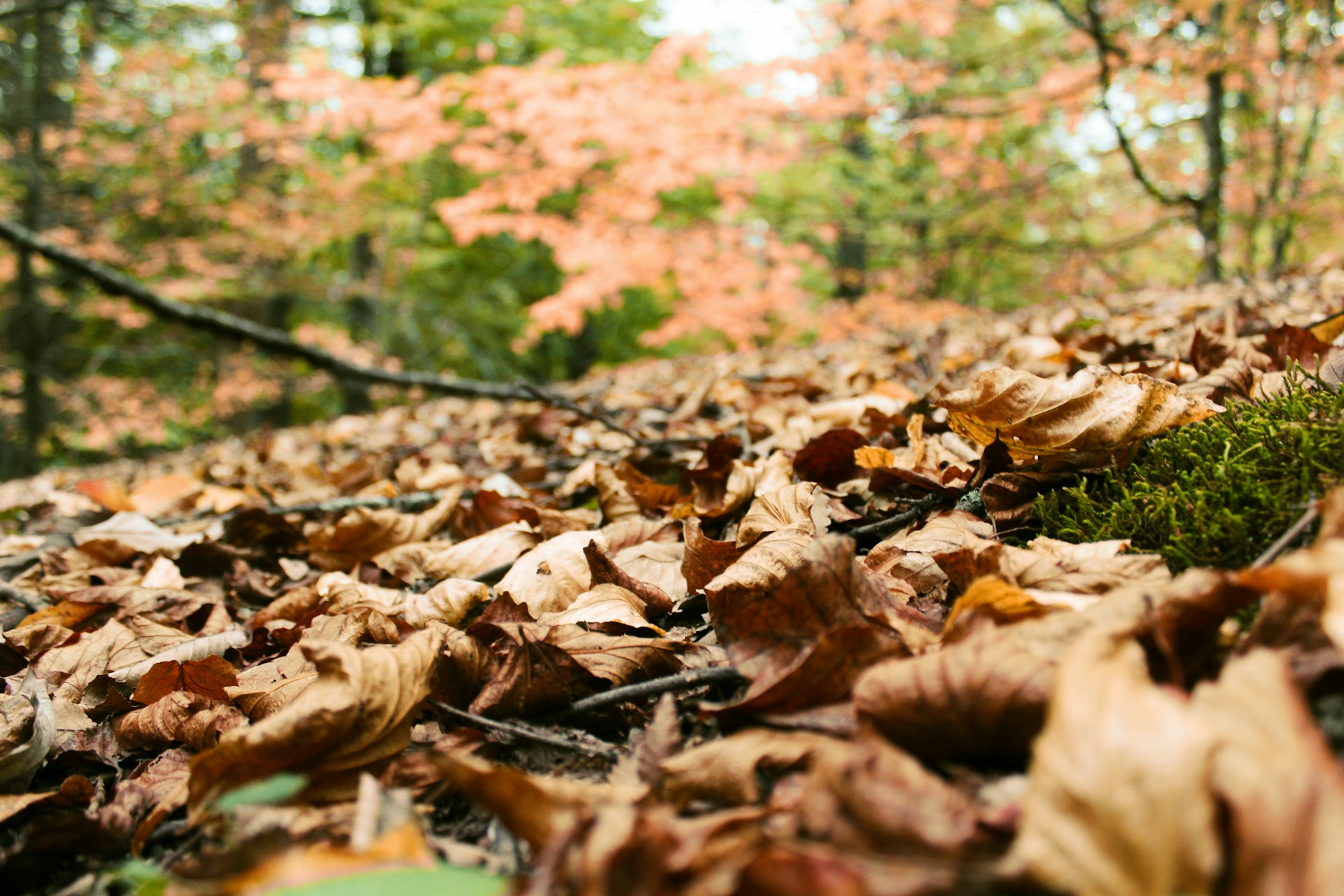
To understand how different conditions affect the signs you find, our How Weather Shapes Wildlife Behaviour guide offers helpful beginner insights.
You don’t need specialist equipment to start tracking wildlife, but a few simple items can make the process easier and more rewarding:

On your next walk, pause somewhere calm; a woodland edge, a muddy path, a field boundary, or even a local park.
Write down:
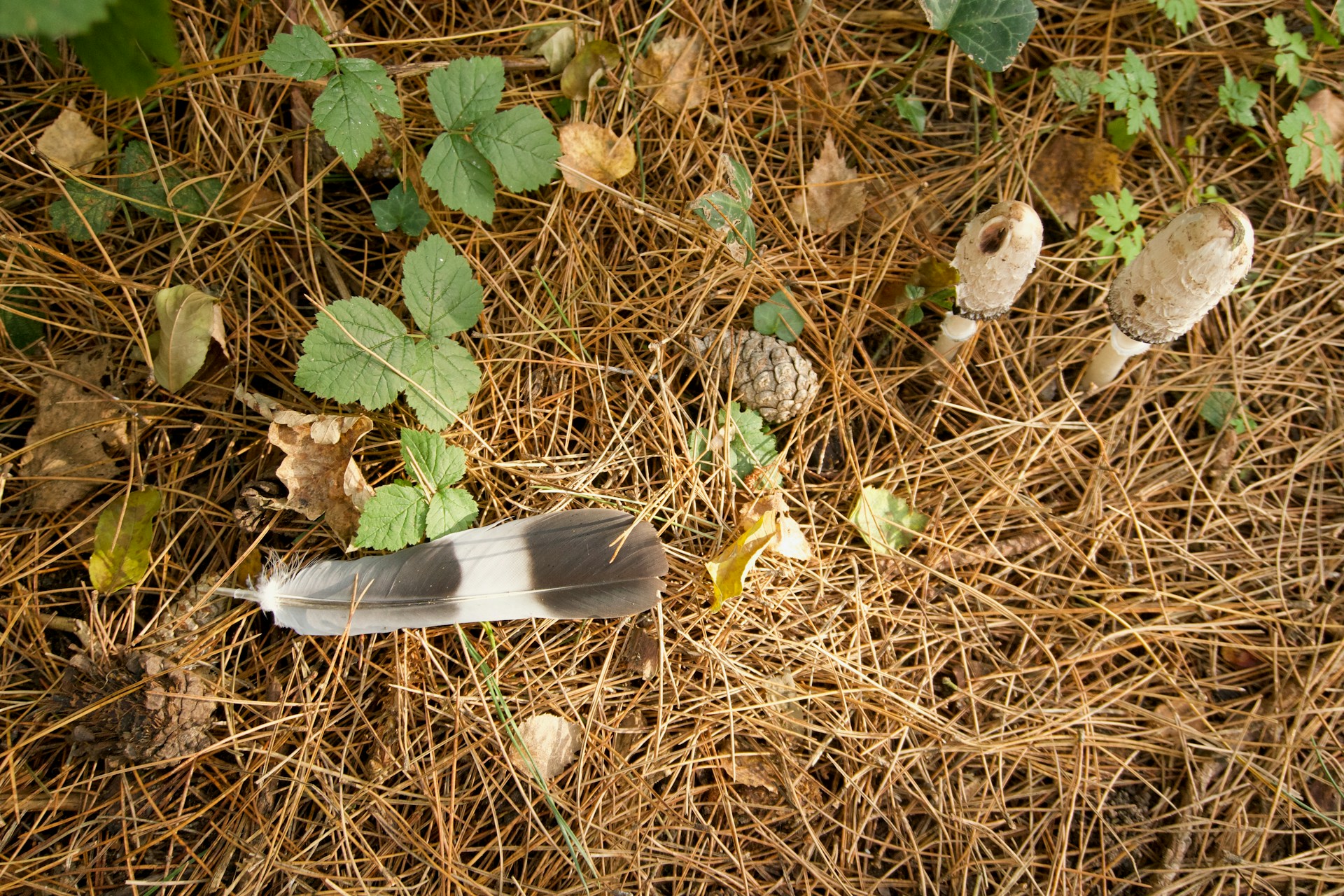
The first sign of wildlife you notice (prints, feathers, droppings, trails, feeding marks)
What the sign might suggest about the animal’s behaviour
One detail about the habitat that feels important — moisture, shelter, food sources, or movement corridors
Tracking is as much about slowing down as it is about finding clues. These small notes help you build a deeper sense of how animals move through your local area.
If you’d like to start a simple nature journal, our beginner’s guide walks you through how to begin: How to Start a Wildlife Journal.
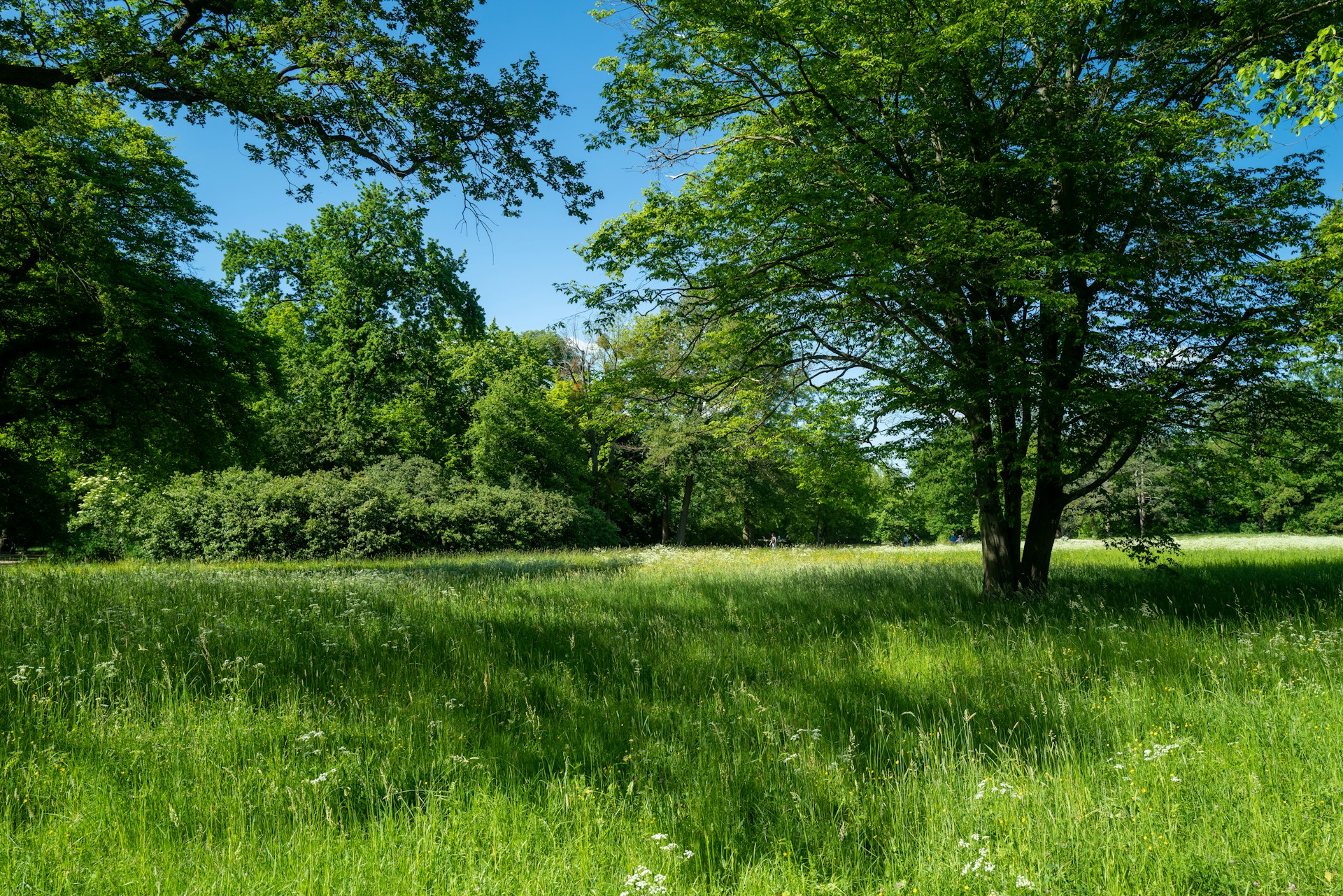
When looking for tracks and signs, it’s important to move carefully so you don’t disturb the animals that created them or damage the habitats they rely on. Gentle observation helps keep these subtle clues intact and supports the wildlife that left them behind.
To protect wildlife and enjoy natural behaviour, we follow a simple approach:
This calm, ethical approach is at the heart of NatureGuide.
Tracking wildlife turns every walk into an adventure. With a little practice, you’ll start reading the landscape like a map and uncover the lives and behaviour of many.