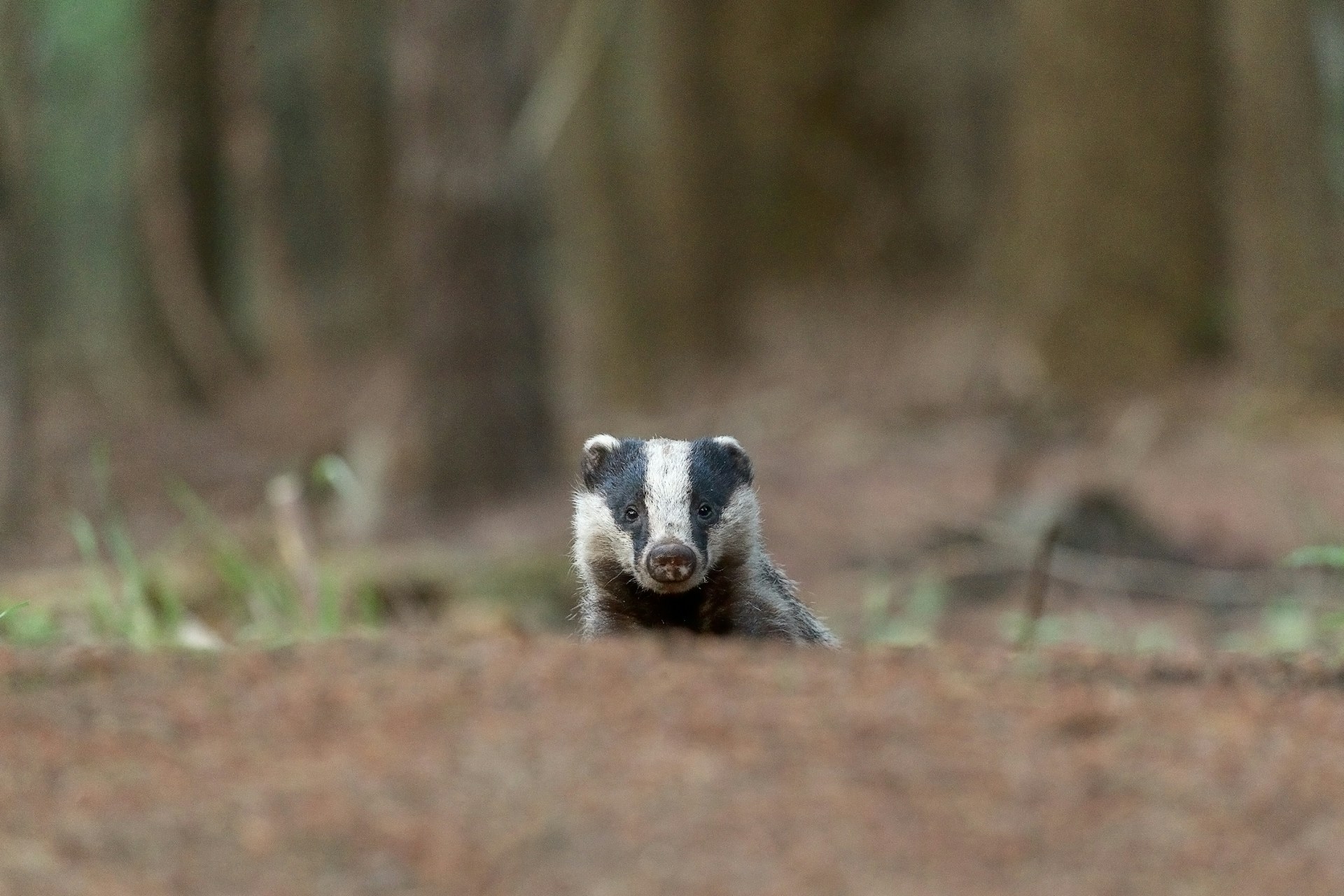
Badgers are one of Britain’s most iconic mammals; powerful, shy, and surprisingly social. Although they’re rarely seen in daylight, with the right approach you can enjoy unforgettable encounters.
This guide will help you understand badger behaviour, whereto look, and how to watch them ethically. If you enjoy looking for shy mammals, our Fox Watching for Beginners guide offers tips for observing another elusive species safely and respectfully.

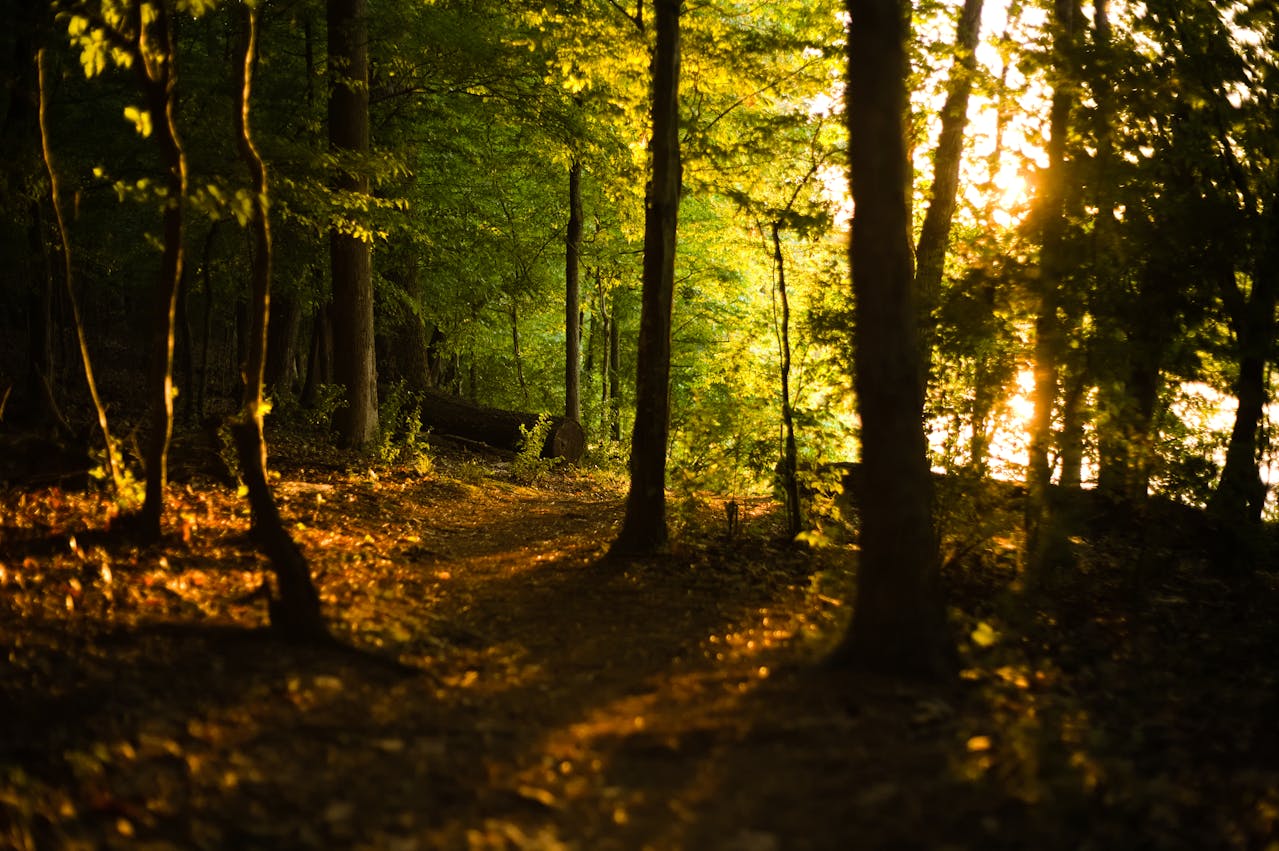
Badgers prefer areas with:
Their homes, called setts, are often found:
Beginner insight:
A large sett can have multiple entrances and well‑worn paths leading into the undergrowth.

Badgers are strictly nocturnal.
Your best chance is:
In summer, they may emerge before full darkness.

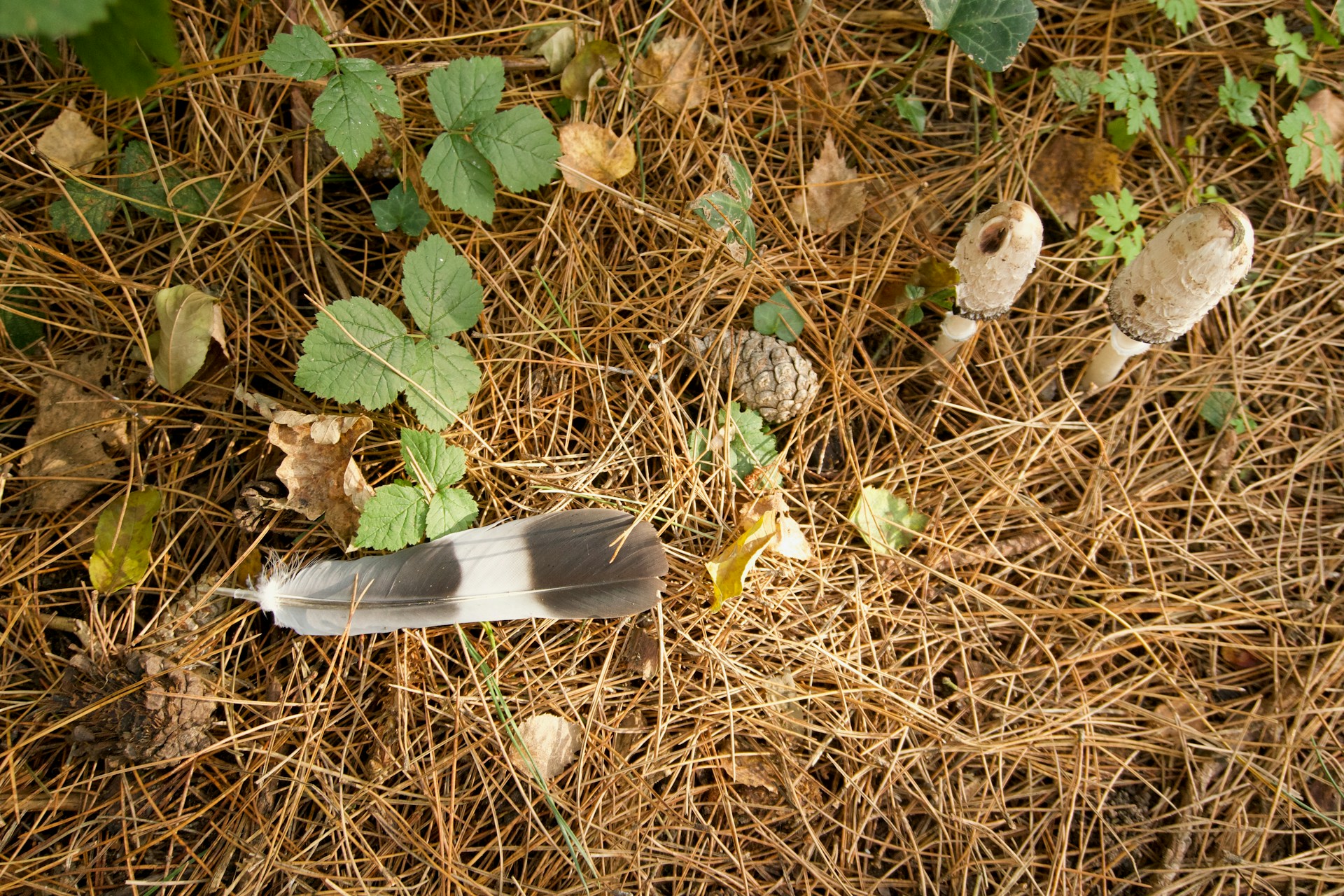
Look for:
These clues often reveal the routes they use nightly. To improve your awareness of the clues badgers leave behind, our Simple Signs of Wildlife in Your Local Area guide explains how to recognise tracks, trails, and feeding marks.
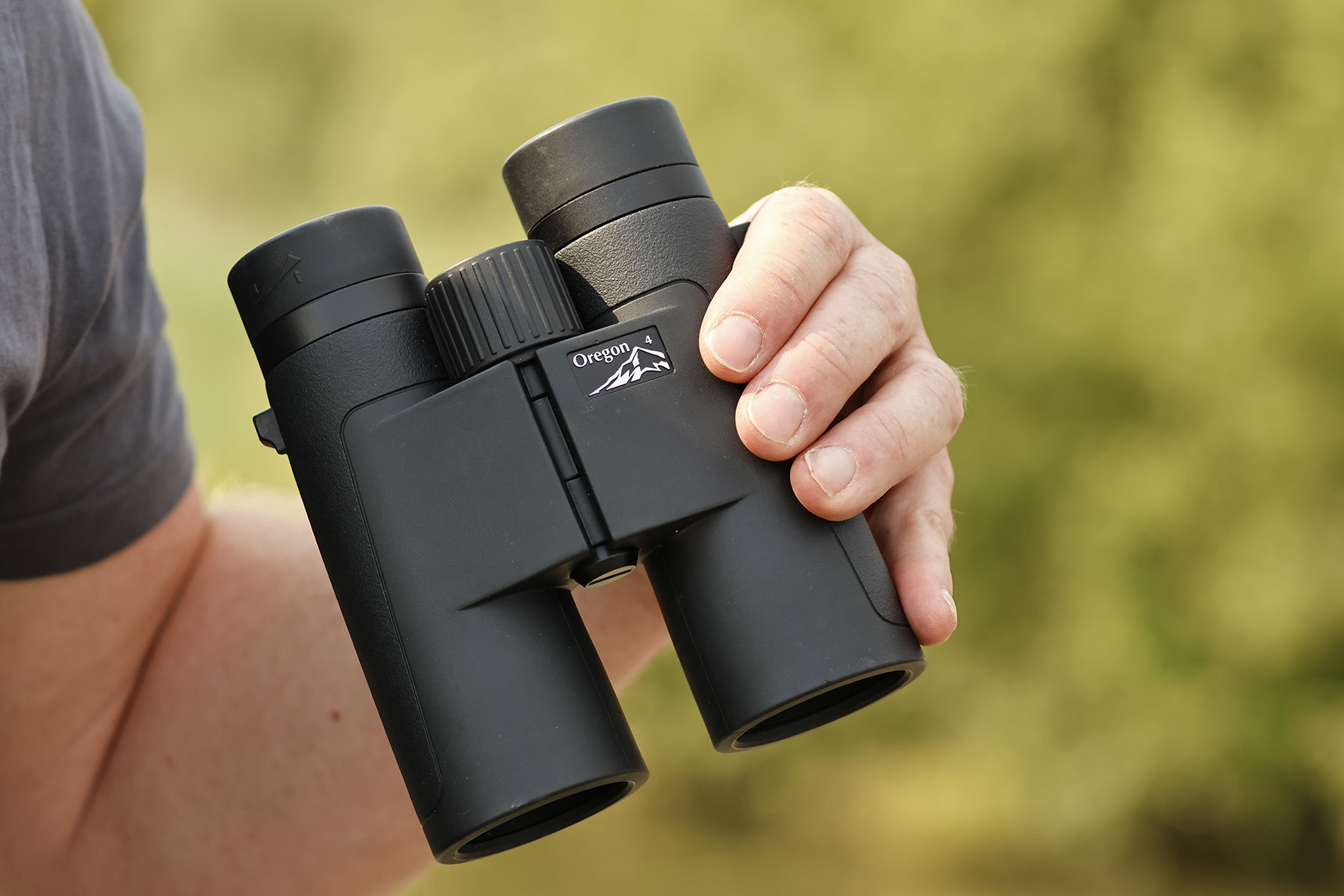
See our Beginner Binoculars Guide for simple advice on choosing your first pair, including what magnification means, how much to spend, and which models are genuinely beginner‑friendly.
See our Field Guides Gear Guide for simple advice on choosing beginner friendly wildlife books, including general wildlife guides, bird guides and pocket guides.
You can also use a trail camera to spot shy wildlife like foxes, deer or badgers when they’re active but you’re not around. See the beginner trail camera guide for simple options to get started.
These items can also be really helpful for beginners:

Before you settle in near a known badger area, take a moment to pause and tune into the surroundings.
Write down:
The sounds you notice as daylight fades
How the atmosphere shifts as the woodland or field edge becomes quieter
Any small signs of badger activity — paths, snuffle marks, or the feeling that something might emerge
Badger watching is often slow and patient, and noting these subtle details helps you appreciate the calm, expectant rhythm of their evening routines.
If you’d like to start a simple nature journal, our beginner’s guide walks you through how to begin: How to Start a Wildlife Journal.
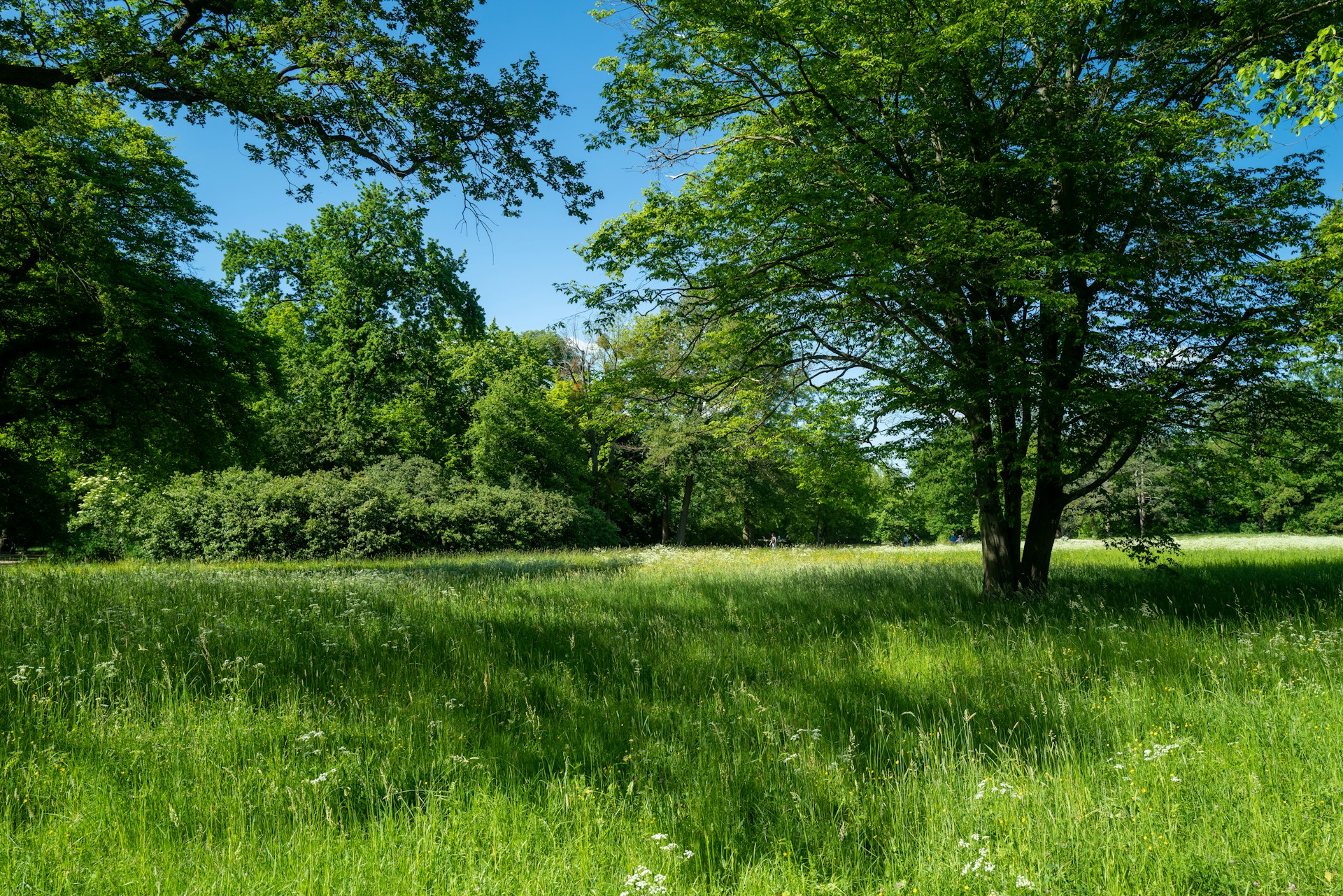
Badgers are protected by law in the UK, and they are highly sensitive to disturbance around their setts. Quiet, distant watching helps them emerge, forage, and interact naturally without feeling threatened.
To protect wildlife and enjoy natural behaviour, we follow a simple approach:
This calm, ethical approach is at the heart of NatureGuide.
Badger watching is a slow, grounding experience. With patience and respect, you can witness grooming, foraging, and even playful behaviour — a rare glimpse into the secret life of one of Britain’s most fascinating mammals.