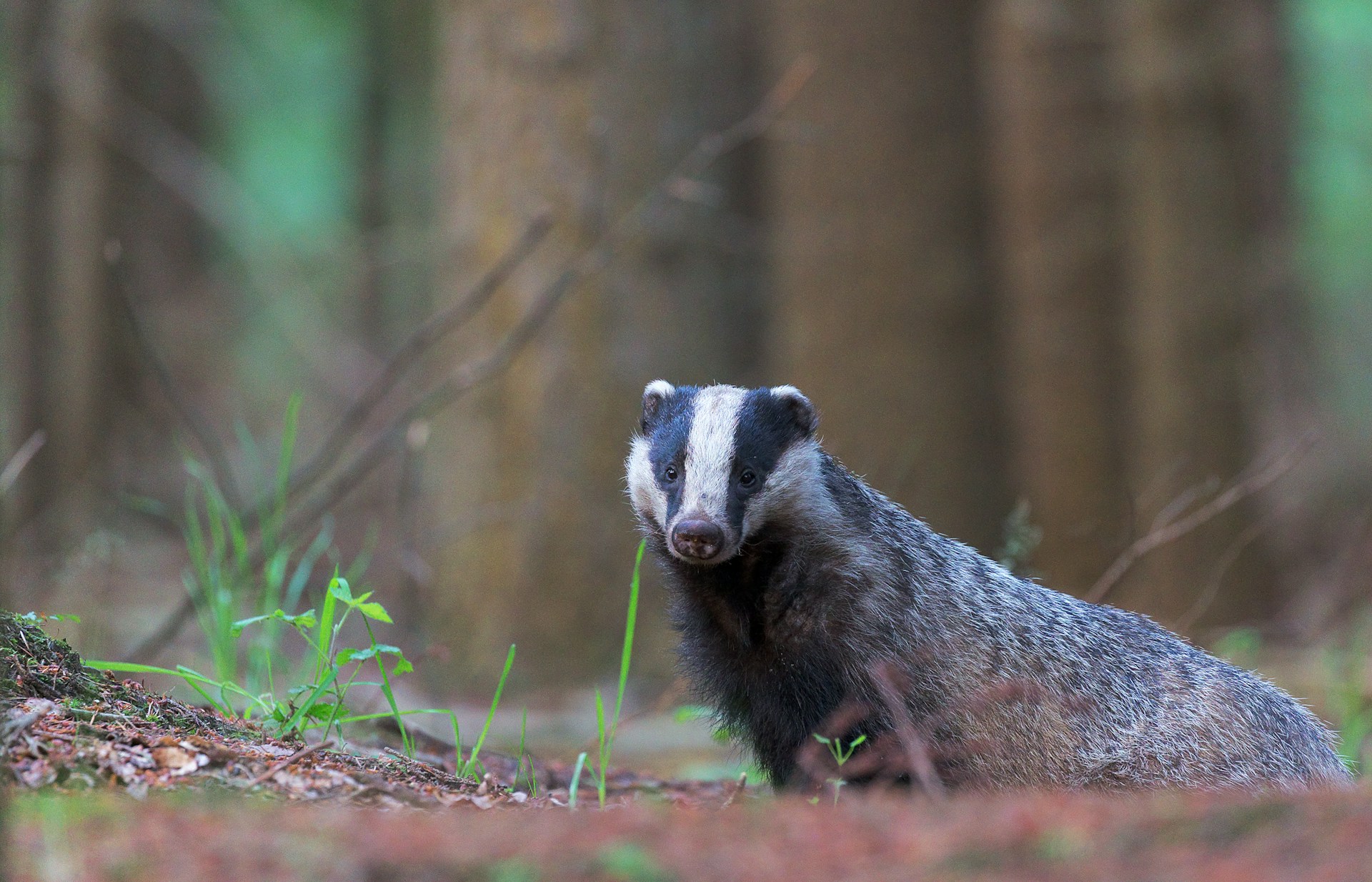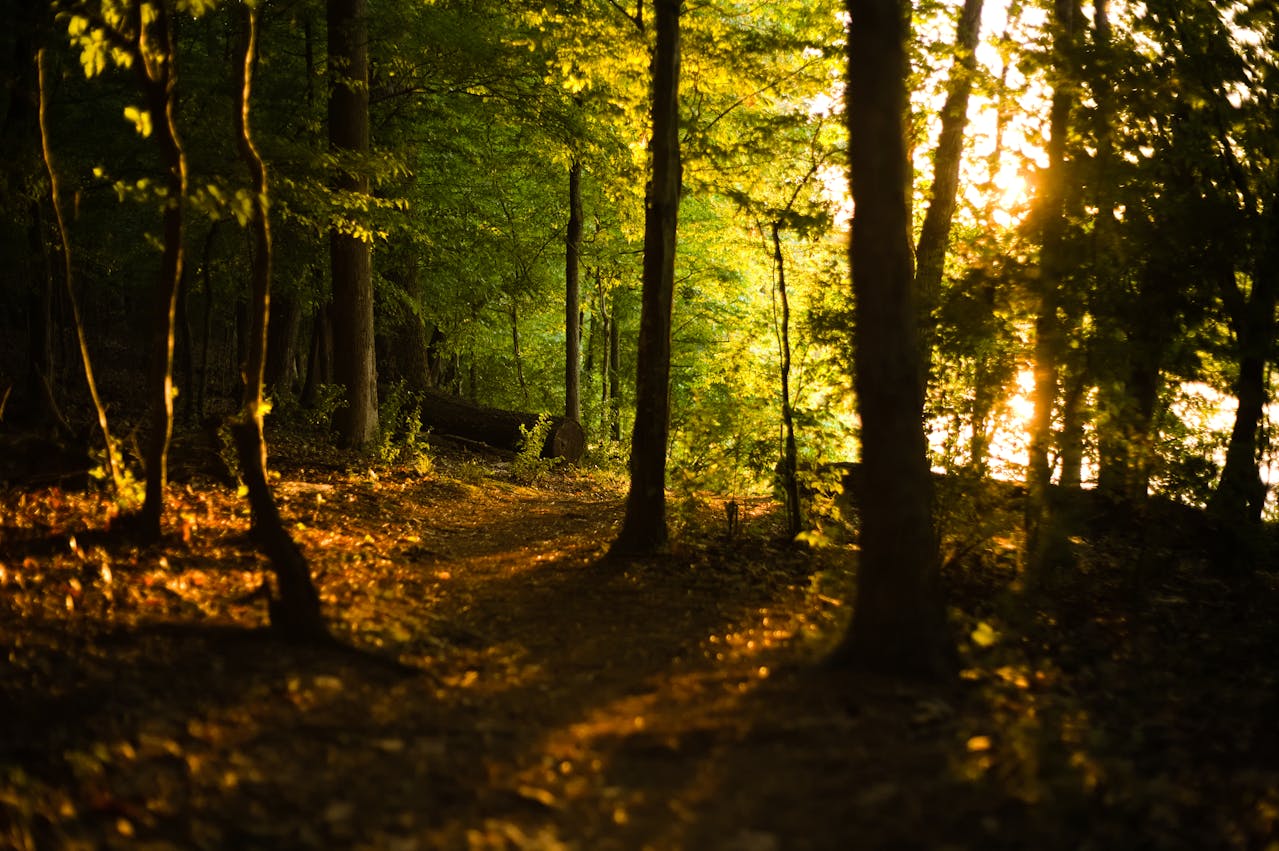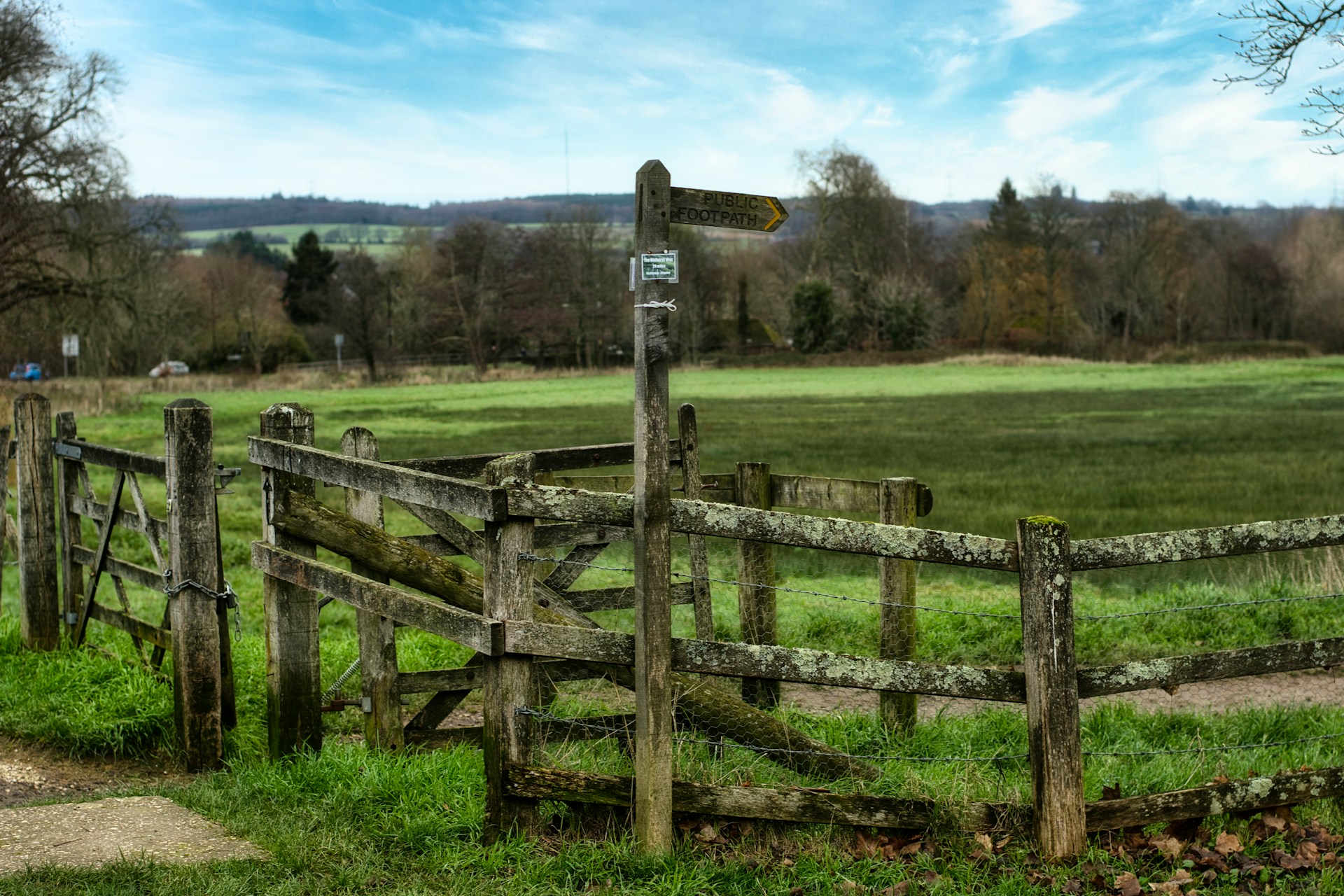

Some days, wildlife feels hidden. You might go for a walk and not see a single bird or mammal, even though you know they’re there. But the natural world leaves clues everywhere; subtle signs that tell you who has passed through, what they were doing, and how the landscape is being used.
Learning to spot these small details is one of the most rewarding skills for beginners. Once you know what to look for, even an ordinary walk becomes full of discovery. If you’d like to build your tracking skills further, our How to Track Wildlife in Your Local Area guide explains the key prints, trails, and feeding marks to look for.

Animals are often most active at dawn, dusk, or overnight. That means many of your encounters will be with the traces they leave behind rather than the animals themselves.
Noticing these signs helps you:
It’s a gentle reminder that nature is always present, even when it feels still.

Soft ground, mud, sand, and snow are perfect places to find tracks. Even in urban areas, you might spot:
You don’t need to identify every track, simply noticing patterns is a great start.
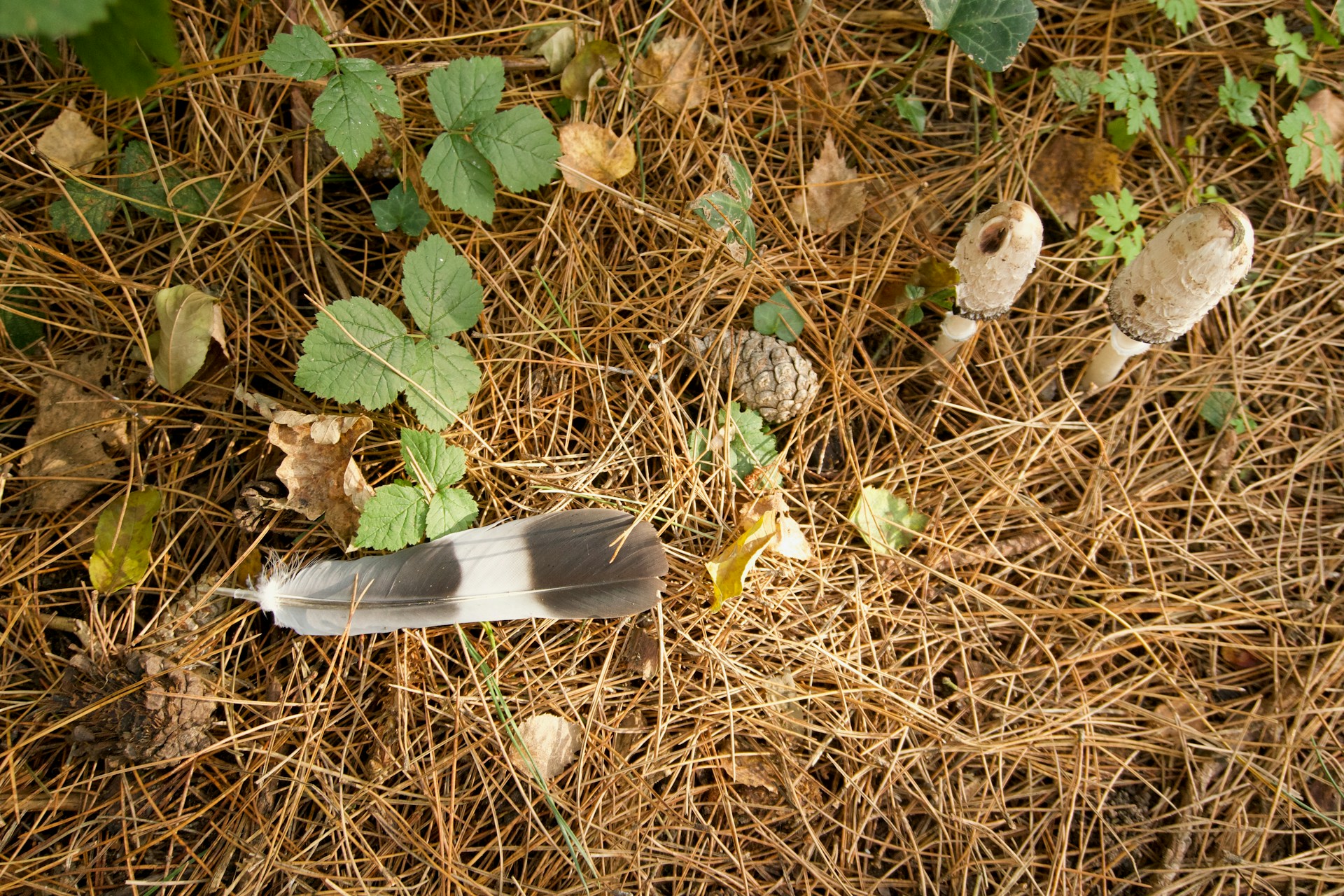
Feathers are one of the most common signs of bird activity. Look for:
You may also find tufts of fur caught on fences or brambles, especially from foxes or rabbits.
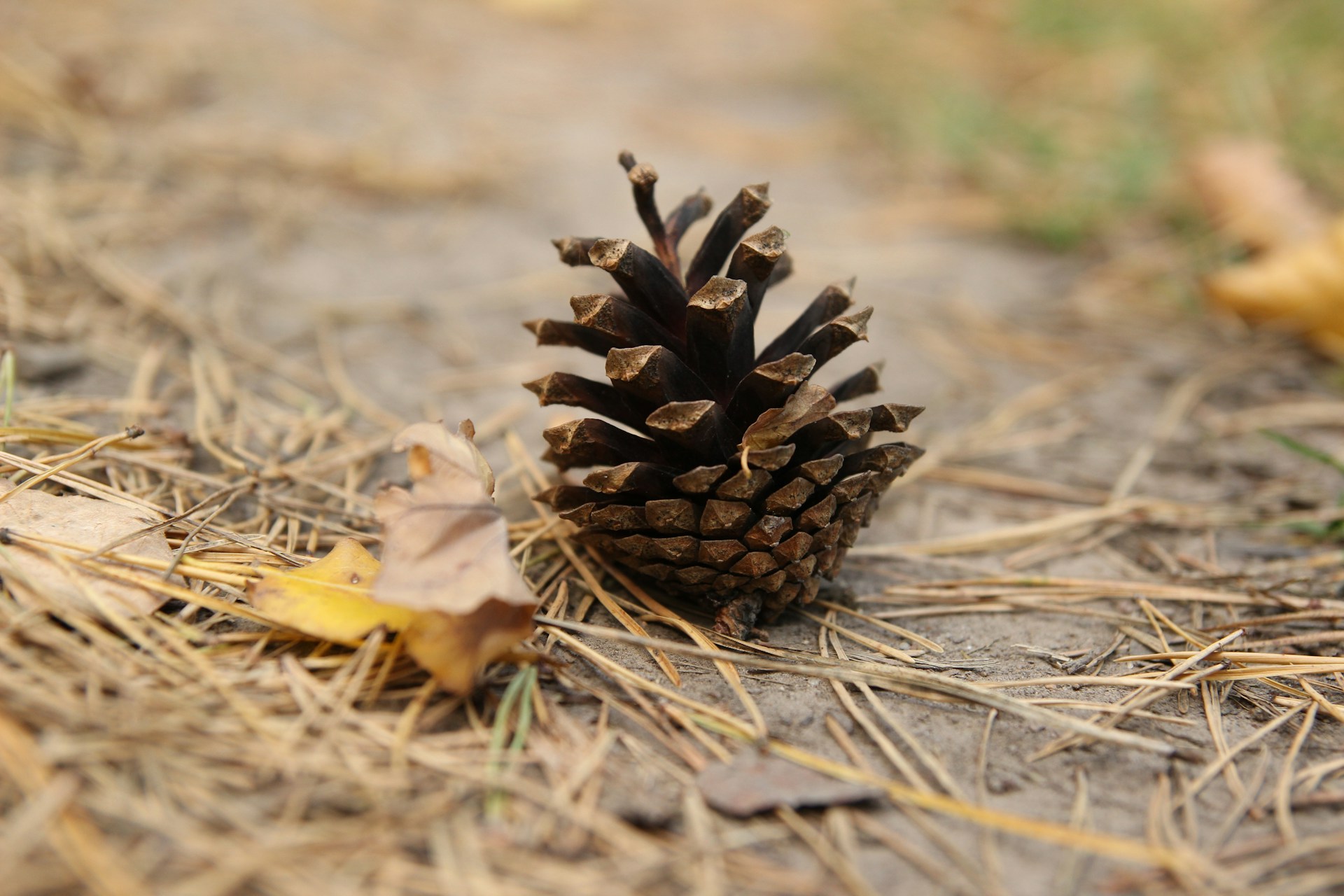
Animals leave clear clues when they feed. Some common examples include:
These small details reveal who’s been active and what they’ve been eating.
It might not sound glamorous, but droppings are one of the most reliable signs of wildlife. They can tell you:
Owls leave pellets, small, grey, compact bundles of fur and bone. These are fascinating to find and completely safe to observe without touching.
Avoid touching droppings, pellets, or any animal remains. They can carry bacteria and should be observed, not handled.

Even if you never see the animals themselves, their homes are often easy to spot:
Always observe from a distance to avoid disturbance.

Sometimes the signs of wildlife are not visual at all. Listen for:
These subtle cues often reveal far more than you expect. To understand how animals behave at different times of day, our How to Spot Wildlife at Dawn and Dusk guide offers simple tips for early‑morning and evening walks.
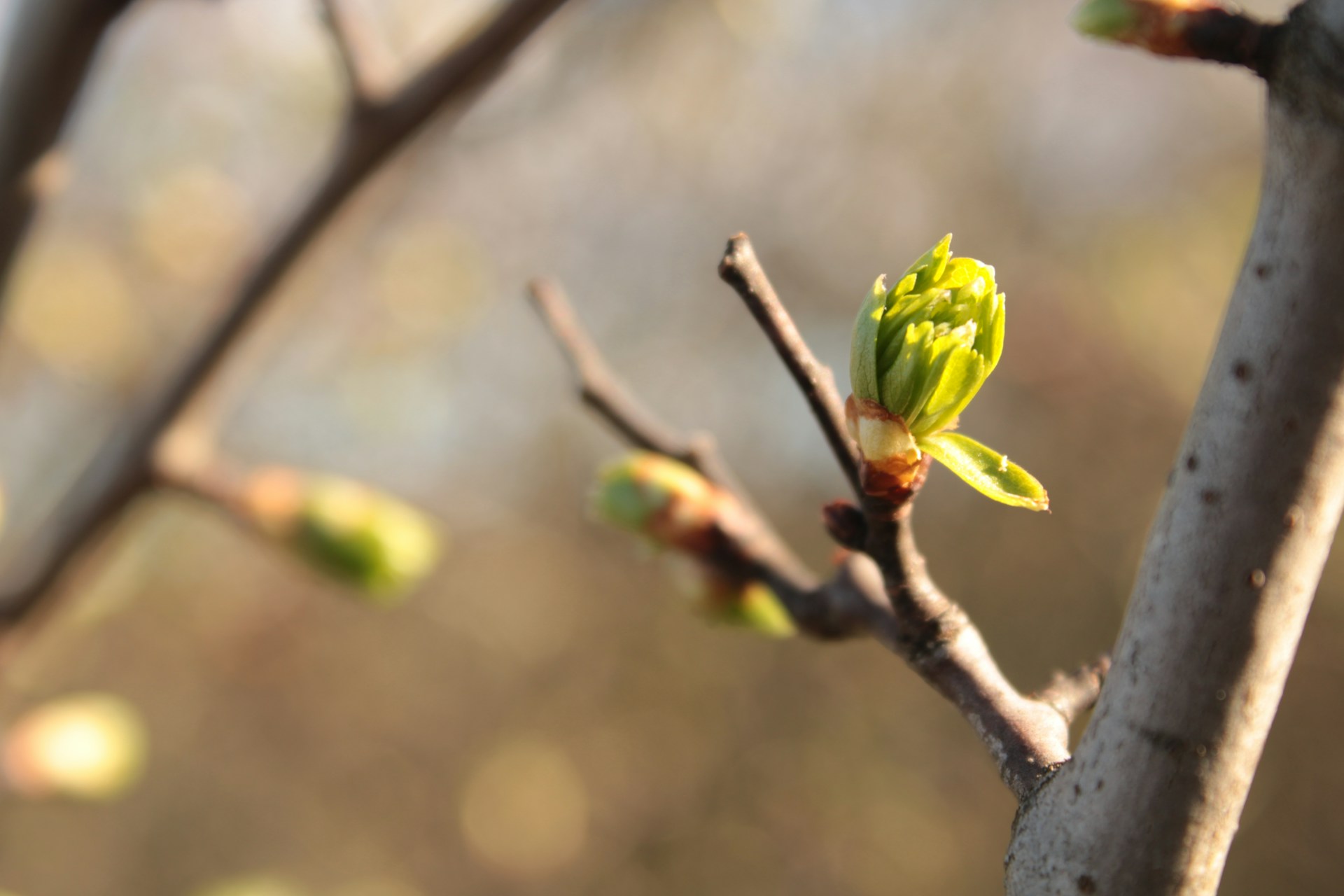
Different seasons offer different signs:
Each season has its own quiet language.
See our Field Guides Gear Guide for simple advice on choosing beginner friendly wildlife books, including general wildlife guides, bird guides and pocket guides.
You don’t need specialist equipment to spot signs of wildlife, but a few simple items can make your observations clearer and more rewarding:

After your time outdoors, pause and note:
“What sign of wildlife did I notice today, even if I didn’t see the animal itself?”
This small reflection helps you build awareness and confidence over time.
If you’d like to start a simple nature journal, our beginner’s guide walks you through how to begin: How to Start a Wildlife Journal.
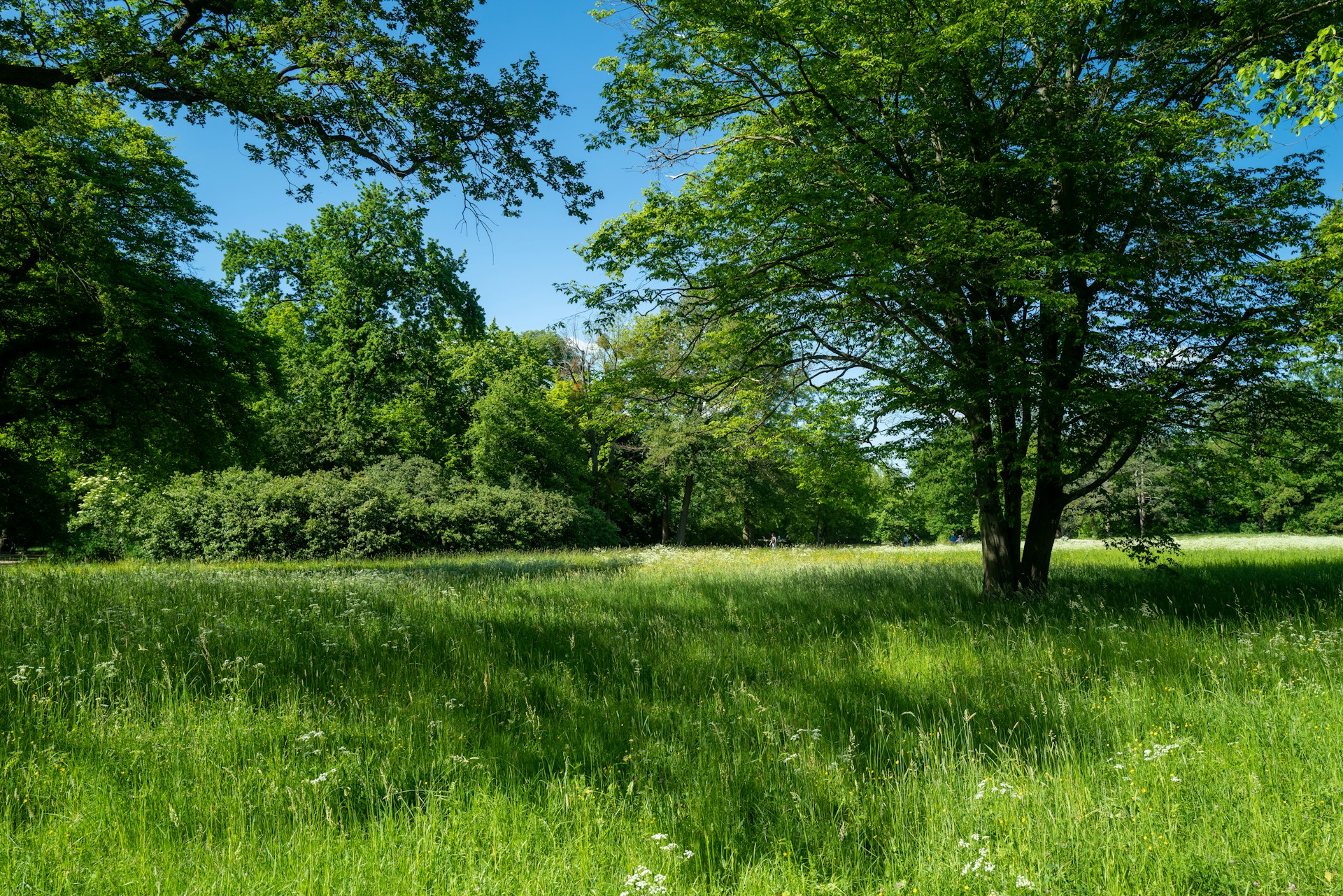
When looking for tracks, trails, and subtle signs, it’s important to move carefully so you don’t disturb the animals that created them or damage the habitats they rely on. Gentle observation helps keep these hidden stories intact.
To protect wildlife and enjoy natural behaviour, we follow a simple approach:
This calm, ethical approach is at the heart of NatureGuide.
Wildlife is always present, even when the animals stay hidden. By learning to spot tracks, feathers, feeding signs, and subtle movements, you begin to see your local area in a completely new way. These quiet clues reveal the stories unfolding around you; gentle reminders that nature is never far away.