There’s a moment each year when the mornings feel a little brighter, the air softens, and the natural world begins to stir. Even before flowers bloom or leaves unfurl, wildlife quietly signals that spring is approaching. These early behaviours are subtle but incredibly rewarding to notice, especially if you’re just beginning your wildlife‑watching journey.
If you’re curious about how wildlife responds to seasonal change, our How Weather Shapes Wildlife Behaviour guide explores how conditions influence animal activity.
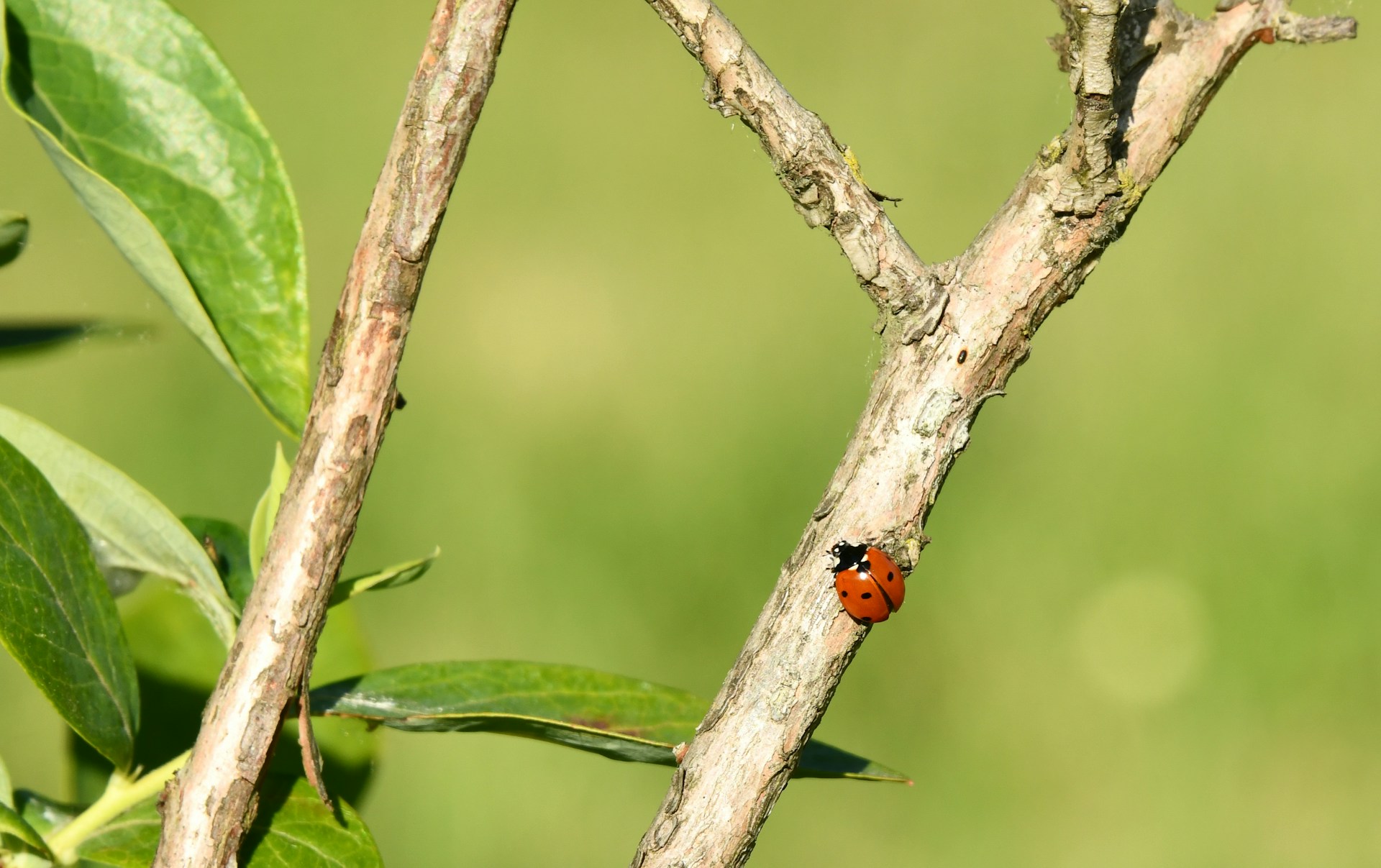
Wildlife responds to daylight long before temperatures rise. As the days lengthen, birds, insects, and mammals begin adjusting their routines. These changes are small at first, but once you know what to look for, they become unmistakable markers of the season shifting.
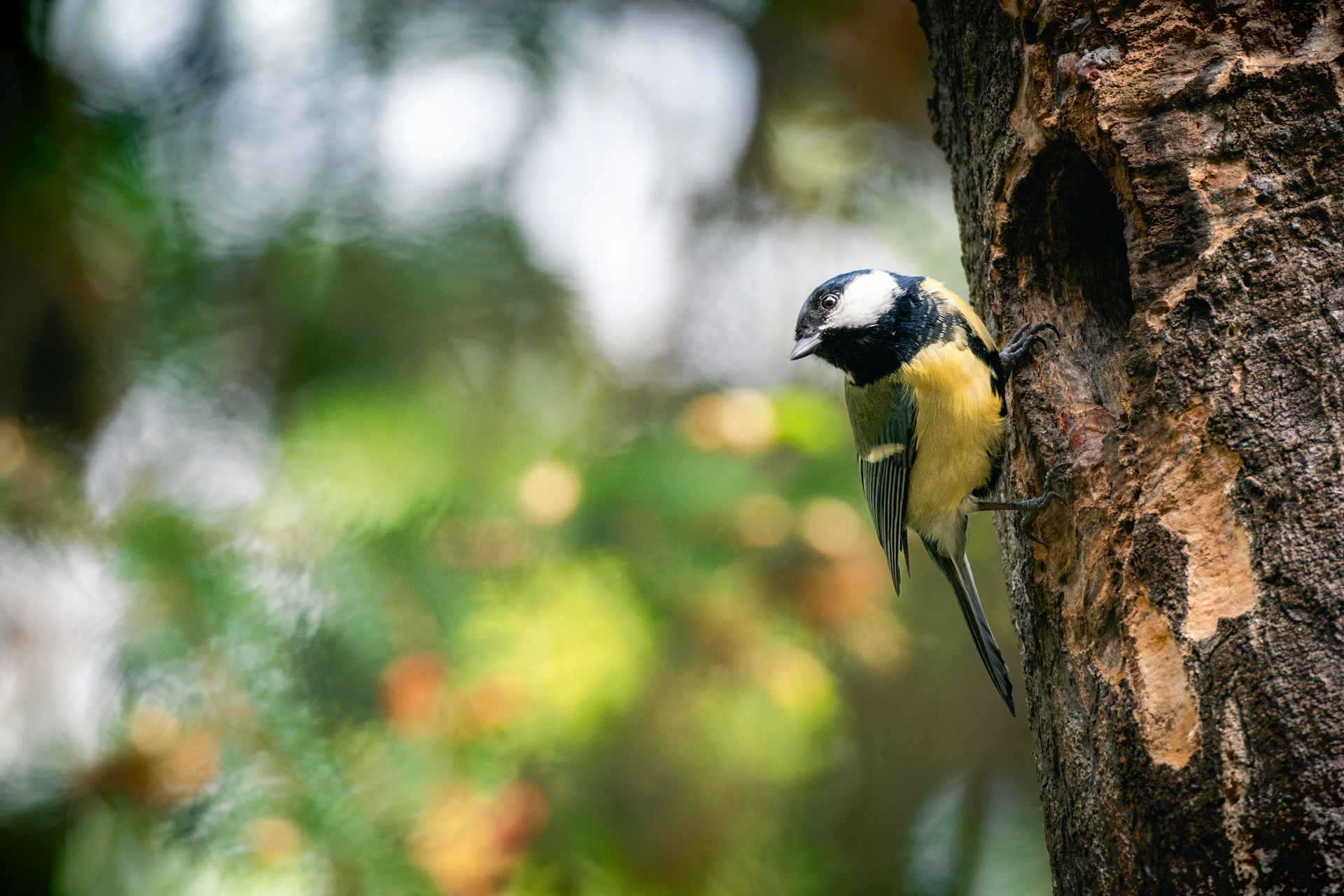
Birds are often the first to announce spring’s arrival. Even in late winter, you may notice:
More birdsong
Robins, great tits, blackbirds, and wrens begin singing earlier and more confidently. Their songs become richer as they establish territories and attract mates.
Courtship displays
Look for birds chasing each other in short bursts, bowing, or performing small aerial displays.
Nest‑building behaviour
You might see birds carrying moss, twigs, or feathers. Even if you don’t spot the nest itself, these small clues reveal a lot.
Brighter plumage
Some species develop cleaner, sharper colours as breeding season approaches.
These behaviours are easy to observe from a garden, balcony, or local green space.
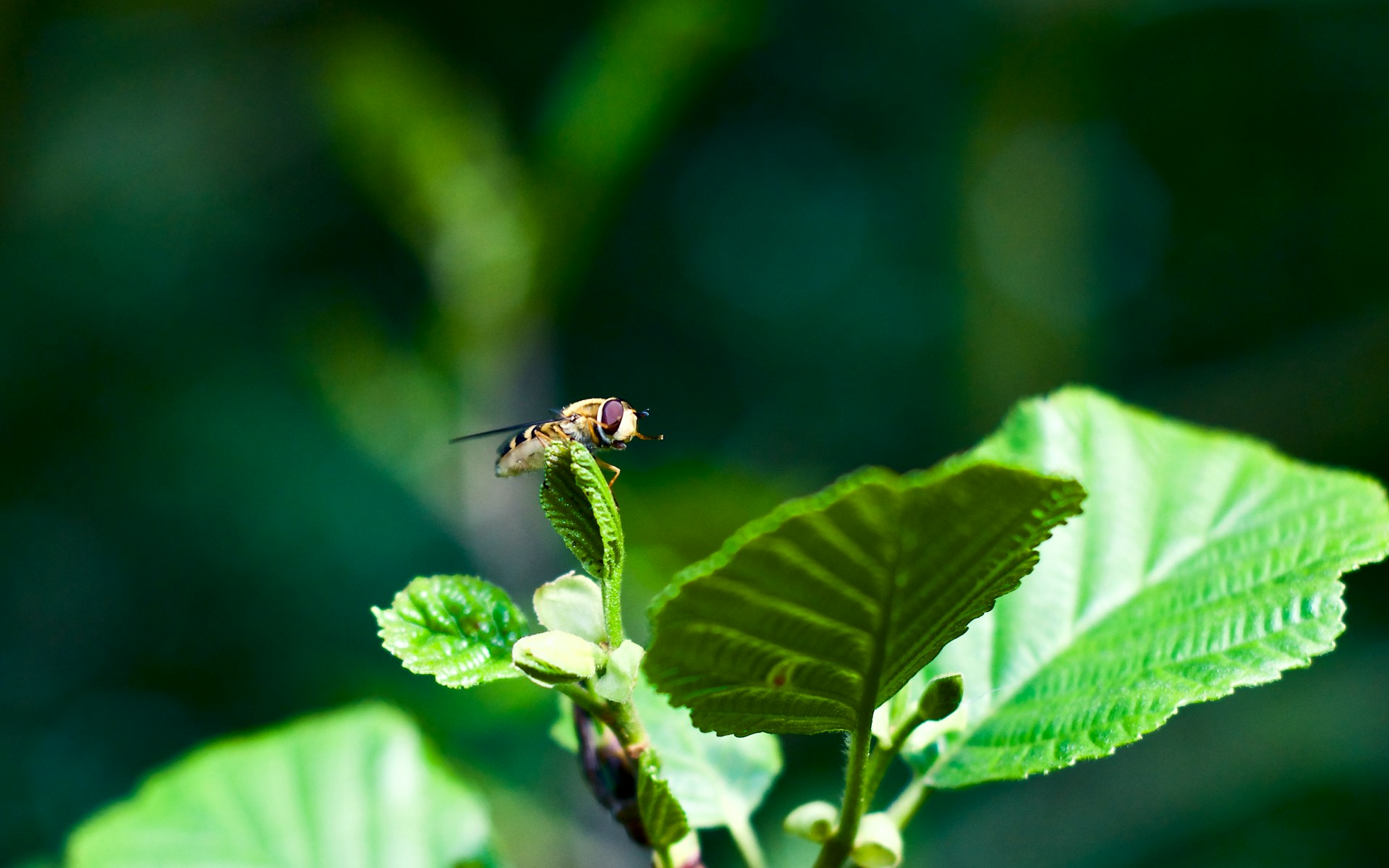
Even on cooler days, insects begin to reappear as the light increases.
Queen bumblebees
Large, slow‑moving queens emerge from hibernation to search for early flowers.
Hoverflies and early pollinators
On sunny days, you may spot the first hoverflies drifting around garden plants.
Ladybirds
Clusters of ladybirds often disperse from their winter hiding places.
These early insects play a vital role in the season’s unfolding.
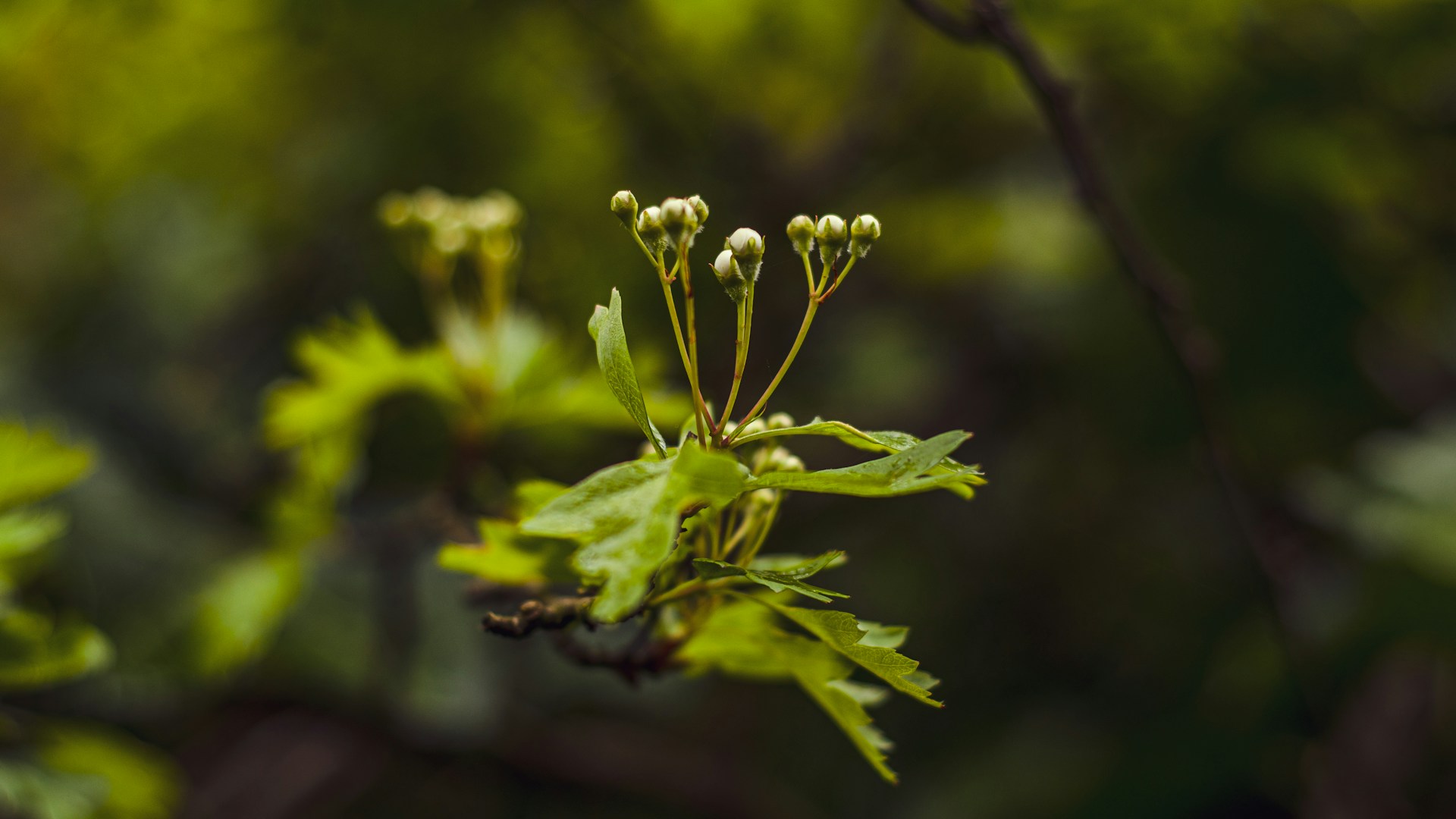
Plants respond to daylight too, and their early signs are easy to spot:
These small changes create the backdrop for the wildlife activity around them.
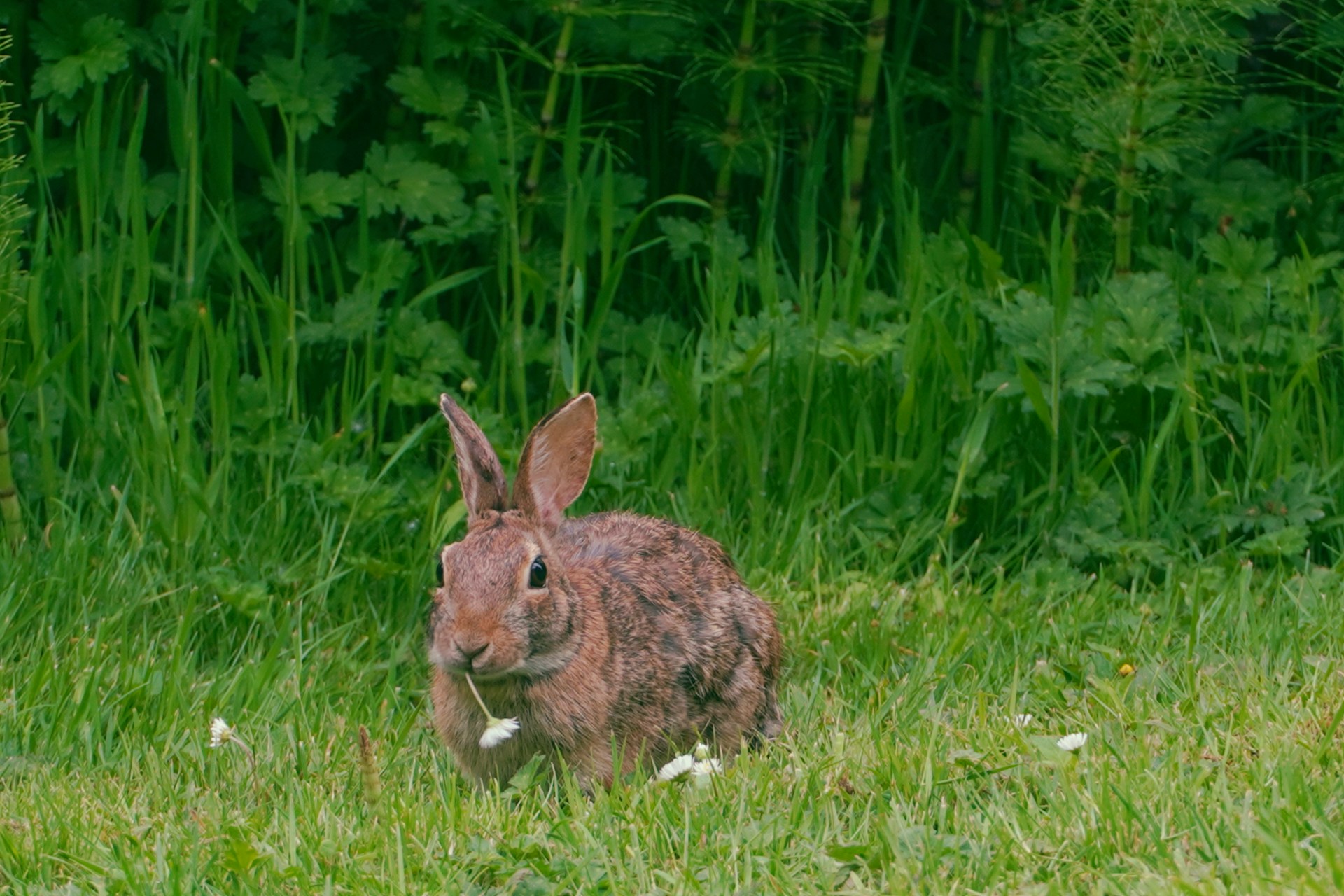
You may notice:
Even if you don’t see the animals directly, their signs, tracks, trails, and feeding marks tell the story. For help noticing more during your spring walks, our How to Notice More Wildlife on Your Daily Walk guide shares simple techniques for staying observant outdoors.
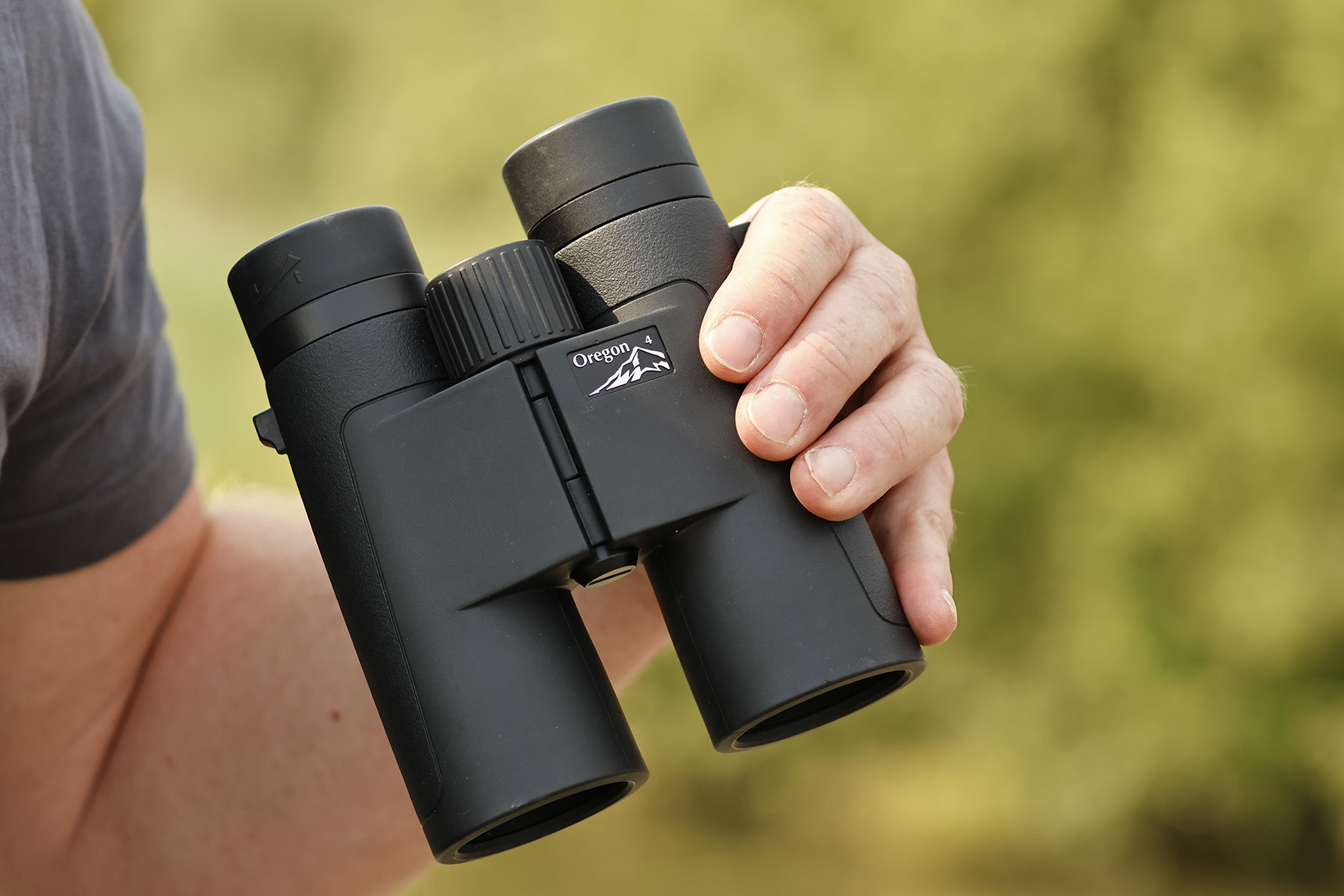
See our Beginner Binoculars Guide for simple advice on choosing your first pair, including what magnification means, how much to spend, and which models are genuinely beginner‑friendly.
See our Field Guides Gear Guide for simple advice on choosing beginner friendly wildlife books, including general wildlife guides, bird guides and pocket guides.
These items can also be really helpful for beginners:

After spending time outdoors, take a moment to note:
“What was the first sign of spring I noticed today?”
It might be a bird’s song, a bud on a branch, or a single insect drifting past. These small observations build your awareness of the season’s unfolding.
If you’d like to start a simple nature journal, our beginner’s guide walks you through how to begin: How to Start a Wildlife Journal.
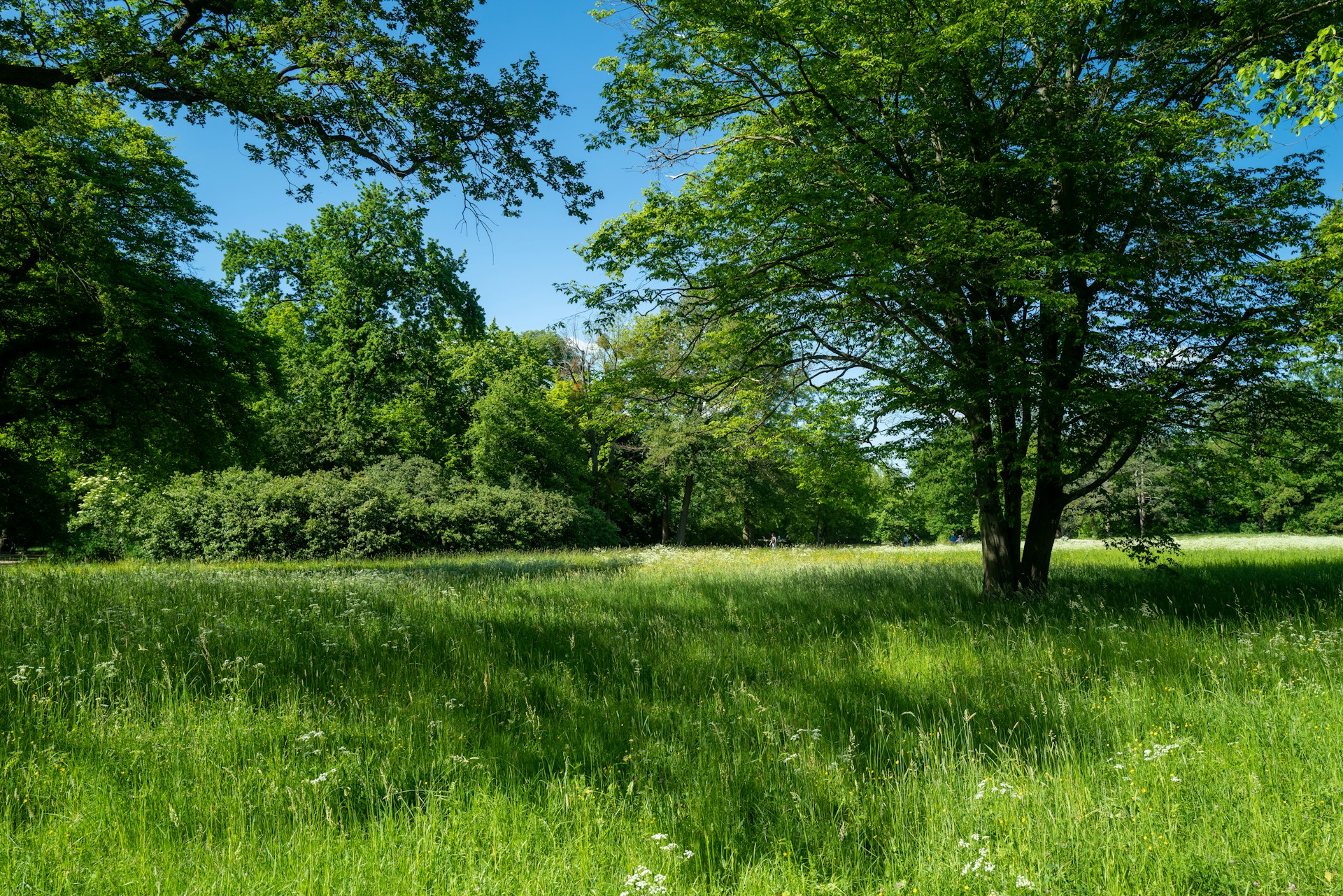
To protect wildlife and enjoy natural behaviour, we follow a simple approach:
This calm, ethical approach is at the heart of NatureGuide.
Spring doesn’t arrive all at once, it reveals itself through a series of gentle, daily changes. By slowing down and noticing these early behaviours, you deepen your connection to the natural world and build confidence as a wildlife watcher. Each sign, no matter how small, is part of the quiet story of the season beginning to unfold.