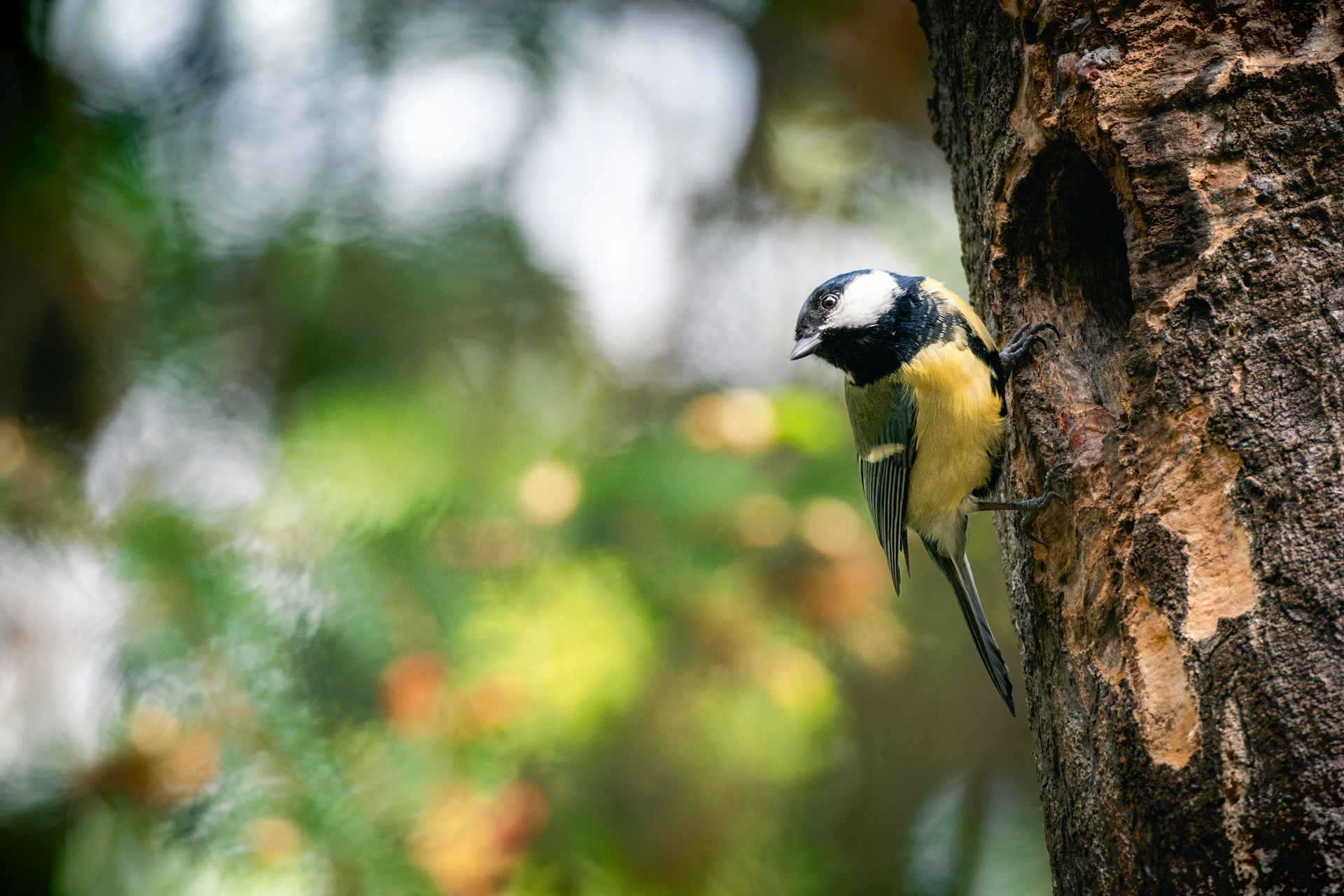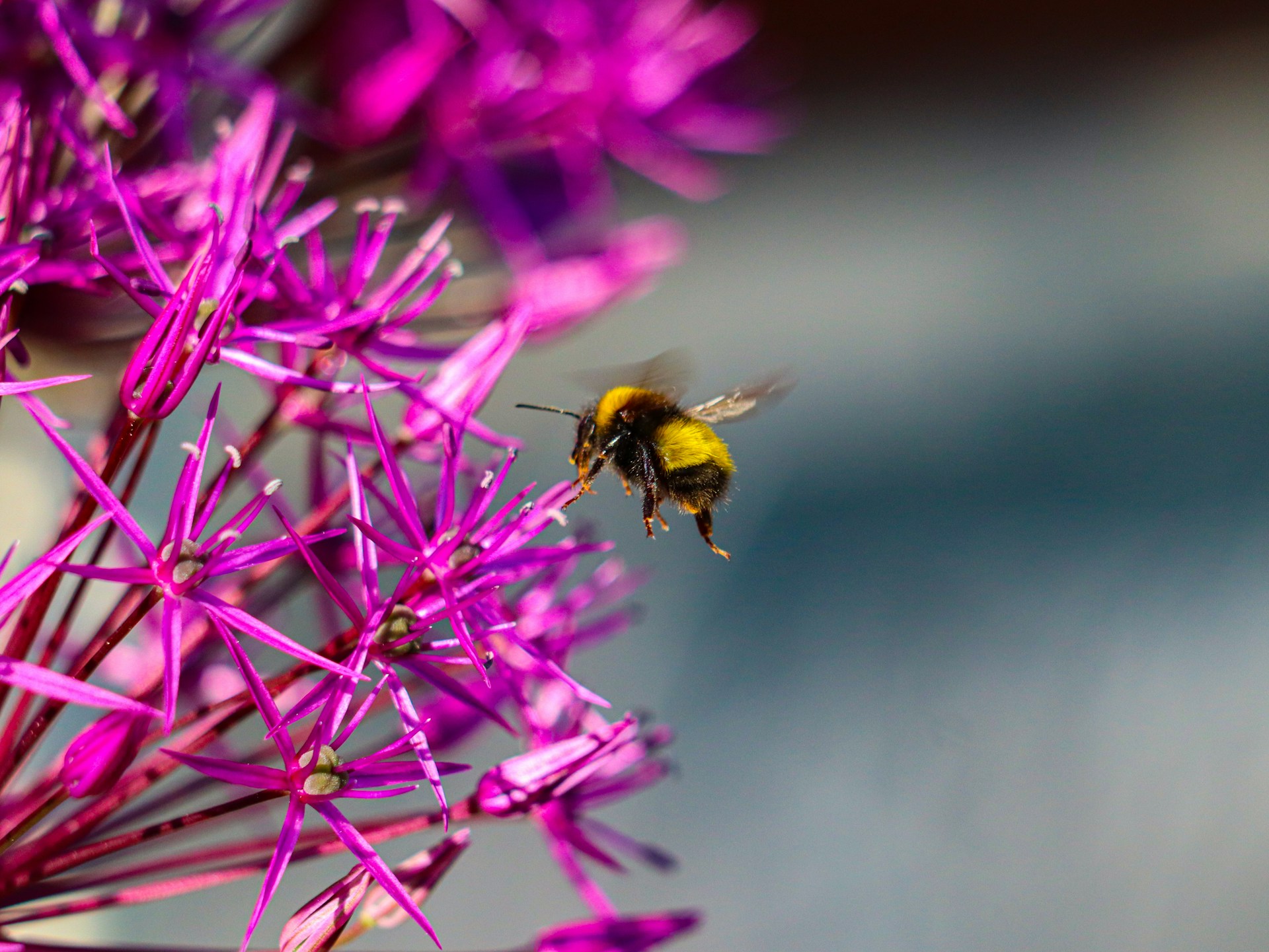

Weather influences wildlife far more than most people realise. A warm breeze, a sudden shower, or a shift in light can completely change how animals behave. For beginners, learning how weather affects wildlife is a simple way to improve your chances of seeing more; and to understand the rhythms of the natural world more deeply.
This guide explores how different conditions shape wildlife behaviour, and what you can look for throughout the year. If you’re interested in how seasonal change affects animal activity, our Spring Wildlife Behaviour guide highlights the shifts that happen as days begin to lengthen.

Animals respond to weather instinctively. Temperature, wind, rain, and light all influence:
Once you start noticing these patterns, even a short walk becomes more rewarding.

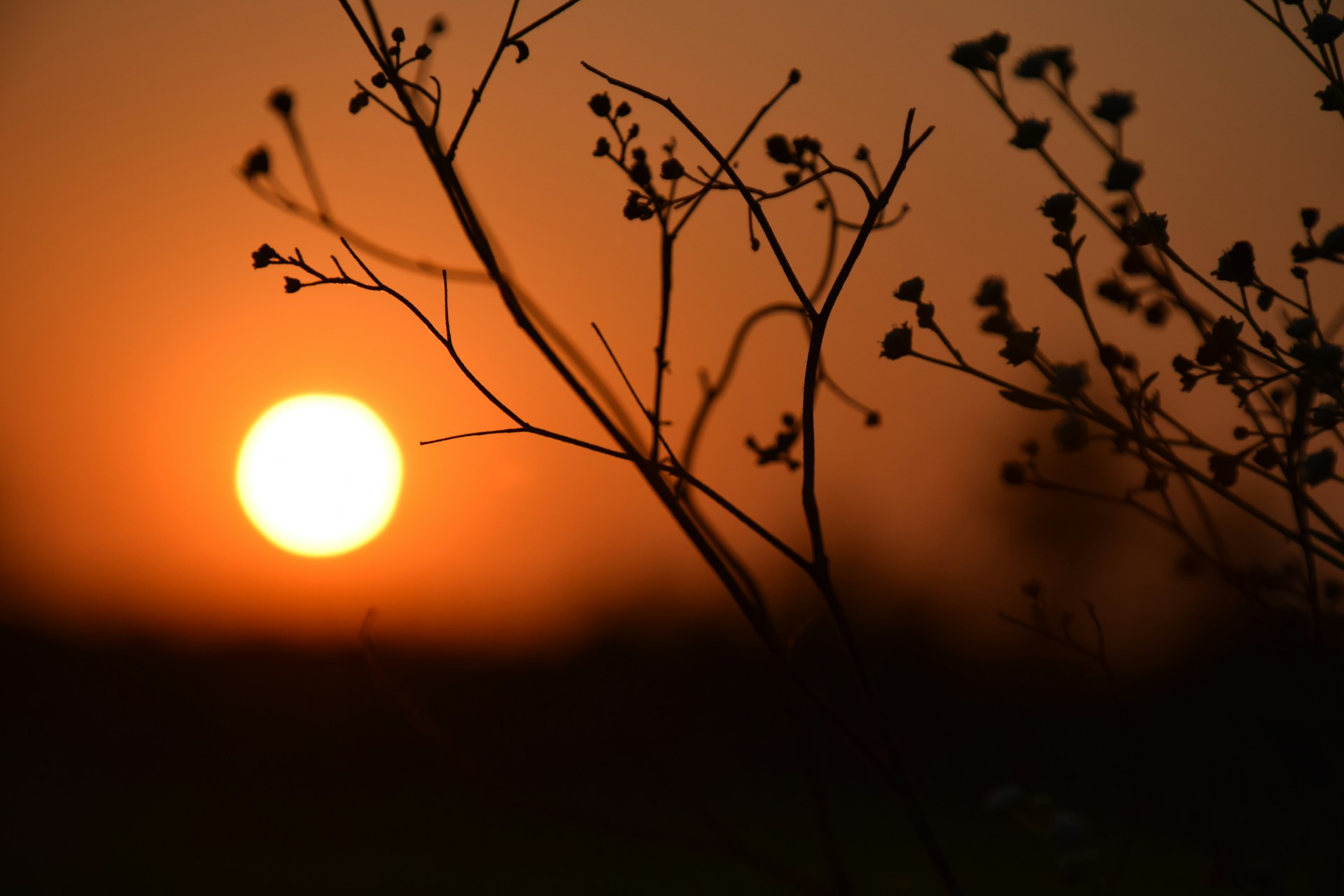
Sunshine brings a burst of energy to many species.
Helpful gear:
A lightweight layer and a small pair of binoculars can make sunny‑day watching easier.
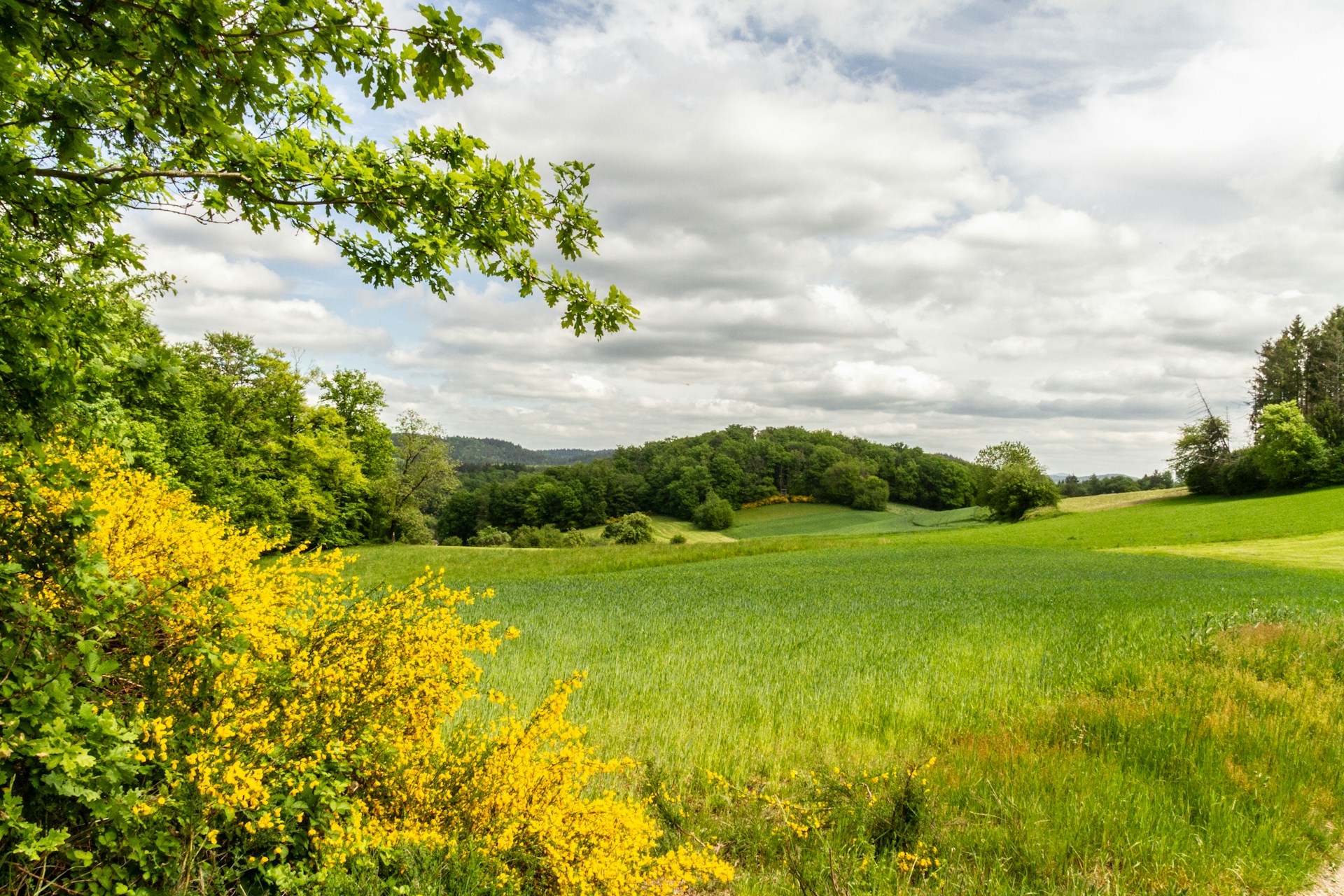
Overcast weather softens shadows and reduces heat, which can make wildlife easier to spot.
Cloudy days are excellent for photography too, soft light brings out natural detail.
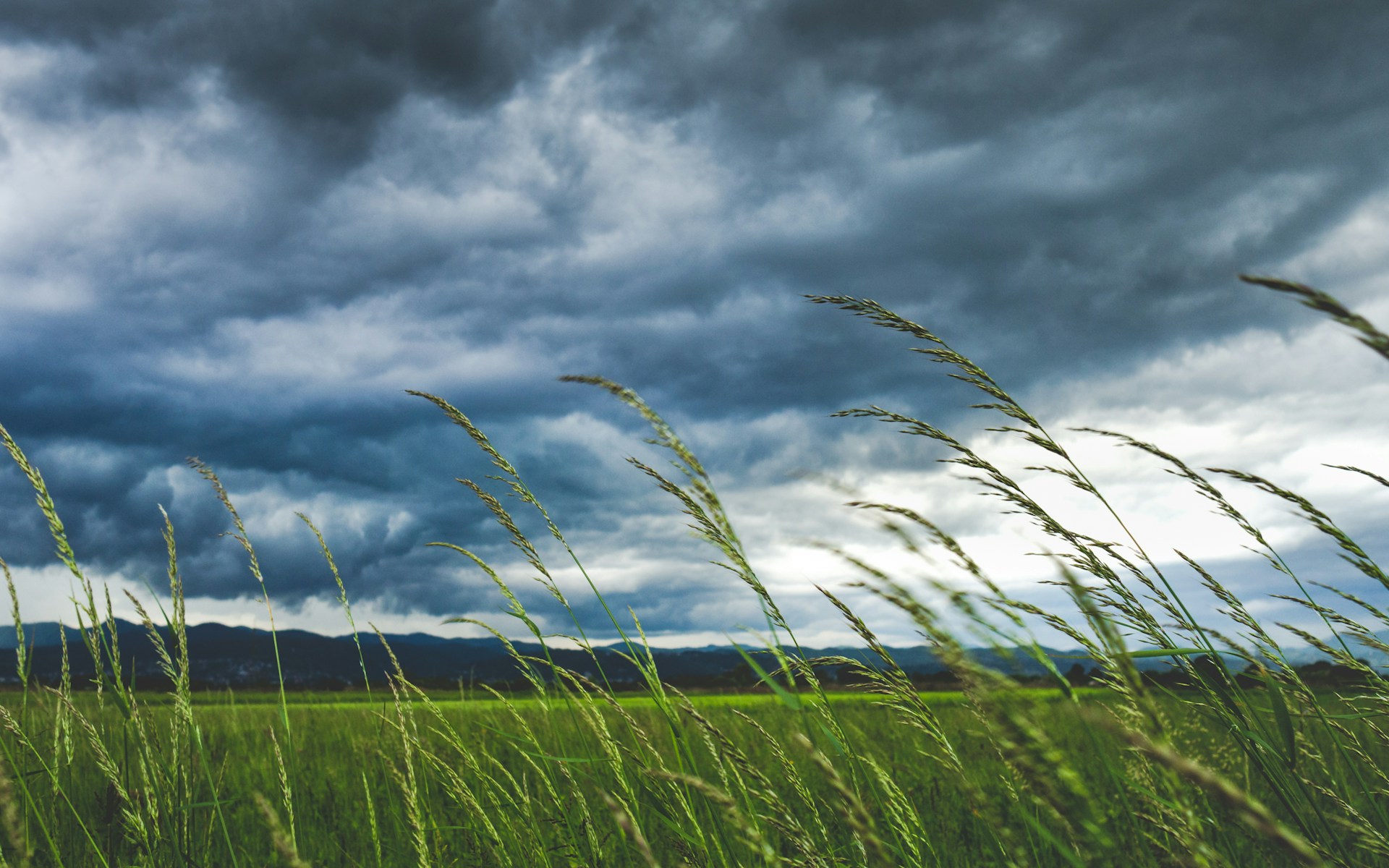
Wind changes how animals behave dramatically:
Helpful gear:
A windproof layer and a small waterproof notebook (ideal for quick notes outdoors).

Rain doesn’t stop wildlife — it simply changes the rhythm:
Rainy days are perfect for spotting tracks, trails, and feeding signs.
Helpful gear:
A waterproof jacket and a weather‑resistant field notebook are ideal companions.

Cold weather brings some of the most interesting wildlife patterns:
Cold days are excellent for quiet, careful observation.
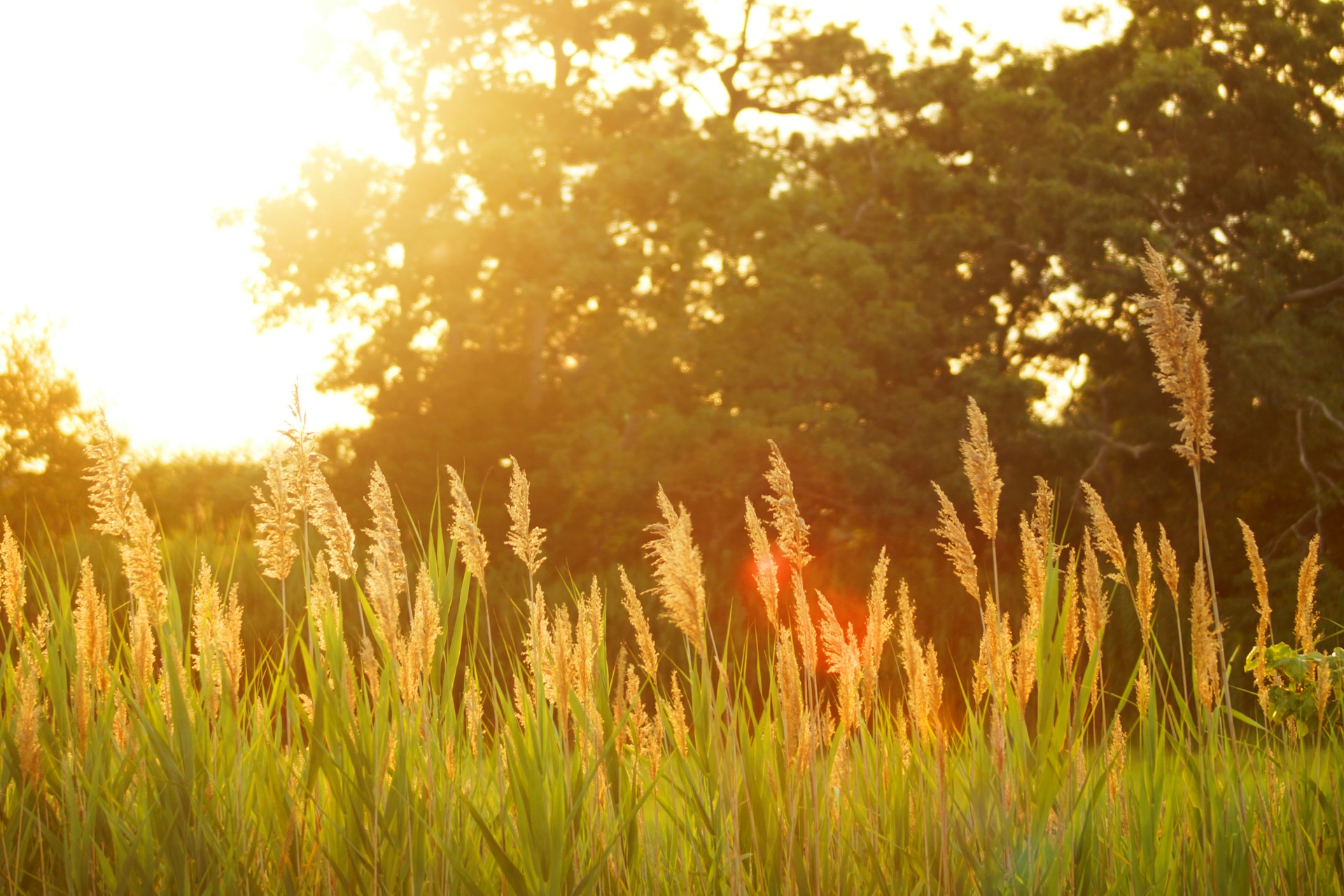
Heat changes everything:
Early mornings and late evenings are the best times to explore.

A few simple habits help you make the most of any conditions:
Weather becomes a guide rather than a barrier. For help noticing more during your outdoor trips, our How to Notice More Wildlife on Your Daily Walk guide shares simple techniques for staying observant.
You don’t need specialist equipment to observe how weather shapes wildlife, but a few simple items can make your time outdoors more comfortable and rewarding:

After your walk, note:
“How did the weather shape what I noticed today?”
This small reflection helps you build awareness over time.
If you’d like to start a simple nature journal, our beginner’s guide walks you through how to begin: How to Start a Wildlife Journal.
Weather is one of the most powerful forces shaping wildlife behaviour. By learning how animals respond to sun, wind, rain, and temperature, you begin to understand the natural world in a deeper, more intuitive way. Every condition even the ones that seem uninviting reveal something new.