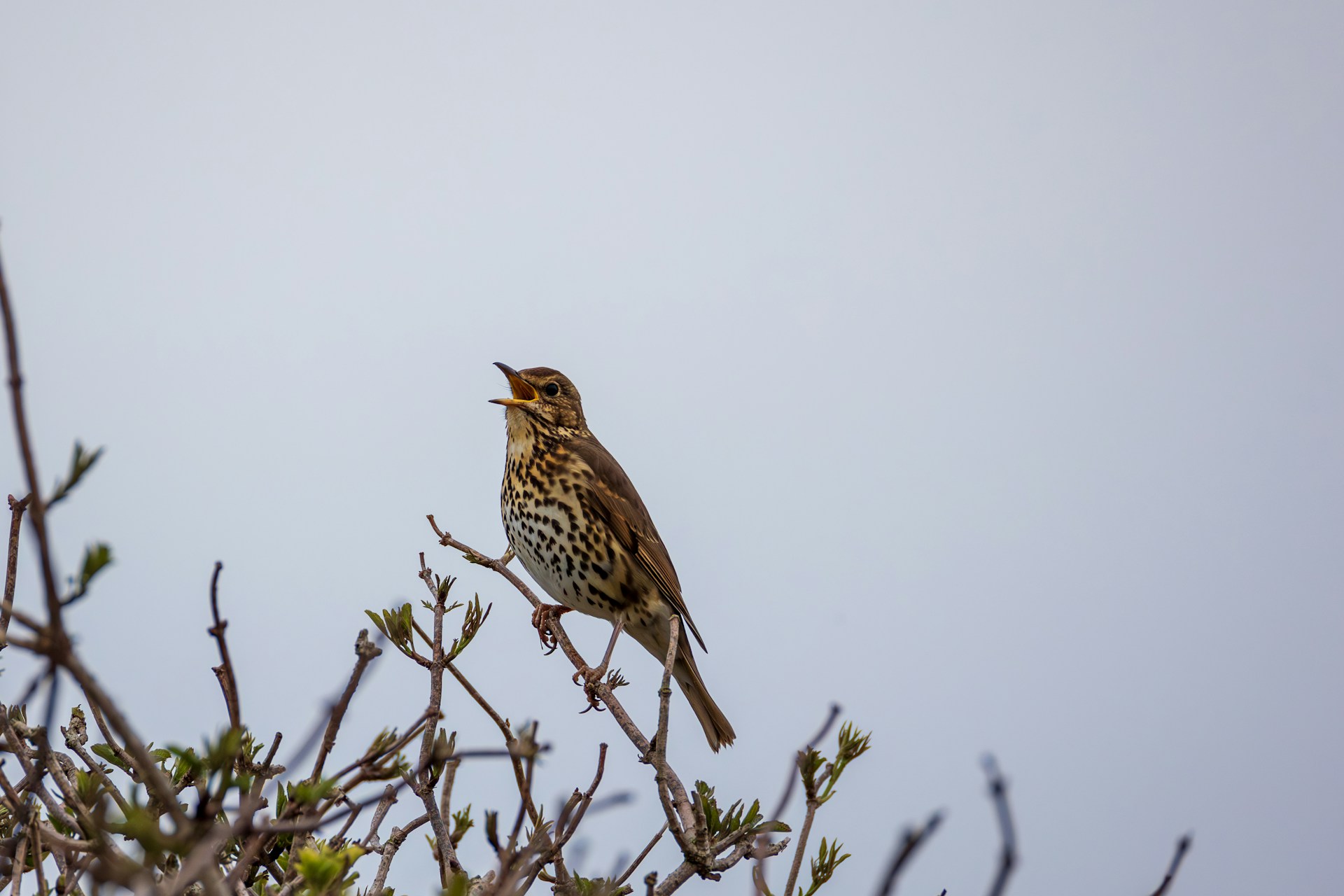
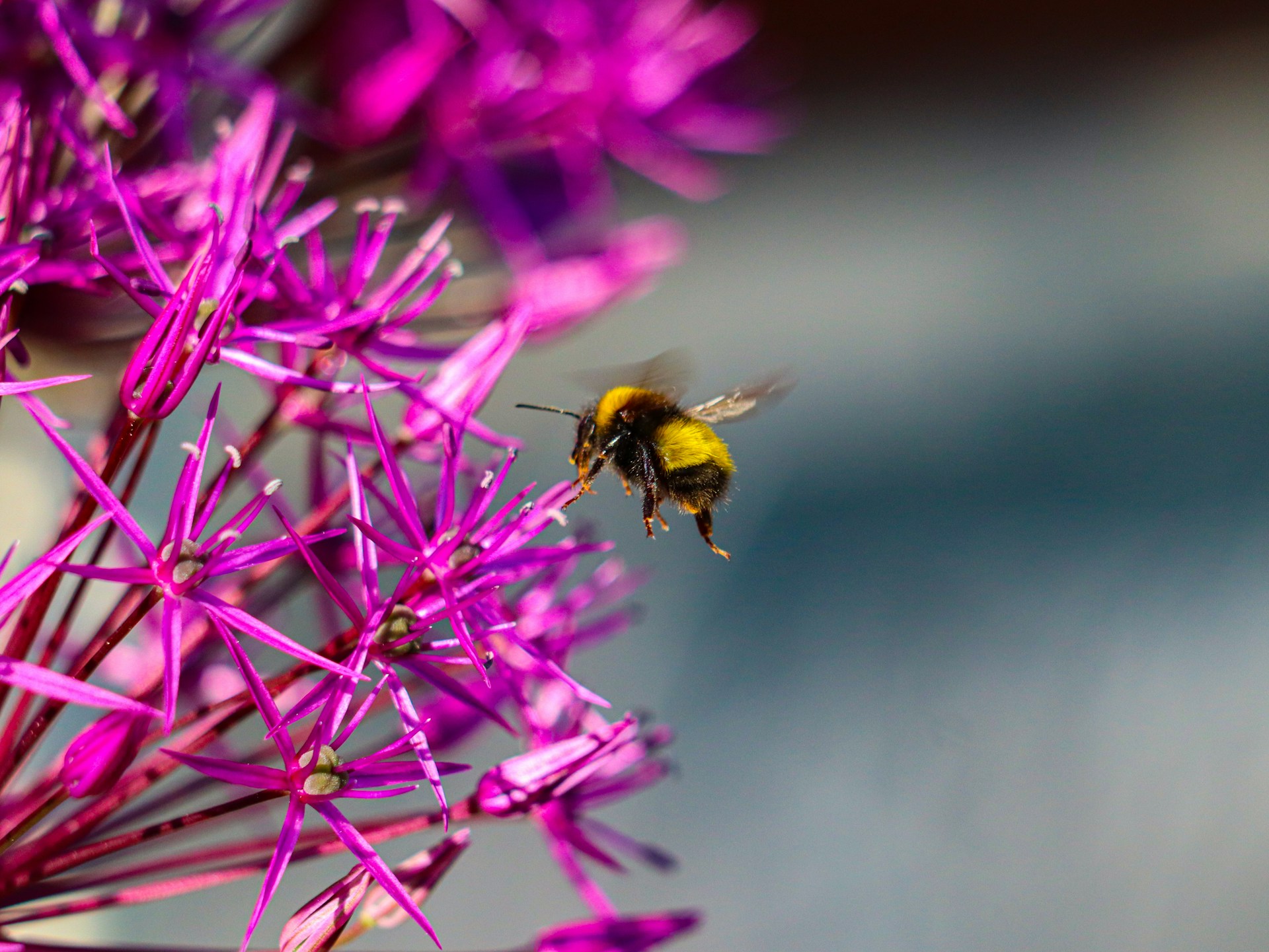
When most people think of wildlife sounds, they think of birdsong but the natural world is full of quieter, subtler noises that reveal far more than you might expect. From the rustle of mammals in long grass to the soft croak of frogs, the wingbeats of insects, and even the creaking of trees, sound is one of the easiest ways to notice wildlife you might never see.
You don’t need specialist equipment or expert knowledge to start listening. With a little patience and a slower pace, the outdoors becomes a layered soundscape full of clues, rhythms, and hidden activity.
This guide walks you through how animals use sound, what to listen for, and how to tune into the quieter side of nature. If you enjoy listening for wildlife, our How to Identify Bird Songs for Beginners guide introduces the calls of common species you’re likely to hear.
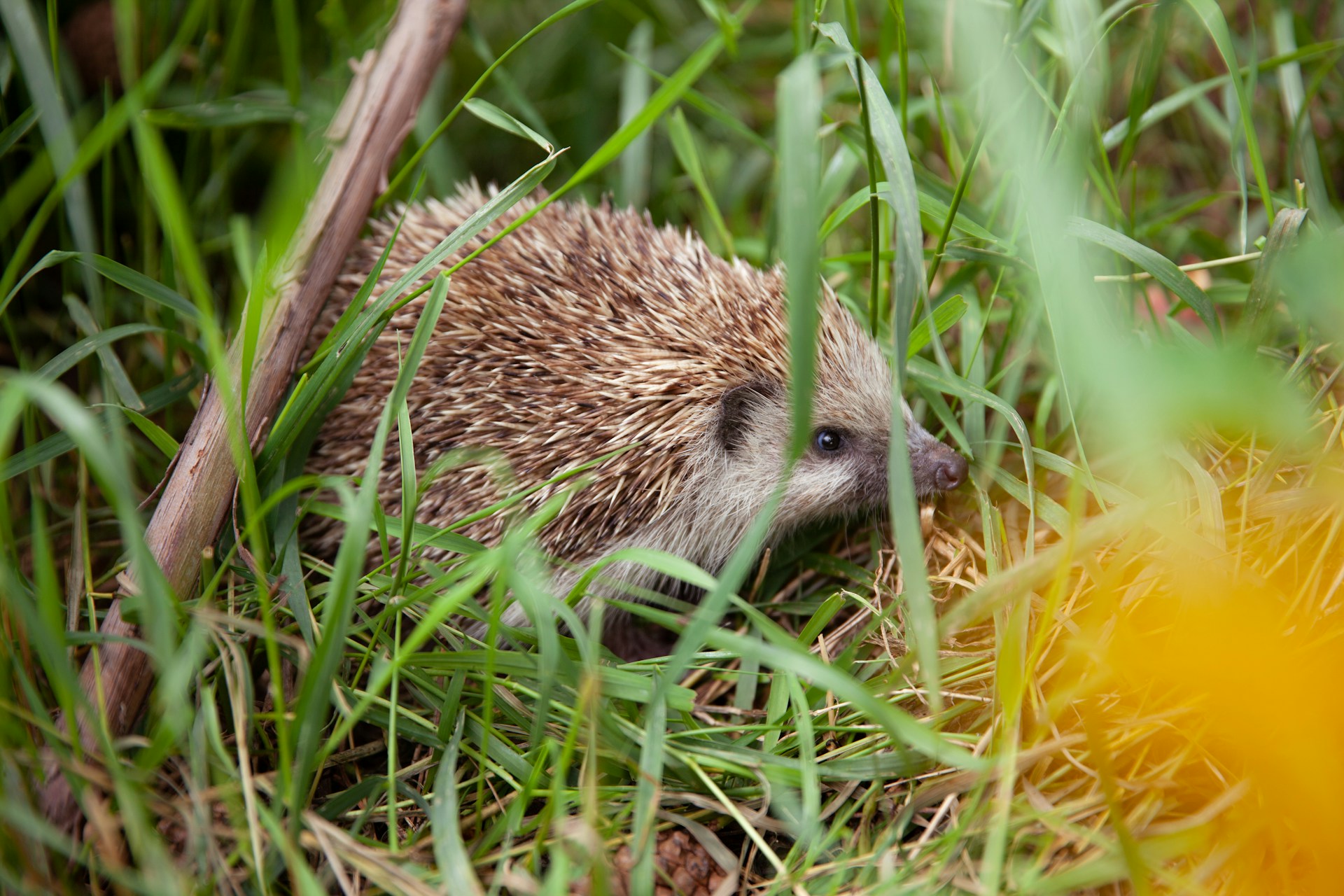
For many species, sound is essential for survival. It helps animals communicate, defend territory, find mates, warn others of danger, and navigate their environment often without ever being seen.
Sound offers:
Once you start listening, you’ll notice far more than you ever expected.

You can listen for wildlife almost anywhere, but some places make it easier to hear subtle sounds.
Look for:
Avoid:
Even a small local park can be full of sound if you pause long enough. For help spotting animals that are active in low light, our How to Spot Wildlife at Dawn and Dusk guide offers practical tips for early‑morning and evening walks.
1. Stop moving
Most wildlife sounds are quiet. Standing still for 30–60 seconds lets the soundscape settle.
2. Close your eyes
Removing visual distractions helps your ears tune in.
3. Listen in layers
Start with loud sounds (birds), then medium (rustles), then very quiet (insects, water movement).
4. Turn your head slowly
Your ears pick up direction better when you move gently.
5. Let silence do the work
Animals often reveal themselves when the environment goes quiet — or suddenly becomes active.

These sounds shape the atmosphere and help you understand the habitat.
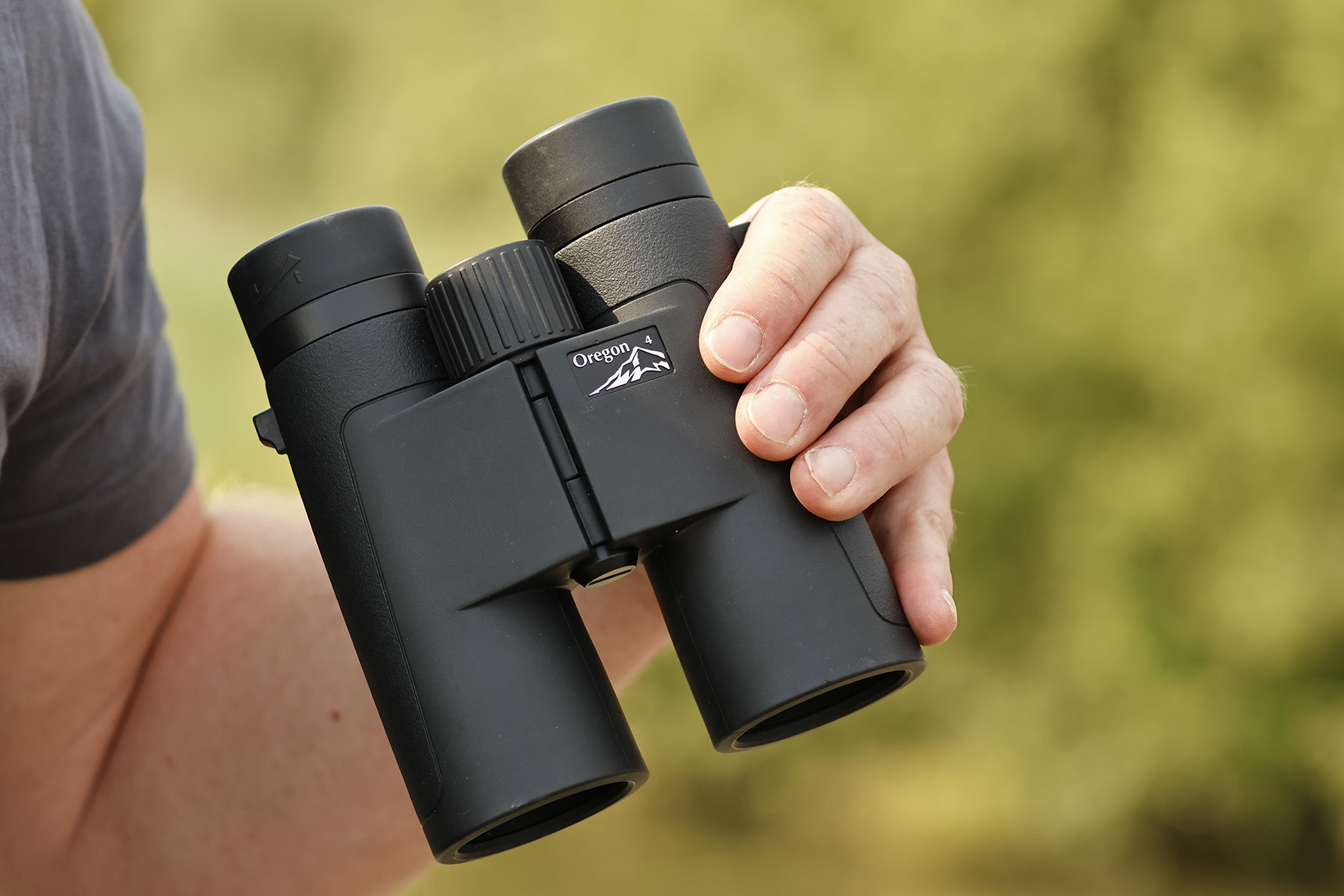
See our Beginner Binoculars Guide for simple advice on choosing your first pair, including what magnification means, how much to spend, and which models are genuinely beginner‑friendly.
See our Field Guides Gear Guide for simple advice on choosing beginner friendly wildlife books, including general wildlife guides, bird guides and pocket guides.
These items can also be really helpful for beginners:

Find a quiet spot, pause for a moment, and note:
“What is the quietest sound I can hear in this place?”
It might be an insect’s wingbeat, a distant rustle, or the soft movement of water. These subtle sounds help you tune into the hidden life around you.
If you’d like to start a simple nature journal, our beginner’s guide walks you through how to begin: How to Start a Wildlife Journal.

Listening is one of the least intrusive ways to enjoy wildlife, but a few simple principles help keep animals safe:
This gentle, hands off approach is at the heart of NatureGuide.
The outdoors is full of sound, much of it subtle, easily missed, and deeply rewarding once you start paying attention. From the rustle of a small mammal to the hum of insects or the soft splash of amphibians, listening opens a new way of experiencing nature. By slowing down and tuning in, you’re stepping into a quieter, more attentive relationship with the wild world.