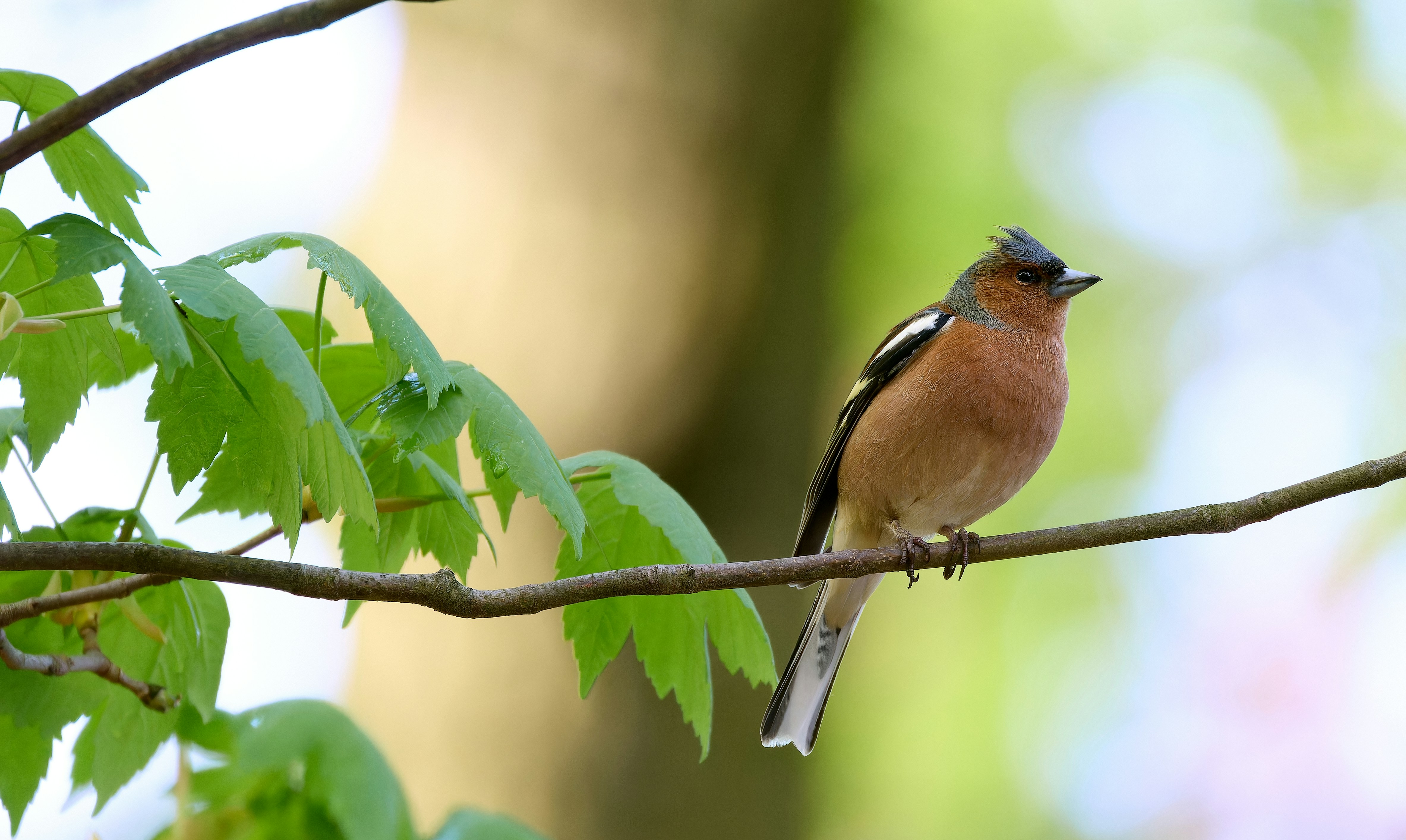
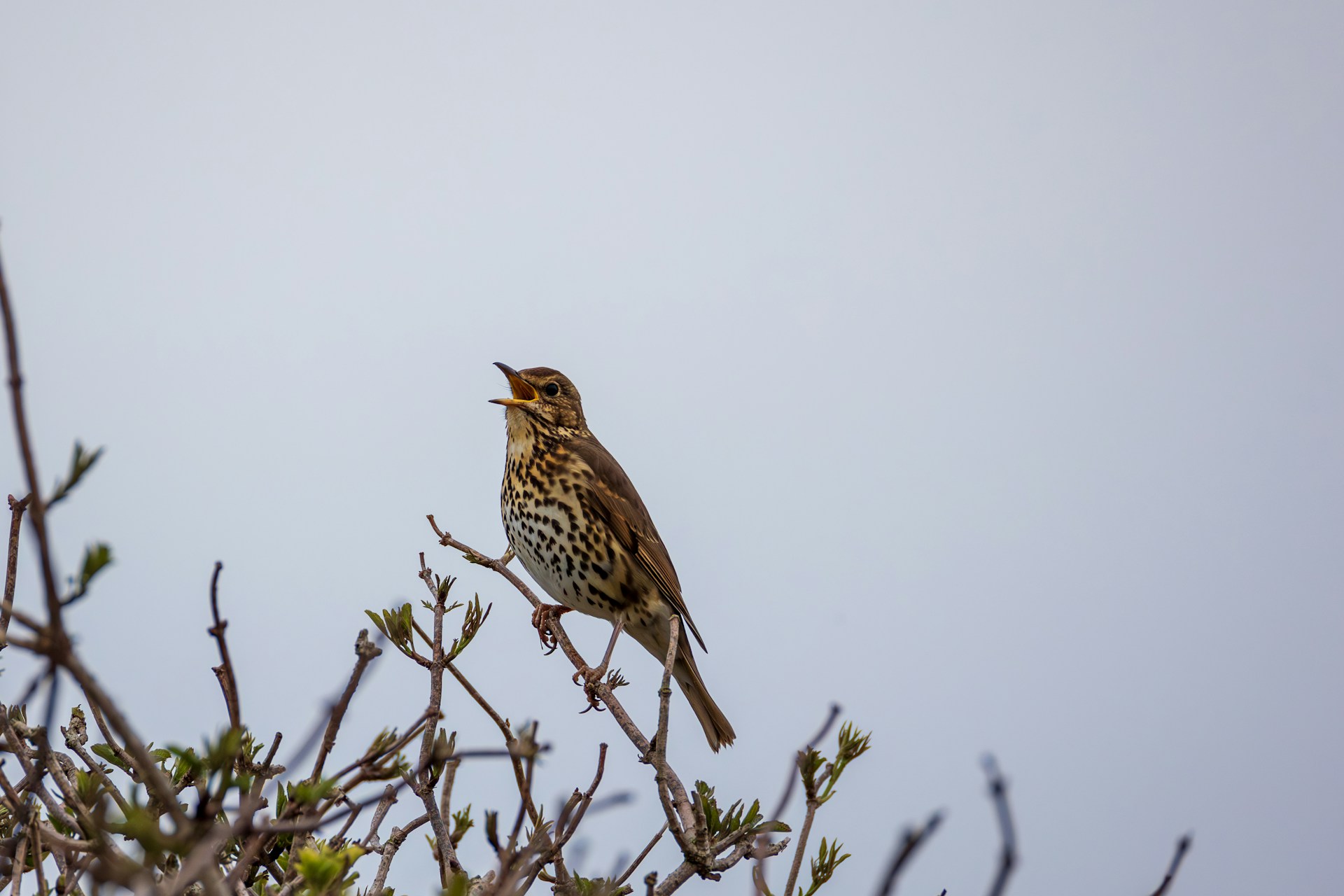
Birdsong is one of the most uplifting signs of spring. Even before leaves appear on the trees, birds begin to fill the mornings with sound; long before you’re likely to see them. For beginners, learning to identify birds by ear can feel daunting, but it’s much simpler than it seems. You don’t need perfect pitch or musical knowledge. You just need curiosity and a little practice.
This guide offers a gentle introduction to recognising birdsong in your local area. If you’re learning to recognise birds by sound, our How Animals Use Sound guide explores how different species communicate beyond their songs.
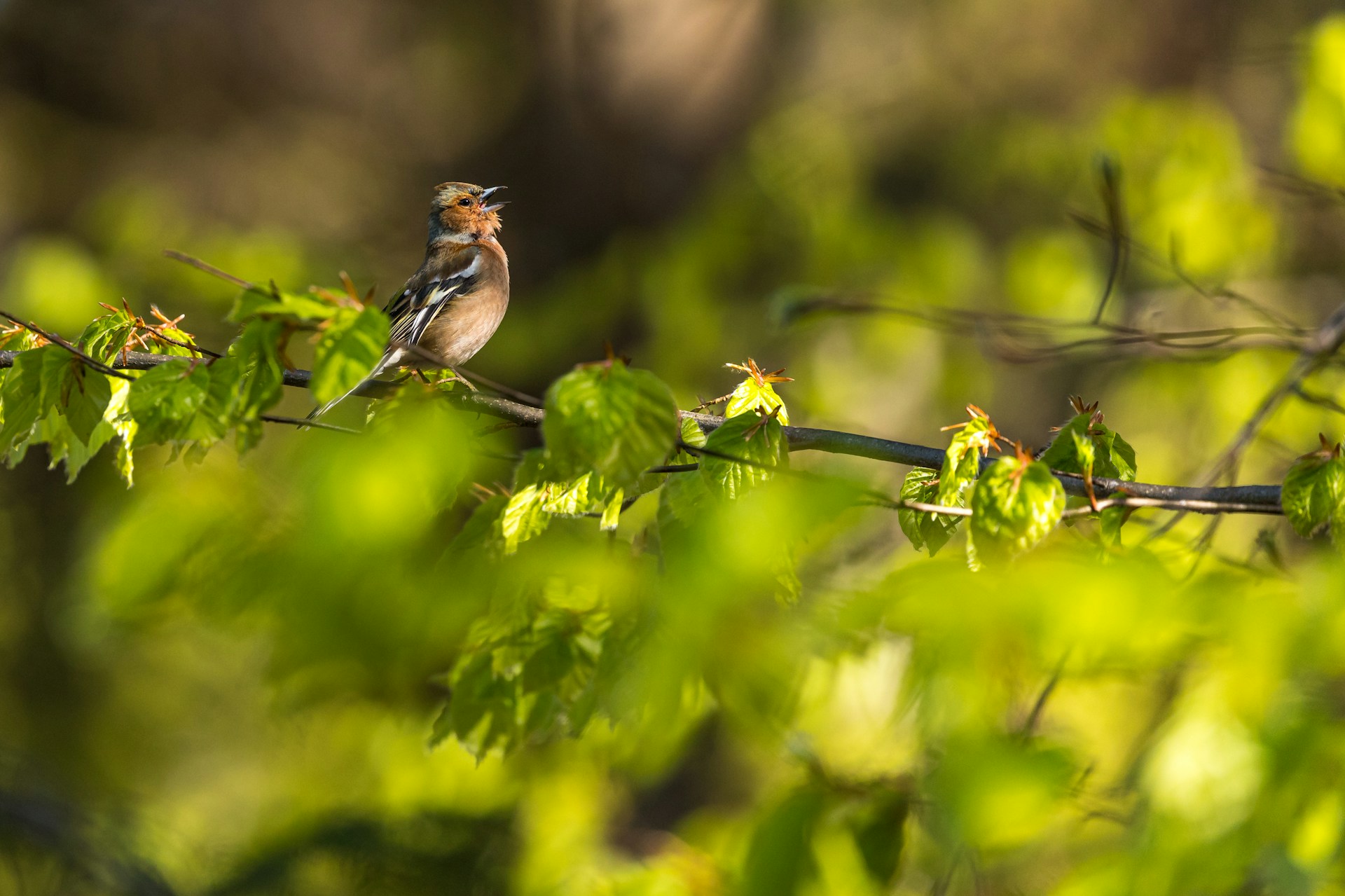
Most birds have distinctive patterns, rhythms, or tones. Once you start listening for these shapes rather than trying to memorise exact notes, everything becomes clearer.
Birdsong helps you:
It’s a skill that grows naturally with time.

Instead of trying to learn every birdsong at once, begin with the species that are common in gardens, parks, and woodland edges. These birds sing frequently and have distinctive, easy‑to‑recognise patterns:
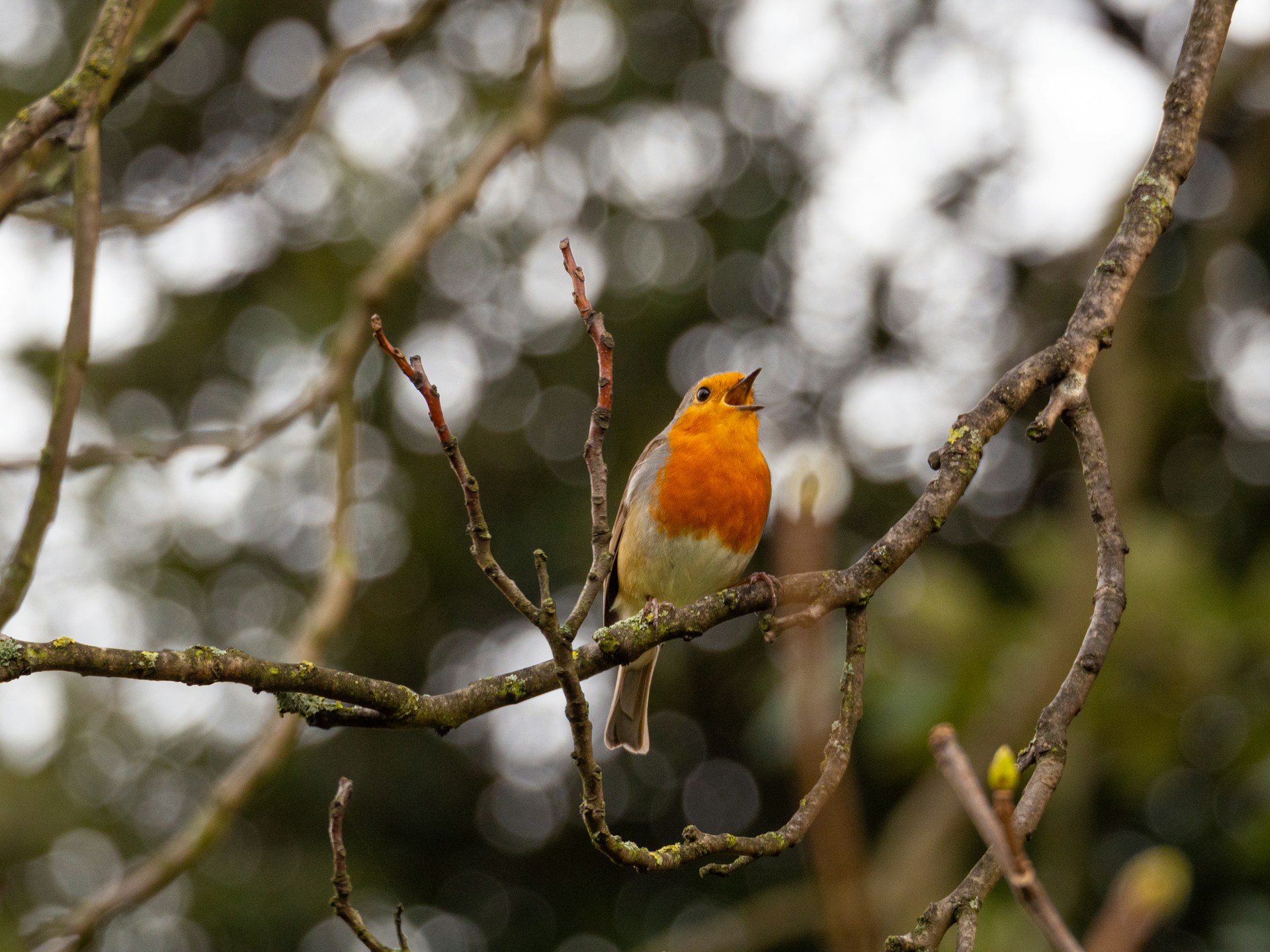
Robin
A soft, flowing song with a wistful, almost melancholic feel. Often heard at dawn, dusk, and even under street lights.
Blackbird
Rich, flute‑like notes with a relaxed, confident rhythm. Each phrase is slow and melodic.
Great tit
A clear, repetitive “teacher‑teacher” call.One of the easiest songs to recognise.
Wren
A tiny bird with a surprisingly loud, rapidburst of trills and whistles.
Wood pigeon
A slow, rhythmic “coo‑coo, coo‑coo‑coo,” often repeated several times.
These familiar voices form the soundtrack of early spring.
1. Rhythm
Is it slow and relaxed? Fast and energetic? Repetitive?
2. Tone
Flute‑like, scratchy, metallic, soft, or bright?
3. Repetition
Does the bird repeat the same phrase? Or does it vary each time?
4. Length
Short bursts? Long flowing phrases? Sudden trills?
5. Mood
Birdsong often has a “feel” — cheerful, urgent, calm, or bold.
These cues are far more helpful than trying to match exact notes.
Birdsong changes throughout the day and across the seasons. You’ll hear the clearest patterns:
Even a short walk at these times can reveal a surprising variety of voices.
You don’t need apps or recordings to begin (though they can help later). Start with simple habits:
Revisit the same place regularly to hear patterns repeat. Birdsong becomes familiar surprisingly quickly.
It’s completely normal to:
These are all part of the learning process. Over time, your ear naturally sharpens.
For help spotting the birds you hear, our Garden Birds for Beginners guide introduces the species most commonly seen in UK gardens and parks.
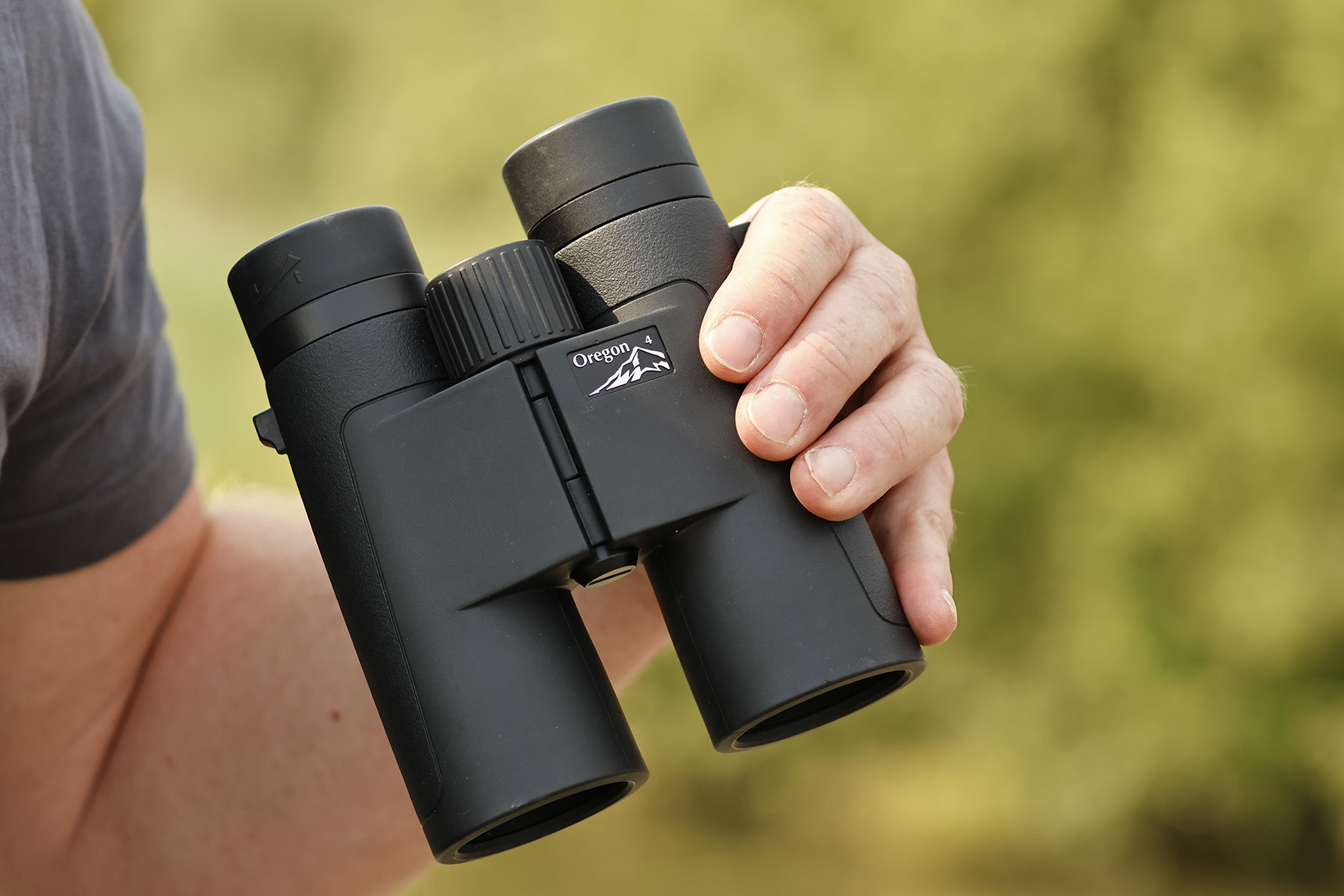
See our Beginner Binoculars Guide for simple advice on choosing your first pair, including what magnification means, how much to spend, and which models are genuinely beginner‑friendly.
See our Field Guides Gear Guide for simple advice on choosing beginner friendly wildlife books, including general wildlife guides, bird guides and pocket guides.
These items can also be really helpful for beginners:

Find a quiet spot outdoors; a garden, park, woodland edge, or even an open window and pause for a minute before you start identifying anything.
Write down:
The first sound you notice, even if it isn’t a bird
One bird call or song that stands out
A description of how that sound makes you feel (bright, calm, curious, energetic)
You don't need to name the species yet. Simply noticing patterns, rhythms, and tones helps you build a deeper connection with the birds around you.
If you'd like to start a simple nature journal, our beginner's guide walks you through how to begin: How to Start a Wildlife Journal.
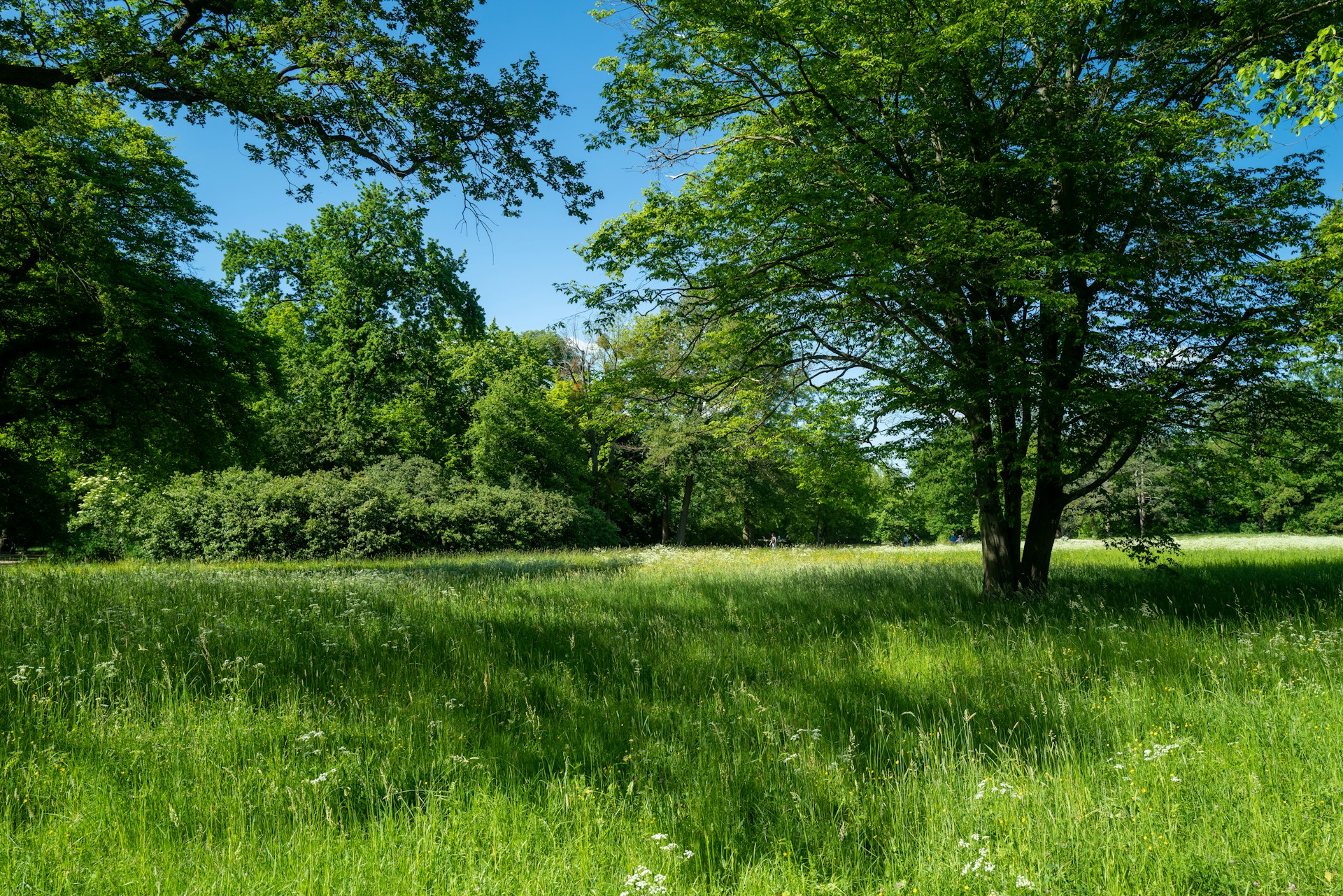
Listening for birdsong is a peaceful way to enjoy wildlife, but moving quietly and respectfully helps birds feel safe enough to sing, feed, and interact naturally. Even small disturbances can interrupt their morning routines.
To protect wildlife and enjoy natural behaviour, we follow a simple approach:
This calm, ethical approach is at the heart of NatureGuide.
Birdsong turns every walk into a treasure hunt. Start with a few familiar voices, and soon you’ll recognise the soundtrack of your local wildlife.