Garden birds are some of the easiest UK species for beginners to recognise, and learning their key features helps you feel more confident outdoors. This guide introduces 15 of the most common birds you’re likely to see in British gardens, with simple identification tips, behaviours to look for, and the features that matter most. If you want to attract more birds to your outdoor space, you’ll also find beginner‑friendly tips and gear recommendations to help you get started.
If you’re learning to recognise birds by sound as well as sight, our How to Identify Bird Songs for Beginners guide introduces the calls of species commonly found in UK gardens.
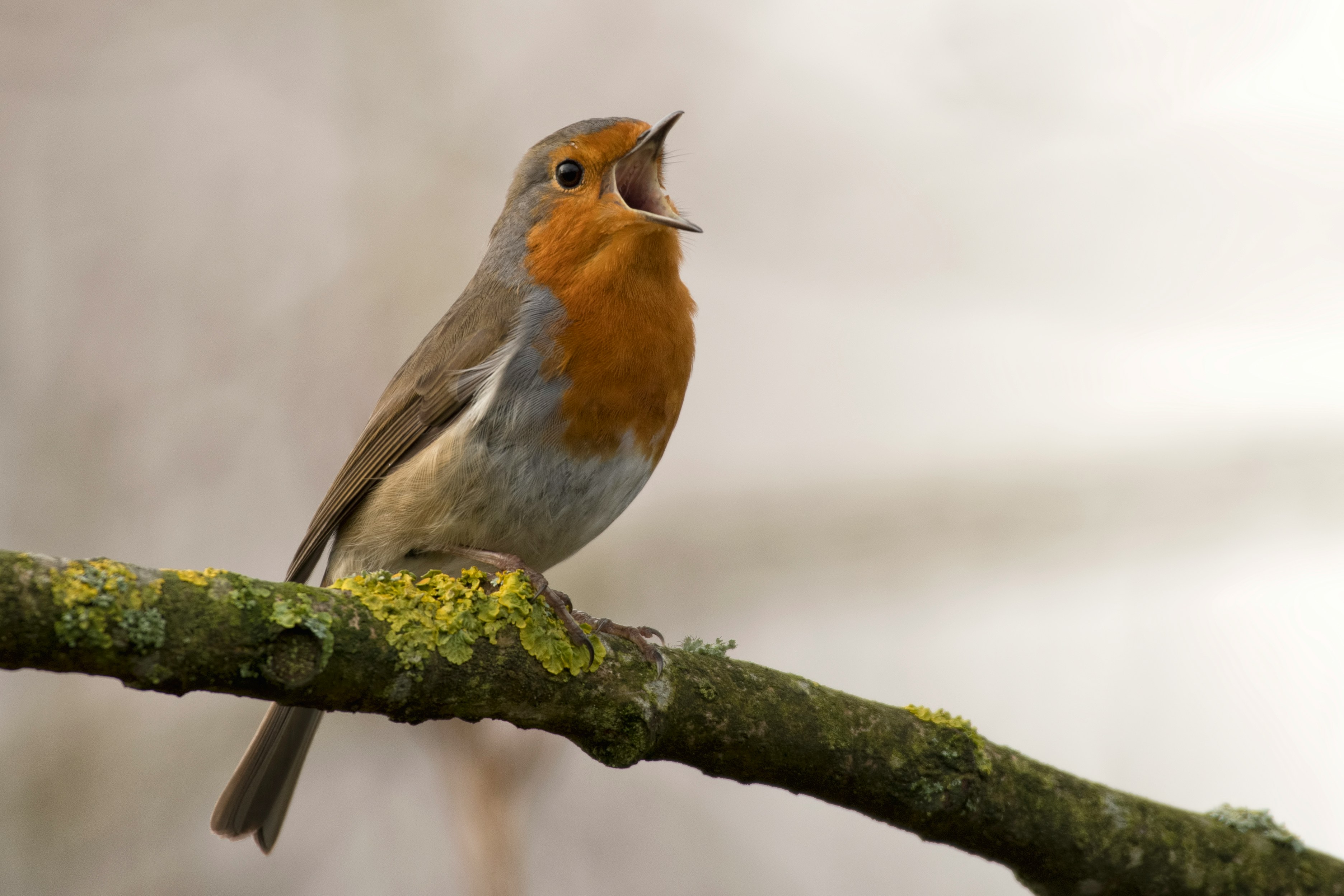
What to look for: A bold little bird with a bright red chest and a curious nature.
Where you’ll see it: Gardens, parks, woodland edges.
Behaviour tip: Robins often hop close when you’re gardening, waiting for insects to appear.
Micro insight: They follow gardeners because digging exposes insects.
Action: Scatter a few mealworms on the ground — robins prefer feeding at ground level rather than from hanging feeders.
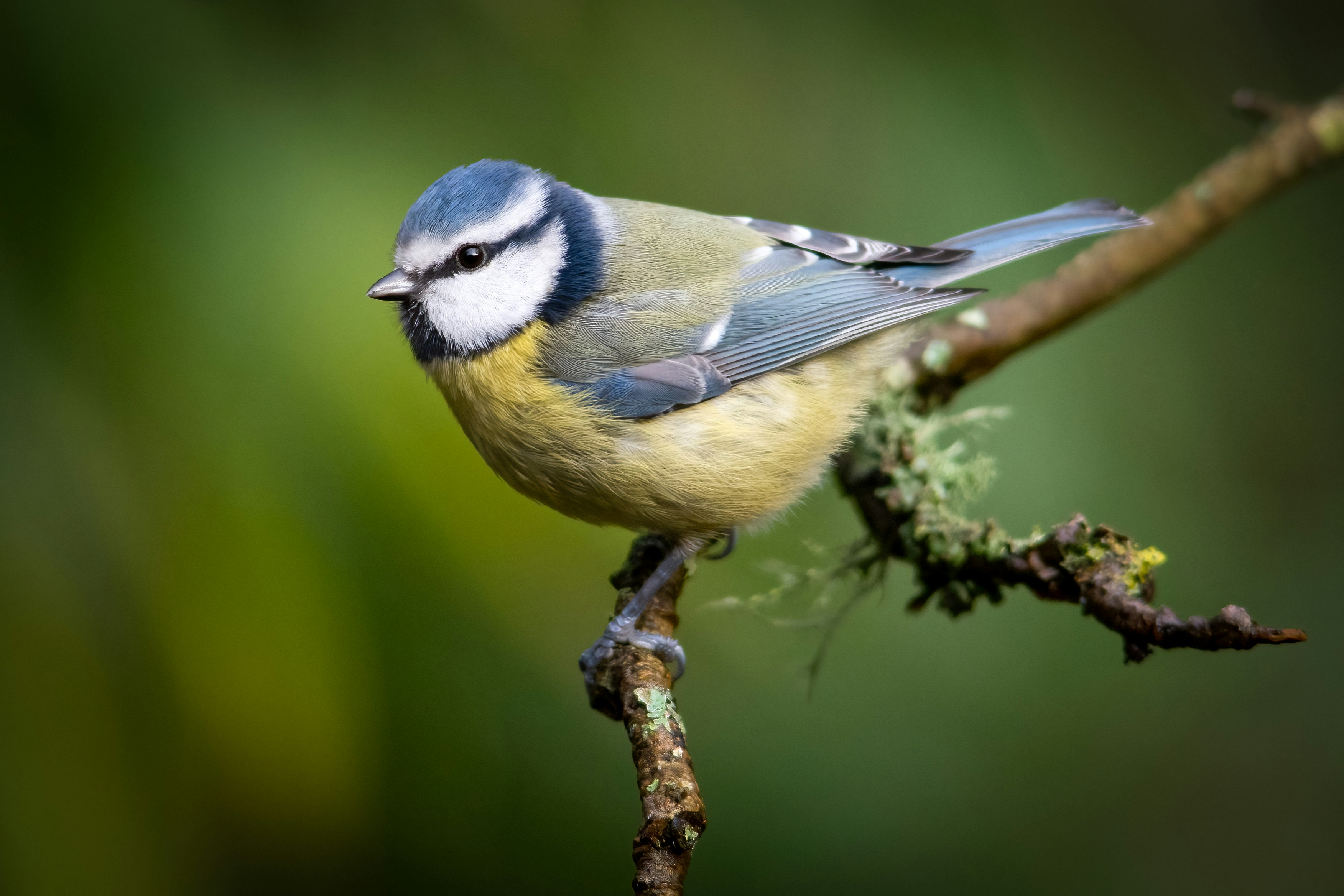
What to look for: Bright blue and yellow feathers; quick, acrobatic movements.
Where you’ll see it: Feeders, shrubs, small trees.
Behaviour tip: They often hang upside down while feeding.
Micro insight: Blue tits “cover hop” — moving quickly between shrubs for safety.
Action: Place a small seed feeder near a shrub or hedge to make them feel secure enough to feed.
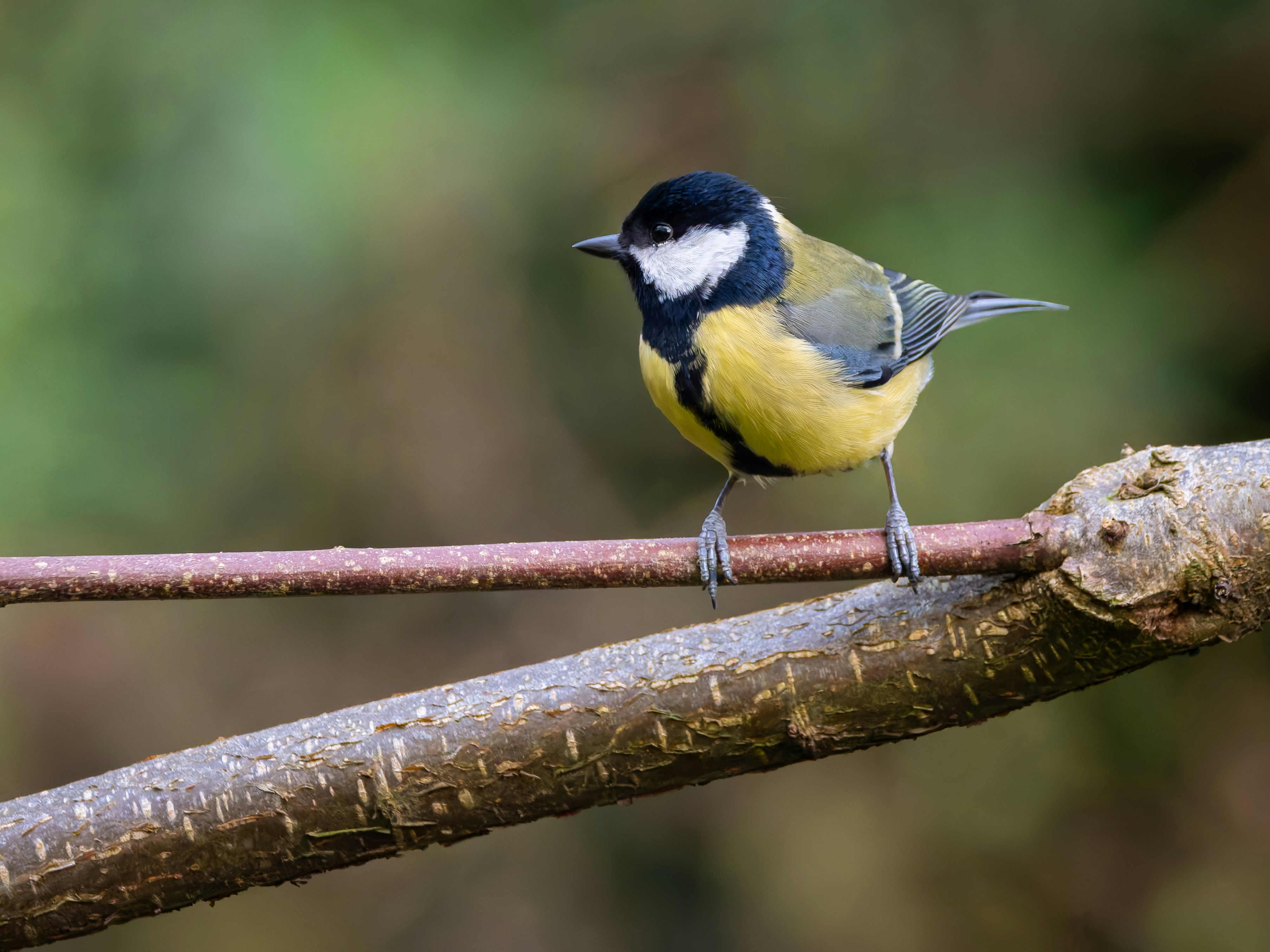
What to look for: Bold black head and bright yellow belly.
Where you’ll see it: Gardens, woodland edges.
Behaviour tip: Their loud two‑note call often reveals them before you see them.
Micro insight: Great tits are bold and curious — often the first to try a new feeder.
Action: Start with a simple seed feeder; great tits will “test” it and encourage other birds to follow.
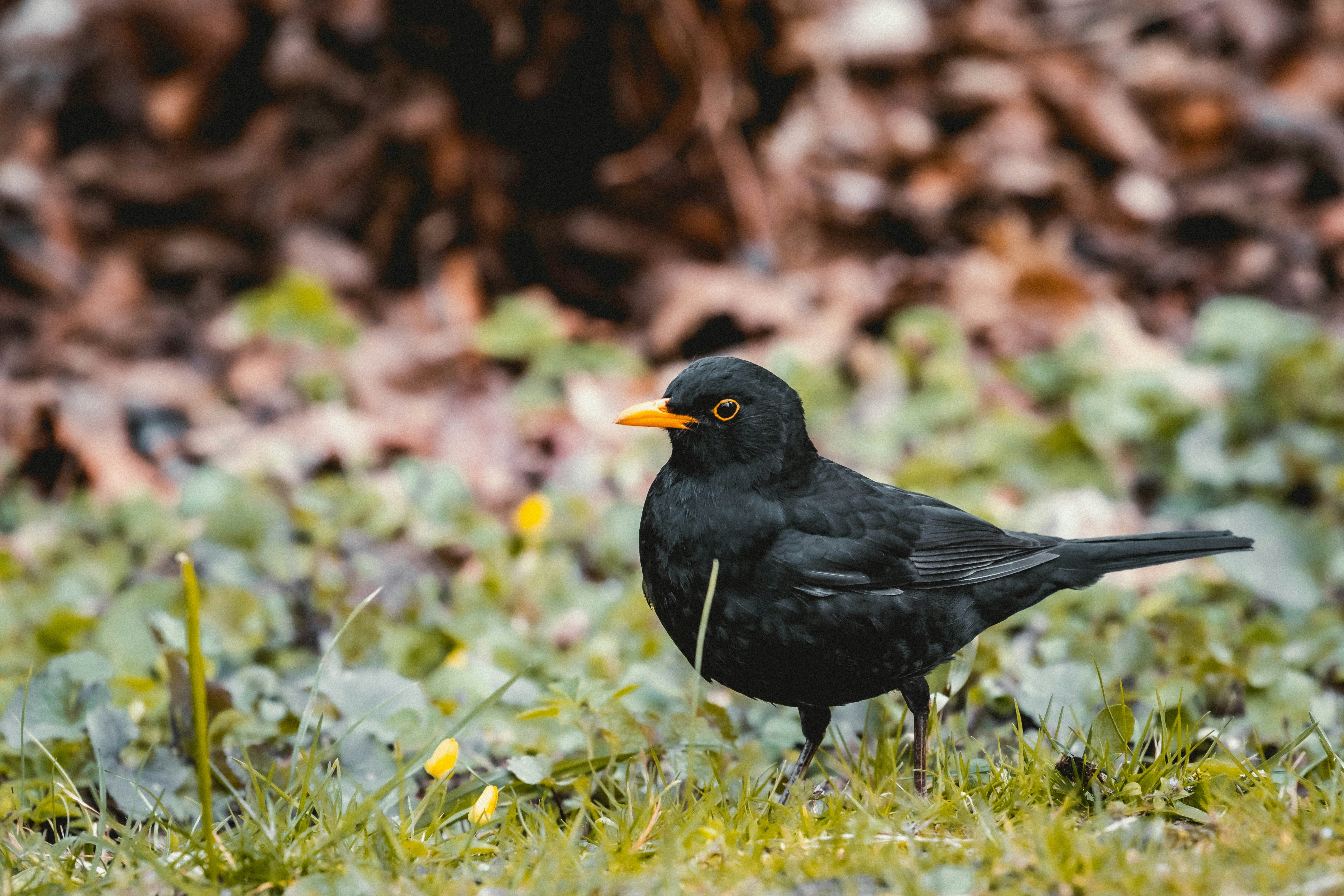
What to look for: Males are glossy black with orange beaks; females are warm brown.
Where you’ll see it: Lawns, borders, rooftops.
Behaviour tip: Watch for their “pause and listen” behaviour while hunting worms.
Micro insight: Blackbirds forage by listening for worms underground —they pause, tilt their head, then strike.
Action: Offer soft foods like raisins or mealworms on the ground; they rarely use hanging feeders.
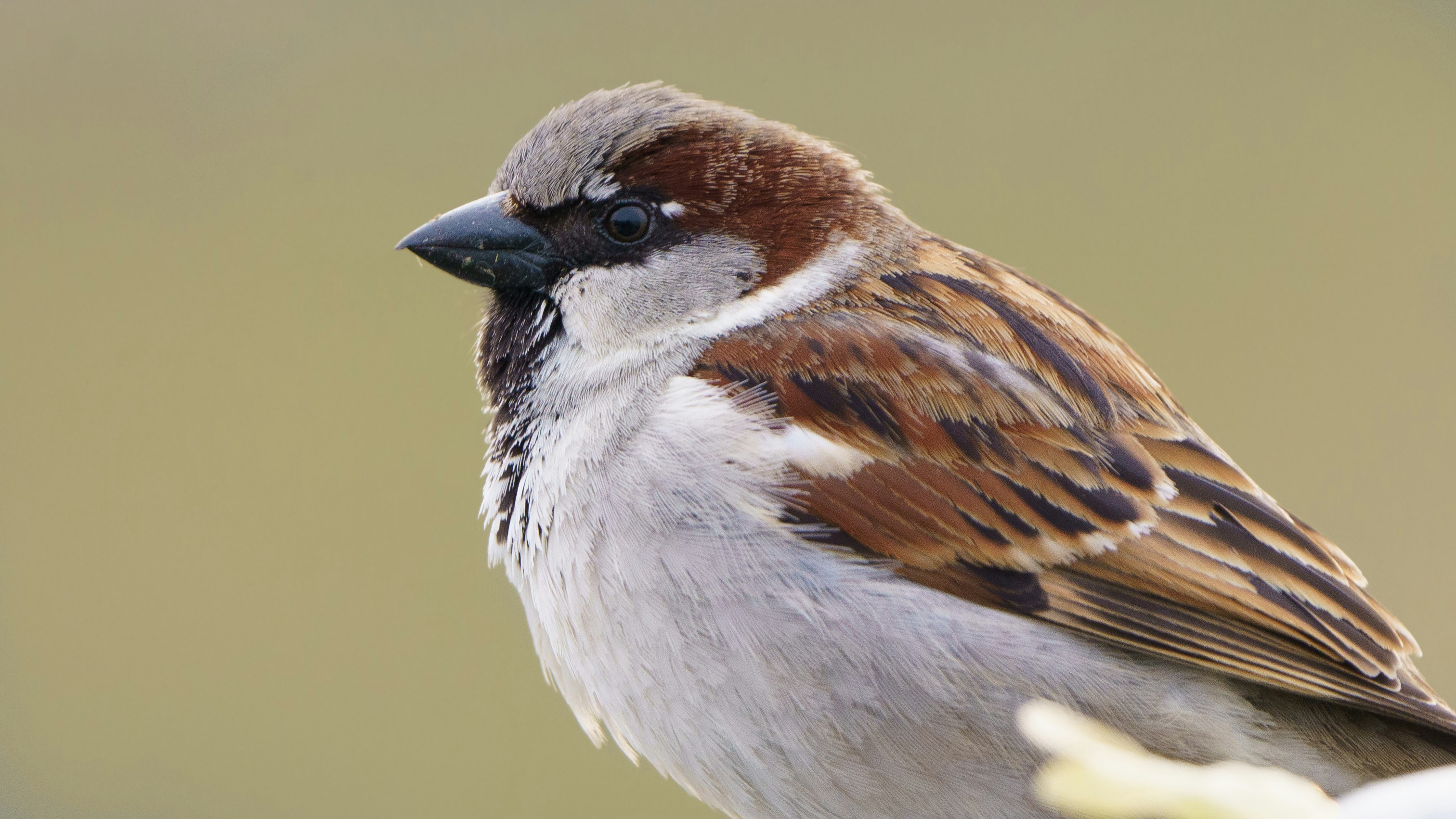
What to look for: Small, social birds often chattering in groups.
Where you’ll see it: Hedges, rooftops, feeders.
Behaviour tip: They move in short bursts of activity — great for photos.
Micro insight: Sparrows are highly social — they feed, bathe, and roost in groups.
Action: Use a multi‑port feeder; sparrows prefer feeding alongside others.
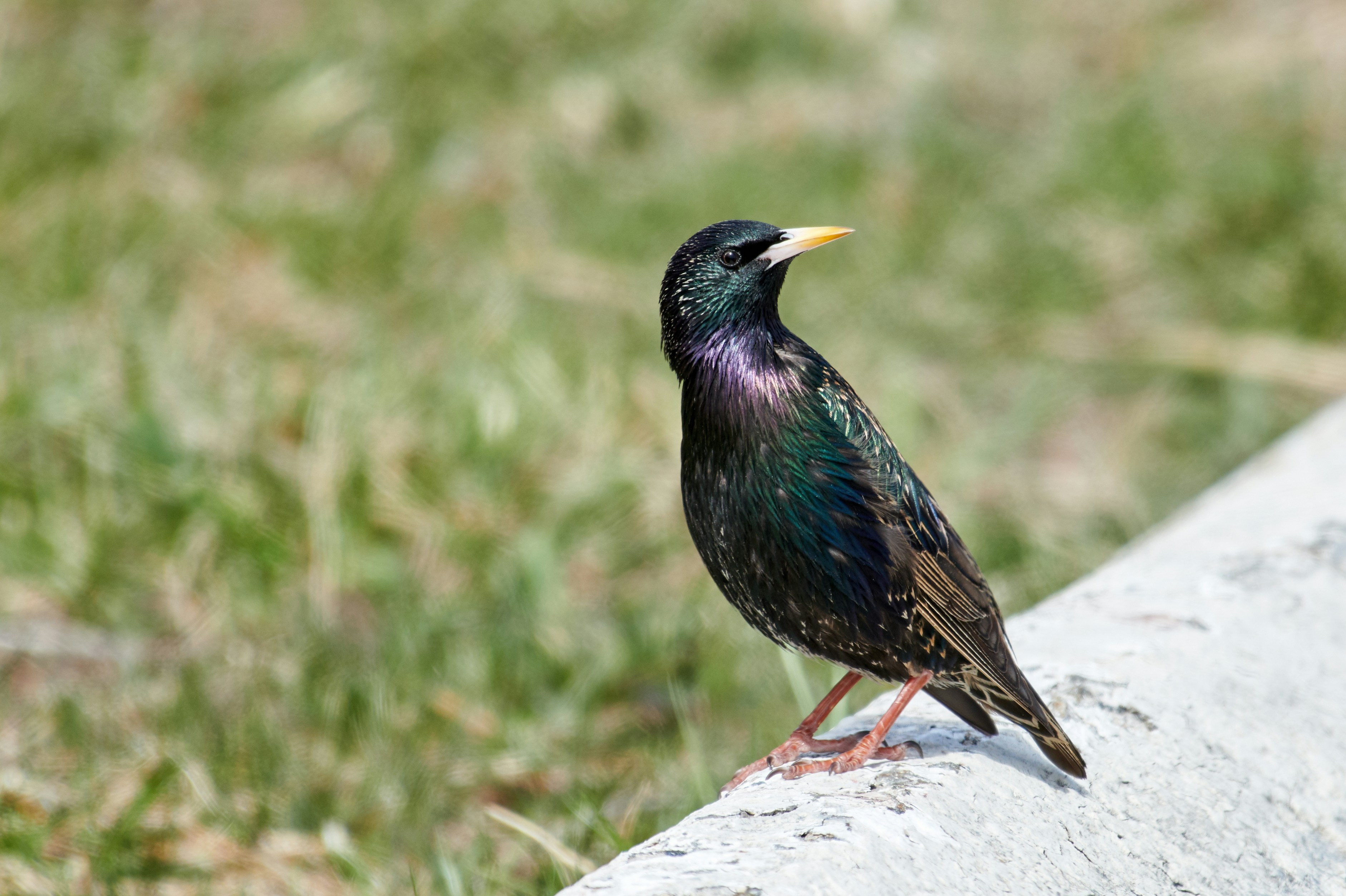
What to look for: Speckled plumage that shimmers in sunlight.
Where you’ll see it: Lawns, aerials, rooftops.
Behaviour tip: Look for noisy groups foraging together.
Micro insight: Starlings mimic sounds — sometimes copying other birds or even mechanical noises.
Action: Suet blocks or fat balls are starling favourites and often bring in whole flocks.

What to look for: Large, gentle bird with soft grey feathers and white neck patches.
Where you’ll see it: Gardens, parks, rooftops.
Behaviour tip: Their slow, calm movements make them easy to photograph.
Micro insight: Woodpigeons are surprisingly cautious despite their size.
Action: Use a ground tray or sturdy platform feeder — they struggle with small hanging feeders.
Tip for beginners: A simple field guide or a pair of 8×42 binoculars makes spotting much easier. See our beginner gear guides.
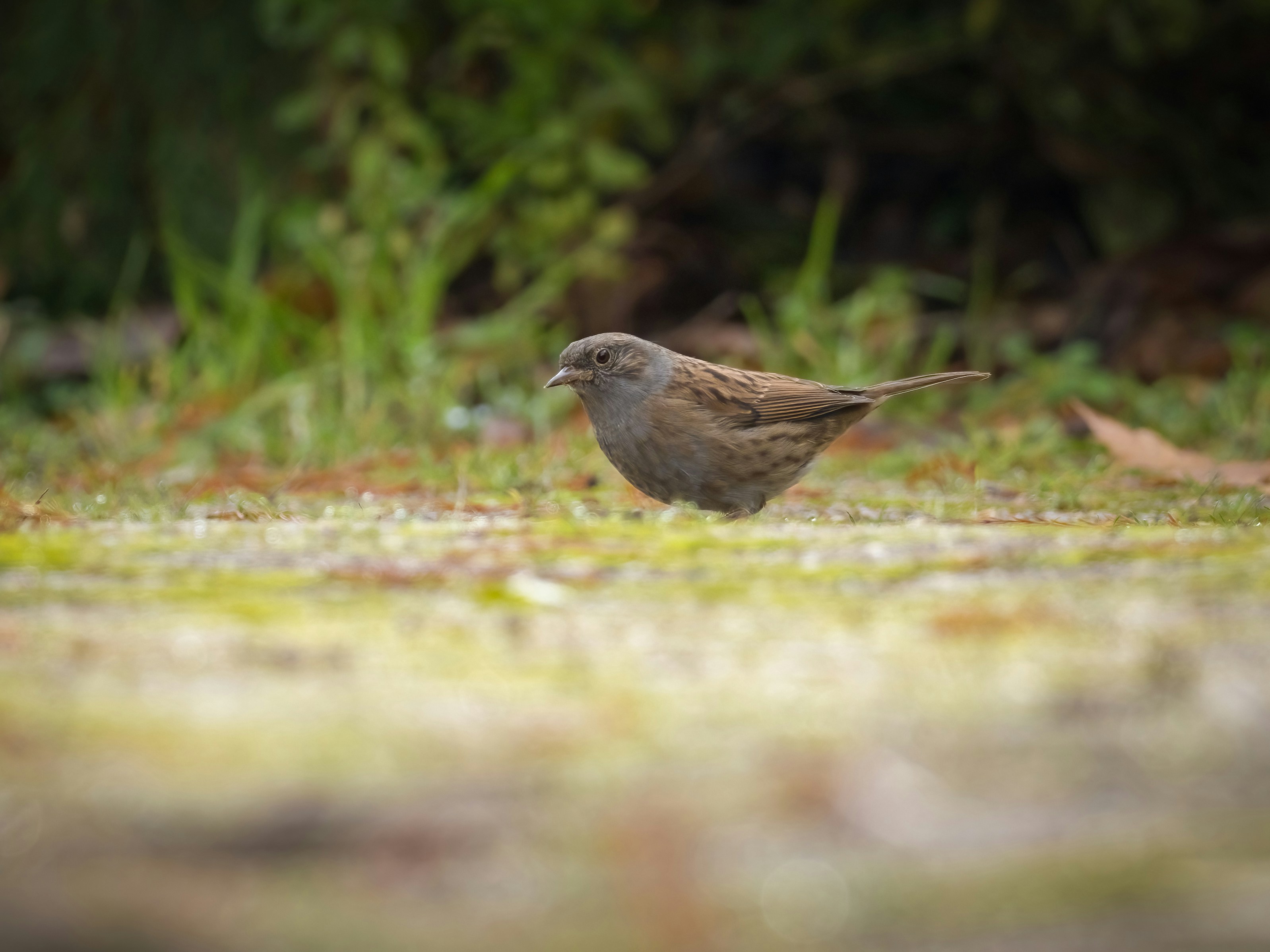
What to look for: A quiet, brown bird that stays low to the ground.
Where you’ll see it: Hedges, borders, shrubs.
Behaviour tip: Watch for shuffling movements at the base of hedges.
Micro insight: Dunnocks “skulk” — moving in quick shuffles under shrubs.
Action: Sprinkle seed under bushes or hedges; they rarely venture into open spaces.
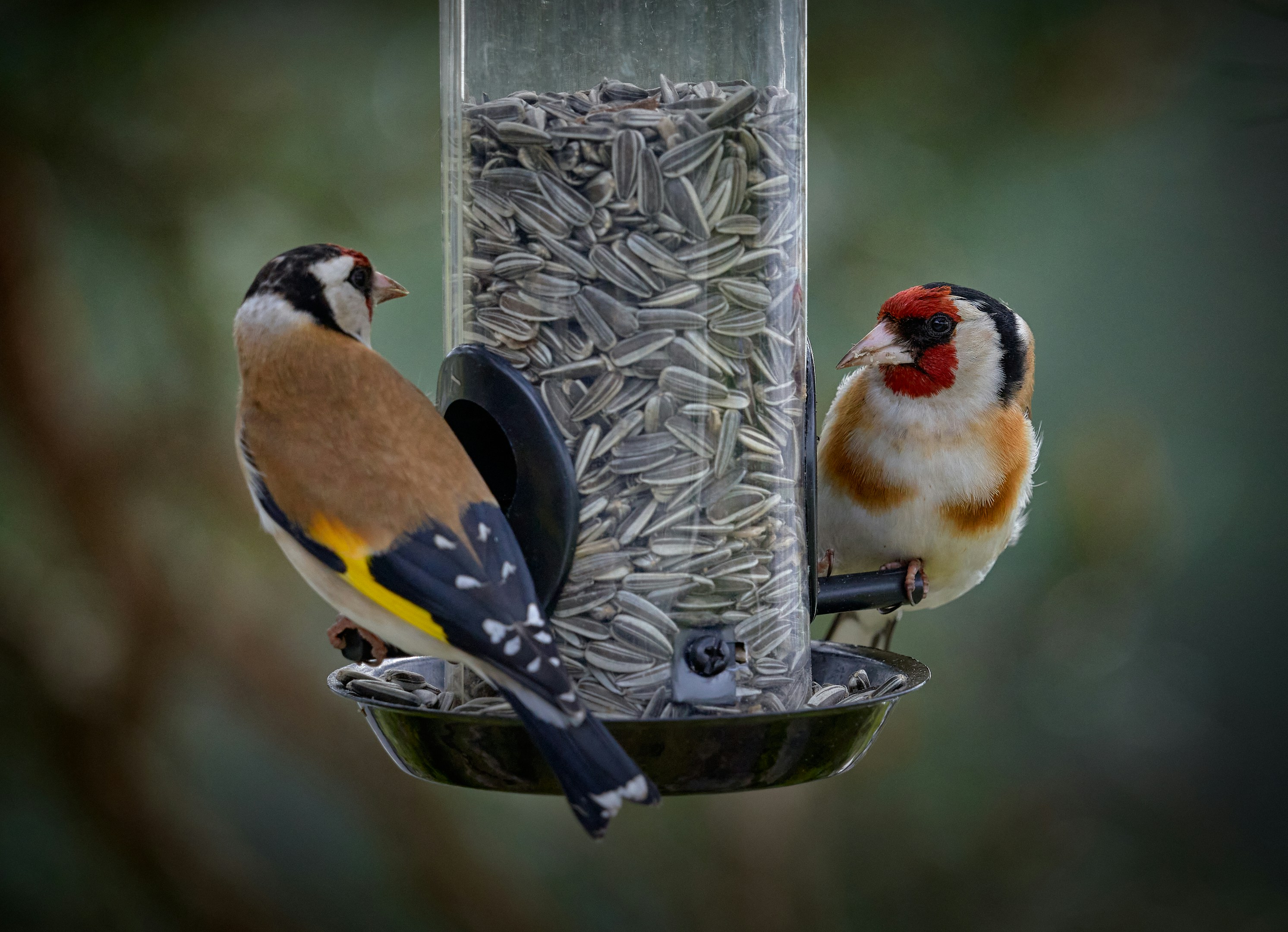
What to look for: Bright red face and yellow wing flashes.
Where you’ll see it: Seed feeders, thistles, teasels.
Behaviour tip: They often travel in small, twittering flocks.
Micro insight: Goldfinches naturally feed on thistles and teasels, which produce tiny Nyjer‑like seeds.
Action: Add Nyjer seed or use a dedicated Nyjer feeder to dramatically increase your chances of attracting them.
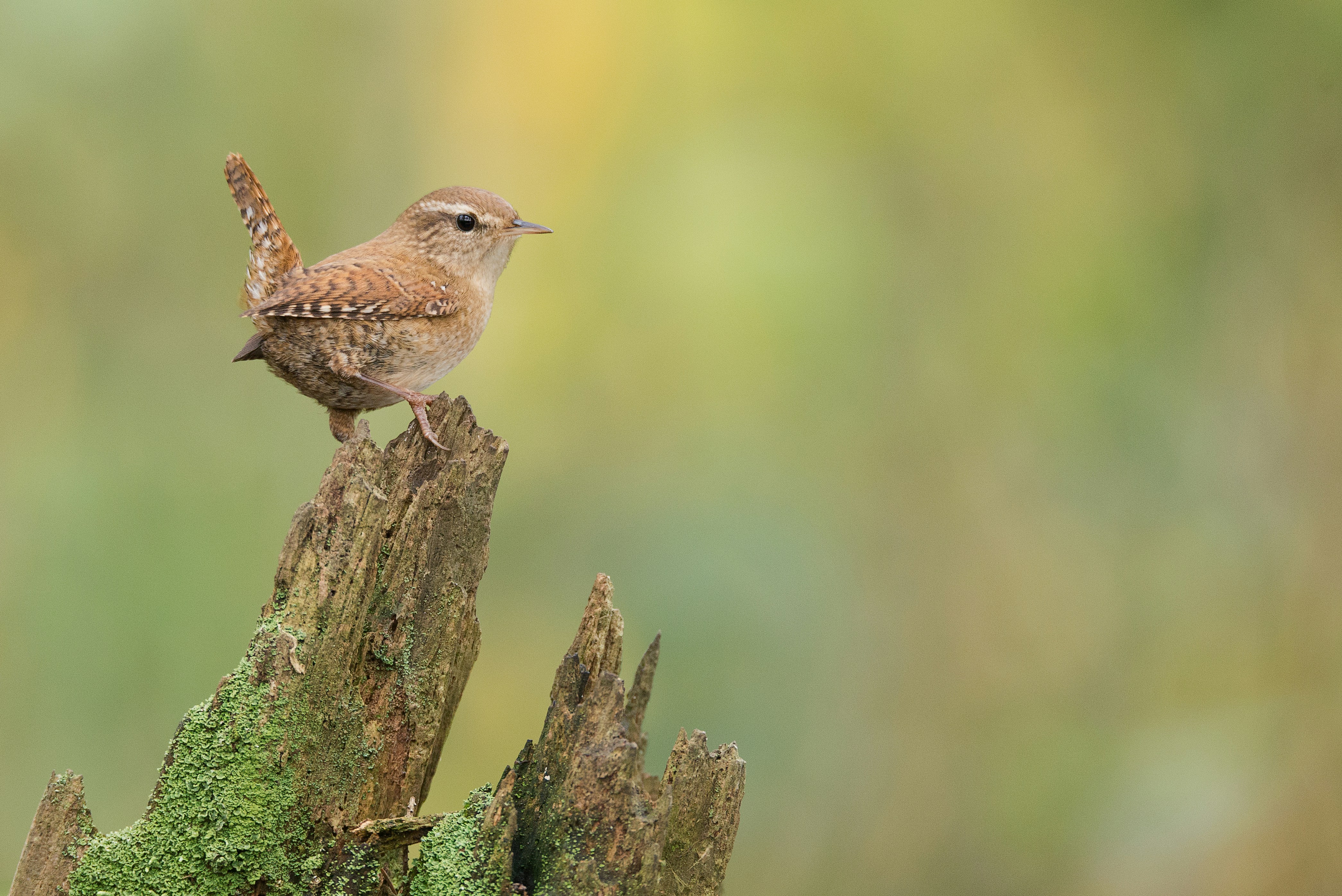
What to look for: Tiny, energetic bird with an upright tail.
Where you’ll see it: Garden corners, log piles, dense shrubs.
Behaviour tip: Listen for their surprisingly loud song.
Micro insight: Wrens are tiny but incredibly loud — their song can reach 90 decibels.
Action: Create small “wild corners” with logs or dense shrubs; wrens love hunting insects in tangled spaces.
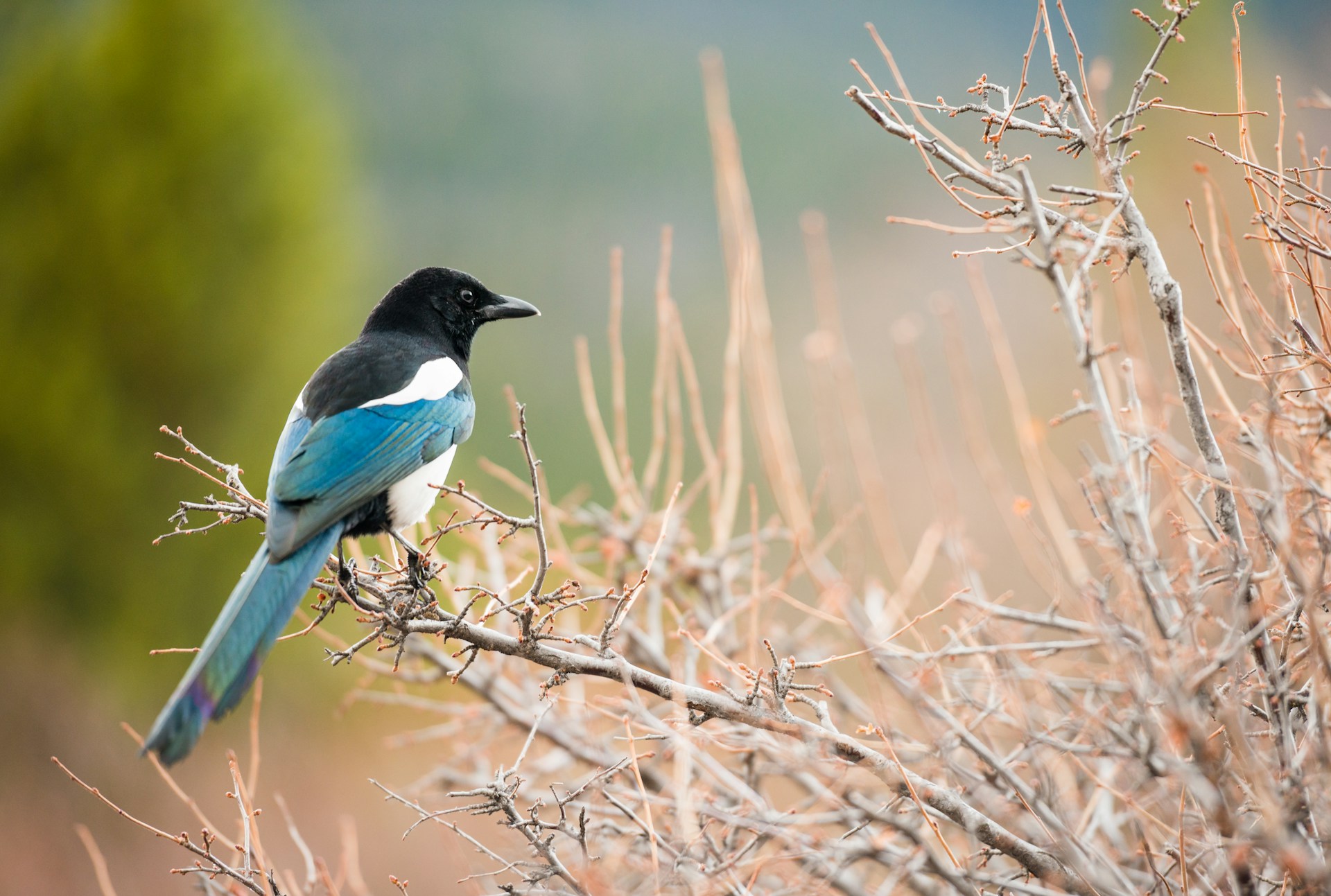
What to look for: Black and white plumage with iridescent blue‑green wings.
Where you’ll see it: Gardens, parks, rooftops.
Behaviour tip: Often seen in pairs or small groups.
Micro insight: Magpies are highly intelligent and recognise patterns —they quickly learn feeding routines.
Action: To prevent them dominating feeders, use feeders with smaller ports that favour tits and finches.
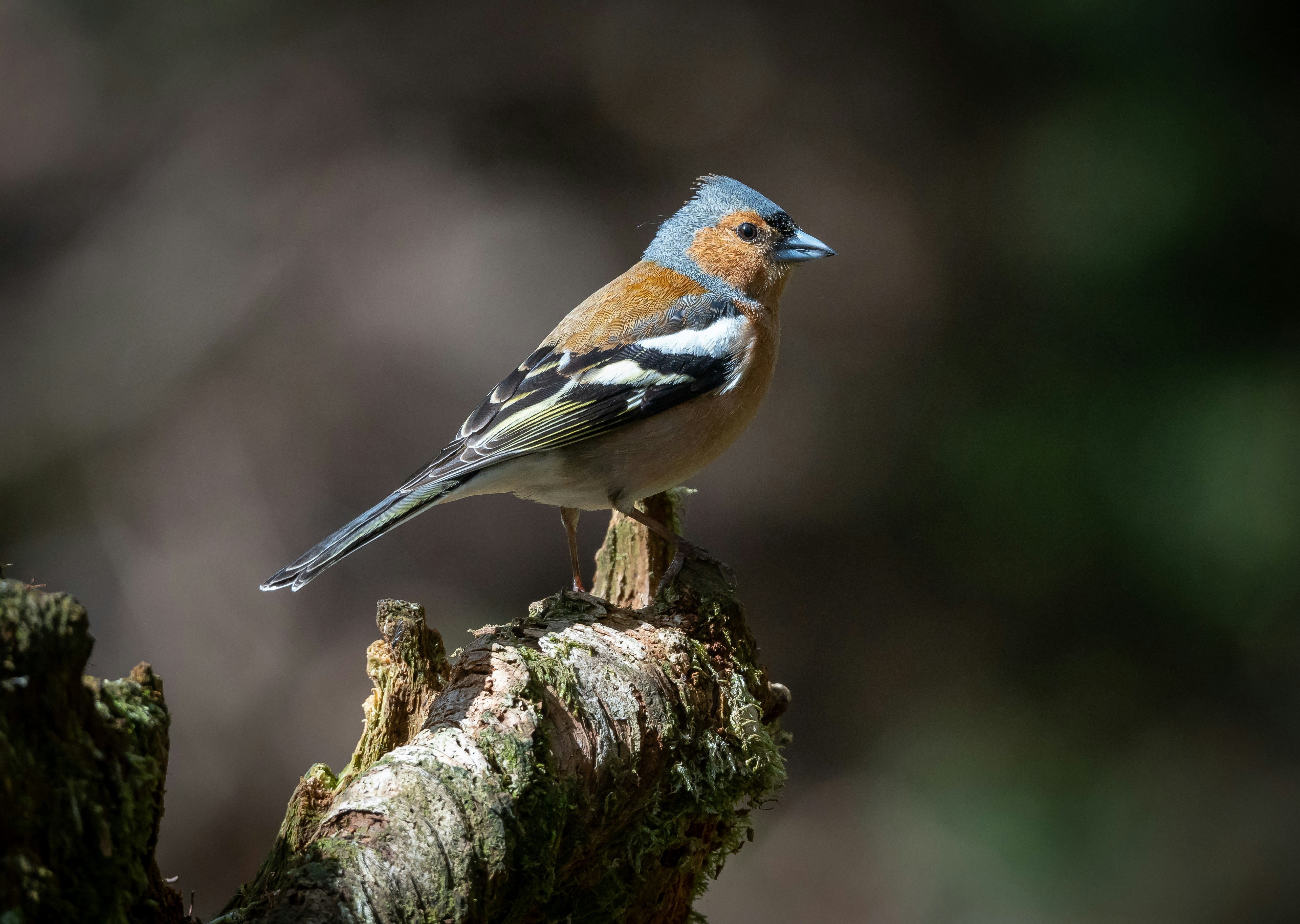
What to look for: Males have pinkish chests and blue‑greyheads.
Where you’ll see it: Woodland edges, gardens, hedgerows.
Behaviour tip: Look for them hopping under feeders to pick up fallen seeds.
Micro insight: Chaffinches prefer feeding on the ground or from wide perches.
Action: A tray feeder or ground scatter works better than narrow tube feeders.
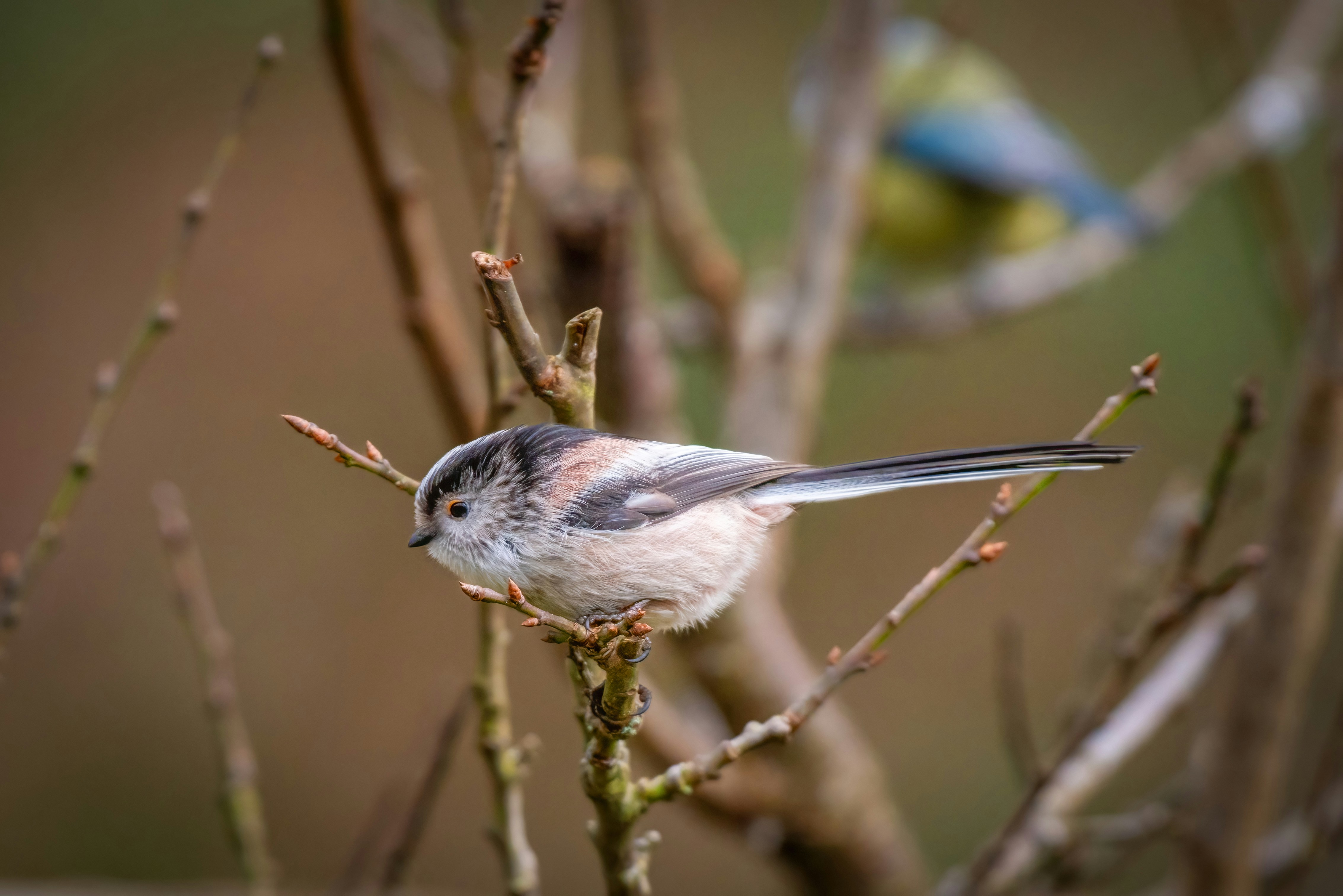
What to look for: Tiny, fluffy bird with a very longtail.
Where you’ll see it: Fast‑moving flocks in trees and shrubs.
Behaviour tip: They rarely stay still, the whole flock moves together.
Micro insight: Long‑tailed tits travel in family flocks of 8–20 birds, if you see one, you’ll see many.
Action: Suet pellets or fat balls are their favourite; place them near cover so the flock feels safe enough to stop.
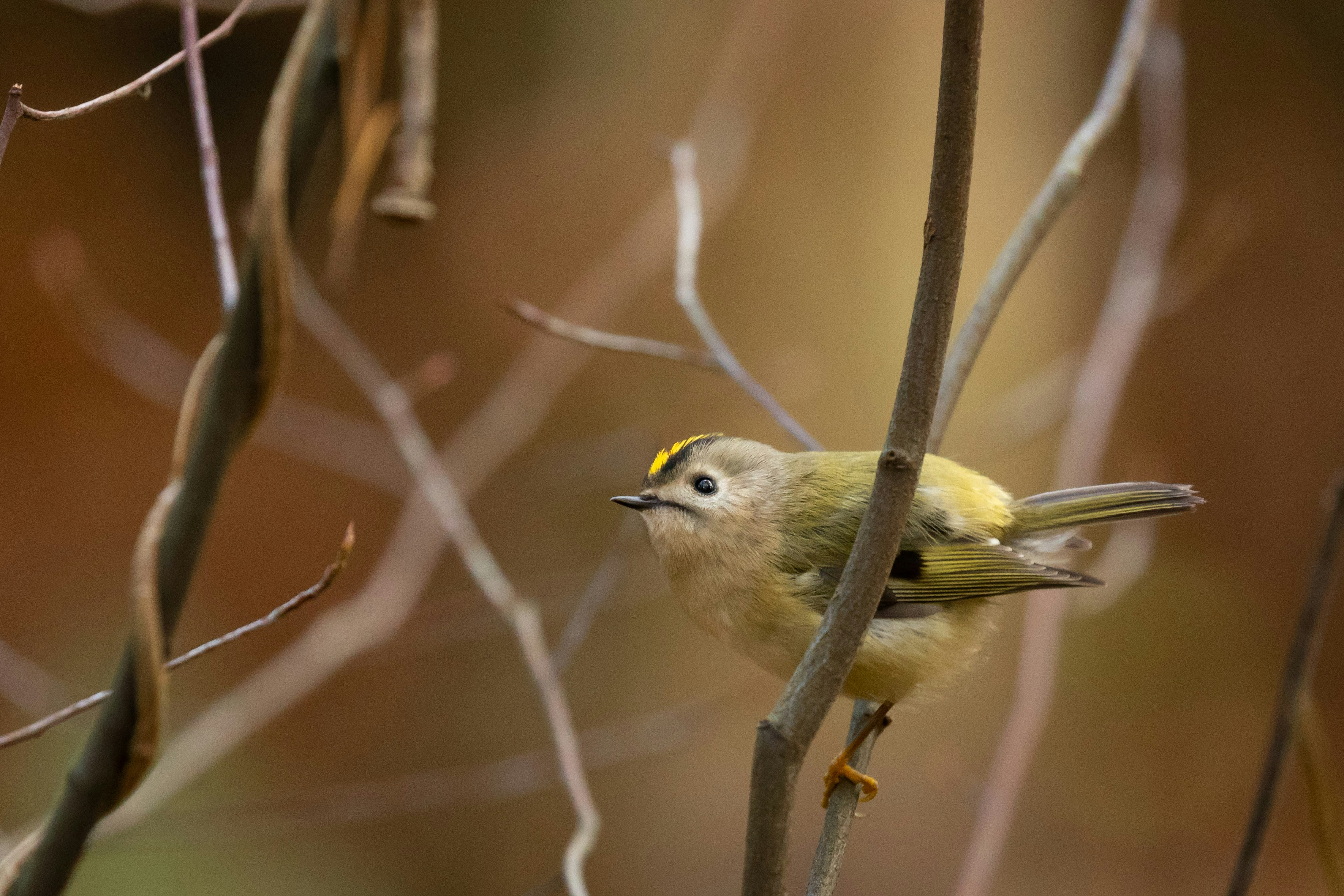
What to look for: The UK’s smallest bird, with a bright yellow or orange crest.
Where you’ll see it: Conifers, shrubs, hedges.
Behaviour tip: Look for tiny, fast movements in dense foliage.
Micro insight: Goldcrests constantly flick their wings, a behaviour that helps you spot them.
Action: They’re insect eaters, so they won’t use feeders, but planting conifers or dense shrubs increases your chances of seeing them.
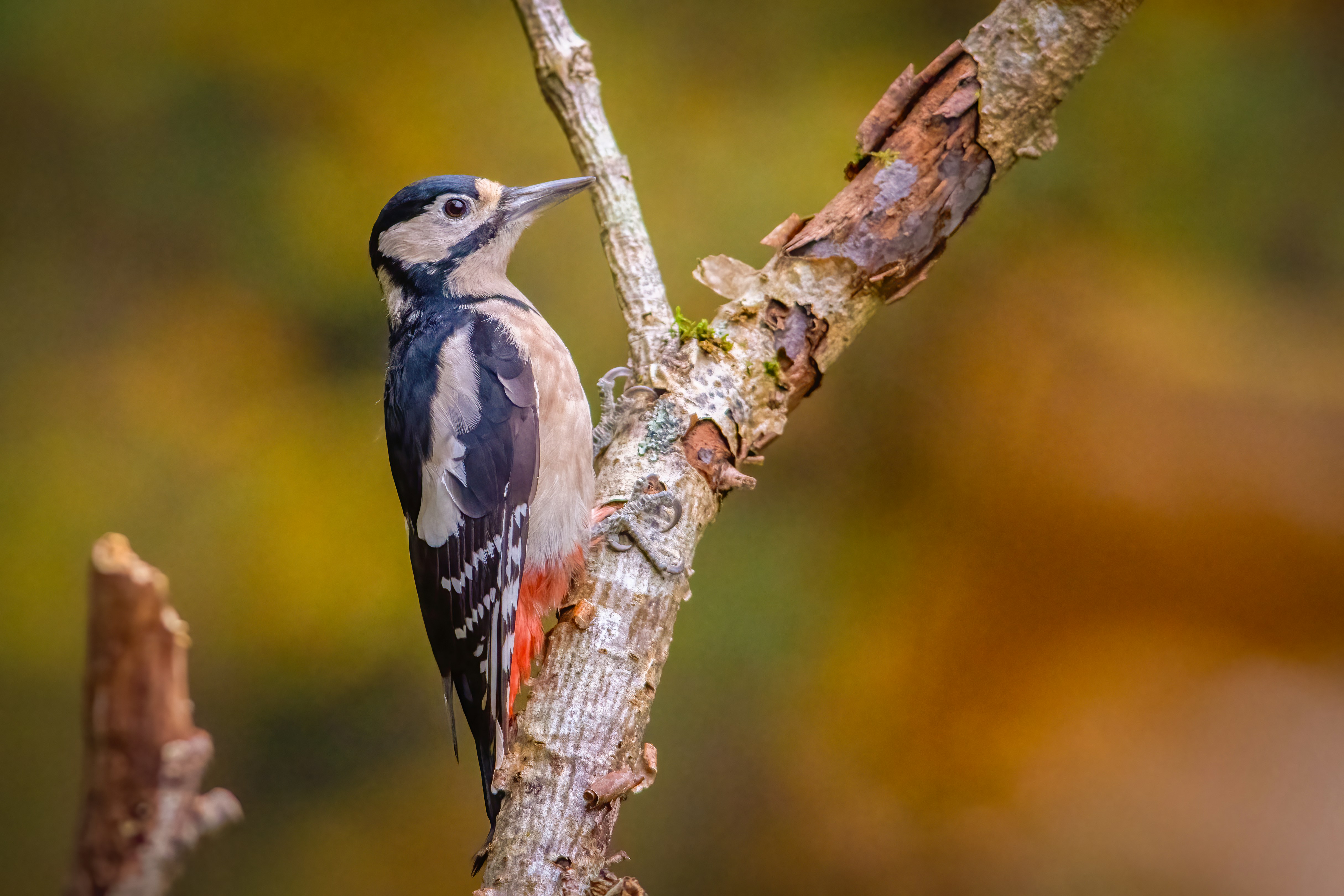
What to look for: Black and white plumage with a bright red patch under the tail (males also have a red nape).
Where you’ll see it: Mature gardens, woodland edges, tall trees.
Behaviour tip: Listen for their drumming on tree trunks.
Micro insight: Woodpeckers use drumming to mark territory, each bird has its own rhythm.
Action: A sturdy peanut or suet feeder attached to a tree trunk is ideal; they prefer vertical feeding positions.
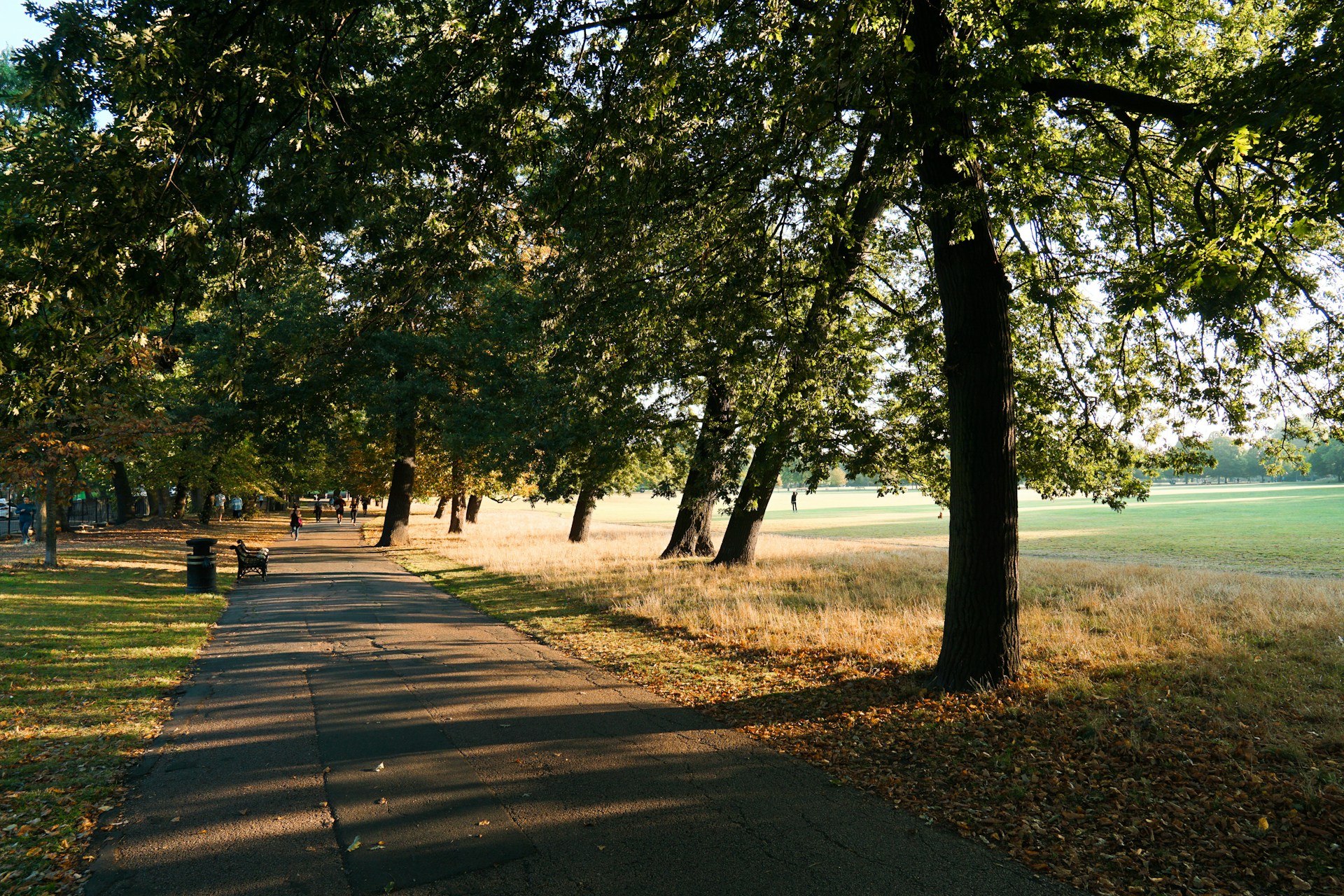
Even if you don’t have a garden, many of these species can be spotted from:
Robins, blue tits, blackbirds, magpies, and woodpigeons are especially common in urban areas.
If you want to bring more species into your garden, these simple steps make a huge difference
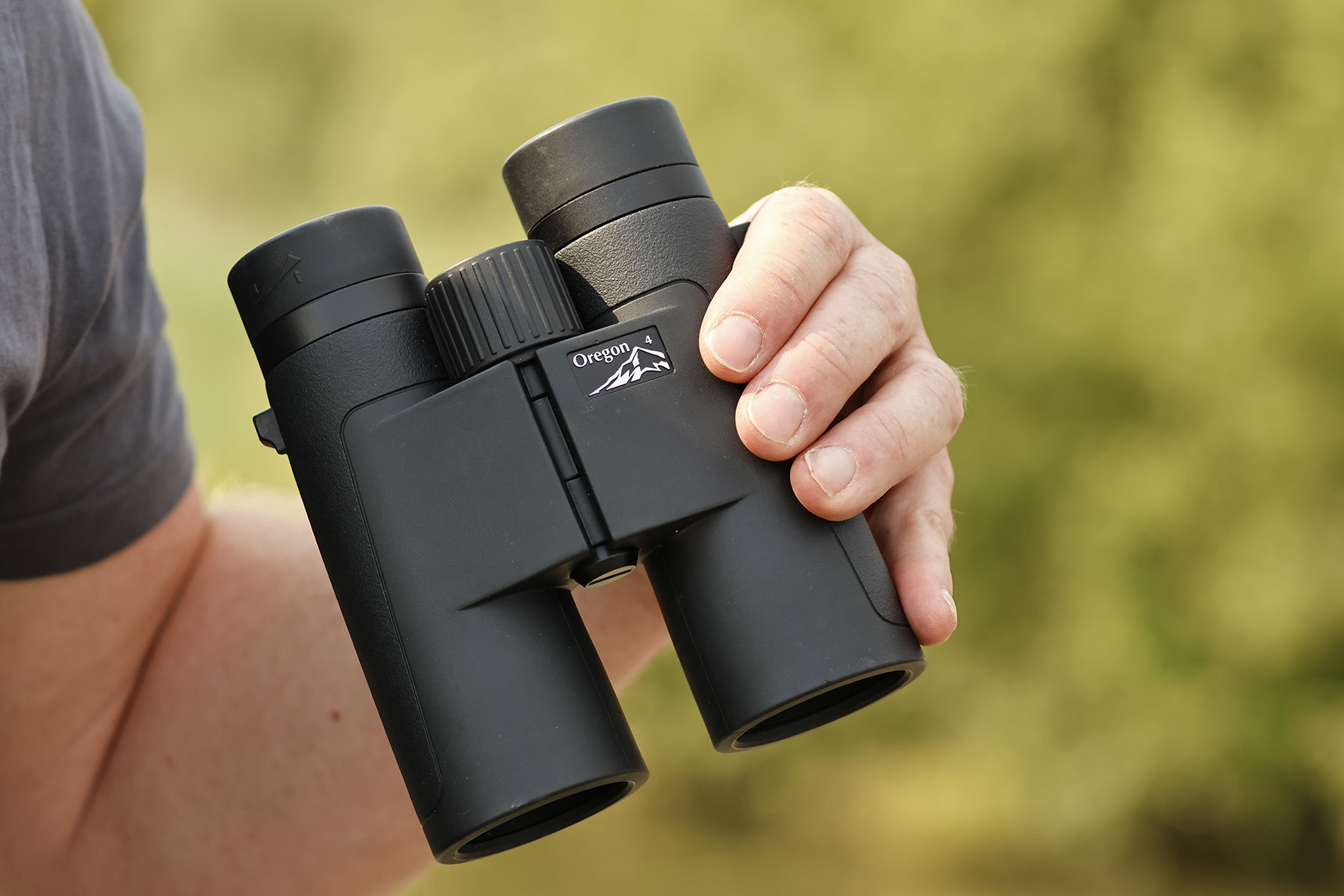
See our Beginner Binoculars Guide for simple advice on choosing your first pair, including what magnification means, how much to spend, and which models are genuinely beginner‑friendly.
See our Field Guides Gear Guide for simple advice on choosing beginner friendly wildlife books, including general wildlife guides, bird guides and pocket guides.
These items can also be really helpful for beginners:
Some links are affiliate links, which help keep NatureGuide running while costing you nothing extra.

Take five quiet minutes in your garden, on a balcony, or by a window.
Write down:
The first bird you notice
One behaviour it shows (feeding, calling, hopping, preening)
One detail you hadn’t noticed before (colour, shape, movement, sound)
Over time, these tiny observations build a richer picture of the birds that share your space. To deepen your understanding of how birds behave throughout the year, our Spring Wildlife Behaviour guide explains the changes that happen as days begin to lengthen.
If you’d like to start a simple nature journal, our beginner’s guide walks you through how to begin: How to Start a Wildlife Journal.
Garden birds can be surprisingly sensitive to sudden movement, noise, and changes around feeders or nest sites. Observing them gently helps them feel safe enough to feed, rest, and behave naturally in your space.
To protect wildlife and enjoy natural behaviour, we follow a simple approach:
This calm, ethical approach is at the heart of NatureGuide.
Garden birds are some of the easiest and most rewarding wildlife to watch. Once you start noticing their colours, behaviours, and personalities, you’ll see your outdoor space in a whole new way.