
You don’t need binoculars to enjoy birdwatching. In fact, some of the most rewarding moments happen when you simply pause, look around, and notice what’s already close by. Birds are everywhere; in gardens, parks, hedgerows, and even on busy streets and once you learn how to observe them with the naked eye, the world becomes full of small, surprising encounters.
This guide shows you how to watch birds confidently without any equipment, using simple techniques that help you notice more wherever you are. If you’re building your confidence with bird identification, our Garden Birds for Beginners guide introduces common species you can recognise easily without equipment.
Binoculars are useful, but they can also make bird watching feel complicated or technical. Watching with the naked eye helps you:
It’s one of the simplest ways to begin your birdwatching journey.

Birds are easier to spot when you know where to focus your attention.
1. Edges and boundaries
Hedges, fences, tree lines, and garden borders are natural bird highways.
2. Open patches of sky
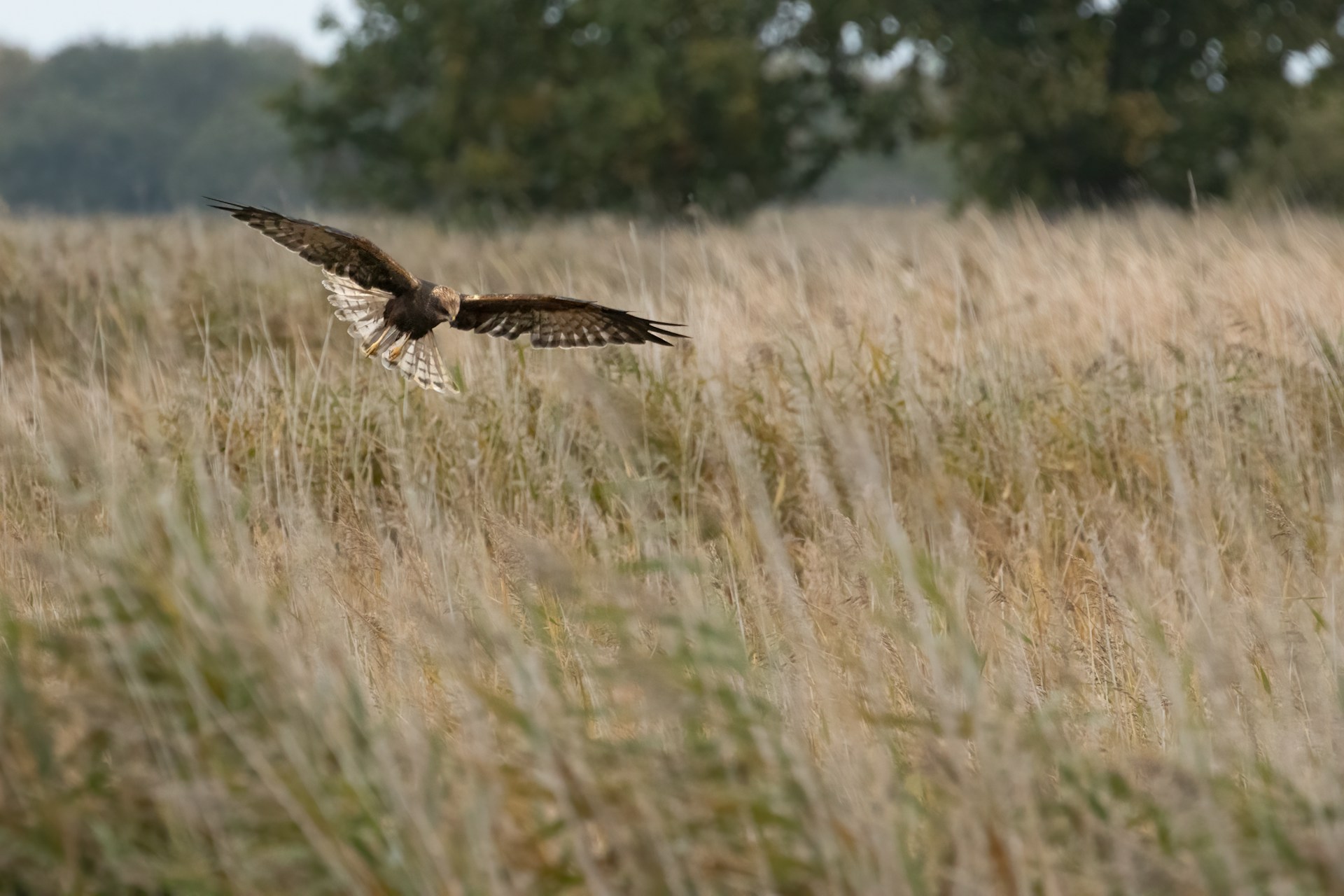
Look for silhouettes, flight patterns, and gliding shapes.
3. Feeding areas
Flower beds, lawns, berry bushes, and feeders attract constant activity.
4. Water sources
Bird baths, ponds, and puddles are perfect places to watch birds drink and bathe.
5. Still, quiet corners
Birds often pause on posts, branches, and rooftops — places you might not expect.
Move slowly, pause often, and let your eyes adjust to movement rather than colour.
You don’t need close‑up detail to recognise many species. Focus on:
1. Shape and posture
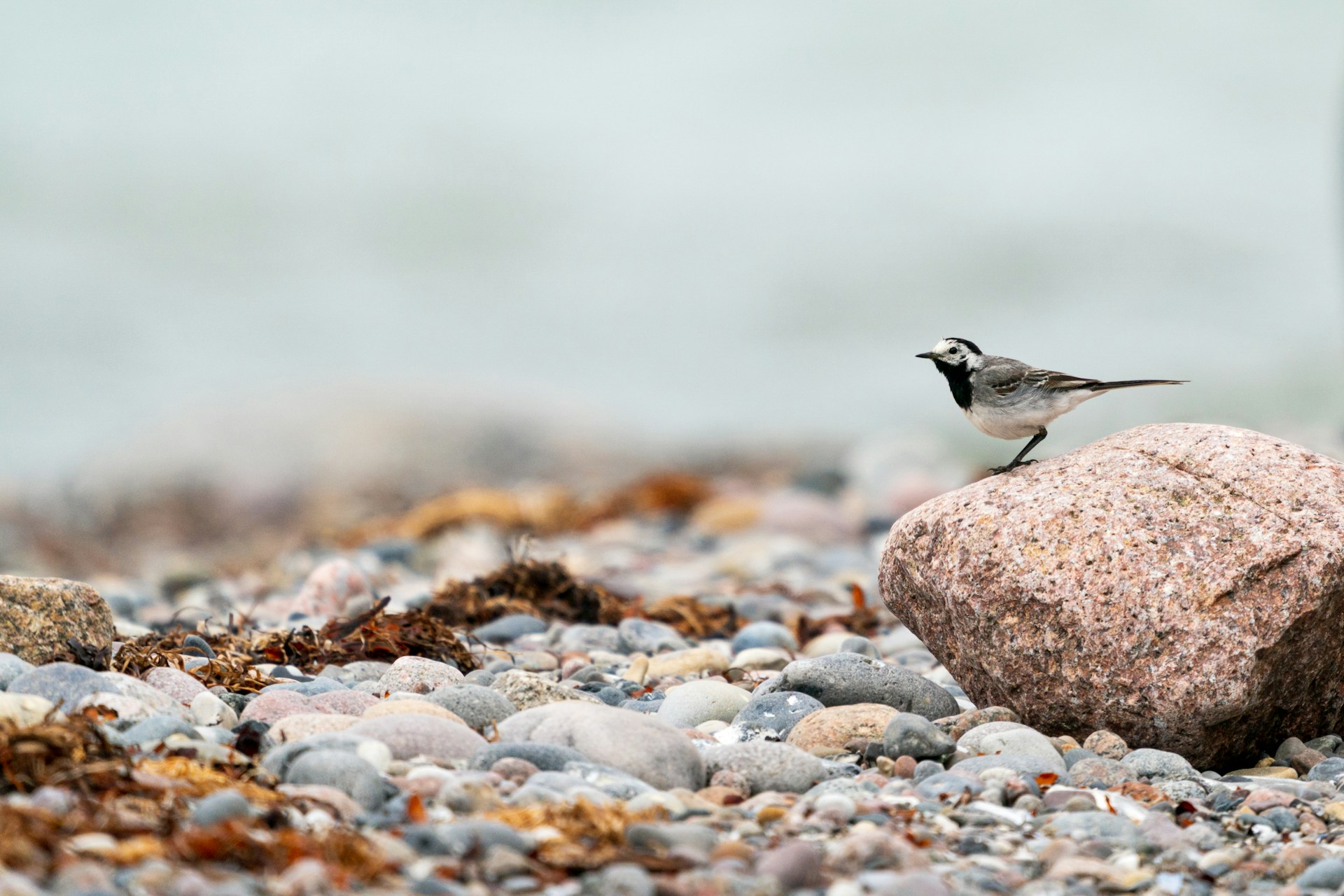
Is the bird upright like a robin, long and slender like a wagtail, or rounded like a wren?
2. Movement
Birds have distinctive behaviours:
Movement is often more reliable than colour.
3. Size
Compare birds to familiar species:
4. Sound
Even simple calls can help you narrow things down.
5. Habitat
Where you see a bird often tells you what it is.
These cues build your identification skills far more quickly than trying to memorise markings.
1. Use your peripheral vision
Birds often reveal themselves through small movements at the edge of your sight.
2. Stay still for a few minutes
Birds settle quickly when the environment feels calm.
3. Watch one small area at a time
A single tree or hedge can reveal far more than scanning a whole landscape.
4. Listen first, look second
Calls often tell you where to focus your attention.
5. Visit the same place regularly
Familiarity helps you notice patterns and seasonal changes.
These habits turn everyday moments into gentle birdwatching opportunities. To improve your awareness of wildlife on everyday outings, our How to Notice More Wildlife on Your Daily Walk guide shares simple techniques that help you stay observant.
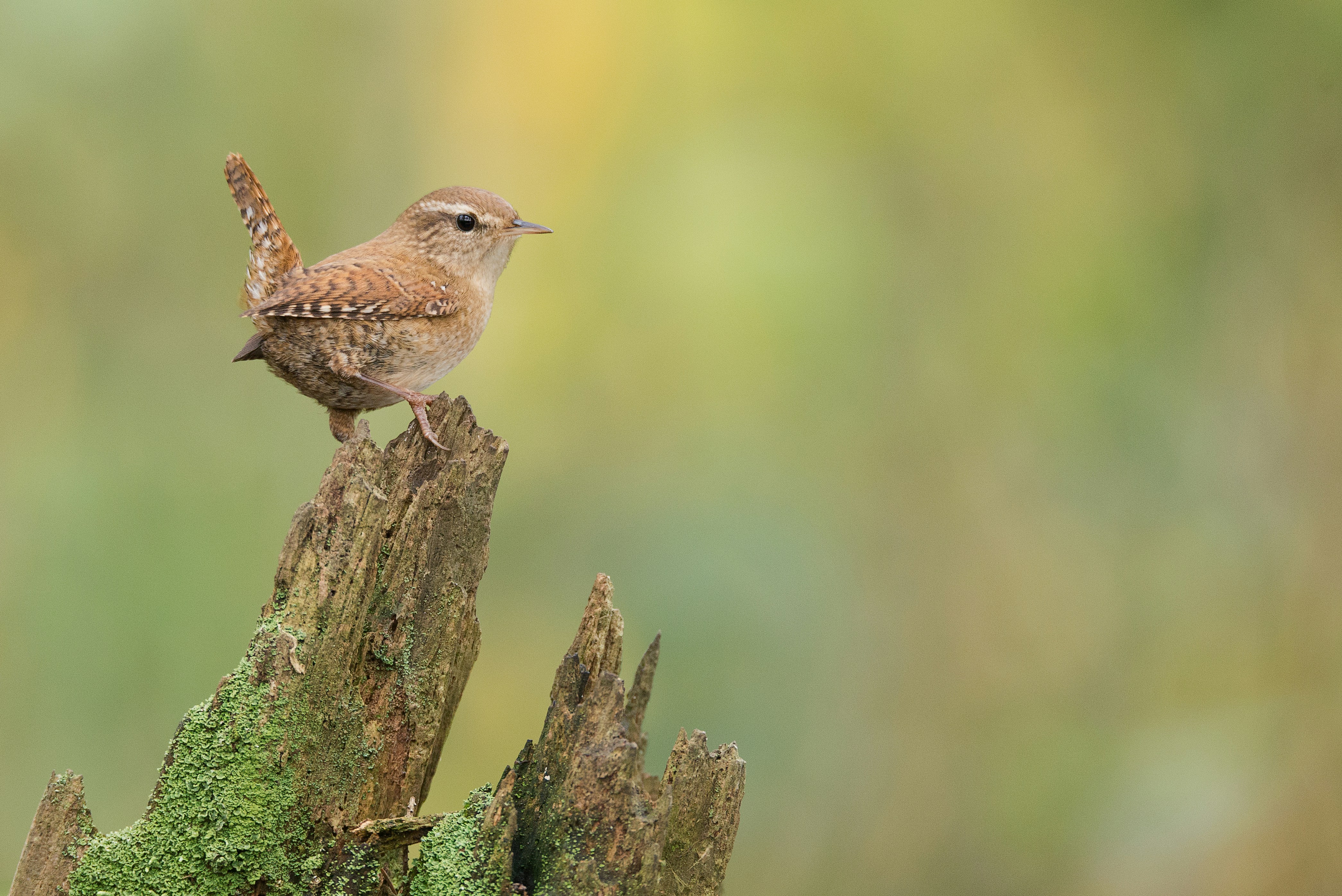
These species are widespread, bold, and easy to recognise from a distance:
You’ll see many of these without needing any equipment at all.
See our Field Guides Gear Guide for simple advice on choosing beginner friendly wildlife books, including general wildlife guides, bird guides and pocket guides.
You don’t need binoculars to enjoy birdwatching, but a few simple items can make the experience easier:
If you are wanting to learn about binoculars and how they can enrich your wildlife experience check out our Beginner Binoculars Guide for simple advice on choosing your first pair, including what magnification means, how much to spend, and which models are genuinely beginner‑friendly.

After spending a little time outdoors, pause and note:
“Which bird’s behaviour caught my attention today?”
It might be a robin hopping along a fence, a blackbird turning leaves, or a blue tit darting between branches. These small observations help you build confidence and deepen your connection to the birds around you.
If you’d like to start a simple nature journal, our beginner’s guide walks you through how to begin: How to Start a Wildlife Journal.
Birdwatching is most rewarding when it’s calm and respectful. A few simple principles help keep it that way:
This gentle approach is at the heart of NatureGuide.
You don’t need binoculars to enjoy the beauty of birds. By slowing down, watching movement, and paying attention to the spaces around you, you’ll begin to notice far more than you expect. Each small encounter, a flutter, a call, a moment of stillness becomes part of the quiet joy of birdwatching.