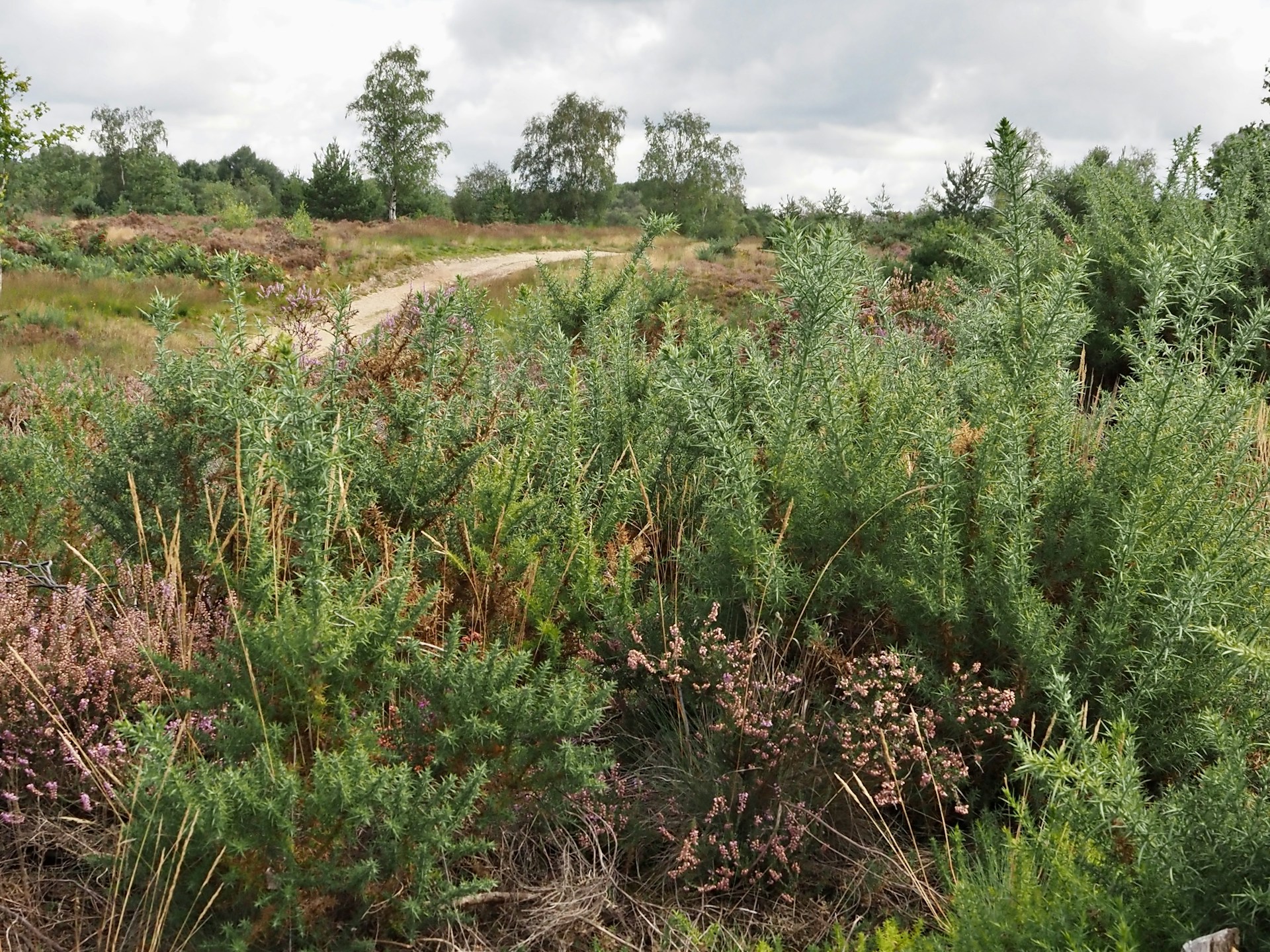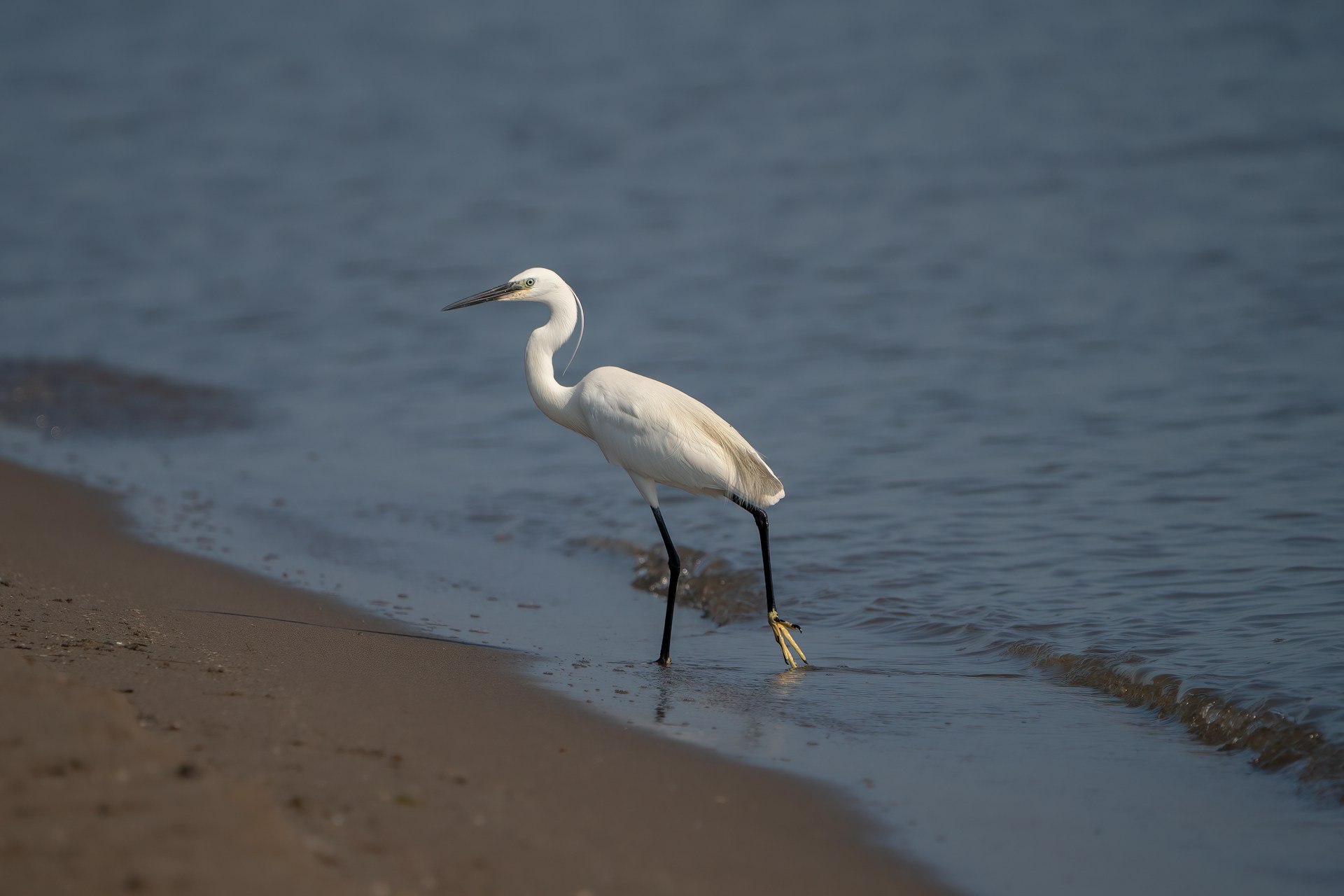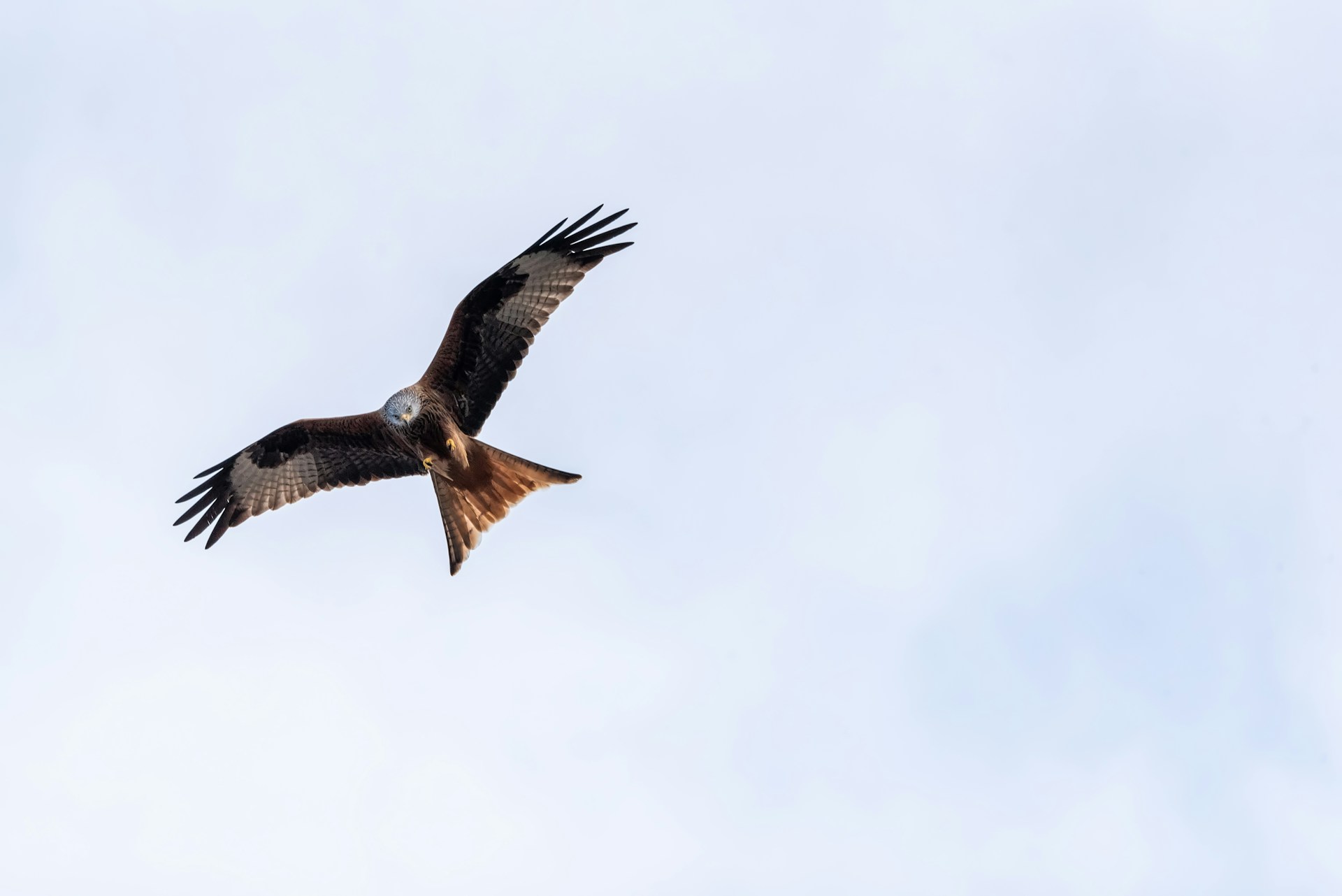

Moorlands are some of the UK’s wildest landscapes; open, windswept uplands shaped by heather, peat, and huge skies. They can feel remote and empty at first, but look a little closer and you’ll find a rich mix of birds, mammals, insects, and hardy plants that thrive in these exposed environments.
You don’t need specialist knowledge or equipment to enjoy moorland wildlife. With a slow pace and a little curiosity, these open uplands reveal themselves in quiet, memorable moments.
This guide walks you through what makes moorlands special, the wildlife you’re likely to see, and how to explore these fragile habitats responsibly. If you enjoy open landscapes, our Heathland Wildlife guide introduces another unique UK habitat with species adapted to wide, exposed terrain.
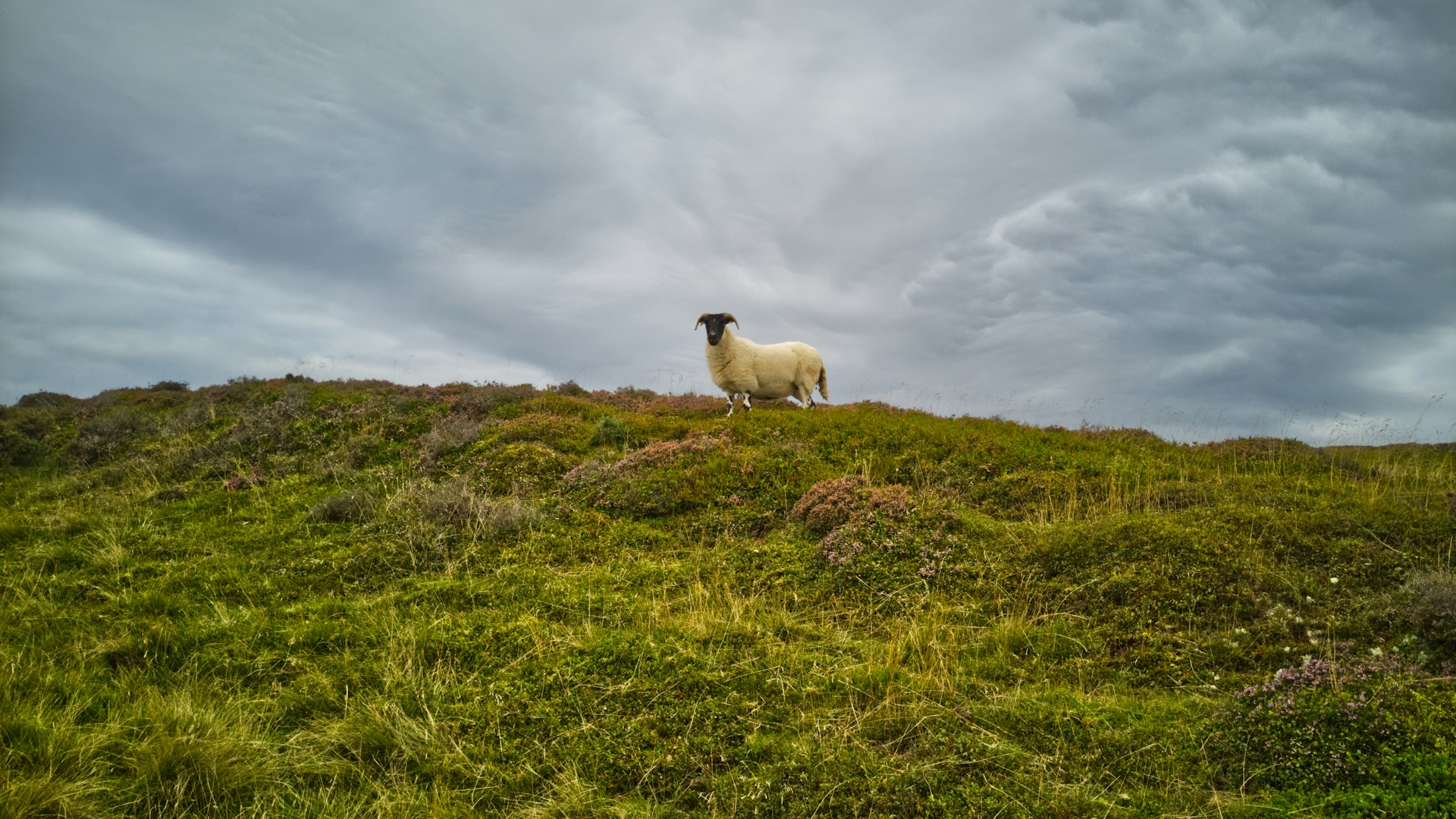
Moorlands are shaped by centuries of grazing, burning, and weather, creating a habitat found mainly in upland areas of the UK. Their open, treeless structure and nutrient poor soils support species adapted to wind, cold, and wide horizons.
Moorlands offer:
They’re some of the UK’s most atmospheric landscapes and some of the most important for wildlife.
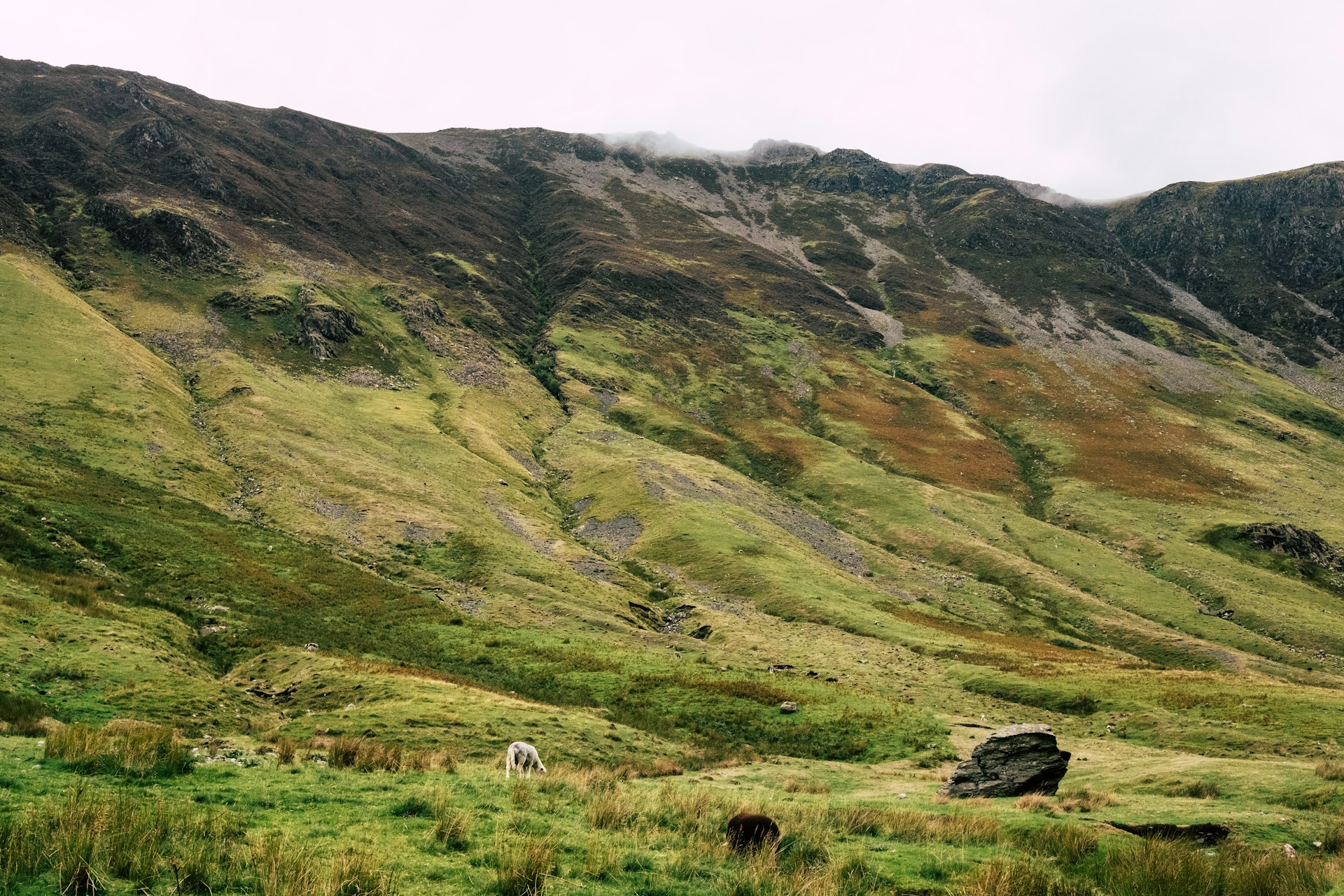
Moorlands vary widely, from gentle rolling uplands to rugged, remote plateaus. When choosing where to visit, look for:
Avoid:
Even small moorland patches can be brilliant for beginners.
1. Scan the skyline
Many moorland birds perch on rocks, fence posts, or heather tops.
2. Listen for calls
Curlews, skylarks, and meadow pipits often reveal themselves long before you see them.
3. Watch for movement on the ground
Grouse, hares, and small mammals often stay low and still until you pause.
4. Visit early or late
Dawn and dusk are the calmest times for wildlife activity.
5. Be prepared for weather changes
Moorlands can shift from sunshine to mist quickly — bring layers and stay safe.

For help recognising subtle signs left by animals in remote areas, our How to Track Wildlife in Your Local Area guide explains the basics of prints, trails, and feeding marks.
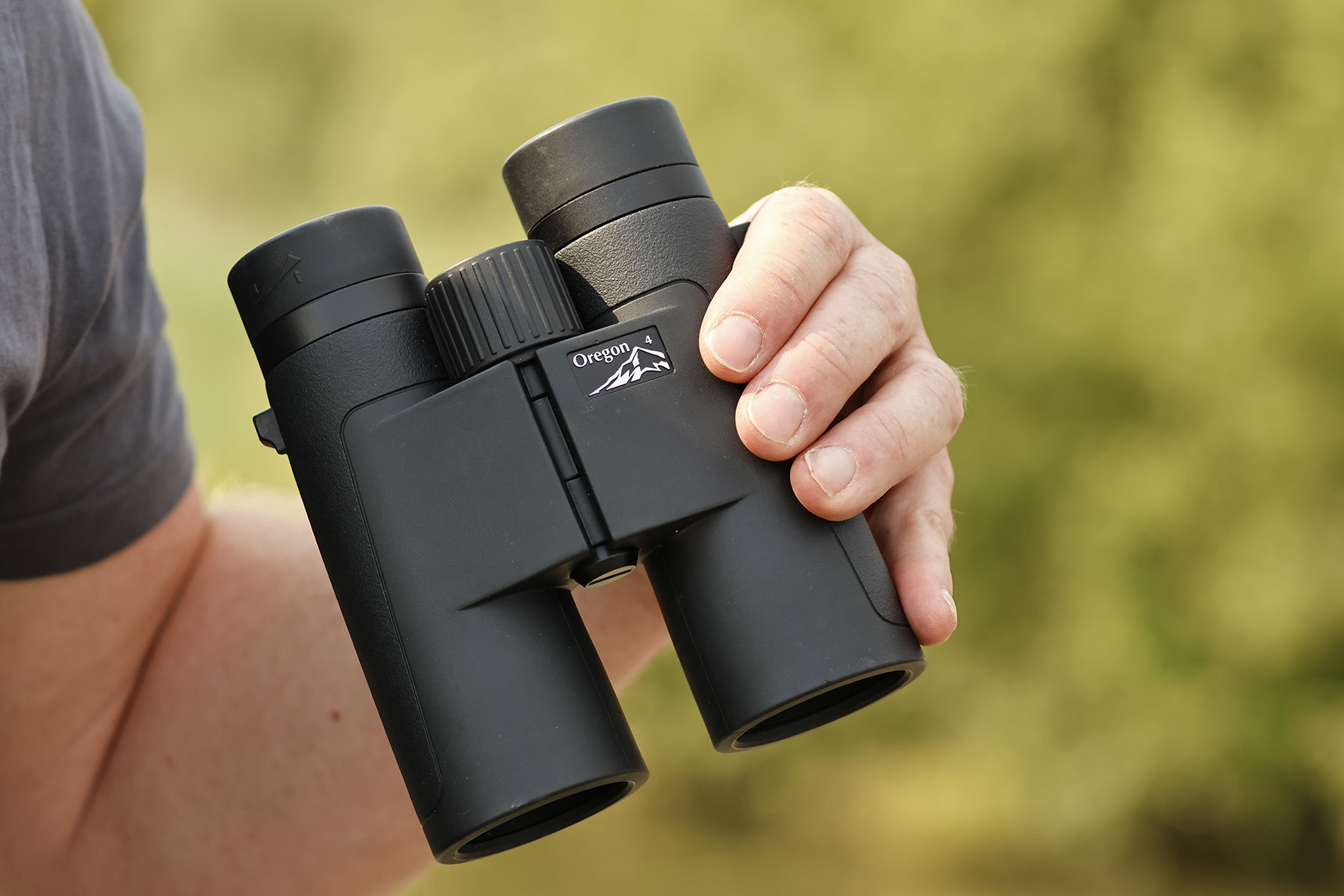
See our Beginner Binoculars Guide for simple advice on choosing your first pair, including what magnification means, how much to spend, and which models are genuinely beginner‑friendly.
See our Field Guides Gear Guide for simple advice on choosing beginner friendly wildlife books, including general wildlife guides, bird guides and pocket guides.
These simple items make moorland visits more enjoyable:

Find a quiet spot, pause for a moment, and note:
“What sound defines this landscape for me today?”
It might be a skylark’s song, the wind through heather, or the distant call of a grouse. These early impressions help you tune into the character of the moor.
If you’d like to start a simple nature journal, our beginner’s guide walks you through how to begin: How to Start a Wildlife Journal.
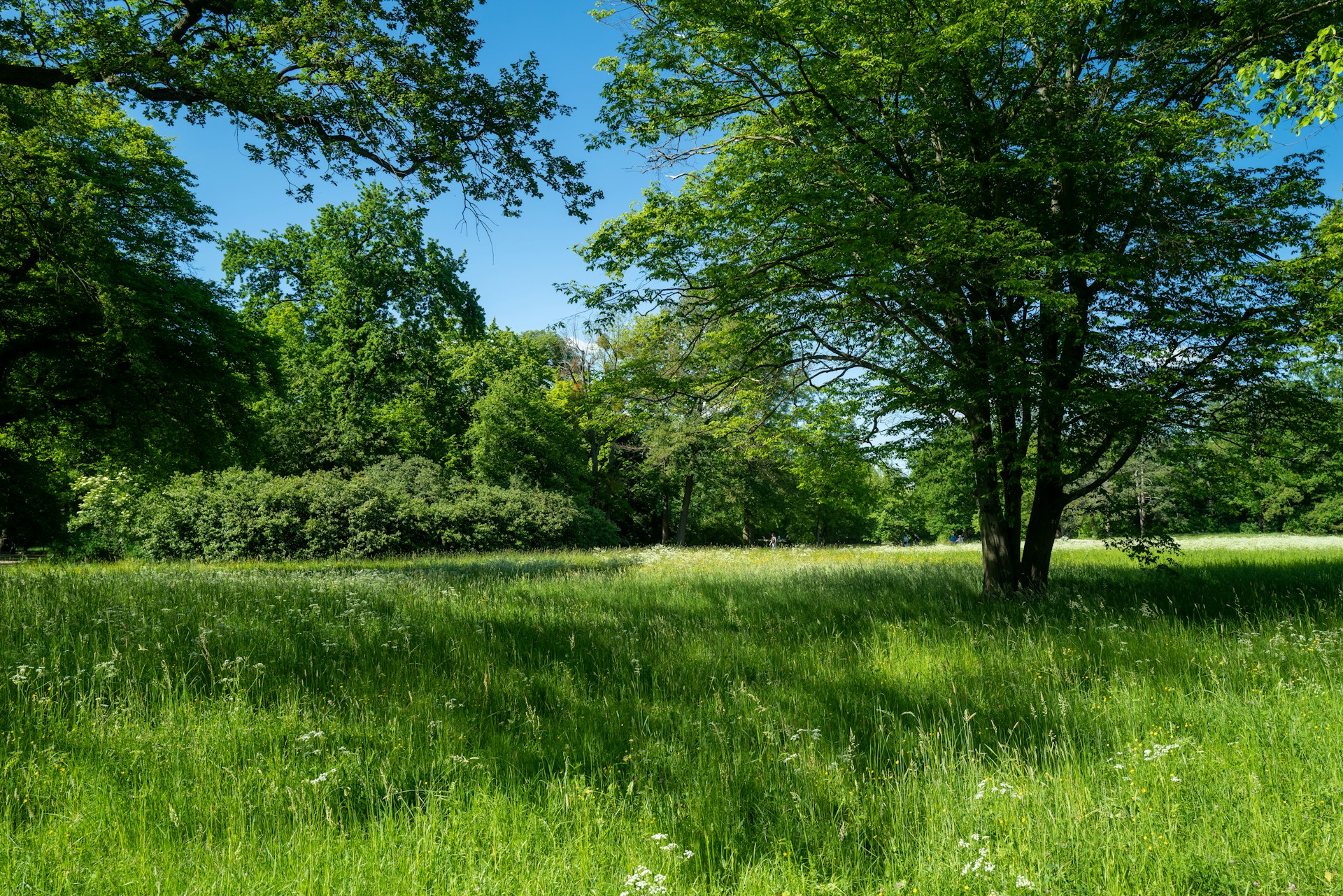
Moorlands are sensitive habitats, and a few simple principles help protect them:
This gentle, hands off approach is at the heart of NatureGuide.
Moorlands are some of the UK’s most evocative landscapes; open, quiet, and full of life for those who take the time to look. From the bubbling call of a curlew to the flicker of a hare on a distant slope, these uplands reward patience and curiosity. By exploring them gently, you’re supporting a rare and precious habitat and opening the door to moments of calm, connection, and discovery.