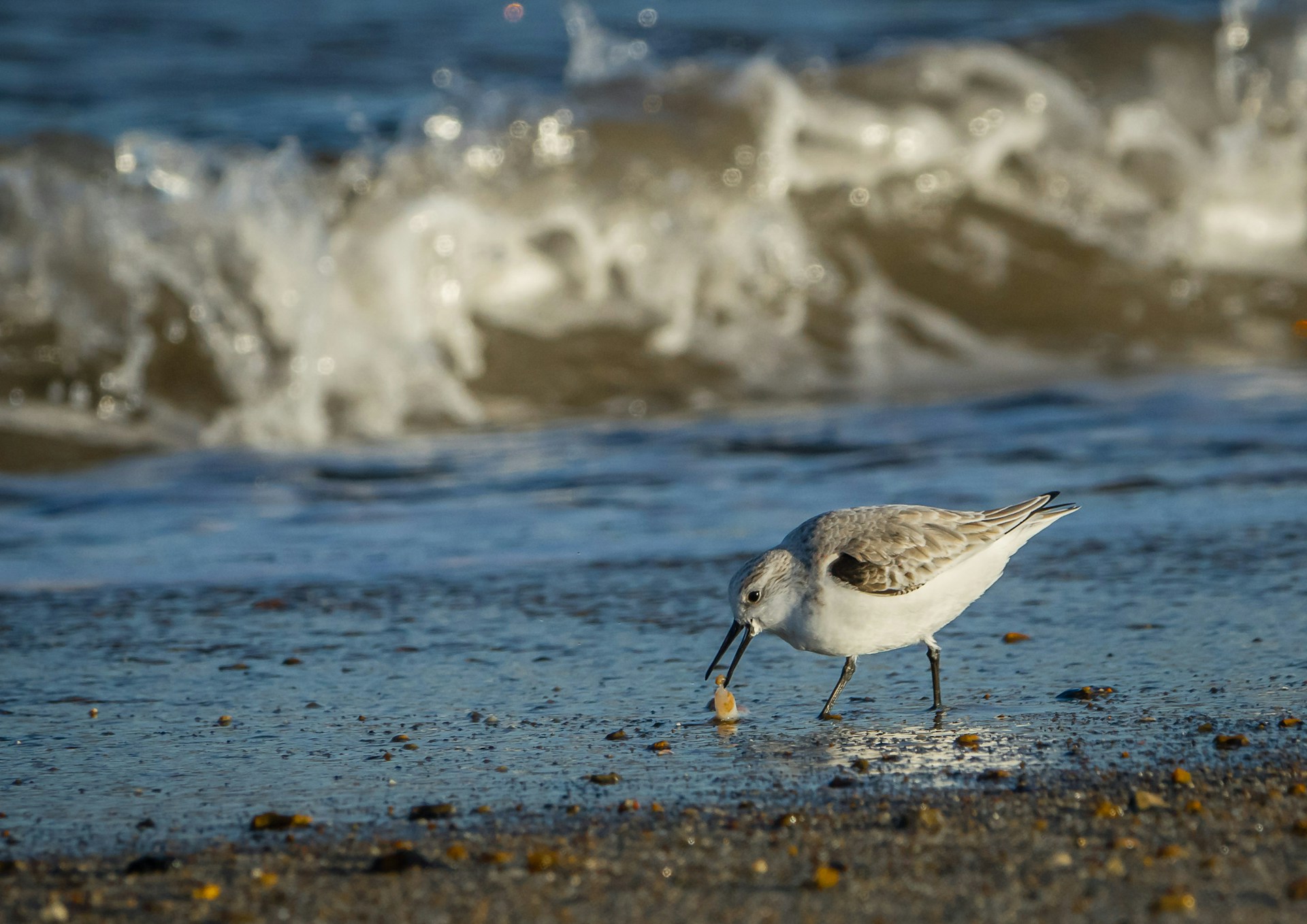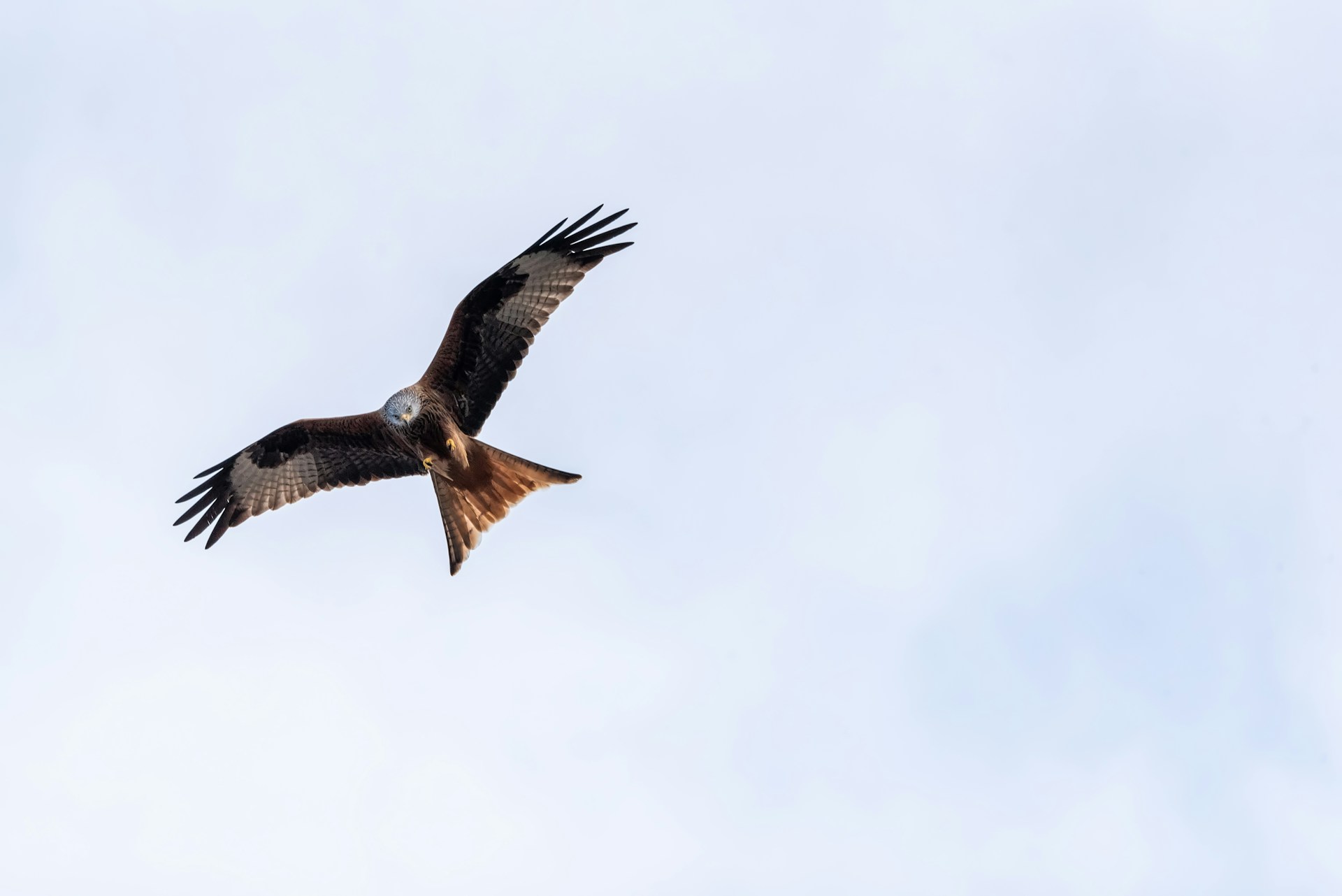
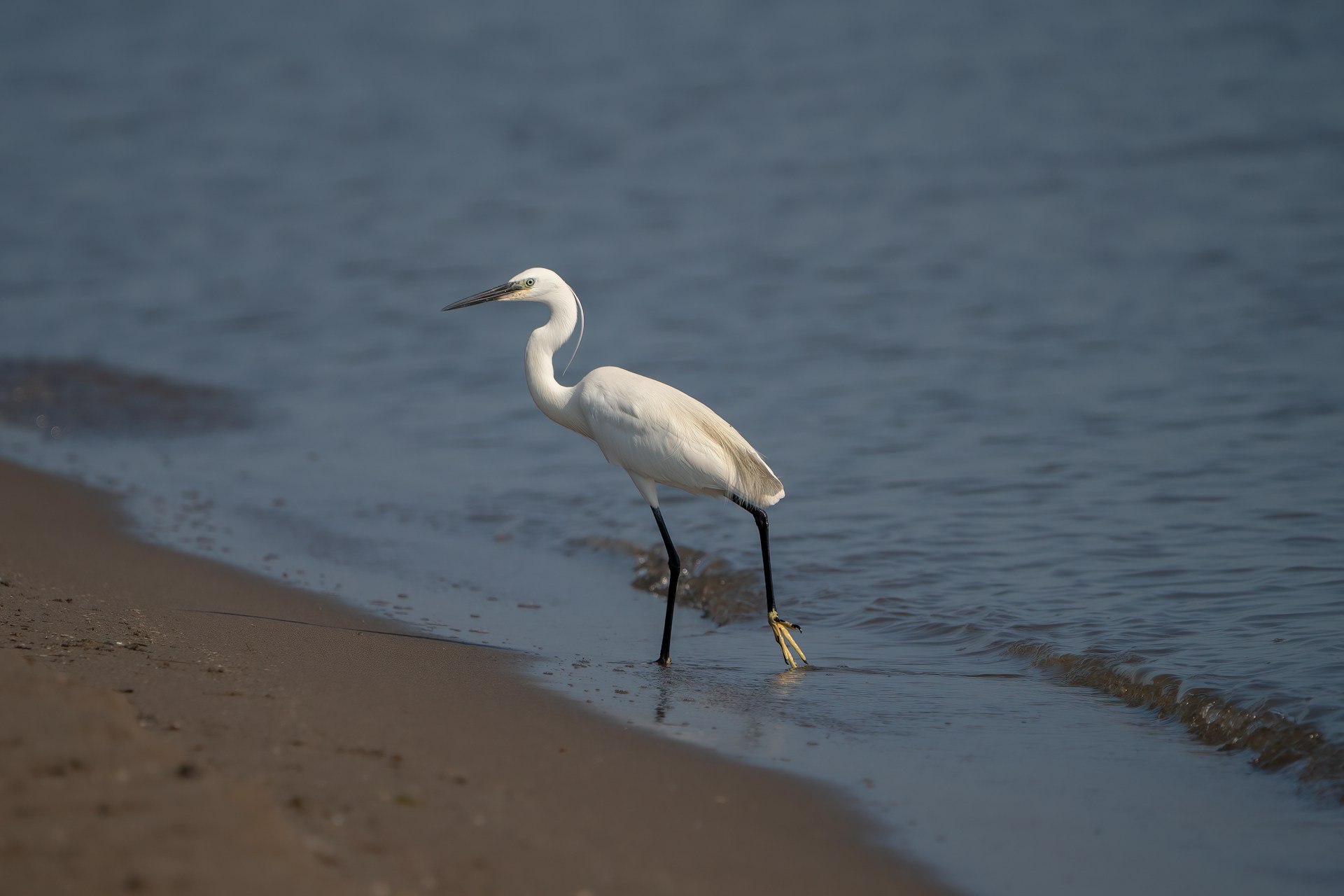
Wading birds are some of the most distinctive and elegant species in the UK. With long legs, probing bills, and a habit of feeding in shallow water, they’re surprisingly easy to spot. Once you learn a few simple features, identifying them becomes far less daunting than it first appears.
You don’t need expert knowledge or a spotting scope to enjoy waders. A slow walk along a beach, estuary, or wetland is often enough to see several species in a single outing. This guide introduces the most common wading birds and the simple clues that help you tell them apart.
If you enjoy watching birds near water, our Riverbank & Canal Wildlife guide introduces the species you’re most likely to encounter along calm waterways.
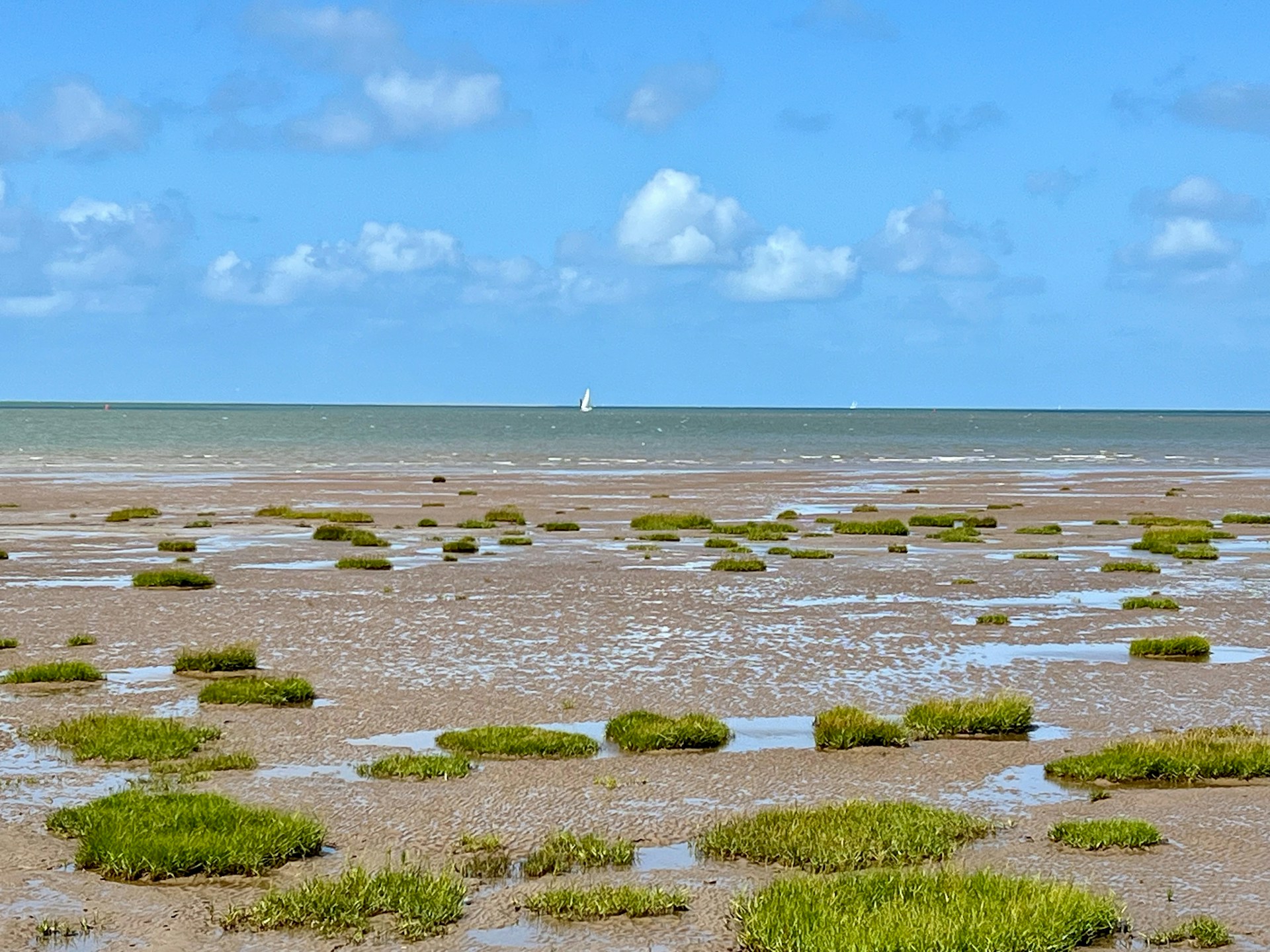
Waders gather anywhere shallow water meets open ground. Some of the best places to look include:
Low tide is often the best time to visit as more feeding areas are exposed, and birds are easier to see. For help recognising wildlife behaviour across the seasons, our Spring Wildlife Behaviour guide explains how animals adapt as conditions shift.
1. Look at the bill
Bill shape is one of the easiest clues:
2. Check the legs
Leg colour is surprisingly helpful:
3. Notice behaviour
4. Look at size
Size differences are clearer than you might expect:
5. Listen
Many waders have distinctive calls that carry over long distances.
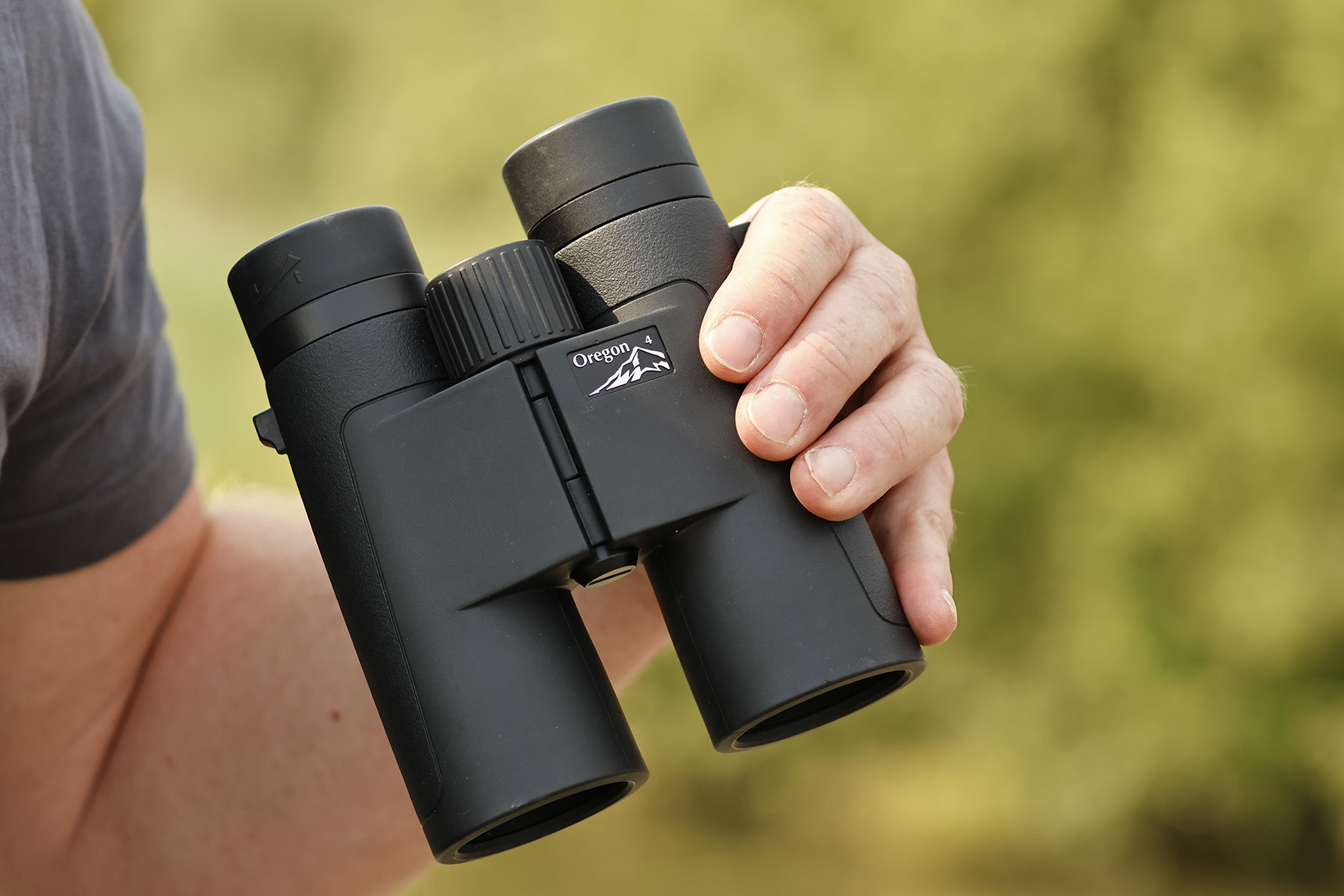
See our Beginner Binoculars Guide for simple advice on choosing your first pair, including what magnification means, how much to spend, and which models are genuinely beginner‑friendly.
See our Field Guides Gear Guide for simple advice on choosing beginner friendly wildlife books, including general wildlife guides, bird guides and pocket guides.
These items can also be really helpful for beginners:

Find a quiet spot overlooking shallow water, pause for a moment, and note:
“Which bird is feeding in the most interesting way — and what makes it stand out?”
Watching behaviour is one of the easiest ways to learn wader ID.
If you’d like to start a simple nature journal, our beginner’s guide walks you through how to begin: How to Start a Wildlife Journal.

Waders are sensitive to disturbance, especially during migration and winter feeding. A few gentle principles help protect them:
This calm, hands off approach is at the heart of NatureGuide.
Wading birds bring movement, elegance, and character to the UK’s coasts and wetlands. Once you learn a few simple clues; bill shape, leg colour, size, and behaviour as these species become surprisingly easy to recognise. By slowing down and watching gently, you’ll discover a whole new world of wildlife at the water’s edge.