
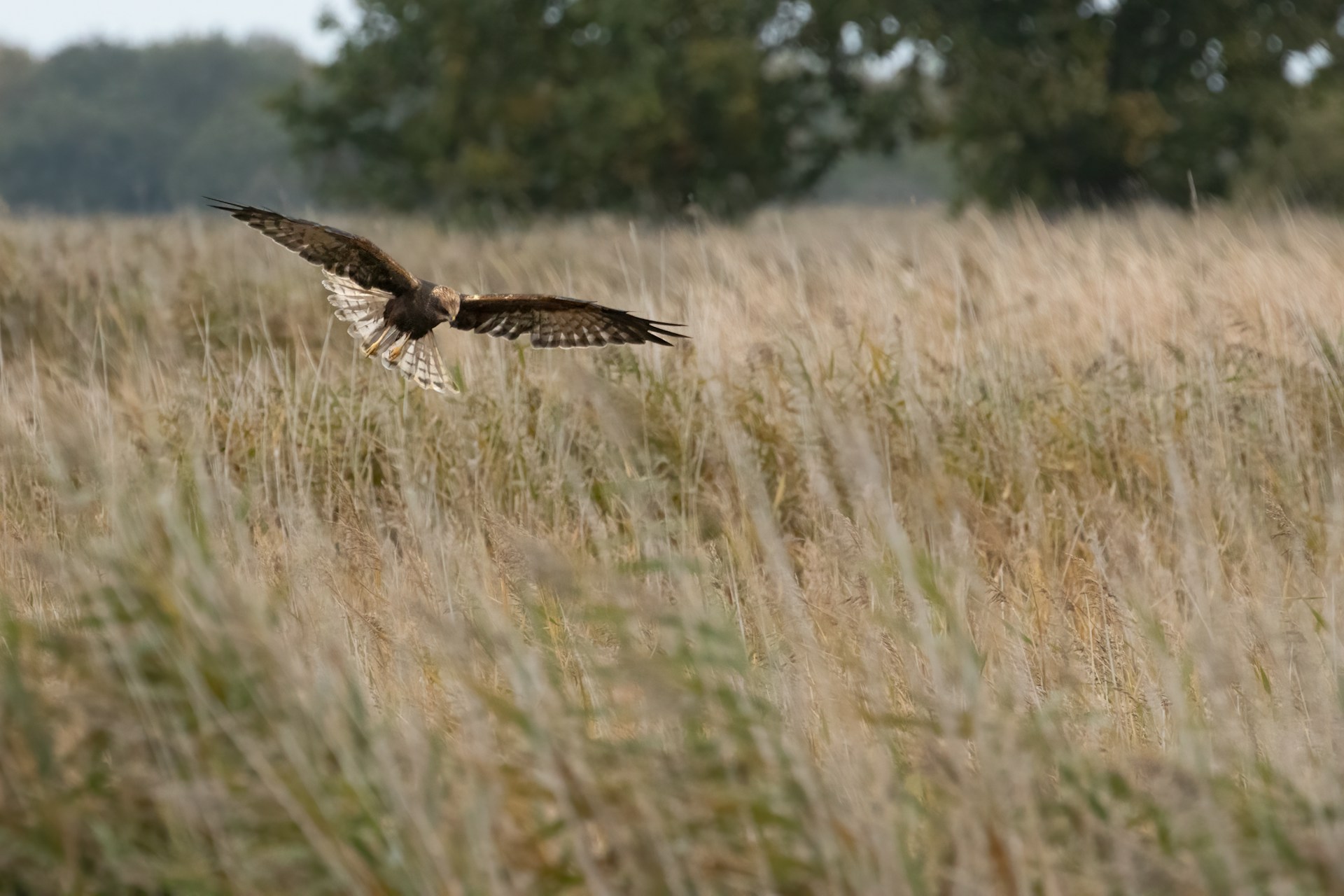
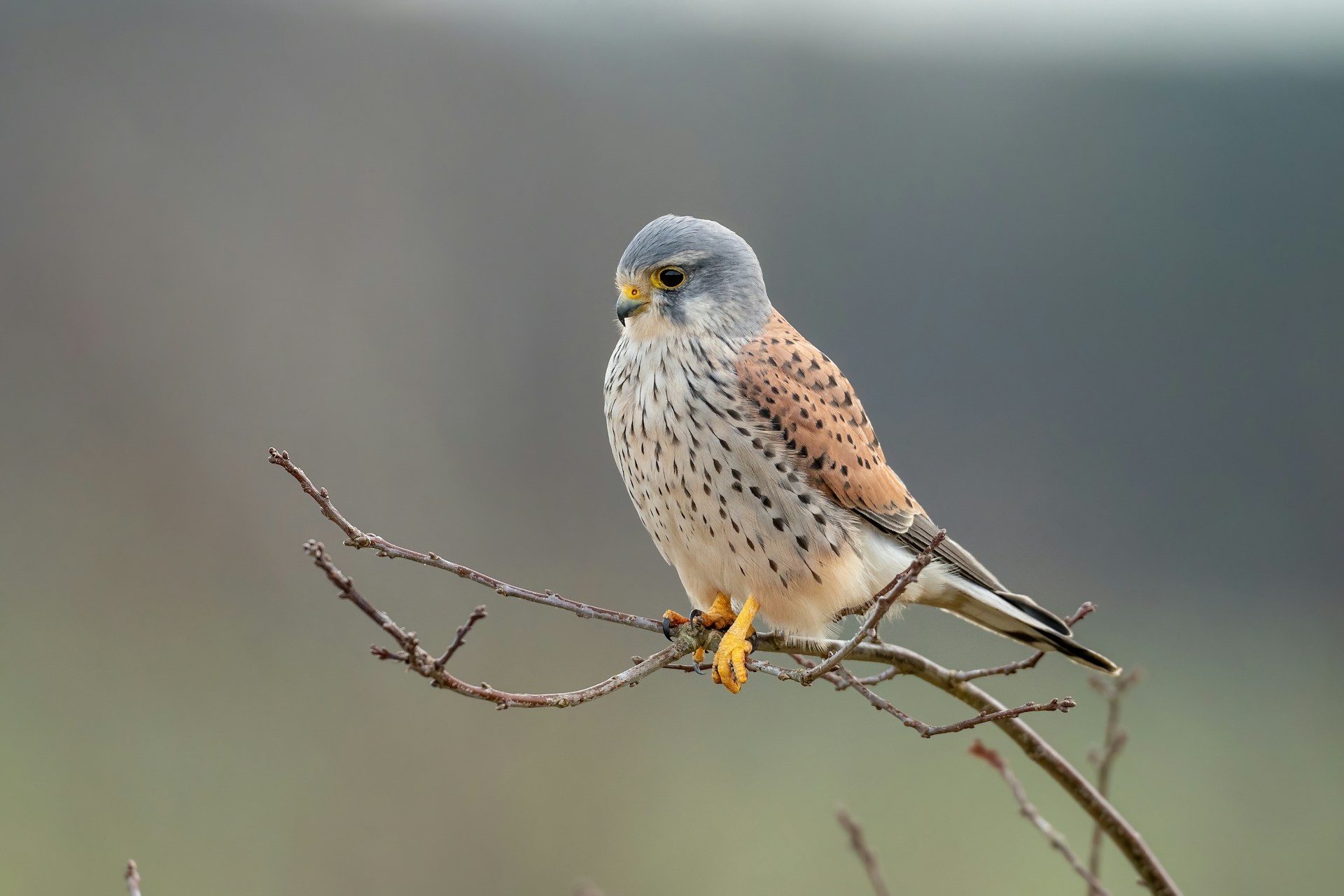
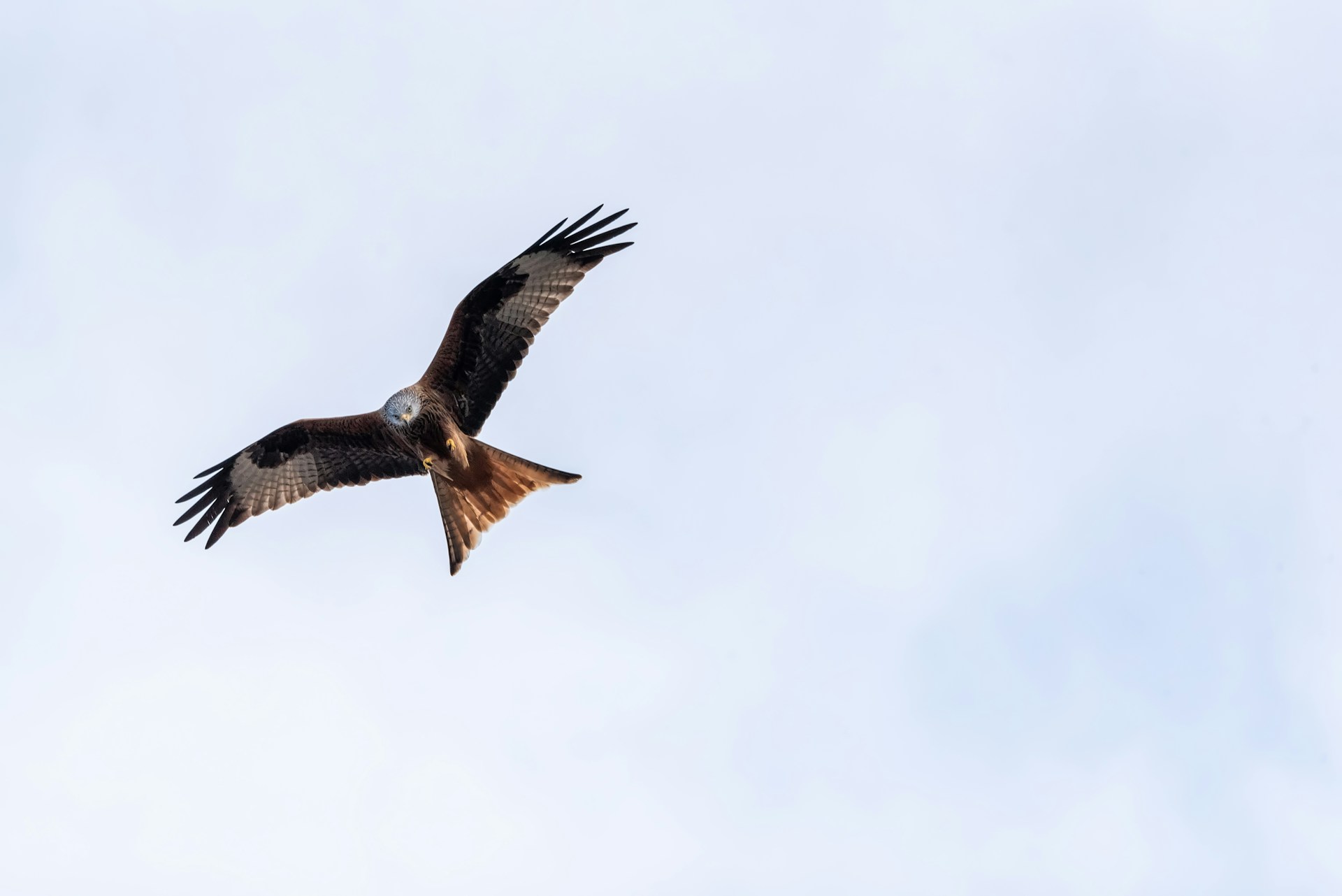
Birds of prey are some of the most thrilling animals to watch in the UK. Whether it’s a buzzard circling high above a field, a kestrel hovering over a roadside verge, or a red kite gliding effortlessly across the sky, raptors bring drama and presence to any landscape. And despite their reputation for being hard to identify, most species become surprisingly recognisable once you learn a few simple clues.
You don’t need expert birding skills or specialist equipment. What you do need is an understanding of shape, flight style, and habitat as these are the three easiest ways to tell raptors apart. This guide introduces the UK’s most common birds of prey and how to spot them with confidence.
If you’re interested in other large birds often seen in open countryside, our Red Kites in the UK guide offers a closer look at one of Britain’s most successful comeback species.
Raptors appear in almost every habitat, but some places offer especially good chances:
Open countryside
Woodland edges
Uplands and moorlands
Coastal cliffs
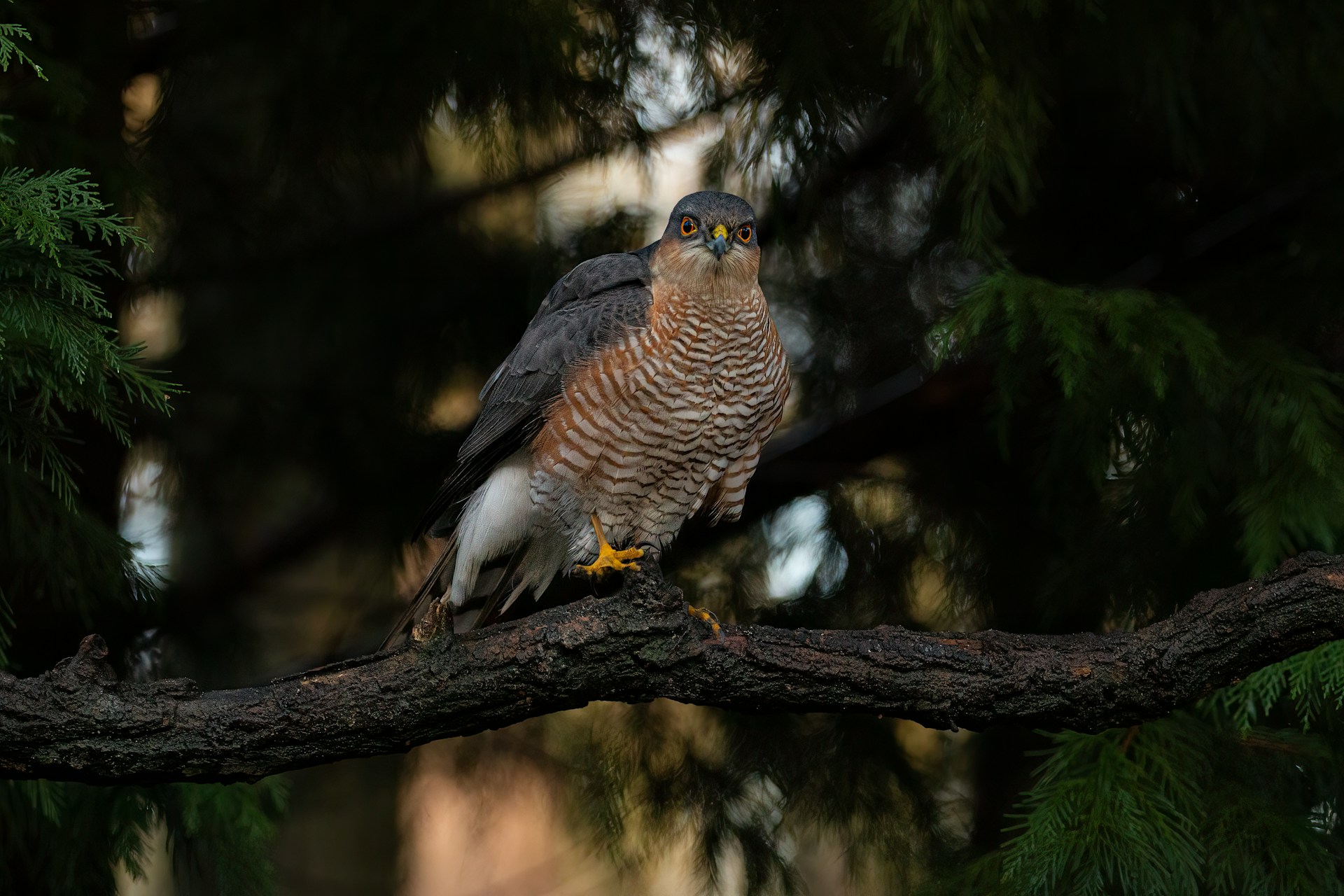
Urban areas
If you have open sky and a bit of patience, you’re already in the right place.
1. Start with shape
Shape is the quickest clue, even at a distance.
2. Watch the flight style
Raptors have signature movements:
3. Look at the tail
Tail shape is incredibly helpful:
4. Listen
Calls can help, especially in open countryside:
5. Consider the habitat
Where you are often narrows the options dramatically.
To improve your chances of seeing wildlife on everyday outings, our How to Notice More Wildlife on Your Daily Walk guide shares simple techniques for staying observant.
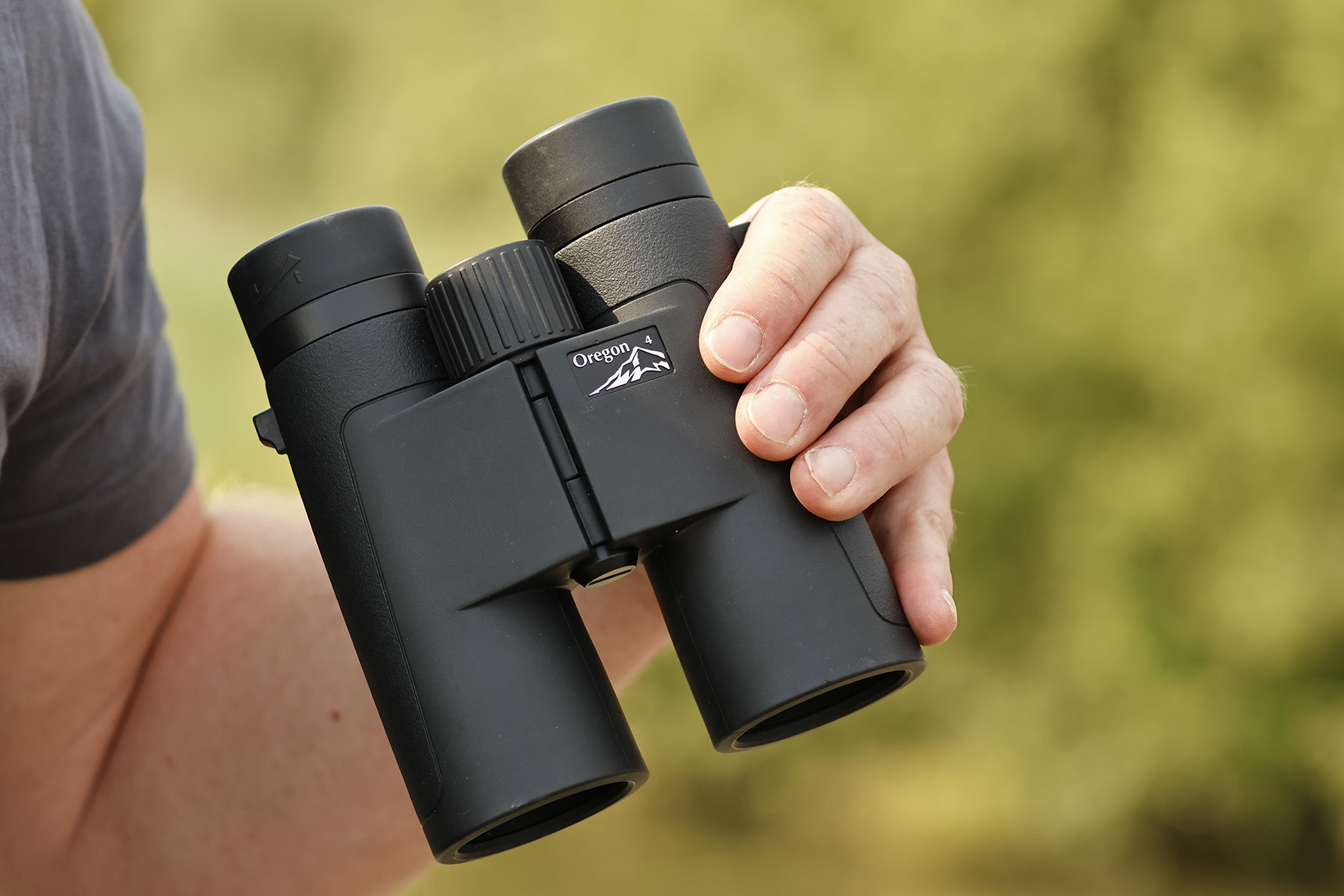
See our Beginner Binoculars Guide for simple advice on choosing your first pair, including what magnification means, how much to spend, and which models are genuinely beginner‑friendly.
See our Field Guides Gear Guide for simple advice on choosing beginner friendly wildlife books, including general wildlife guides, bird guides and pocket guides.
These items can also be really helpful for beginners:

Find a quiet spot with a good view of the sky, pause for a moment, and note:
“What shape do I see first — and how does it move through the air?”
Shape and movement are the keys to raptor identification, and journaling helps you notice patterns.
If you’d like to start a simple nature journal, our beginner’s guide walks you through how to begin: How to Start a Wildlife Journal.

Birds of prey are protected and sensitive to disturbance. A few gentle principles help keep them safe:
This calm, hands off approach is at the heart of NatureGuide.
Birds of prey bring drama, elegance, and wildness to the UK’s skies. Once you learn to read shape, movement, and habitat, these birds become far easier to recognise and far more rewarding to watch. Whether it’s a kestrel hovering over a verge or a red kite drifting across a valley, raptors offer unforgettable moments for anyone willing to slow down and look up.