Wildlife hides offer one of the calmest, most rewarding ways to watch animals. Tucked away beside wetlands, woodlands, and meadows, they give you a sheltered, quiet place to sit while wildlife carries on naturally around you. From the soft splash of a heron landing to the sudden appearance of a deer at the edge of a clearing, hides turn waiting into discovery.
You don’t need specialist knowledge to use a hide well, just patience, quiet behaviour, and a willingness to let the landscape reveal itself. This guide walks you through how to make the most of your time in a hide, whether you’re visiting a nature reserve or a small local hide in a park.
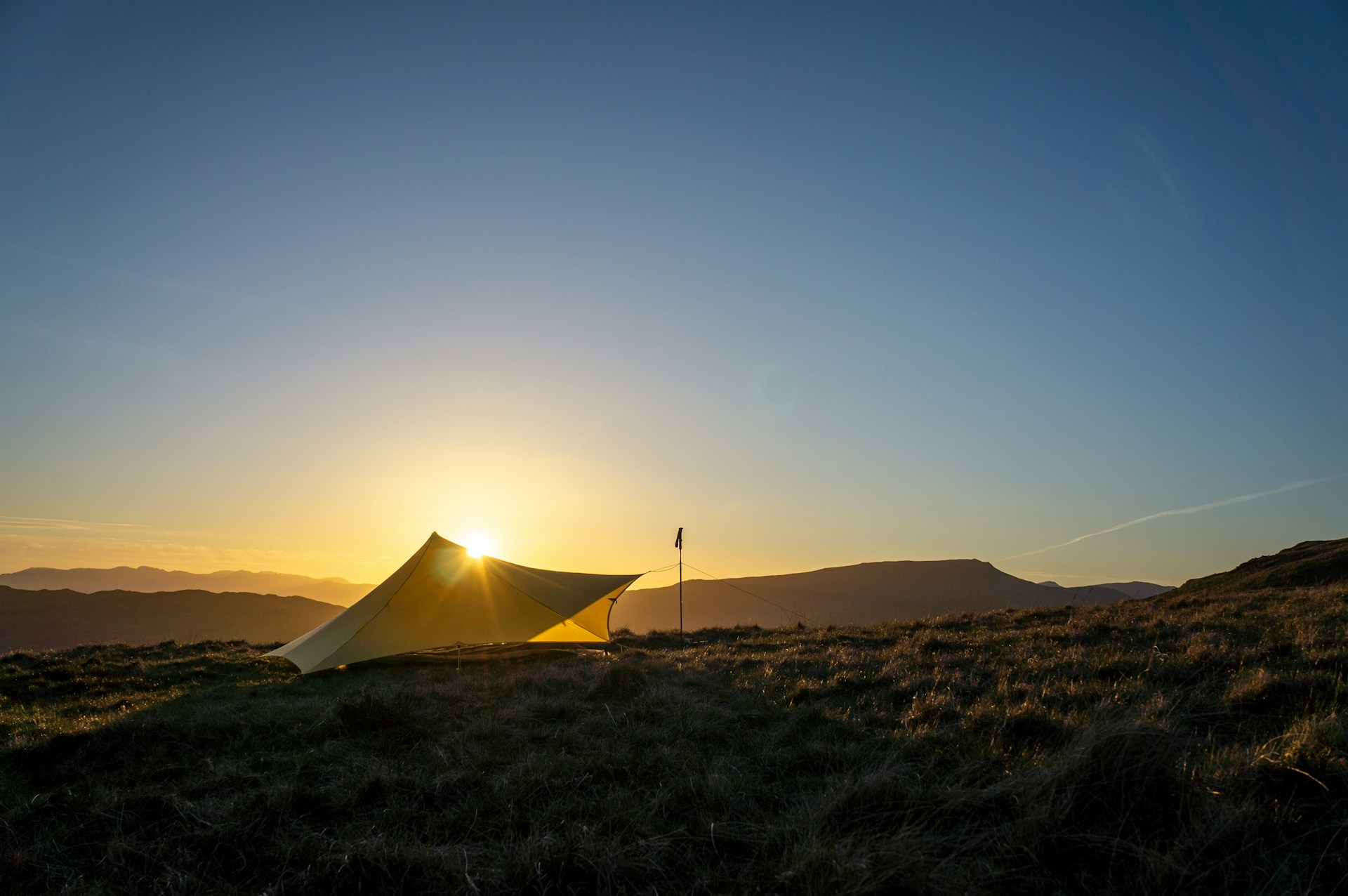
If you enjoy quiet, patient wildlife watching, our Beginner’s Guide to Wildlife‑Friendly Camping guide offers tips for staying outdoors responsibly and comfortably.

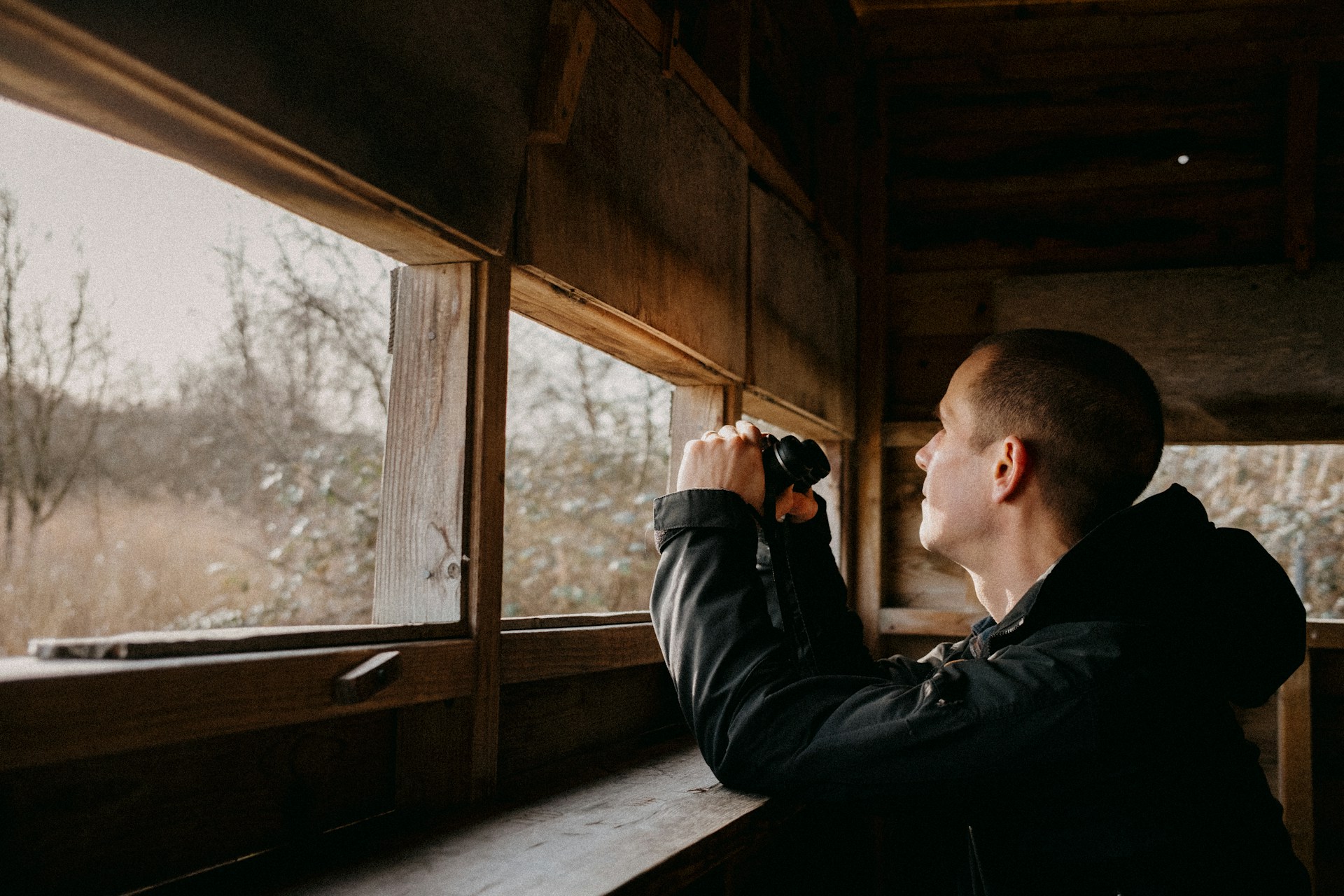
A hide is a simple structure, often wooden, designed to let people watch wildlife without being seen or heard. They’re usually placed in areas where animals feed, rest, or move regularly.
Most hides offer:
Some are large and communal; others are tiny, tucked away shelters for one or two people.
Not all hides offer the same experience.
Look for:
Check:
A calm weekday morning is often the best time to visit.
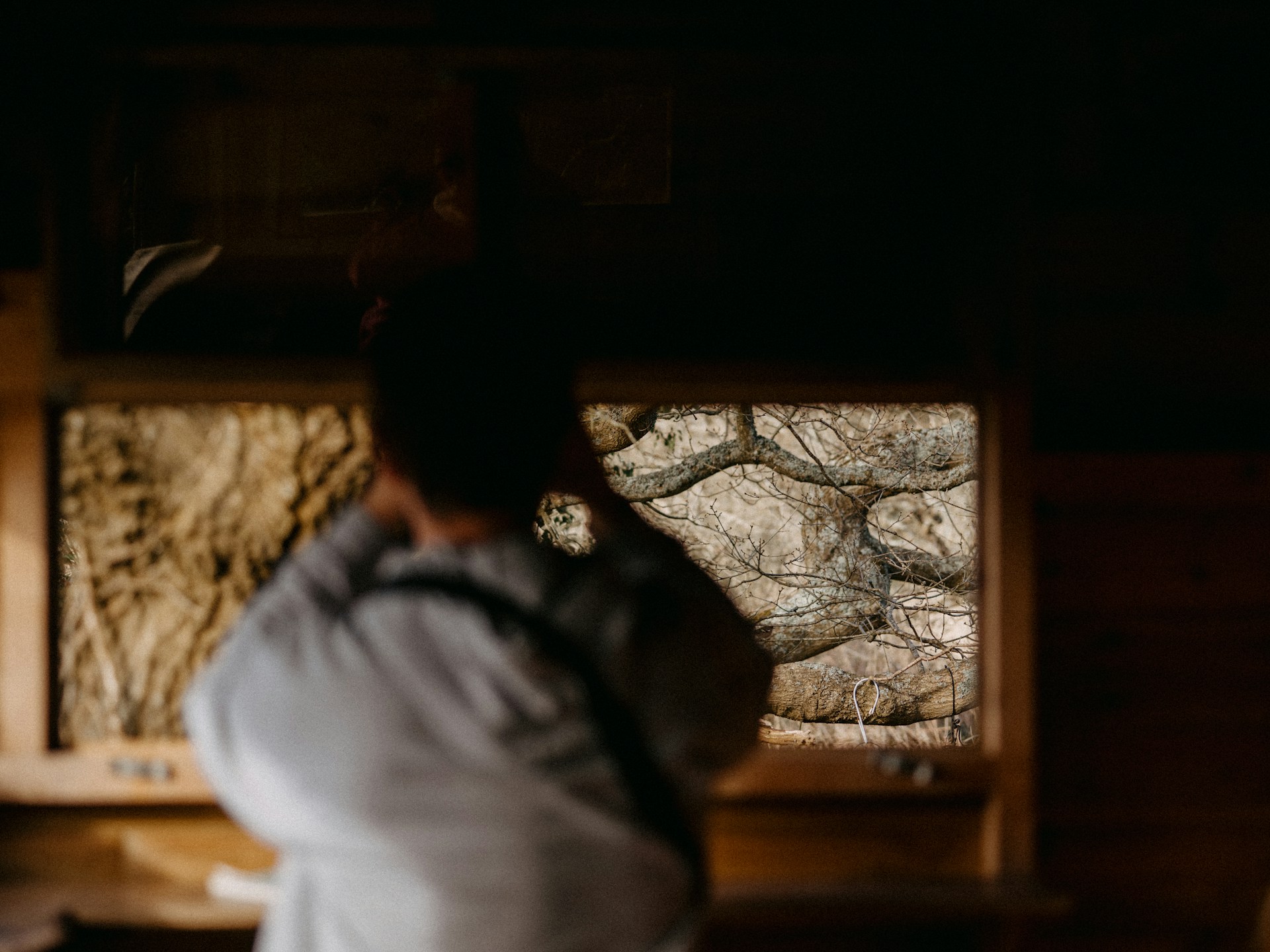
1. Enter slowly and gently
Doors can bang so open and close them carefully to avoid startling wildlife.
2. Choose a window and settle in
Movement inside the hide can be just as noticeable as movement outside.
3. Keep voices low
Even whispers carry through shutters.
4. Stay patient
Wildlife watching from a hide is often about waiting and noticing small changes.
5. Scan slowly
Look for movement, not shapes: ripples, wingbeats, shadows, or rustling vegetation.
6. Let wildlife come to you
The best sightings happen when you’re still.
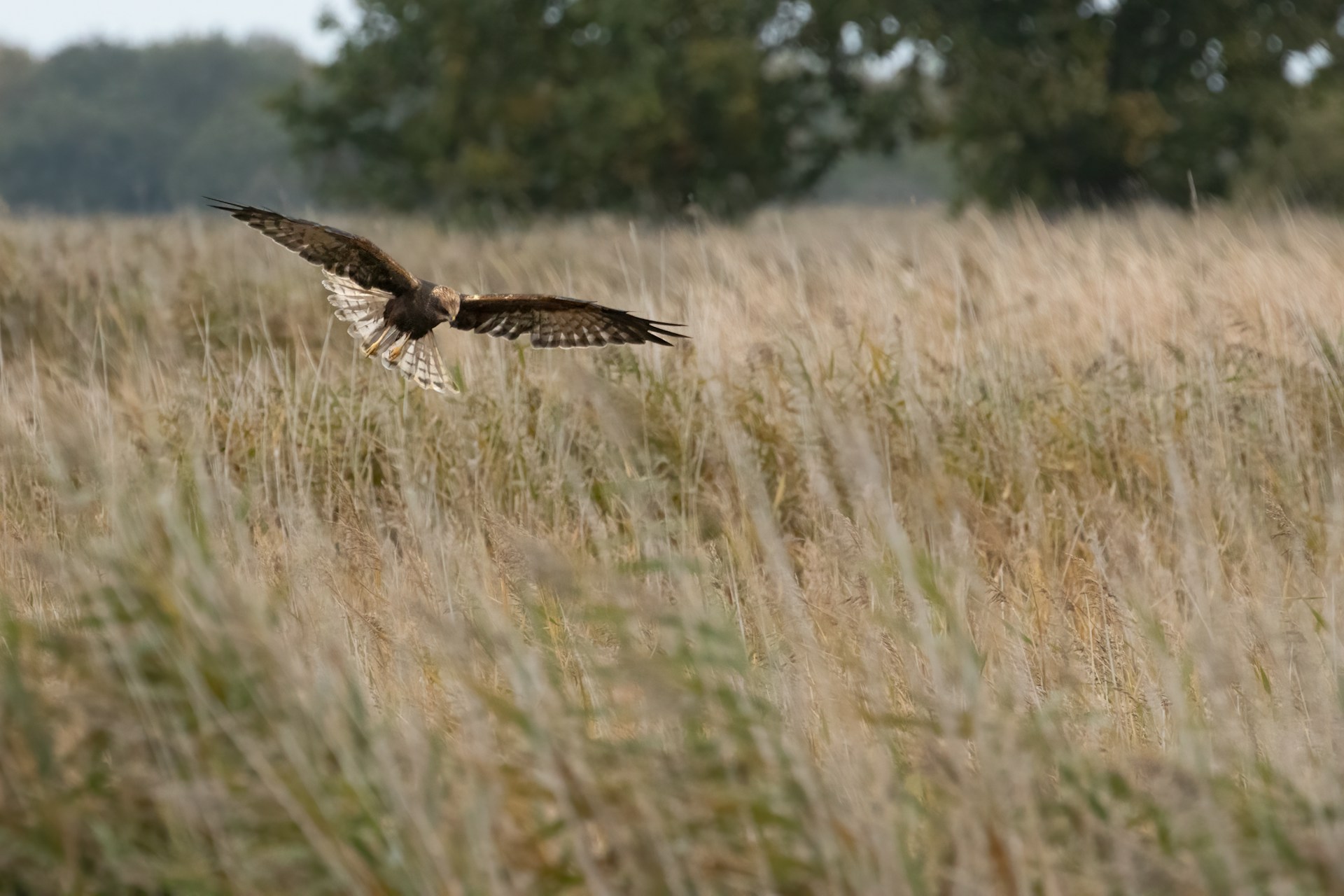
Every hide has its own character and its own regular visitors. For help recognising subtle clues that animals leave behind, our Simple Signs of Wildlife in Your Local Area guide can deepen your understanding of what’s nearby.
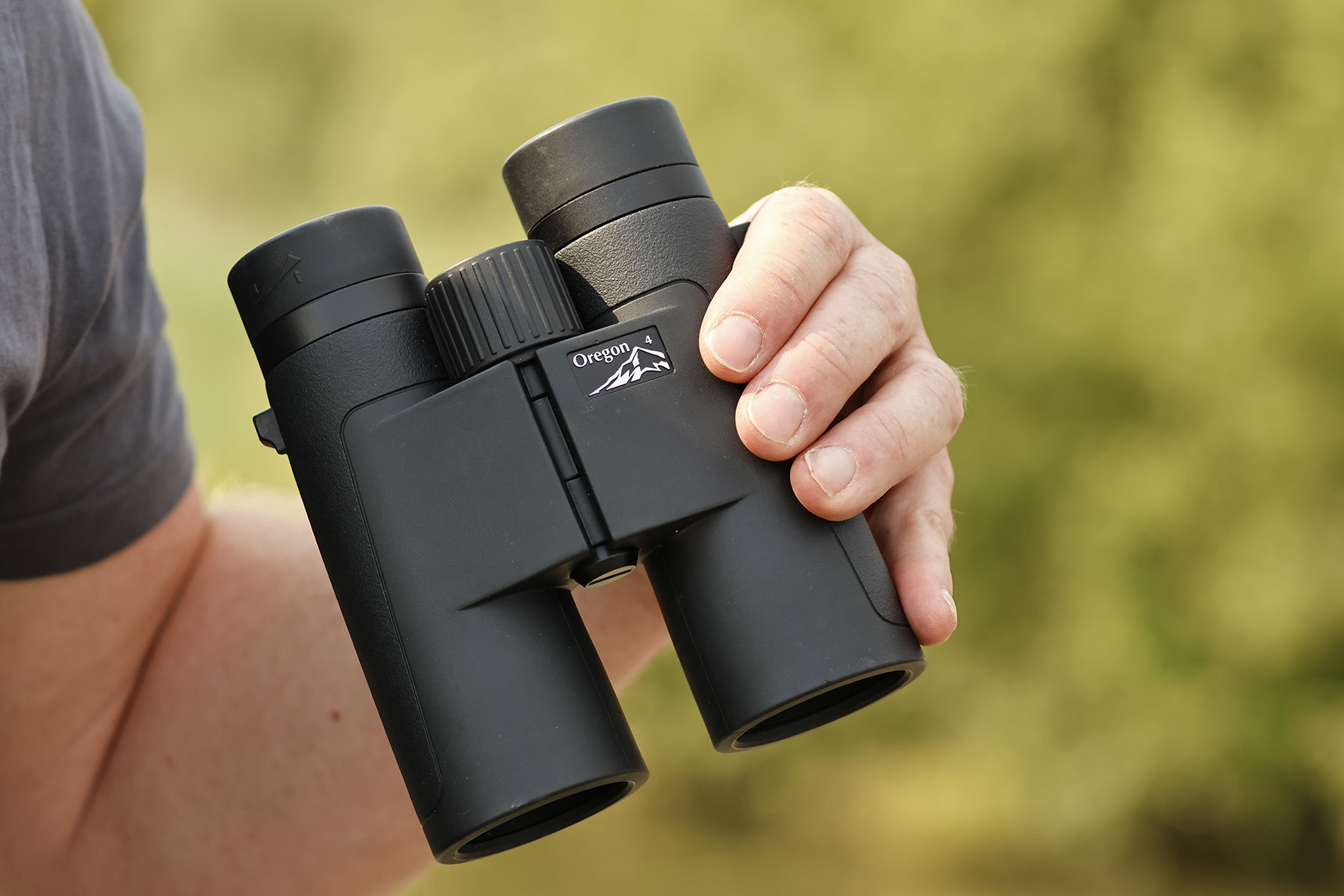
See our Beginner Binoculars Guide for simple advice on choosing your first pair, including what magnification means, how much to spend, and which models are genuinely beginner‑friendly.
See our Field Guides Gear Guide for simple advice on choosing beginner friendly wildlife books, including general wildlife guides, bird guides and pocket guides.
These items can also be really helpful for beginners:

Settle into your chosen window, pause for a moment, and note:
“What is the first small movement I notice in this landscape?”
It might be a ripple, a wingbeat, a rustle in the reeds, or a bird shifting on a branch. These tiny details are often the beginning of a larger moment.
If you’d like to start a simple nature journal, our beginner’s guide walks you through how to begin: How to Start a Wildlife Journal.
Hides are shared spaces for people and for wildlife. A few gentle principles help keep them peaceful:
This calm, considerate approach is at the heart of NatureGuide
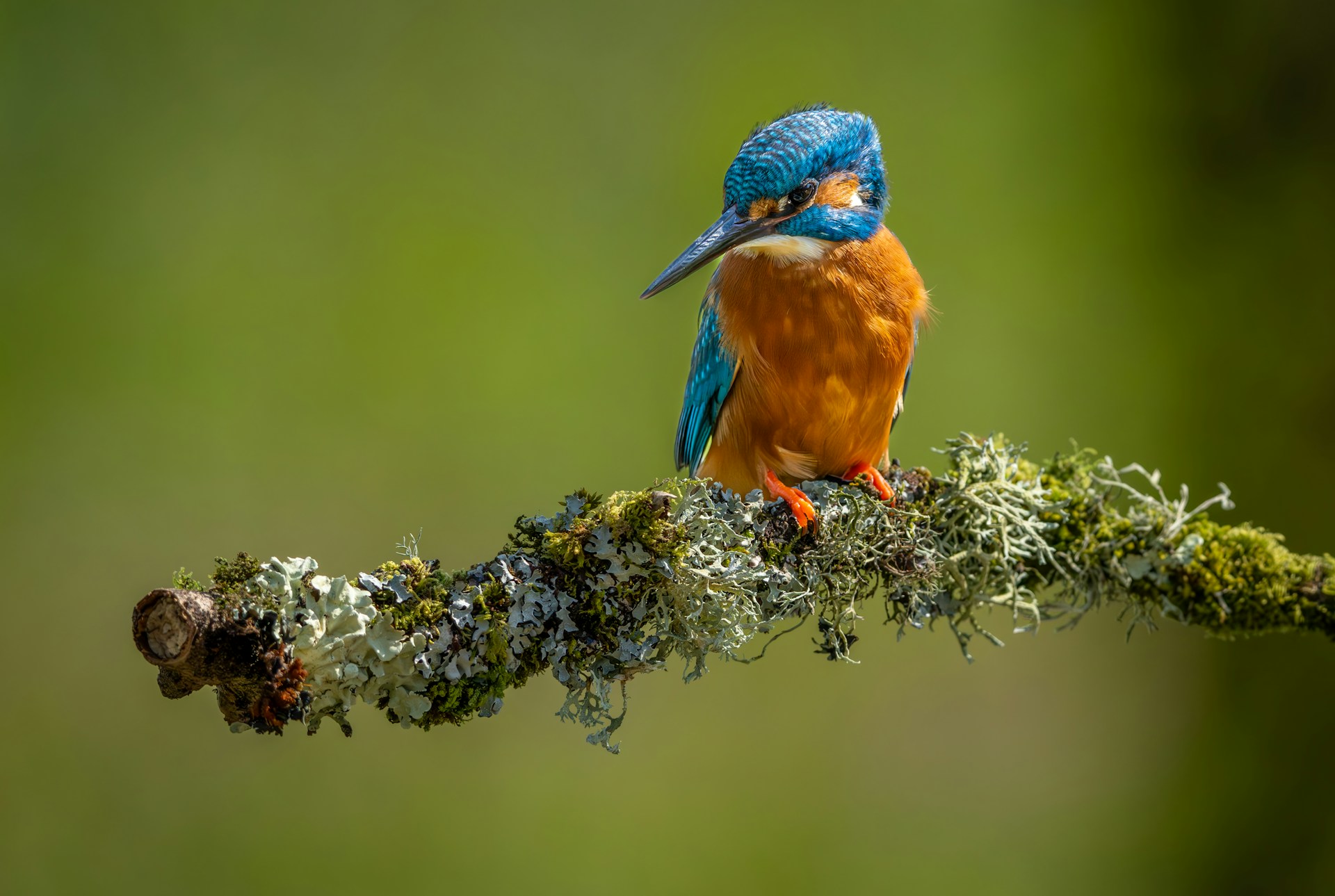
A wildlife hide is a doorway into a quieter world. When you sit still, let the landscape settle, and watch without expectation, wildlife begins to appear in its own time - a heron lifting from the reeds, a kingfisher flashing past, or a deer stepping into the open. By using hides gently and respectfully, you’re giving yourself the chance to witness nature at its most natural and unhurried.