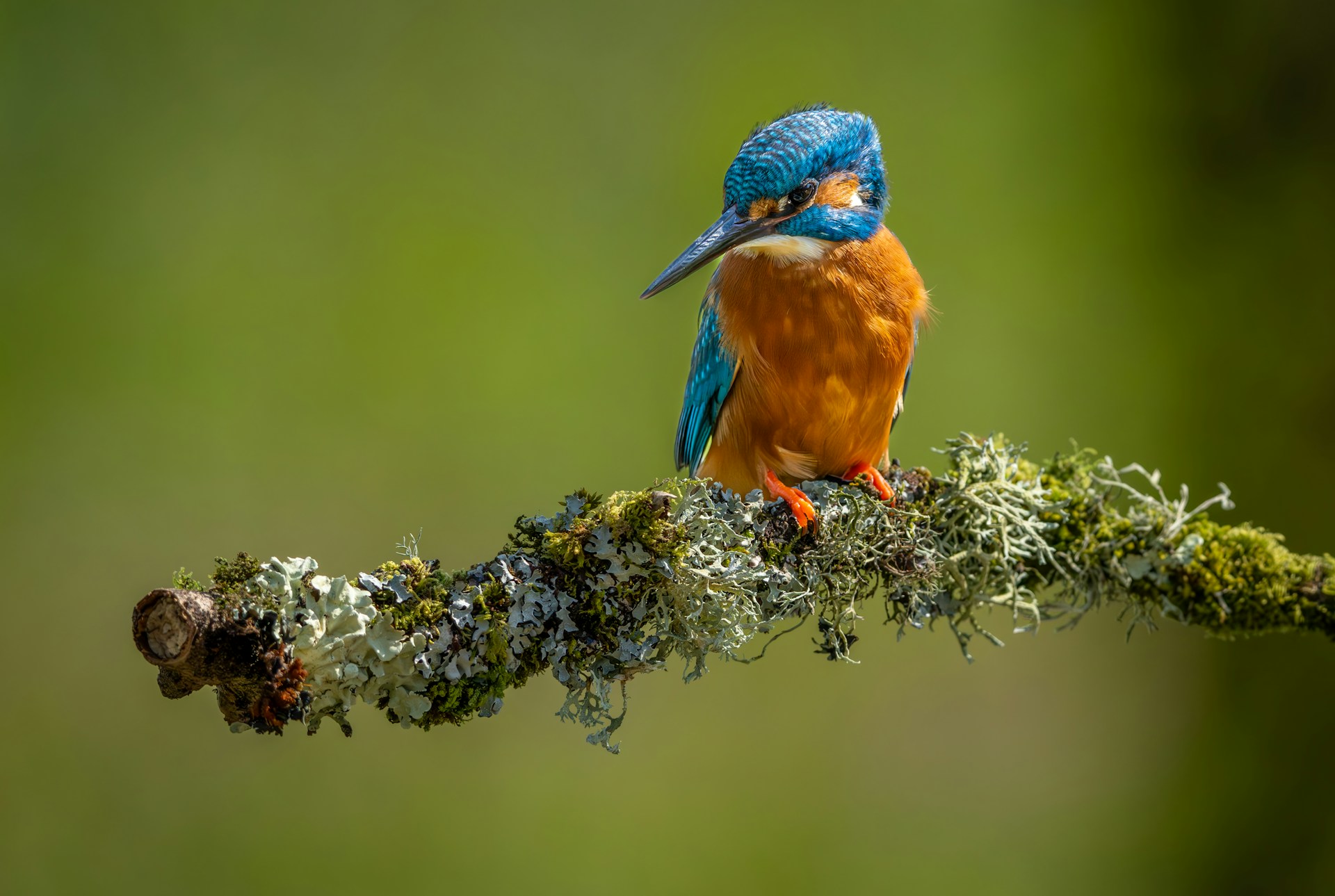
Seeing a kingfisher is one of the most magical wildlife moments in the UK. A flash of electric blue, a sharp whistle, and a dart of movement low over the water, it’s over in seconds, but unforgettable. Kingfishers are small, fast, and shy, yet once you learn their habits, you’ll realise they’re more common than you think.
You don’t need specialist equipment or deep bird knowledge to spot one. What you do need is patience, quiet behaviour, and an understanding of the places kingfishers prefer. This guide walks you through where to look, what to listen for, and how to watch these beautiful birds without disturbing them.
If you enjoy watching wildlife along rivers, our Riverbank & Canal Wildlife guide introduces the species you’re most likely to encounter on quiet waterside walks.

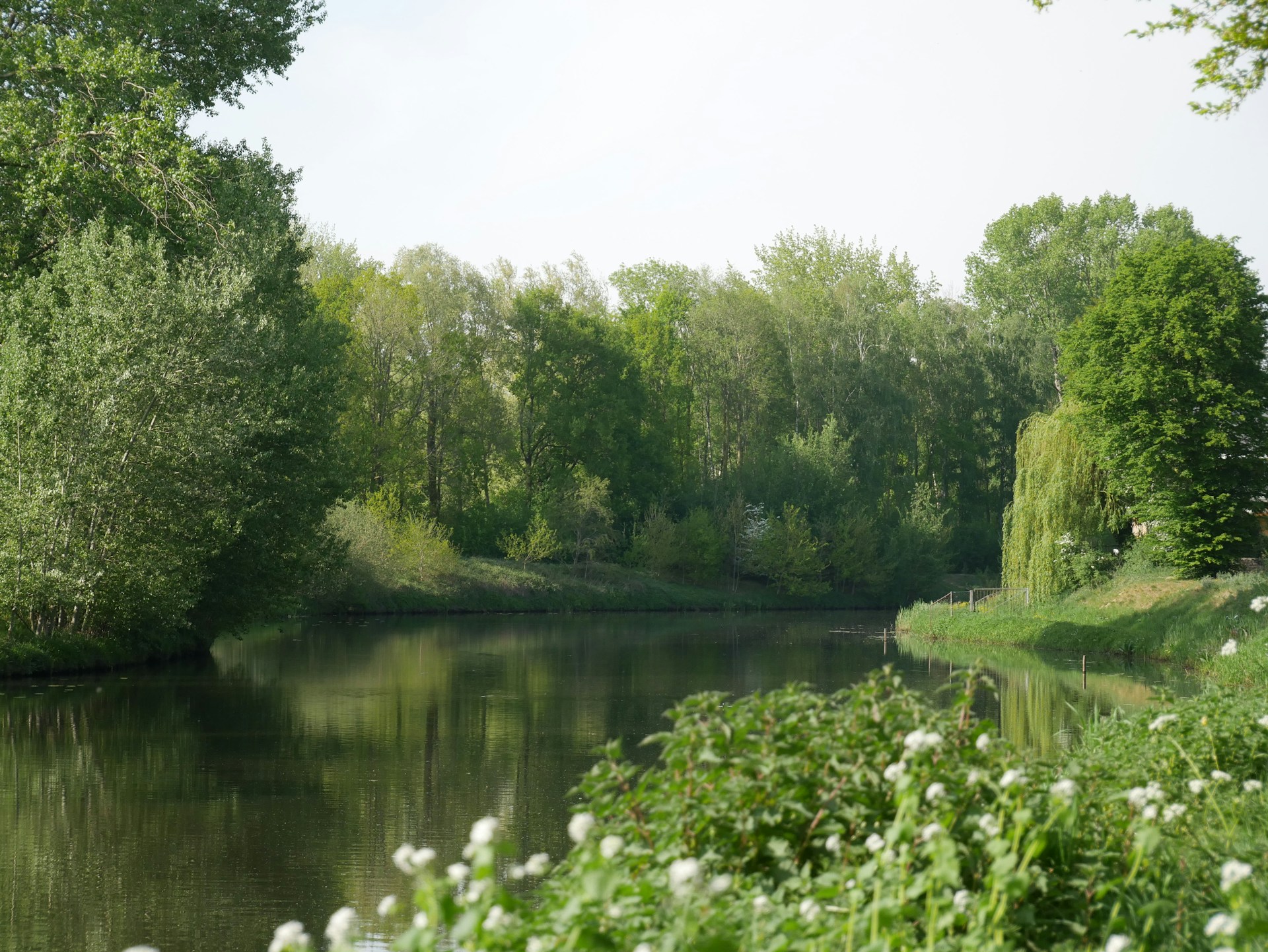
Kingfishers live anywhere with clean, slow moving water and plenty of small fish. Some of the best places to explore include:
Look for:
If the water is clear and the banks are quiet, it’s good kingfisher habitat.

Kingfishers are active year round, but some times are better than others.
They hunt throughout the day, but avoid busy periods when towpaths are crowded.
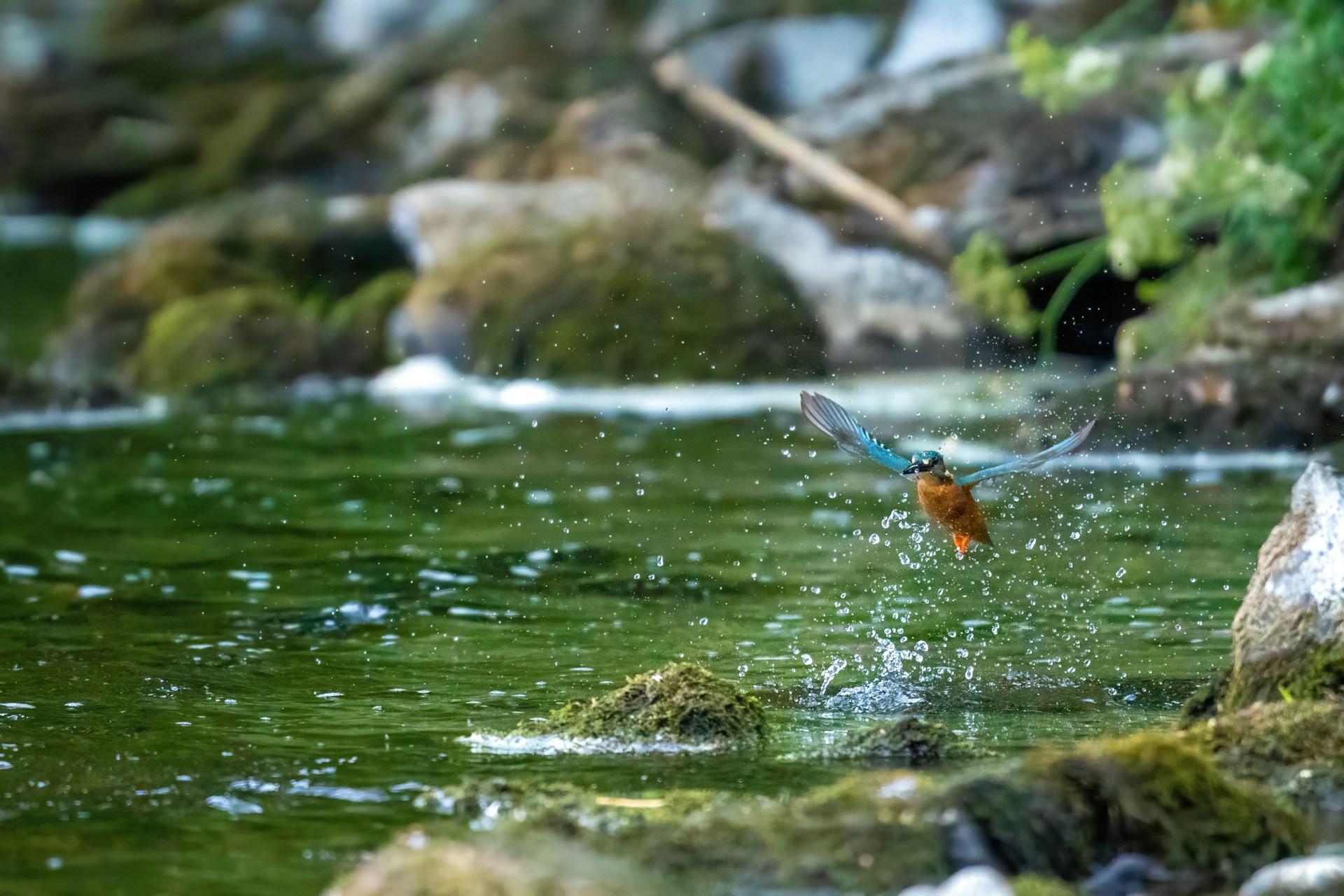
Even if you don’t see a kingfisher immediately, their behaviour gives them away.
1. The call
A sharp, high pitched whistle, often the first clue.
2. Low, fast flight
Kingfishers skim just above the water, often in a straight line.
3. Perching and watching
They sit quietly on branches or posts, scanning the water below.
4. Hovering
A brief, fluttering hover before diving.
5. The dive
A quick, arrow straight plunge into the water.
Learning these patterns makes spotting kingfishers far easier. For help improving your patience and awareness outdoors, our How to Notice More Wildlife on Your Daily Walk guide shares simple techniques that make sightings more likely.
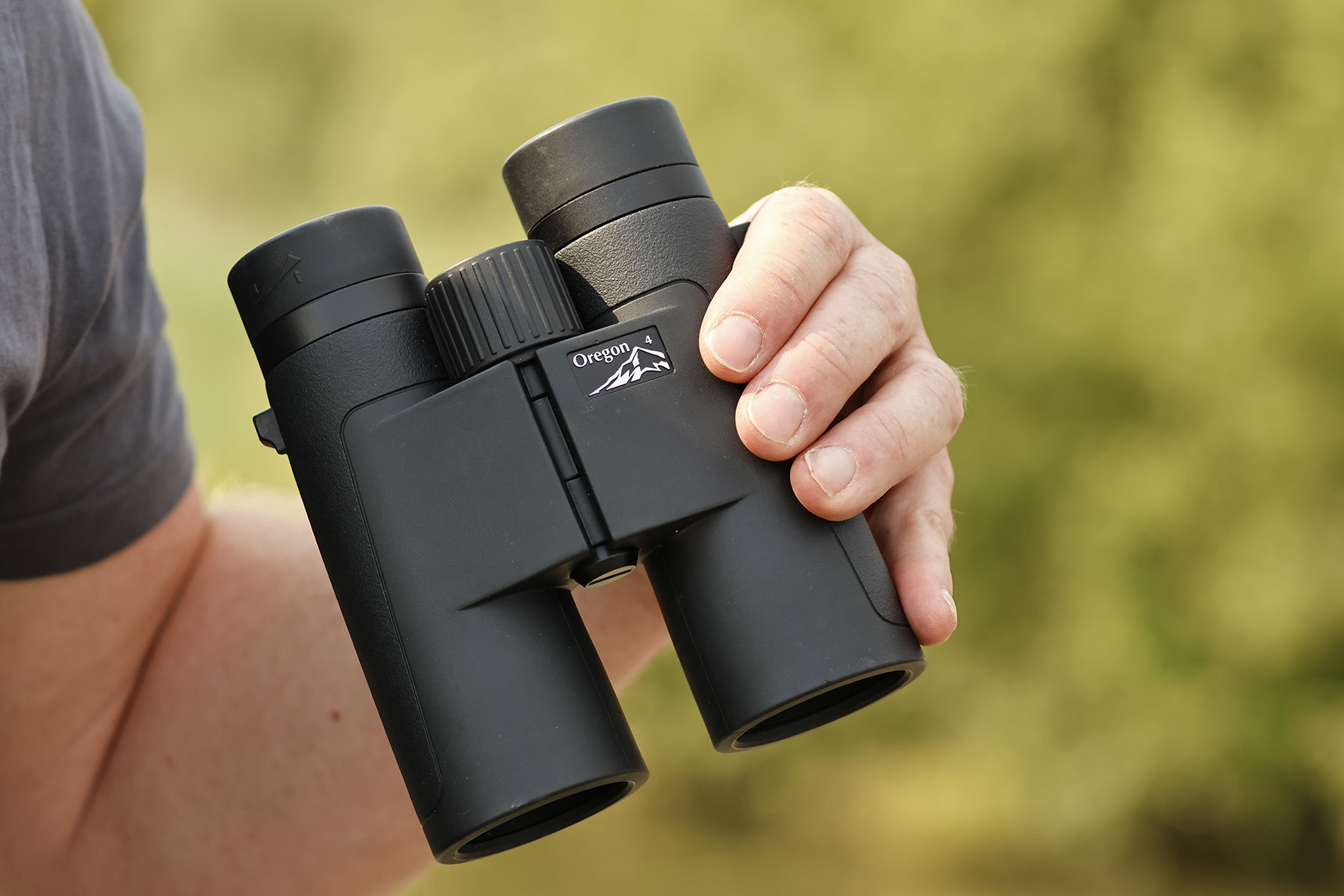
See our Beginner Binoculars Guide for simple advice on choosing your first pair, including what magnification means, how much to spend, and which models are genuinely beginner‑friendly.
See our Field Guides Gear Guide for simple advice on choosing beginner friendly wildlife books, including general wildlife guides, bird guides and pocket guides.
These items can also be really helpful for beginners:

Find a quiet spot beside the water, pause for a moment, and note:
“What part of this river or canal feels most likely to attract a kingfisher, and why?”
It might be a calm pool, an overhanging branch, or a quiet bend in the water. Learning to read a landscape is the first step to seeing these birds.
If you’d like to start a simple nature journal, our beginner’s guide walks you through how to begin: How to Start a Wildlife Journal.

Kingfishers are protected and easily disturbed. A few simple principles help keep them safe:
This quiet, hands off approach is at the heart of NatureGuide.
A kingfisher sighting is a moment of pure brightness, a flash of colour that feels like a gift. With patience, quiet observation, and a gentle approach, you’ll start to notice the clues that reveal where these birds live and hunt. By exploring their habitats respectfully, you’re giving yourself the best chance of seeing one of the UK’s most dazzling birds in its natural home.