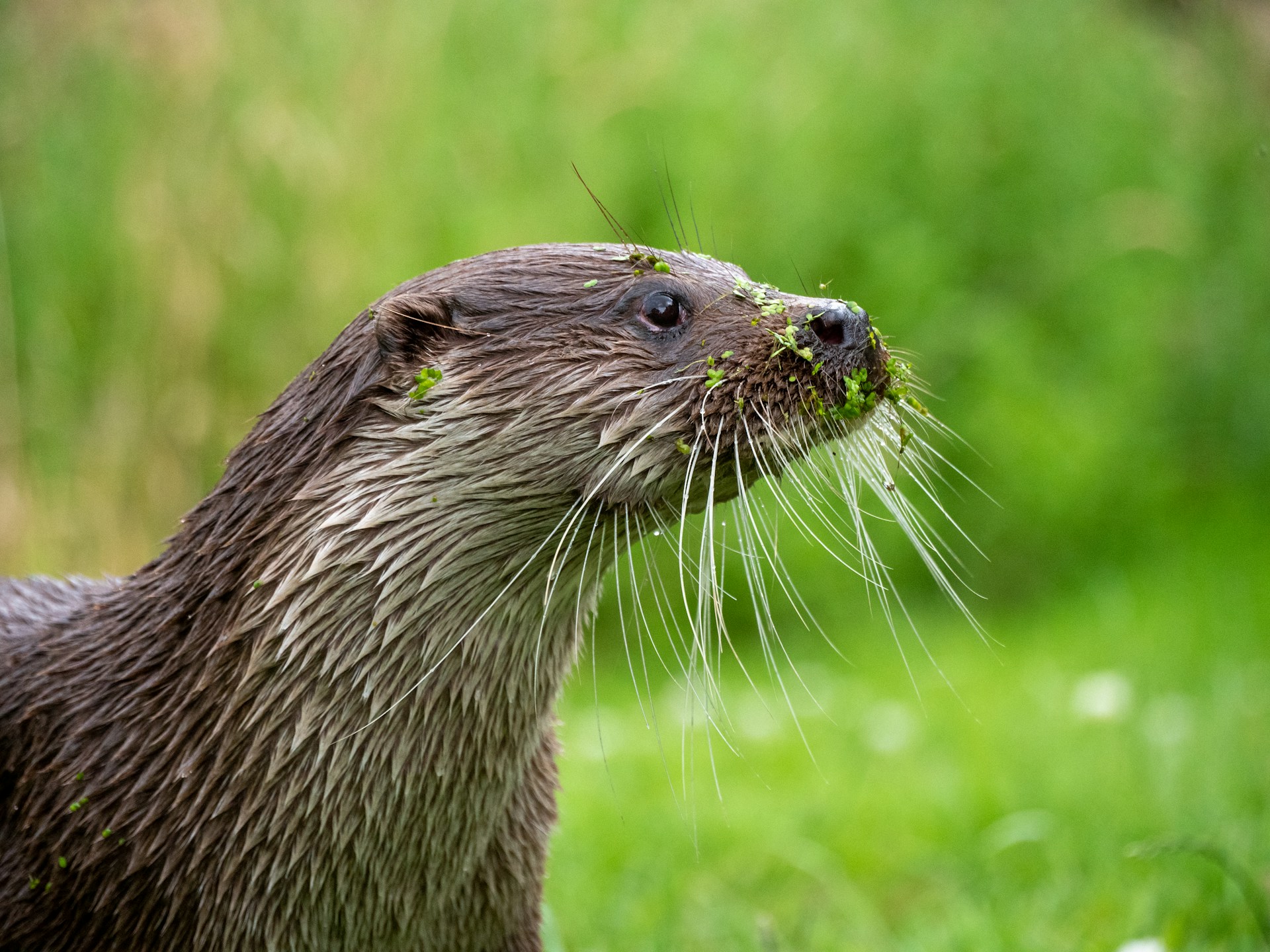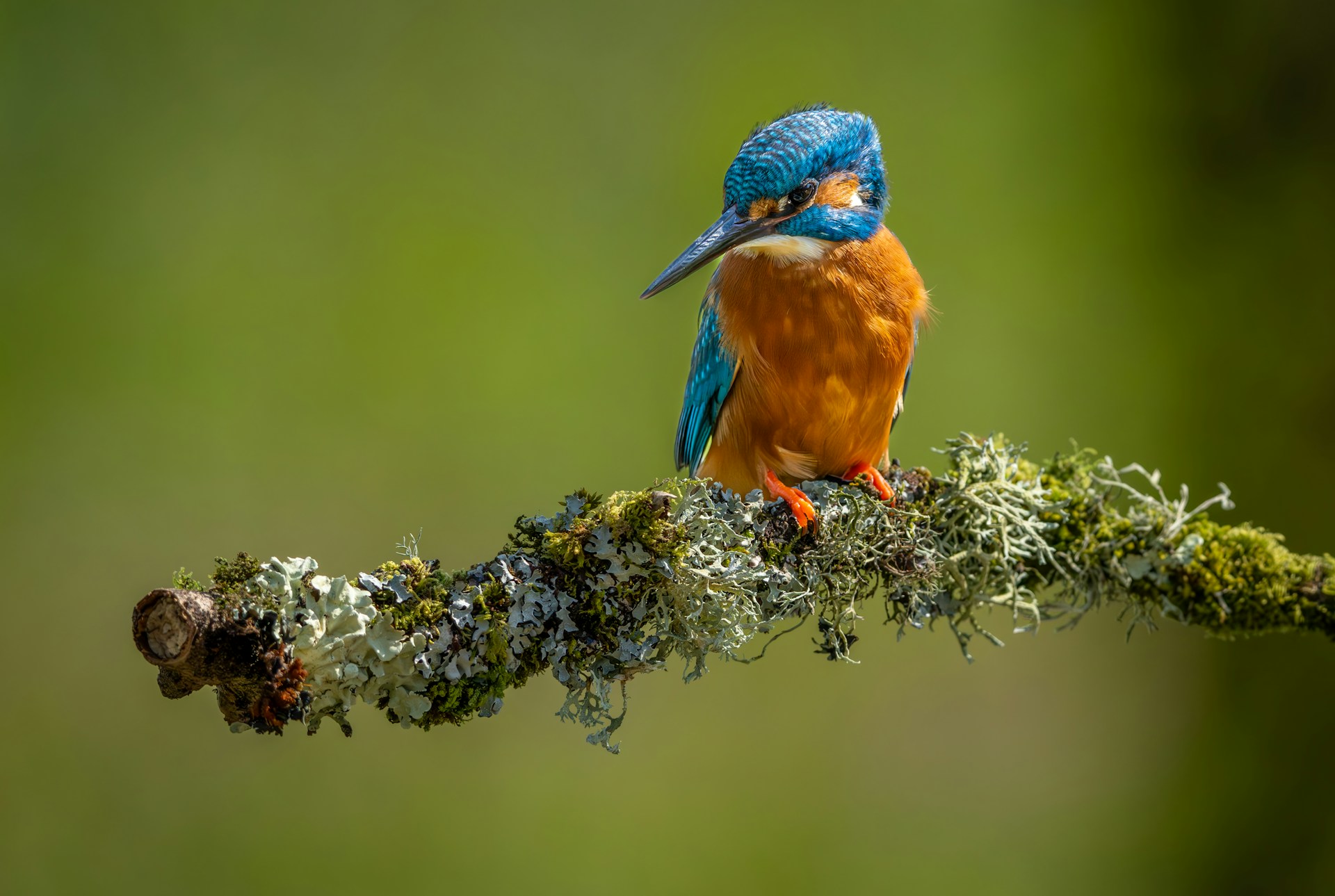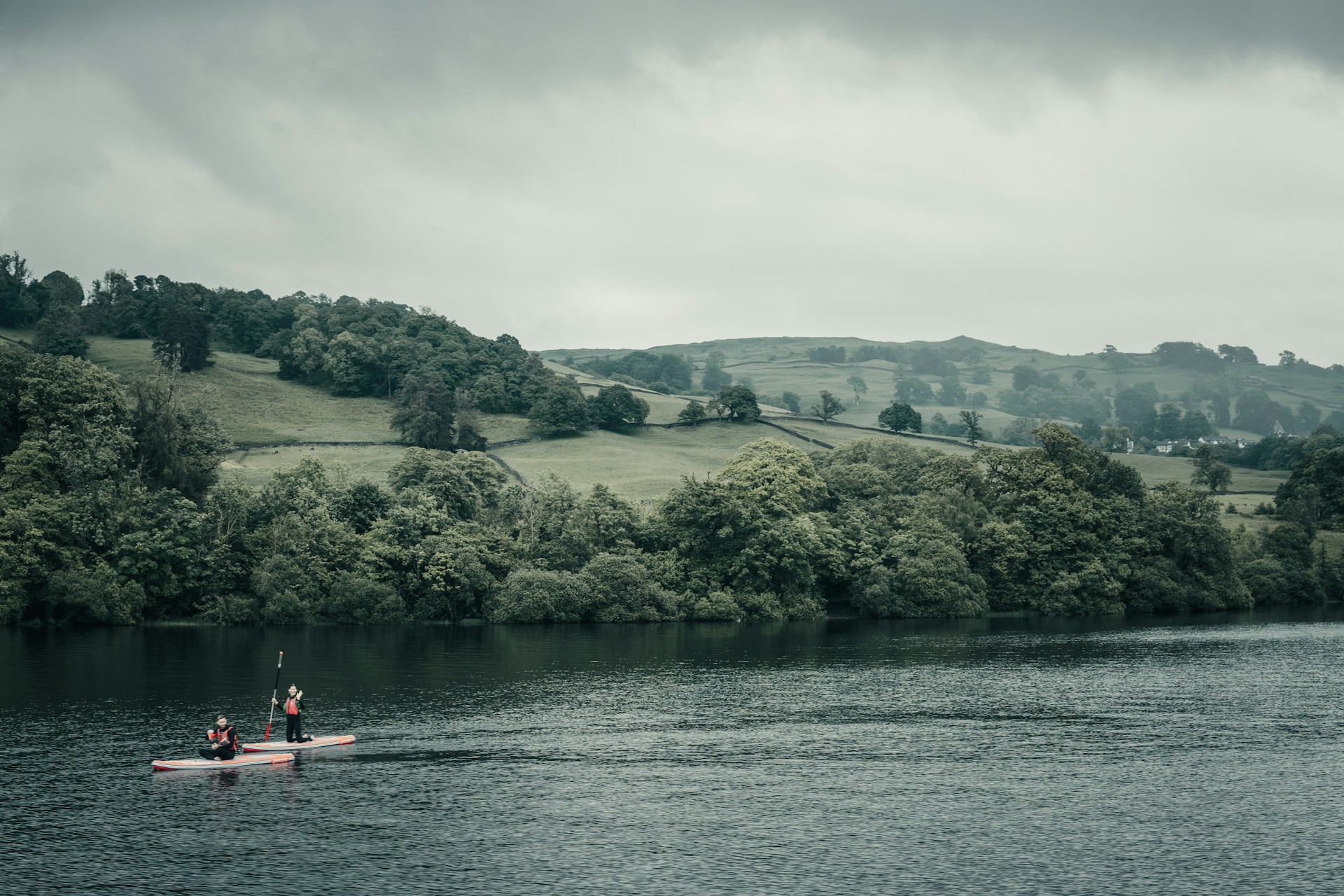
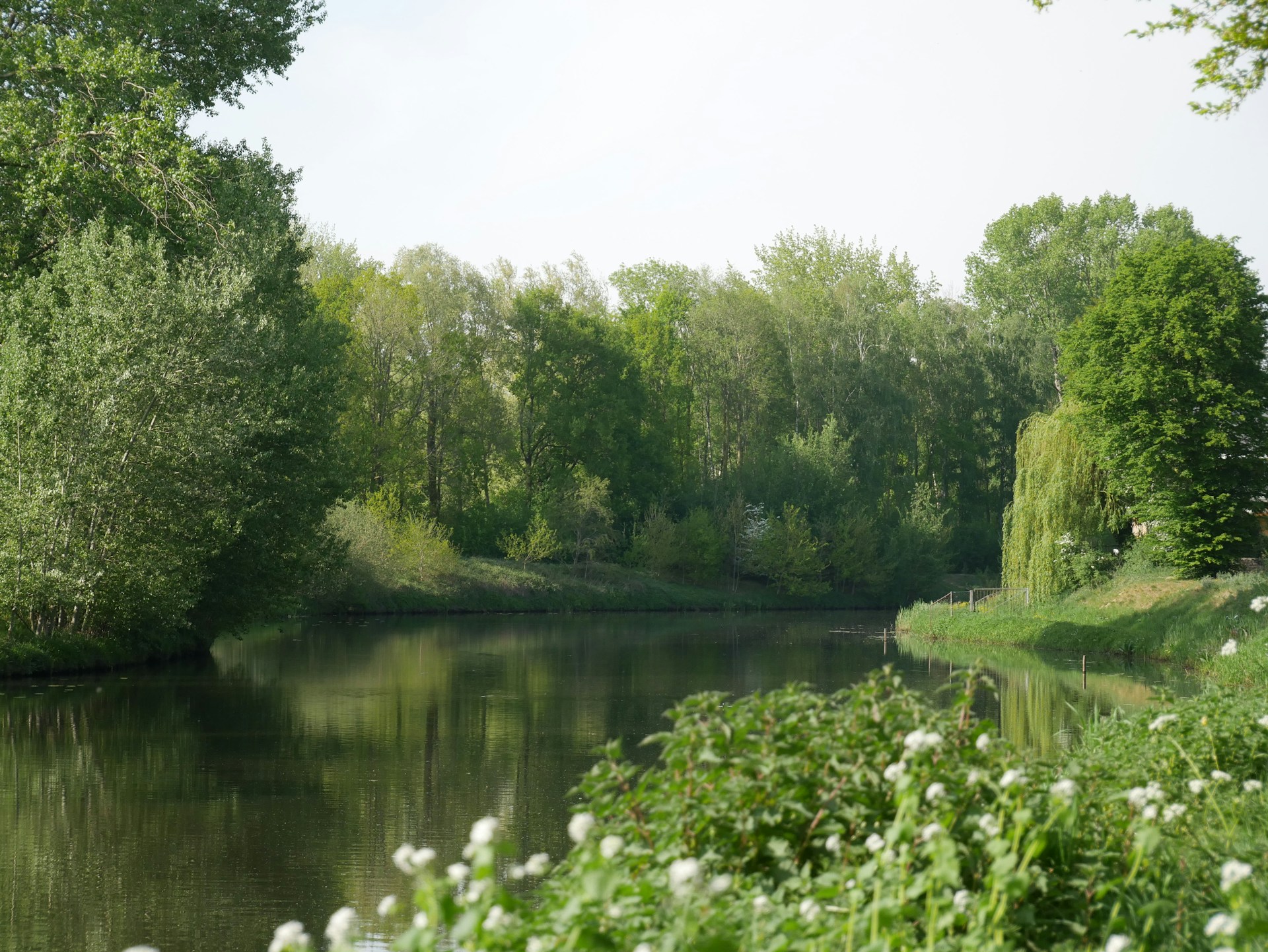
Riverbanks and canals are some of the easiest places to watch wildlife in the UK. These calm, linear habitats attract birds, mammals, insects, and amphibians; all drawn to the shelter, food, and water found along the edges. Even a short walk beside a canal or stream can reveal kingfishers, dragonflies, ducks, and quiet signs of mammals passing through.
You don’t need specialist equipment or deep knowledge to enjoy these places. With a slow pace and a little attention, the water’s edge becomes a peaceful, wildlife rich world.
This guide walks you through what makes riverbanks and canals special, the species you’re likely to see, and how to explore them gently. If you enjoy exploring waterside habitats, our Spotting Kingfishers in the UK guide introduces one of the most striking birds you may encounter along quiet riverbanks.
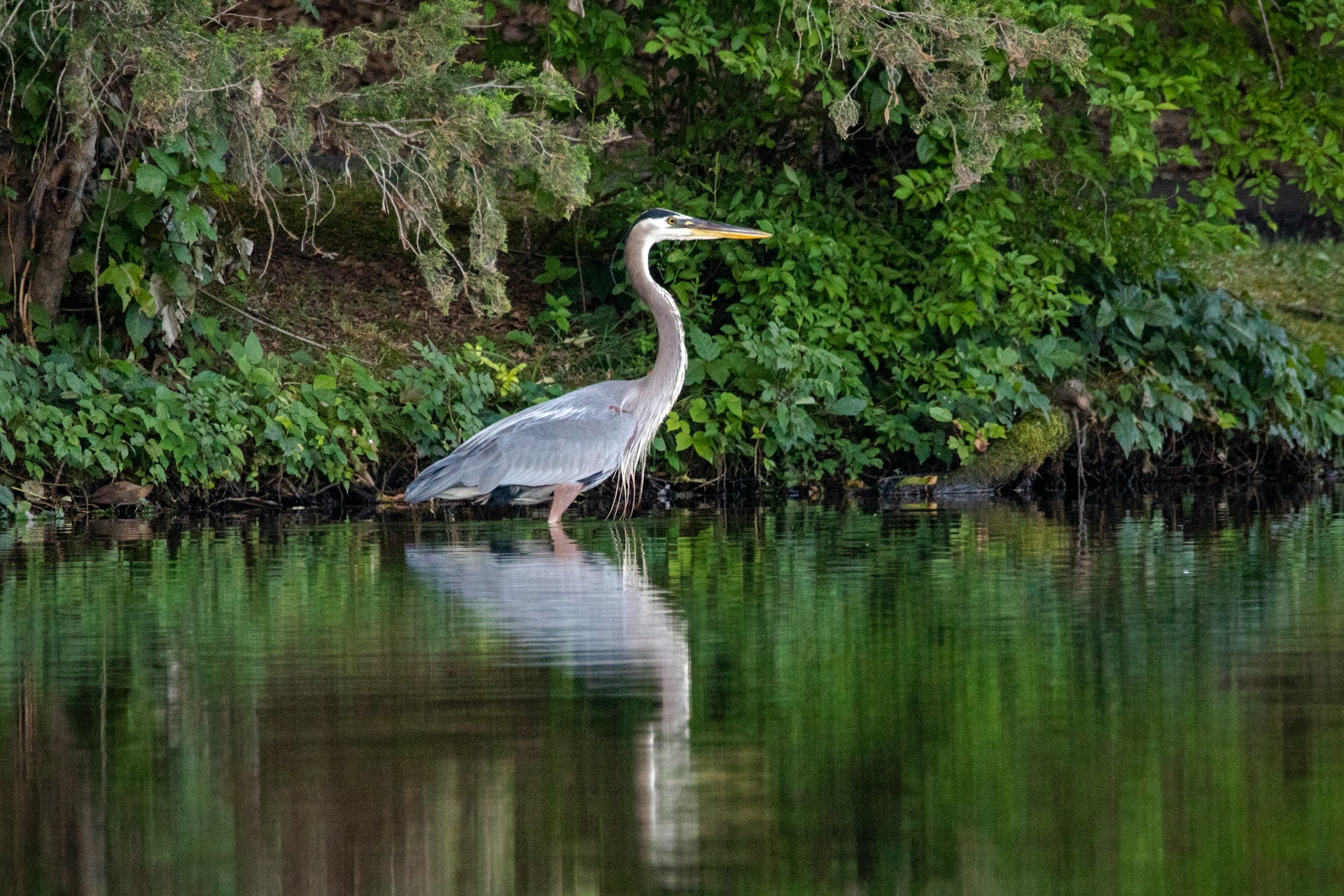
Water draws life. Birds feed and nest along the edges, insects skim the surface, amphibians shelter in damp vegetation, and mammals use towpaths as natural routes through the landscape.
These habitats offer:
Whether natural or man made, waterways act as wildlife corridors connecting habitats and helping species move safely across the landscape.
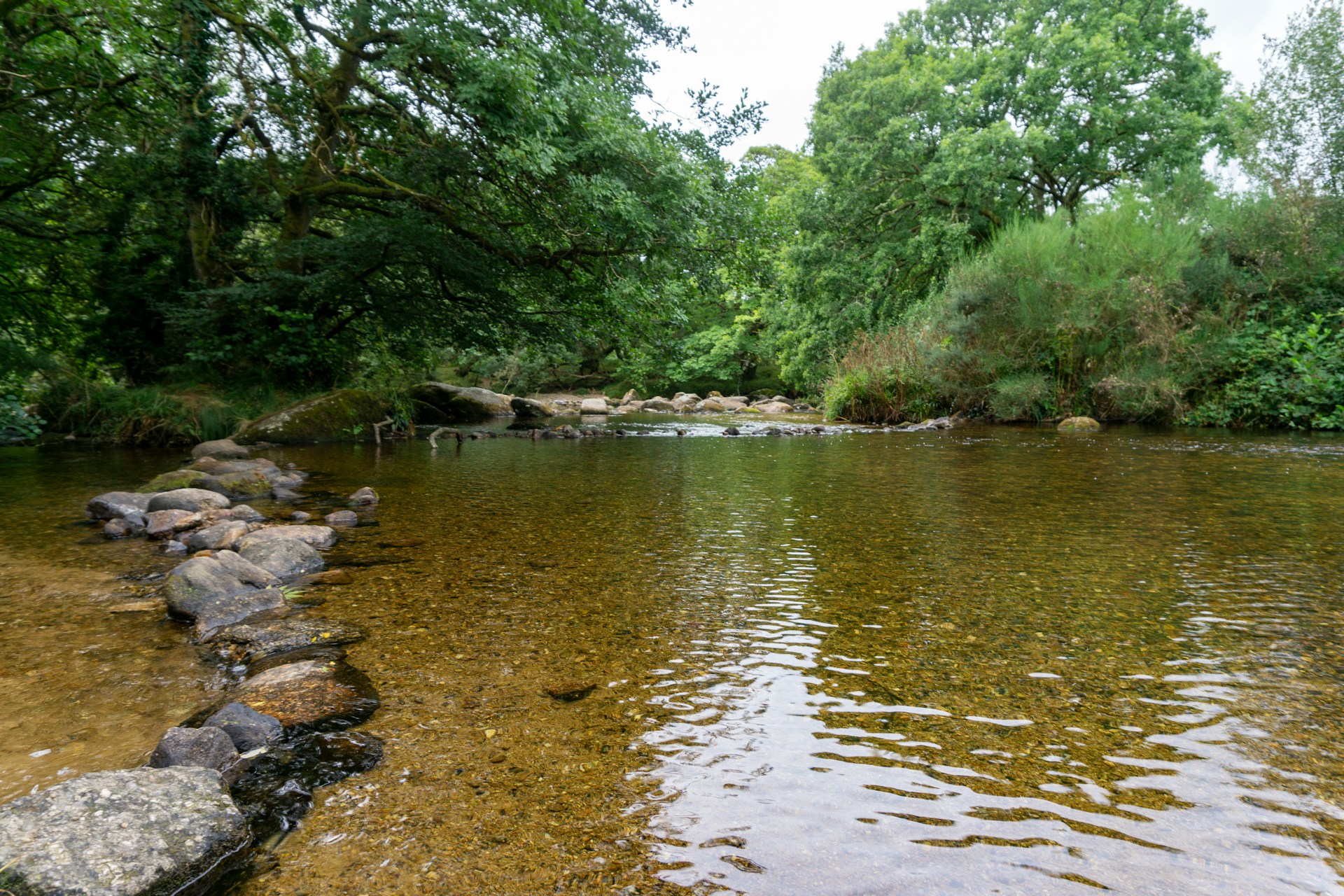
Most rivers and canals are accessible, but some offer better wildlife watching than others.
Look for:
Avoid:
Even short, urban canals can be surprisingly rich in wildlife. To understand how changing light levels influence what you’re likely to see, our How to Spot Wildlife at Dawn and Dusk guide offers simple tips for early and late‑day walks.
1. Walk slowly and stop often
Wildlife appears when you pause, especially birds and mammals that hide in vegetation.
2. Scan both the water and the edges
Many species stay low or perch just above the surface.
3. Listen for calls
Reed warblers, moorhens, and kingfishers often reveal themselves by sound first.
4. Look for ripples and movement
Fish, water voles, and ducks often give themselves away with small disturbances.
5. Visit early or late
Dawn and dusk are the calmest times for wildlife activity.

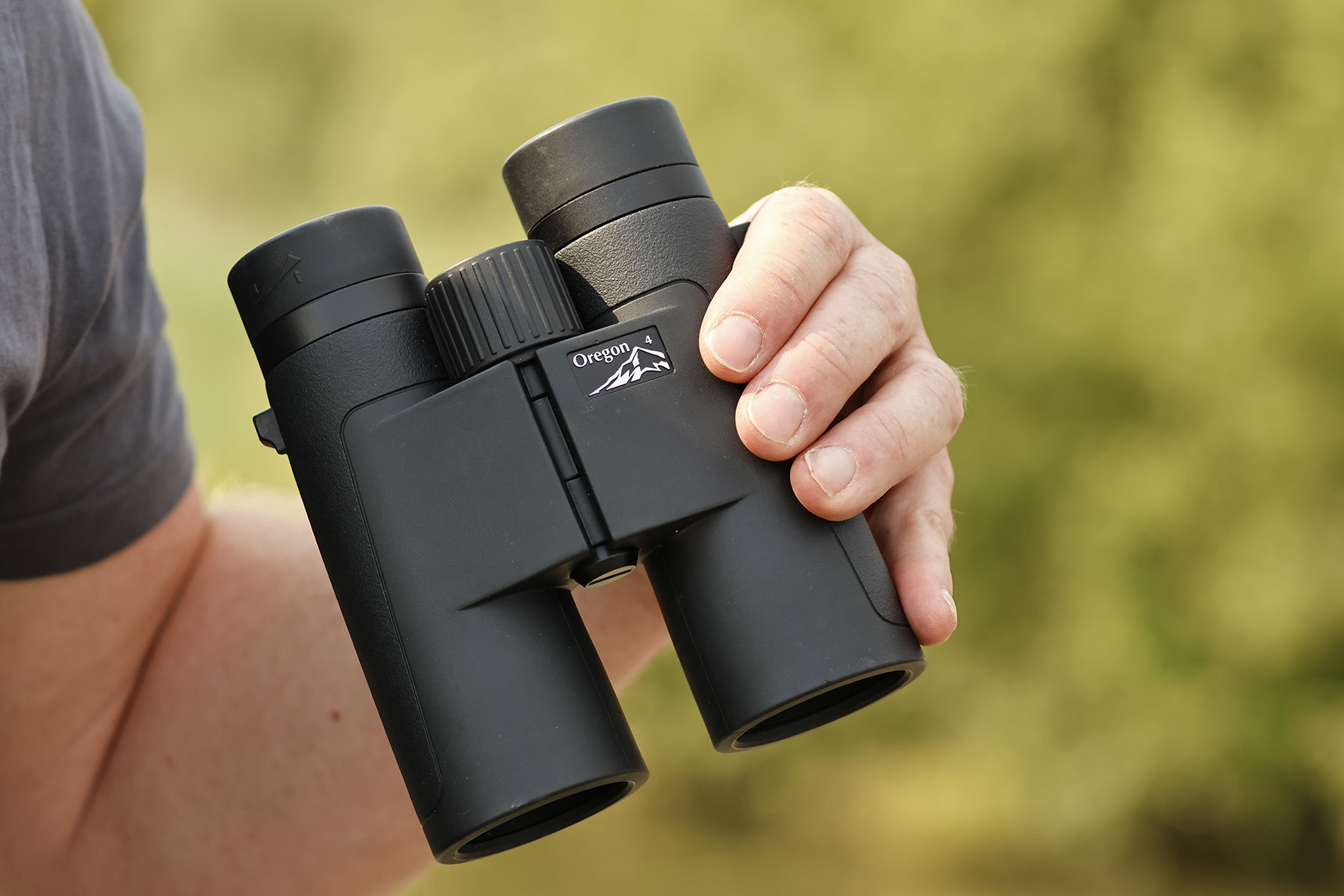
See our Beginner Binoculars Guide for simple advice on choosing your first pair, including what magnification means, how much to spend, and which models are genuinely beginner‑friendly.
See our Field Guides Gear Guide for simple advice on choosing beginner friendly wildlife books, including general wildlife guides, bird guides and pocket guides.
These simple items make riverbank and canal wildlife watching easier:

Find a quiet spot beside the water, pause for a moment, and note:
“What is the first movement I notice on or near the water?”
It might be a ripple, a bird landing, a dragonfly passing, or the soft rustle of reeds. These early observations help you tune into the rhythm of the water’s edge.
If you’d like to start a simple nature journal, our beginner’s guide walks you through how to begin: How to Start a Wildlife Journal.
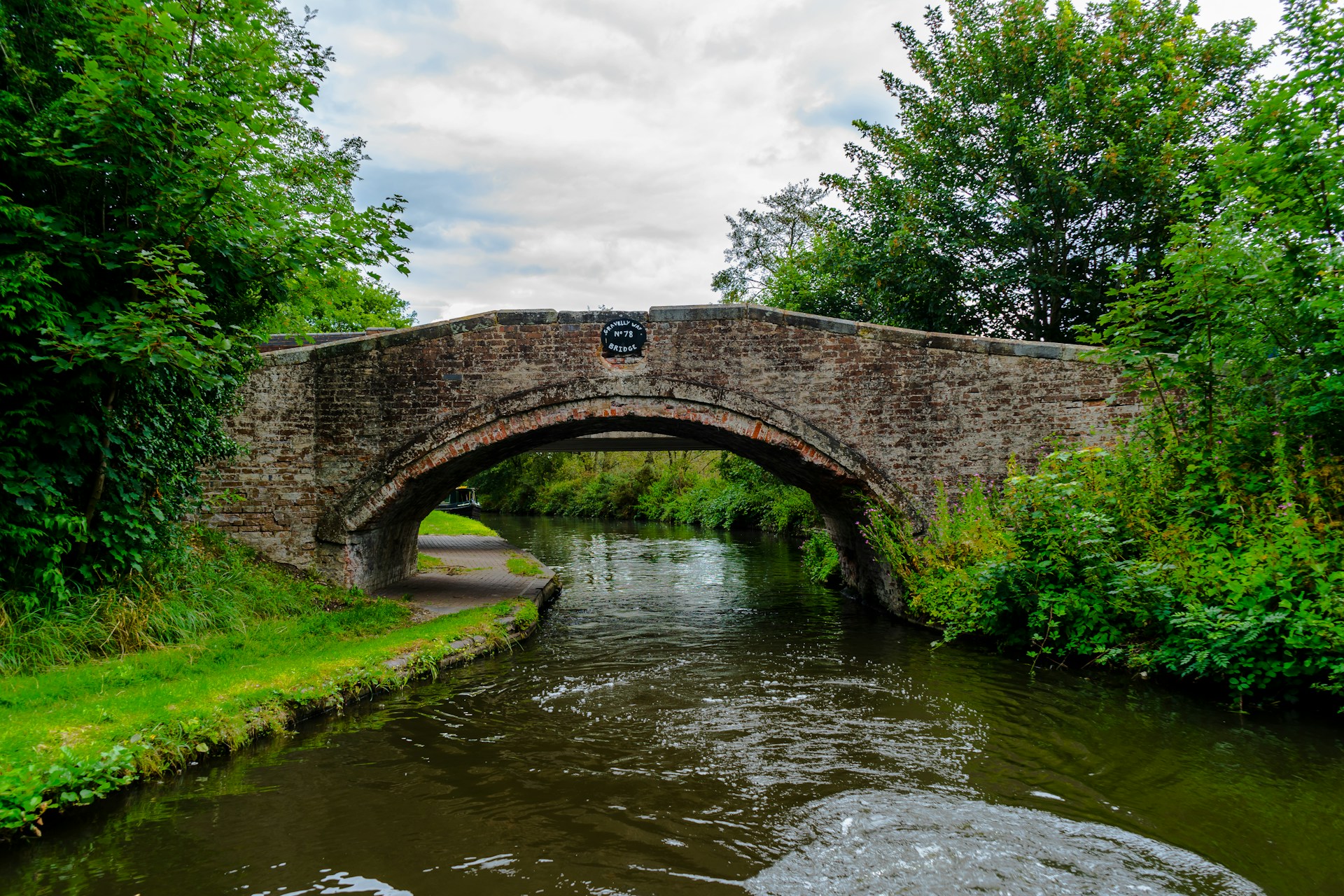
Riverbanks and canals are sensitive habitats, and a few simple principles help protect them:
This gentle, hands off approach is at the heart of NatureGuide.
Riverbanks and canals are peaceful, wildlife rich places that reward slow, attentive walking. From the flash of a kingfisher to the shimmer of dragonflies or the quiet rustle of reeds, these watery edges offer daily moments of calm and connection. By exploring them gently, you’re supporting a vital habitat and opening the door to a world of quiet discovery.