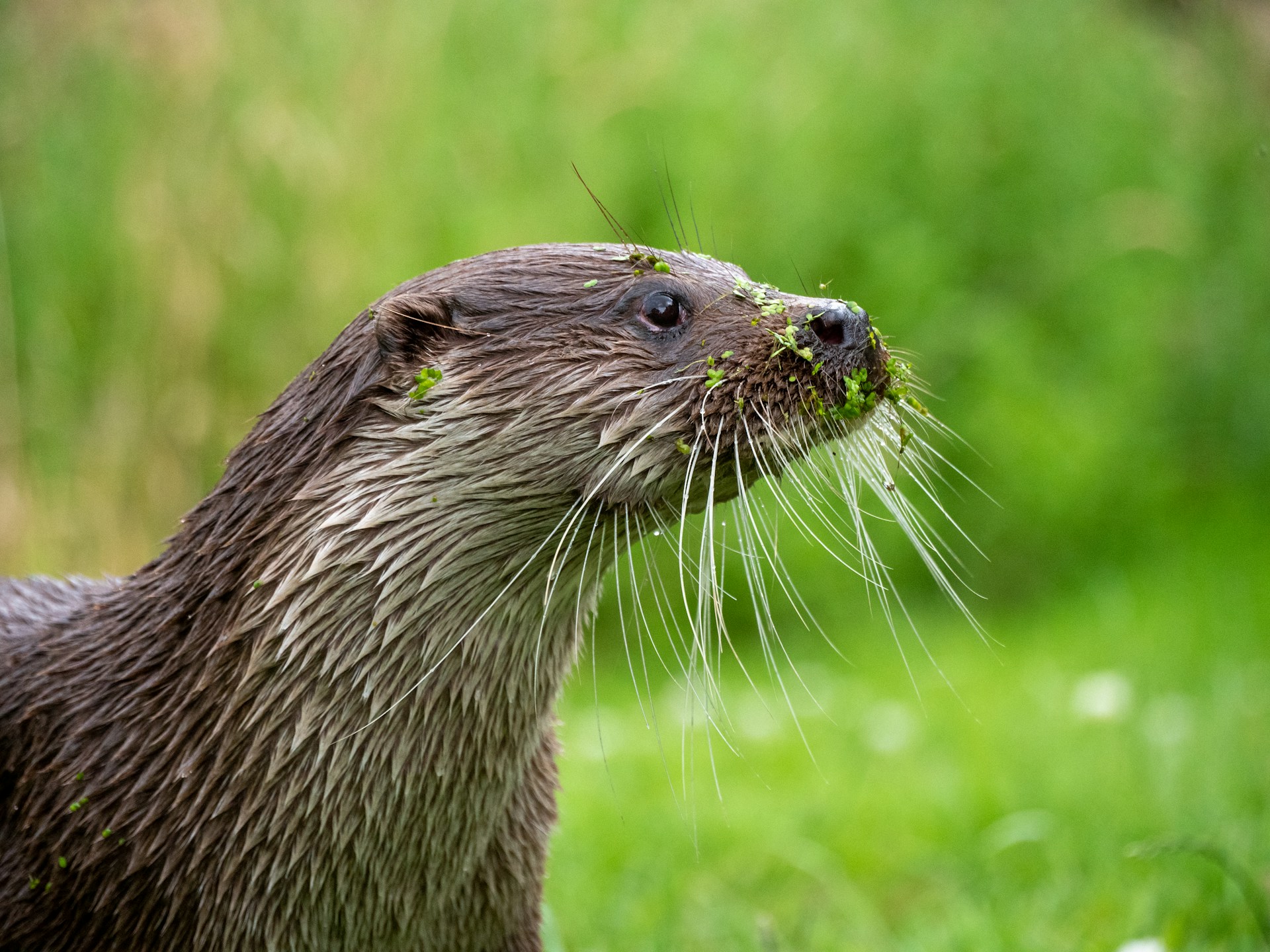
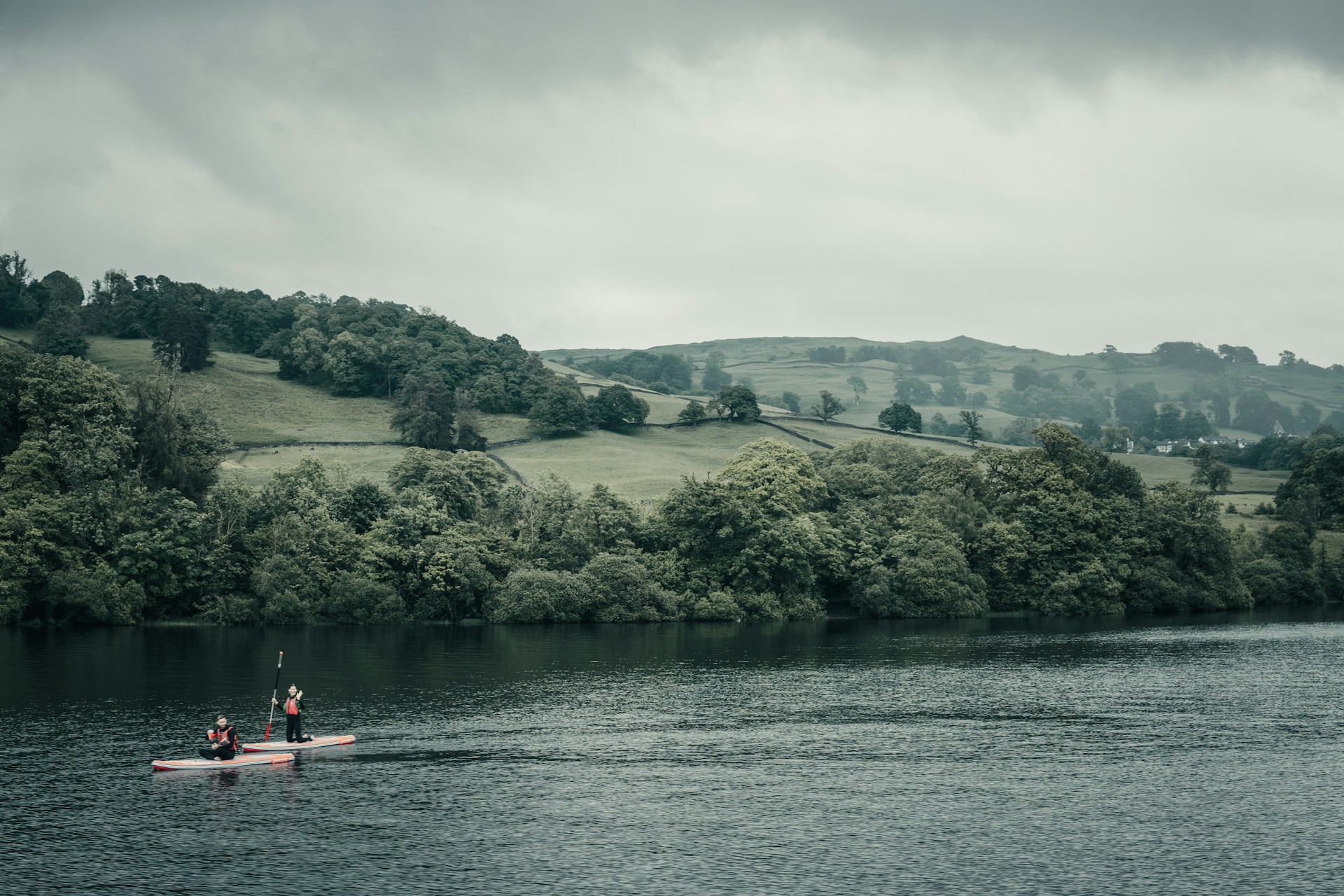
Paddleboarding opens up a peaceful, slow way of exploring the UK’s rivers and canals. From the surface of the water, you see wildlife differently — kingfishers flashing past at eye level, dragonflies skimming the surface, herons lifting from the reeds, and the quiet signs of mammals along the banks. It’s one of the gentlest ways to travel through a landscape, and with the right approach, it becomes a moving wildlife hide.
You don’t need to be an expert paddler to enjoy wildlife from a board. What matters most is choosing calm water, moving slowly, and treating the river as a shared space. This guide walks you through how to paddleboard safely while giving wildlife the space and quiet it needs.
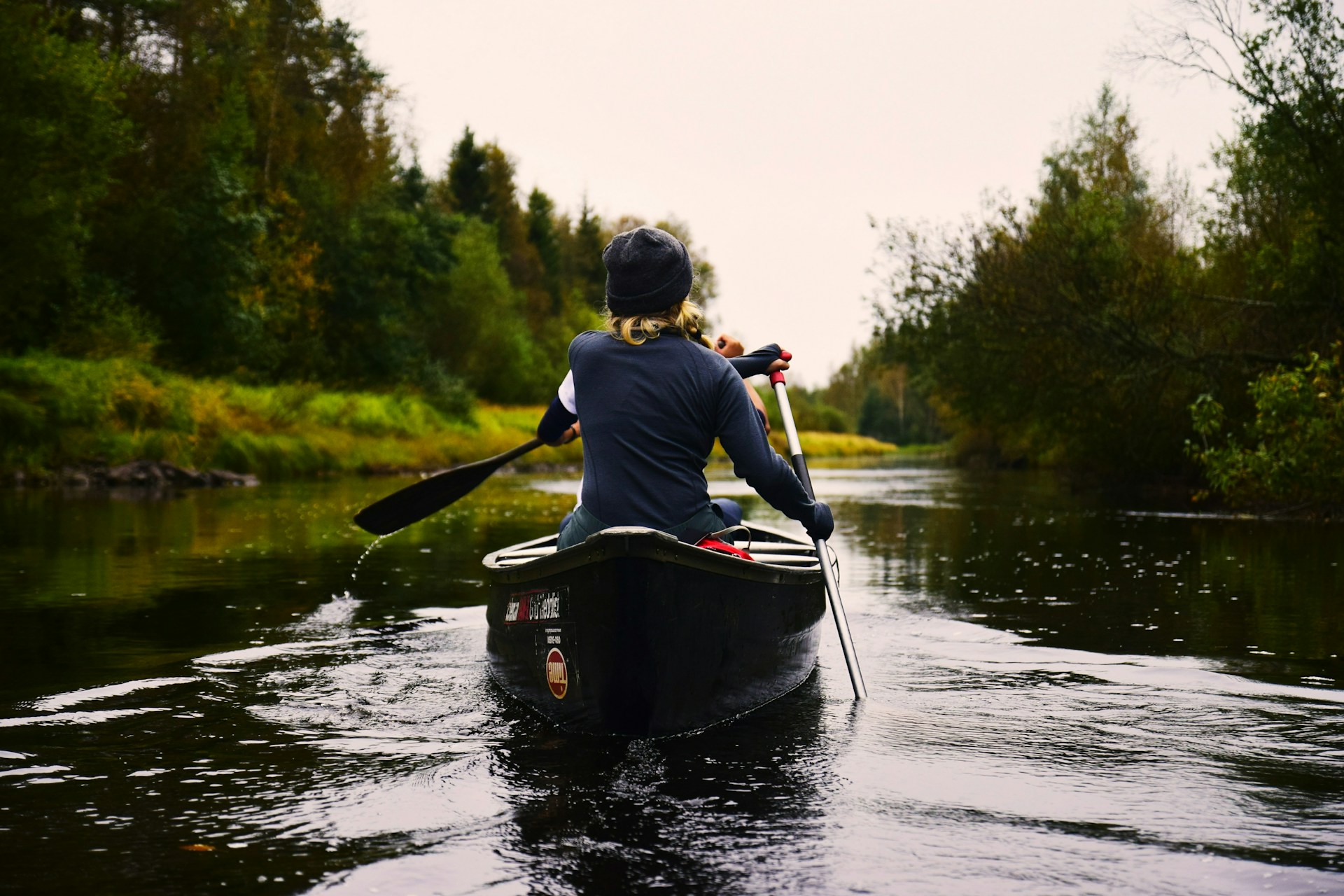
If you enjoy exploring wildlife from the water, our Wildlife Watching by Canoe guide offers another gentle way to move quietly through rivers and lakes.
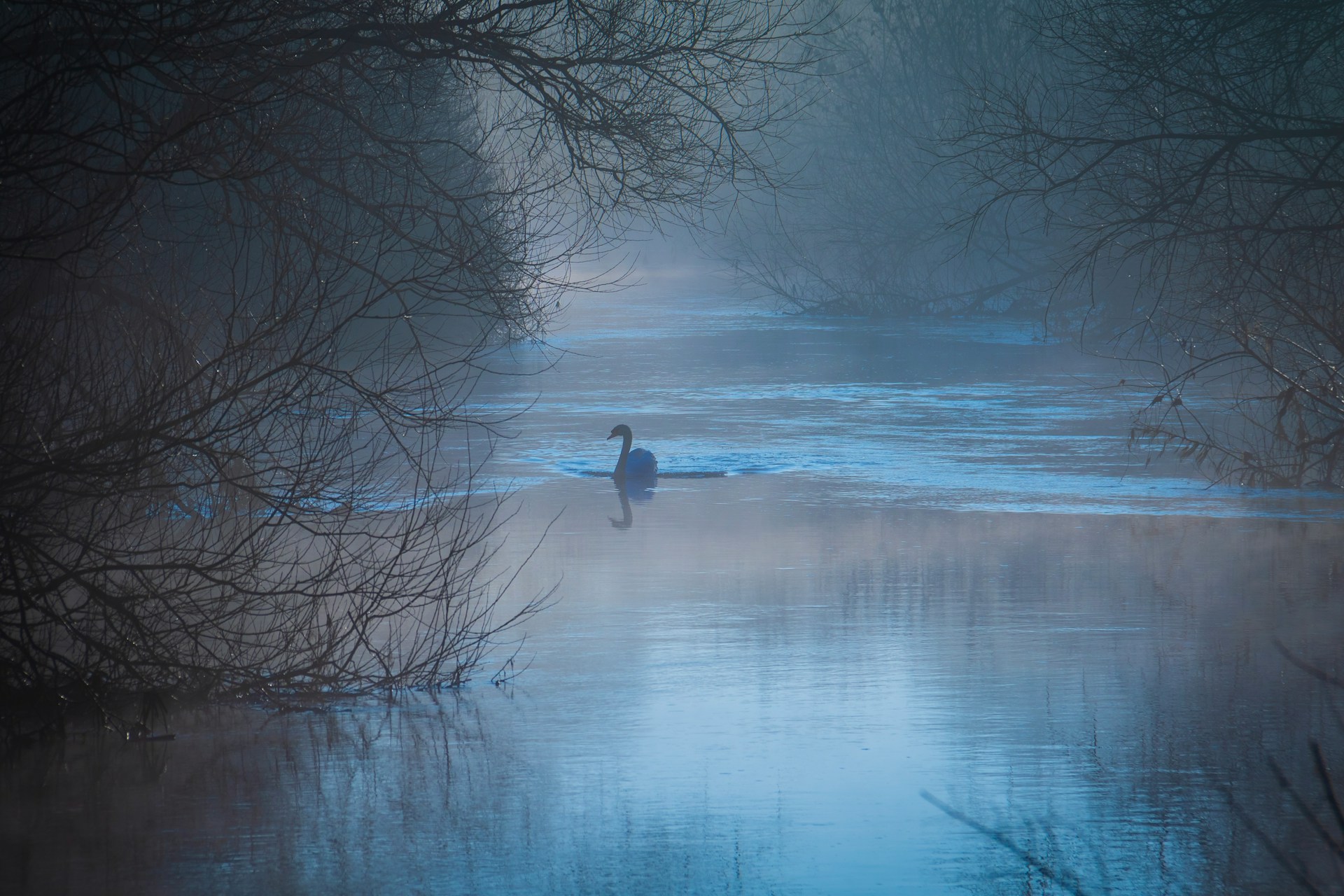
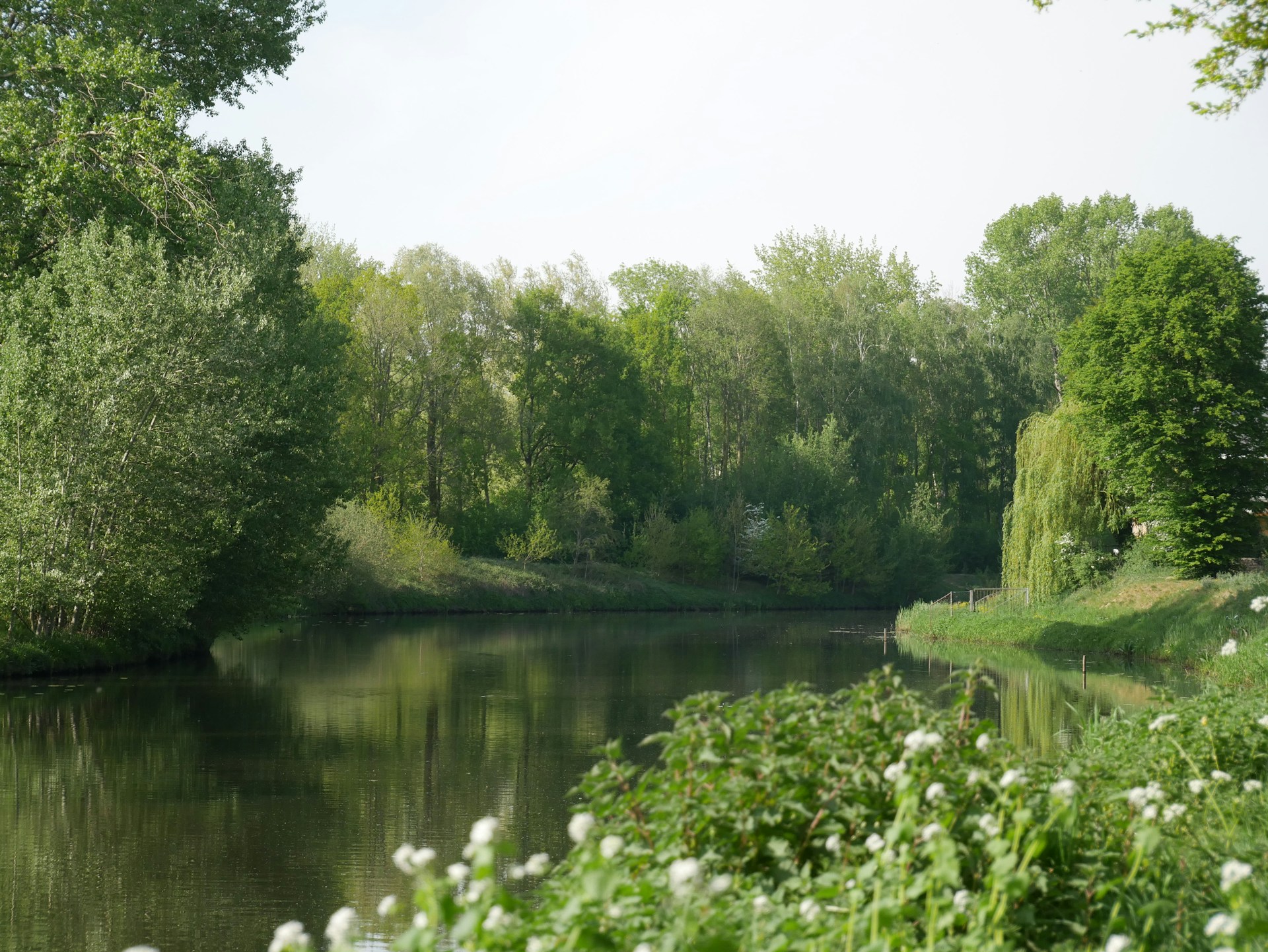
Not all rivers are suitable for beginners or for wildlife friendly paddling.
Look for:
Avoid:
A calm morning or evening paddle is often the most rewarding.
Wildlife responds to sound and movement long before you get close. A quiet paddler becomes part of the landscape.
Quiet paddling often leads to the closest, calmest encounters.
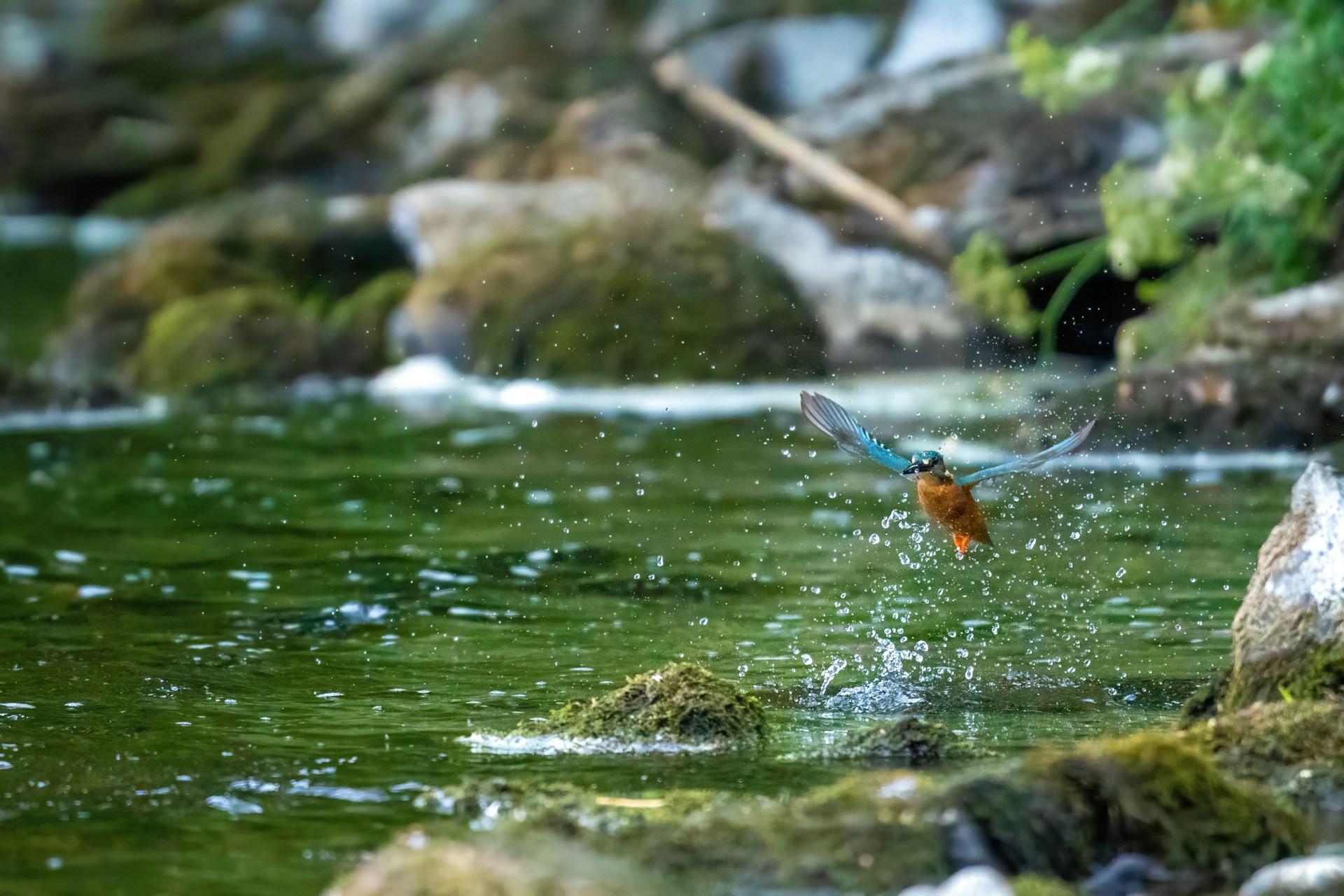
From a paddleboard, you’re at eye level with the river’s busiest world. To build your confidence identifying species along the water’s edge, our Riverbank & Canal Wildlife guide introduces the animals most commonly found near UK waterways.
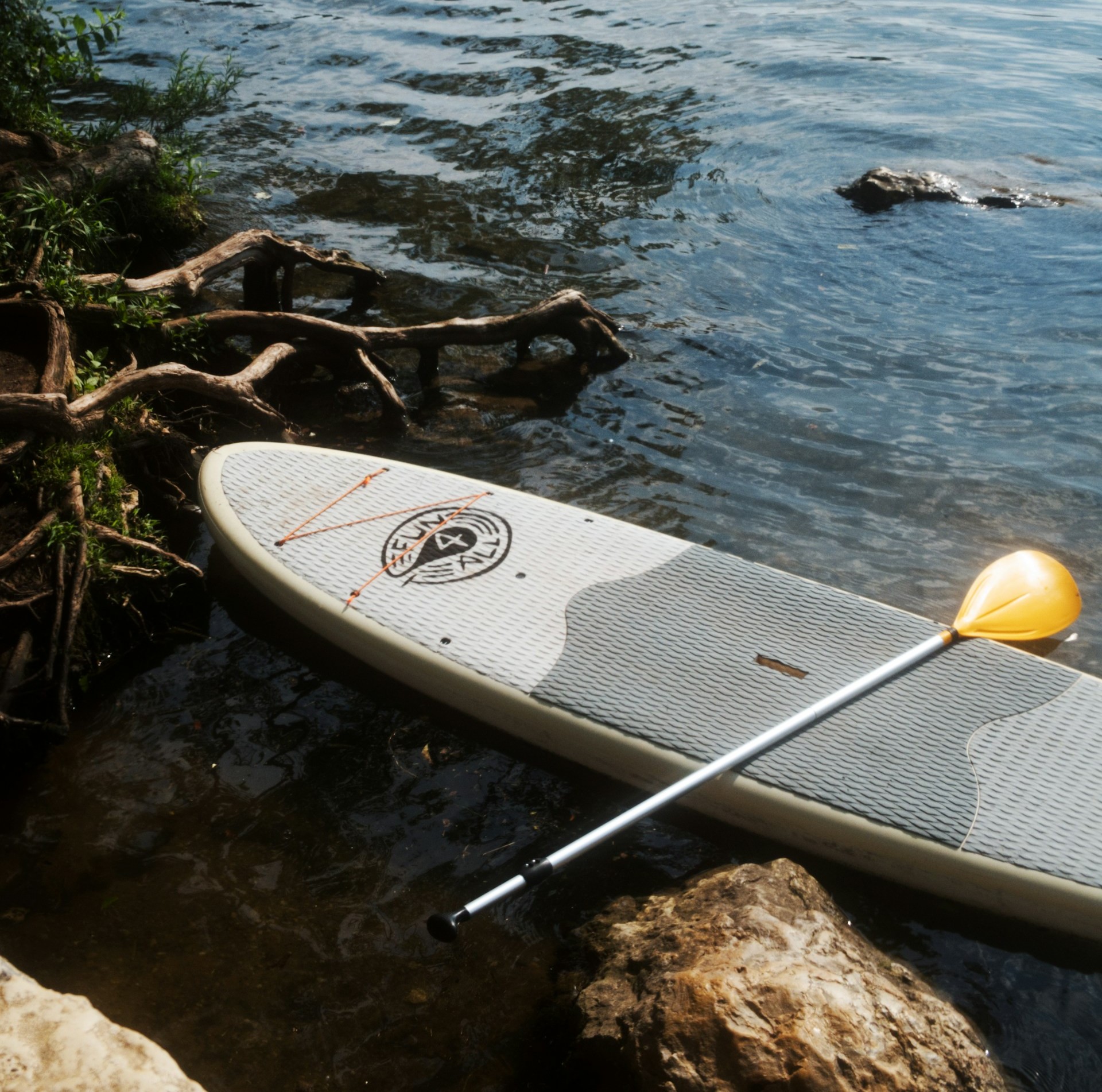
A few simple habits keep you safe and protect wildlife:
A safe paddler is a relaxed paddler and wildlife responds to that calm.
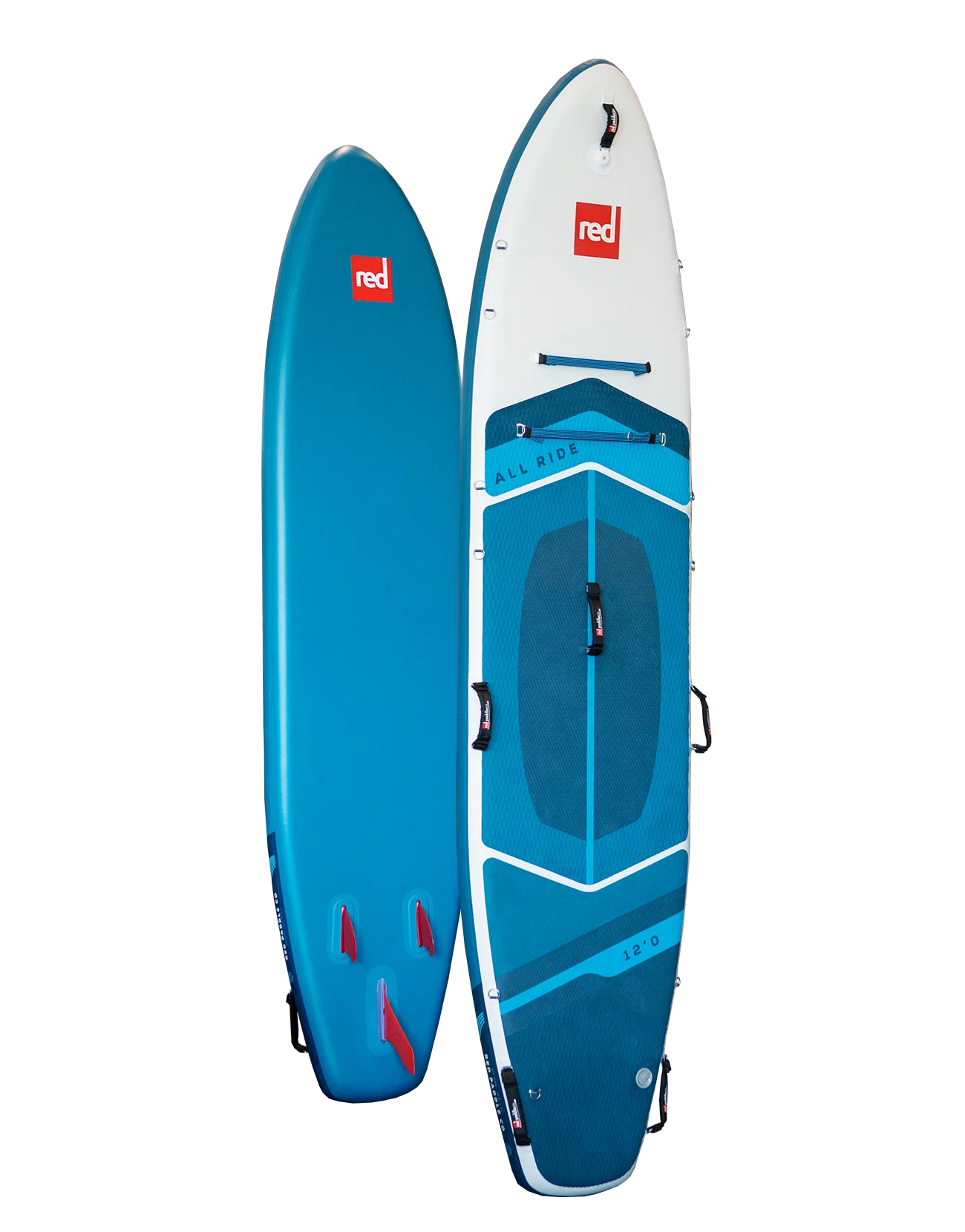
Paddleboarding can feel like a big investment when you’re first getting started, but once you have the core equipment there’s very little you need beyond that. A stable board, a paddle and a few small essentials are enough to let you focus entirely on finding quiet waterways and enjoying wildlife at your own pace. There are of course cheaper models and brands available, but we’ve found that Red boards offer exceptional peace of mind and long‑term quality which means you can relax, feel confident on the water and concentrate on the wildlife around you rather than worrying about your kit.
See our Beginner Binoculars Guide for simple advice on choosing your first pair, including what magnification means, how much to spend, and which models are genuinely beginner‑friendly.
And for help identifying the wildlife you might see while paddleboarding, check out our Field Guides Gear Guide for simple advice on choosing beginner friendly wildlife books, including general wildlife guides, bird guides and pocket guides.

Find a quiet stretch of water, let your board drift, and note:
“What changes when I stop paddling and simply float?”
You might notice new sounds, different bird behaviour, or subtle movements along the bank. Stillness often reveals the river’s true character.
If you’d like to start a simple nature journal, our beginner’s guide walks you through how to begin: How to Start a Wildlife Journal.
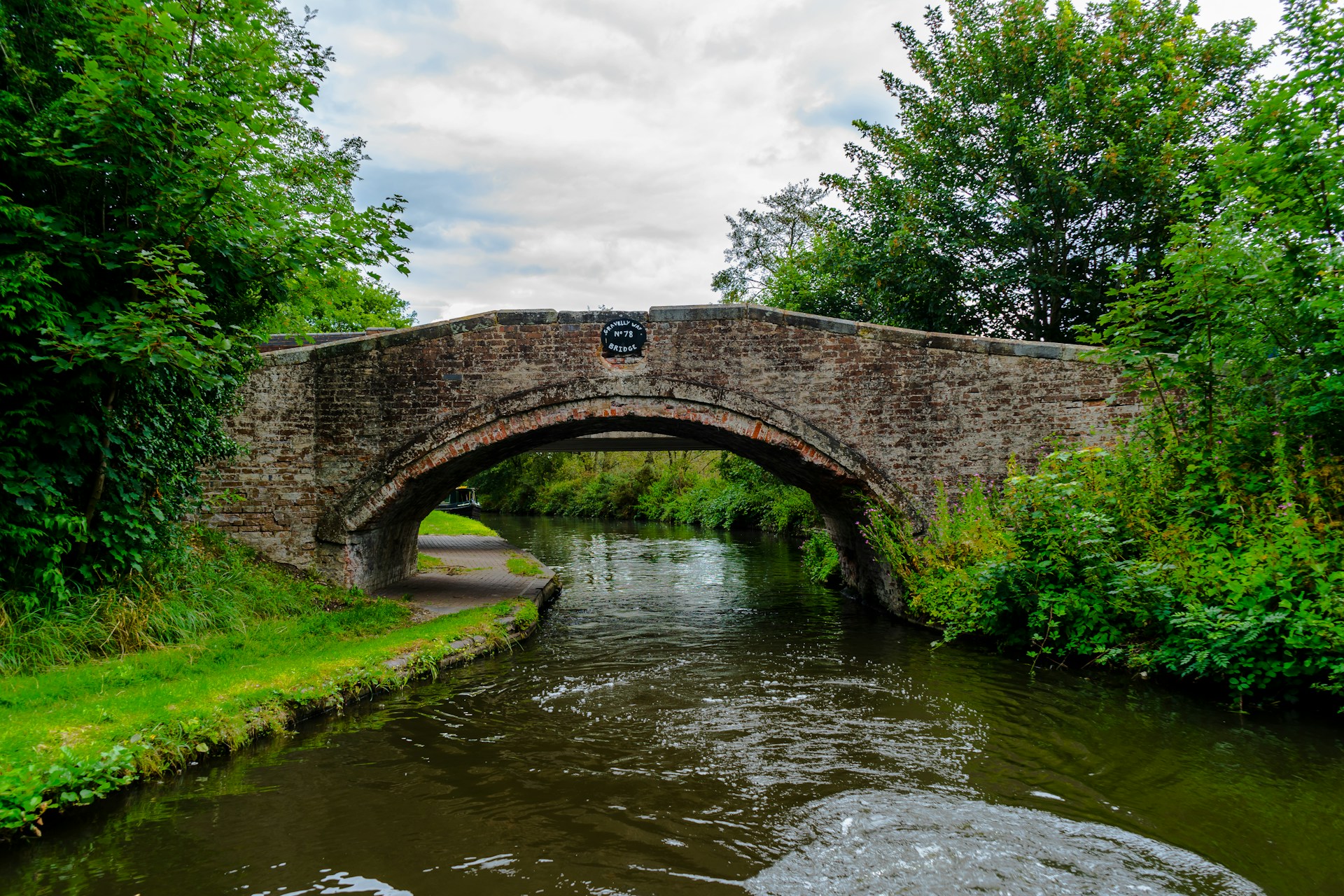
Rivers and canals are shared spaces. A few gentle principles help protect the animals that live there:
This calm, hands off approach is at the heart of NatureGuide
Paddleboarding turns a simple river trip into a moving wildlife encounter. When you travel slowly, stay quiet, and let the water guide you, the river reveals its hidden life, with kingfishers flashing past, dragonflies hovering, and the soft rustle of mammals along the banks. By paddling gently and respectfully, you’re not just exploring a landscape you’re becoming part of it.