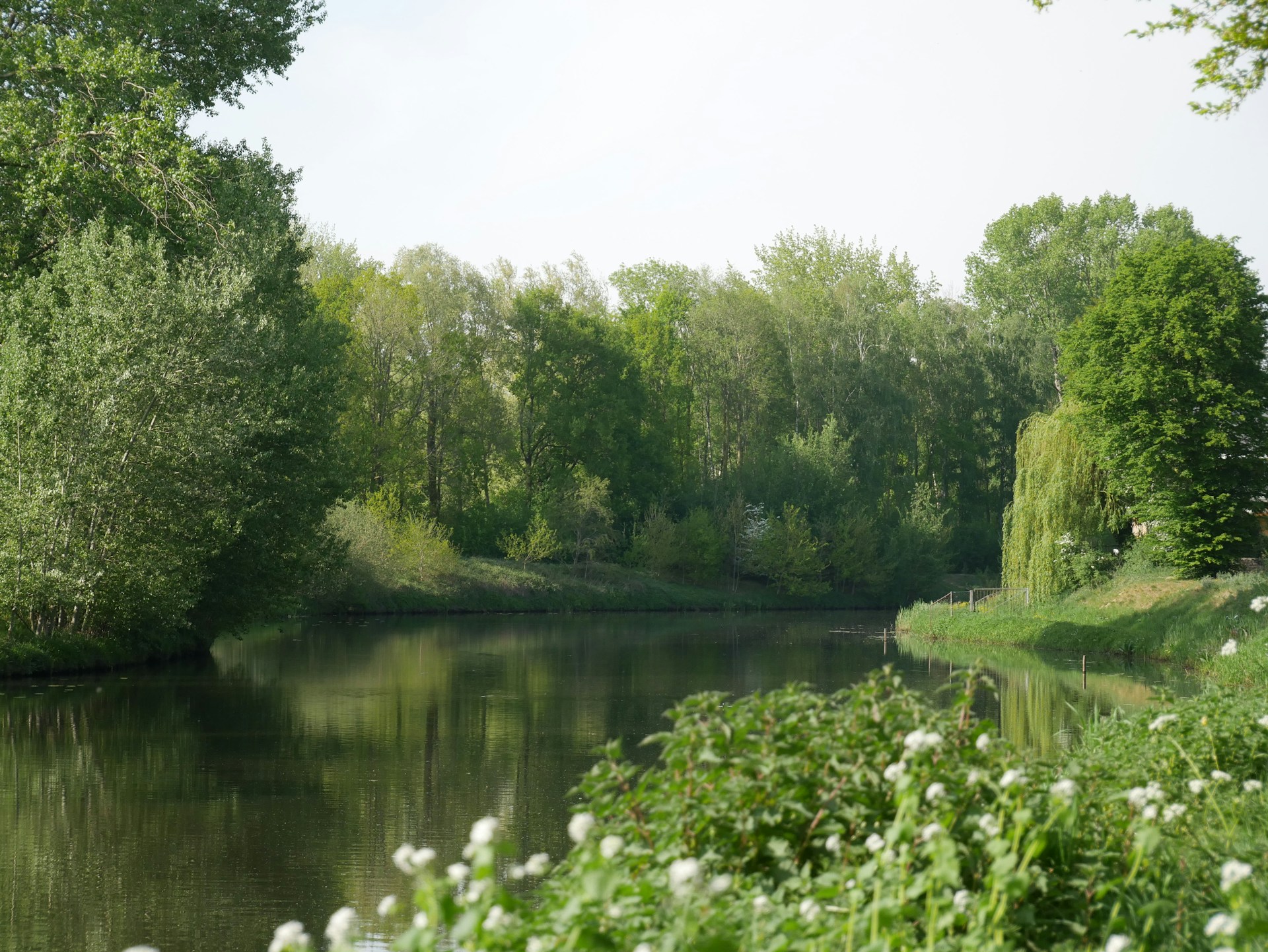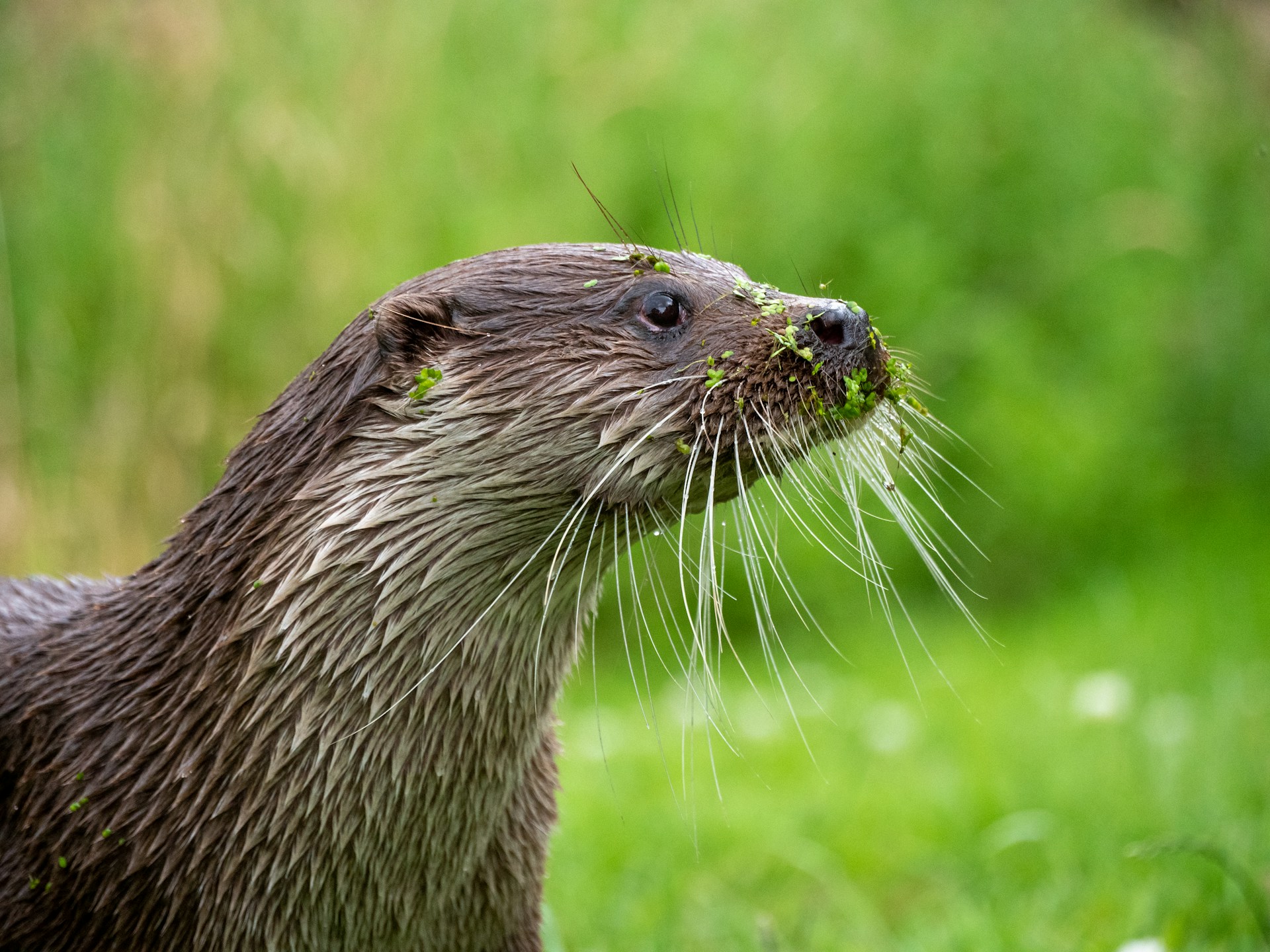
Canoeing offers a rare kind of closeness to wildlife. When you glide quietly along a river or across a still lake, you enter a world where birds, mammals, and insects go about their lives just metres away. The water becomes a pathway into hidden places like reedbeds alive with birdsong, quiet backwaters where otters hunt, and tree lined channels where kingfishers flash past at eye level.
You don’t need to be an expert paddler to enjoy wildlife from a canoe. What matters most is choosing calm water, moving slowly, and treating the river as a shared home. This guide walks you through how to canoe safely while giving wildlife the space and quiet it needs.
If you enjoy spotting wildlife from the water, our Paddleboarding for Wildlife Watching guide offers gentle ways to explore rivers while keeping disturbance to a minimum.
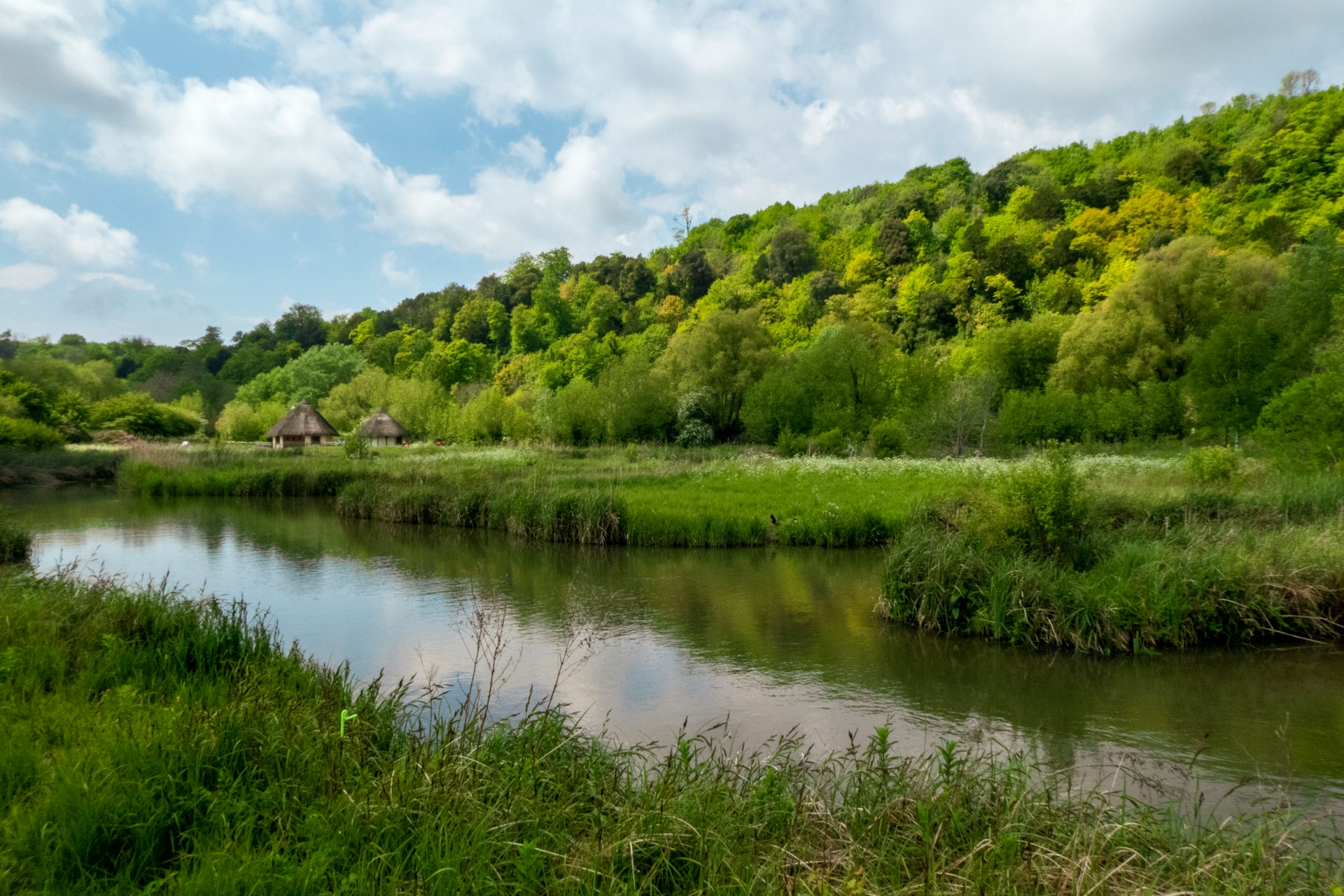
Some waterways are naturally better suited to gentle, wildlife friendly canoeing.
Calm rivers
Canals
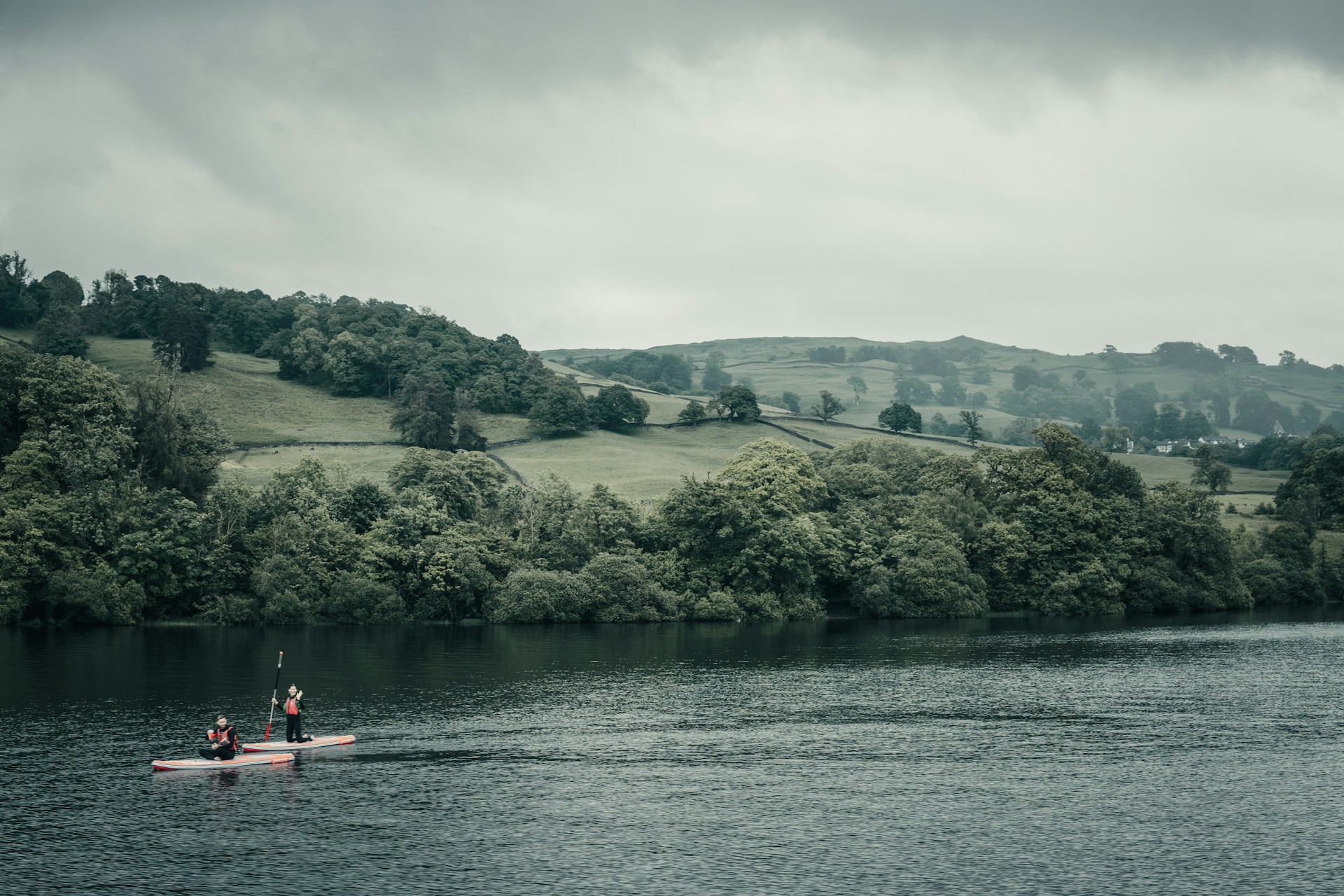
Lakes and reservoirs
Wetland reserves
Avoid:
A calm morning or evening paddle is often the most rewarding.
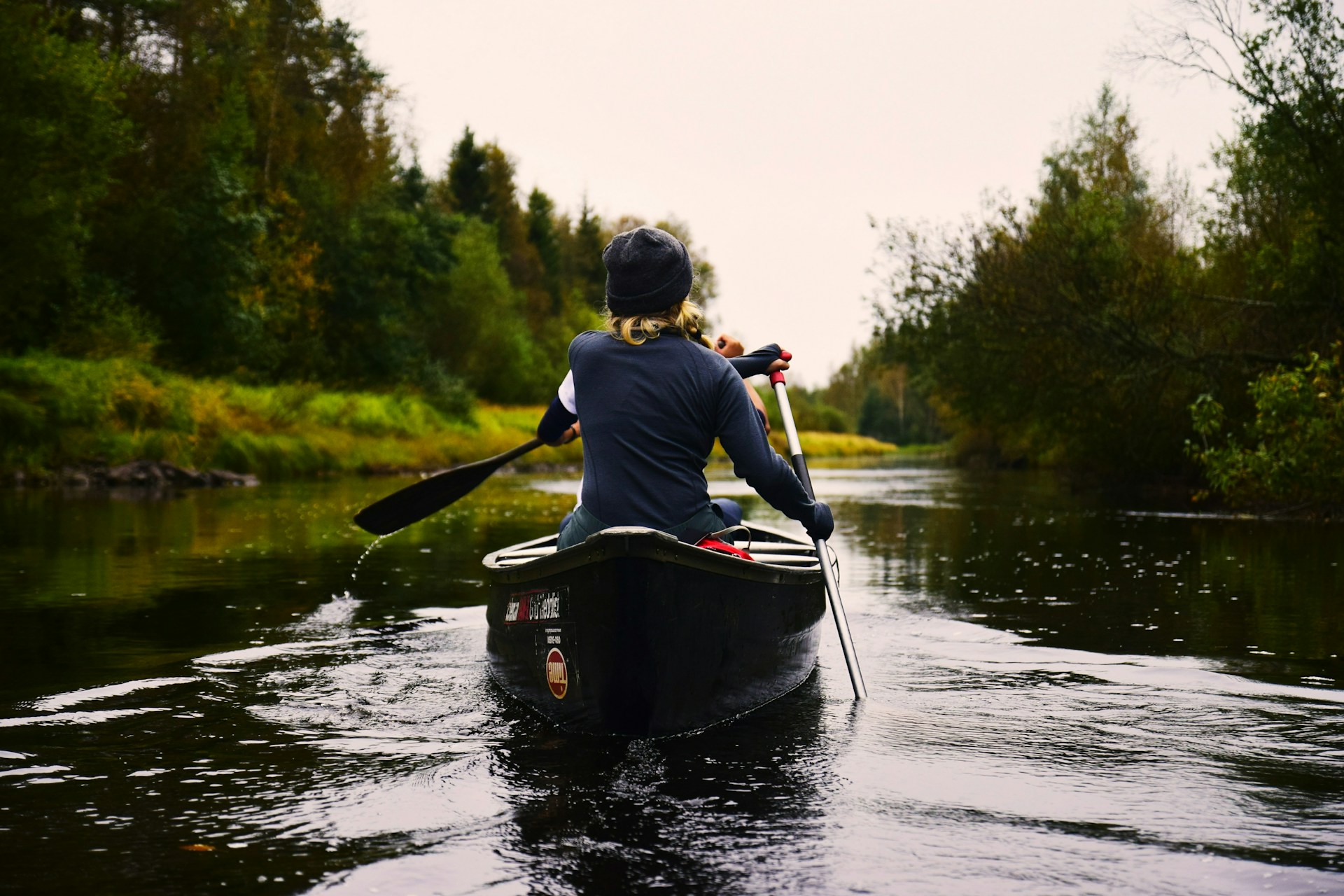
Wildlife responds to sound and movement long before you get close. A quiet canoe becomes part of the landscape.
1. Use slow, smooth strokes
Gentle paddling reduces splashes and ripples
2. Hug the centre of the channel
This gives bank side wildlife space.
3. Drift whenever possible
Let the current carry you through wildlife hotspots.
4. Keep your silhouette low
Kneeling or sitting reduces your visual impact.
5. Avoid sudden turns or loud paddle taps
Birds and mammals startle easily near water.
Quiet paddling often leads to the closest, calmest encounters.
To improve your awareness of animal movement and behaviour, our How Weather Shapes Wildlife Behaviour guide explains how conditions influence what you’re likely to see.
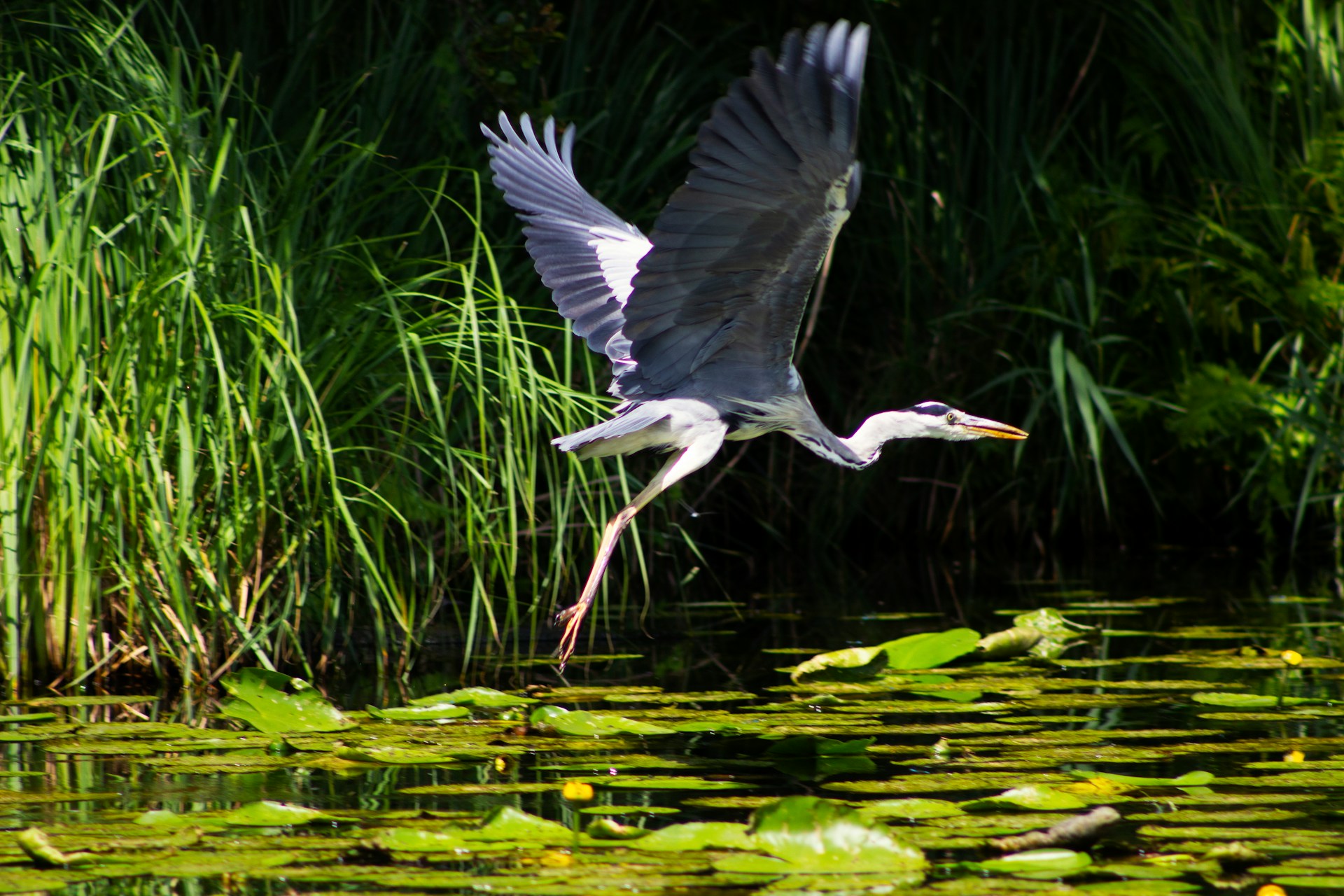
A canoe puts you right at the heart of the river’s busiest world.
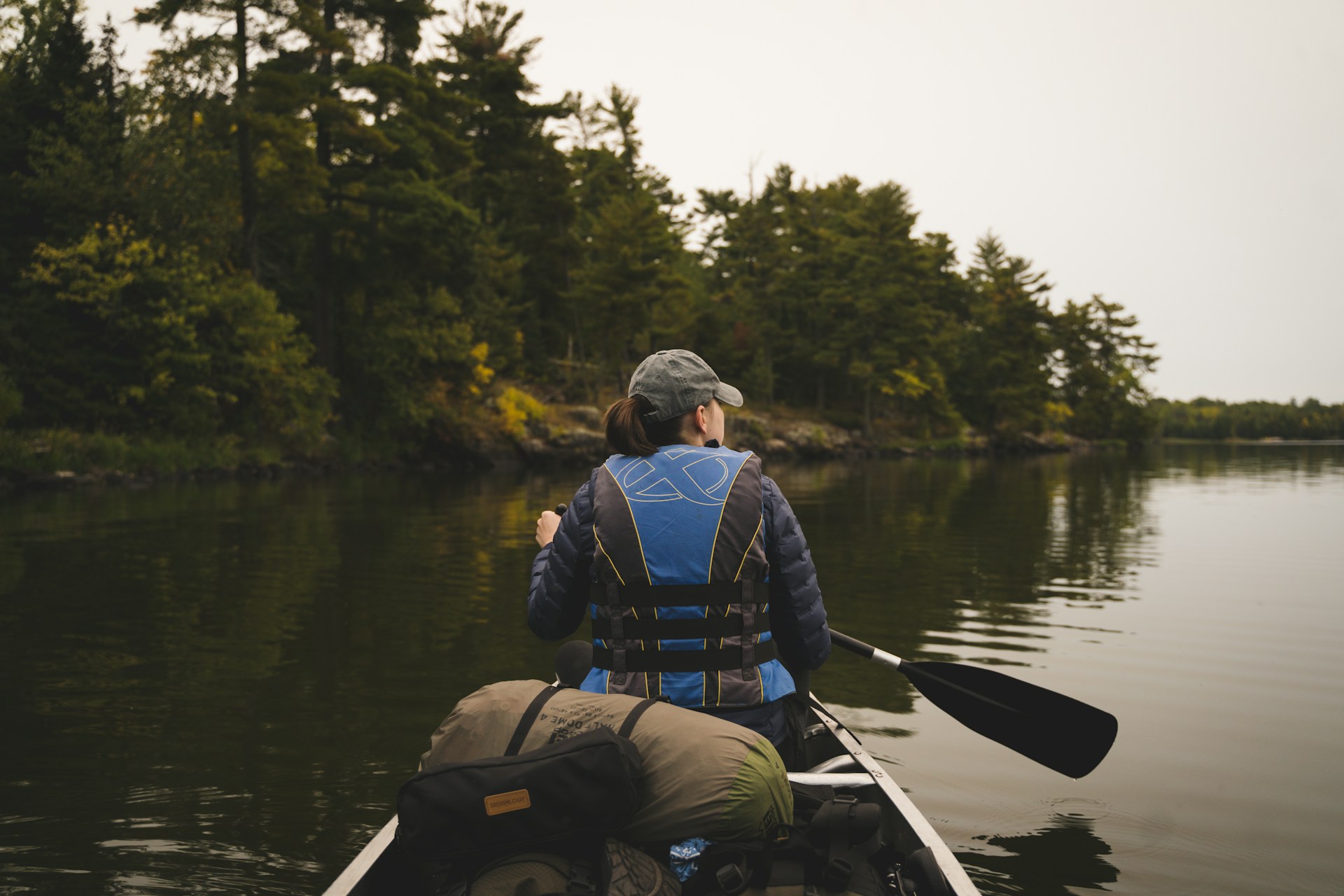
A few simple habits keep you safe and protect wildlife:
A safe paddler is a relaxed paddler and wildlife responds to that calm.
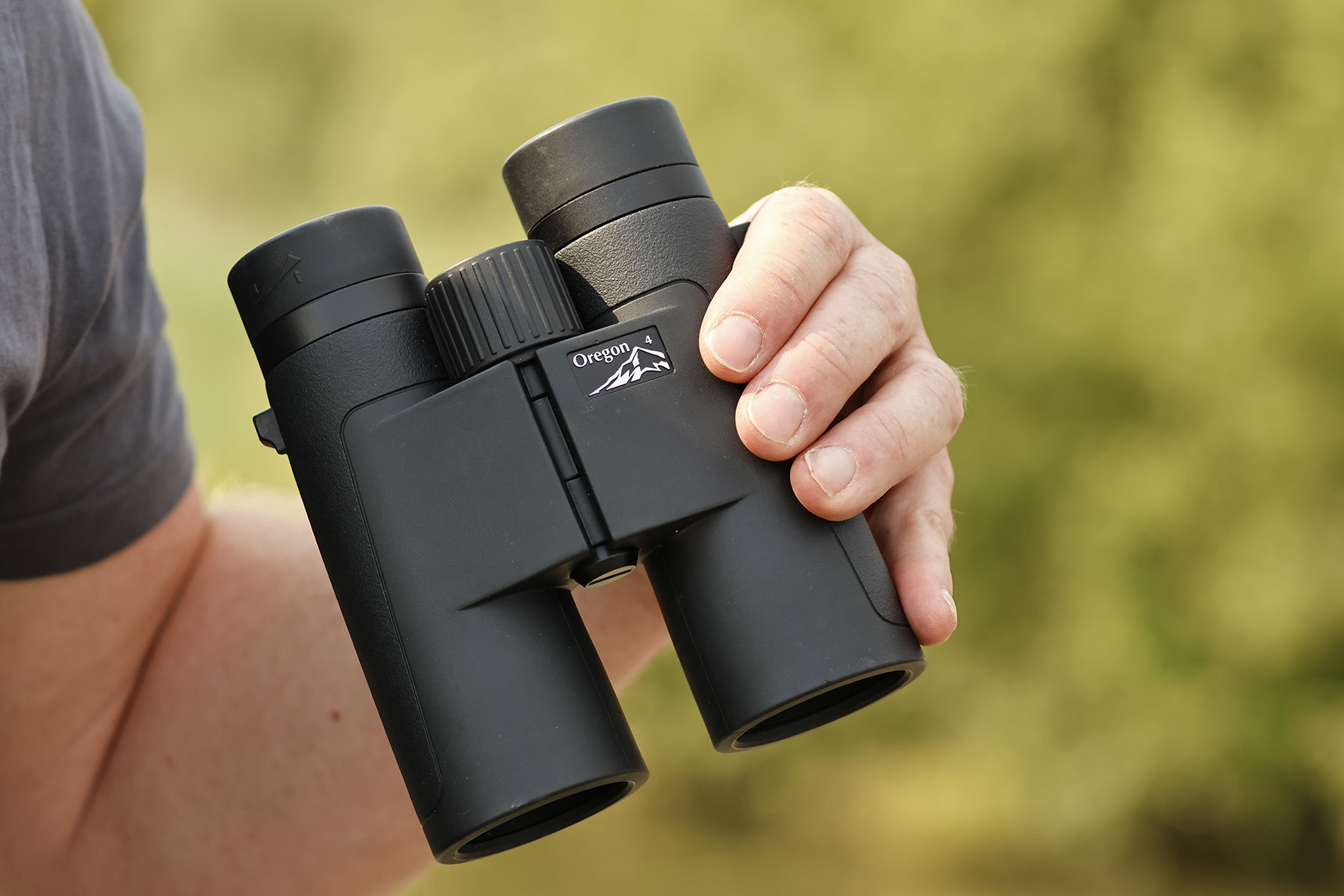
See our Beginner Binoculars Guide for simple advice on choosing your first pair, including what magnification means, how much to spend, and which models are genuinely beginner‑friendly.
See our Field Guides Gear Guide for simple advice on choosing beginner friendly wildlife books, including general wildlife guides, bird guides and pocket guides.
These items can also be really helpful for beginners:

Find a quiet stretch of water, let your canoe drift, and note:
“What changes in the landscape when I stop paddling and simply float?”
You might notice new sounds, different bird behaviour, or subtle movements along the bank. Stillness often reveals the river’s true character.
If you’d like to start a simple nature journal, our beginner’s guide walks you through how to begin: How to Start a Wildlife Journal.
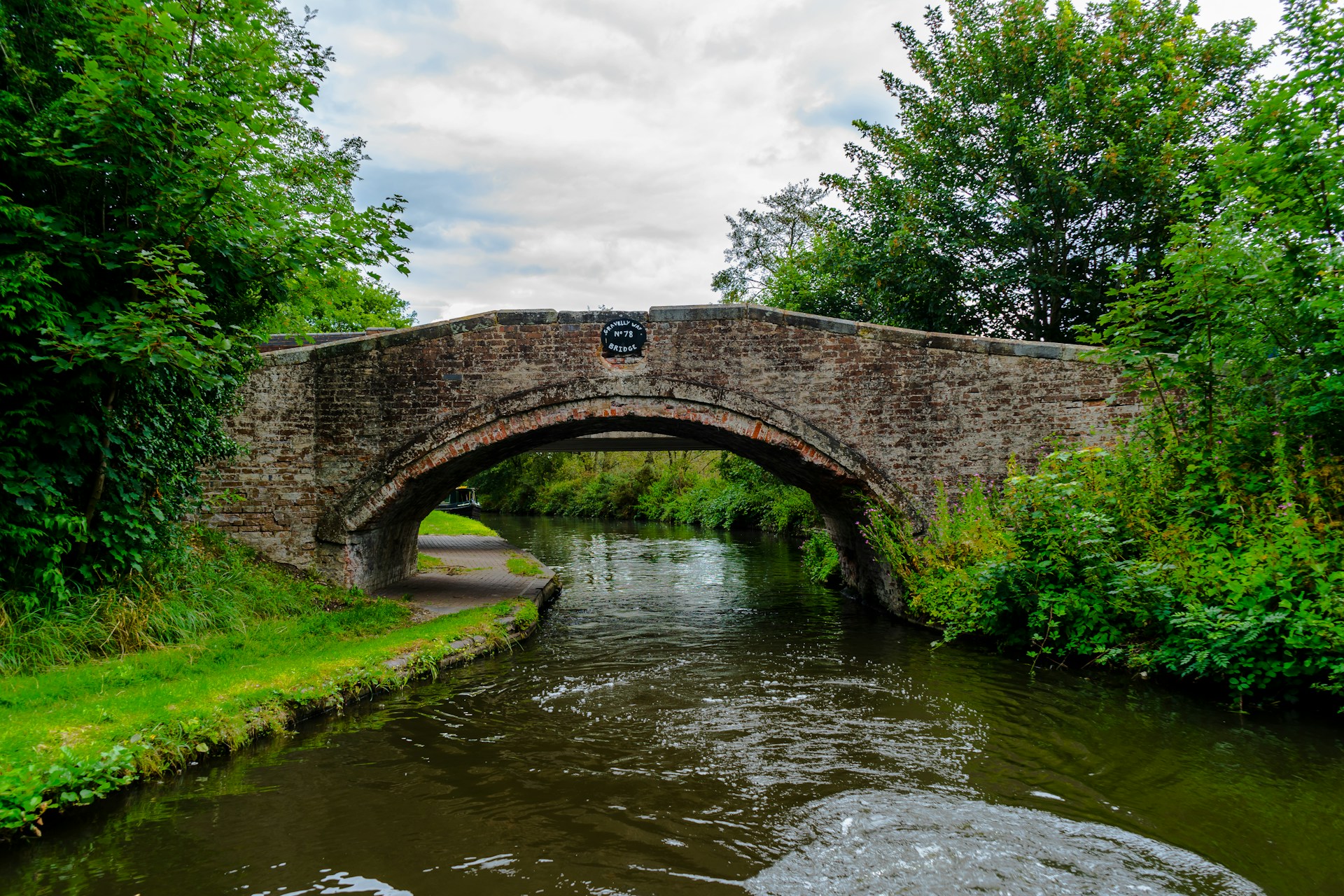
Rivers and lakes are shared spaces. A few gentle principles help protect the animals that live there:
This calm, hands off approach is at the heart of NatureGuide.
Canoeing turns a simple journey into a wildlife encounter. When you travel slowly, stay quiet, and let the water guide you, the river reveals its hidden life, kingfishers flashing past, dragonflies hovering, and the soft rustle of mammals along the banks. By paddling gently and respectfully, you’re not just exploring a waterway, you’re becoming part of it.