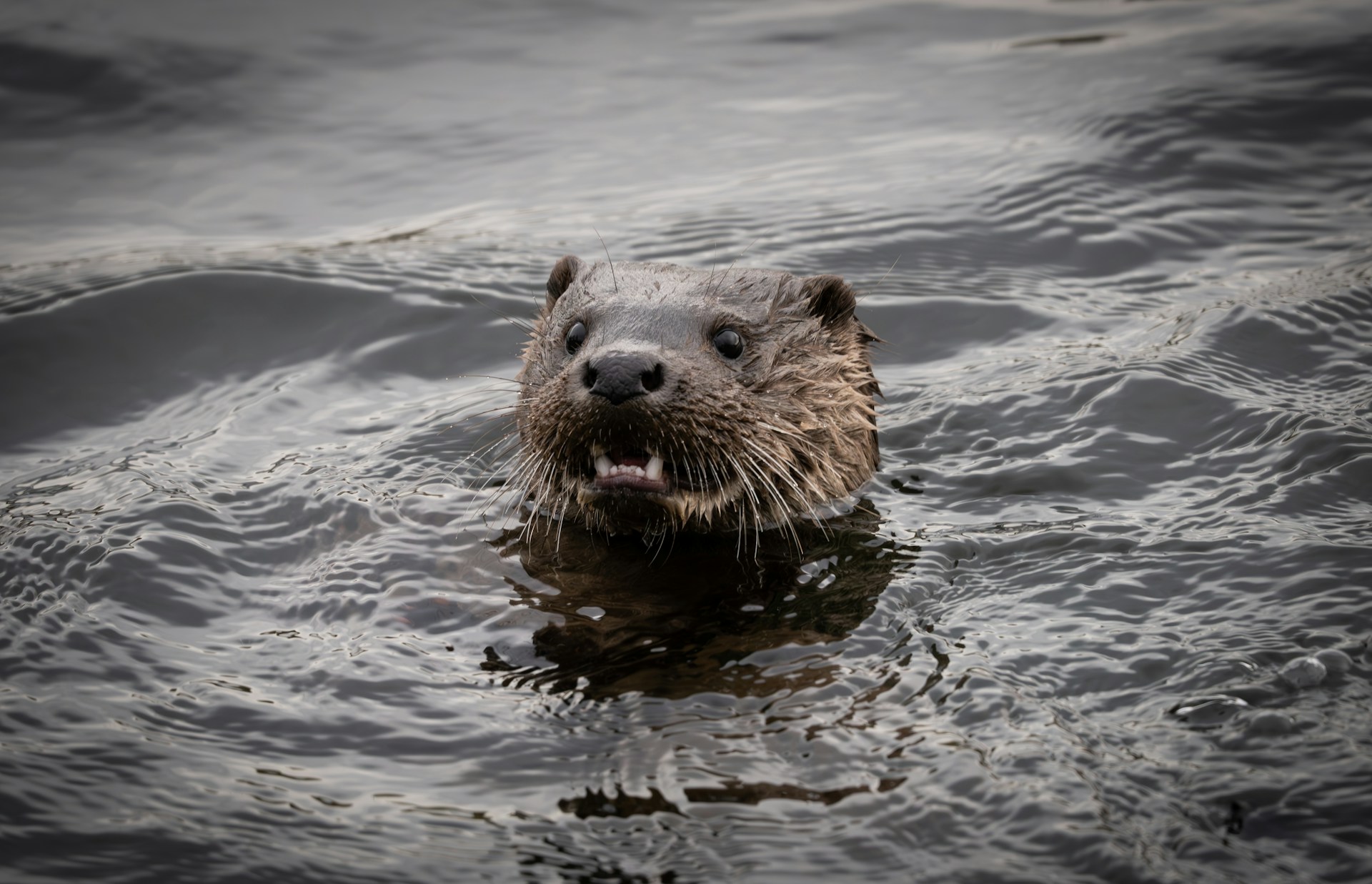
Otters are one of the UK’s most exciting mammals to see in the wild. They are sleek, playful, and full of character. But they’re also shy, fast moving, and easily disturbed, which means the best otter encounters happen when you slow down, stay quiet, and let the landscape reveal its secrets.
You don’t need specialist equipment or deep fieldcraft skills to watch otters. What you do need is patience, gentle behaviour, and an understanding of where otters live and how they move through their habitat. This guide introduces the best places to look, the signs to watch for, and how to enjoy otters safely and respectfully.
If you enjoy looking for wildlife along rivers, our Spotting Kingfishers in the UK guide introduces another iconic species often seen on quiet stretches of water.
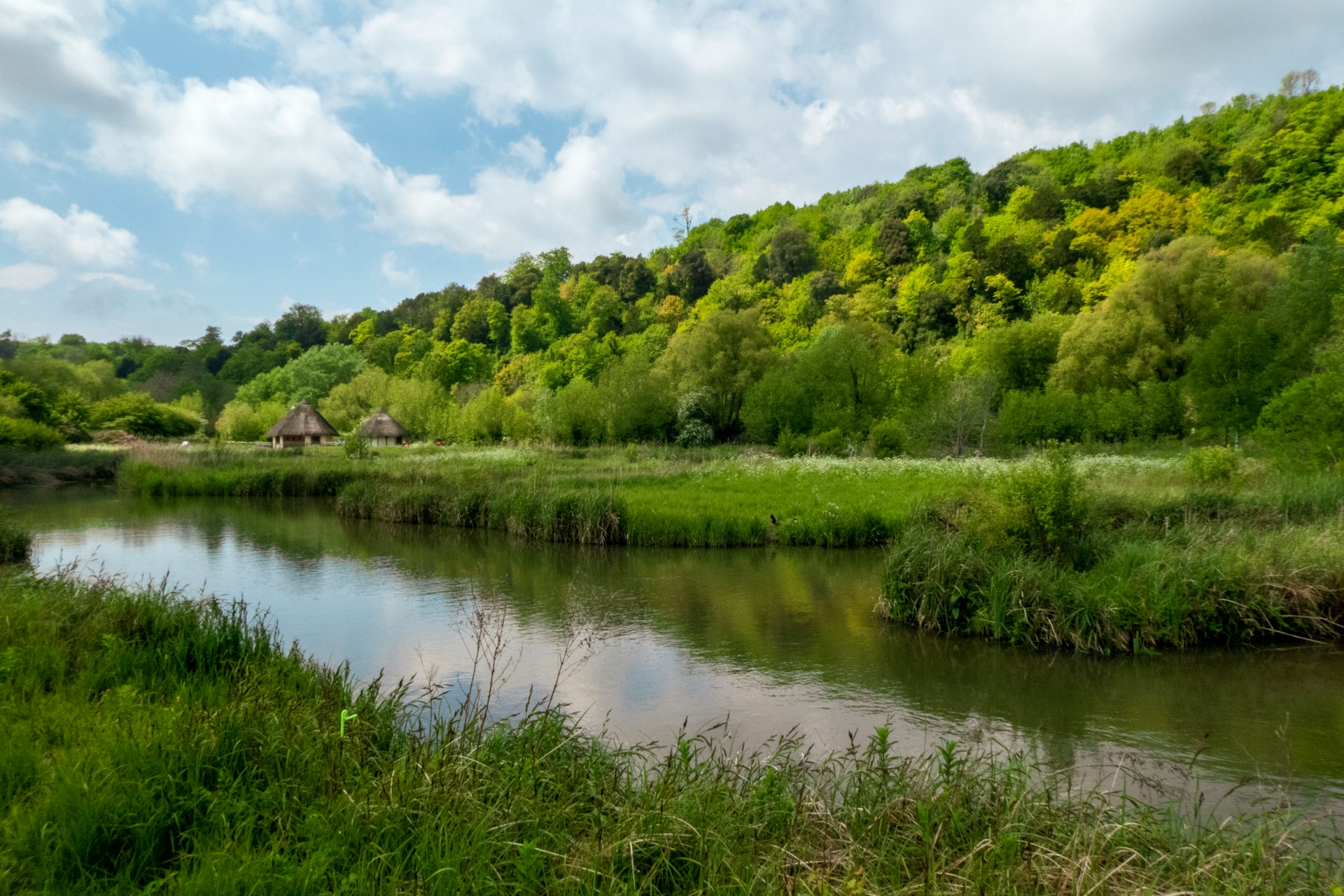
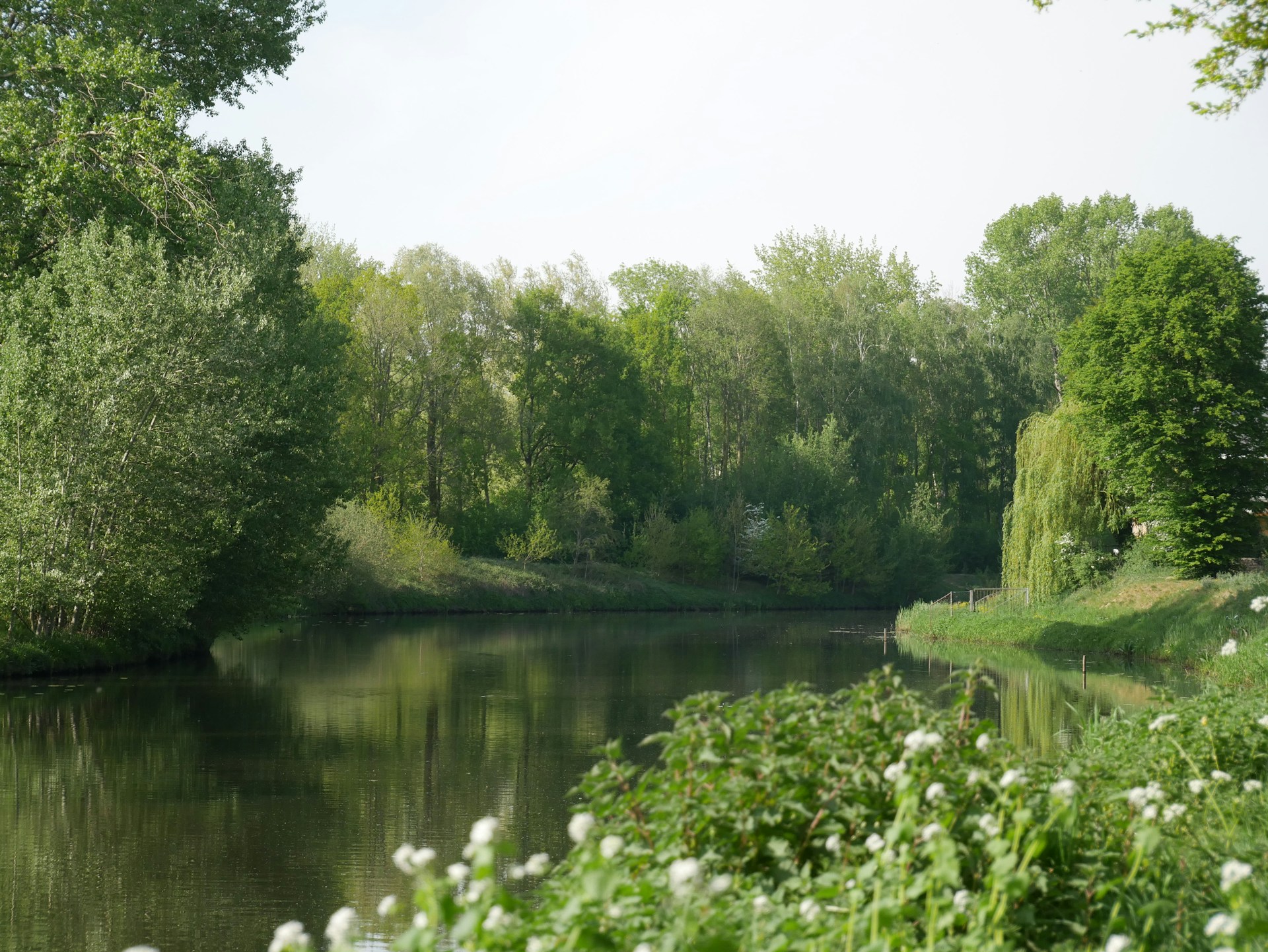
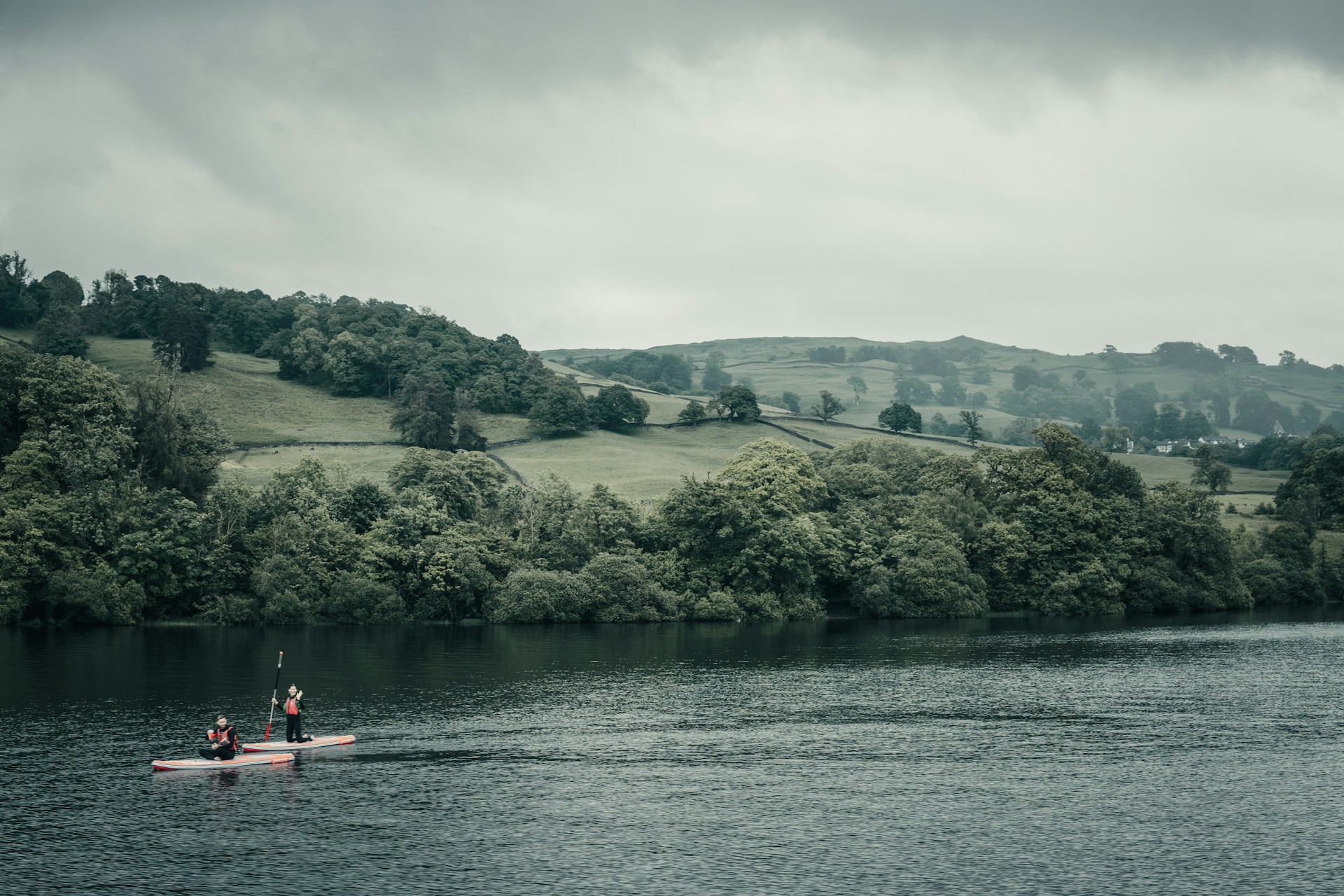
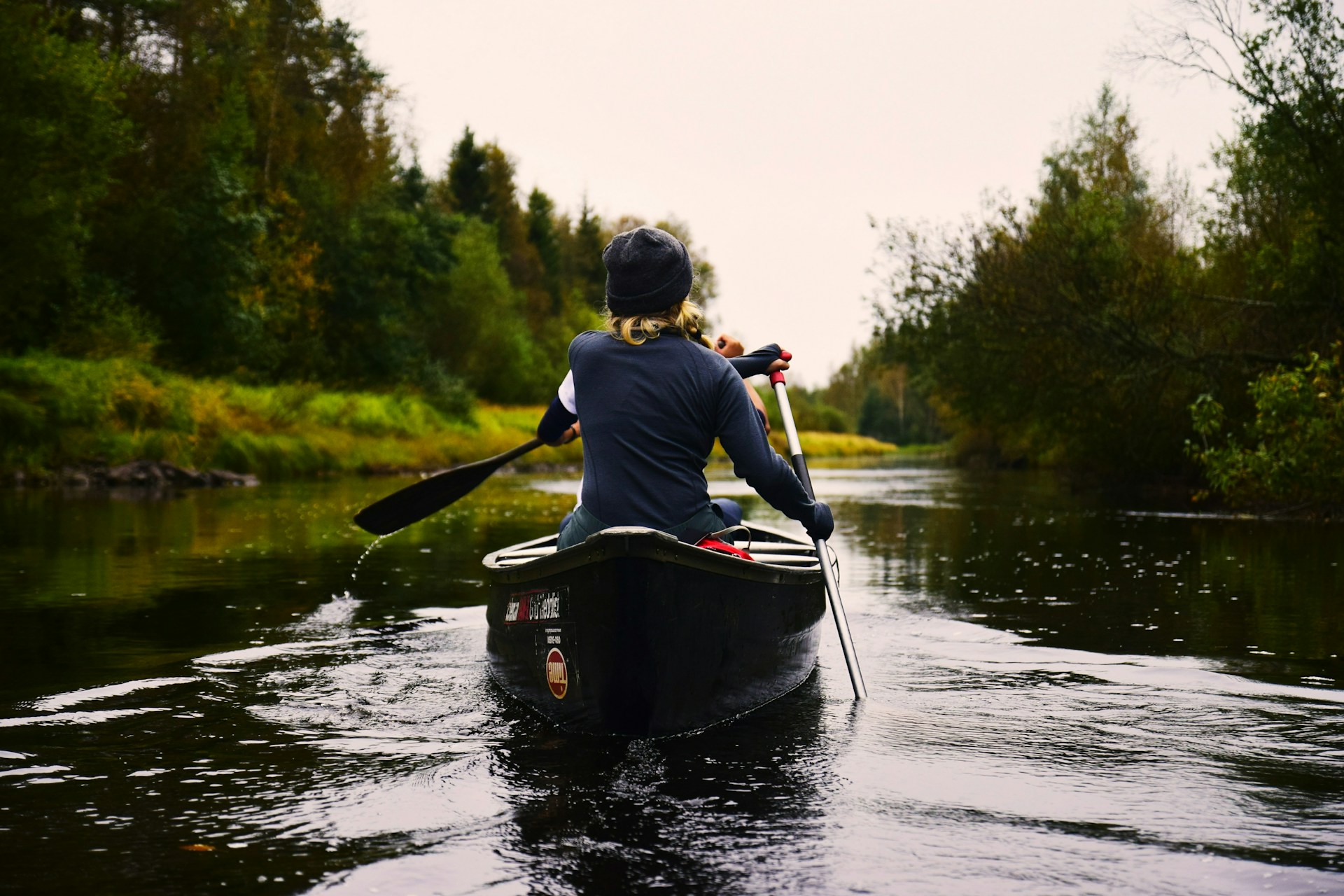
Otters are far more widespread than many people realise. They live anywhere with clean water, good fish stocks, and quiet banks.
Some of the best places to explore include:
Look for areas with:
Otters often use the same routes repeatedly, so returning to the same spot increases your chances.
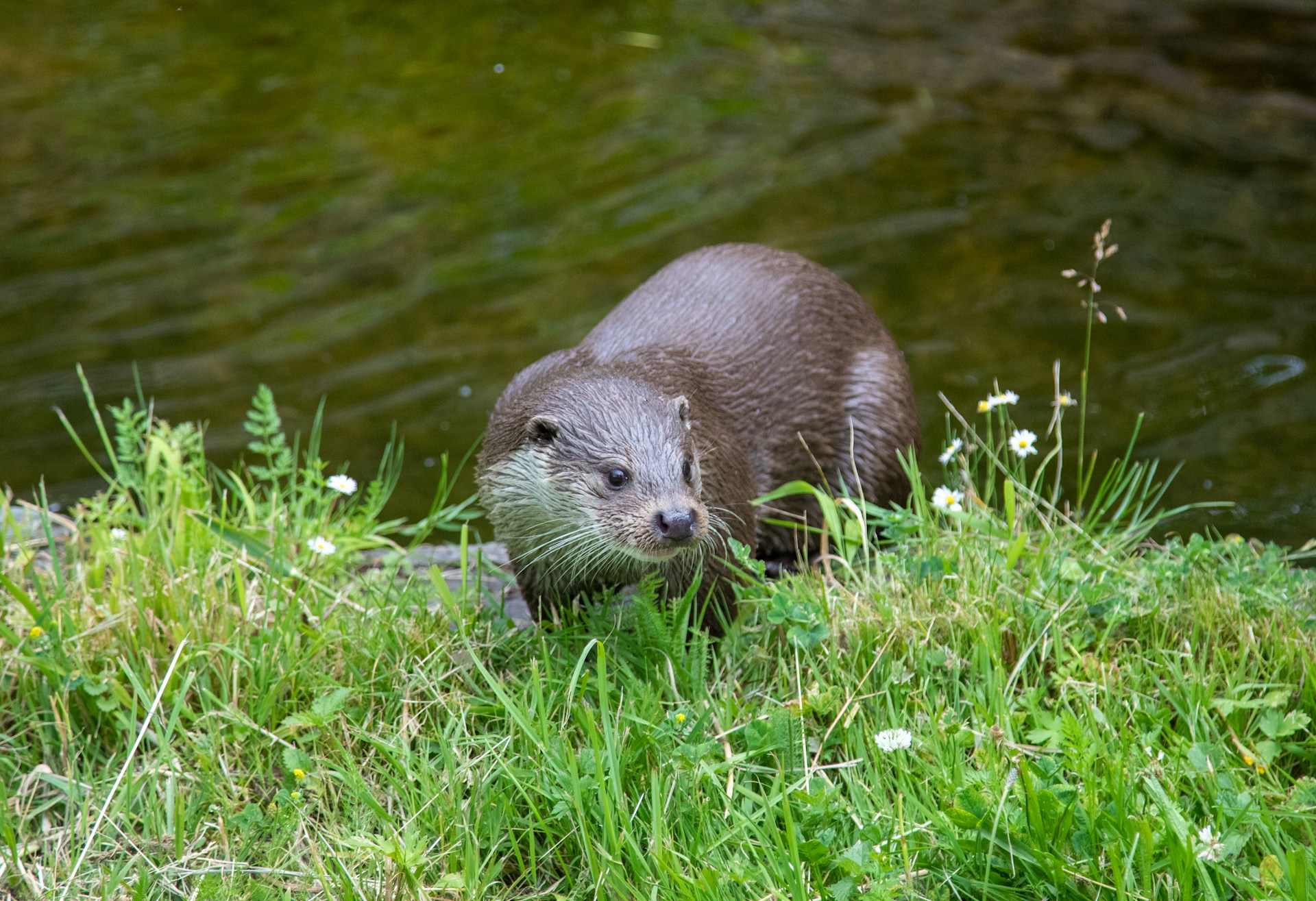
Otters are most active when the world is quiet.
Midday sightings do happen, but they’re less common. To understand how changing light levels affect when animals appear, our How to Spot Wildlife at Dawn and Dusk guide offers simple tips for planning your outings.
Even if you don’t see an otter, you can often tell they’ve been around.
1. Spraints (droppings)
2. Slides and paths
Smooth trails down muddy banks where otters enter the water.
3. Footprints
Five toes, webbed, often near water’s edge.
4. Feeding remains
Fish heads, crab shells, or partially eaten prey.
5. Ripples and movement
Otters create distinctive V shaped wakes when swimming.
Learning these signs makes otter watching far more rewarding.
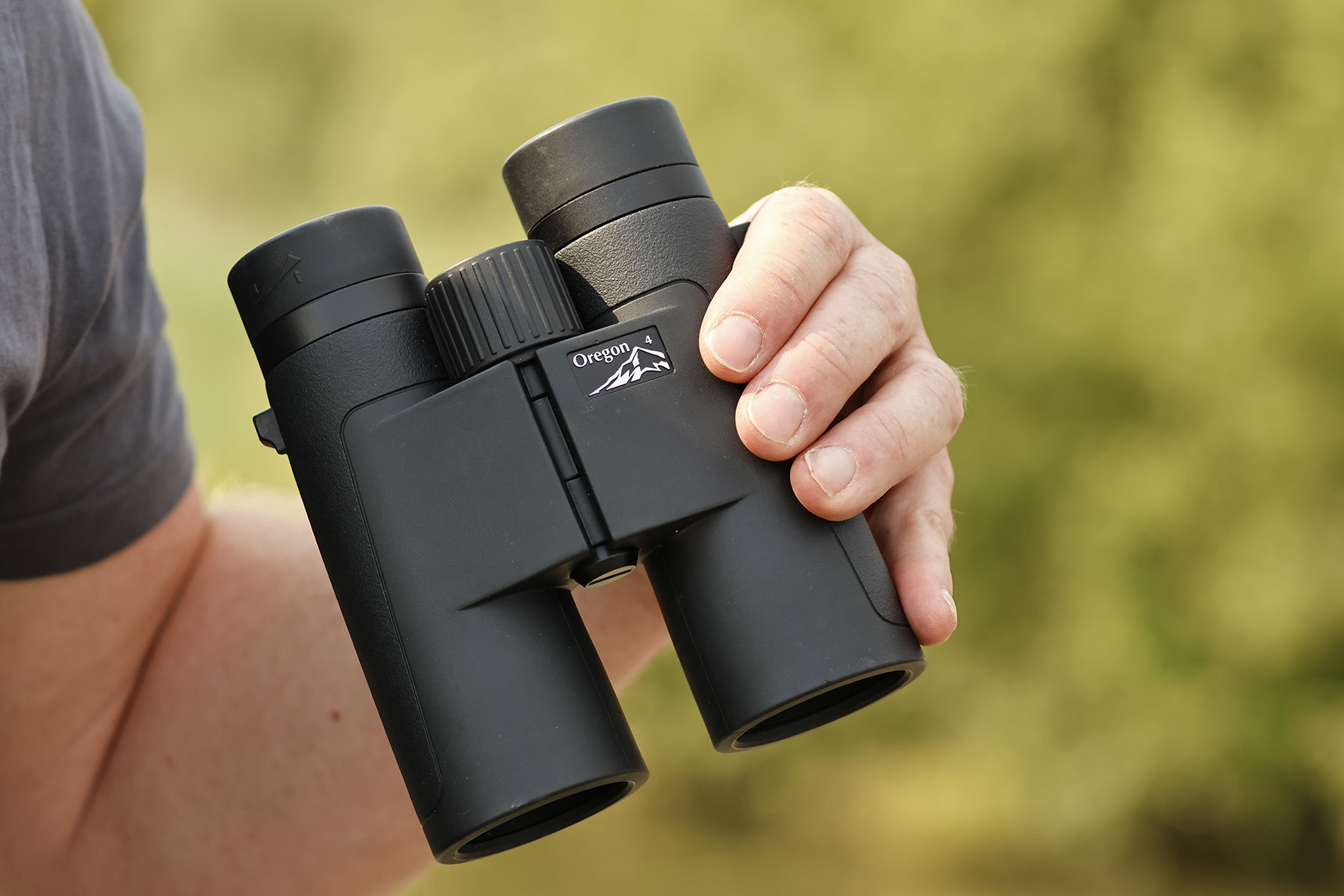
See our Beginner Binoculars Guide for simple advice on choosing your first pair, including what magnification means, how much to spend, and which models are genuinely beginner‑friendly.
See our Field Guides Gear Guide for simple advice on choosing beginner friendly wildlife books, including general wildlife guides, bird guides and pocket guides.
You can also use a trail camera to spot shy wildlife like otters, foxes, deer or badgers when they’re active but you’re not around. See the beginner trail camera guide for simple options to get started.
These items can also be really helpful for beginners:

Find a quiet spot beside the water, pause for a moment, and note:
“What clues tell me this place could be good otter habitat?”
It might be overhanging roots, quiet pools, fish activity, or simply the stillness of the water. Learning to read a landscape is the first step to seeing otters.
If you’d like to start a simple nature journal, our beginner’s guide walks you through how to begin: How to Start a Wildlife Journal.

Otters are protected and sensitive animals. A few gentle principles help keep them safe:
This quiet, hands off approach is at the heart of NatureGuide.
Seeing a wild otter is a special moment, one that often comes after patience, quiet observation, and a willingness to slow down. Whether you spot ripples at dawn, find fresh tracks on a muddy bank, or watch an otter fishing in golden evening light, these encounters stay with you. By exploring gently and respectfully, you’re giving yourself the best chance of witnessing one of the UK’s most charismatic mammals in its natural home.