Camping is one of the simplest ways to feel close to nature. Waking up to birdsong, watching the light change across a landscape, and noticing the quiet movements of animals at dawn and dusk. It’s a gentle, grounding experience that places you directly inside wildlife habitat, which means how you camp matters.
Wildlife friendly camping isn’t about doing without comfort. It’s about choosing your spot thoughtfully, keeping noise low, and treating the outdoors as a shared space. With a few simple habits, your tent becomes a peaceful base for watching wildlife rather than disturbing it.
This guide walks you through how to camp in a way that supports wildlife and deepens your connection to the natural world.
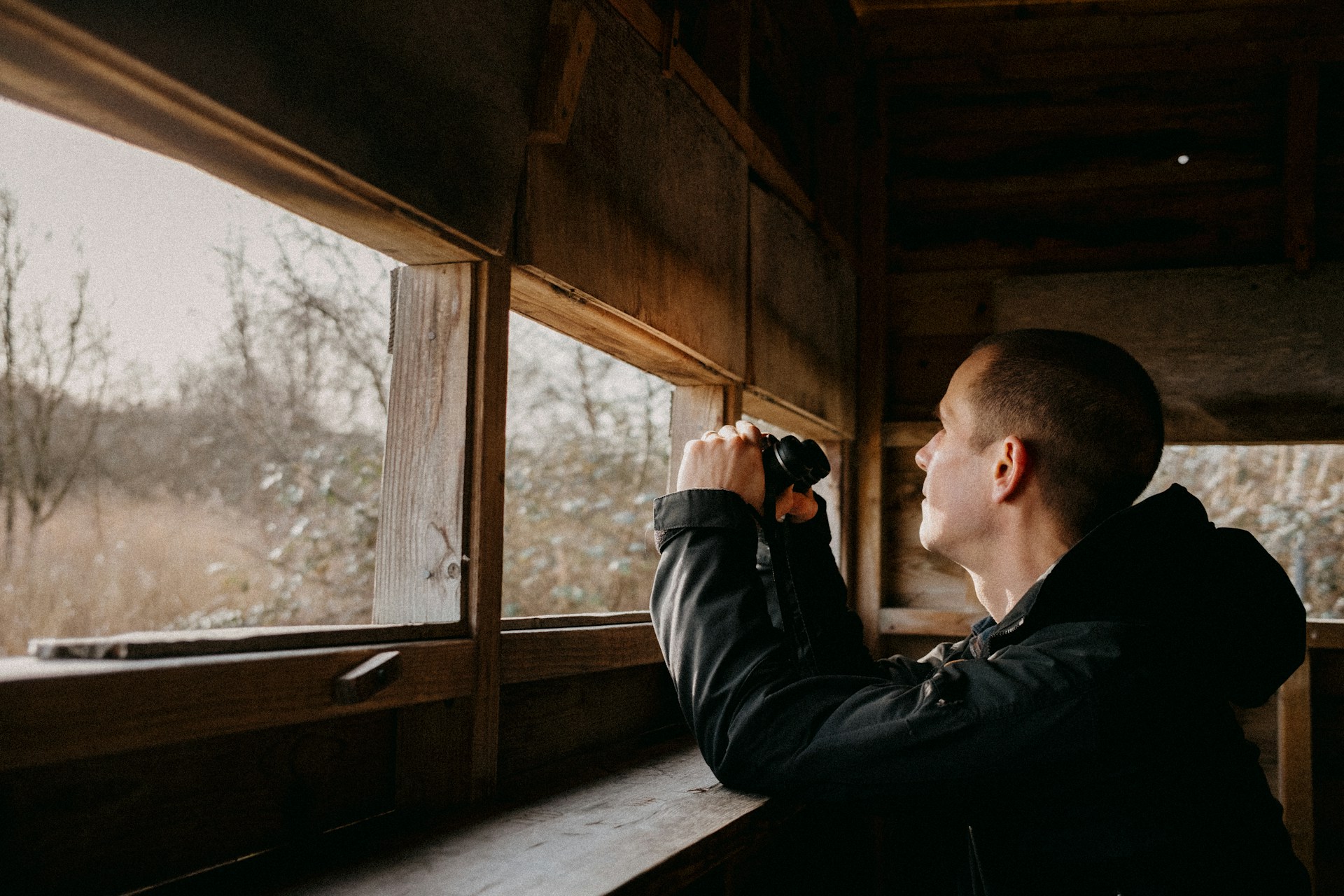
If you enjoy spending nights outdoors, our How to Watch Wildlife from a Hide guide offers quiet, low‑impact ways to observe animals without disturbing them.
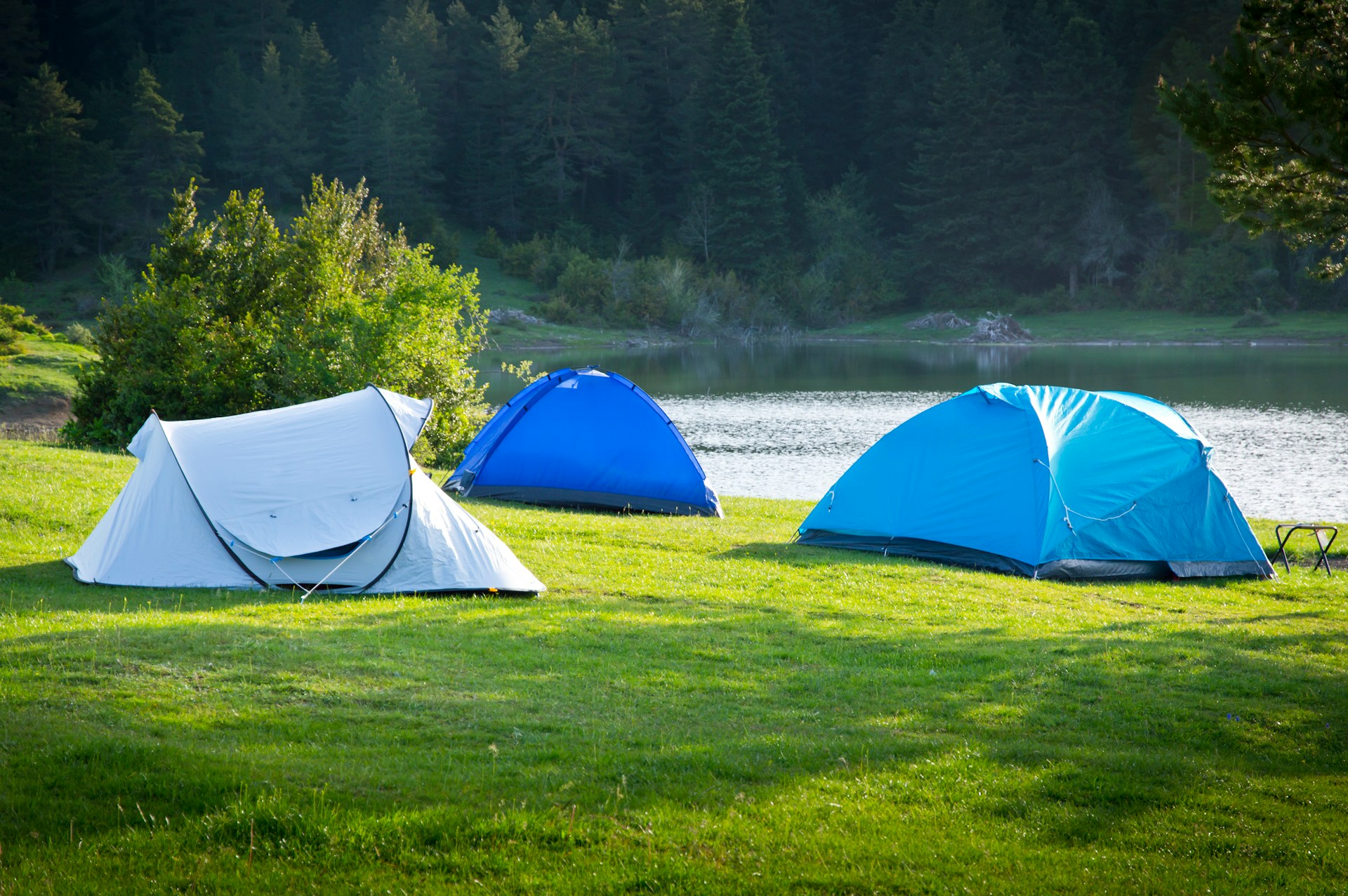
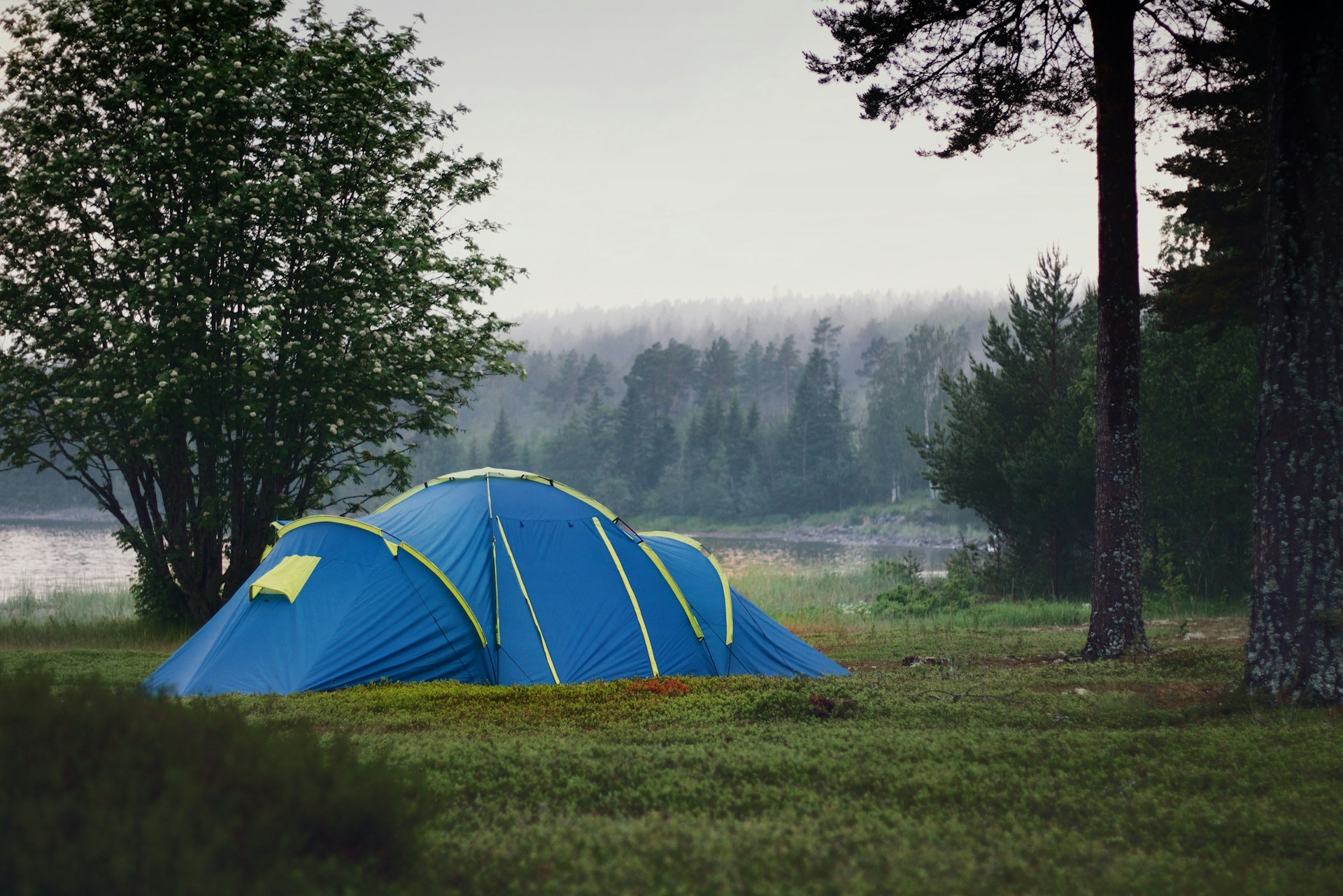
Where you pitch your tent has a huge impact on the wildlife around you.
Look for:
Avoid:
A good rule: if it looks like a perfect wildlife spot, it’s probably not a good tent spot.
1. Keep noise low
Wildlife is far more active when the campsite is quiet.
2. Use soft, warm lighting
Red or low level lights protect nocturnal animals and your night vision.
3. Store food securely
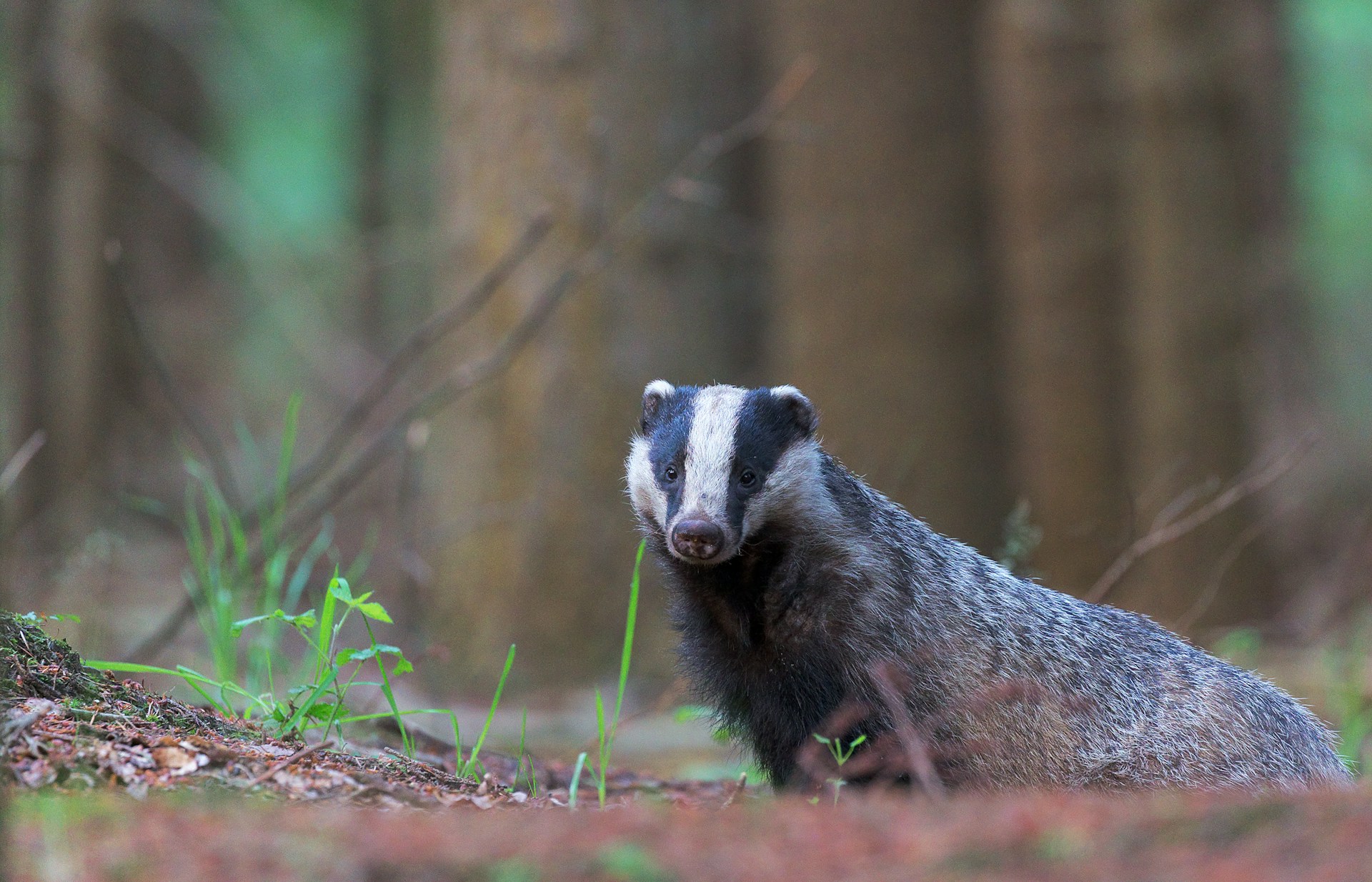
Foxes, badgers, and rodents are curious — and easily tempted.
4. Keep your tent footprint small
Less space taken means less habitat disturbed.
5. Move slowly at night
Many animals forage after dark; slow steps reduce disturbance.
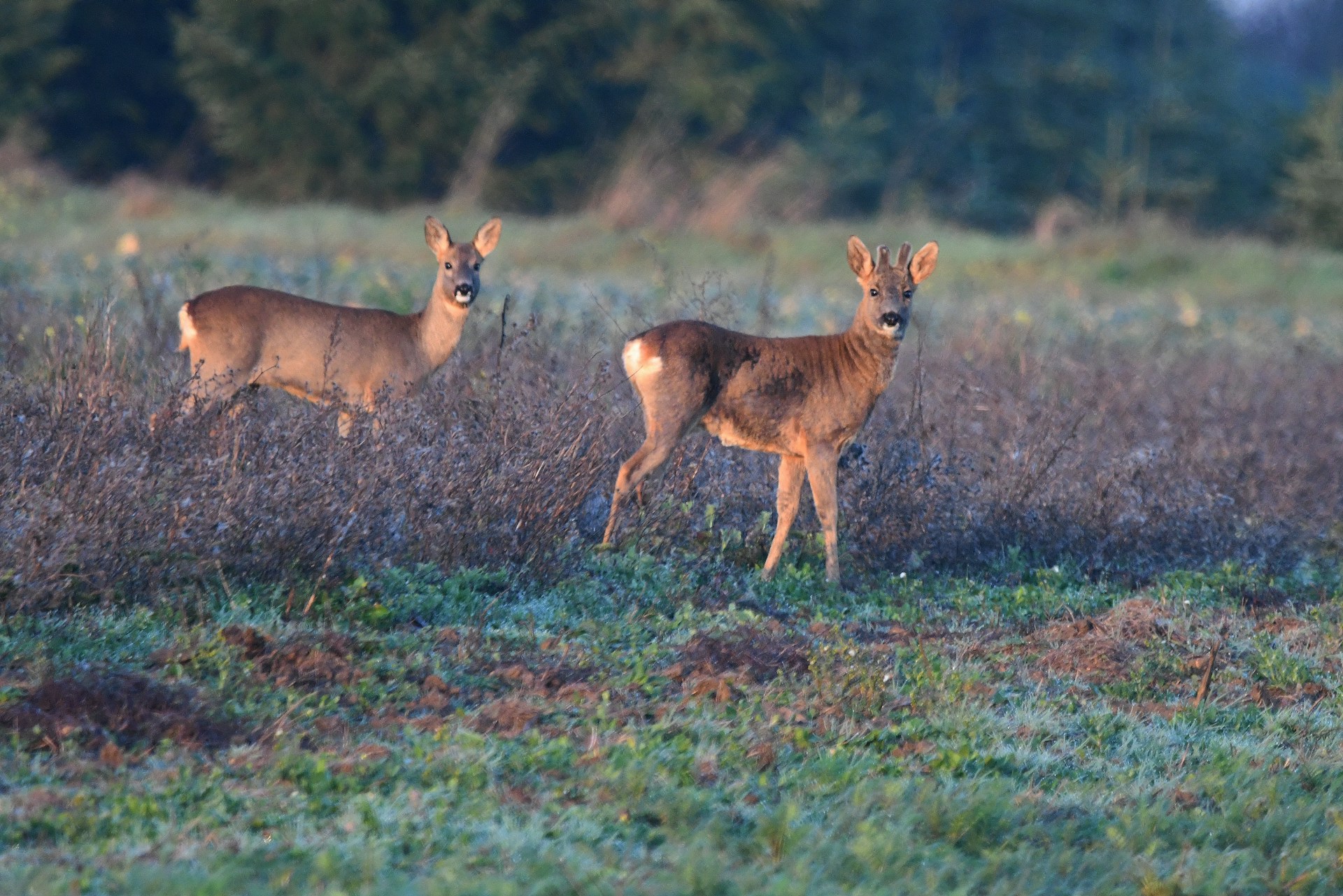
At dawn:
During the day:
At dusk:
Camping gives you access to the quiet hours when wildlife is most active. To understand how animals behave around changing light levels, our How to Spot Wildlife at Dawn and Dusk guide can help you plan your early‑morning or evening observations.
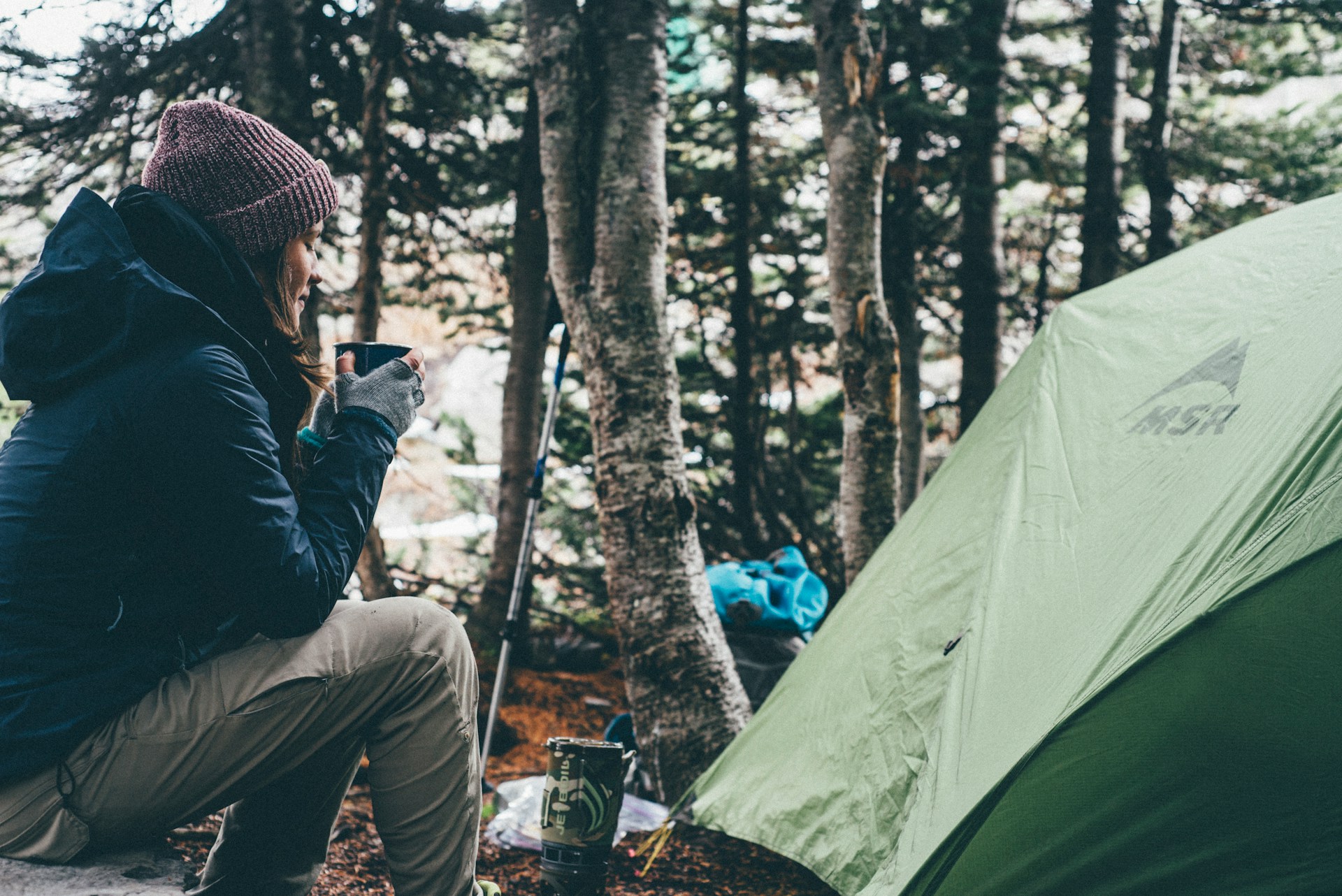
You don’t need to go far, often the best sightings happen right beside your tent.
Stillness is your greatest tool.
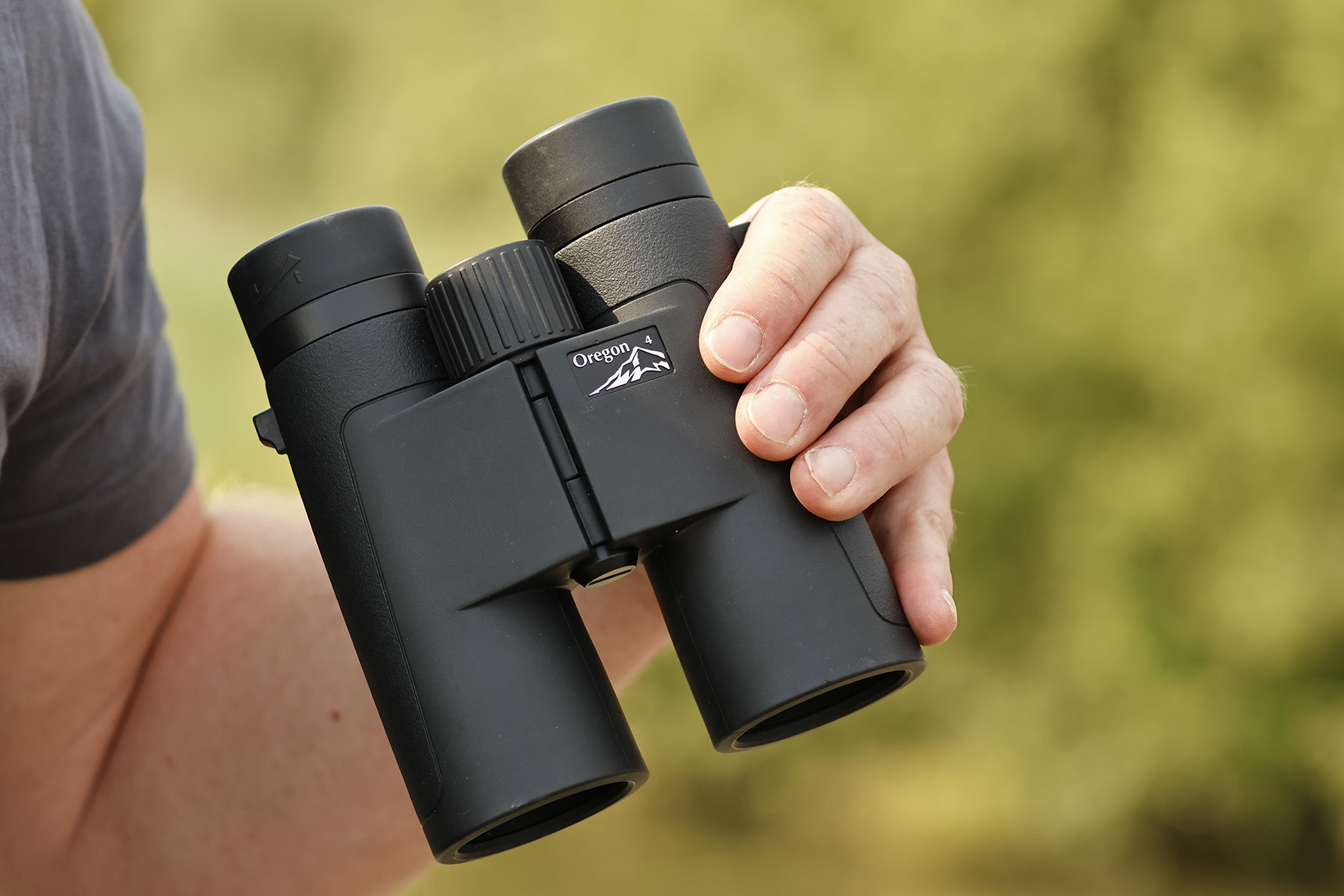
See our Beginner Binoculars Guide for simple advice on choosing your first pair, including what magnification means, how much to spend, and which models are genuinely beginner‑friendly.
See our Field Guides Gear Guide for simple advice on choosing beginner friendly wildlife books, including general wildlife guides, bird guides and pocket guides.
These items can also be really helpful for beginners:

Sit outside your tent at dawn or dusk, pause for a moment, and note:
“What is the first sign that the landscape is waking up (or settling down)?”
It might be a bird call, a rustle in the grass, a shift in light, or the movement of insects. Camping lets you witness these transitions more closely than almost any other activity.
If you’d like to start a simple nature journal, our beginner’s guide walks you through how to begin: How to Start a Wildlife Journal.
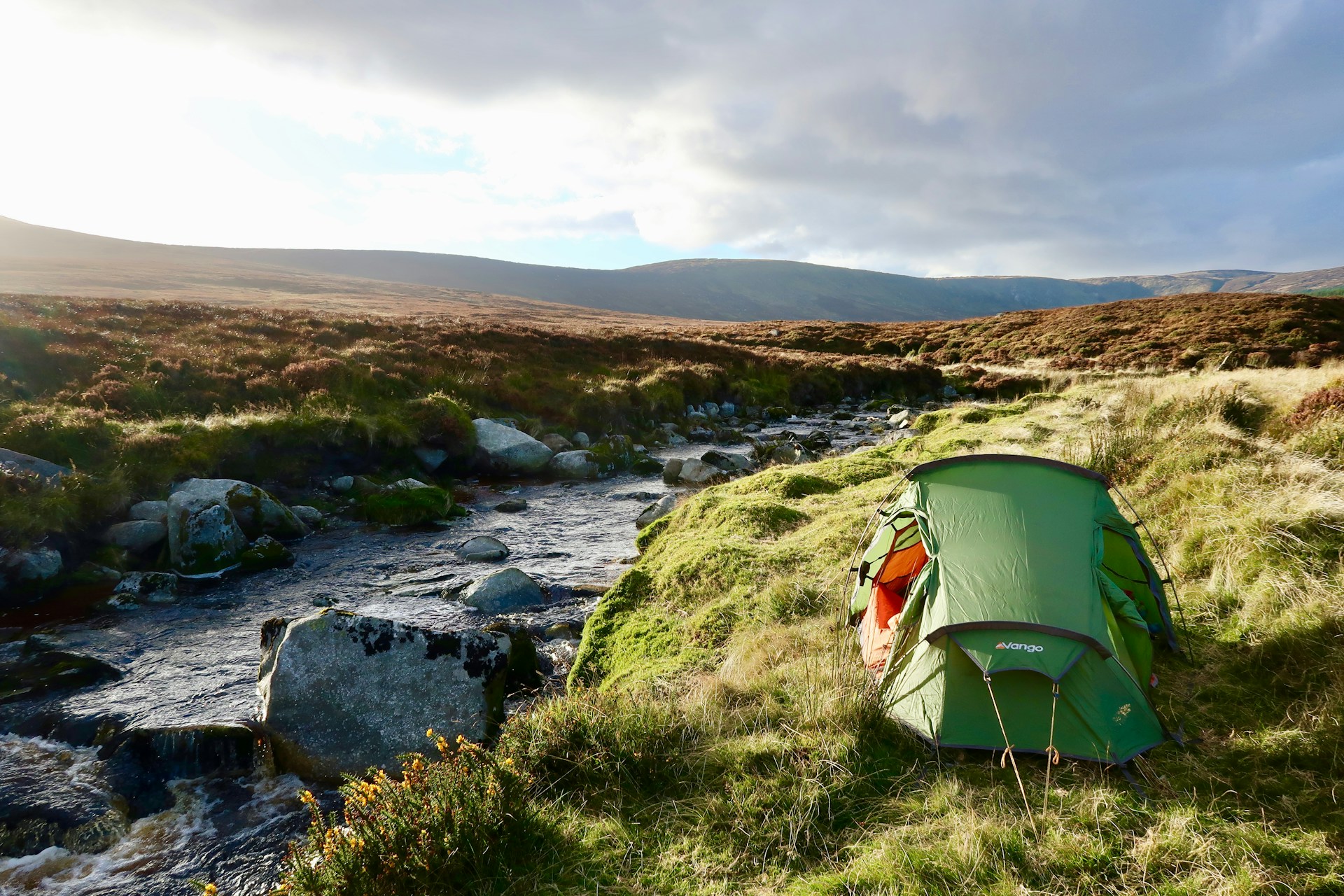
Camping is a privilege and a shared space with the animals that live there. A few gentle principles help protect them:
This quiet, respectful approach is at the heart of NatureGuide.
Wildlife friendly camping isn’t about doing more, it’s about doing less. Less noise, less light, less disturbance. When you slow down and let the landscape settle around you, wildlife begins to appear in its own time. A deer stepping into a clearing, an owl calling from the trees, the soft flutter of bats overhead, these are the moments that make camping unforgettable. By camping gently, you’re not just spending a night outdoors, you’re becoming part of the rhythm of the wild.