Few wildlife stories in the UK are as uplifting as the return of the red kite. Once reduced to a tiny population clinging on in rural Wales, these elegant birds have soared back into landscapes across England, Scotland, and Northern Ireland. Today, their long wings and forked tails are a familiar sight drifting over fields, towns, and even motorways, a reminder that conservation, when done well, truly works.
You don’t need specialist knowledge to enjoy red kites. Their distinctive shape, graceful flight, and growing presence make them one of the easiest birds of prey for beginners to spot. This guide introduces their remarkable comeback, how to identify them, and where to see them across the UK.
If you enjoy watching birds of prey, our Birds of Prey in the UK guide introduces the key features that help you identify raptors in flight.
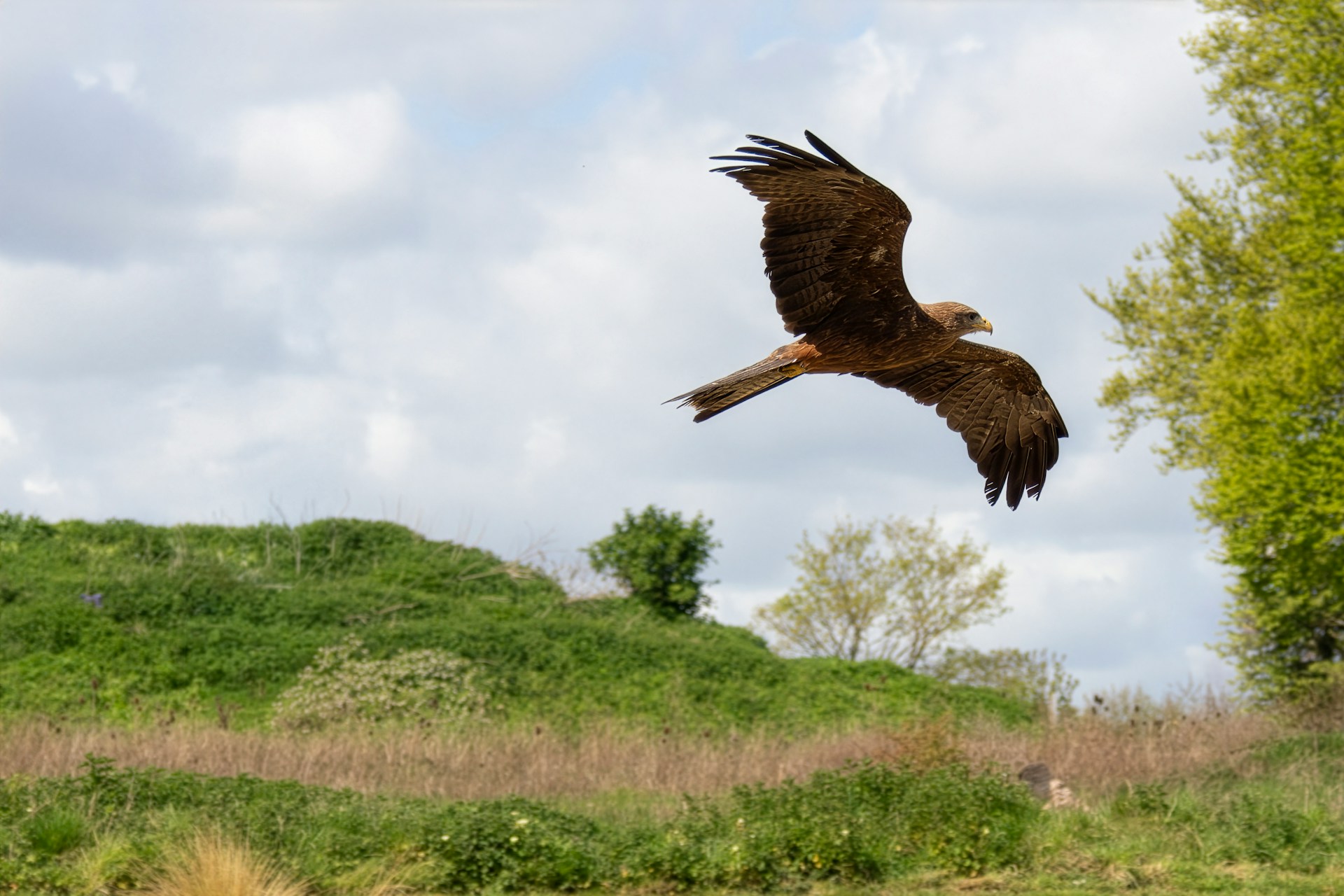
Red kites were once widespread across Britain, but by the late 1800s they had been driven to the brink of extinction through persecution and egg collecting. Only a handful survived in remote Welsh valleys.
Everything changed in the 1980s and 1990s, when conservation groups launched one of Europe’s most successful reintroduction programmes. Birds from Spain and Sweden were released in carefully chosen areas, and the population began to grow.
Today:
Their return shows what’s possible when people work together to protect nature.
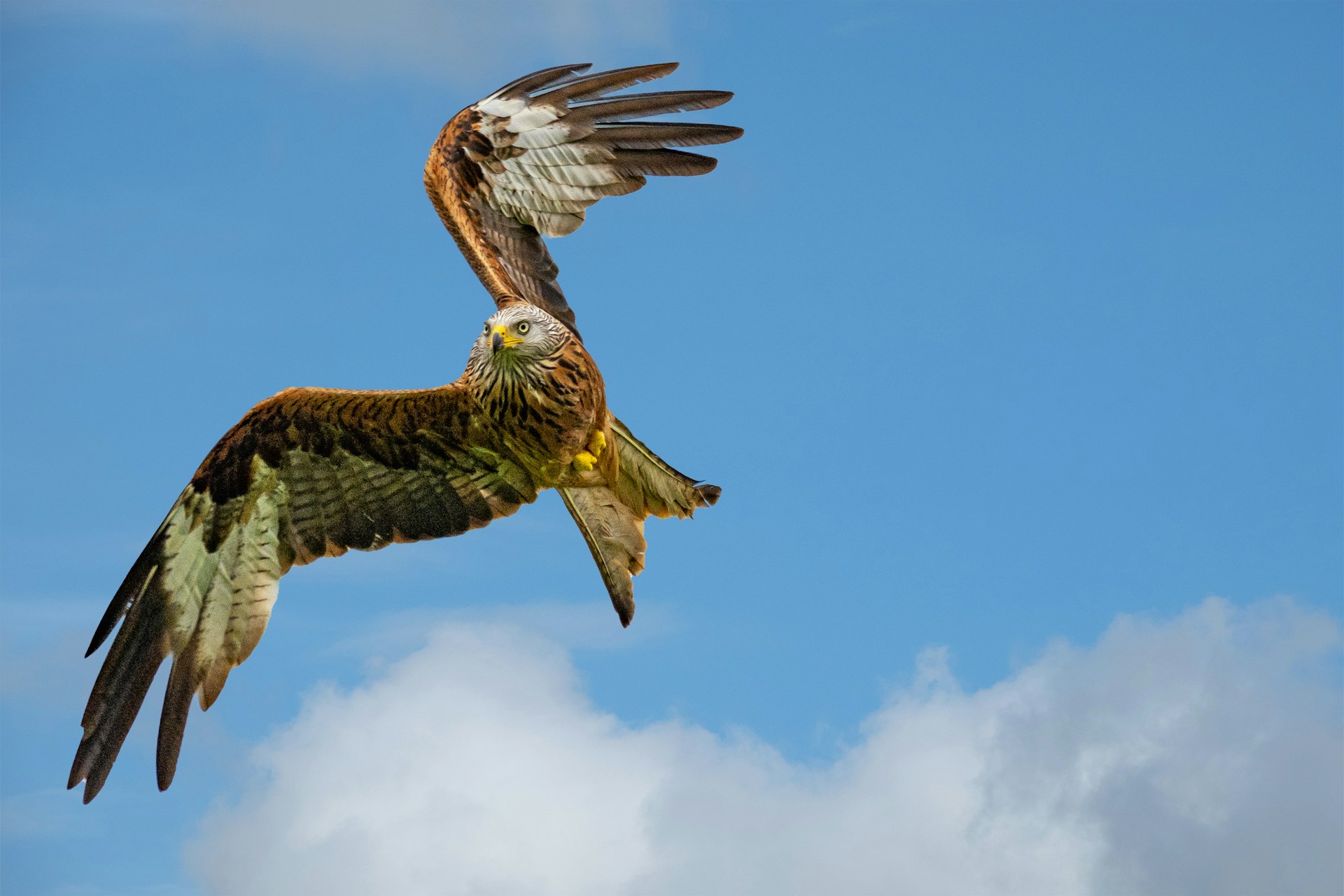
1. Look for the forked tail
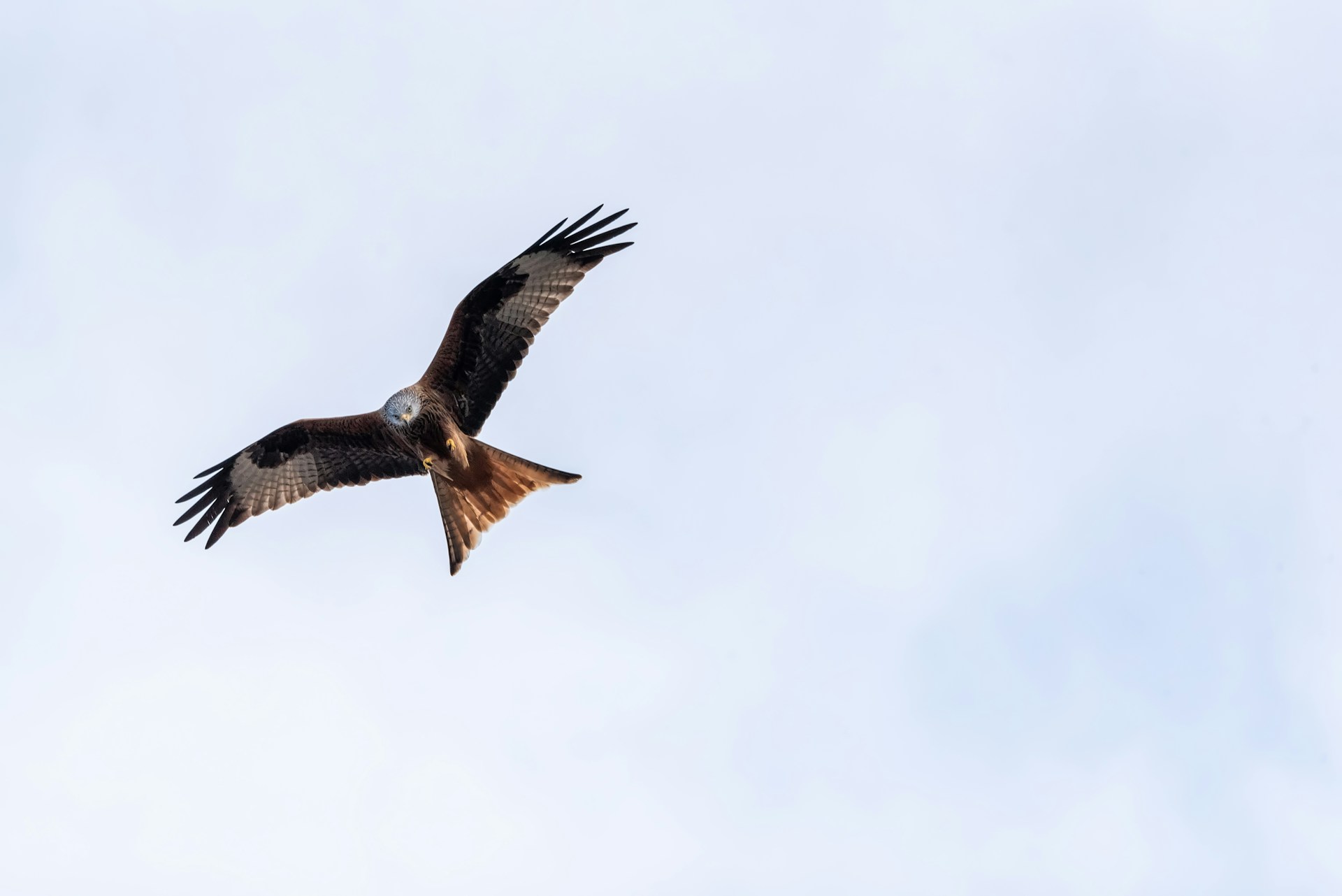
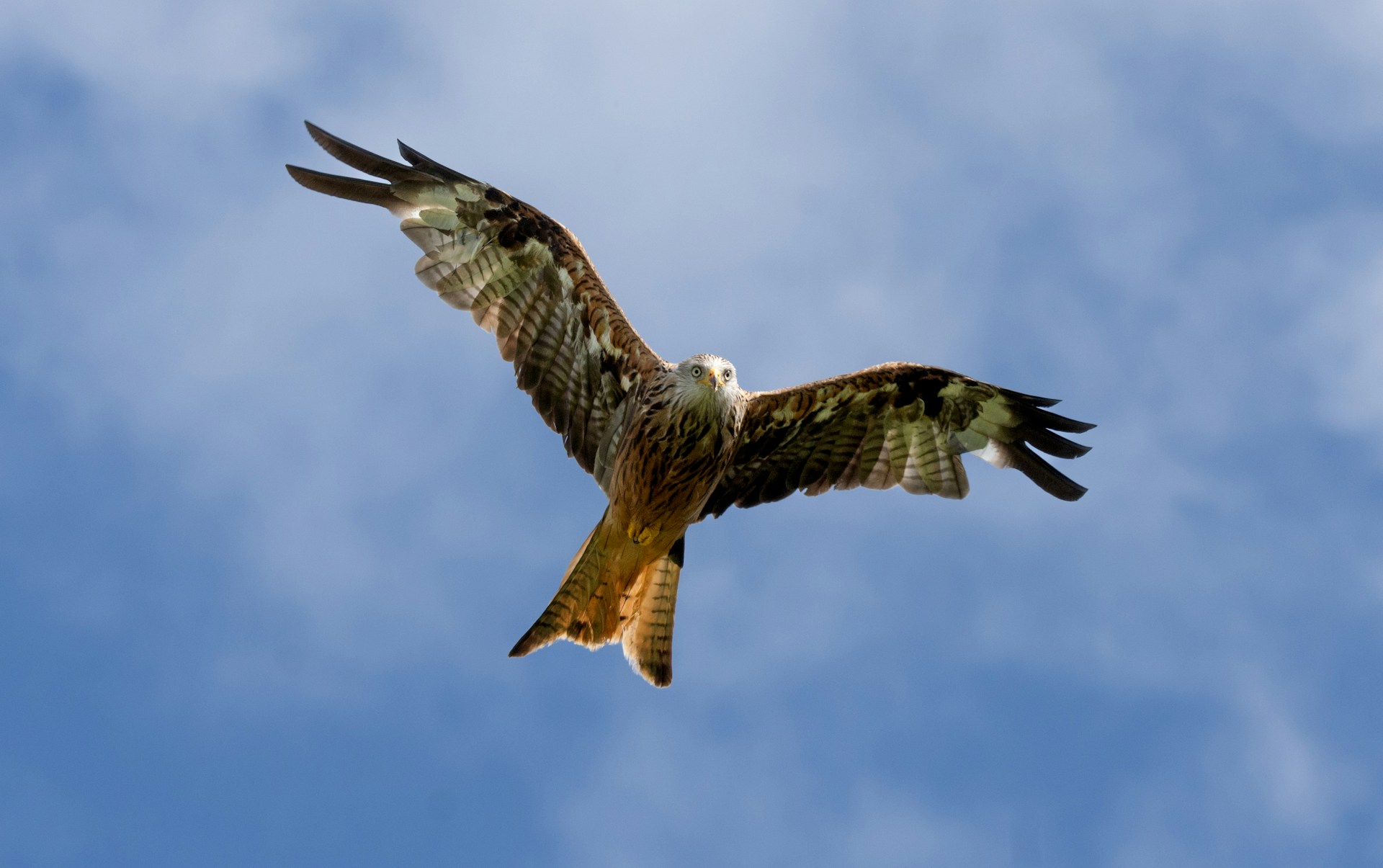
The most distinctive feature is their long, elegant, and deeply forked.
2. Notice the flight style
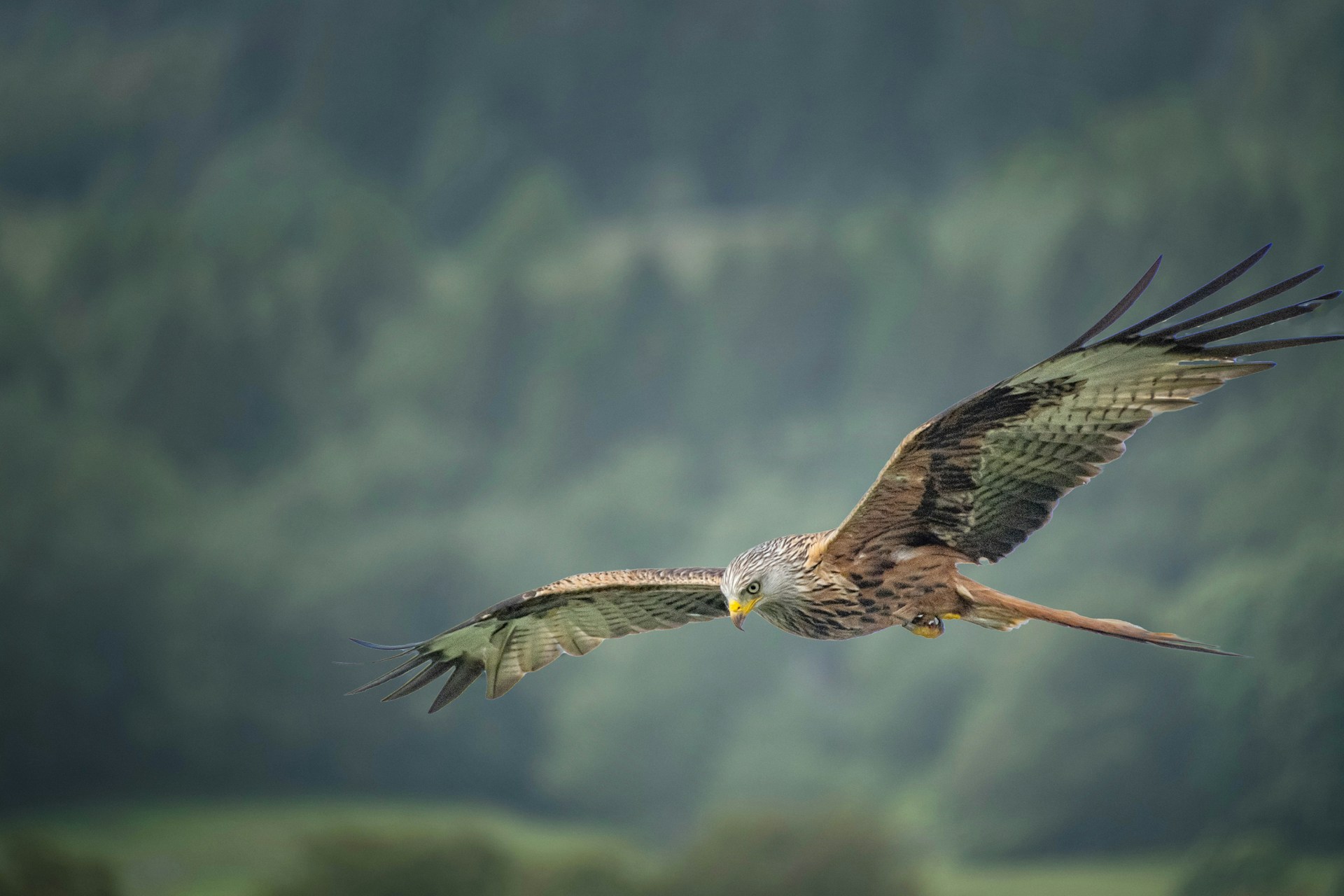
Red kites glide effortlessly, tilting from side to side like a drifting ribbon.
3. Check the colour
Warm reddish brown body, pale head, and black wing tips.
4. Watch the wings
Long, slim wings with a slight bend (very different from the broad wings of a buzzard).
5. Listen for their call
A thin, whistling sound, especially near nesting areas.
Once you’ve seen one, you’ll recognise them instantly.
England
Wales
Mid Wales: the species’ original stronghold
Feeding stations offer spectacular views
Scotland
Northern Ireland
County Down: successful reintroduction area
Red kites often appear in places you wouldn’t expect, even above supermarkets, roads, and villages. For tips on spotting wildlife during gentle outdoor activities, our Slow Cycling Routes for Wildlife Spotting guide offers peaceful ways to explore nature.
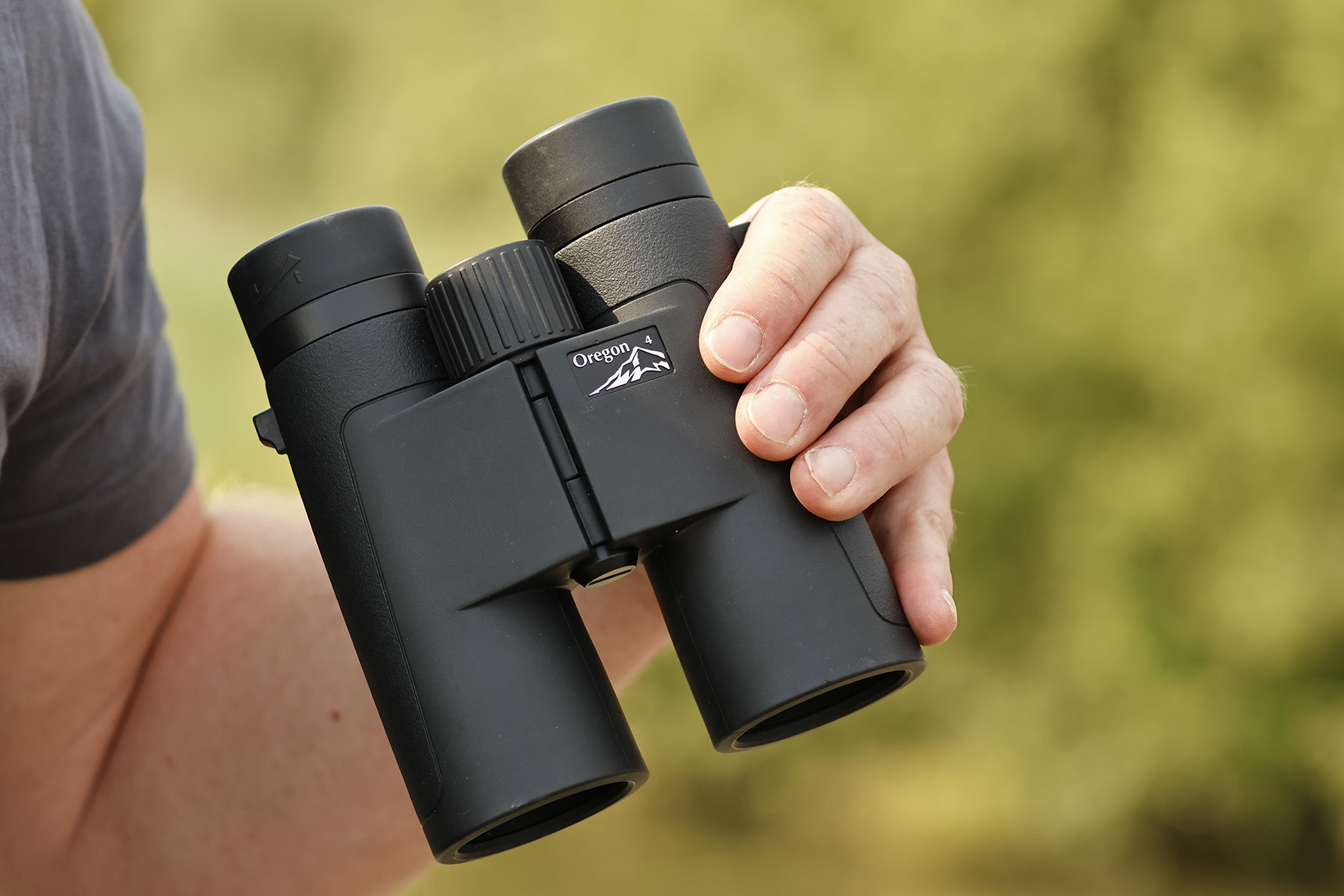
See our Beginner Binoculars Guide for simple advice on choosing your first pair, including what magnification means, how much to spend, and which models are genuinely beginner‑friendly.
See our Field Guides Gear Guide for simple advice on choosing beginner friendly wildlife books, including general wildlife guides, bird guides and pocket guides.
These items can also be really helpful for beginners:

Find a quiet spot with a good view of the sky, pause for a moment, and note:
“How does this bird move differently from others I’ve seen today?”
Red kites have a uniquely graceful, drifting flight and journaling will help you notice the subtleties.
If you’d like to start a simple nature journal, our beginner’s guide walks you through how to begin: How to Start a Wildlife Journal.

When a species returns from the brink, it deserves extra care. A few gentle principles help protect red kites and other recovering wildlife:
This calm, hands off approach is at the heart of NatureGuide.
The red kite’s return is a reminder that nature can recover when given the chance. Watching one glide across a valley or circle above a field is more than a wildlife sighting, it’s a glimpse of hope. By learning their story, recognising their shape, and watching them gently, you’re connecting with one of the UK’s greatest conservation successes.