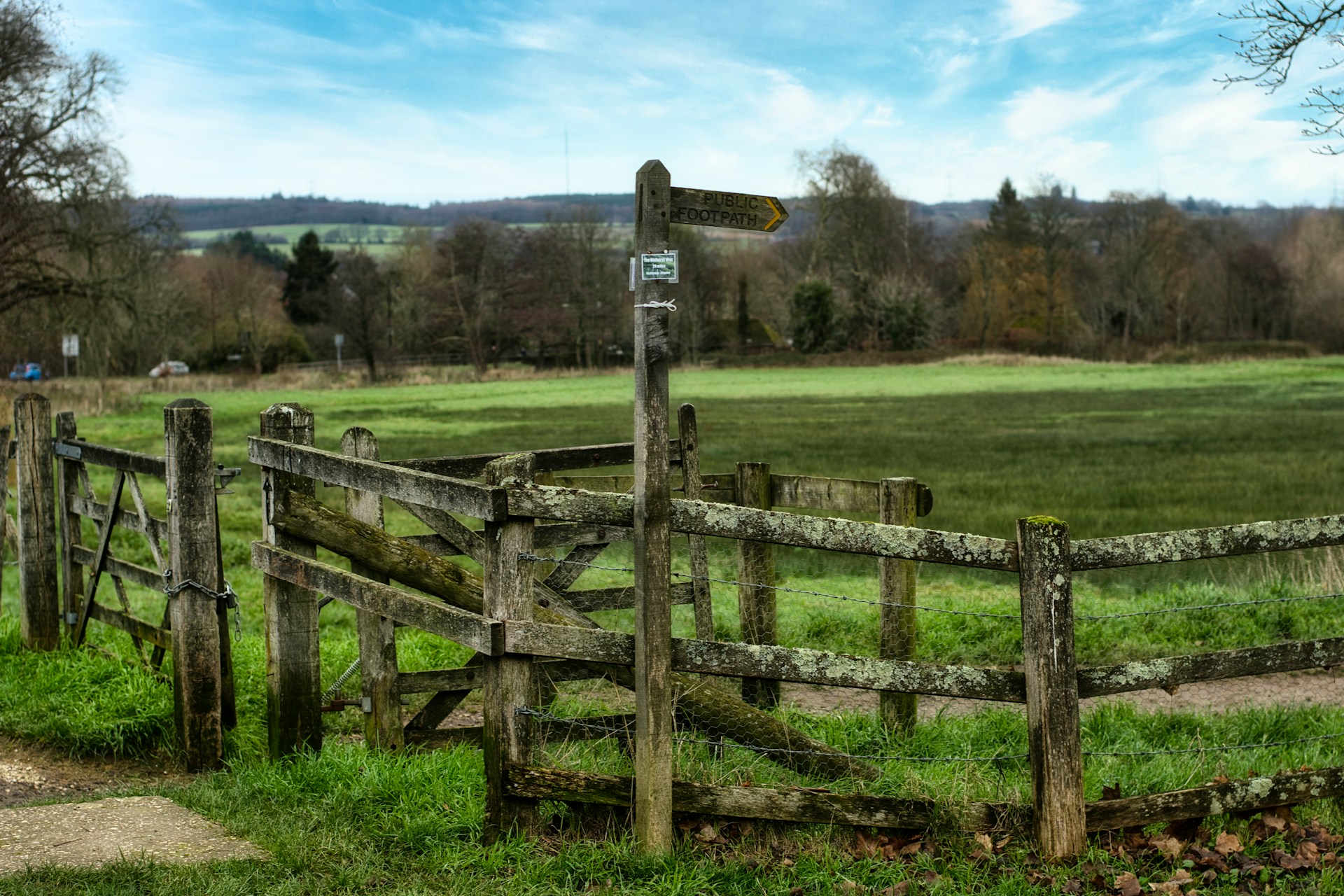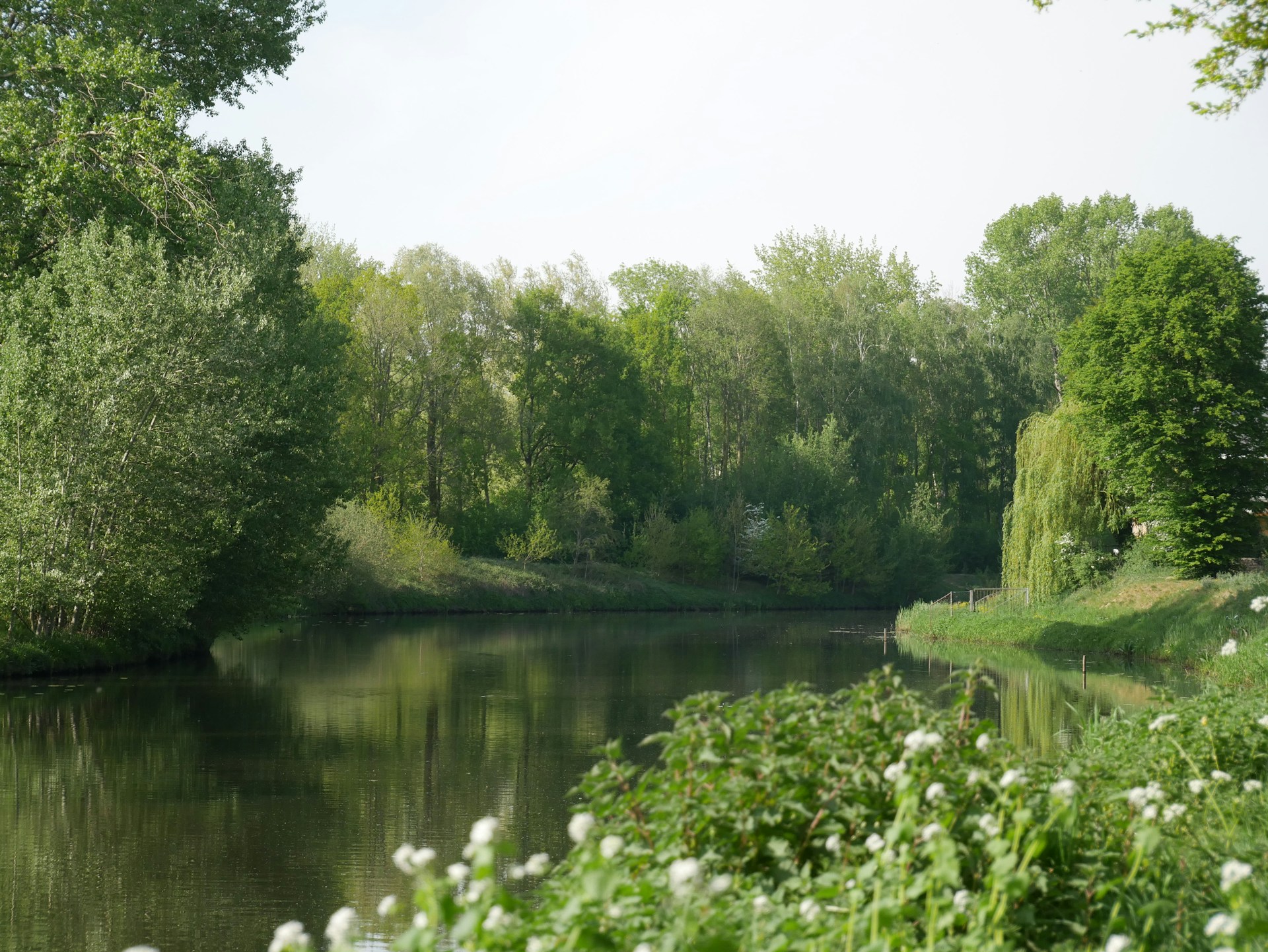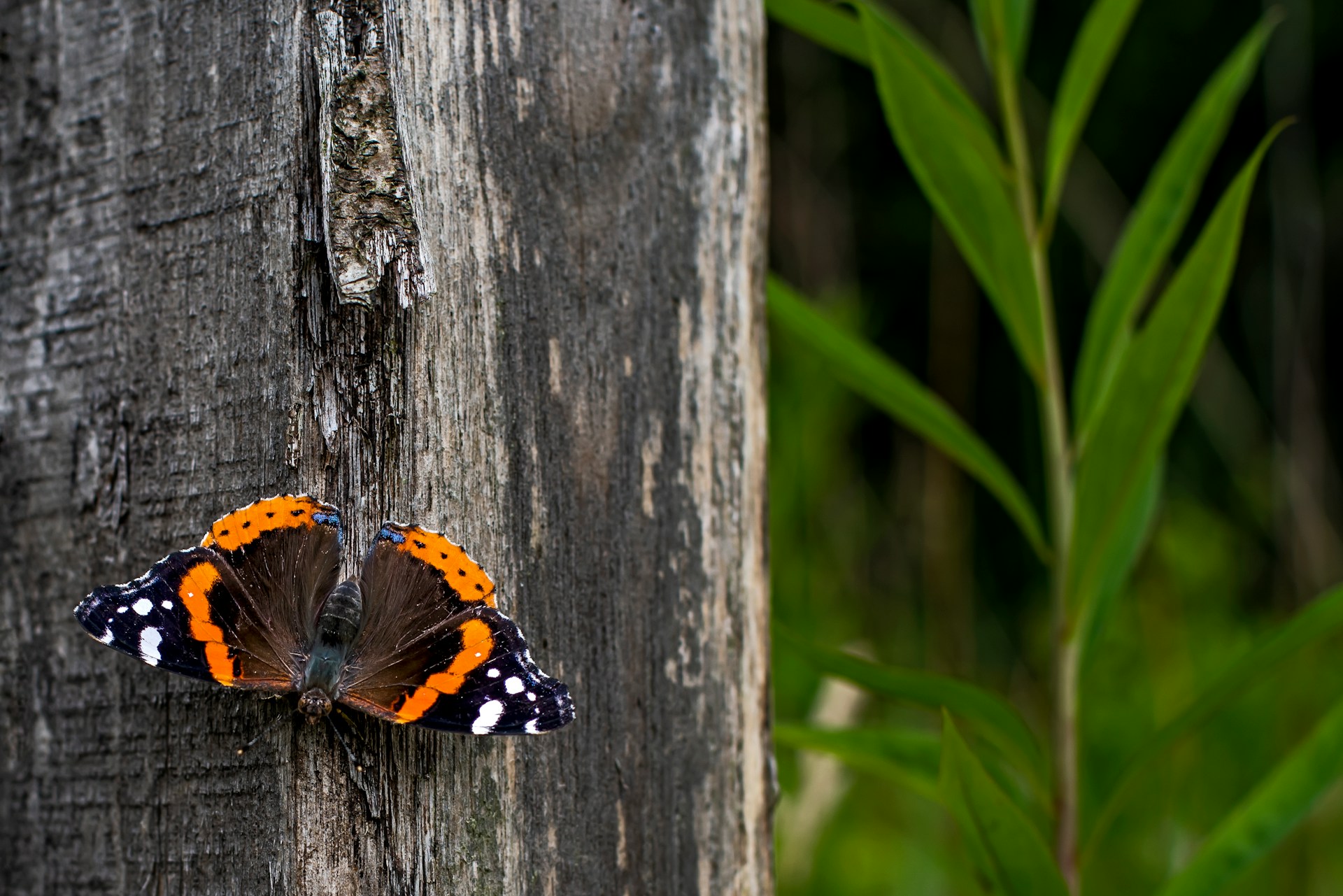
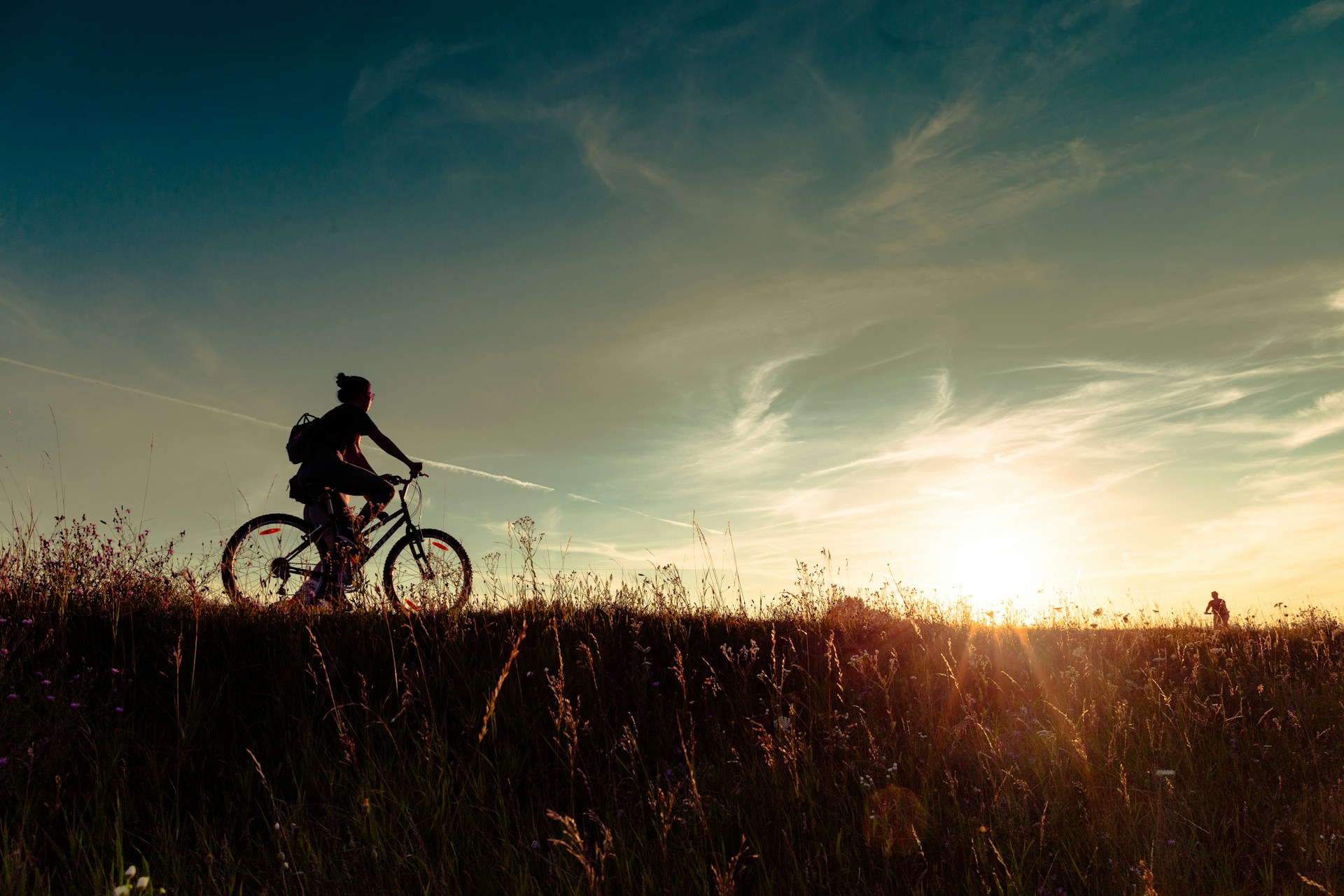
Slow cycling is one of the most rewarding ways to explore the UK’s wild spaces. When you move at a gentle pace, the landscape opens up: birds perched on hedgerows, dragonflies skimming canals, deer grazing at field edges, and the quiet rustle of mammals in woodland margins. A bike becomes a way to drift through habitats without rushing — a rolling wildlife hide.
You don’t need to be a seasoned cyclist to enjoy wildlife from two wheels. With a comfortable pace, a safe route, and a little awareness of the animals around you, slow cycling becomes a peaceful, nature rich adventure.
This guide introduces the best types of routes, what to look for, and how to cycle in a way that keeps wildlife safe.
If you like combining gentle exercise with nature watching, our Wildlife Watching by Canoe guide offers another peaceful way to explore habitats at a relaxed pace.
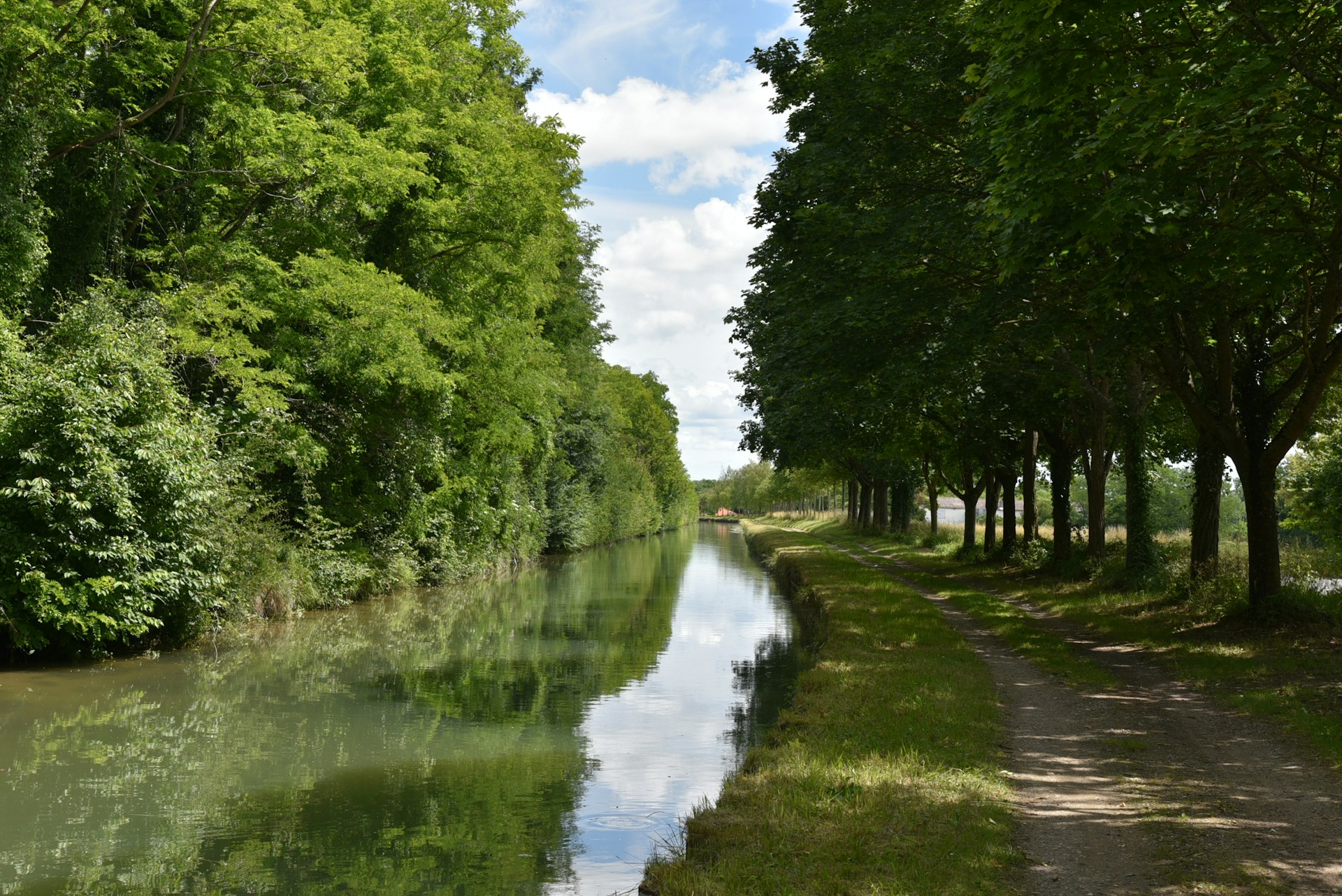
Some routes naturally lend themselves to gentle wildlife watching.
Look for:
Canal towpaths
Disused railway lines (greenways)
Country lanes
Forest cycle trails
Coastal cycle paths
A good wildlife route is quiet, scenic, and safe to ride slowly.
Wildlife responds to sound and movement long before you see it. A slower pace makes you part of the landscape rather than a disturbance.
Slow cycling isn’t just safer, you get a much richer experience.
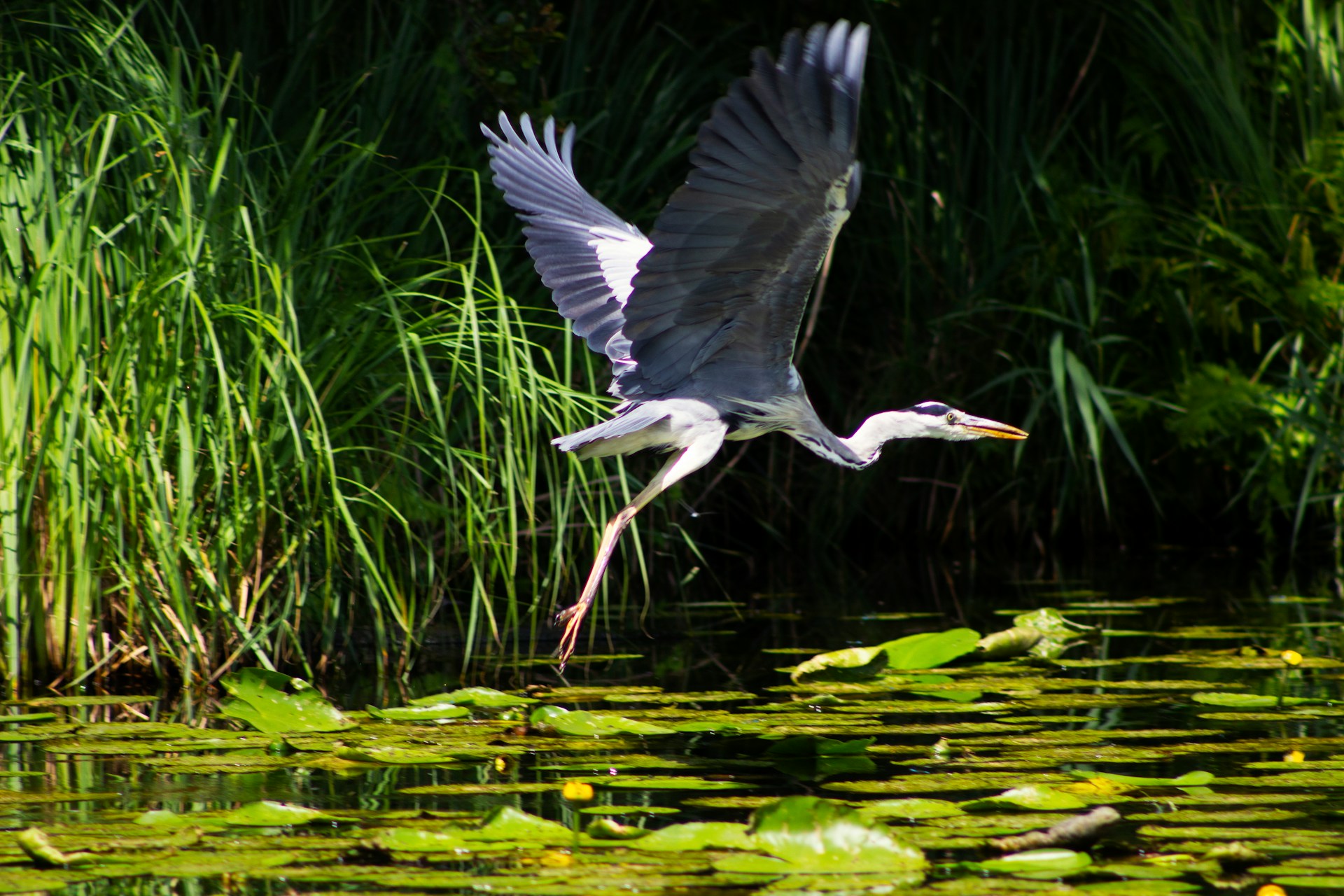
Along canals and rivers
On country lanes and hedgerows
In woodlands and forest edges
On coastal paths
Every habitat offers its own cast of characters. For tips on noticing more during everyday outings, our How to Notice More Wildlife on Your Daily Walk guide shares simple techniques that help you stay observant.
A bike lets you cover distance but the magic happens when you slow down.
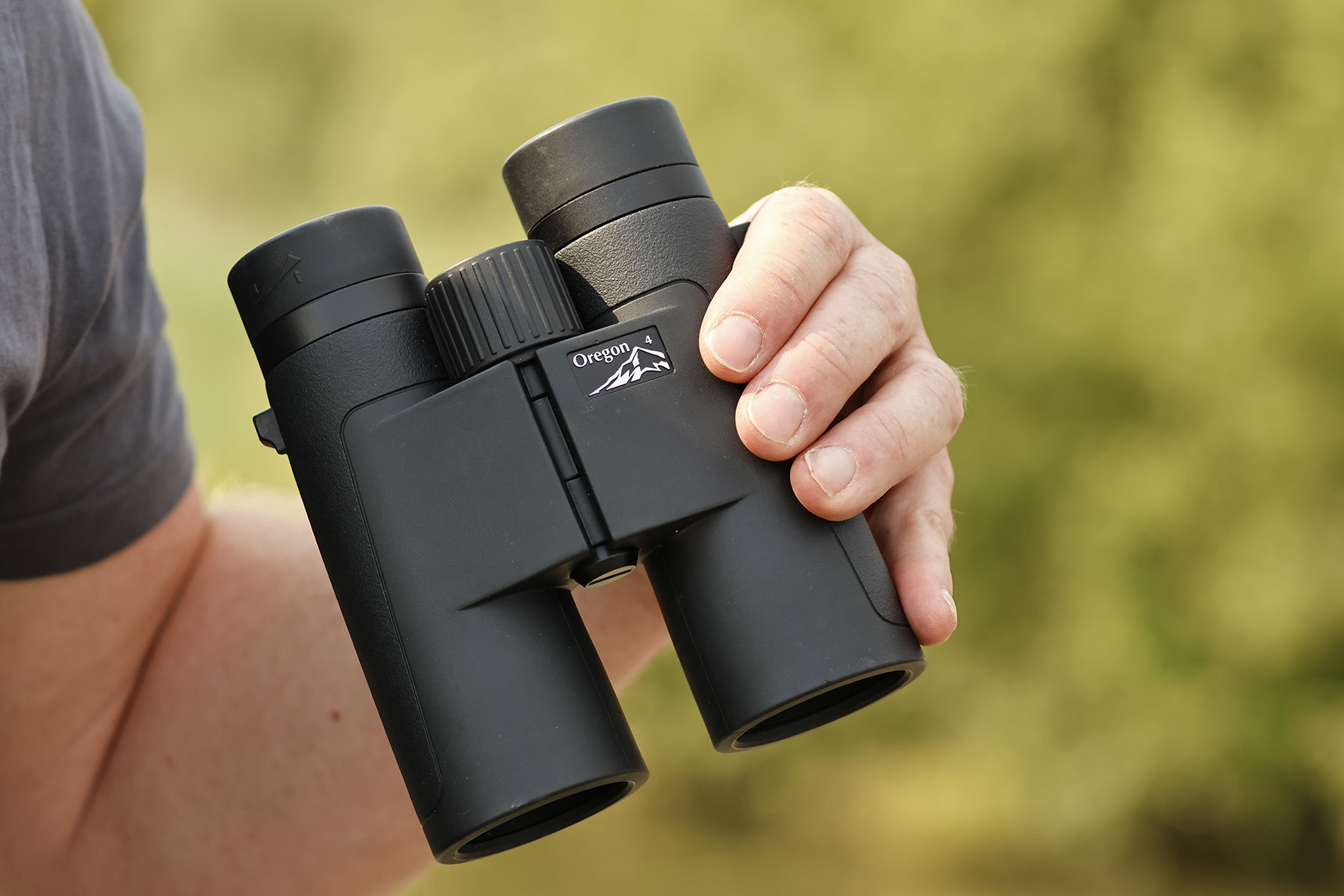
See our Beginner Binoculars Guide for simple advice on choosing your first pair, including what magnification means, how much to spend, and which models are genuinely beginner‑friendly.
See our Field Guides Gear Guide for simple advice on choosing beginner friendly wildlife books, including general wildlife guides, bird guides and pocket guides.
These items can also be really helpful for beginners:

Find a quiet stretch of path, stop for a moment, and note:
“What changes when I pause and let the landscape settle around me?”
You might notice birdsong rising, insects moving, or animals emerging from cover. Stillness reveals what speed hides.
If you’d like to start a simple nature journal, our beginner’s guide walks you through how to begin: How to Start a Wildlife Journal.
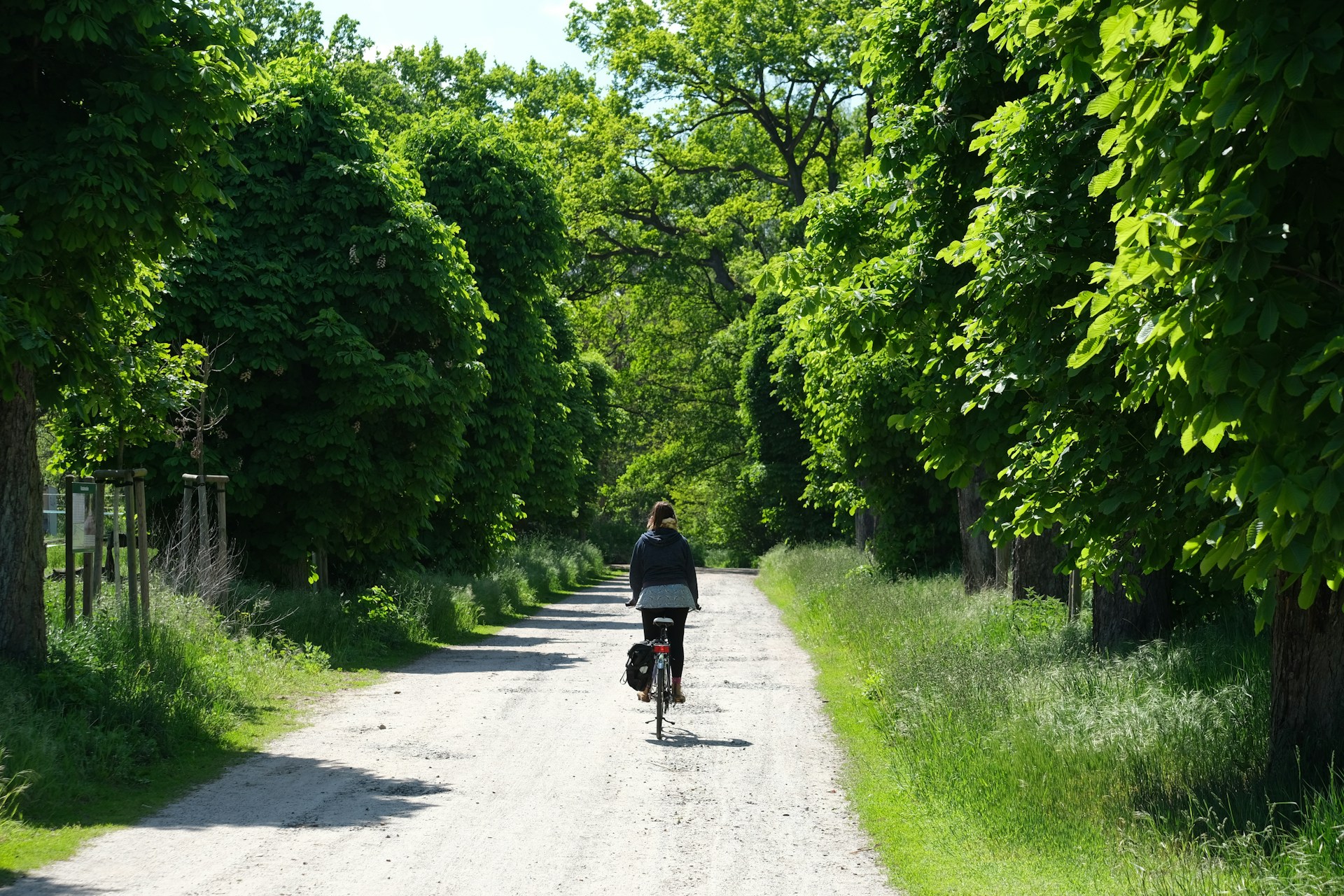
Cycling through wild spaces is a privilege. A few gentle principles help protect the animals that live there:
This calm, respectful approach is at the heart of NatureGuide.
Slow cycling turns a simple ride into a wildlife journey. When you move gently, pause often, and treat the landscape with care, birds and mammals begin to appear in their own time. A flash of blue along a canal, a deer stepping from the trees, butterflies drifting across a lane, these are the moments that make slow cycling unforgettable. By travelling lightly, you’re not just exploring a route, you’re becoming part of the rhythm of the wild.