
Owls are some of the most magical and elusive birds in the UK, and learning their key features can make spotting them far easier than most beginners expect. This guide introduces the species you’re most likely to encounter, along with simple tips on where to look, when owls are most active, and the behaviours that help you recognise them in low light. You’ll also find beginner‑friendly advice on listening for calls, choosing quiet viewing spots, and watching owls responsibly so you never disturb them.
If you enjoy watching owls, our How to Spot Wildlife at Dawn and Dusk guide offers more tips for seeing animals during low light.
What to look for:
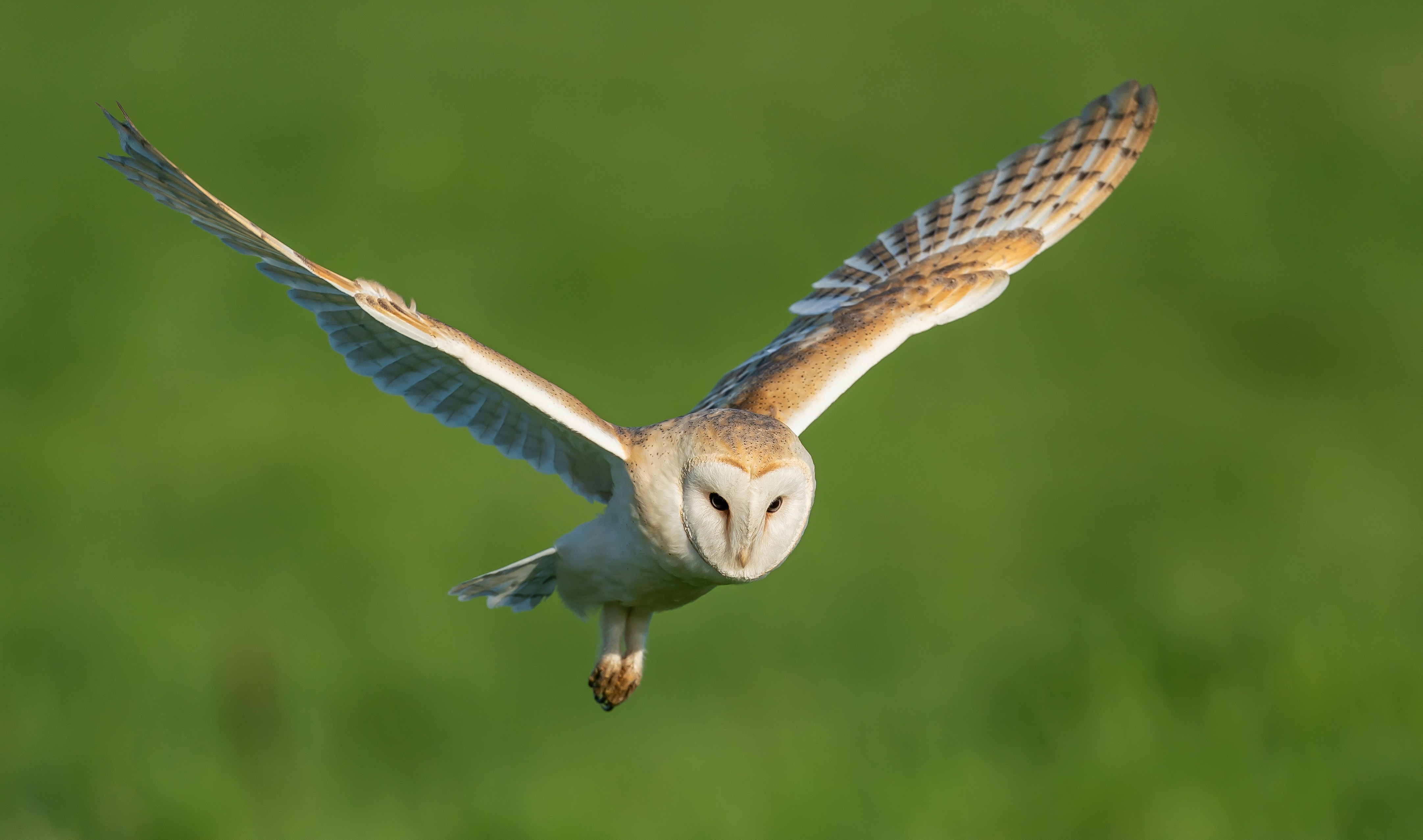
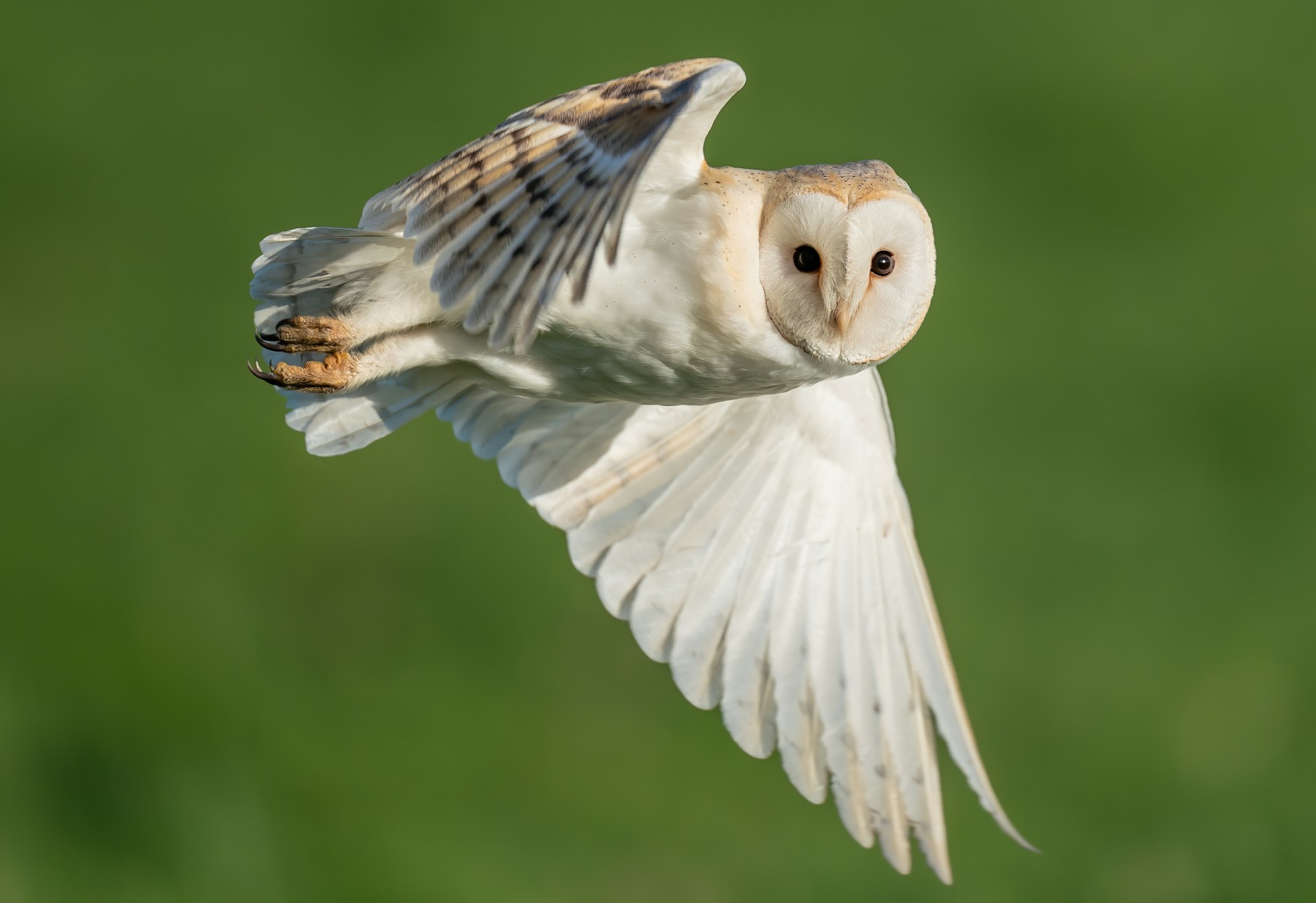
A pale, ghost‑like owl with a heart‑shaped face and slow, buoyant wing beats.
Where you’ll see it:
Farmland, meadows, field edges, quiet lanes, nature reserves.
Best time:
Dusk and dawn; especially on calm, dry evenings.
Behaviour tip:
Barn owls hunt by quartering fields in long, sweeping lines. If you see a pale shape drifting low over grass, it’s probably a barn owl.
Micro insight:
They can hear a mouse’s heartbeat under snow, their hearing is that precise.
What to look for:
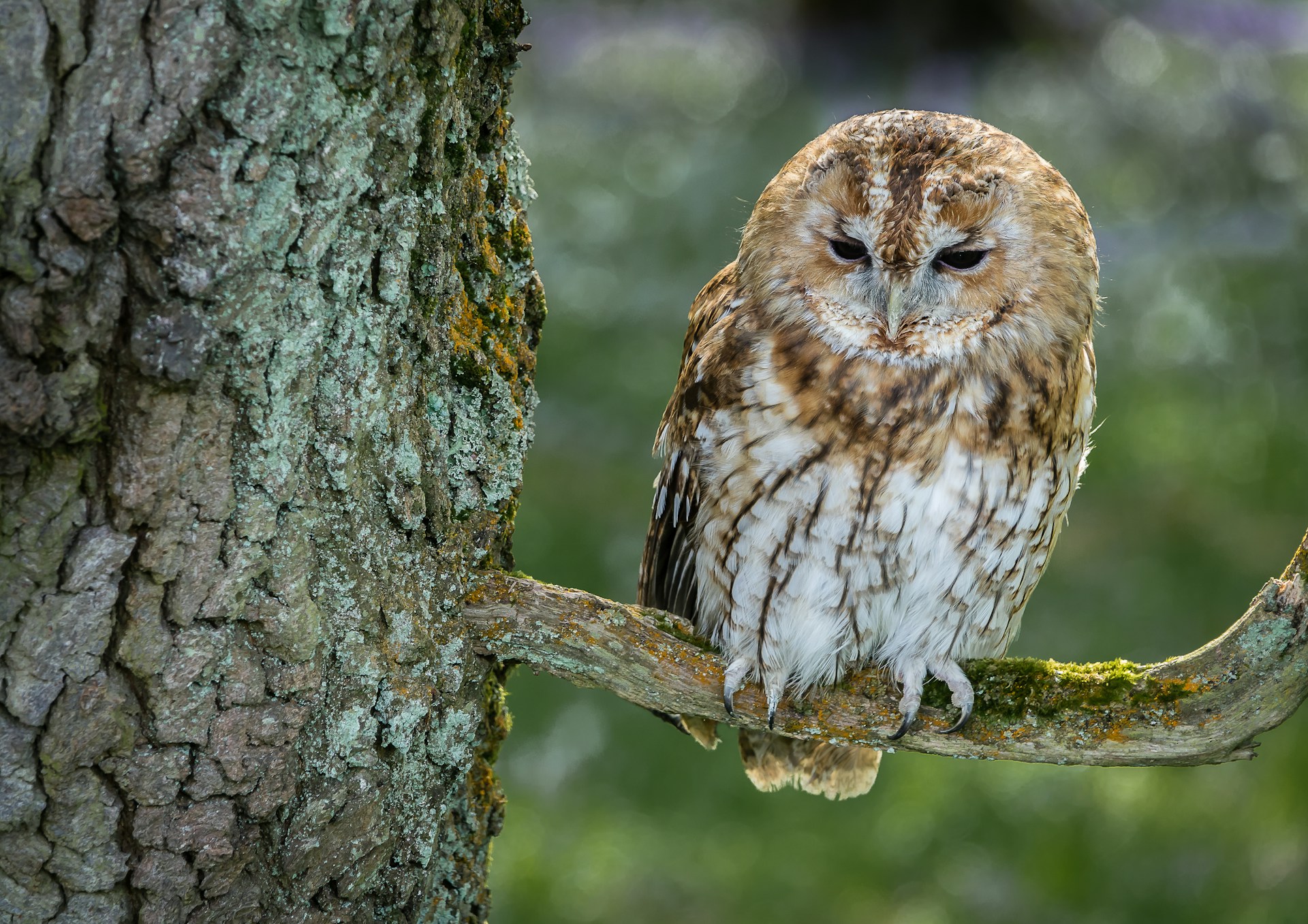
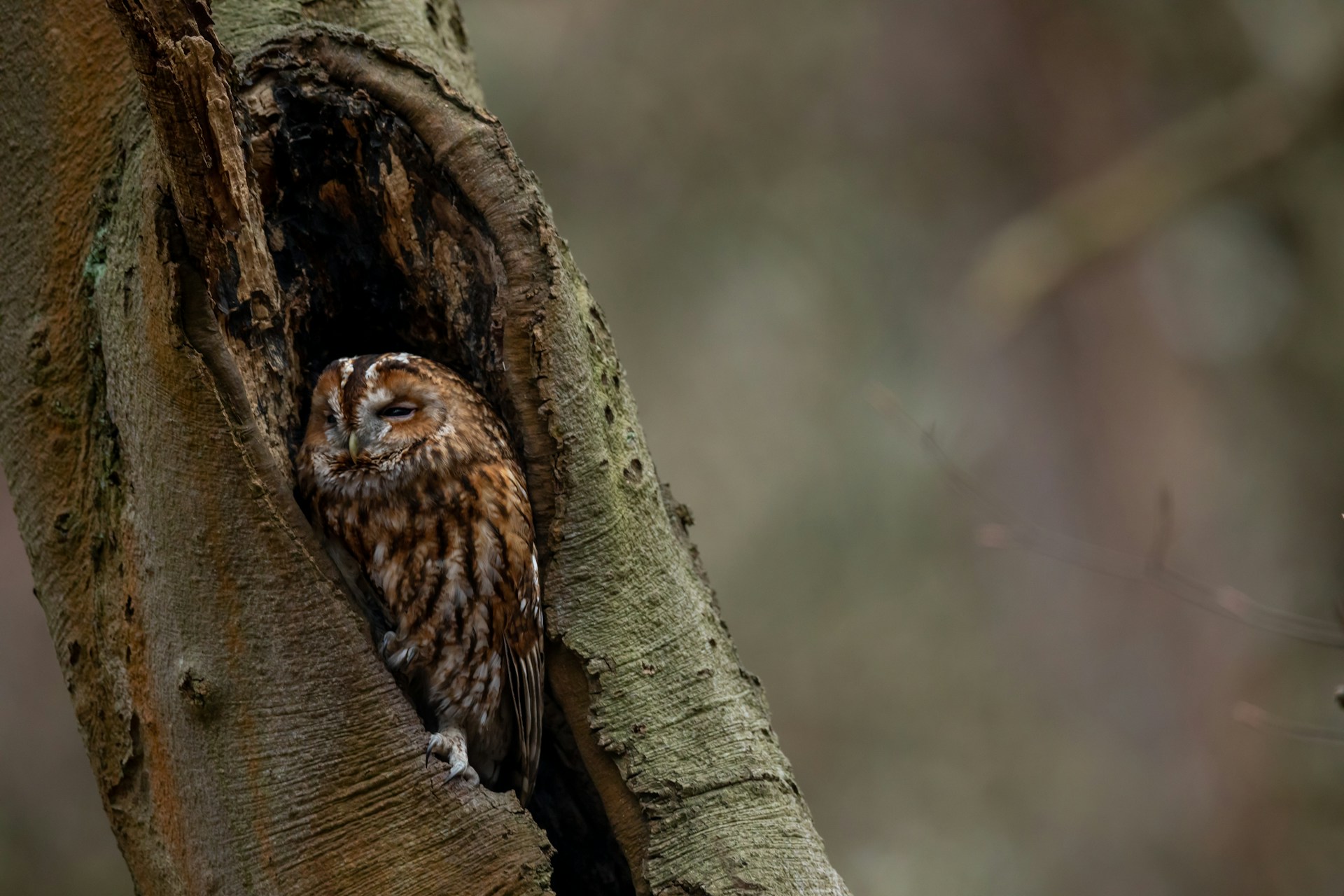
A chunky, brown owl with dark eyes. The classic “twit‑twoo” owl.
Where you’ll see it:
Woodlands, parks, large gardens, churchyards.
Best time:
After dark, they are strictly nocturnal.
Behaviour tip:
You’re more likely to hear a tawny owl than see one. Listen for the male’s deep “hoo‑hoo” and the female’s sharper “ke‑wick”.
Micro insight:
Tawnies are territorial, if you hear two different calls, you’re listening to a pair communicating.
What to look for:
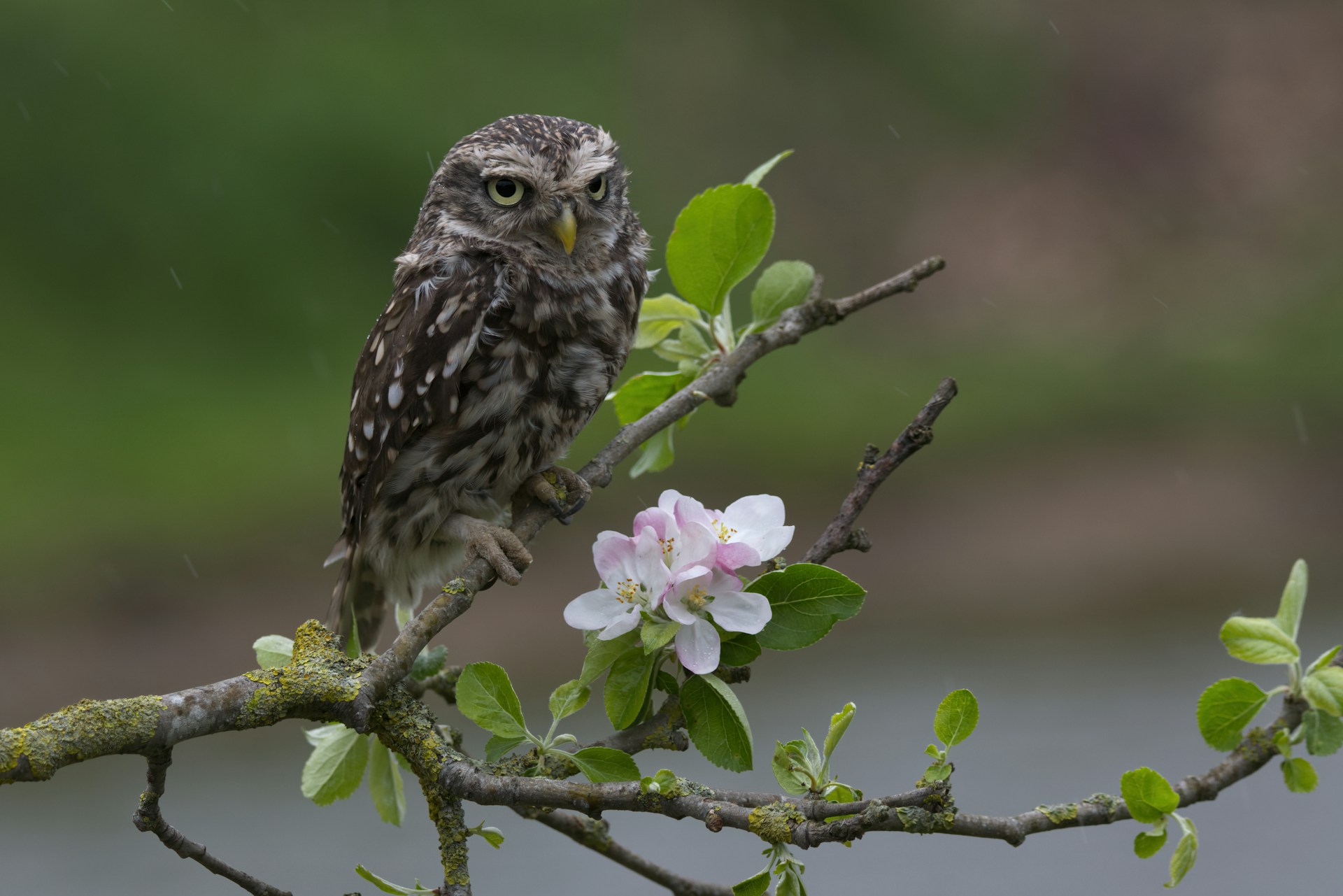
A small, bold owl with bright yellow eyes and a fierce expression.
Where you’ll see it:
Farm buildings, fence posts, orchards, stone walls.
Best time:
Early morning and late afternoon, they’re surprisingly active in daylight.
Behaviour tip:
Scan fence posts and roof ridges. Little owls love a high perch with a good view.
Micro insight:
Despite their size, they bob their heads up and down when curious which is a great way to identify them.
If you enjoy watching raptors, our Birds of Prey in the UK guide offers a simple introduction to the species you are most likely to see.
Beginner tip:
Choose calm, dry evenings — owls avoid hunting in wind and rain.
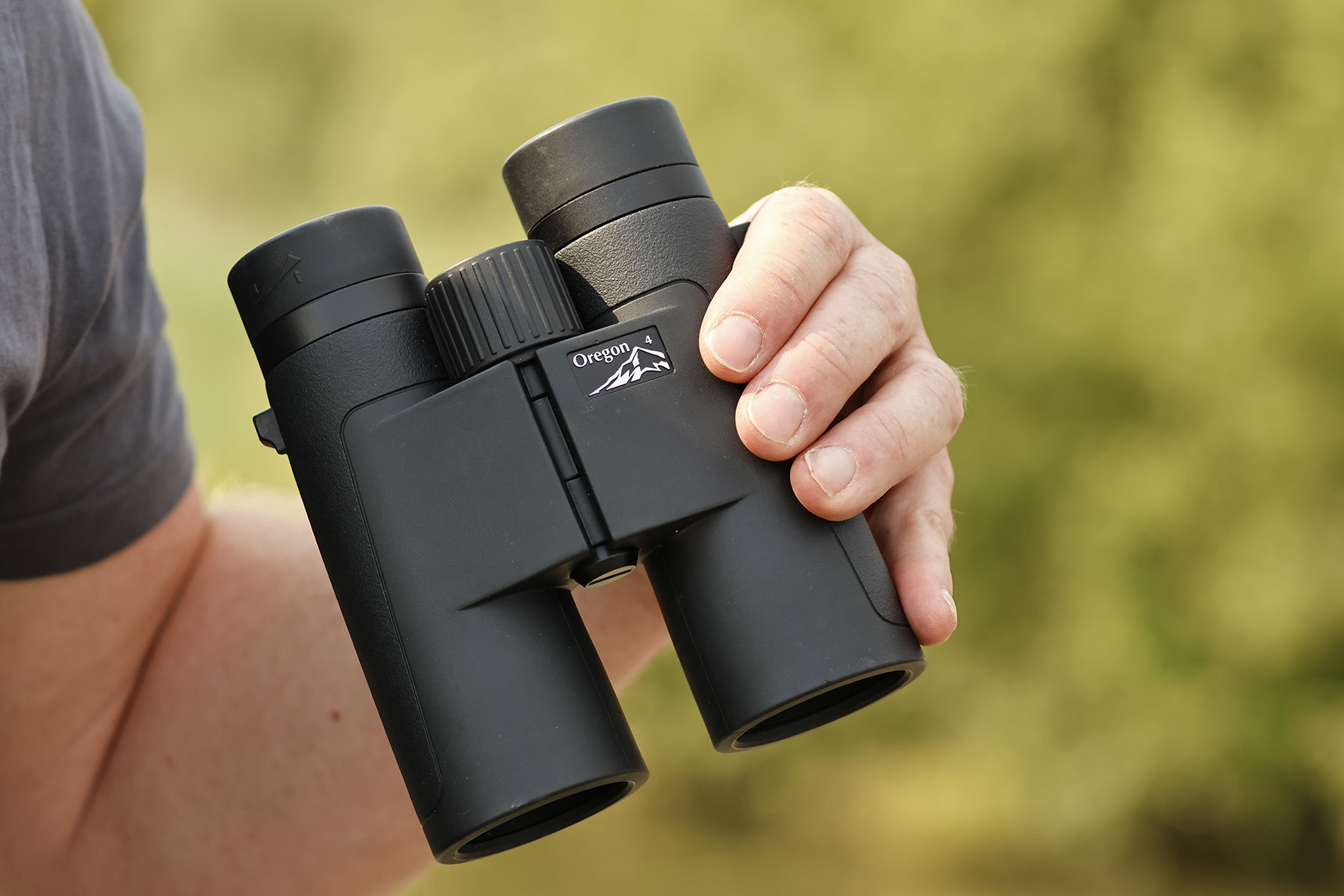
See our Beginner Binoculars Guide for simple advice on choosing your first pair, including what magnification means, how much to spend, and which models are genuinely beginner‑friendly.
See our Field Guides Gear Guide for simple advice on choosing beginner friendly wildlife books, including general wildlife guides, bird guides and pocket guides.
These items can also be really helpful for beginners:

Find a quiet moment at dusk or early evening and pause somewhere still.
Write down:
The sounds you notice before you hear an owl
How the light feels as it fades
Any shapes or movements that catch your eye in the trees or sky
Even if you don’t see an owl, these small details help you tune into the atmosphere they prefer — and over time, you’ll start to recognise the signs that one might be nearby.
If you’d like to start a simple nature journal, our beginner’s guide walks you through how to begin: How to Start a Wildlife Journal.
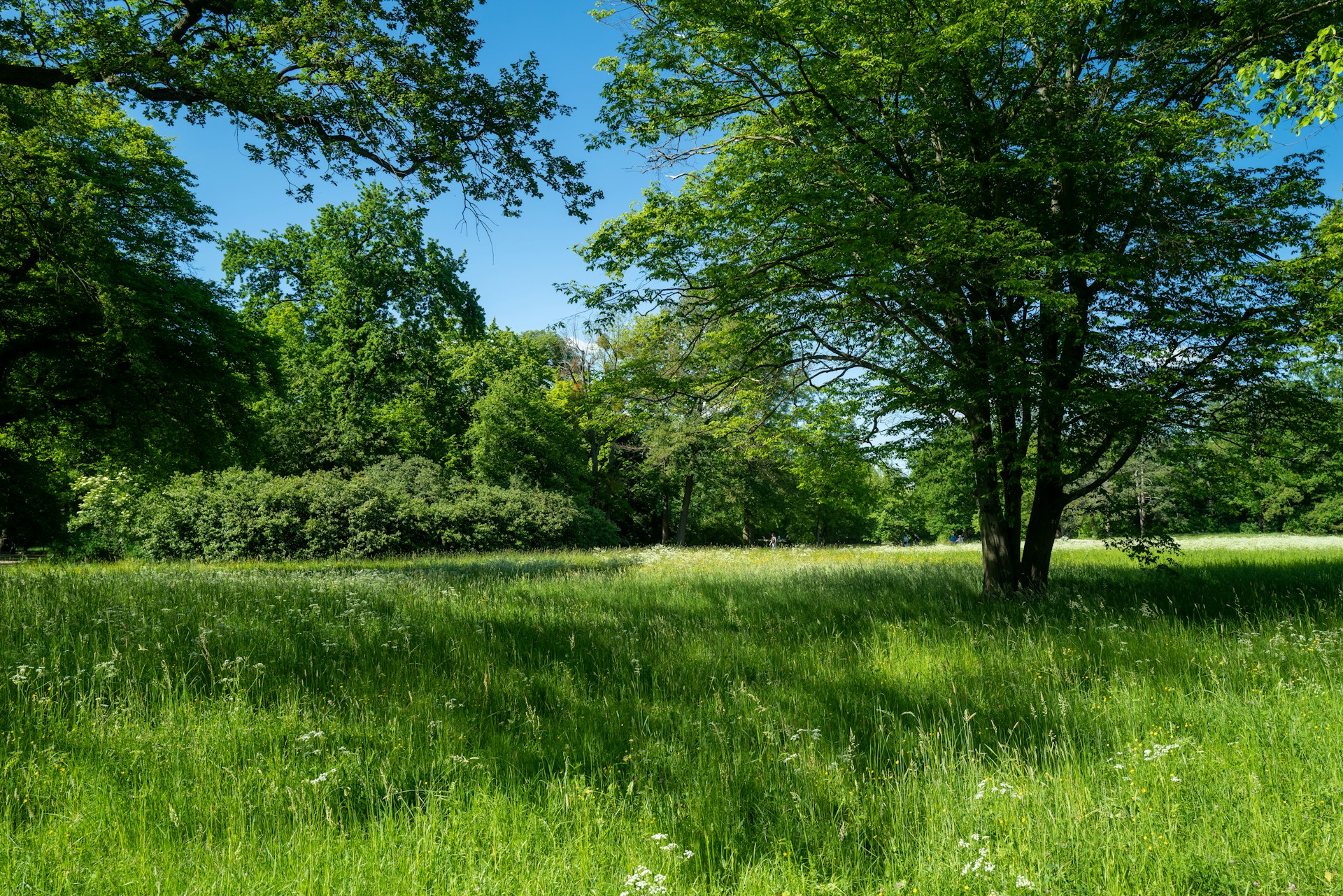
Owls are especially sensitive to disturbance, particularly during the breeding season. Quiet, respectful watching helps them hunt, call, and move naturally without feeling pressured or disrupted.
To protect wildlife and enjoy natural behaviour, we follow a simple approach:
This calm, ethical approach is at the heart of NatureGuide.
Owl spotting is one of the most magical wildlife experiences in the UK.
Once you learn where to look, and when, you’ll start noticing shapes, sounds, and movements you never noticed before. With patience, quiet evenings, and a little knowledge, you’ll soon be seeing these incredible birds in the wild.