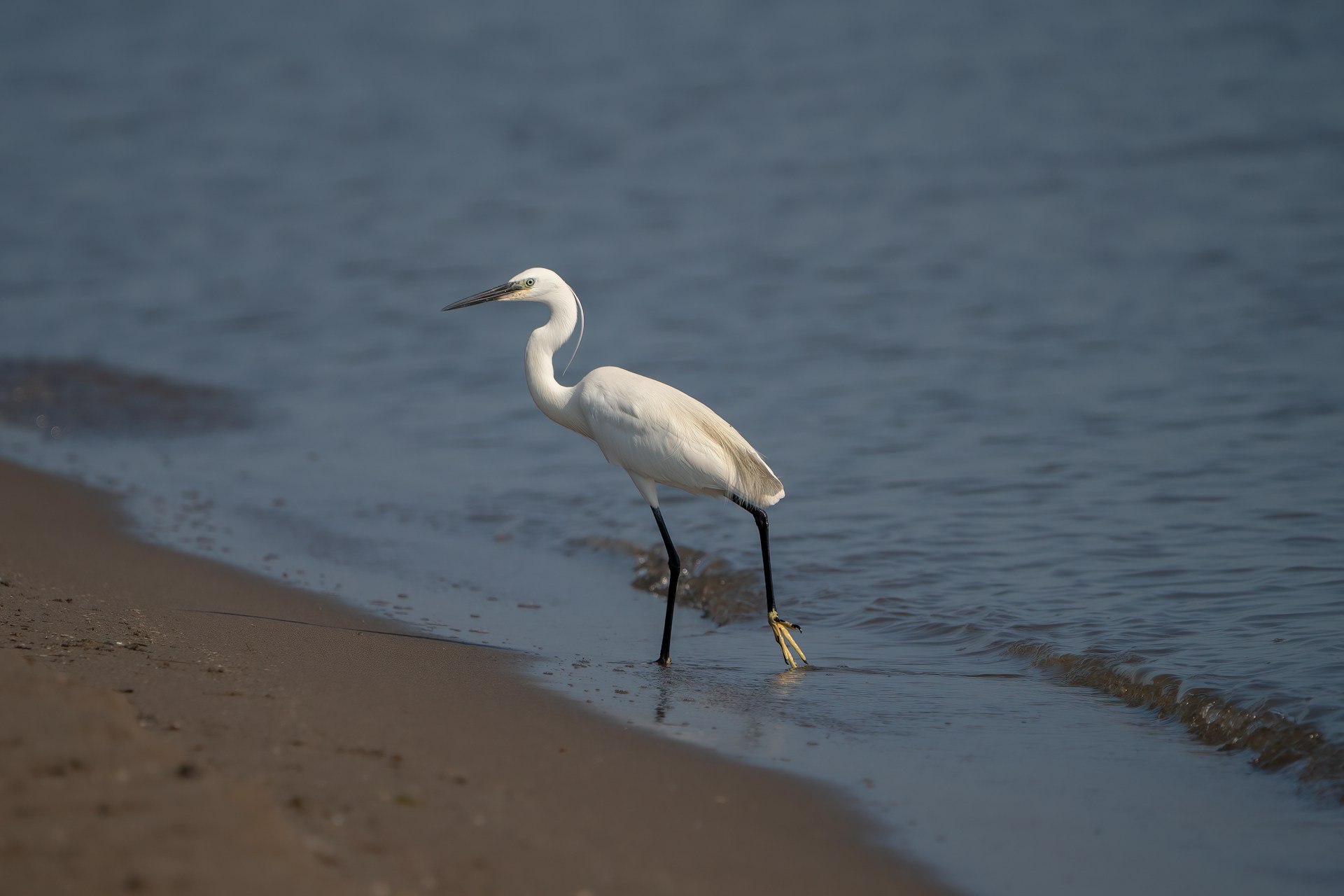

There’s a quiet beauty to watching birds on the coast in early spring. As the light begins to stretch and the weather softens, the shoreline becomes a stage for subtle seasonal changes from returning migrants to familiar residents shifting into spring behaviour. Even a gentle walk along the beach can reveal a surprising variety of coastal birds, many of which are easy for beginners to recognise.
This guide introduces some of the species you’re most likely to see and offers simple tips to help you identify them with confidence. If you’re interested in other wildlife found along the shore, our Wildlife Watching at the Beach guide introduces the animals you’re most likely to encounter on coastal walks.
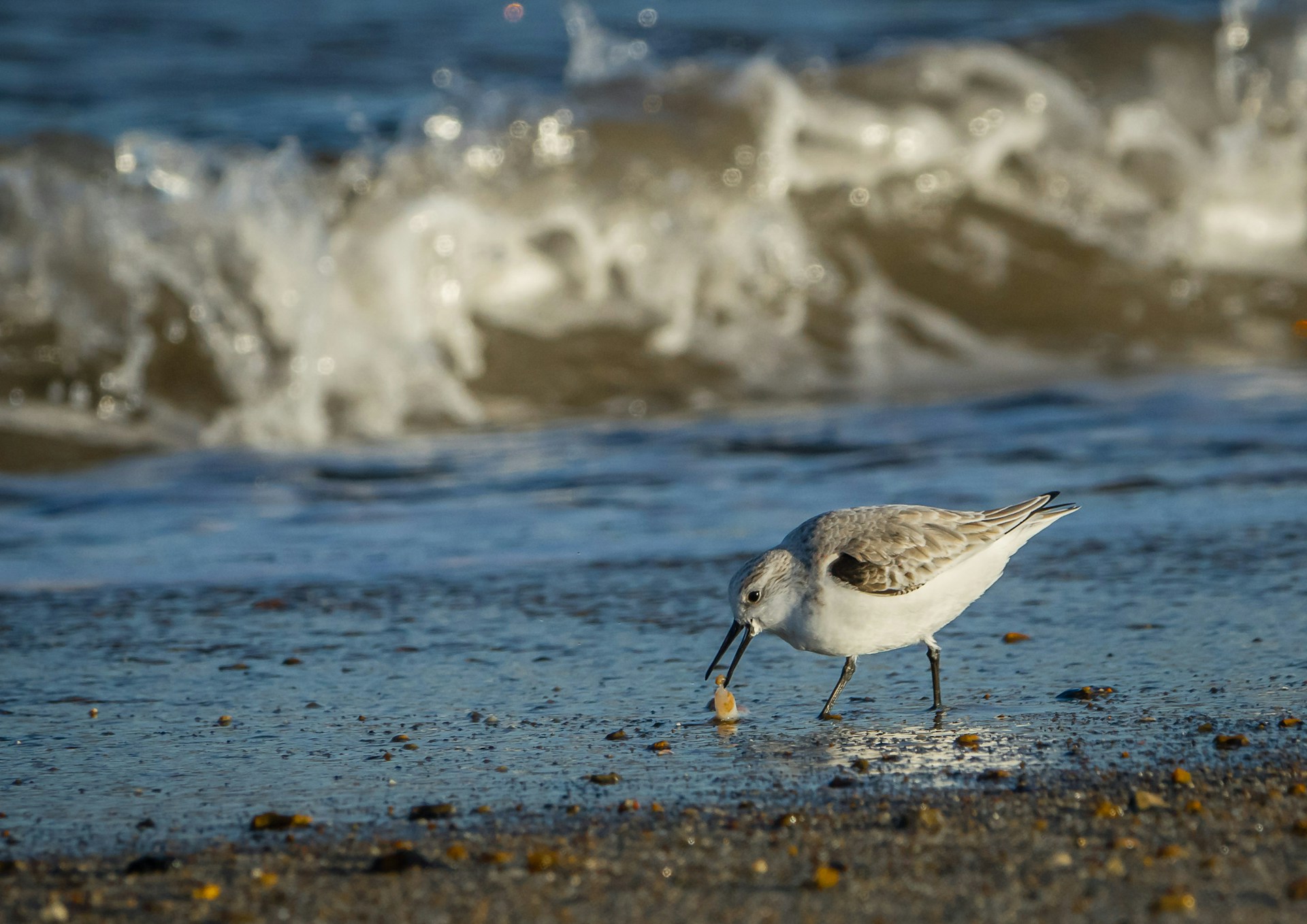
Spring brings a shift in energy to the coastline. Birds begin pairing up, feeding more actively, and preparing for the breeding season. Some species are returning from wintering grounds, while others are resident year‑round but become more vocal and visible as the days lengthen.
For beginners, this makes early spring one of the best times to start noticing coastal birdlife.

These species are widespread across UK coastlines and offer excellent opportunities for simple, rewarding birdwatching:
Oystercatcher
Striking black‑and‑white plumage, bright orange bill, and a loud piping call. Often seen probing sand or feeding along the tide line.
Turnstone
Small, patterned wader that flips pebbles and seaweed in search of food. Their busy, determined movements make them easy to spot on rocky shores.
Sanderling
Tiny, pale waders that run along the surf edge in quick, clockwork bursts. Their energetic feeding style is unmistakable.
Herring gull
Large, pale grey wings, pink legs, and a confident stance. A familiar sight on almost every UK beach.
Redshank
Elegant wader with bright orange‑red legs and a distinctive, ringing call. Often found feeding in shallow water or mudflats.
Sandwich tern (later spring)
Long‑winged, graceful, with a black cap and a yellow‑tipped bill. Known for their dramatic plunge‑diving as they hunt for fish.
These species offer a gentle introduction to coastal bird identification without needing binoculars or specialist knowledge.
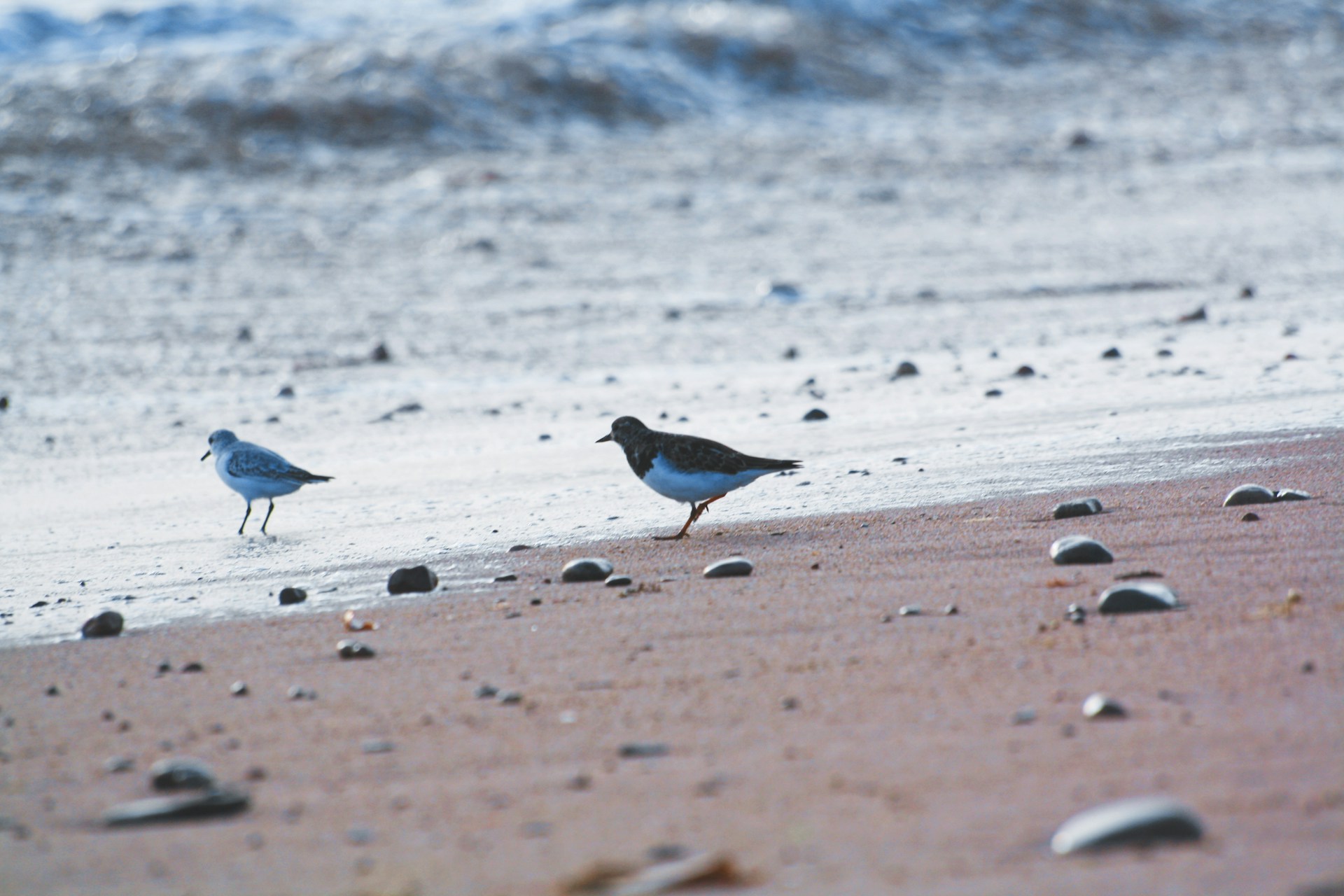
Coastal birds can look similar at first glance, but focusing on behaviour and movement makes identification much easier:
These cues build your confidence far more quickly than relying on colour alone.

As the season shifts, coastal birds display clear signs of change:
These behaviours offer a deeper understanding of what’s happening along the shoreline. For help spotting animals active during quieter times of day, our How to Spot Wildlife at Dawn and Dusk guide offers practical tips for early‑morning and evening visits.
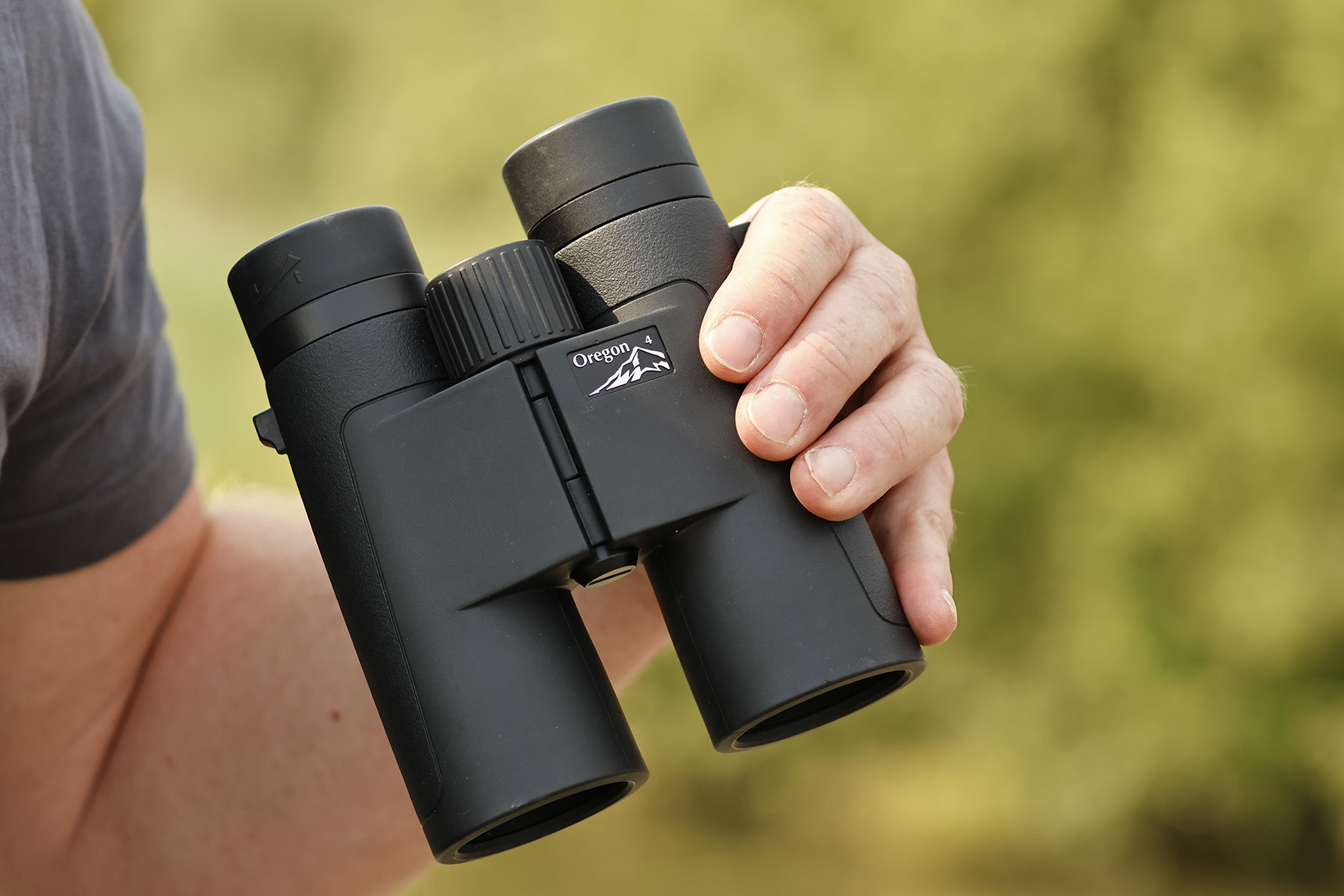
See our Beginner Binoculars Guide for simple advice on choosing your first pair, including what magnification means, how much to spend, and which models are genuinely beginner‑friendly.
See our Field Guides Gear Guide for simple advice on choosing beginner friendly wildlife books, including general wildlife guides, bird guides and pocket guides.
These items can also be really helpful for beginners:

After your time by the sea, take a moment to note:
“Which bird’s behaviour caught my attention today?”
It might be the quick dash of a sanderling, the steady probing of an oystercatcher, or the effortless glide of a gull. These small observations deepen your connection to the coast.
If you’d like to start a simple nature journal, our beginner’s guide walks you through how to begin: How to Start a Wildlife Journal.

Coastal habitats are sensitive, especially in spring. A few simple principles help you watch responsibly:
This gentle approach aligns with NatureGuide’s ethos: calm, respectful, beginner‑friendly wildlife learning.
Coastal birds bring a sense of life and movement to the shoreline, especially in early spring. Whether you recognise a handful of species or simply enjoy watching their patterns and rhythms, each moment of noticing builds your confidence as a wildlife watcher. The coast has its own quiet magic and spring is the perfect time to start exploring it.