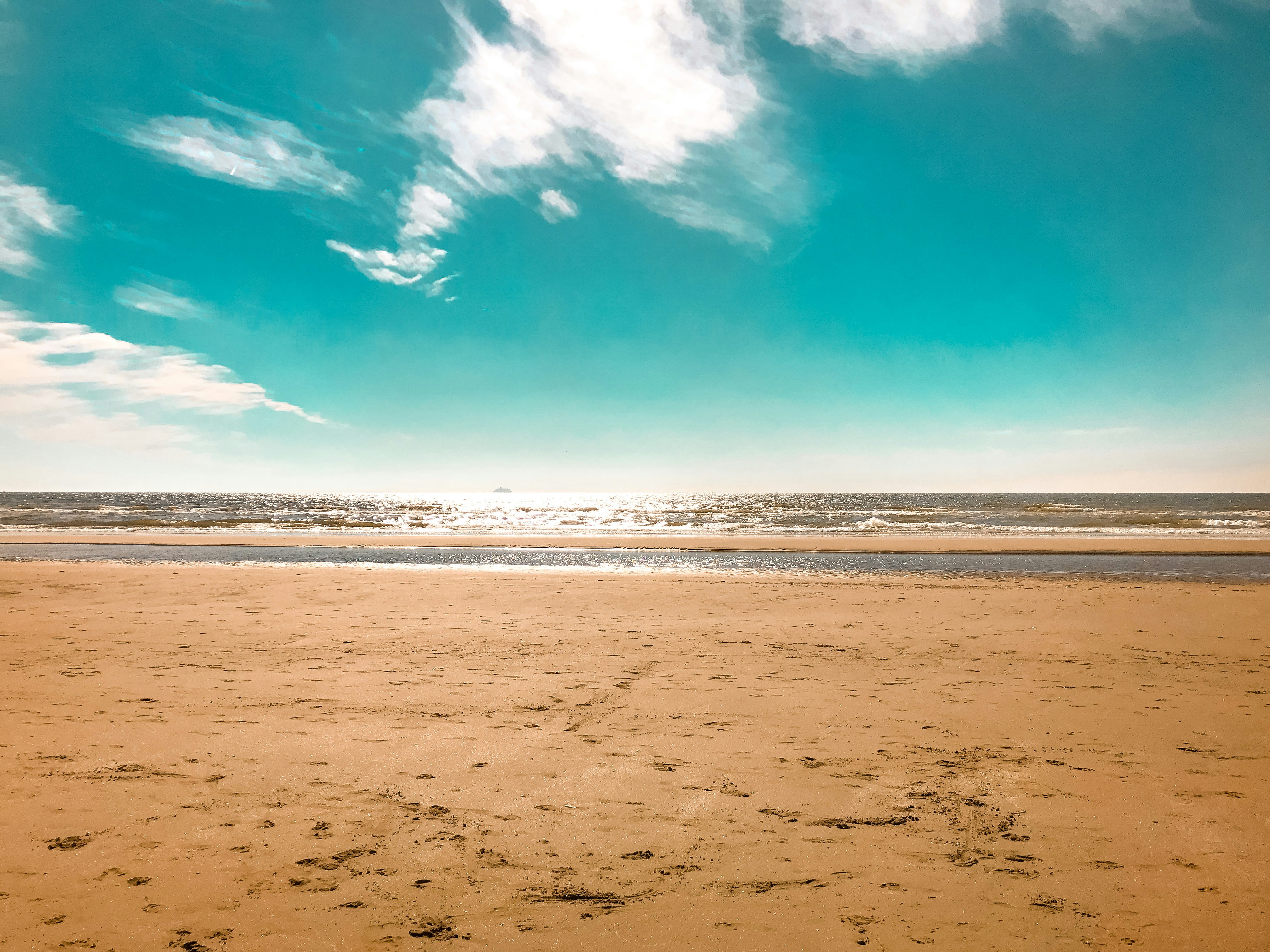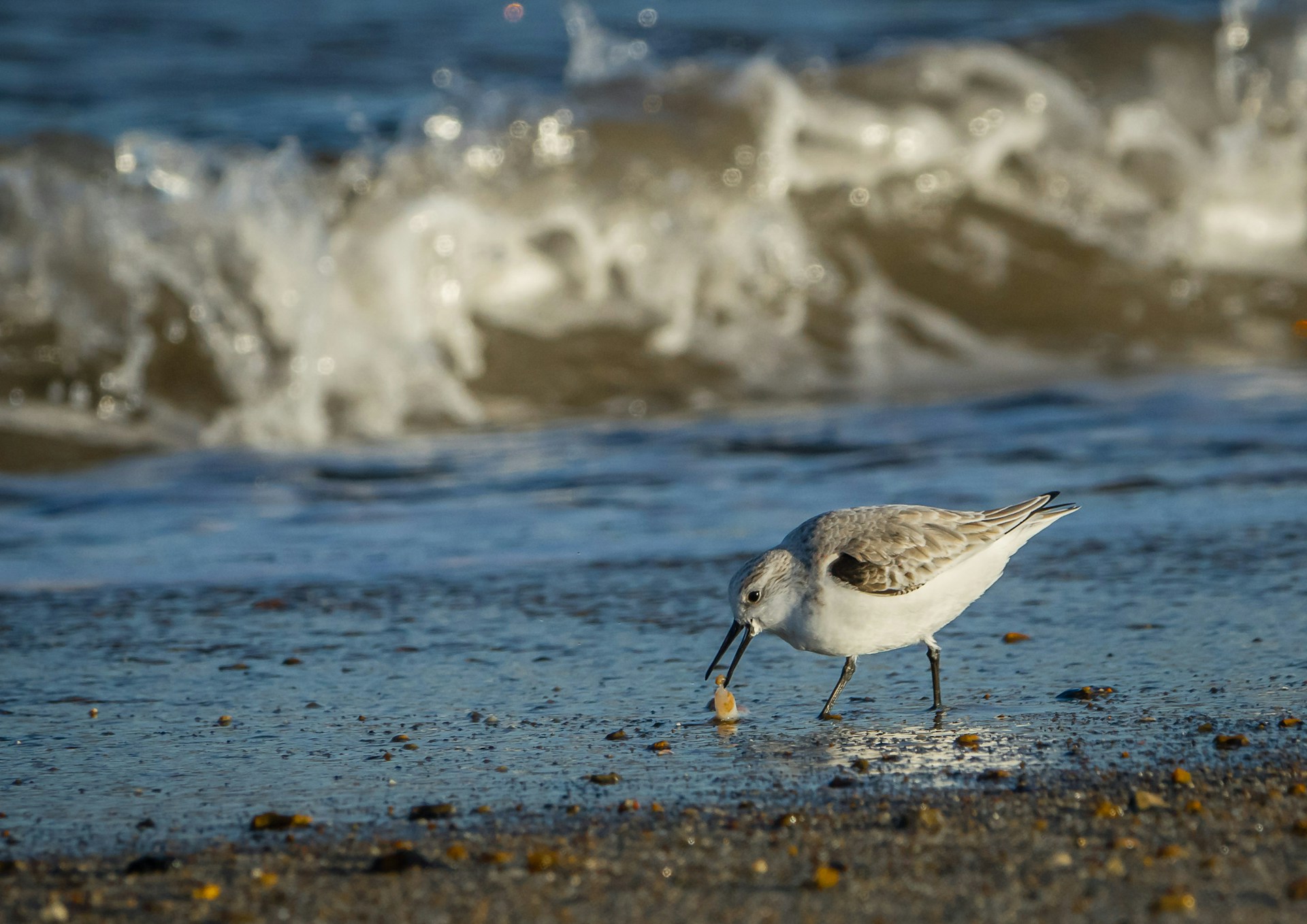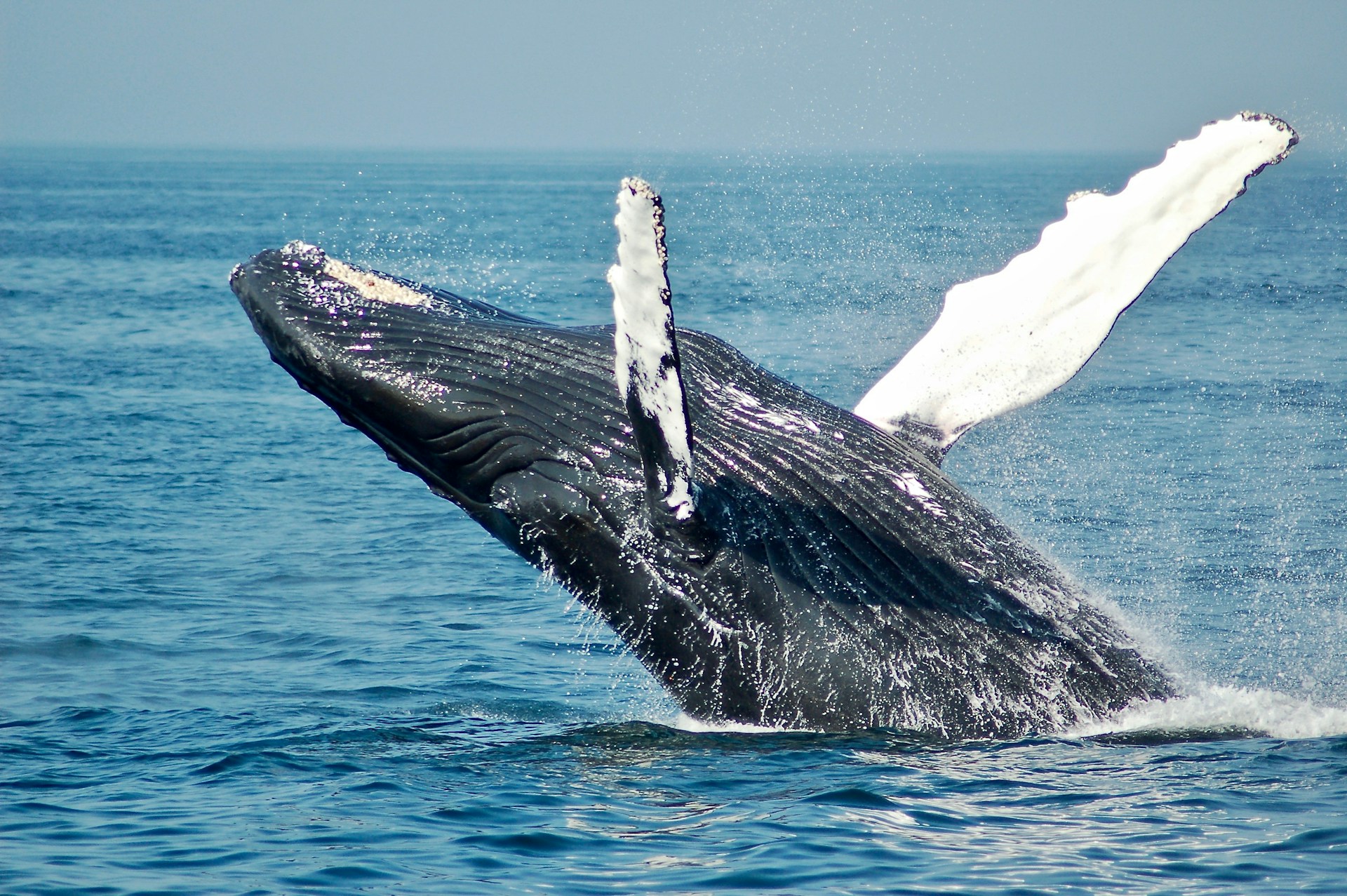
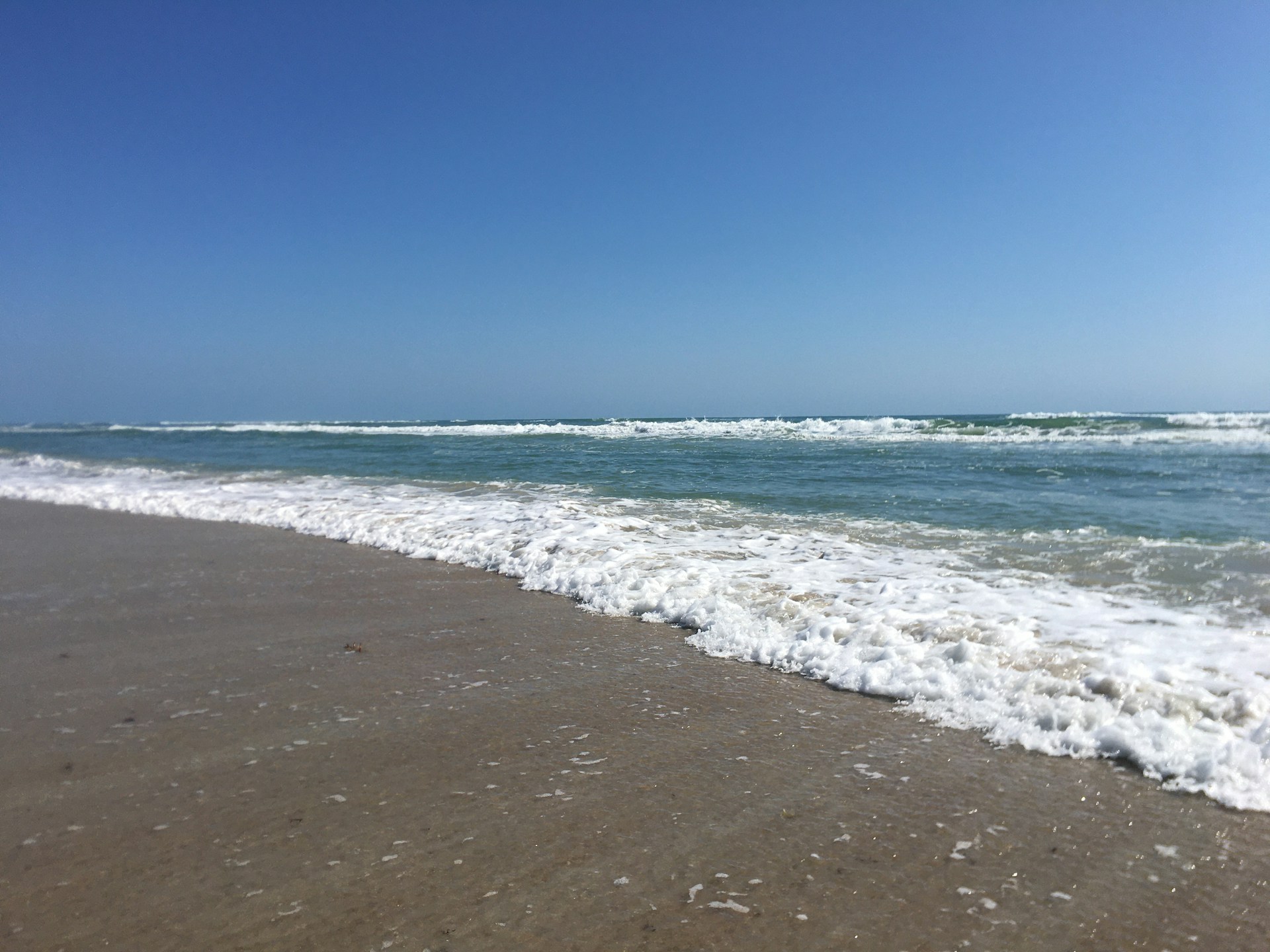
There’s something special about visiting the coast in early spring. The air feels lighter, the light stretches a little further each day, and the shoreline begins to reveal small signs of life waking up after winter. Even a simple walk along the beach can become a gentle wildlife‑watching experience when you know where to look.
This guide is designed for beginners who want to explore the coast with curiosity, calmness, and a sense of discovery. If you enjoy exploring coastal habitats, our Coastal Birds You’re Likely to See in Early Spring guide highlights species commonly found along UK shorelines.

Beaches are constantly changing. Tides shift the landscape twice a day, storms wash up new treasures, and different species appear depending on the season. This makes the coastline one of the easiest places to spot wildlife, you don’t need special equipment, just a willingness to slow down and notice what’s around you.
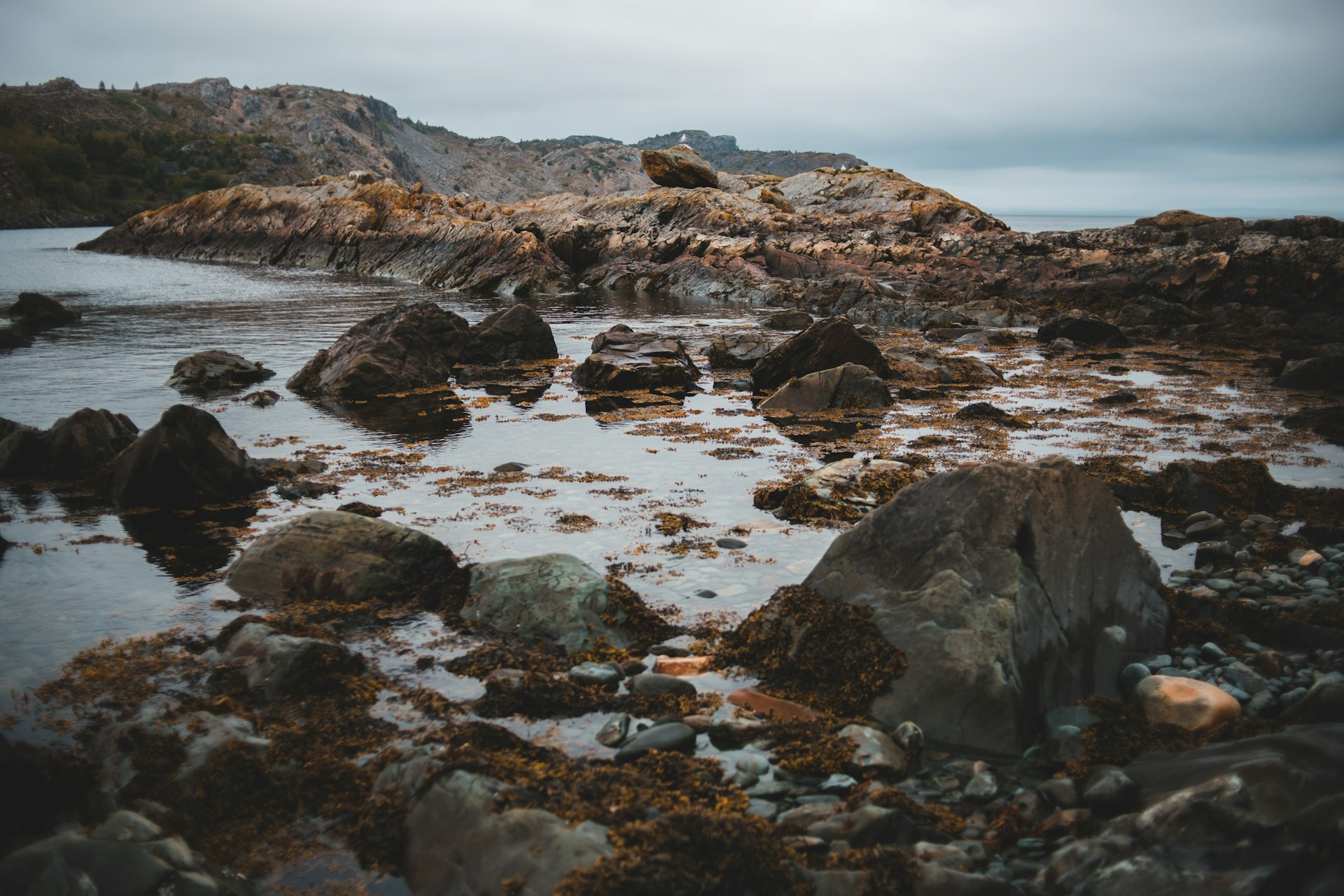
These four areas offer the best chances of spotting wildlife:
1. The tide line
This is where the sea leaves behind natural debris, shells, seaweed, driftwood, and sometimes small creatures. It’s a great place to find clues about what lives offshore.
2. Rockpools
Shallow pools left behind by the retreating tide are miniature worlds full of movement and colour. Even the smallest pool can hold crabs, anemones, or tiny fish.
3. Sandy or muddy flats
Look for tracks, burrows, and feeding marks. These subtle signs tell you what’s been active, even if you don’t see the animals themselves.
4. Dunes and upper beach
These areas support hardy plants and insects that thrive in salty, shifting conditions. They’re also good places to spot birds resting or feeding.

You don’t need to identify everything — just noticing is enough. Here are some common sights for beginners:
Shells and shell fragments
Different shapes and patterns hint at the species that live offshore. Mussels, cockles, whelks, and razor clams are all common finds.
Seaweed varieties
From bright green sea lettuce to deep red dulse and long brown kelp, seaweeds are a great way to learn about coastal ecosystems.
Mermaid’s purses
These are the egg cases of sharks, skates, and rays. Each shape tells a story about the species that laid it.
Crab moults
Empty crab shells often wash up after the animal has shed its old exoskeleton. They’re delicate, detailed, and fascinating to examine.
Tracks and trails
Look for bird footprints, worm casts, or the winding trails left by small creatures moving under the sand.
These small discoveries build your confidence and deepen your connection to the coast. To understand how animals behave as conditions change, our How Weather Shapes Wildlife Behaviour guide offers beginner‑friendly insights.
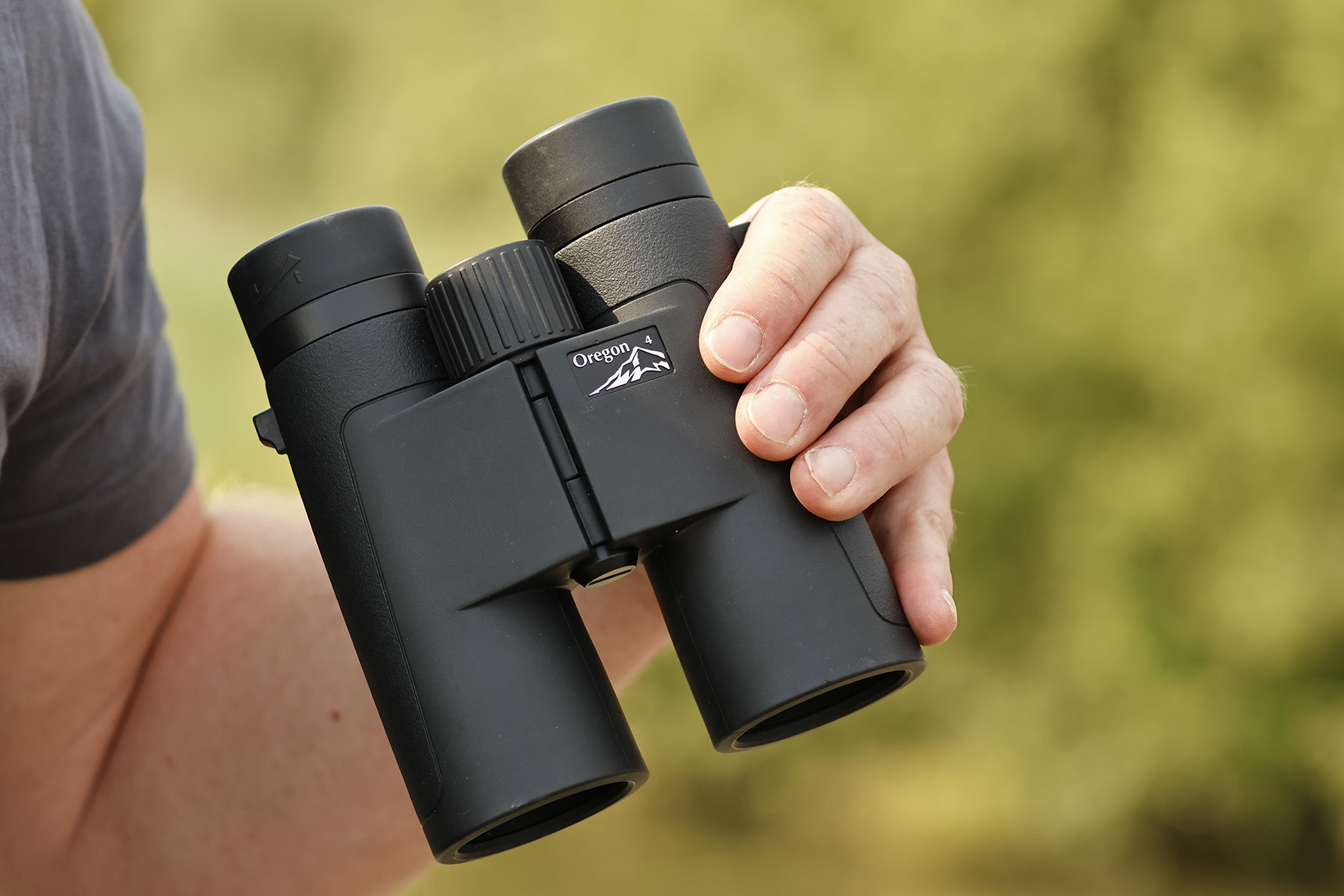
See our Beginner Binoculars Guide for simple advice on choosing your first pair, including what magnification means, how much to spend, and which models are genuinely beginner‑friendly.
See our Field Guides Gear Guide for simple advice on choosing beginner friendly wildlife books, including general wildlife guides, bird guides and pocket guides.
These items can also be really helpful for beginners:

After your walk, take a moment to note:
“What was the smallest thing I noticed today?”
It might be a tiny shell, a pattern in the sand, or a flicker of movement in a rockpool. These small observations are often the most memorable.
If you’d like to start a simple nature journal, our beginner’s guide walks you through how to begin: How to Start a Wildlife Journal.
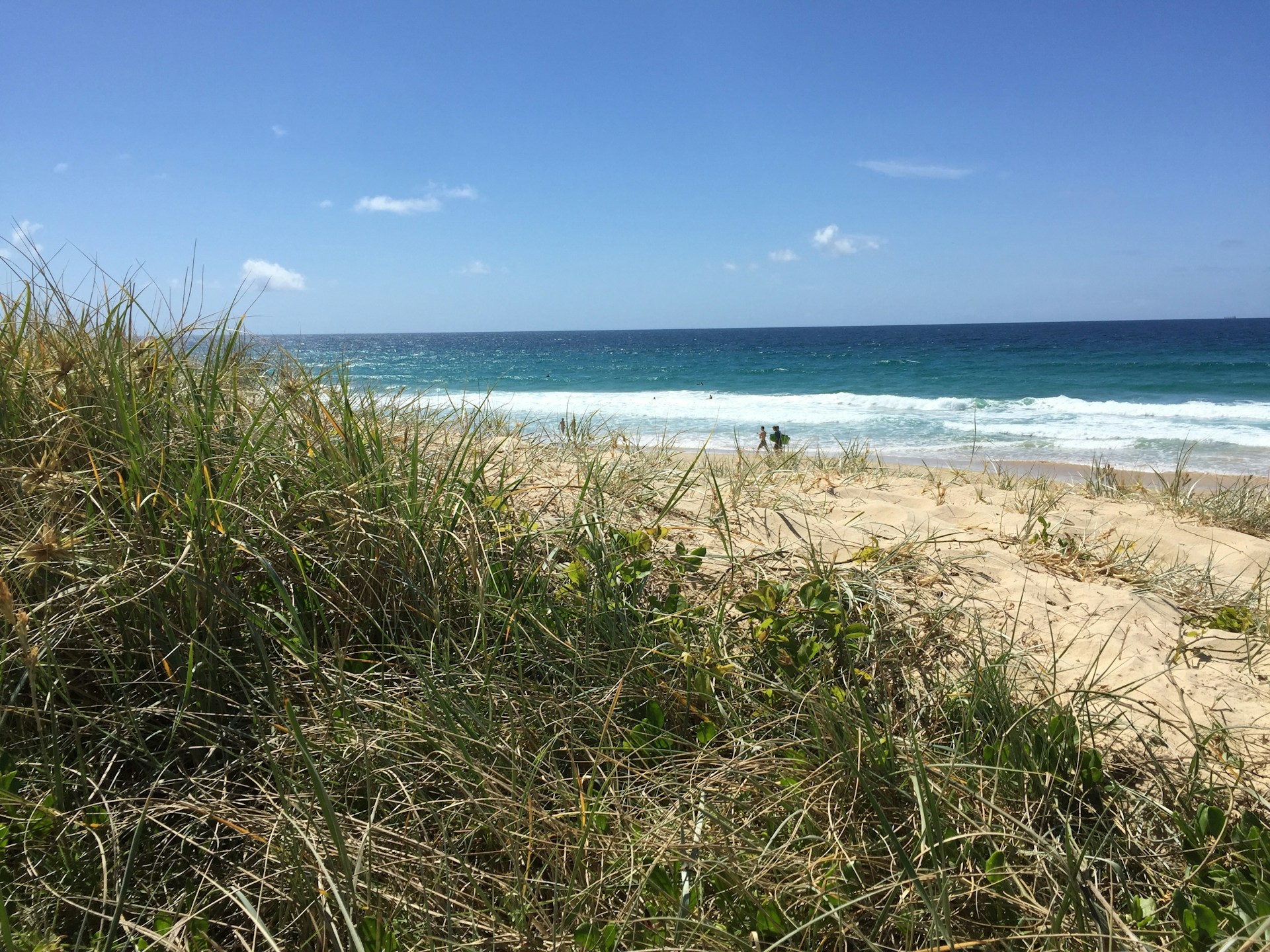
The beach is full of fragile habitats, especially in spring. A few simple principles help you explore respectfully:
This gentle approach is at the heart of NatureGuide's ethos: slow, respectful, beginner‑friendly wildlife learning.
The beach is a place of constant change, and early spring is one of the best times to explore it with fresh eyes. Whether you find a mermaid’s purse, watch a crab scuttle under a rock, or simply enjoy the rhythm of the tide, each moment of noticing brings you closer to the natural world.