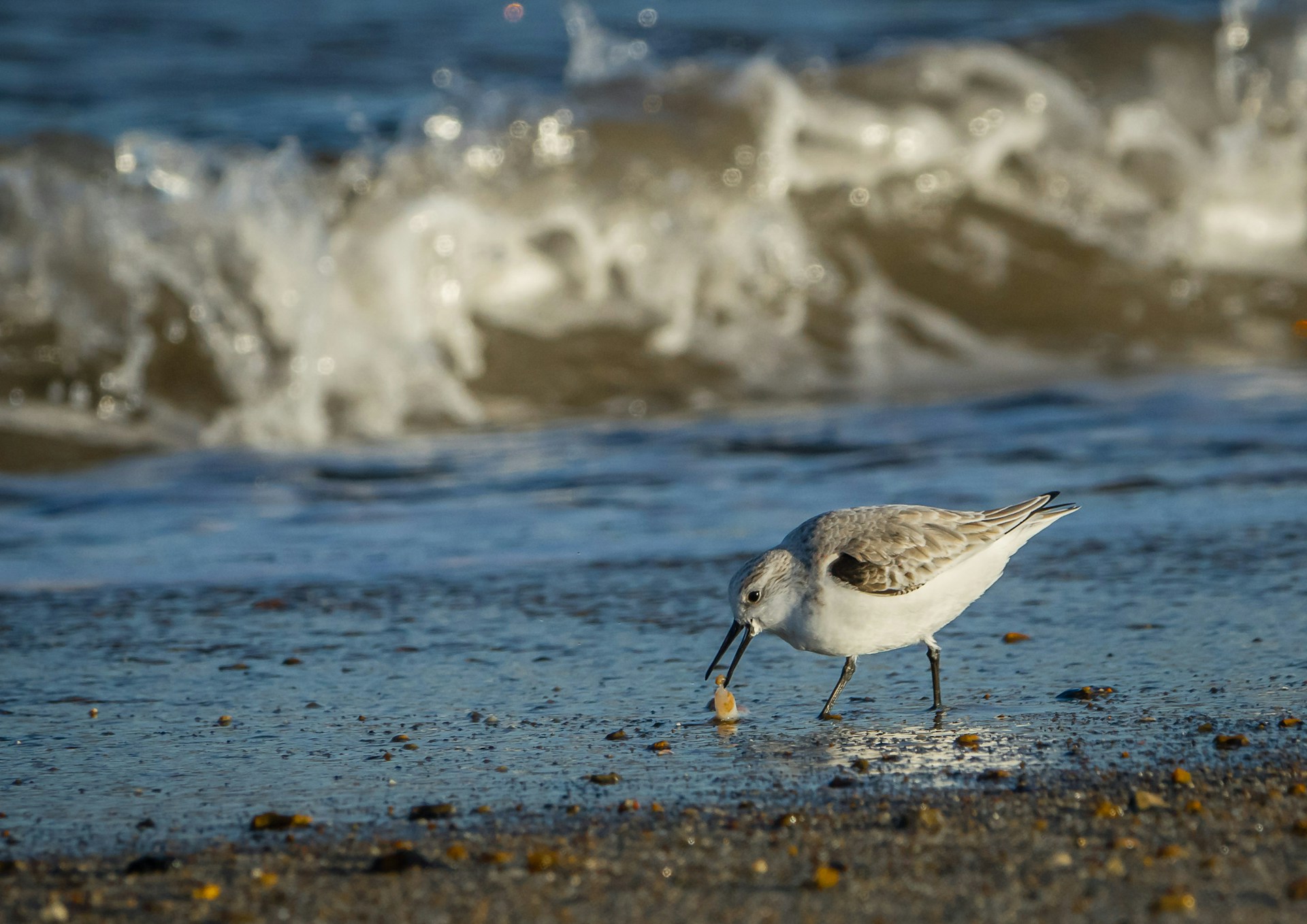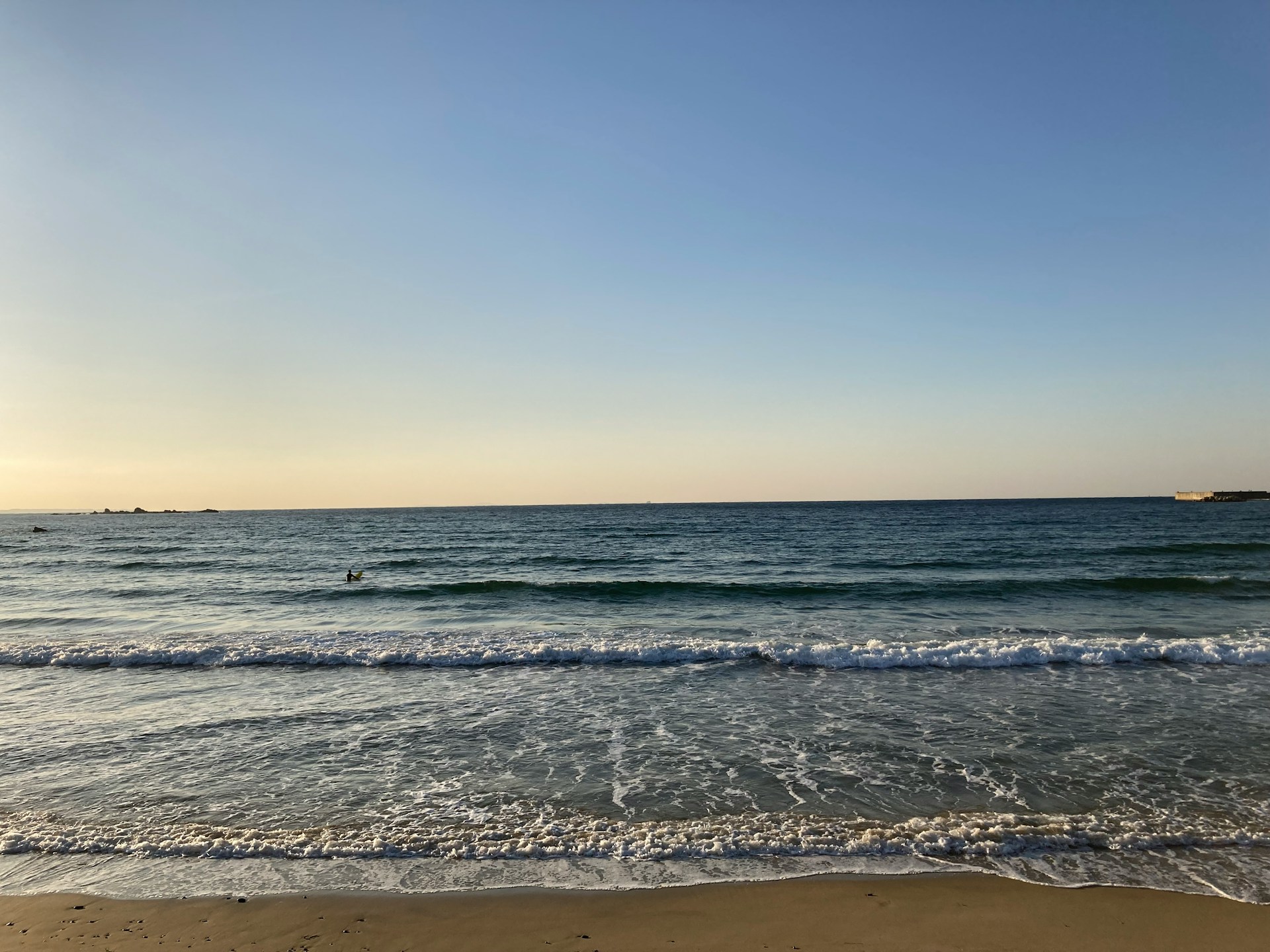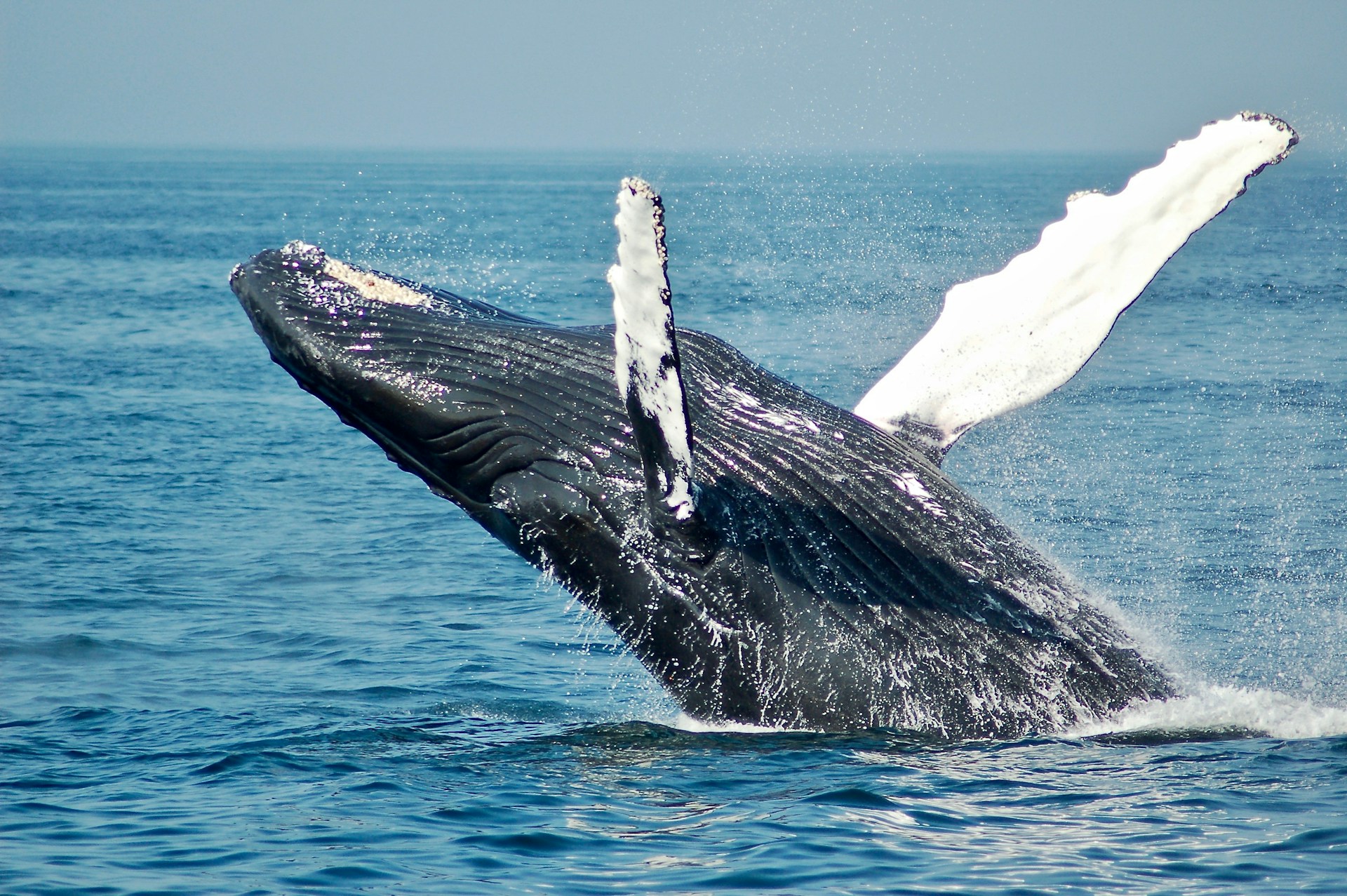
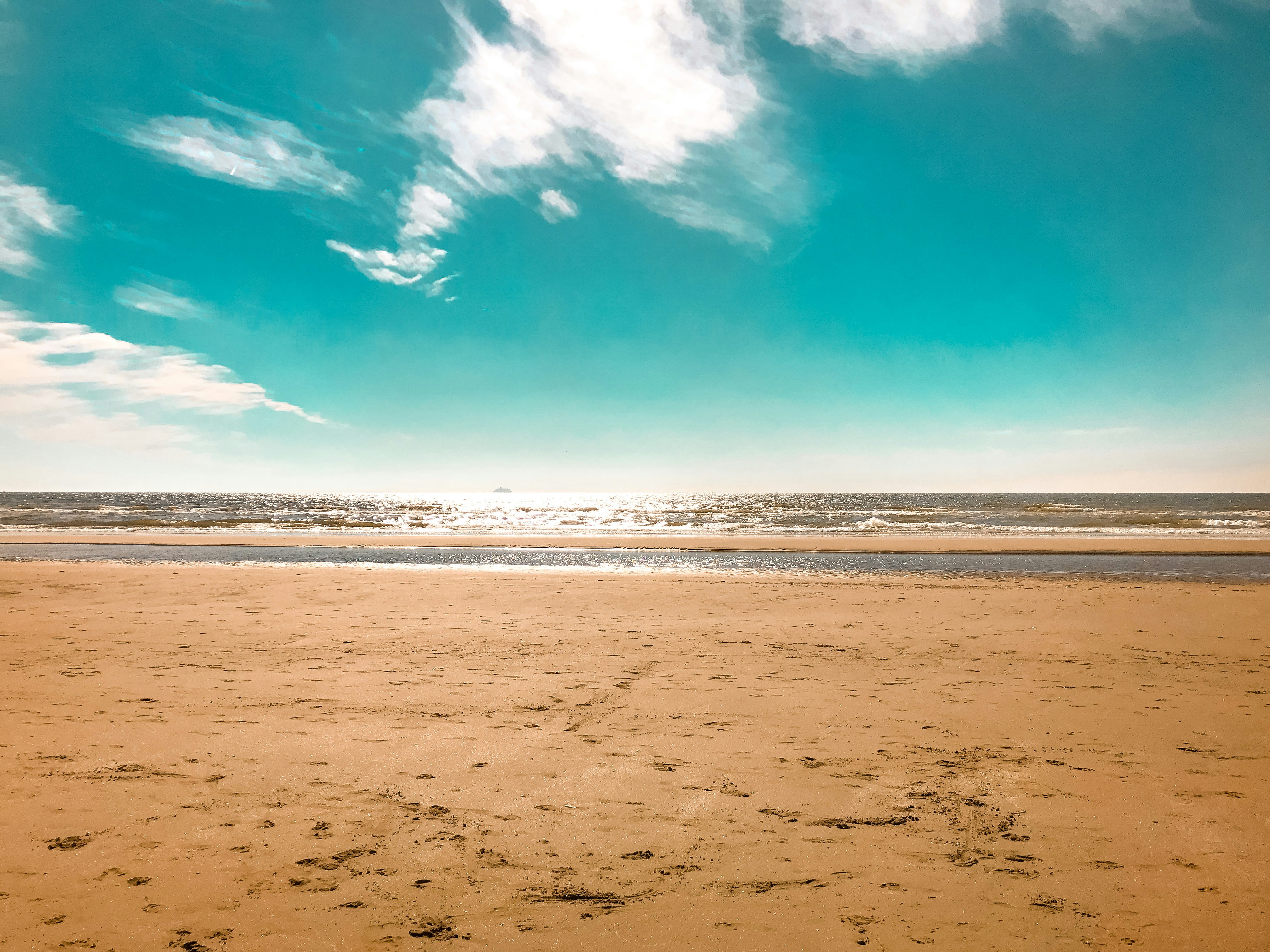
A beach might look quiet at first glance, but take a slower walk and an entire world begins to reveal itself. Early spring is a wonderful time to explore the shoreline. The tides are lively, storms washup new discoveries, and rockpools start to stir with life. For beginners, the coast offers some of the easiest and most rewarding wildlife encounters, often just a few steps from the water’s edge.
This guide introduces the fascinating range of creatures and natural treasures you can find on a simple beach visit. If you’d like to learn more about the birds you may encounter on the coast, our Coastal Birds You’re Likely to See in Early Spring guide offers a simple introduction to common shoreline species.
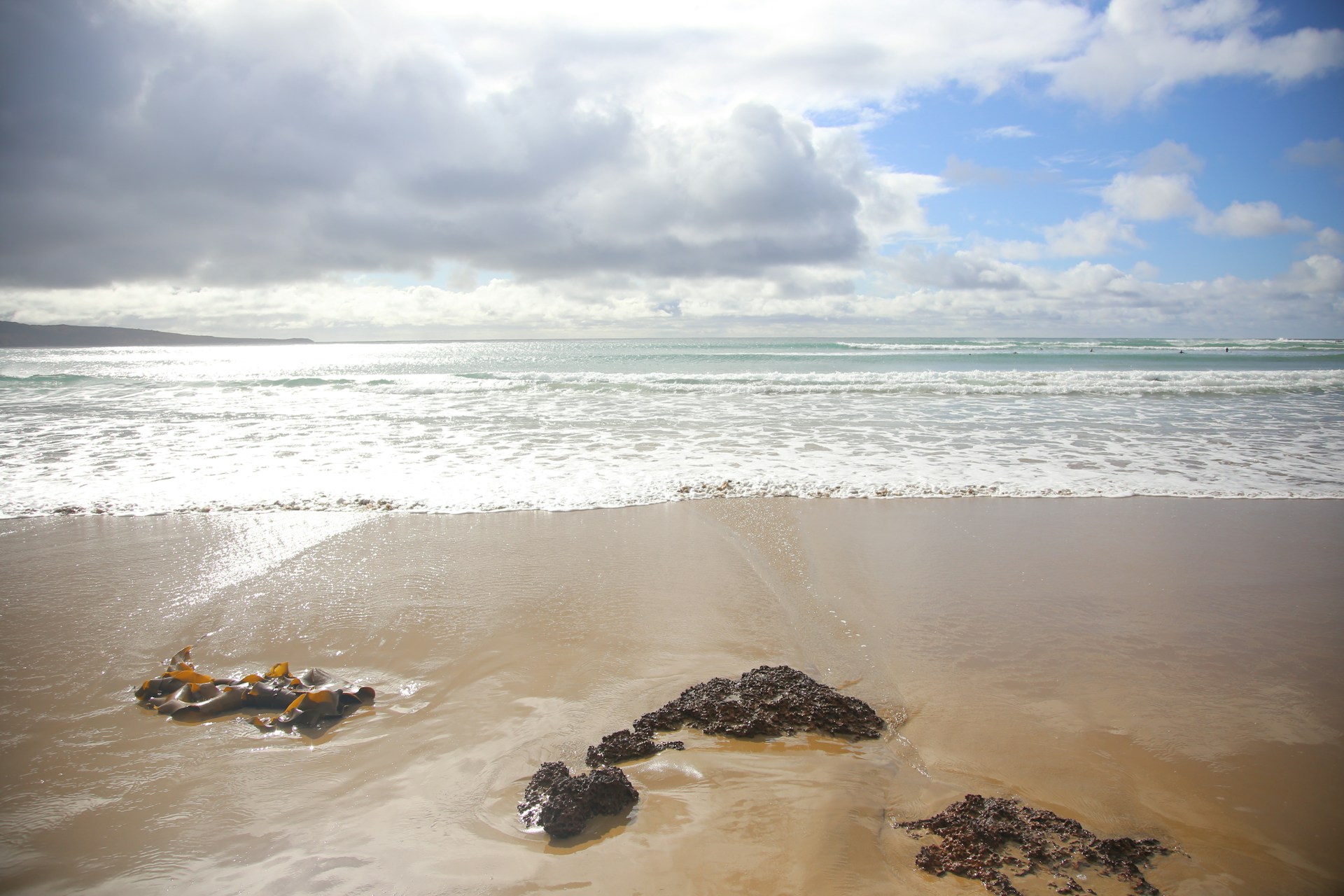
The beach is shaped by constant movement. Every tide brings something new, and even familiar stretches of sand can look completely different from one day to the next. This makes the coastline one of the best places to practise slow, observational wildlife watching, you never quite know what you’ll find.
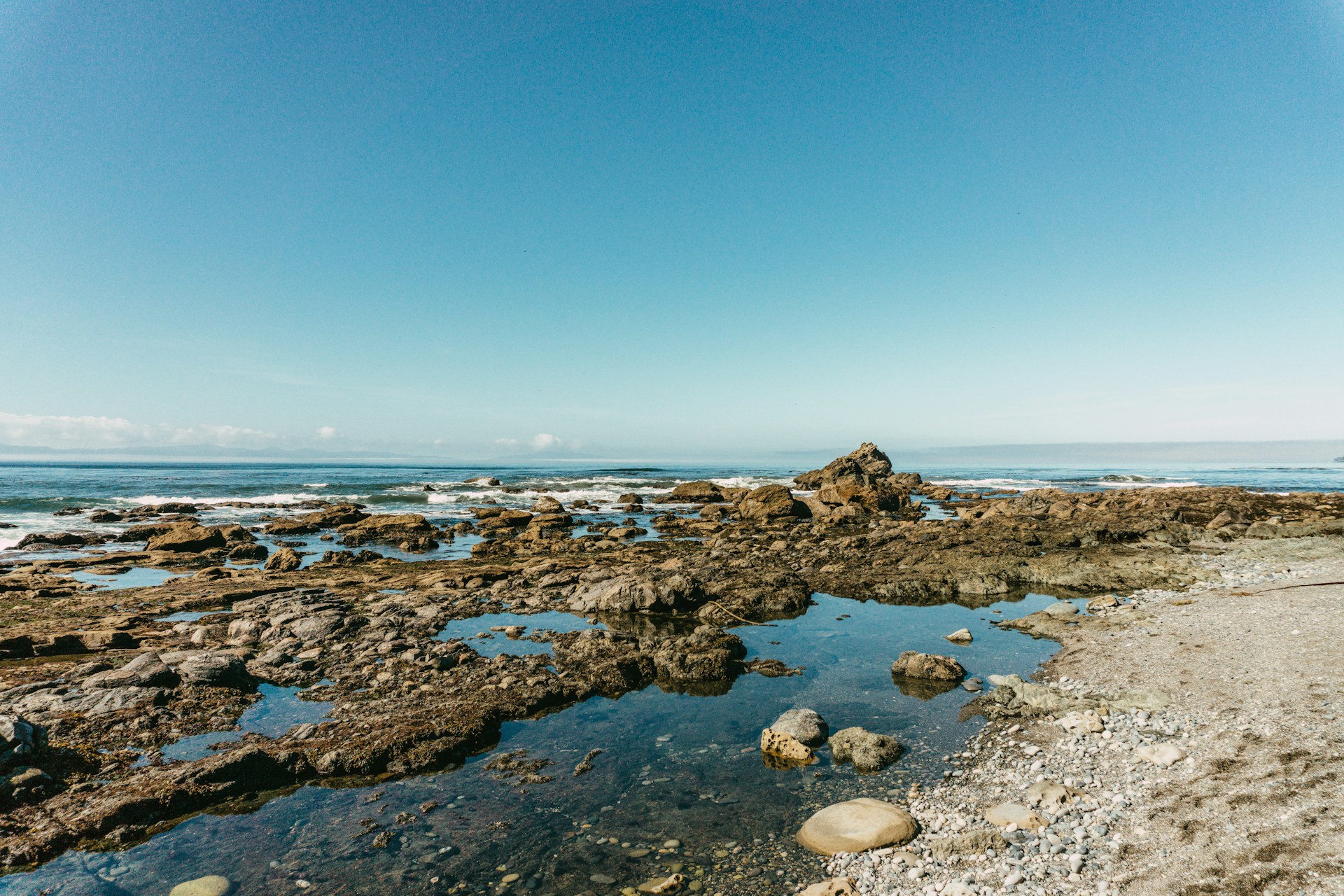
Rockpools are among the richest habitats on the coast. Even the smallest pool can hold a surprising variety of creatures:
Common shore crab
Often hiding under seaweed or rocks, these small crabs scuttle quickly when disturbed. Their empty shells (moults) are also common finds.
Beadlet anemone
Bright red or deep brown, these anemones look like smooth blobs when the tide is out but open into tentacled flowers underwater.
Starfish
Occasionally found in shallow pools or washed up after storms. Their colours and patterns vary widely.
Small fish and fry
Tiny fish often dart between rocks, especially on sunny days when the water warms.
Rockpools reward patience, crouch quietly and let your eyes adjust to the movement.

The tide line is where the sea leaves behind clues about the wildlife living offshore.
Mermaid’s purses
These are the egg cases of sharks, skates, and rays. Their shapes and textures vary depending on the species.
Shells and shell fragments
Razor clams, cockles, mussels, whelks, and limpets are all common. Each shell tells a story about the creature that once lived inside.
Seaweed varieties
From bright green sea lettuce to long strands of kelp, seaweeds are a great way to learn about the diversity of coastal ecosystems.
Driftwood and natural debris
Storms often wash up beautifully weathered pieces of wood, along with cuttlefish bones and other natural materials.
These finds are perfect for gentle, observational learning, no identification pressure, just noticing.

Even if you don’t see creatures directly, the sand itself holds clues:
These subtle details help you understand the hidden activity beneath your feet. To build your awareness of how animals use sound in busy environments, our How Animals Use Sound guide explains how listening can reveal far more than you expect.
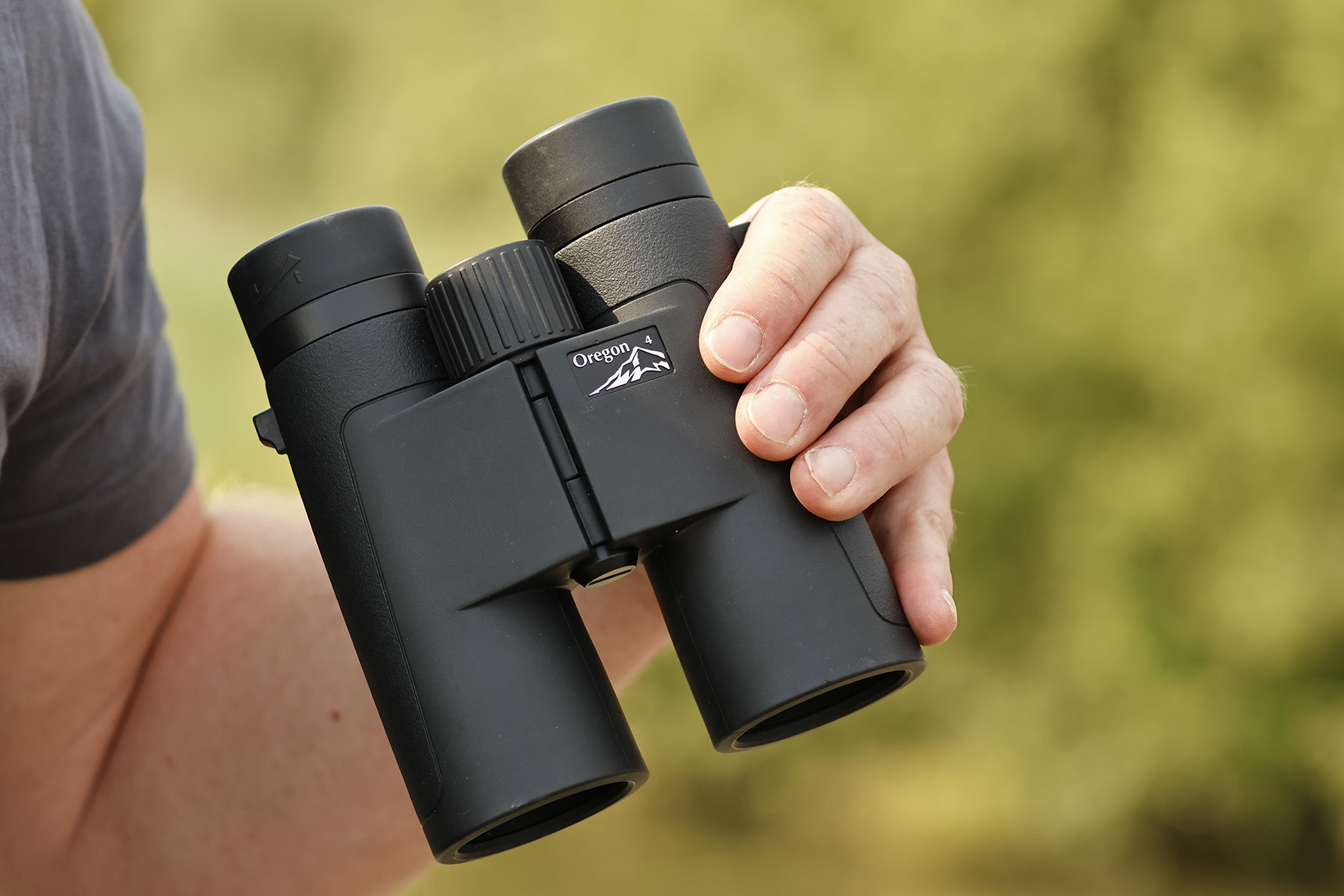
See our Beginner Binoculars Guide for simple advice on choosing your first pair, including what magnification means, how much to spend, and which models are genuinely beginner‑friendly.
See our Field Guides Gear Guide for simple advice on choosing beginner friendly wildlife books, including general wildlife guides, bird guides and pocket guides.
These items can also be really helpful for beginners:

After your walk, take a moment to note:
“What was the most unexpected thing I found today?”
It might be a tiny crab, a beautifully patterned shell, or simply a texture or colour you hadn’t noticed before.
If you’d like to start a simple nature journal, our beginner’s guide walks you through how to begin: How to Start a Wildlife Journal.
The shoreline is a delicate habitat, and a few simple principles help you explore responsibly:
This gentle approach reflects NatureGuide's ethos: slow, respectful, beginner‑friendly wildlife learning.
The beach is full of quiet wonders, especially in early spring. Whether you’re exploring rockpools, scanning the tide line, or simply noticing the patterns in the sand, each discovery brings you closer to the natural world. You don’t need specialist knowledge; just curiosity, patience, and a willingness to look a little closer.