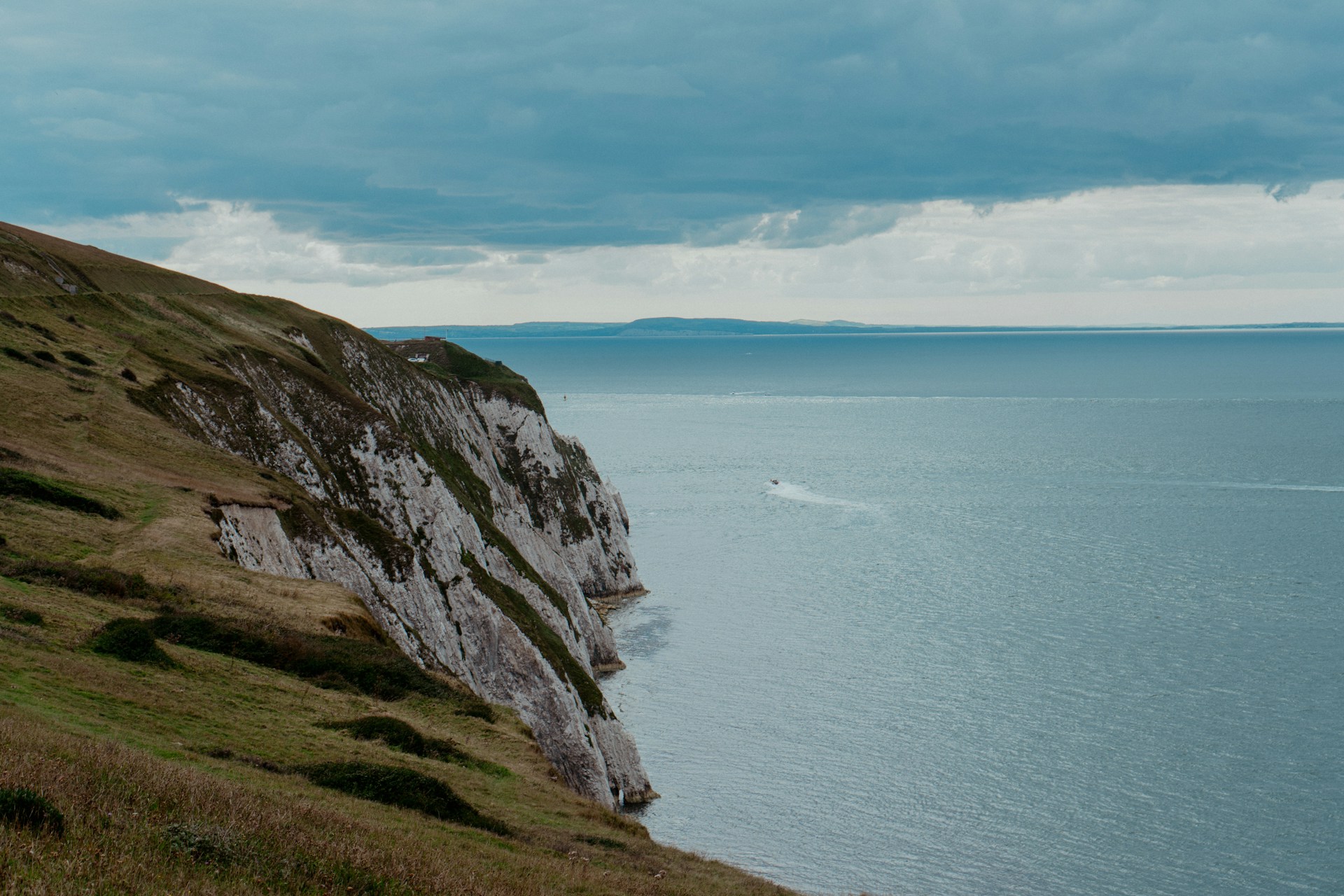
The UK sits beside some of the richest whale watching waters in Europe. Every year, whales travel through the North Atlantic in search of food, warmer waters, or breeding grounds and many of these routes pass surprisingly close to our shores. From towering cliffs in Scotland to quiet Cornish headlands, you can watch whales from land with nothing more than patience and a pair of binoculars.
You don’t need a boat, specialist gear, or deep marine knowledge. What you do need is the right place, the right season, and a gentle, respectful approach to watching these extraordinary animals. This guide walks you through where and when to look, which species you might see, and how to enjoy whale migration safely.
If you enjoy coastal wildlife watching, our Coastal Birds You’re Likely to See in Early Spring guide introduces species commonly spotted along UK shores.

The UK’s seas are rich feeding grounds, especially in summer when plankton blooms attract fish, which in turn attract whales. Migration routes shift slightly each year, but the patterns are reliable enough for beginners to enjoy.
Whales visit UK waters to:
The result is a coastline where whale sightings are possible from spring through autumn.
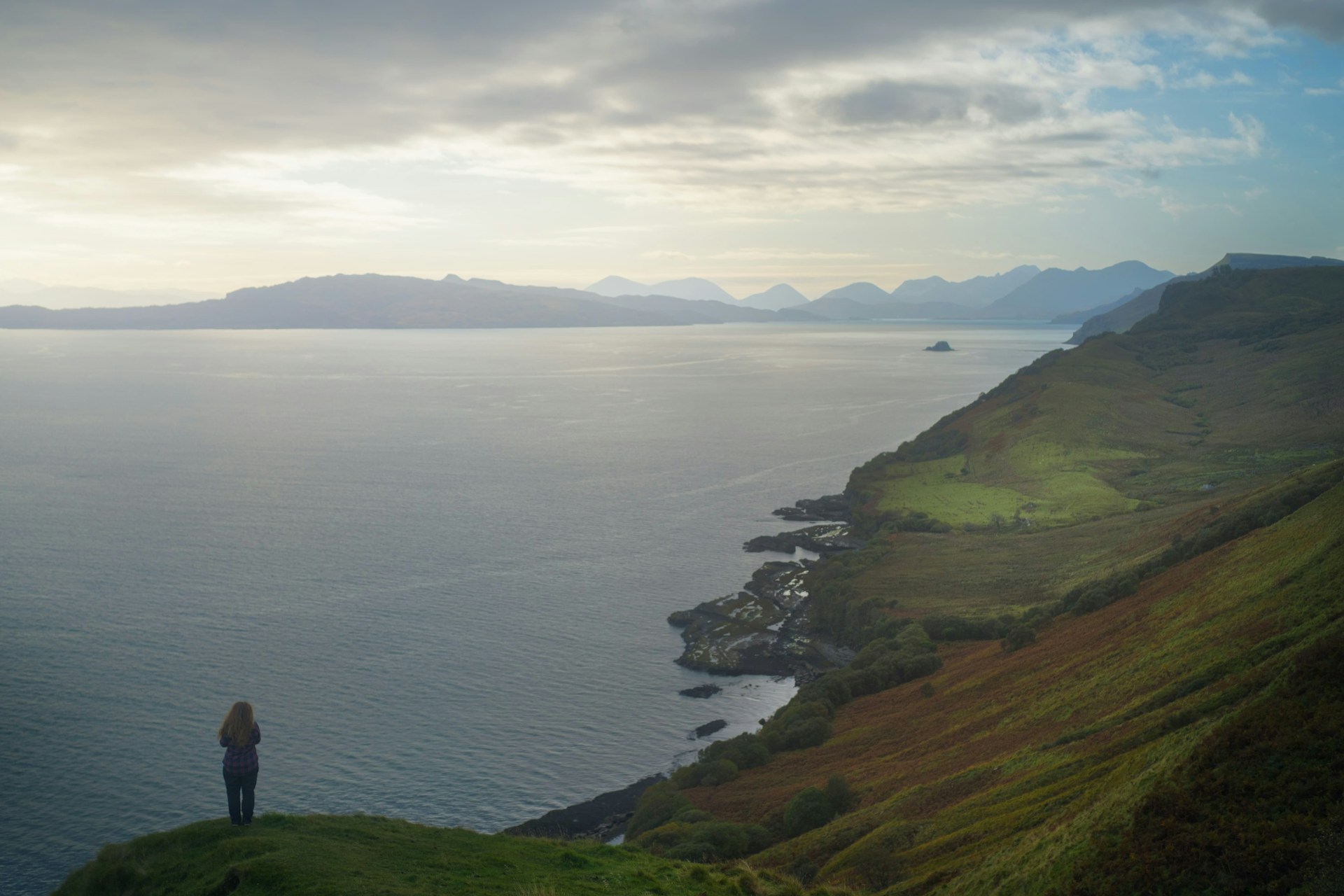
1. Scotland (the UK’s whale watching capital)
Best for: minke whales, humpbacks, orcas
2. Wales
Best for: minke whales, dolphins
Cardigan Bay: rich feeding grounds
Pembrokeshire coast: summer whale and dolphin activity
3. England
Best for: humpbacks, fin whales (rare but increasing)
4. Northern Ireland
Best for: minke whales, occasional humpbacks
Causeway Coast: deep water close to shore
Rathlin Island: excellent summer feeding grounds
Cliffs, headlands, and elevated viewpoints give you the best chance of spotting whales from land.
Spring (April–June)
Summer (June–August)
Autumn (September–October)
Winter (November–March)
For beginners, July–September offers the best chance of success.

Even a single sighting can be unforgettable.
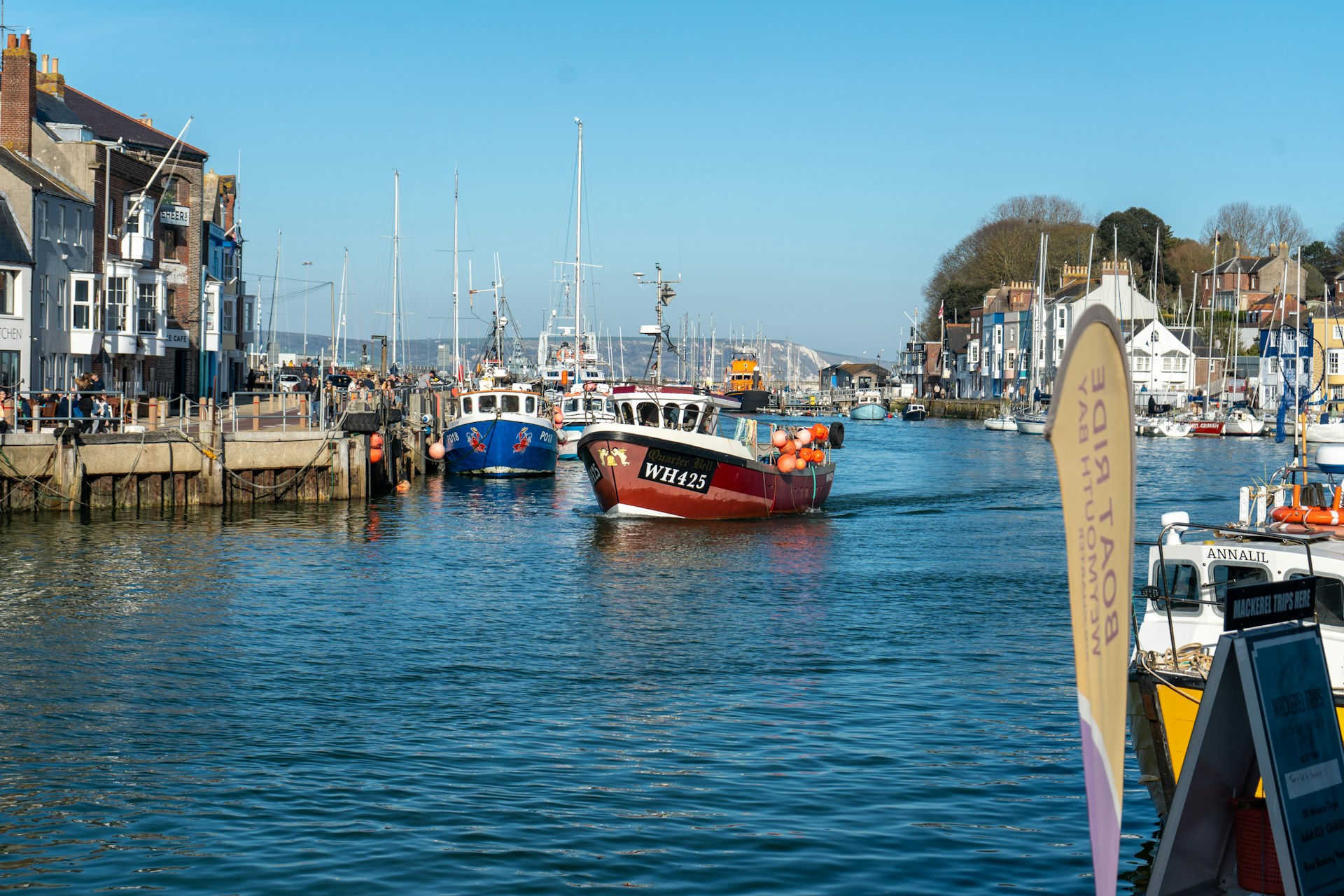
Whales are sensitive to disturbance, especially when feeding or travelling with calves.
From land:
From boats or kayaks:
A calm, respectful approach protects both whales and watchers.
For more ideas on exploring nature from the water, our Paddleboarding for Wildlife Watching guide offers gentle ways to observe animals without disturbing them.
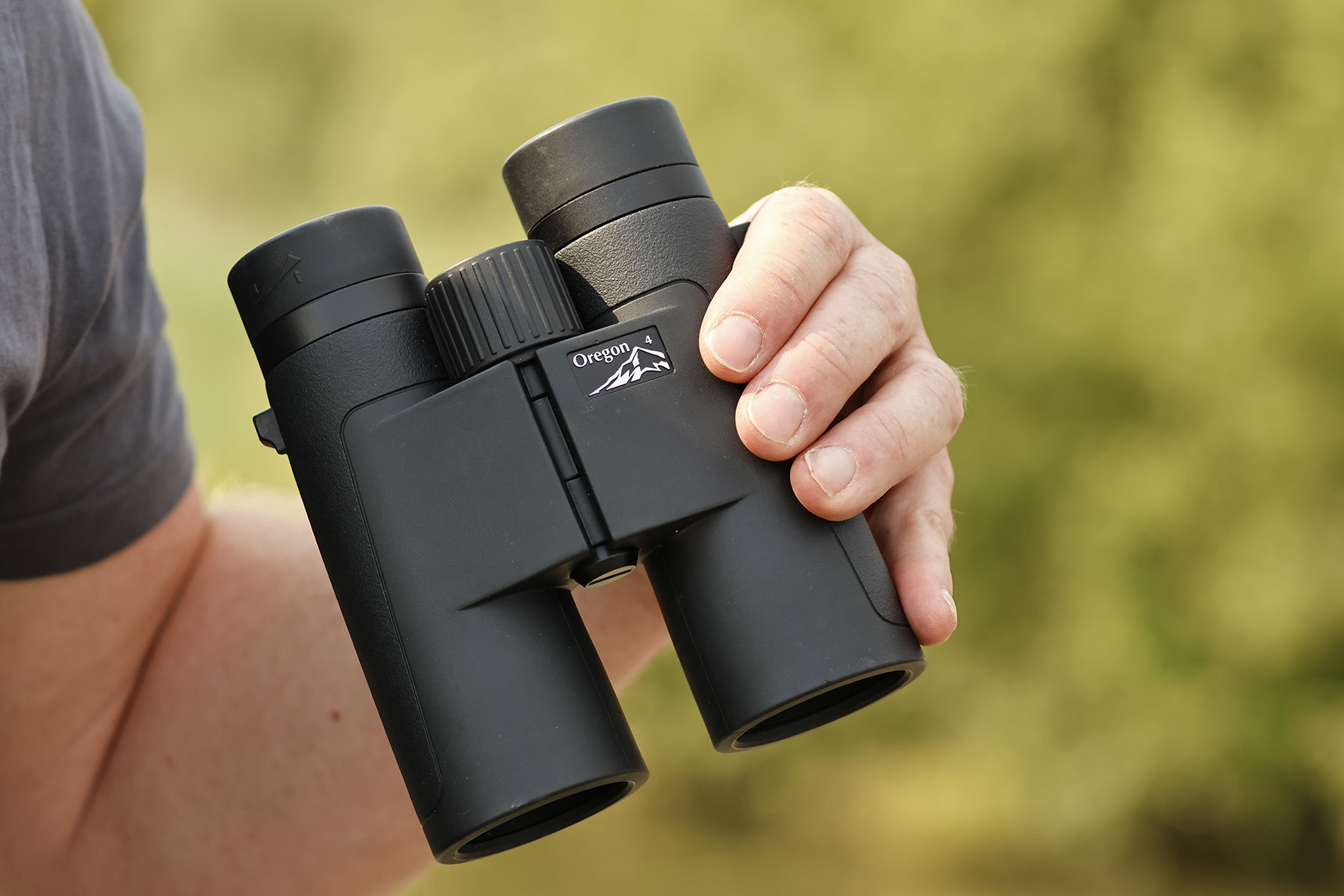
See our Beginner Binoculars Guide for simple advice on choosing your first pair, including what magnification means, how much to spend, and which models are genuinely beginner‑friendly.
See our Field Guides Gear Guide for simple advice on choosing beginner friendly wildlife books, including general wildlife guides, bird guides and pocket guides.
These items can also be really helpful for beginners:

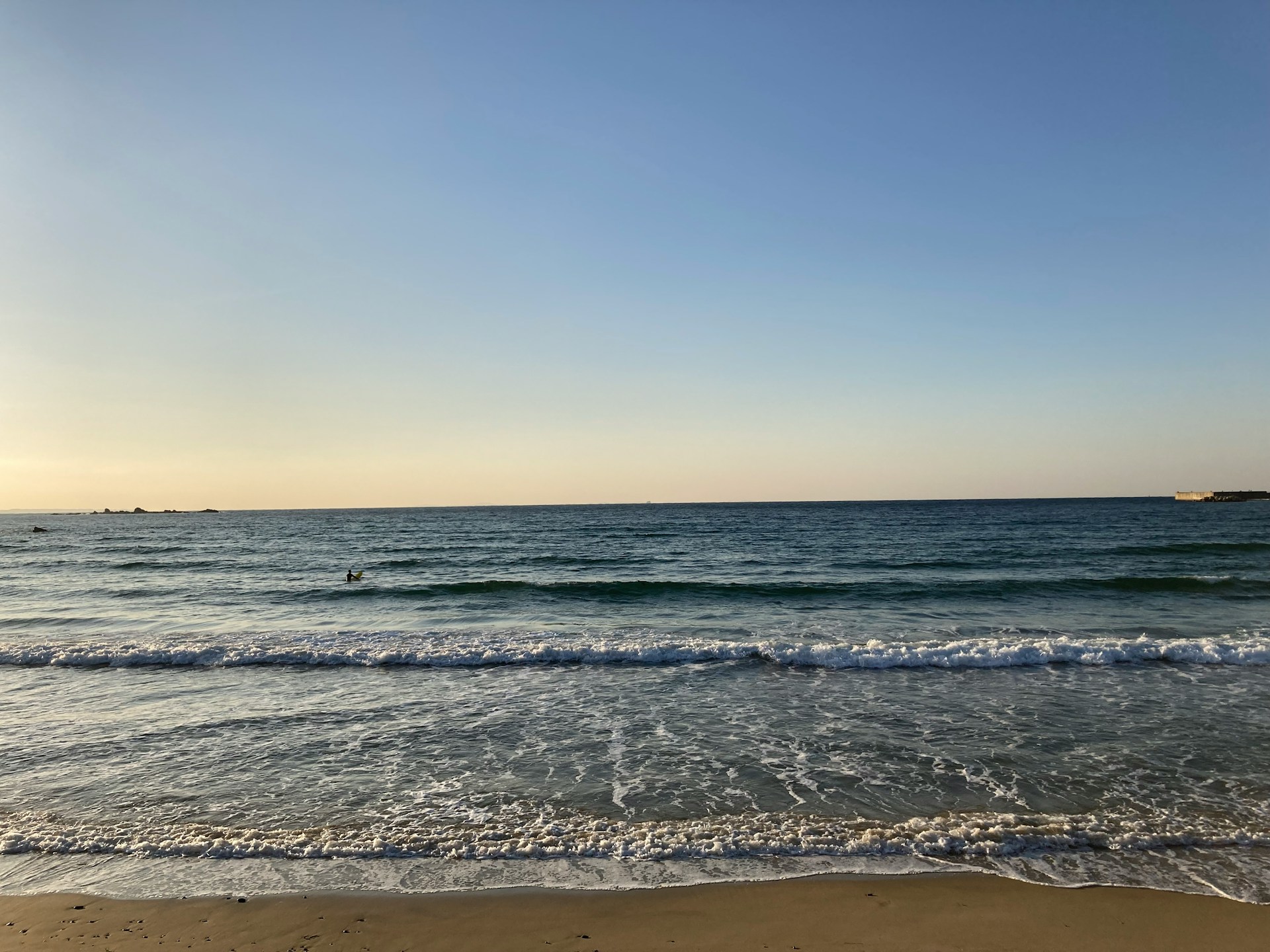
Find a quiet viewpoint overlooking the sea, pause for a moment, and note:
“What patterns do I notice in the water — and how might they hint at life beneath the surface?”
It might be a ripple, a dark shape, a sudden splash, or the movement of seabirds gathering. Whale watching begins with noticing the sea itself.
If you’d like to start a simple nature journal, our beginner’s guide walks you through how to begin: How to Start a Wildlife Journal.

Whales are protected, sensitive animals. A few gentle principles help keep them safe:
This calm, hands off approach is at the heart of NatureGuide.
Watching a whale rise from the sea is one of the most powerful wildlife moments the UK has to offer. Whether it’s a minke slicing through calm water or a humpback lifting its tail against the horizon, these encounters stay with you. By choosing the right season, finding a quiet viewpoint, and watching with patience and respect, you’re giving yourself the chance to witness one of nature’s great migrations — right from the UK coastline.