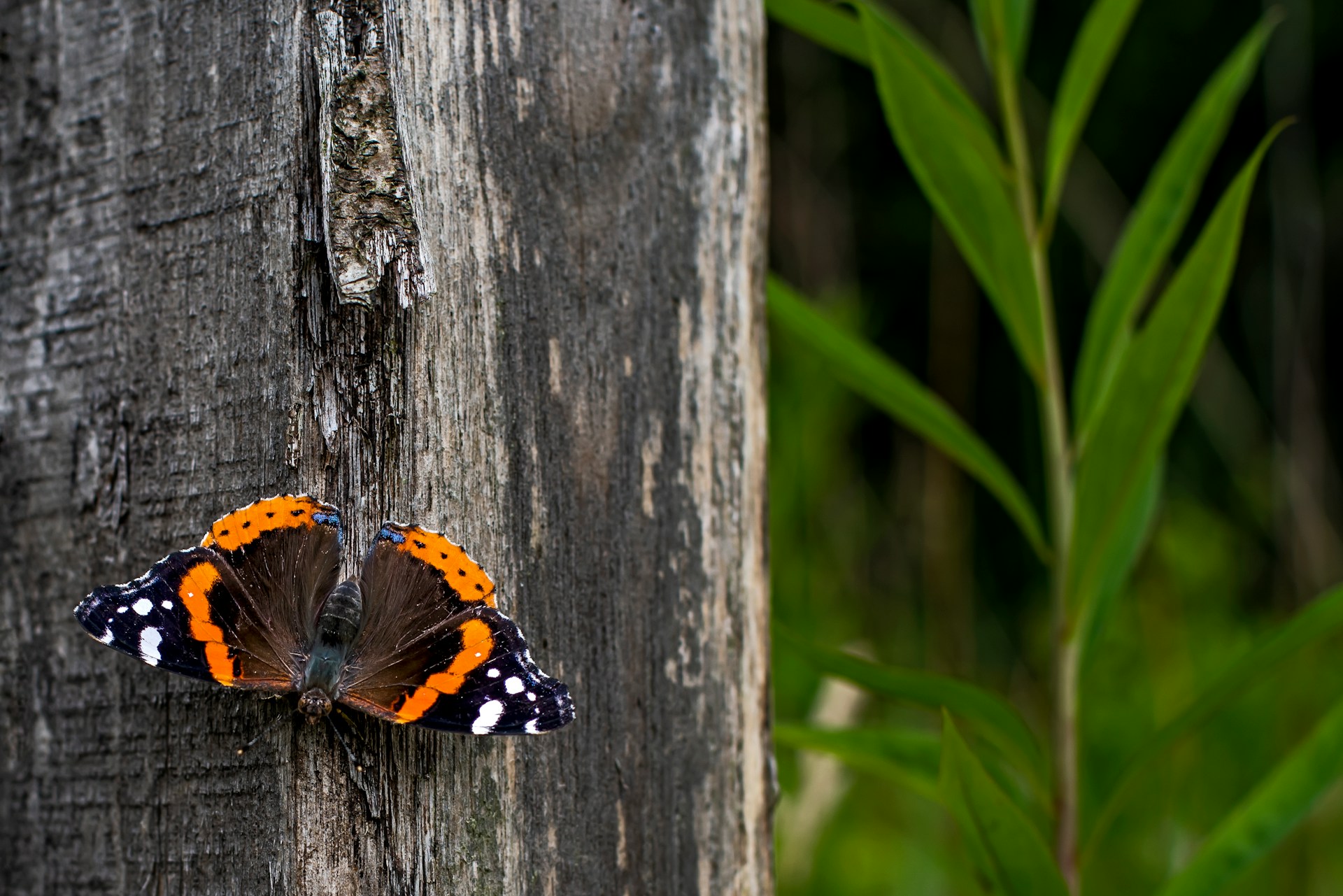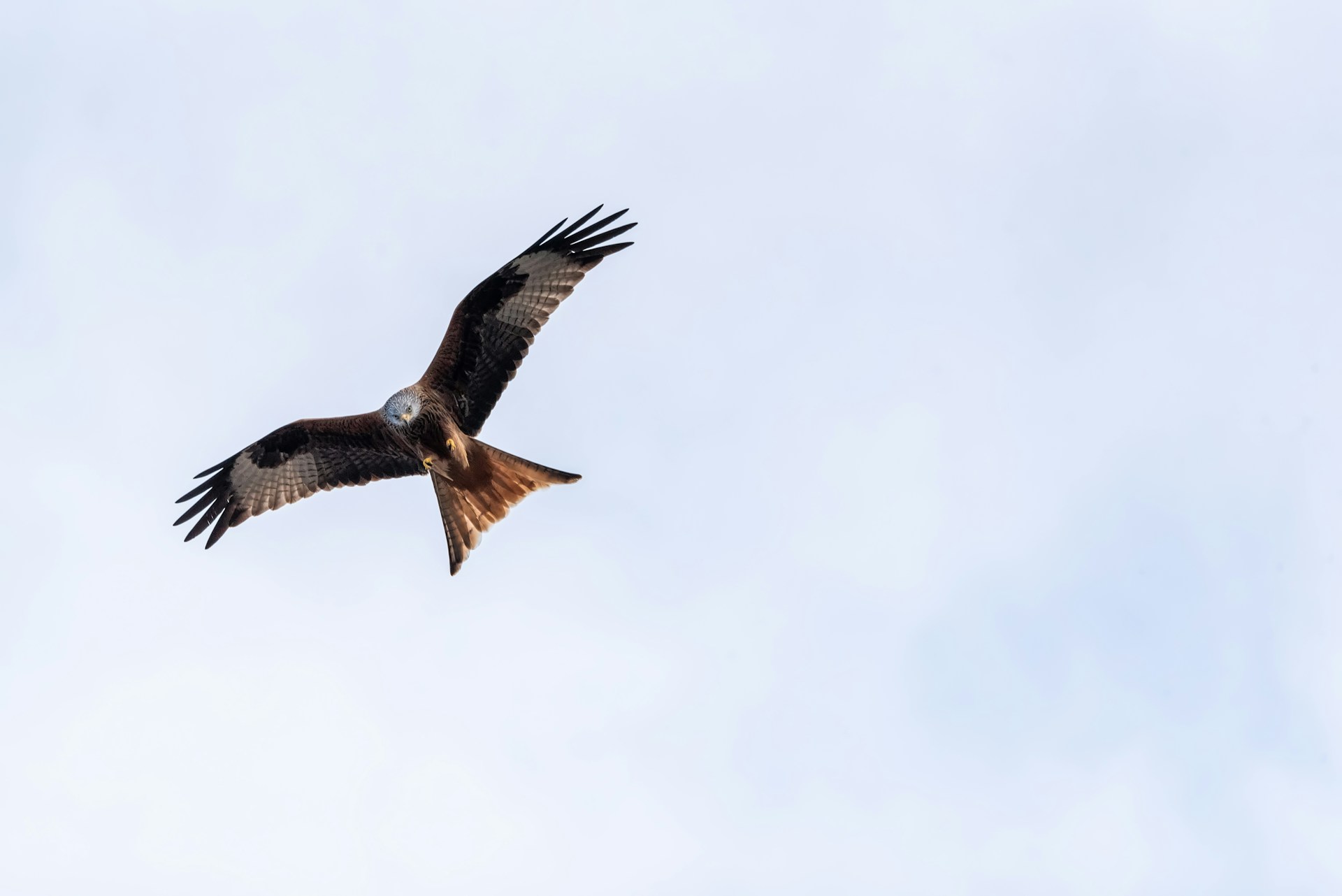

Heathlands are some of the UK’s most distinctive wild spaces; open, sun warmed landscapes filled with heather, gorse, and wide skies. At first glance they can seem empty, but spend a little time here and you’ll discover a surprising mix of birds, reptiles, insects, and mammals that rely on this rare habitat.
You don’t need specialist knowledge or equipment to enjoy heathland wildlife. With a little patience and gentle exploration, these open landscapes reveal themselves slowly and reward you with moments of quiet discovery.
This guide walks you through what makes heathlands unique, the wildlife you’re likely to see, and how to explore them responsibly. If you’re interested in other open habitats, our Moorland Wildlife for Beginners guide highlights the species you’re most likely to encounter on upland walks.
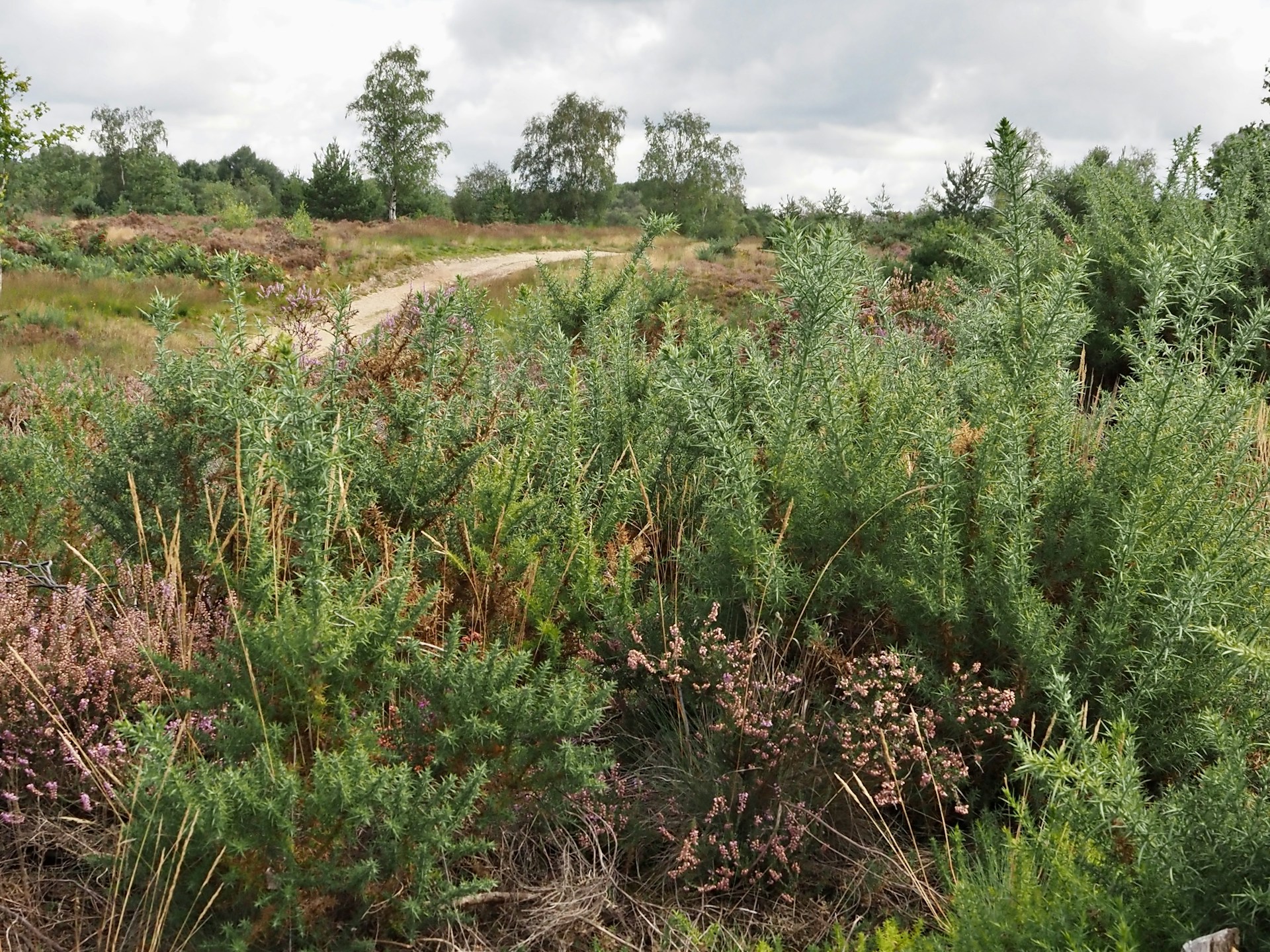
Heathlands are shaped by centuries of grazing, burning, and human use, creating a habitat found in only a few places across the UK. Their open structure and nutrient poor soils support species that can’t thrive anywhere else.
Heathlands offer:
These landscapes may look simple, but they’re incredibly rich and increasingly rare.

Most heathlands are open access, but some are nature reserves or protected sites. When choosing where to visit, look for:
Avoid:
Even small heathland patches can be brilliant for beginners.
1. Move slowly and pause often
Wildlife appears when you stop. Birds perch on gorse tops, reptiles bask on warm paths, and insects hover over heather.
2. Listen as much as you look
Many heathland birds reveal themselves by sound first — stonechats “tack”, woodlarks sing looping songs, and nightjars churr at dusk.
3. Scan sunny edges for reptiles
Common lizards and adders often warm themselves on sandy paths or low vegetation.
4. Visit early or late
Dawn and dusk are the calmest times for wildlife activity.
5. Stay on paths
This protects fragile plants and avoids disturbing ground nesting birds.
To build your awareness of how weather affects animal behaviour, our How Weather Shapes Wildlife Behaviour guide offers beginner‑friendly insights.

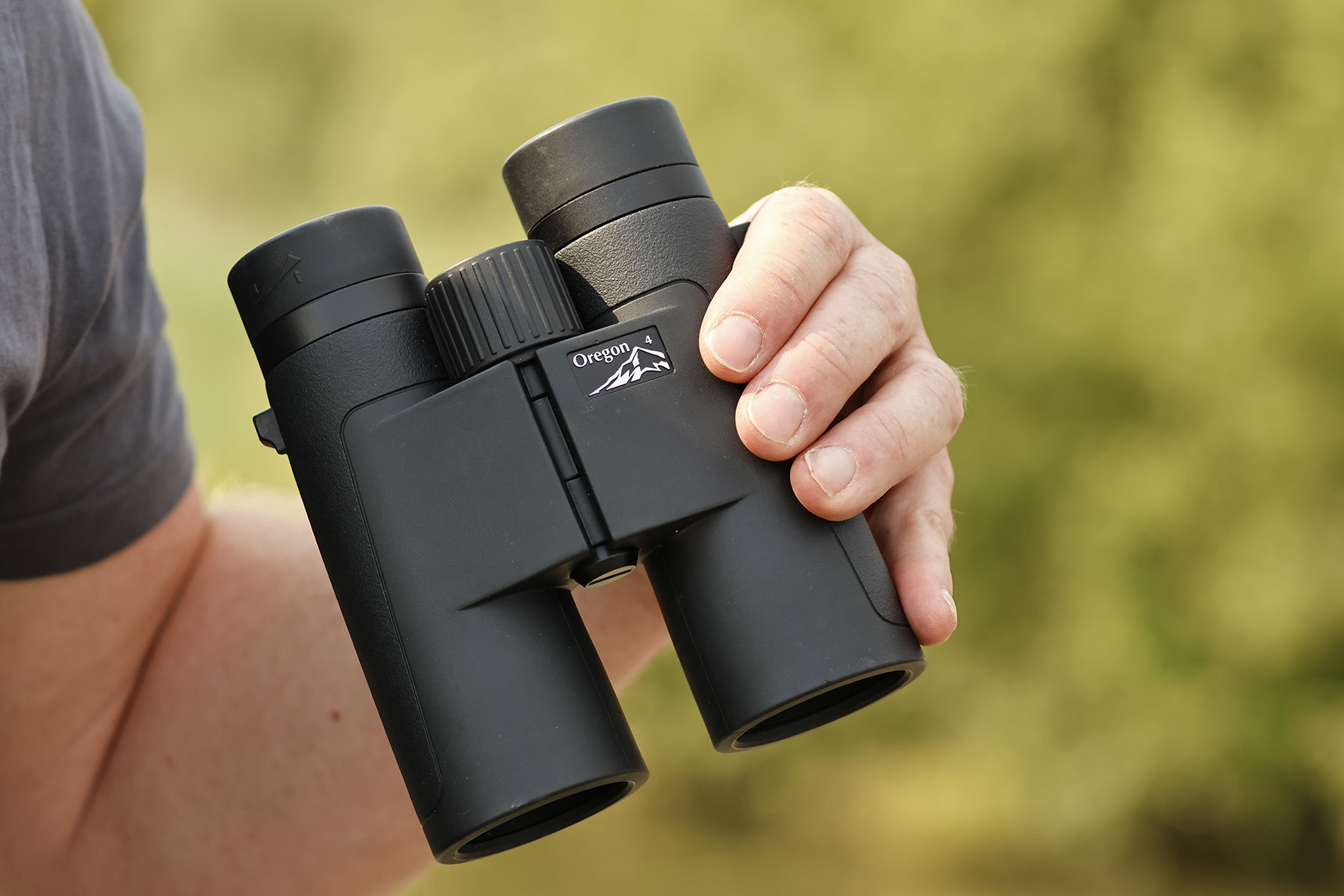
See our Beginner Binoculars Guide for simple advice on choosing your first pair, including what magnification means, how much to spend, and which models are genuinely beginner‑friendly.
See our Field Guides Gear Guide for simple advice on choosing beginner friendly wildlife books, including general wildlife guides, bird guides and pocket guides.
These items can also be really helpful for beginners:

Find a quiet spot, sit for a moment, and note:
“What is the first movement or sound I notice in this open landscape?”
It might be a stonechat’s call, a lizard darting across a path, or the soft hum of insects over heather. These early impressions help you tune into the rhythm of the heath.
If you’d like to start a simple nature journal, our beginner’s guide walks you through how to begin: How to Start a Wildlife Journal.
Heathlands are fragile habitats, and a few simple principles help protect them:
This gentle, hands off approach is at the heart of NatureGuide.
Heathlands may seem quiet at first, but once you slow down, they’re full of life. From the flick of a lizard’s tail to the call of a stonechat or the shimmer of insects over heather, these landscapes reward patience and curiosity. By exploring them gently, you’re supporting one of the UK’s most precious habitats and opening the door to moments of calm, connection, and discovery.