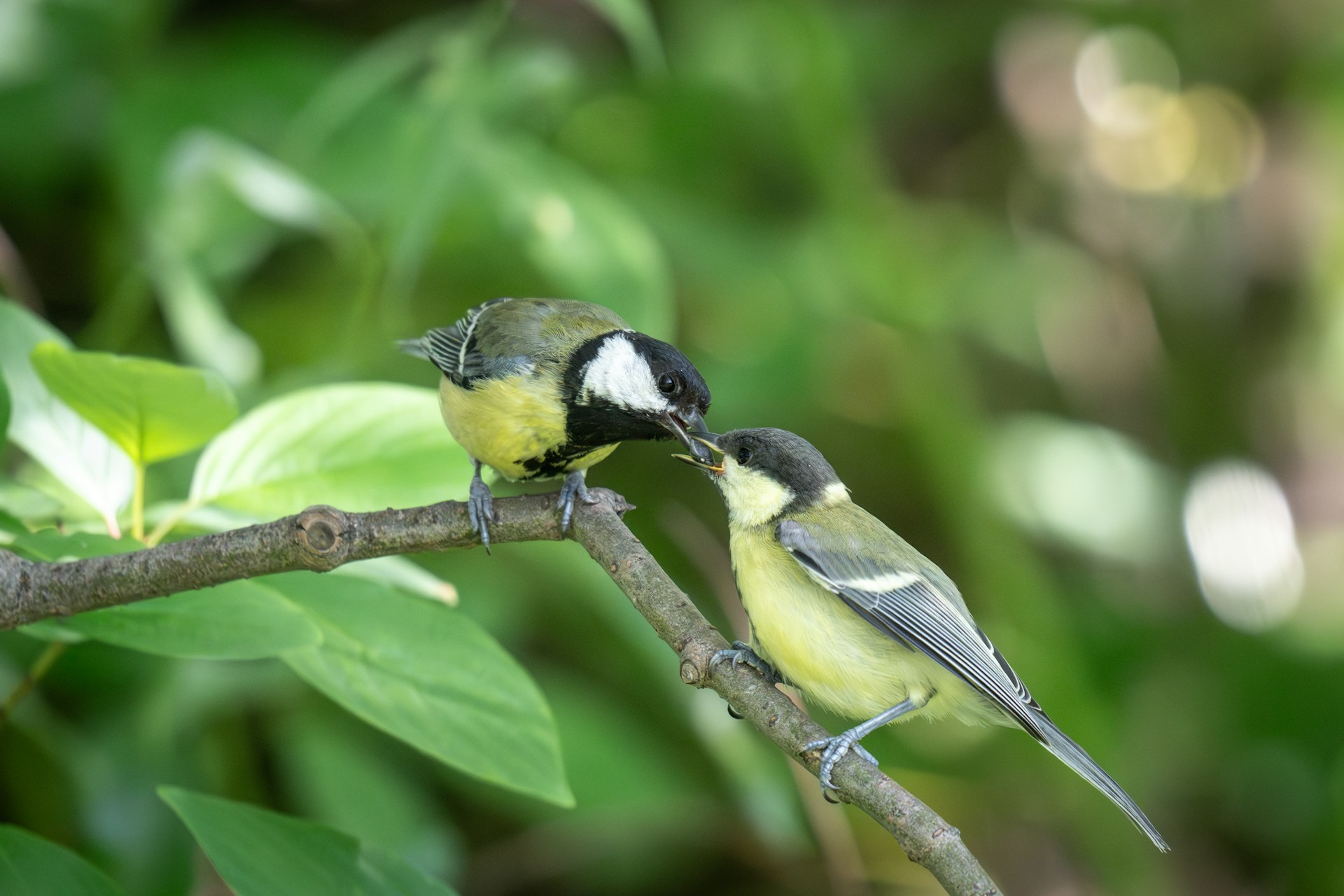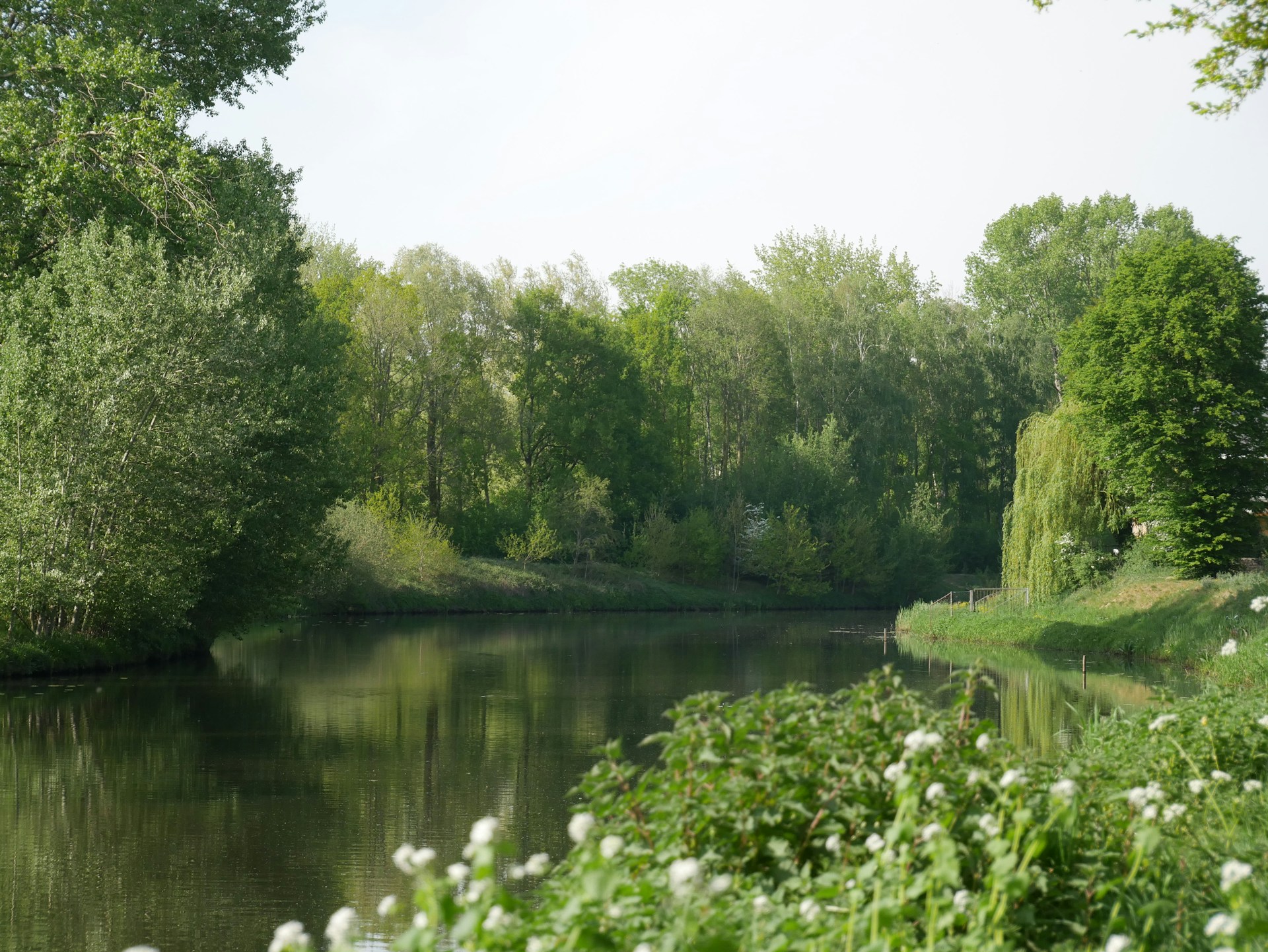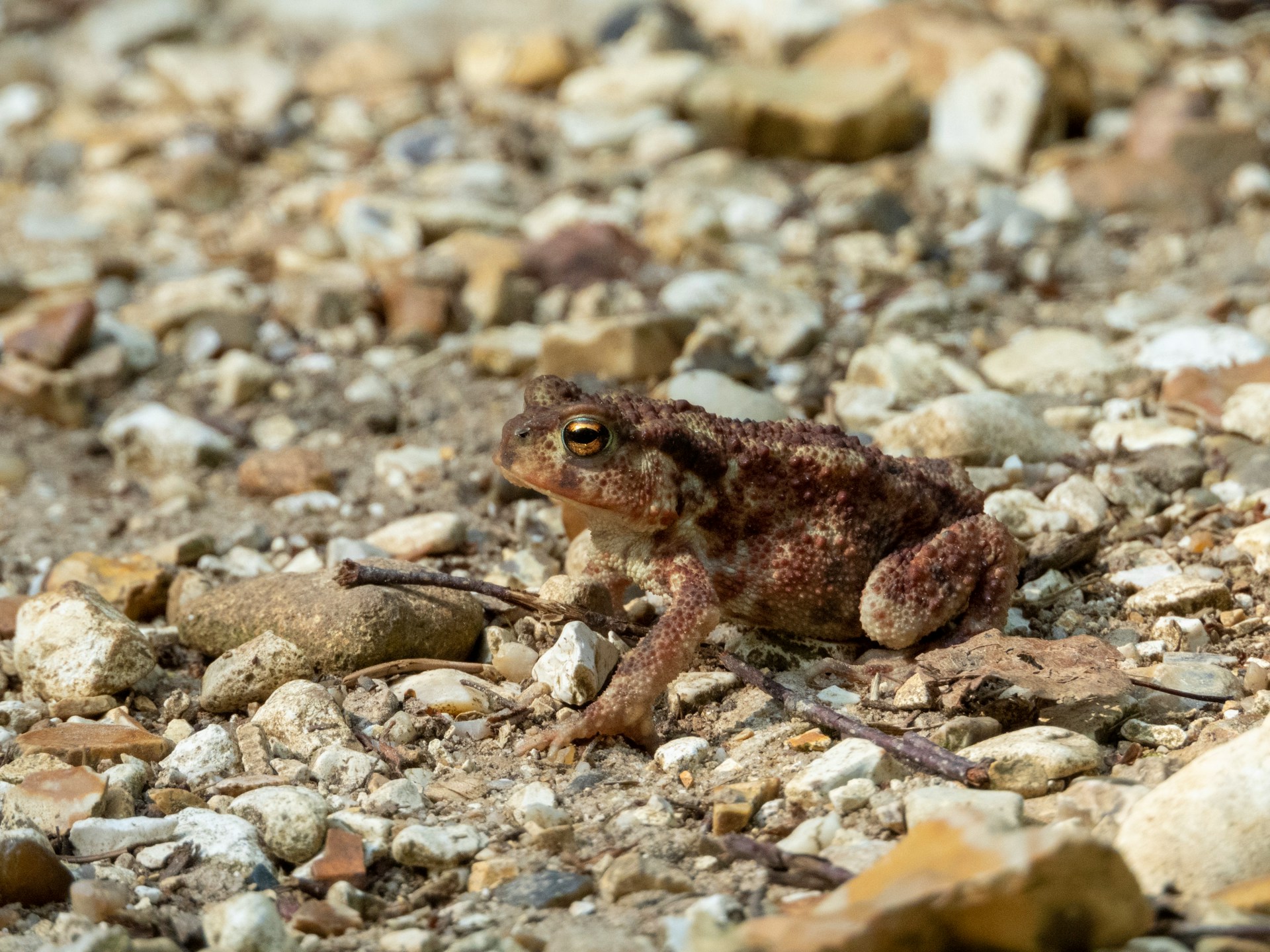

A wildlife pond is one of the most powerful things you can add to your garden. Even a small, simple pond can transform your outdoor space into a thriving habitat, attracting birds, insects, amphibians,and countless tiny creatures you might never otherwise see. You don’t need a large garden, specialist tools, or complicated designs just a willingness to create a small patch of water where nature can flourish.
This guide walks you through how to build a beginner‑friendly wildlife pond that supports local species and brings daily moments of discovery. If you’re creating more water‑friendly spaces in your garden, our How to Make Your Garden Safe for Young Wildlife in Spring guide offers simple steps to support animals during the breeding season.

Water is life. Birds drink and bathe, insects rest and feed, amphibians breed, and mammals visit quietly at dusk. Even the smallest pond becomes a miniature ecosystem, offering:
You don’t need fish, pumps, or filters — in fact, a simple, still pond is often best for wildlife.
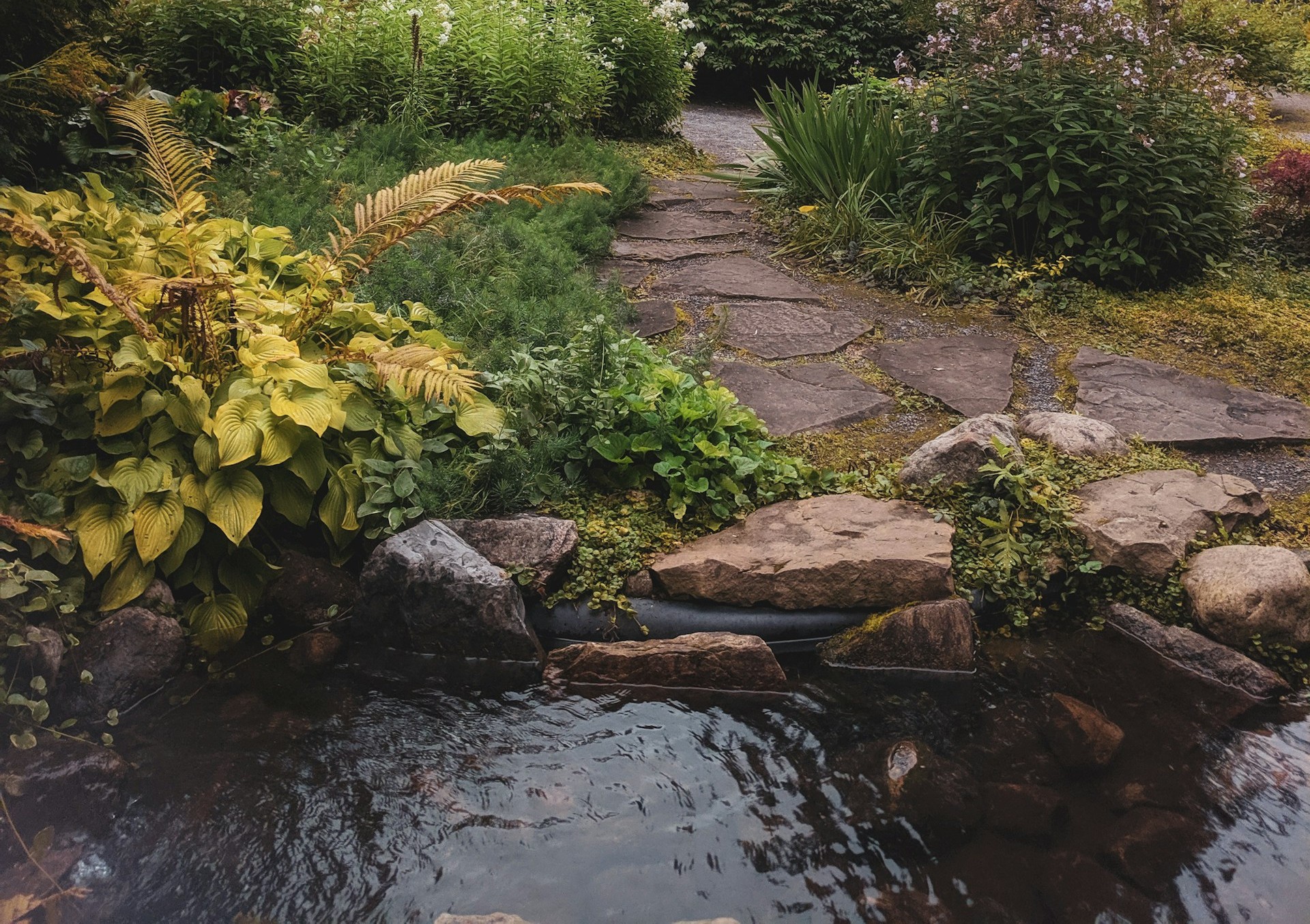
A good location makes your pond easier to maintain and more attractive to wildlife.
Look for:
Avoid:
Even a small space like a patio edge, a lawn corner, or a tucked‑away border can work beautifully.

You can create a pond in an afternoon using basic materials.
1. Choose your container or shape
You can use:
All are wildlife‑friendly if you include shallow edges.
2. Dig your hole (if using a liner)
Create:
3. Add a protective underlay
Old carpet, sand, or pond underlay protects the liner from stones and roots.
4. Place the liner and fill with water
Rainwater is best, but tap water is fine if left to stand for 24–48 hours.
5. Add stones, logs, and planting shelves
These create hiding places and help wildlife climb in and out.
6. Plant native pond species
Choose oxygenators and marginal plants.
7. Let nature take over
Your pond will look simple at first — but within weeks, life will begin to arrive.

Native plants support the most wildlife. Start with just a few:
Oxygenators (underwater)
Marginals (shallow edges)
Floating plants
Avoid invasive species. Many garden centres label wildlife‑safe options clearly.
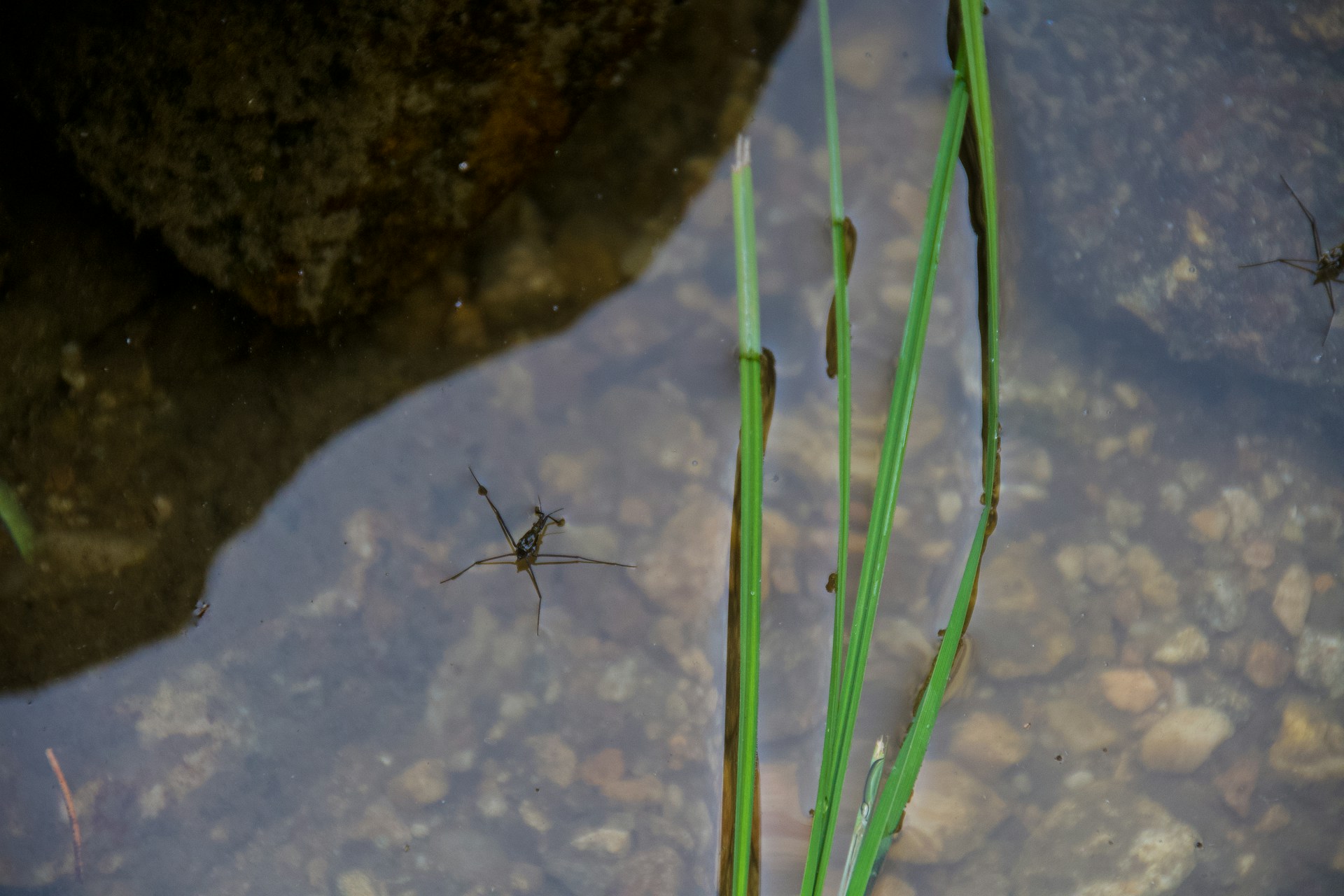
Even a tiny pond attracts surprising visitors:
You don’t need to introduce anything, wildlife will find your pond naturally. To learn more about the creatures that may visit your pond, our Common UK Insects for Beginners guide introduces species you’re likely to spot around still water.
These simple items make building and maintaining your pond easier:

After your pond is filled and planted, pause and note:
“What is the first sign of life I notice around the water?”
It might be a visiting bird, a drifting insect, or simply the way the light reflects on the surface. These early moments become the beginning of your pond’s story.
If you’d like to start a simple nature journal, our beginner’s guide walks you through how to begin: How to Start a Wildlife Journal.
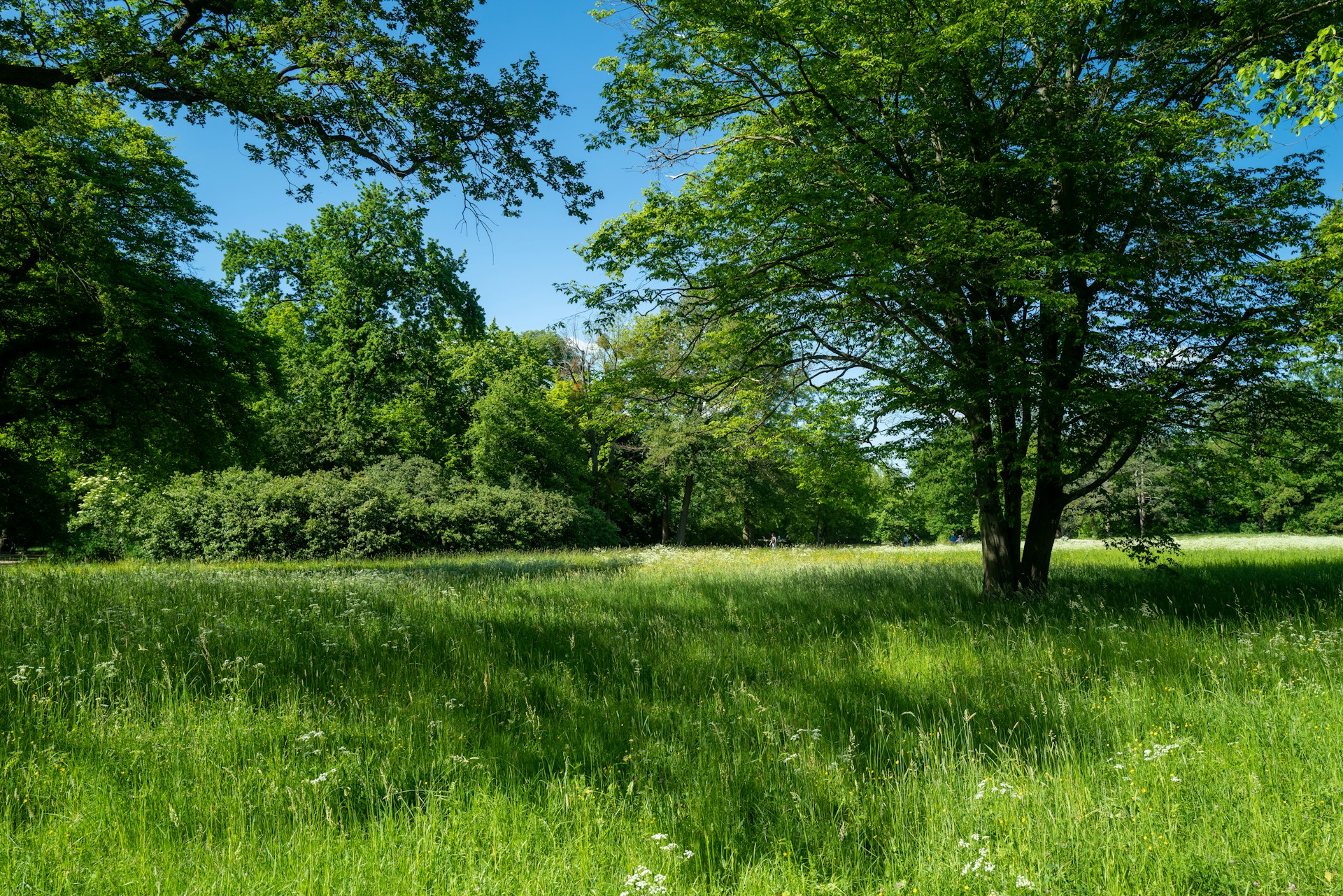
A wildlife pond is a gift to your local ecosystem, but a few simple principles help keep it safe:
This gentle, hands‑off approach is at the heart of NatureGuide.
A wildlife pond doesn’t need to be big or elaborate to make a difference. Even a small patch of water becomes a thriving, ever‑changing world full of quiet activity. By creating a simple pond, you’re offering a safe haven for wildlife and inviting daily moments of calm, curiosity, and connection into your garden.