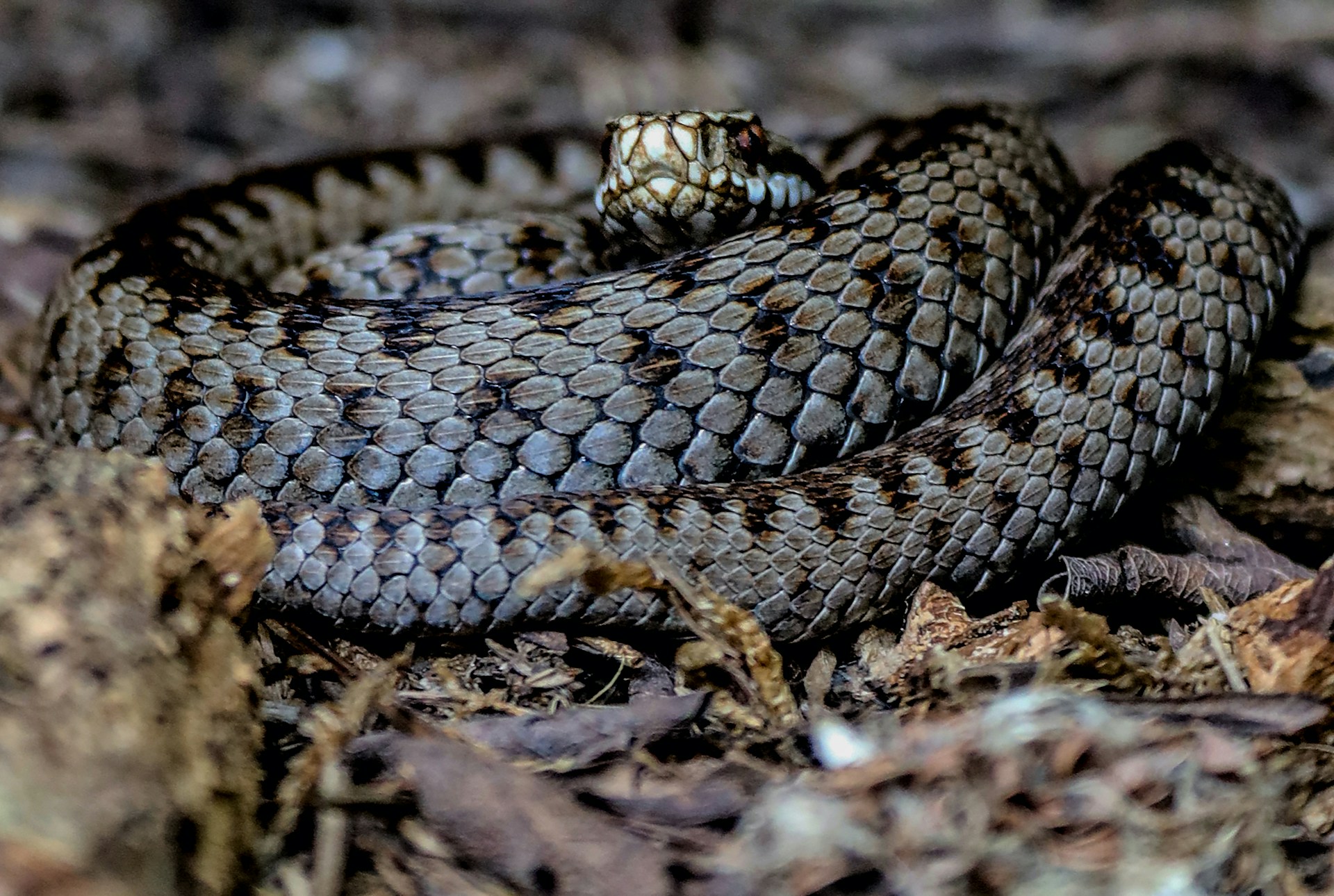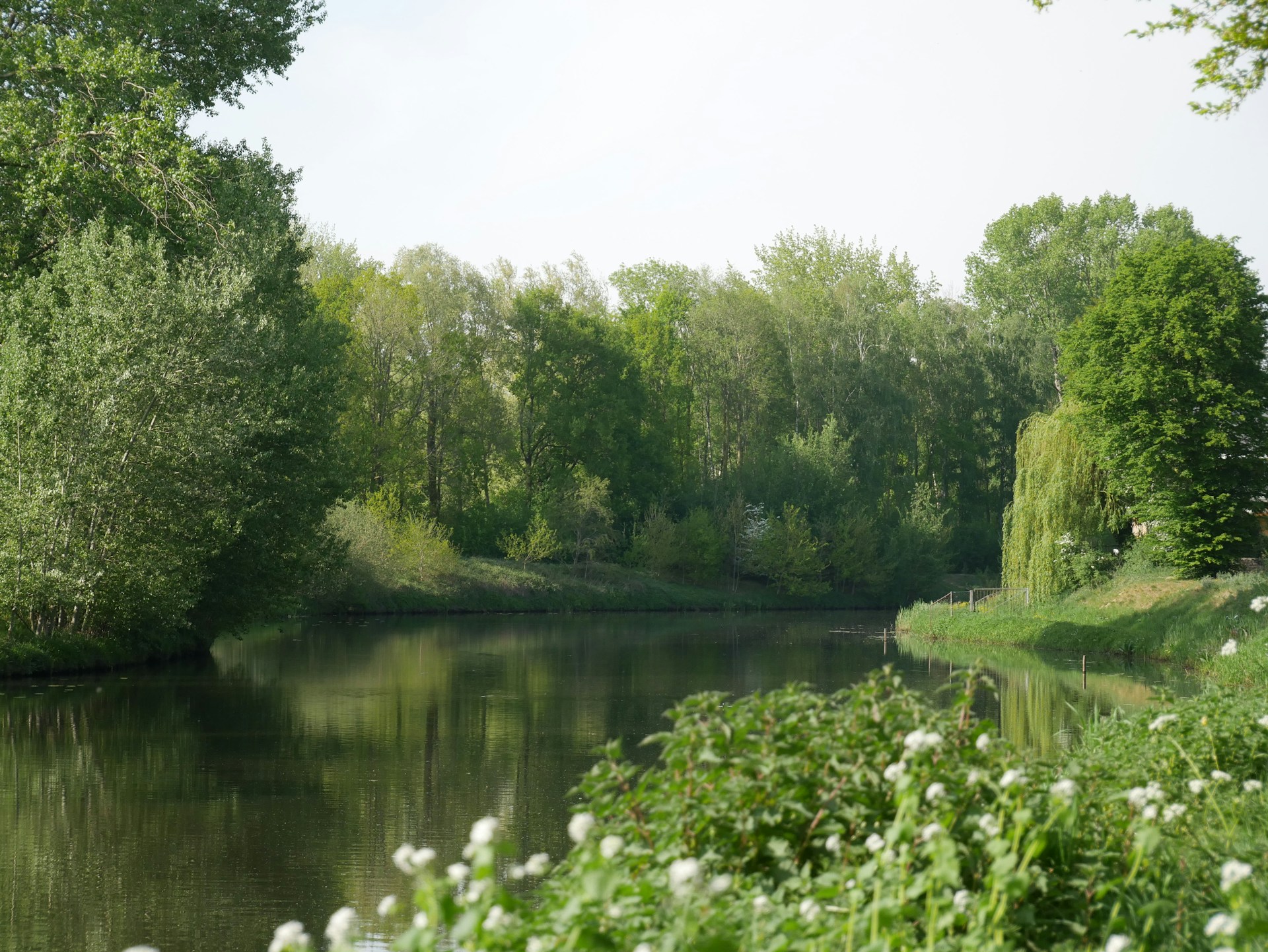
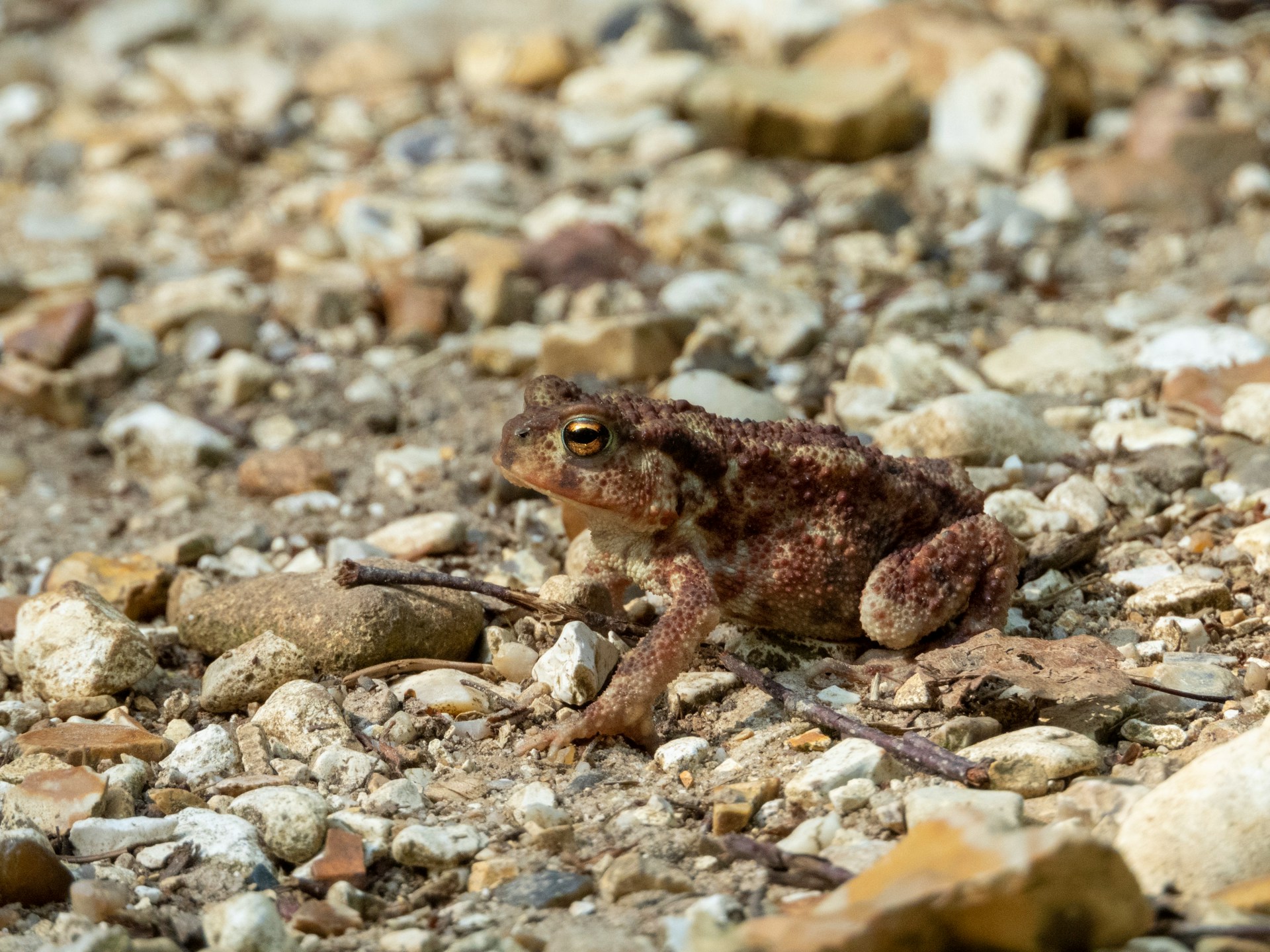
Amphibians are some of the UK’s most overlooked animals. They are quiet, secretive, and often hidden in damp corners of gardens, woodlands, and ponds. Yet once you know where to look, frogs, toads, and newts become some of the most rewarding species to watch. They’re gentle, fascinating creatures with seasonal rhythms that reveal a lot about the health of local habitats.
You don’t need specialist equipment or deep knowledge to enjoy amphibians. With a slow pace and a little care, you can safely spot these animals in gardens, parks, and wild spaces.
This guide walks you through the UK’s common amphibians, where to find them, and how to watch them responsibly. If you enjoy exploring damp habitats, our Riverbank & Canal Wildlife guide introduces the species commonly found along the water’s edge.
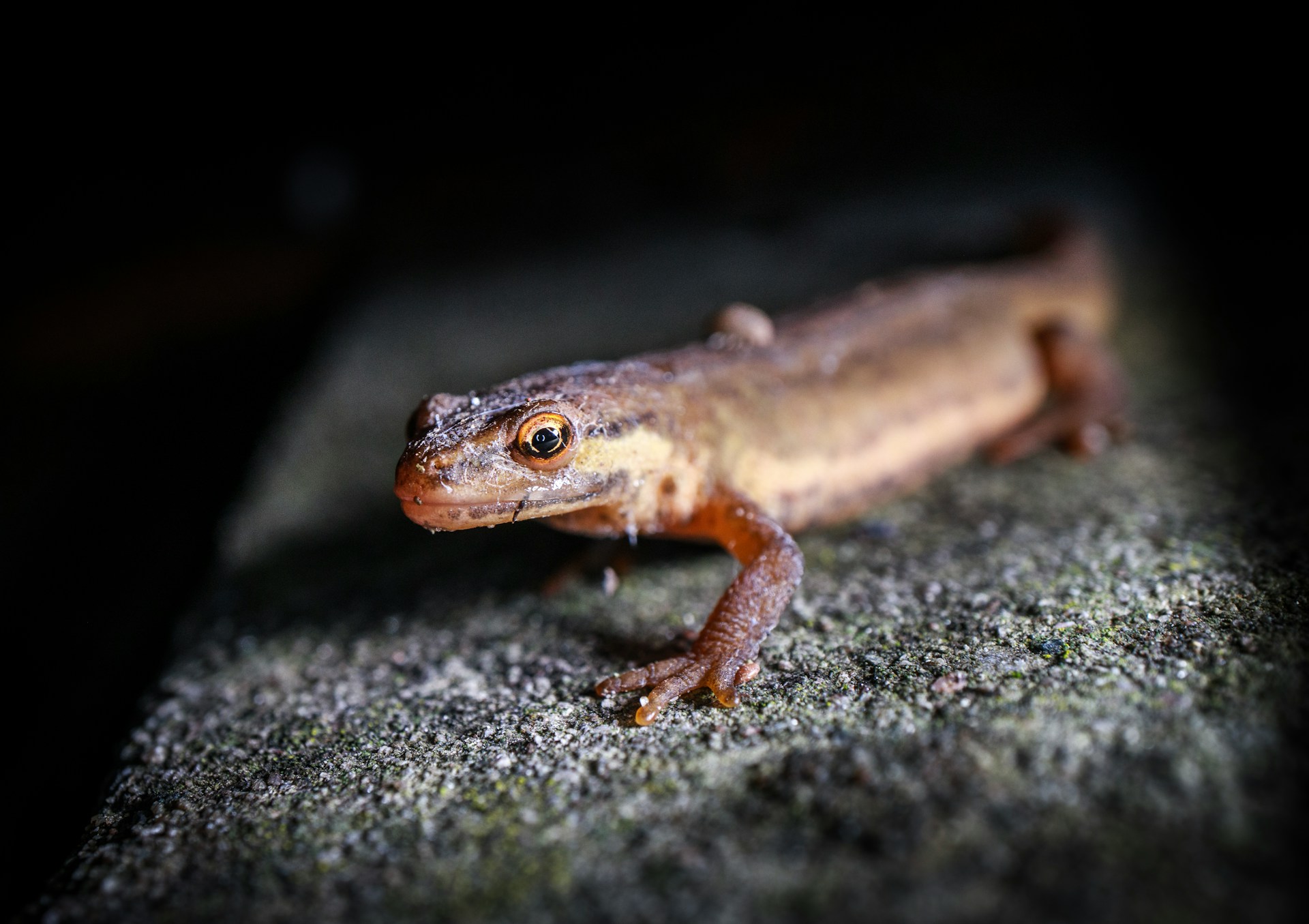
Amphibians live both on land and in water, making them excellent indicators of healthy ecosystems. They’re active at different times of year, follow predictable seasonal patterns, and often appear in places you might not expect.
Amphibians offer:
Once you learn their habits, you’ll start noticing them everywhere.
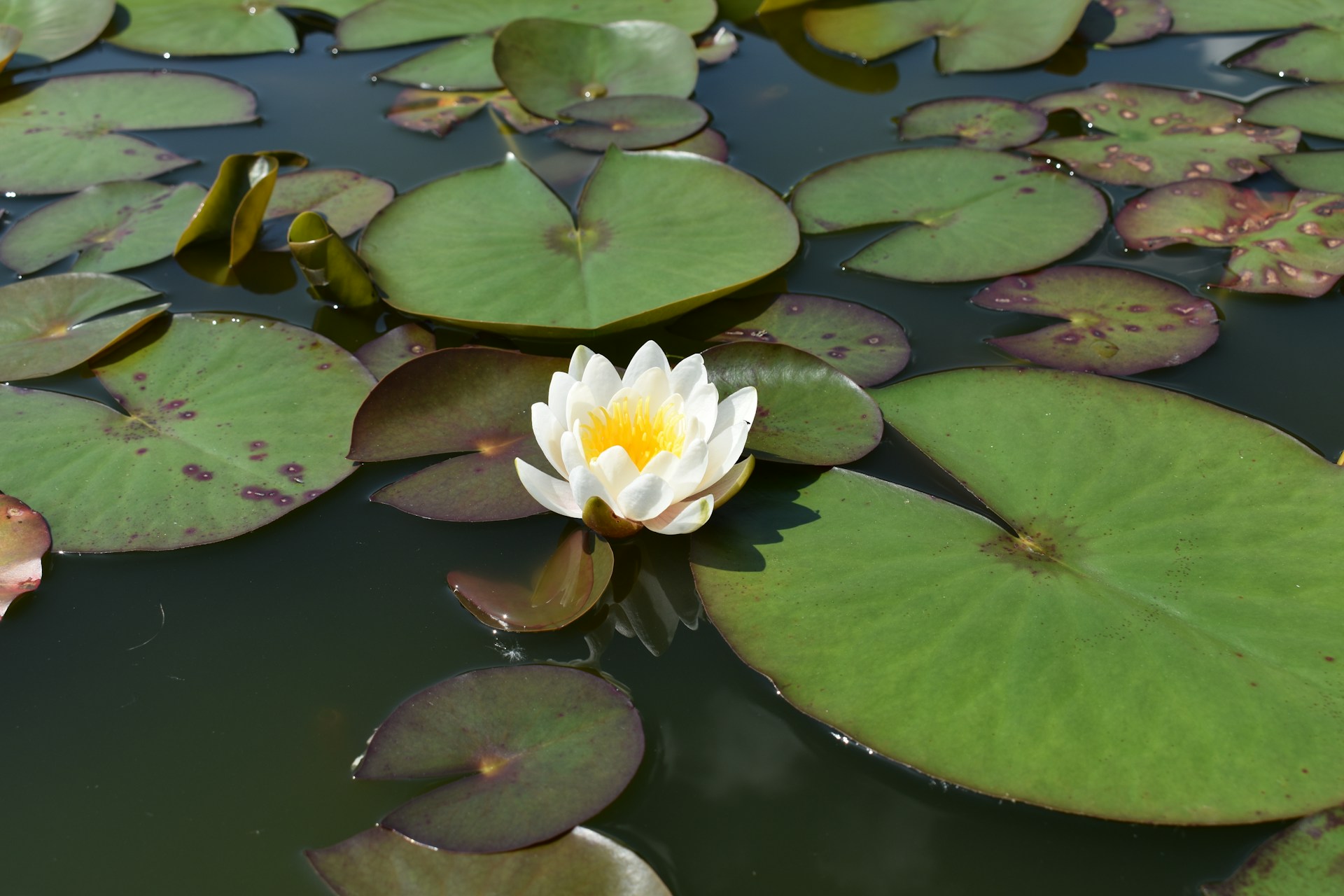
Amphibians need moisture, shelter, and access to water.
Look for:
Avoid:
Even a small garden pond can support a surprising number of amphibians.
1. Visit ponds in early spring
This is when frogs and toads return to breed, and newts become active.
2. Look for movement, not shapes
A ripple, a tiny splash, or a shift in vegetation often reveals more than scanning the whole pond.
3. Check damp edges
Amphibians rest under logs, stones, and dense plants but avoid lifting anything unless necessary.
4. Go out after rain
Moisture brings amphibians onto paths, lawns, and woodland edges.
5. Use a torch gently at night
A soft, downward angled beam helps you spot amphibians without startling them.

Signs to look for:
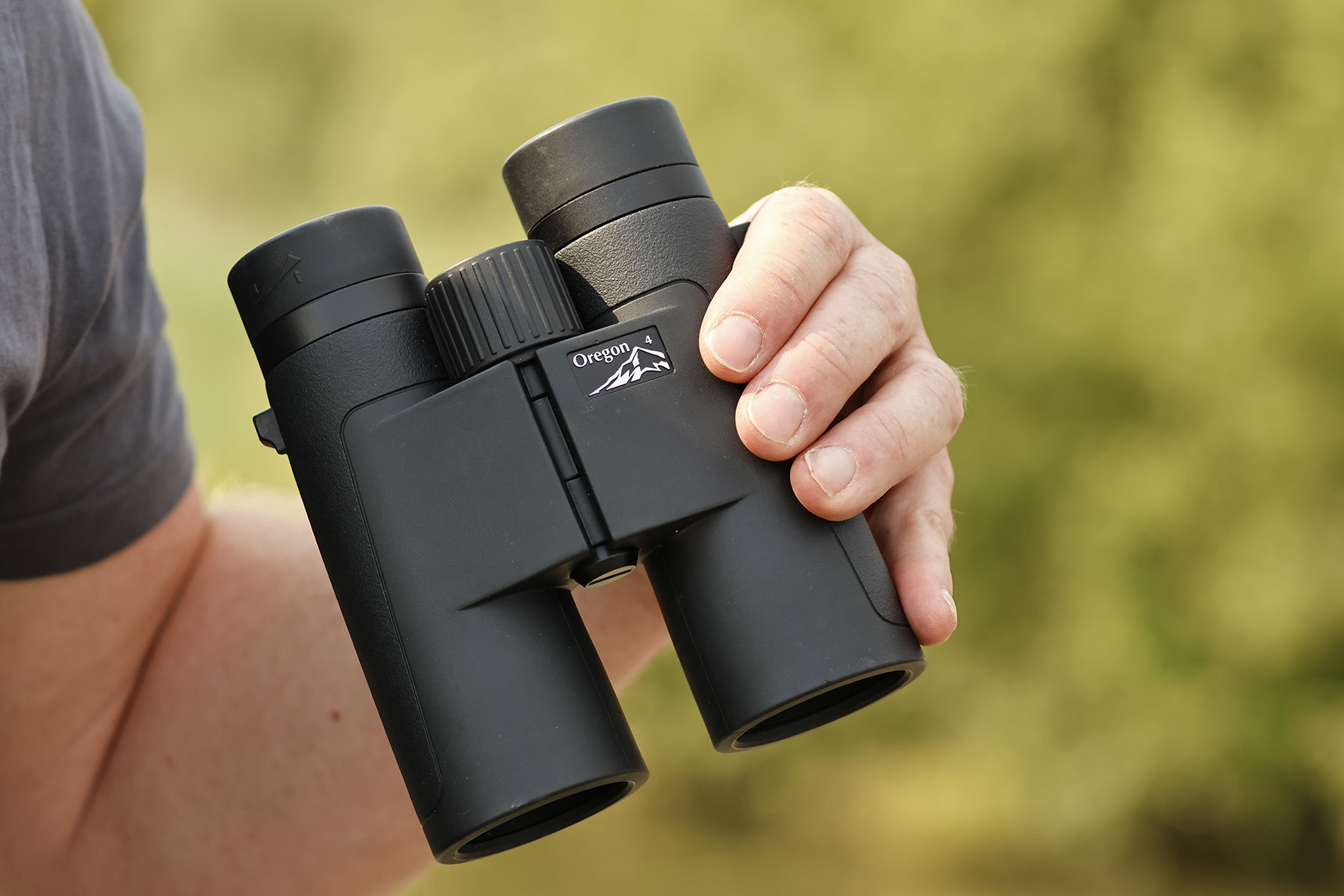
See our Beginner Binoculars Guide for simple advice on choosing your first pair, including what magnification means, how much to spend, and which models are genuinely beginner‑friendly.
See our Field Guides Gear Guide for simple advice on choosing beginner friendly wildlife books, including general wildlife guides, bird guides and pocket guides.
These simple items make amphibian watching easier:

Find a quiet spot near a pond or damp area, pause for a moment, and note:
“What small movement or sound tells me amphibians might be nearby?”
It might be a ripple, a soft splash, or the rustle of something moving through damp leaves. These subtle clues help you tune into amphibian behaviour.
If you’d like to start a simple nature journal, our beginner’s guide walks you through how to begin: How to Start a Wildlife Journal.

Amphibians are sensitive to disturbance, and a few simple principles help protect them:
This gentle, hands off approach is at the heart of NatureGuide. For tips on observing animals without disturbing them, our How to Watch Wildlife from a Hide guide offers quiet, low‑impact techniques suitable for beginners.
Amphibians are quiet, fascinating creatures that reveal a hidden side of the natural world. From the first frogspawn of spring to the soft movements of newts at dusk, these animals offer moments of calm and curiosity for anyone willing to slow down and look closely. By exploring their habitats gently, you’re supporting some of the UK’s most vulnerable wildlife and discovering a whole new layer of nature.