
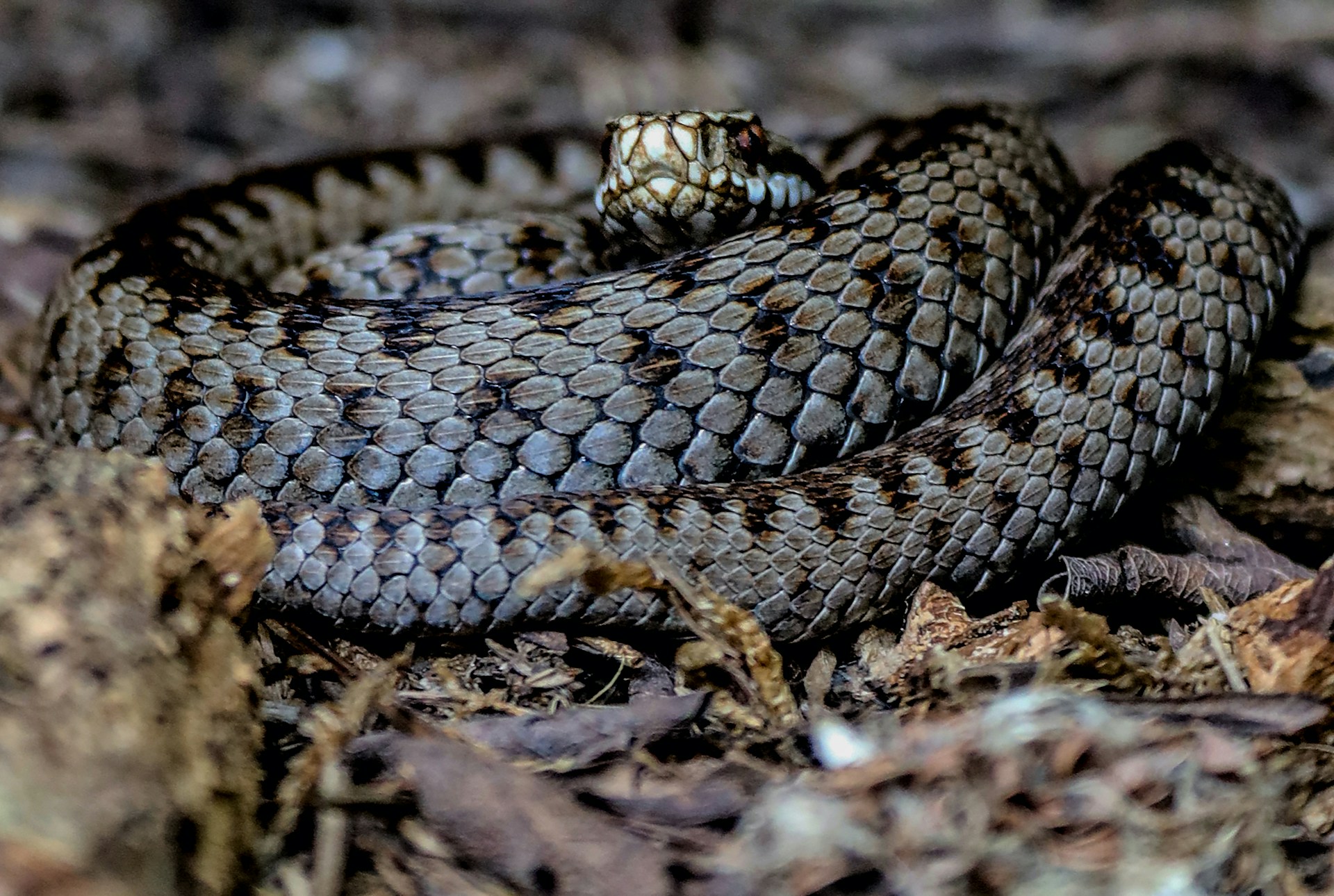
Snakes are some of the UK’s most elusive wildlife. Most people walk past them without ever realising they were there. This guide helps you understand where snakes live, how to spot the subtle signs they leave behind, and how to observe them with care and respect.
If you enjoy exploring warm, open habitats, our Heathland Wildlife guide introduces the species commonly found in these sun‑loving environments.
Snakes are shaped by their habitats. Instead of looking for the animal itself, look for the places they prefer. Once you learn to recognise these landscapes, your chances of seeing a snake rise dramatically.
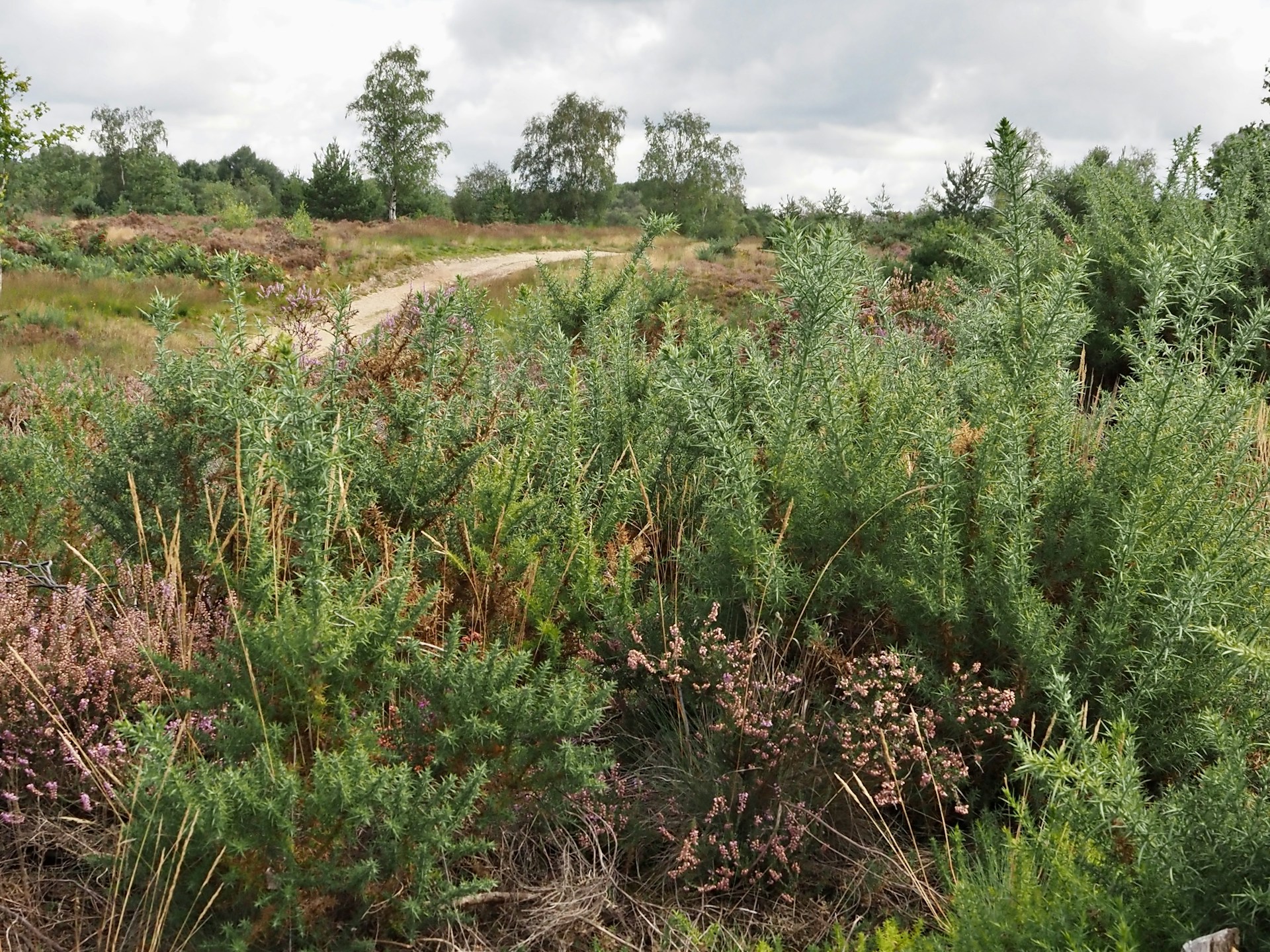
Heathland
Warm, open ground with heather, gorse, and sandy patches. Ideal for basking.
Woodland Edges
Snakes rarely sit deep in woodland — they prefer sunny edges, clearings, and paths.
Rough Grassland
Long grass, tussocks, and south‑facing banks are perfect for hunting and basking.
Gardens
Compost heaps, ponds, log piles, and warm patios can attract grass snakes and slow worms.
Wetlands
Grass snakes especially favour reedbeds, ponds, and damp meadows.
Basking Spots
Snakes warm up in the morning sun. Look at:
Movement in Grass
A subtle ripple, a shifting line, or a sudden stillness can reveal a snake’s presence.
Shed Skins
Look around log piles, compost heaps, and warm edges.
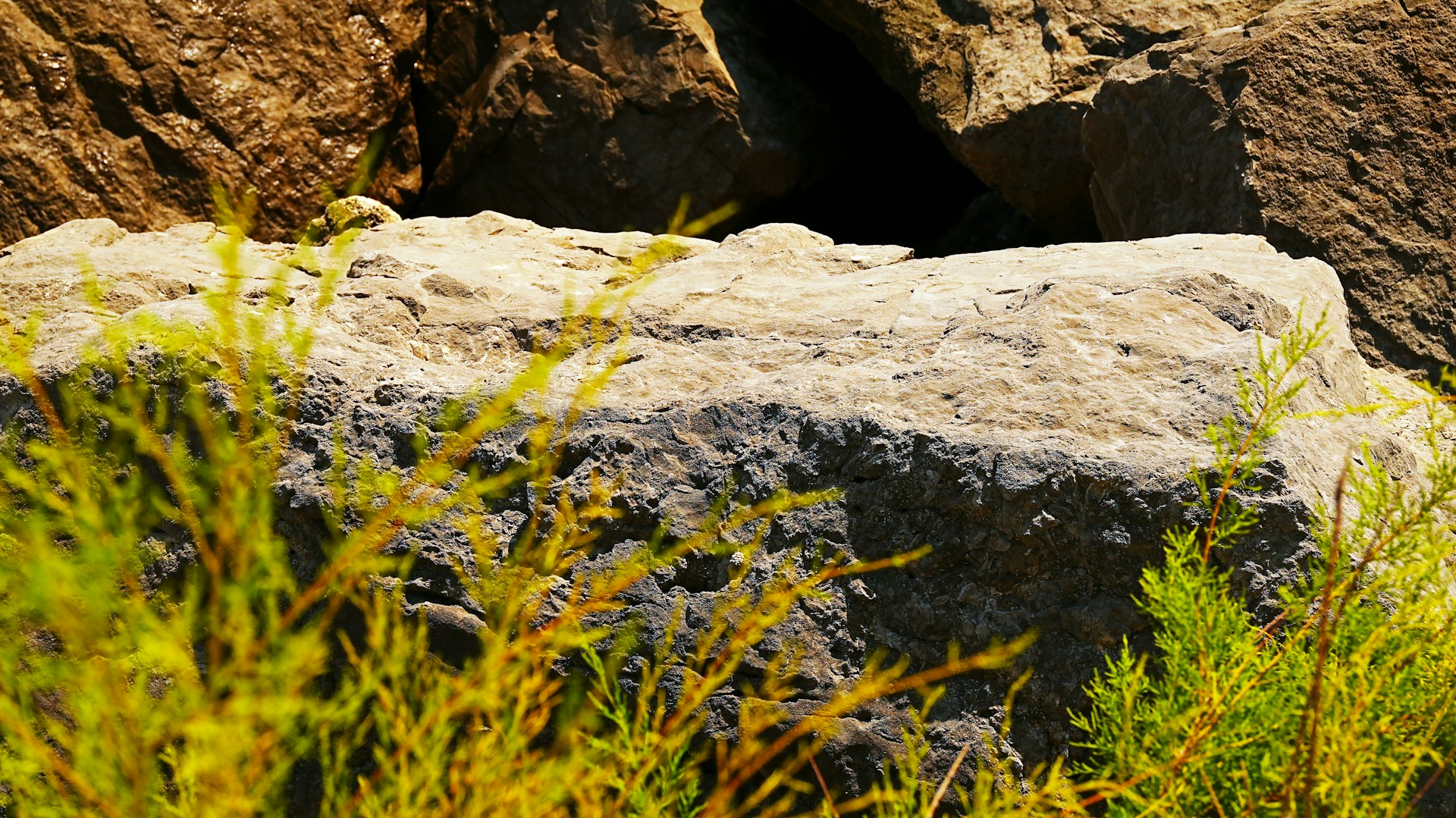
Warm Surfaces
Snakes often rest on sun‑heated surfaces — stones, boards, or even old tyres.
Prey Signs
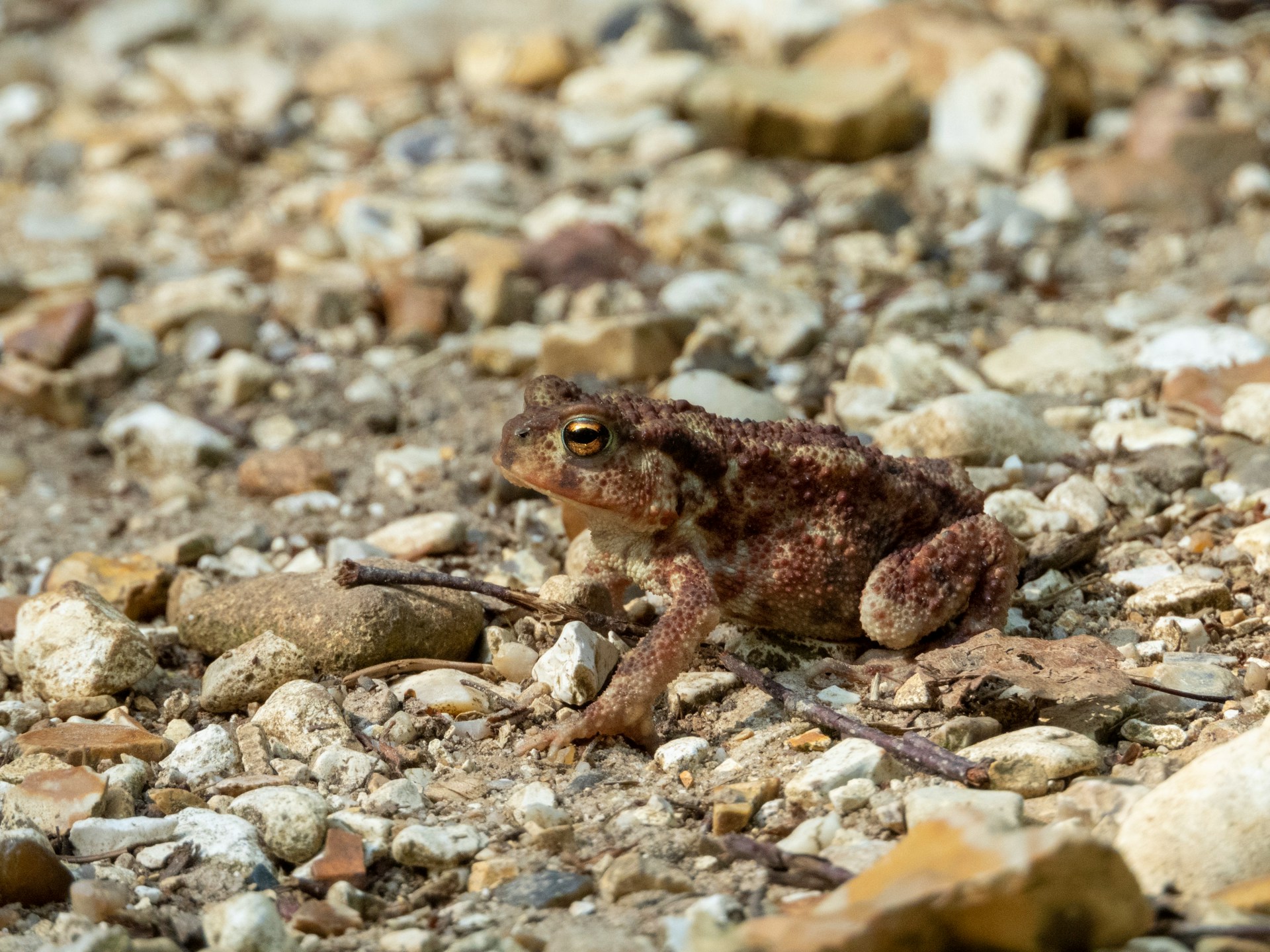
Frogs, toads, and small mammals indicate good hunting grounds.
For help recognising subtle signs left by animals, our Simple Signs of Wildlife in Your Local Area guide can deepen your awareness of what’s nearby.
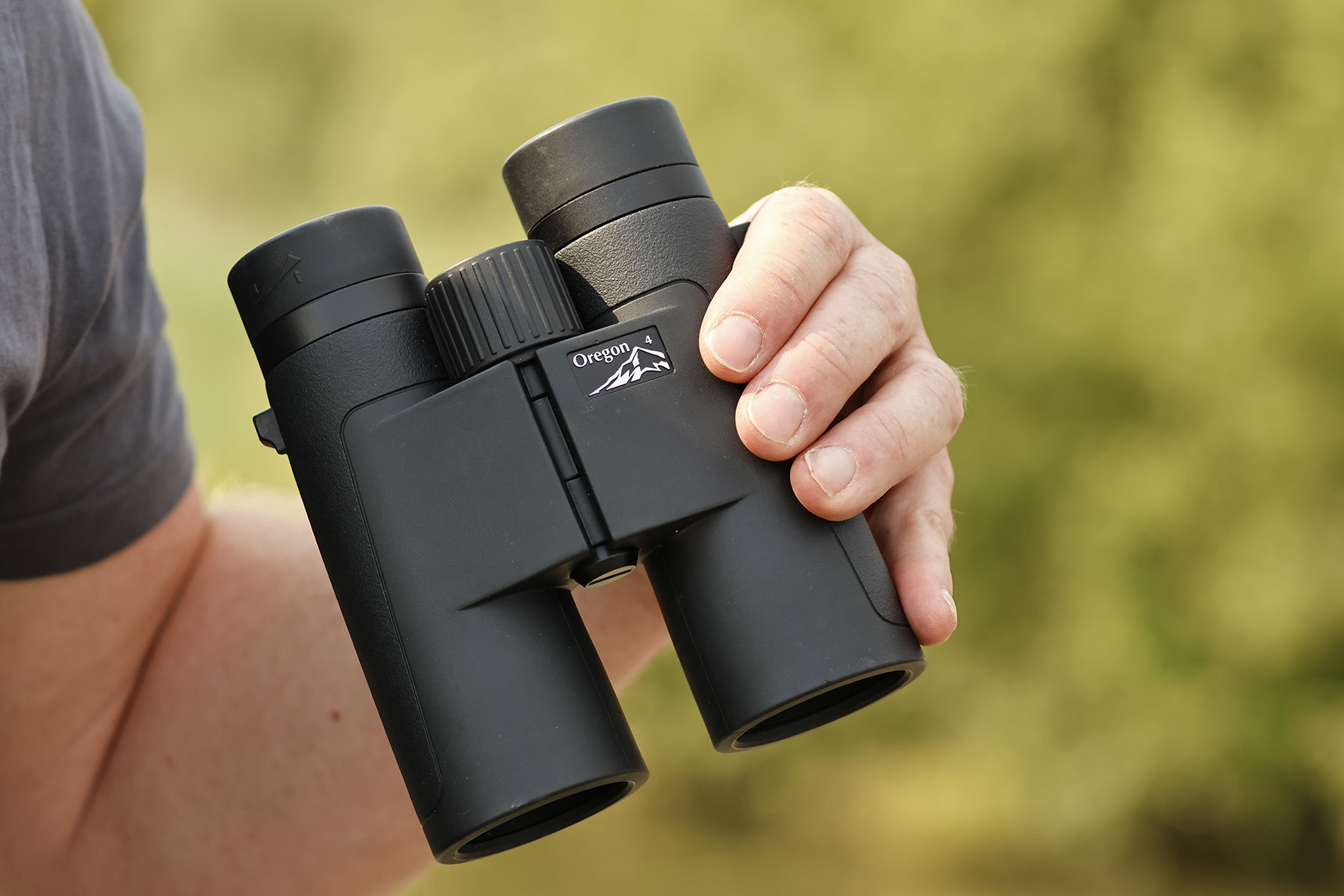
See our Beginner Binoculars Guide for simple advice on choosing your first pair, including what magnification means, how much to spend, and which models are genuinely beginner‑friendly.
See our Field Guides Gear Guide for simple advice on choosing beginner friendly wildlife books, including general wildlife guides, bird guides and pocket guides.
These items can also be really helpful for beginners:

When you’re outdoors on a warm day, pause and note:
“Where did I find warm, sheltered spots today— and what signs of reptiles did I notice?”
Even if you don’t see a reptile, noticing the right habitats is the first step.
If you’d like to start a simple nature journal, our beginner’s guide walks you through how to begin: How to Start a Wildlife Journal.
Reptiles are protected by law in the UK, and observing them responsibly helps keep them safe. Their habitats are fragile, their basking spots are essential for survival, and even small disturbances can cause stress or force them to move away from the warmth they need.
To protect wildlife and enjoy natural behaviour, we follow a simple approach:
This calm, ethical approach is at the heart of NatureGuide.
Reptiles may be small and secretive, but they’re an important part of the UK’s natural world. By learning where to look and how to observe gently; you begin to notice a quieter side of wildlife that many people overlook. Whether it’s a common lizard basking on a log or a slow worm gliding through long grass, these encounters bring a sense of calm, curiosity, and connection to the landscape.