
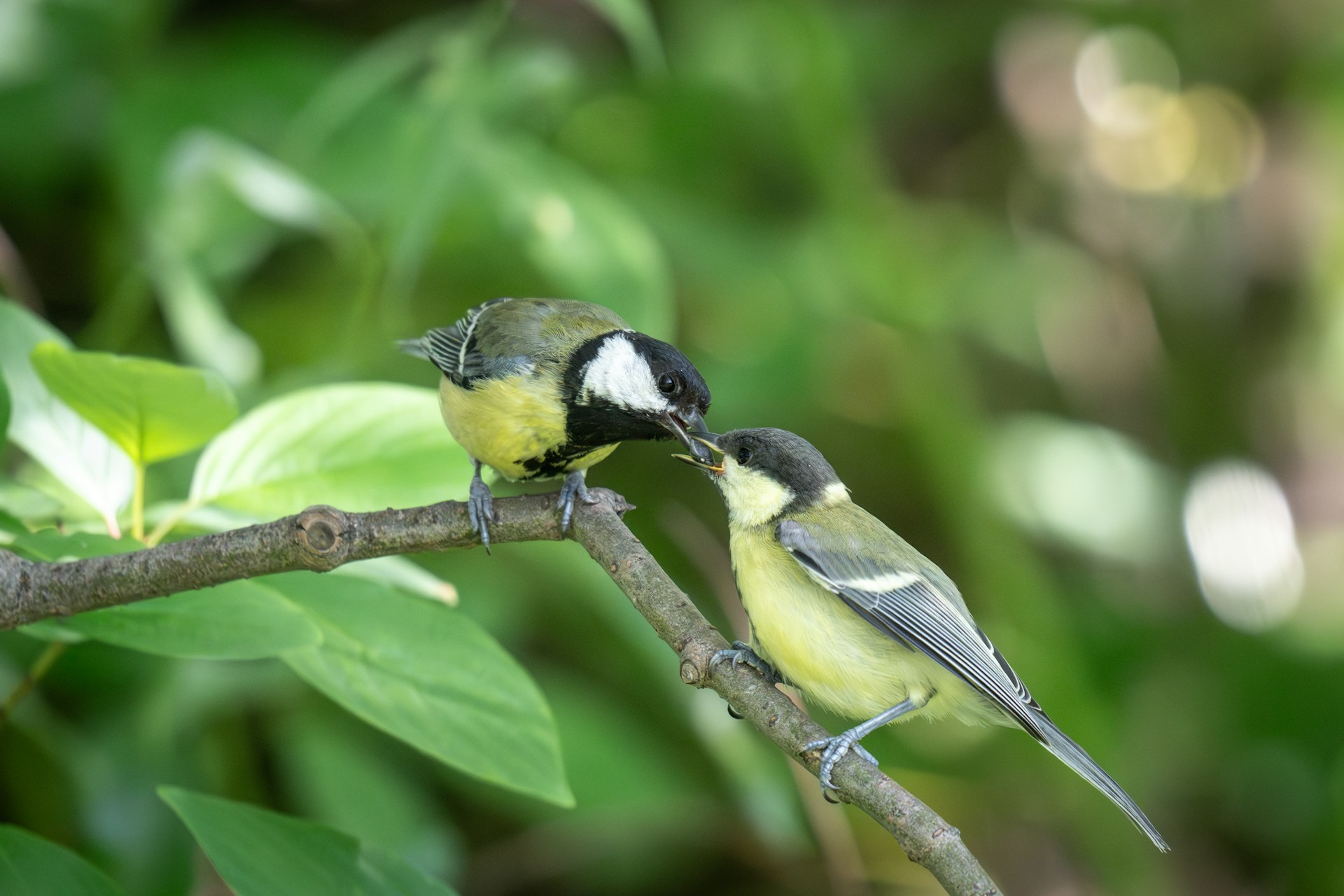
Spring is one of the most exciting times in the garden. Birds begin nesting, hedgehogs emerge from hibernation, frogs and toads return to ponds, and young animals take their first steps into the world. But it’s also a vulnerable time, small creatures face hazards that are easy to overlook when you’re busy gardening or tidying after winter.
This guide shows you how to make your garden a safe, welcoming place for young wildlife, using simple steps that protect the animals growing up right outside your door. If you’re preparing your garden for the breeding season, our How to Create a Wildlife Friendly Garden guide offers simple steps to make outdoor spaces safer for visiting animals.

Spring is full of new life, but it’s also full of challenges. Young animals are:
A few small adjustments can make a huge difference to their survival.
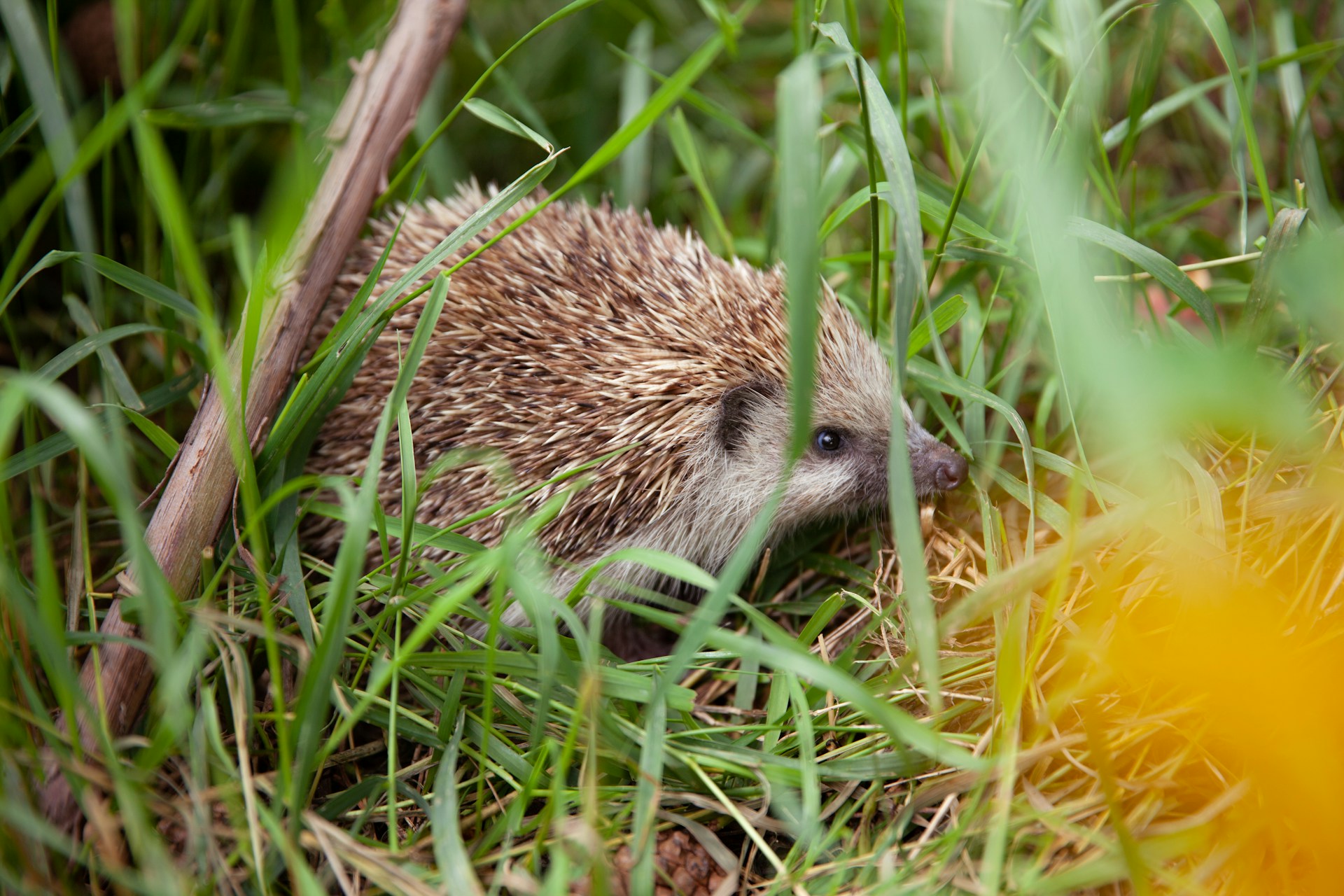
Many species raise their young in places you might not expect.
Knowing where wildlife shelters helps you avoid accidental disturbance. For help recognising the early signs of wildlife activity, our Simple Signs of Wildlife in Your Local Area guide can make it easier to notice what’s happening around you.
1. Check before you tidy
Before trimming hedges, moving logs, or clearing leaves, pause and look for:
A quick check can prevent accidental harm.
2. Keep pets supervised
3. Leave some areas undisturbed
A quiet corner with long grass or leaf litter gives young wildlife a safe place to hide.
4. Create safe routes
5. Be gentle with ponds
6. Avoid pesticides and weedkillers
These can harm young birds, insects, and amphibians.
A wildlife friendly garden thrives without them.
7. Keep netting and tools tidy
Loose netting, open compost bags, and sharp tools can trap or injure young animals.

Often seen hopping on the ground while parents feed them nearby.
Small, round, and active at dusk.
Tiny and numerous — often leaving ponds in early summer.
Playful, curious, and often exploring low branches.
Feeding on leaves and hiding in curled foliage.
Each species brings its own small signs of life to your garden.
See our Field Guides Gear Guide for simple advice on choosing beginner friendly wildlife books, including general wildlife guides, bird guides and pocket guides.
You don’t need specialist equipment, but a few simple items can help you keep your garden safe:

After spending a little time outdoors, pause and note:
“Which sign of young wildlife did I notice today?”
It might be a fledgling calling from a hedge, a tiny froglet near the pond, or simply the rustle of something small moving through the grass. These moments help you appreciate the new life unfolding around you.
If you’d like to start a simple nature journal, our beginner’s guide walks you through how to begin: How to Start a Wildlife Journal.

Spring is a season of growth and vulnerability. A few simple principles help keep your garden safe:
This calm, respectful approach is at the heart of NatureGuide.
Your garden can become a safe haven for young wildlife with just a few small changes. By slowing down, checking carefully, and leaving space for nature to unfold, you’re giving birds, mammals, amphibians, and insects the best possible start to the season. Each tiny movement or quiet rustle becomes a reminder of the new life growing all around you.