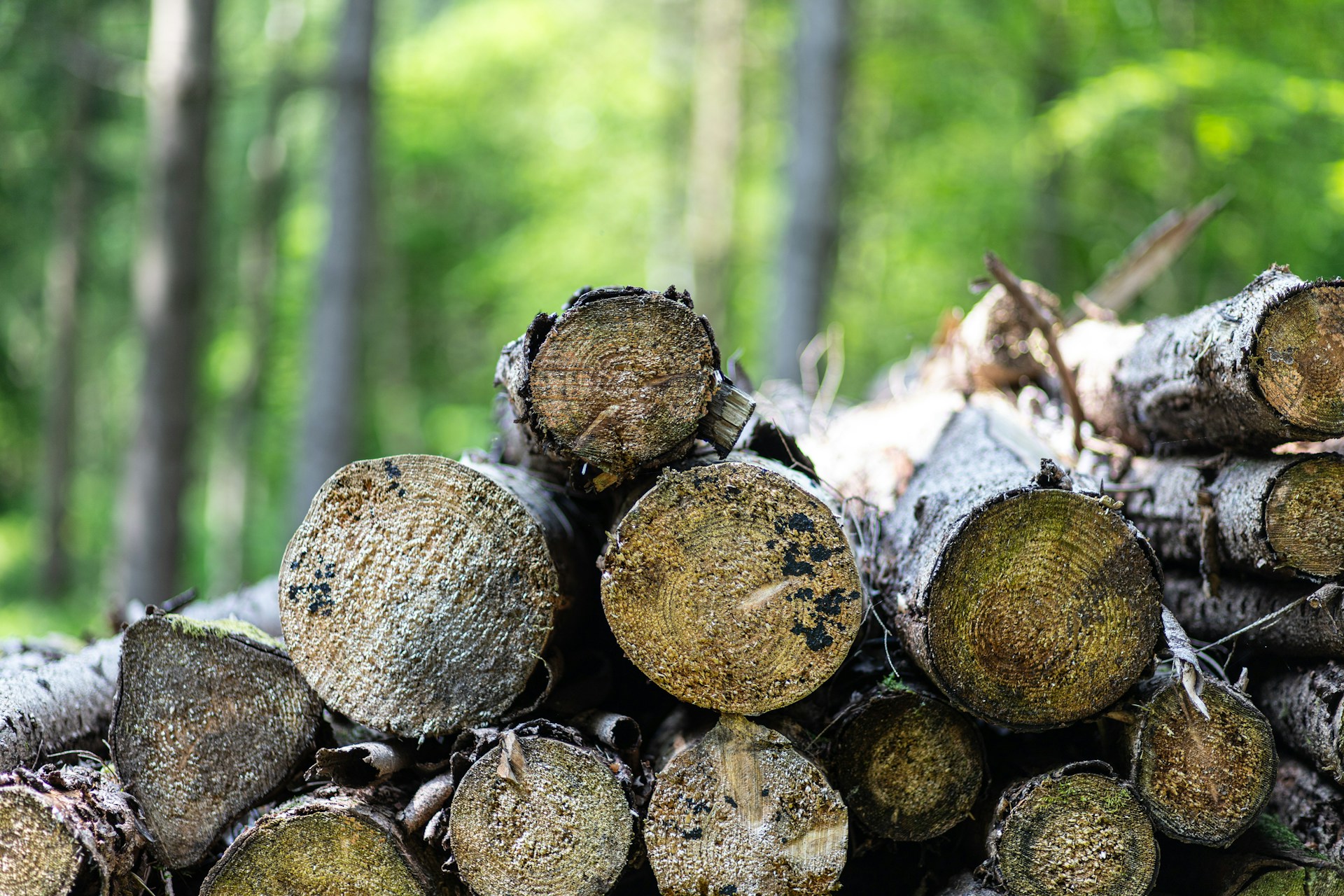
A simple log pile is one of the easiest and most rewarding habitats you can add to your garden. It takes just a few minutes to build, yet it becomes a quiet refuge for insects, amphibians, birds, and small mammals. Even a small stack of branches can transform an overlooked corner into a thriving micro‑habitat full of hidden life.
This guide shows you how to create a wildlife‑friendly log pile and what you might see once it settles in. If you enjoy simple garden projects that support nature, our How to Create a Wildlife‑Friendly Compost Heap guide offers another easy way to provide shelter for small creatures.

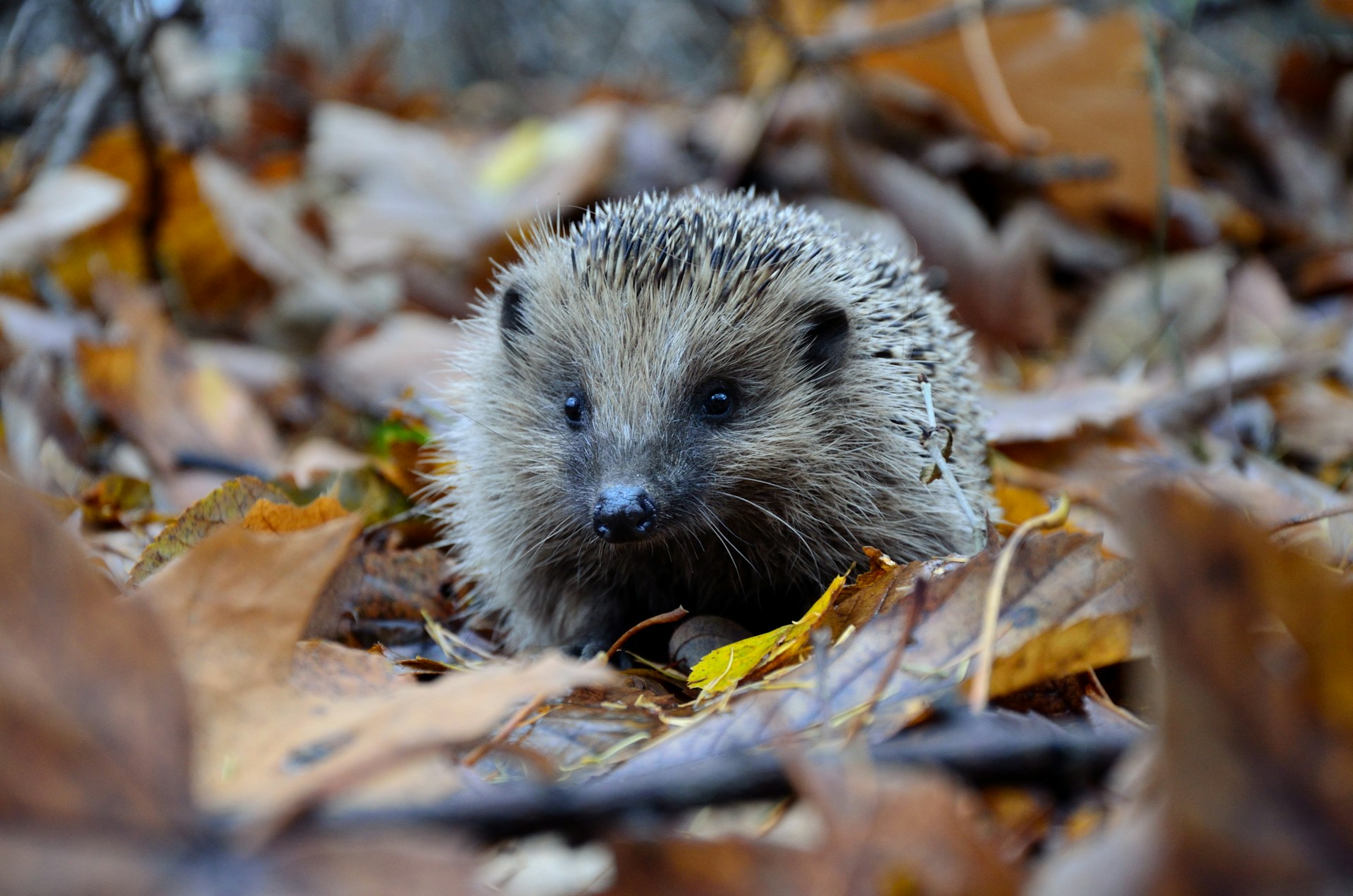
Dead wood is essential in nature. In woodlands, fallen branches and rotting logs support hundreds of species from beetles and woodlice to fungi, birds, and hedgehogs. By creating a log pile, you’re offering:
It’s one of the simplest ways to bring more wildlife into your garden.

A good location helps your log pile stay damp, stable, and inviting.
Look for:
Avoid:
Even a small space behind a shed or under a tree works beautifully.

You don’t need perfect logs or a specific design, nature prefers things a little messy.
1. Gather your materials
Use a mix of:
Different sizes create different hiding places.
2. Stack the logs loosely
Aim for a stable but airy structure. Gaps between logs are essential for insects and small animals.
3. Add layers
Alternate thick logs with smaller branches. This creates pockets of shade and moisture.
4. Keep it low and natural
A pile 30–60 cm high is ideal. It doesn’t need to be tall, just varied.
5. Let leaves and moss settle naturally
Leaf litter, fungi, and moss will appear over time. This is exactly what you want.
6. Leave it undisturbed
The less you tidy or move it, the more wildlife it will support.
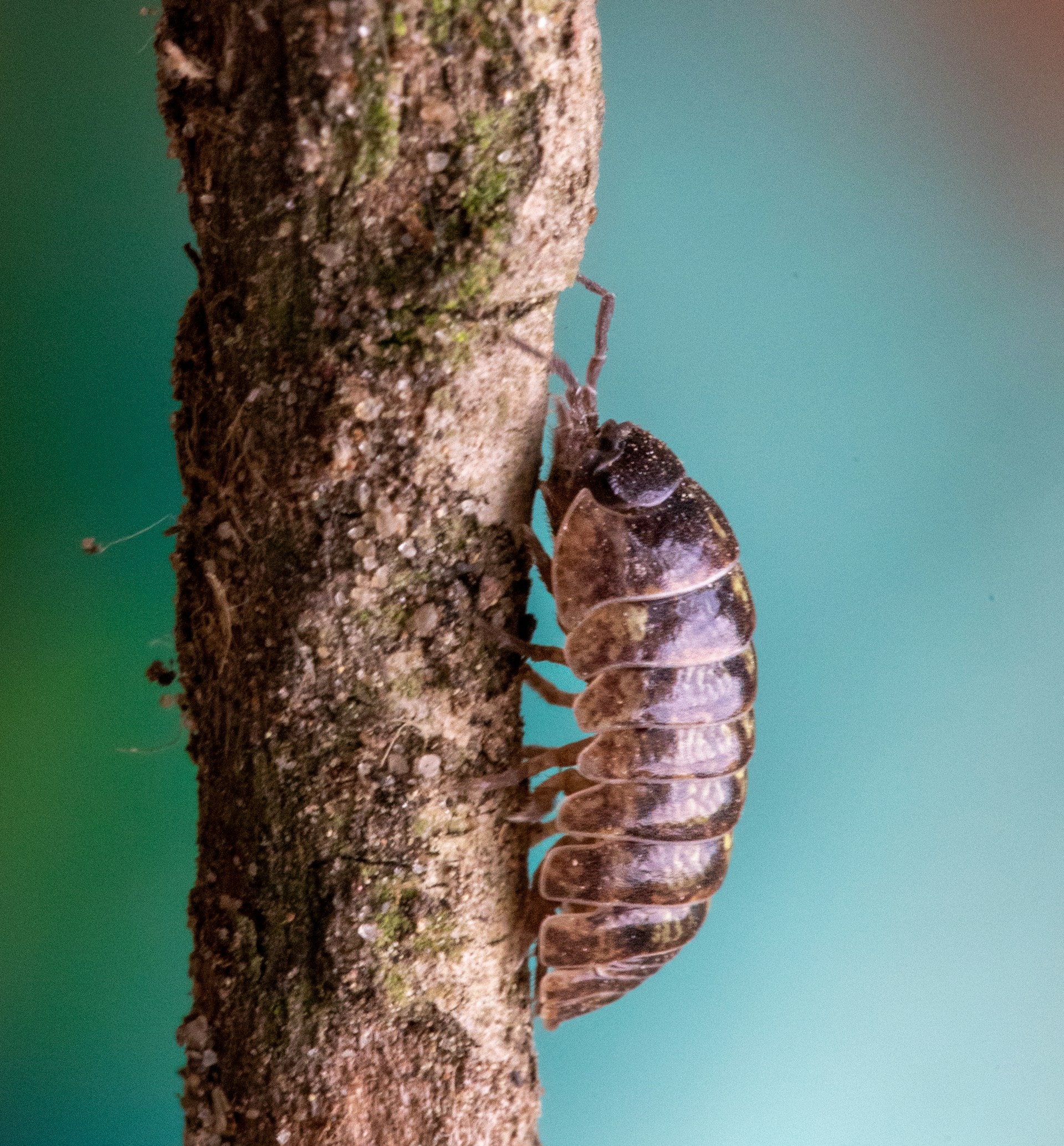
Log piles attract a surprising variety of species, especially as they age.
Insects
To learn more about the animals that might use your log pile, our Common UK Insects for Beginners guide introduces species you’re likely to encounter around decaying wood.
Amphibians
They use log piles for shelter during the day and in dry weather.
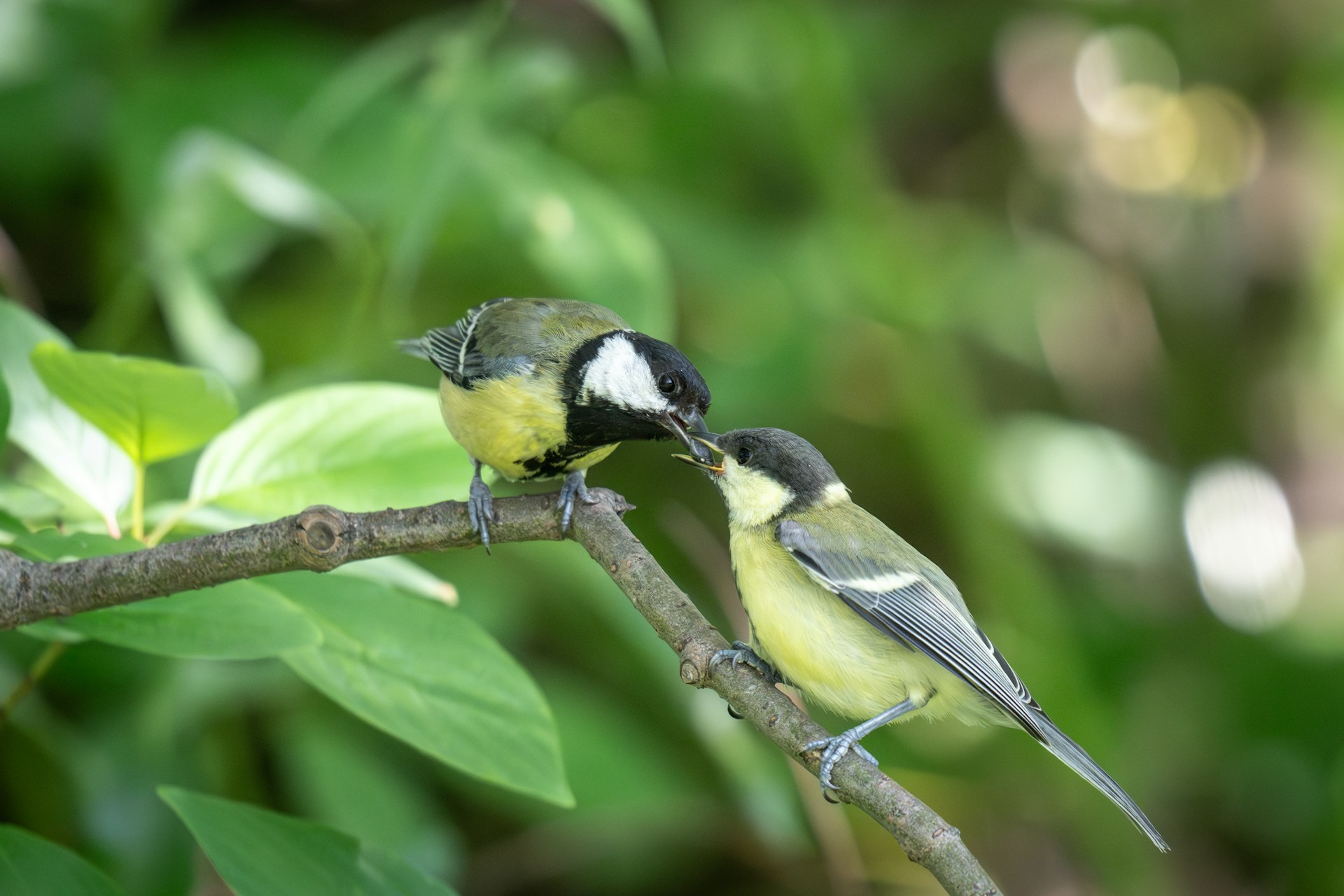
Birds
These species forage around log piles for insects.
Mammals
They use the pile for shelter and hunting.
Fungi and moss
As the wood decays, fungi and mosses begin to grow which is a sign your habitat is thriving.
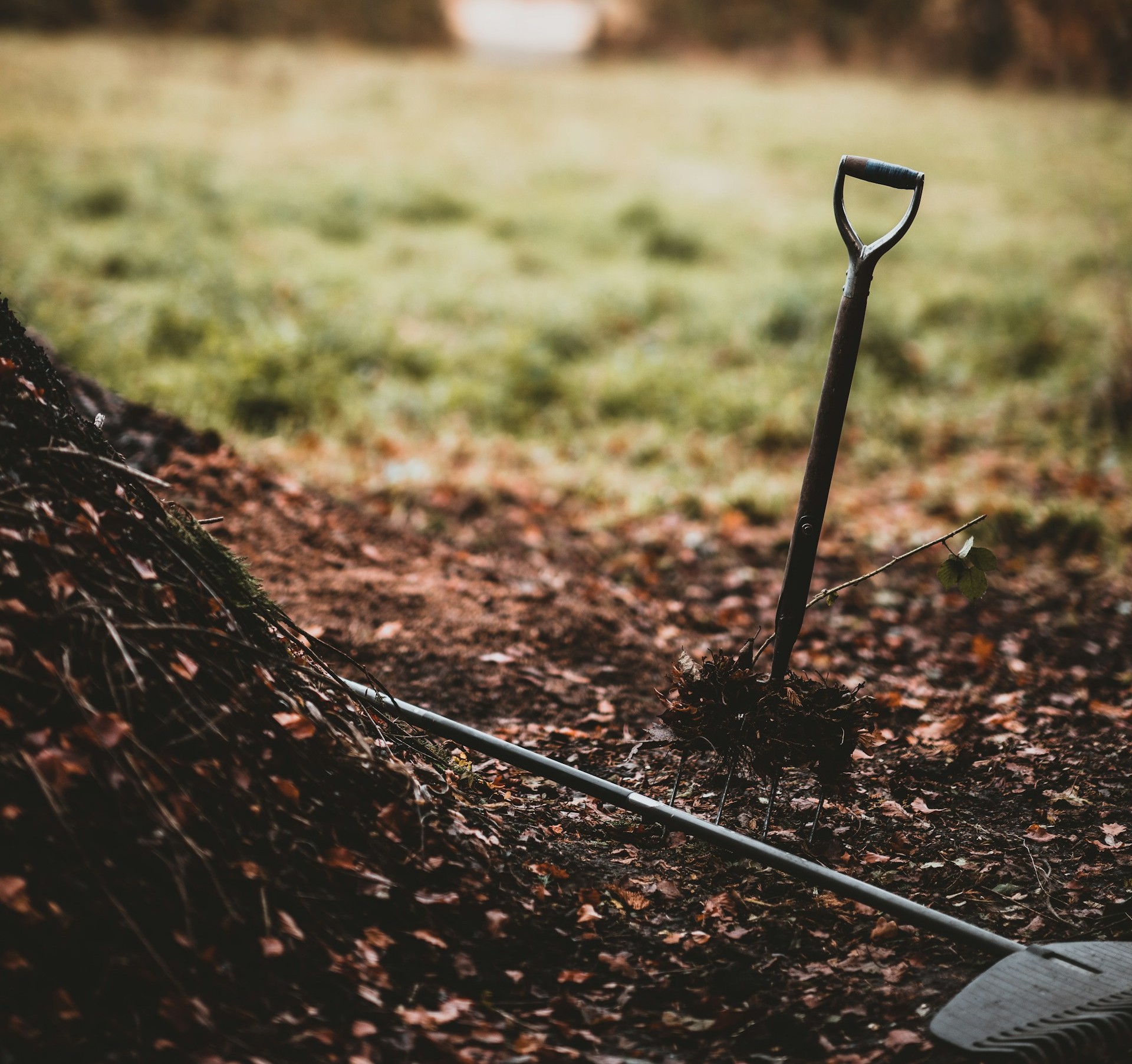
You don’t need specialist tools, but a few simple items make building a log pile easier:

After you’ve built your log pile, pause and note:
“What is the first sign of life I notice around the wood?”
It might be a beetle scurrying into a gap, a bird hopping nearby, or simply the way the pile settles into the landscape. These early observations help you appreciate how quickly wildlife responds to even small changes.
If you’d like to start a simple nature journal, our beginner’s guide walks you through how to begin: How to Start a Wildlife Journal.
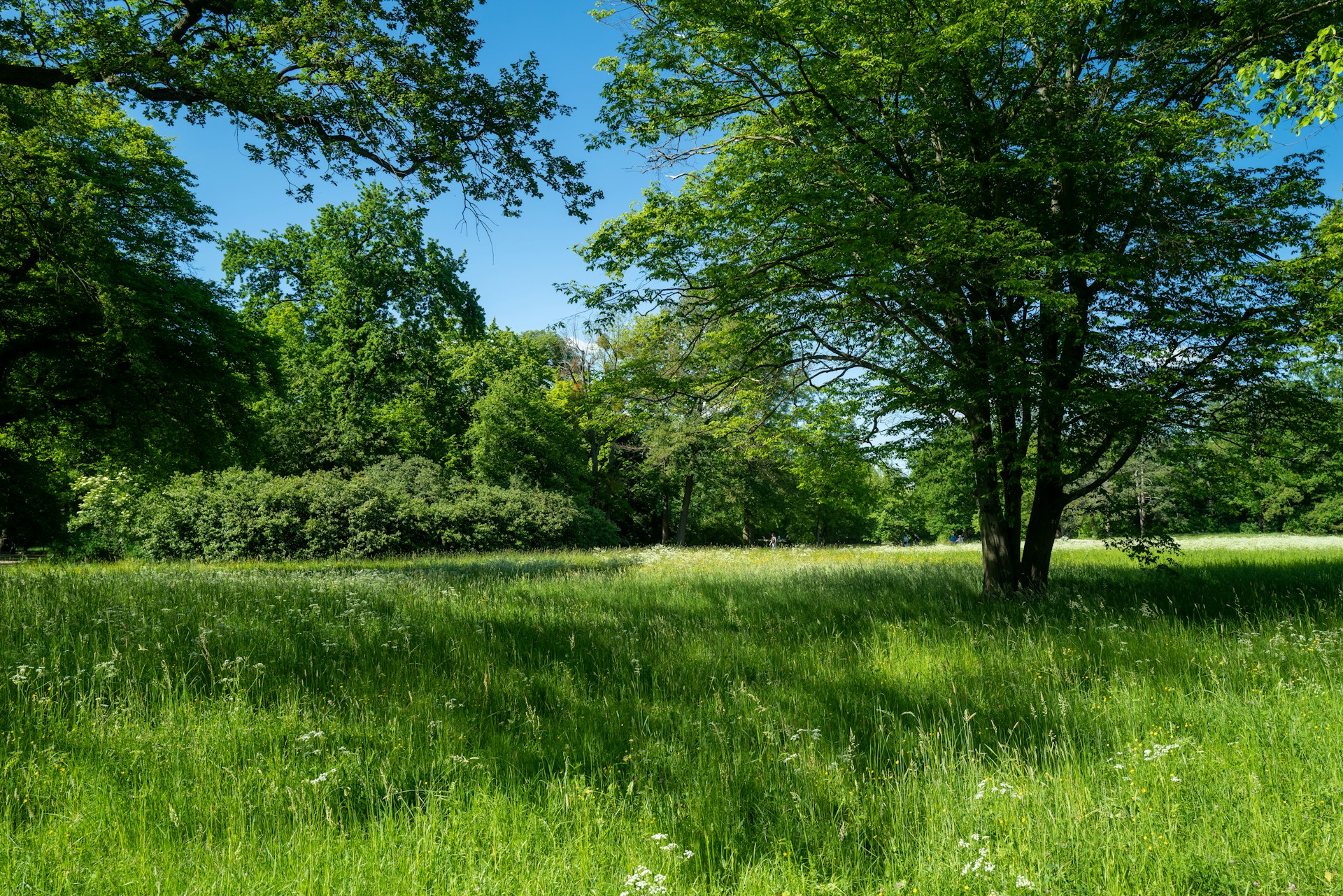
A log pile is a place of shelter, moisture, and quiet. A few simple principles help keep it safe:
This gentle, hands‑off approach is at the heart of NatureGuide.
A log pile may look simple, but it becomes a small world of its own; full of hidden movement, quiet shelter, and slow transformation. By creating one, you’re offering a safe haven for countless species and inviting a deeper connection with the wildlife in your garden. Even the smallest pile can make a meaningful difference.