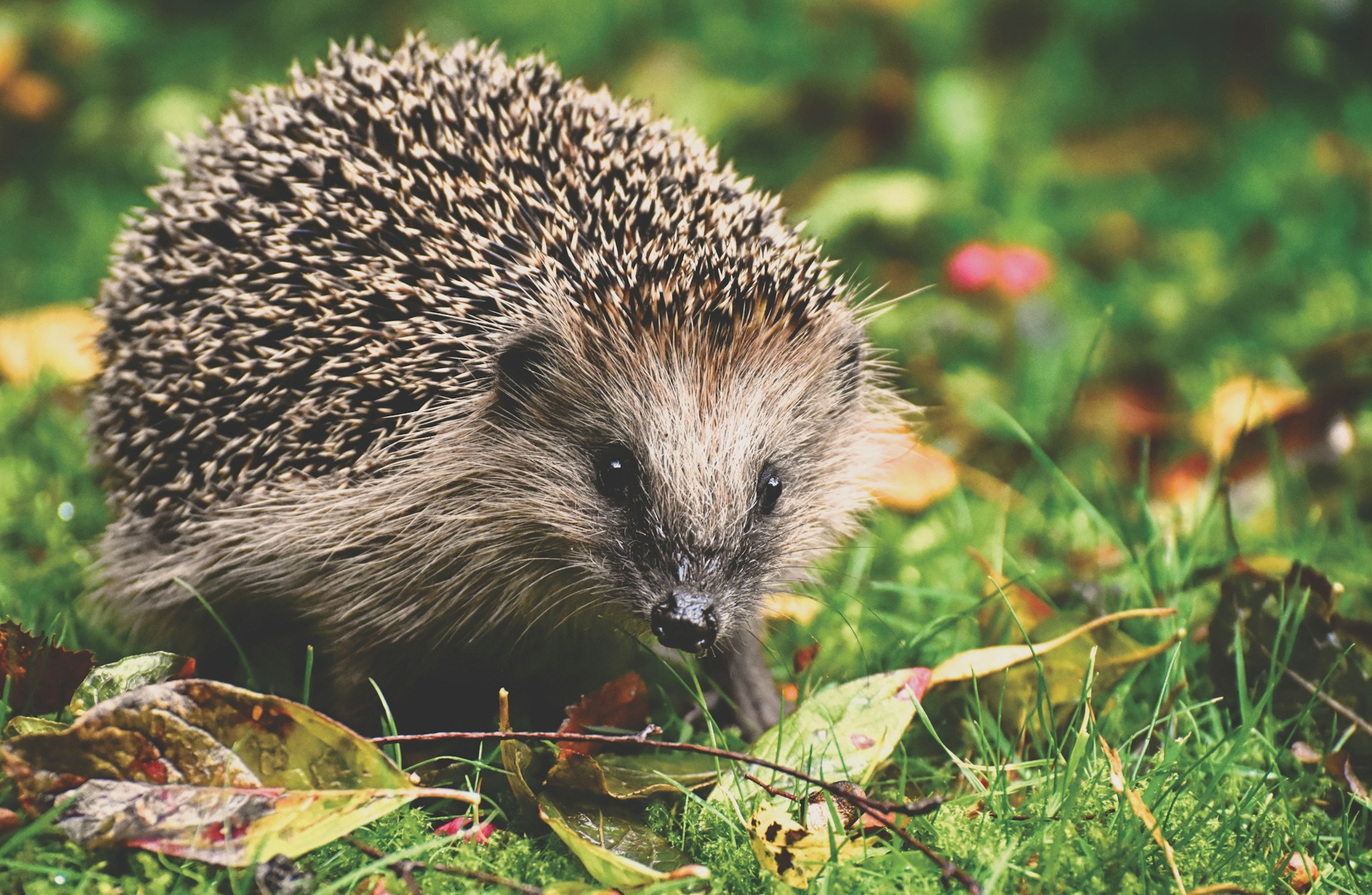
Hedgehogs are one of the UK’s most loved garden mammals, and with a few simple steps you can make your outdoor space a safe, welcoming place for them. This guide explains how to spot hedgehogs at dusk, the signs they leave behind, and the behaviours that help you recognise them quickly and confidently. You’ll also learn how to support local hedgehogs with food, shelter and safe access routes, giving you the best chance of seeing these wonderful animals up close without causing any disturbance.
If you’re making your garden more welcoming for wildlife, our How to Create a Wildlife‑Friendly Garden guide offers simple steps to support a wide range of species.
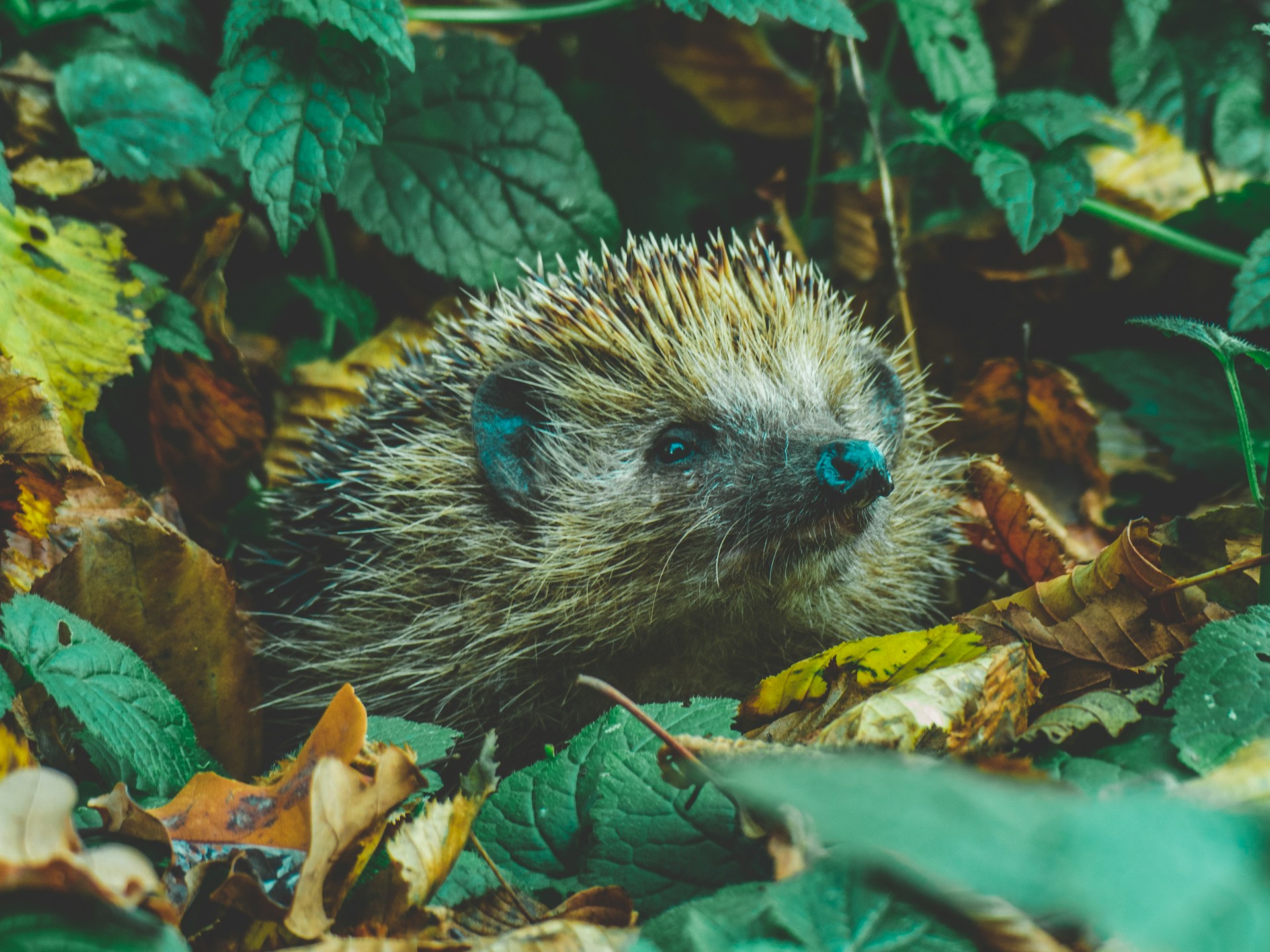
Hedgehogs prefer places with:
They’re surprisingly adaptable and can thrive in:
Beginner insight:
If your garden has a mix of shelter and open ground, you’re already halfway to attracting hedgehogs.

Hedgehogs are nocturnal, so your best chance is:
They hibernate from roughly November to March, though mild winters can shift this slightly.
Beginner tip:
Listen for rustling in leaves or gentle snuffling sounds, hedgehogs are surprisingly noisy for their size.
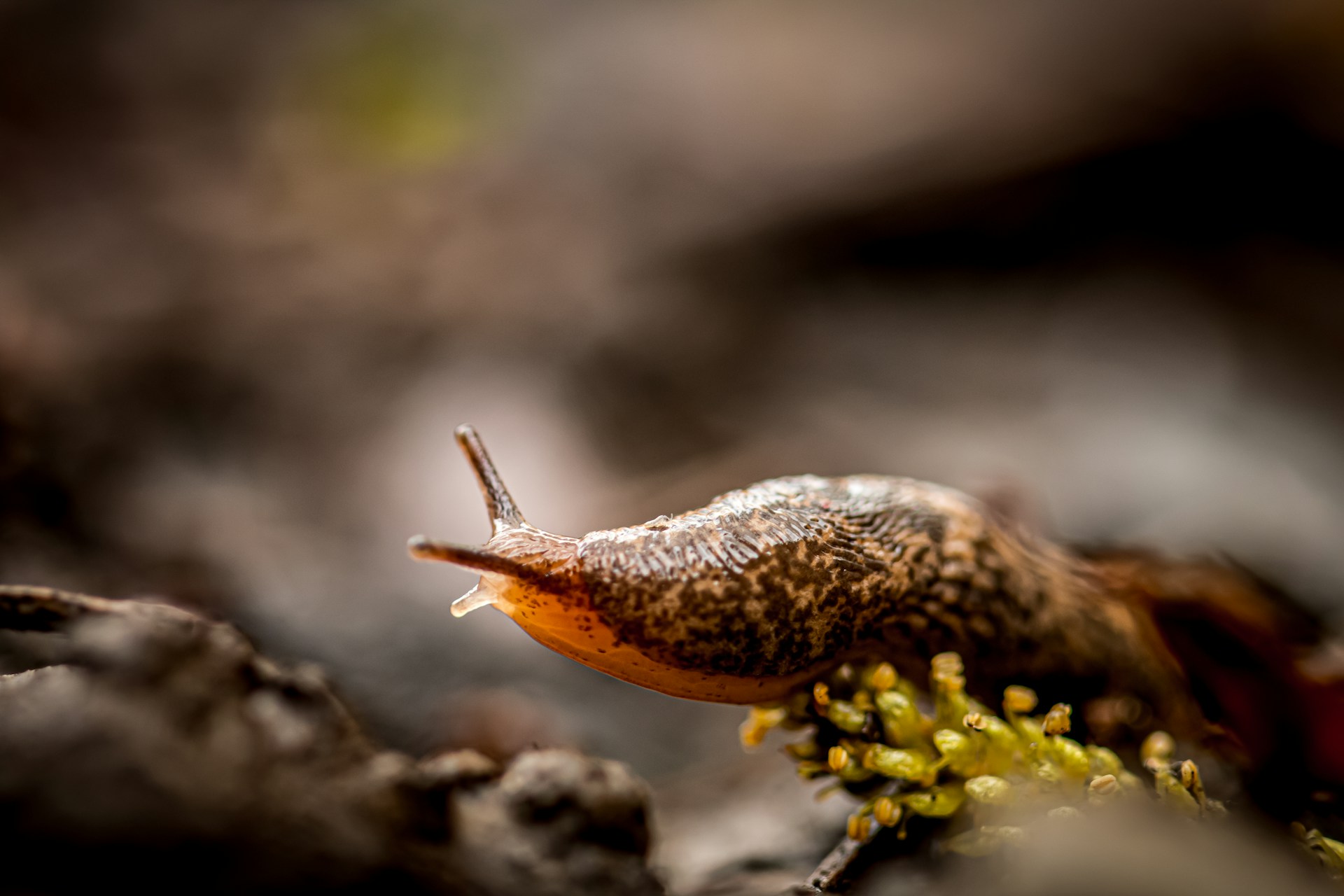
Hedgehogs are natural pest controllers. Their diet includes:
To learn more about the insects hedgehogs often feed on, our Common UK Insects for Beginners guide introduces species you’re likely to see around gardens and parks.
If you want to help them, you can offer:
Never give:
.jpg)
1. Create a Hedgehog Highway
Hedgehogs roam up to 2 km a night.
A simple 13cm × 13cm hole at the bottom of your fence lets them move safely between gardens.
2. Add Shelter
Hedgehogs love:
These provide nesting spots and protection from predators.
3. Offer Water
A shallow dish of fresh water is one of the most helpful things you can provide.
4. Avoid Pesticides
Slug pellets and insecticides reduce natural food sources and can poison hedgehogs.
5. Check Before You Strim
Hedgehogs curl up when scared they don’t run.
Always check long grass, compost heaps, and log piles before using tools.
Even if you don’t see a hedgehog directly, look for:
These clues help you learn their routes and habits.
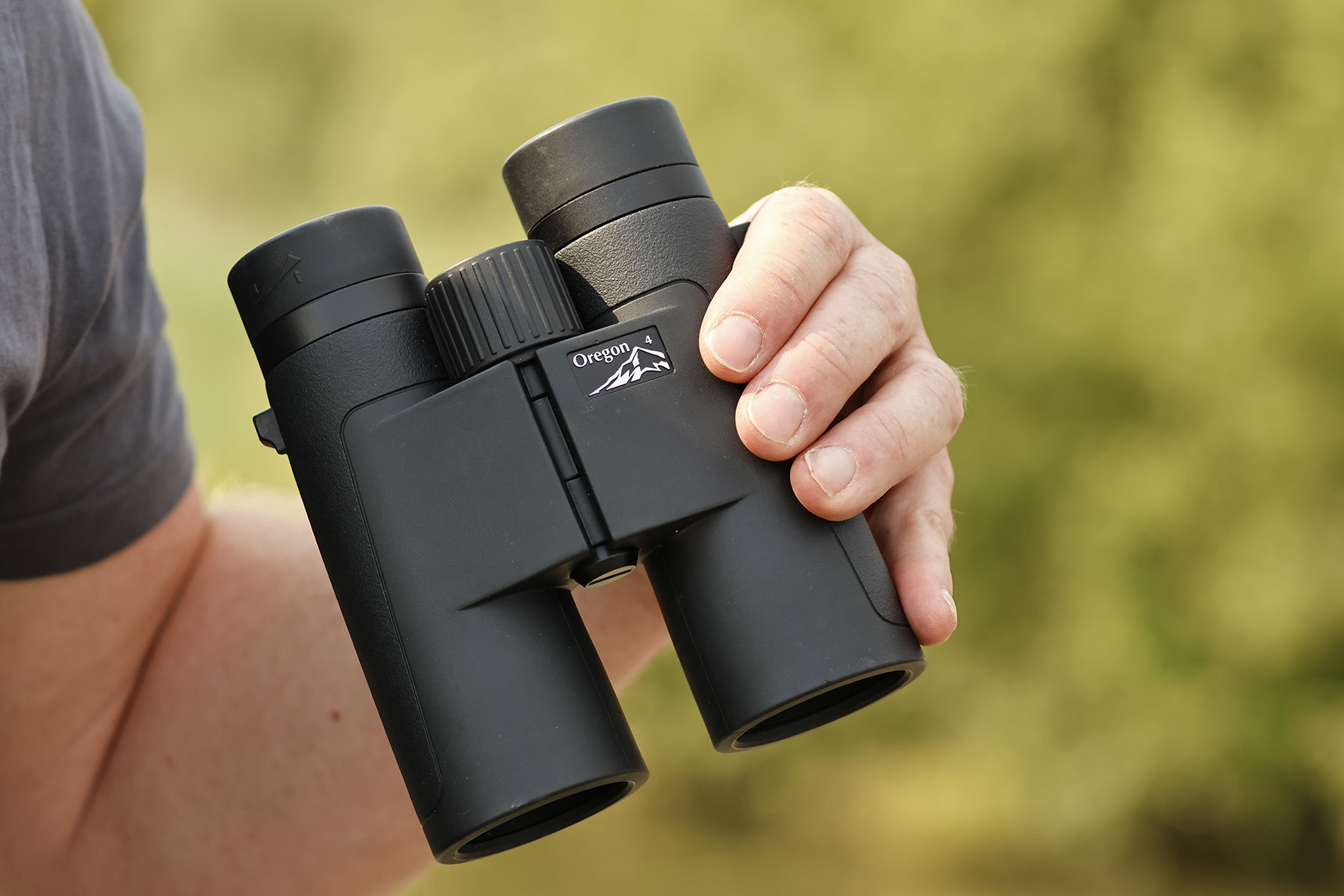
See our Beginner Binoculars Guide for simple advice on choosing your first pair, including what magnification means, how much to spend, and which models are genuinely beginner‑friendly.
See our Field Guides Gear Guide for simple advice on choosing beginner friendly wildlife books, including general wildlife guides, bird guides and pocket guides.
You don’t need specialist equipment to enjoy hedgehog watching, but a few simple items can make your garden safer and your observations easier:

Choose a quiet moment after dusk and sit somewhere still in your garden or by an open window.
Write down:
The sounds you notice before anything appears
How the air feels at this time of night
Any rustles, snuffles, or movements that hint a hedgehog might be nearby
Even if you don’t see one, these small sensory notes help you tune into the gentle rhythm of hedgehog activity and build a deeper connection with your garden at night.
If you’d like to start a simple nature journal, our beginner’s guide walks you through how to begin: How to Start a Wildlife Journal.
Hedgehogs are easily disturbed, especially when feeding or moving through gardens at night. Quiet, patient watching helps them feel safe enough to forage naturally without stress or interruption.
To protect wildlife and enjoy natural behaviour, we follow a simple approach:
This calm, ethical approach is at the heart of NatureGuide.
Hedgehog watching is one of the most rewarding wildlife experiences you can have at home.
With a few small changes such as a hole in a fence, a dish of water, a quiet corner you can turn your garden into a safe haven for one of the UK’s most beloved mammals.
And once they start visiting, you’ll quickly learn their personalities, routines, and quirks.
It’s a gentle, grounding way to connect with nature right outside your door.