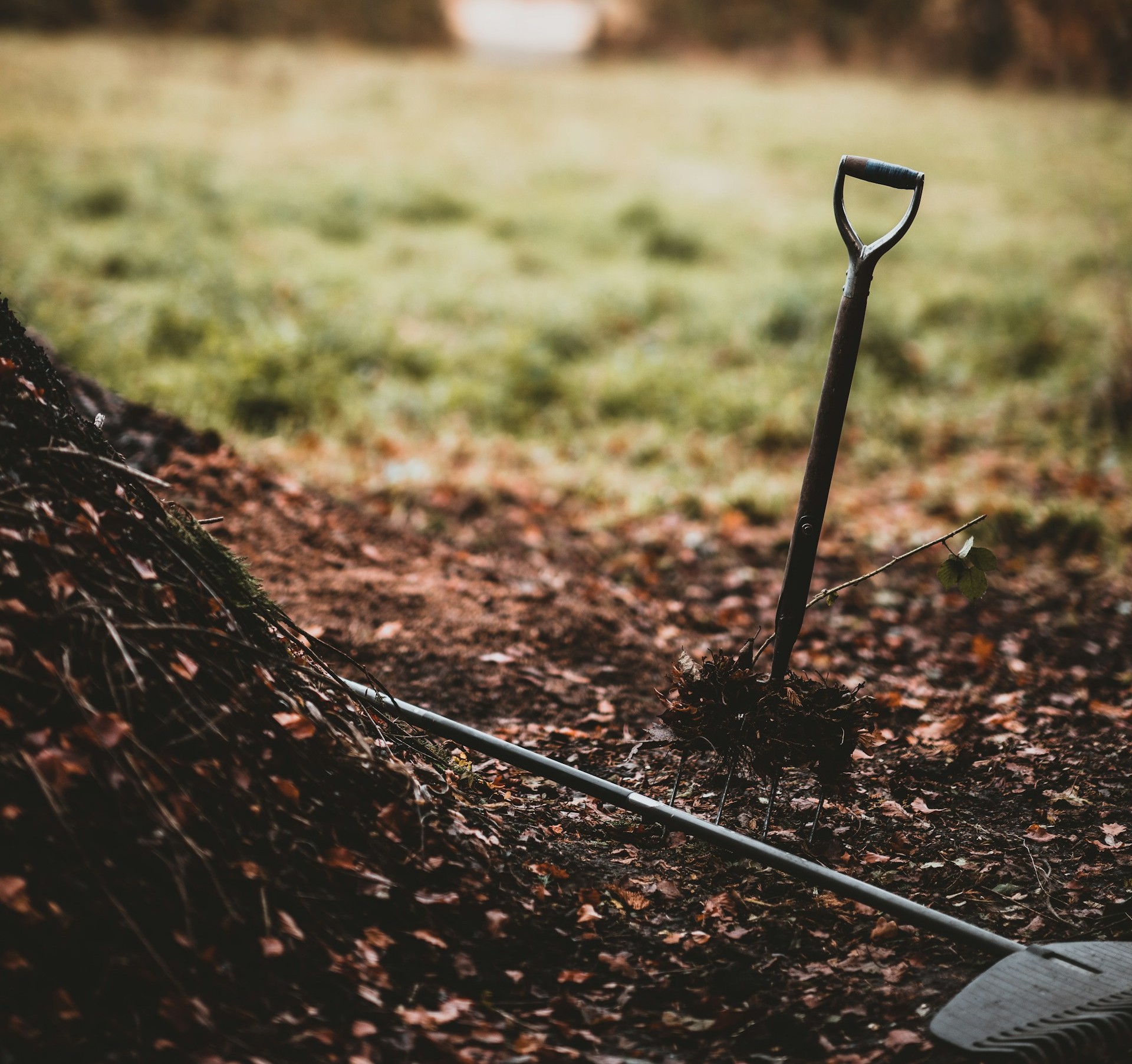
A compost heap is more than a place to recycle garden waste. It’s a warm, sheltered habitat that supports an incredible range of wildlife. From beetles and worms to frogs, slow worms, and hedgehogs, a compost heap becomes a quiet refuge where life thrives beneath the surface. Even a small pile of natural materials can make a meaningful difference.
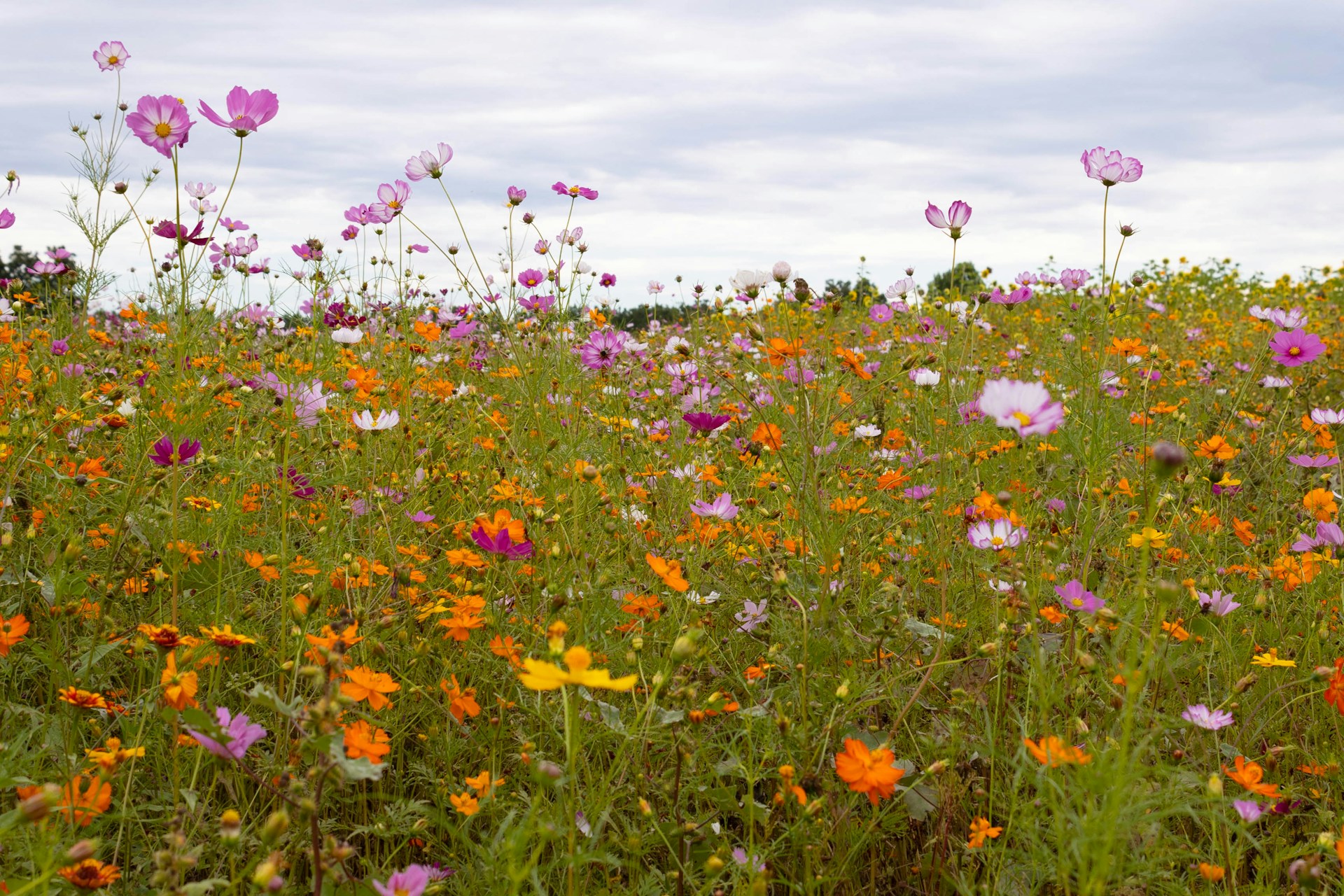
This guide shows you how to create a simple, wildlife friendly compost heap that benefits both your garden and the creatures that live in it. If you enjoy making your garden more welcoming to nature, our How to Create a Mini Wildflower Patch guide offers another easy project that supports insects and small animals.
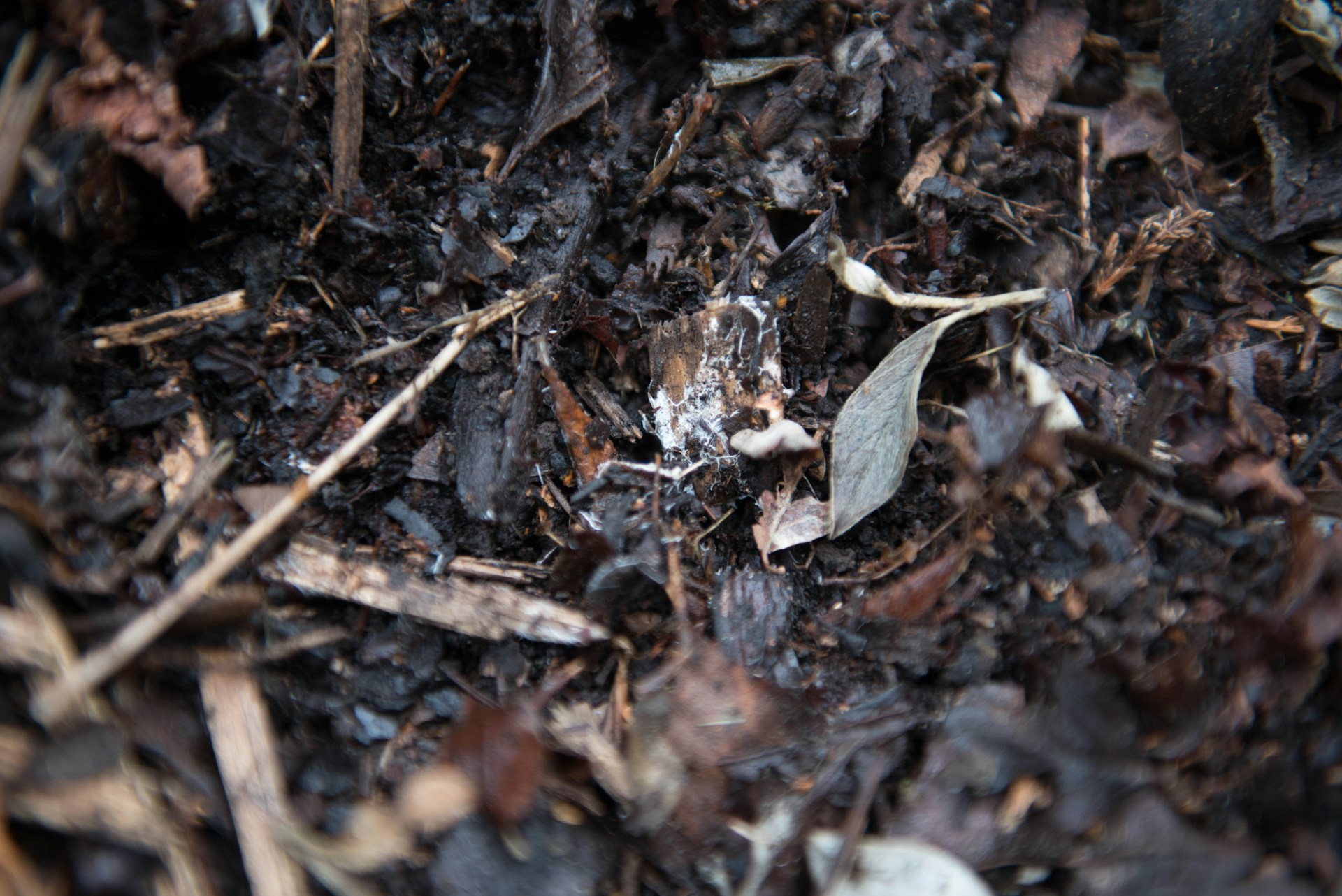
A compost heap offers far more than nutrient rich soil. It provides:
It’s one of the easiest ways to support wildlife while reducing waste.
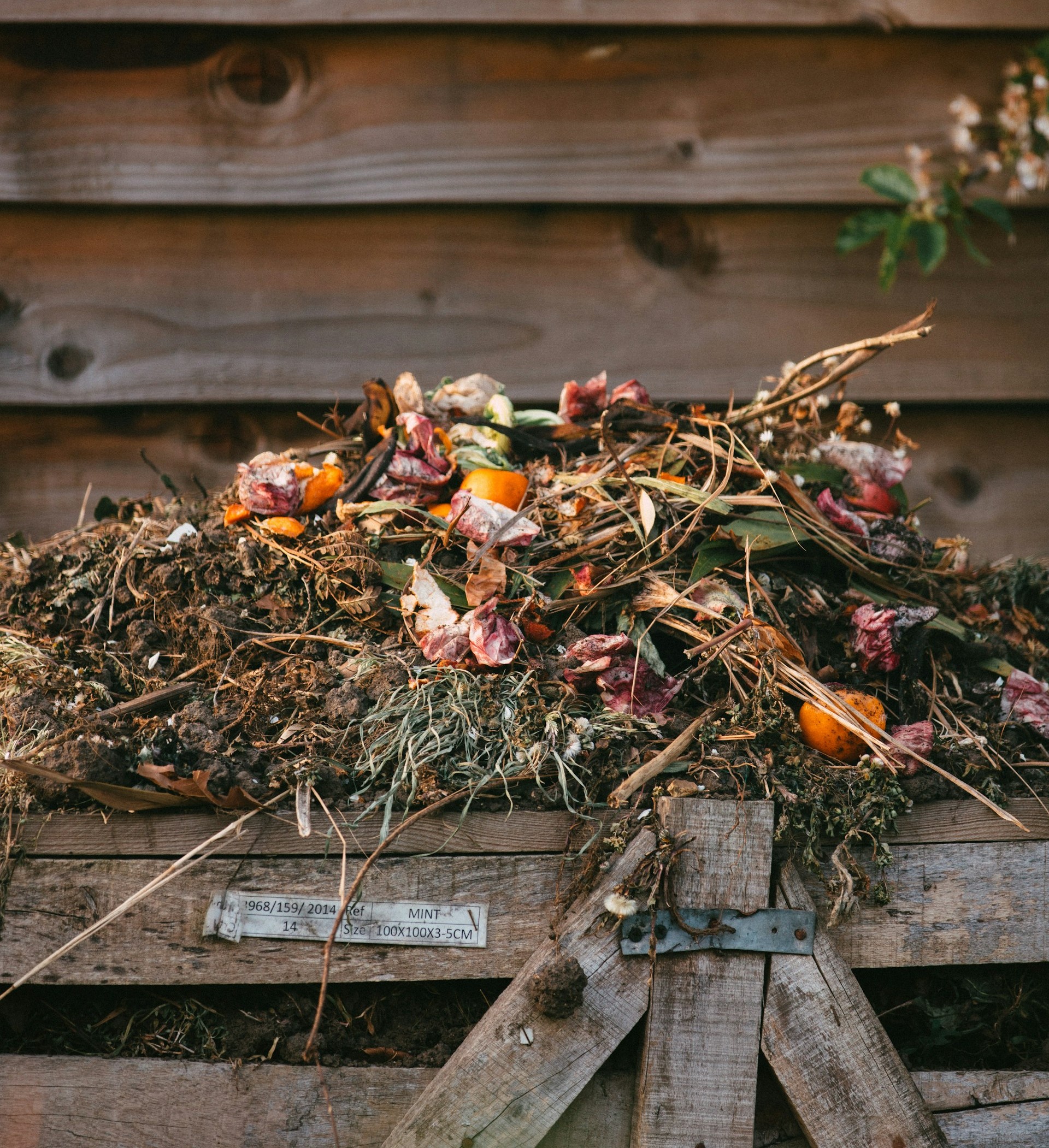
A good location helps your compost heap stay warm, moist, and inviting.
Look for:
Avoid:
Even a small space behind a shed or under a tree works beautifully.
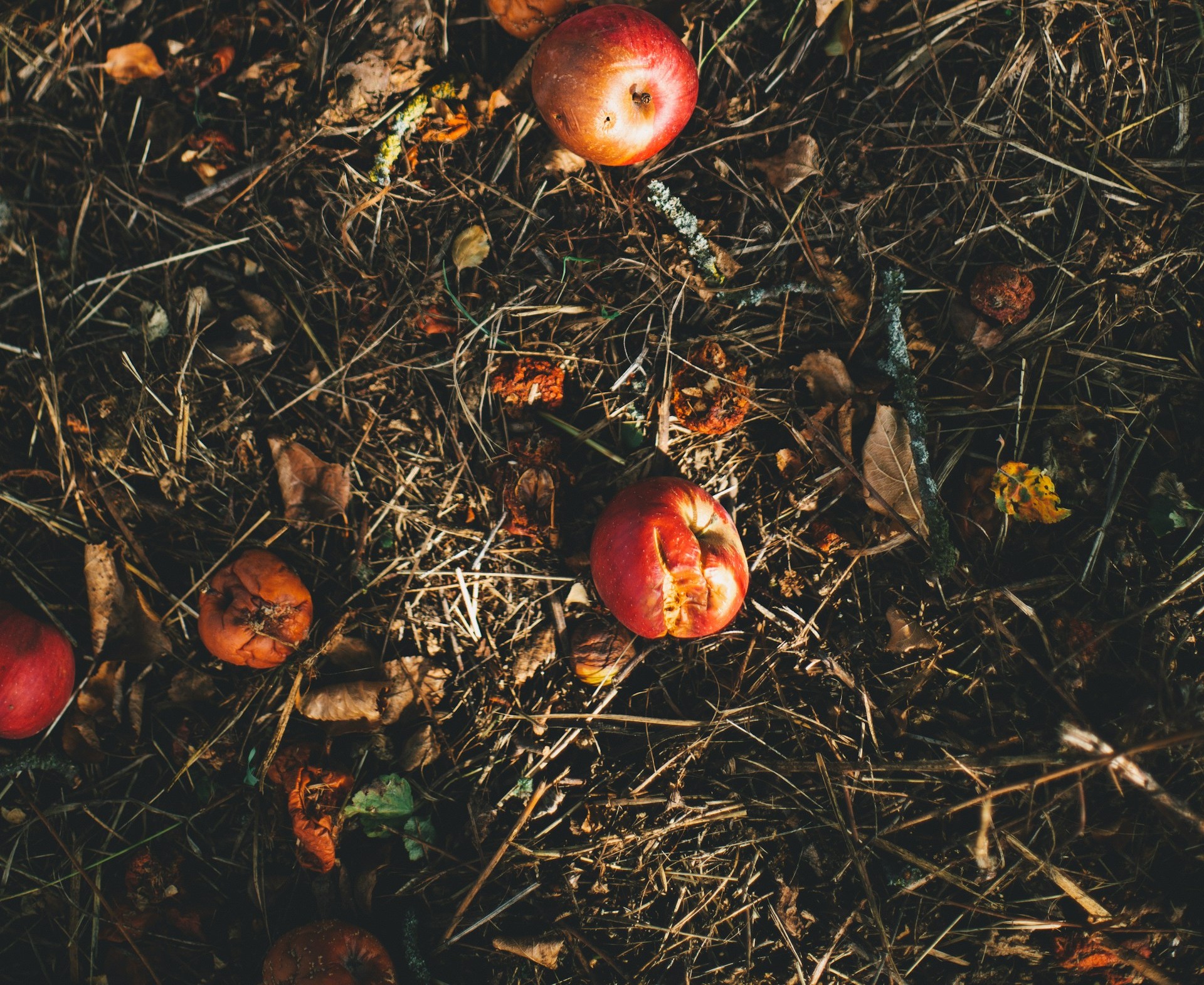
You don’t need a fancy bin, a loose pile works just as well.
1. Start with a base layer
Use twigs, small branches, or straw to create airflow at the bottom.
2. Add a mix of “greens” and “browns”
Greens: grass cuttings, vegetable scraps, coffee grounds
Browns: dry leaves, cardboard, shredded paper, small twigs
A good mix keeps the heap healthy and active.
3. Keep the structure loose
Wildlife needs gaps and pockets to move through. Avoid compacting the heap.
4. Add materials gradually
Small, regular additions keep the heap warm and inviting.
5. Leave one side undisturbed
This gives wildlife a safe, stable area to shelter.
6. Avoid turning the heap too often
Turning is good for composting, but too much disturbance can harm wildlife.
Once or twice a year is enough.
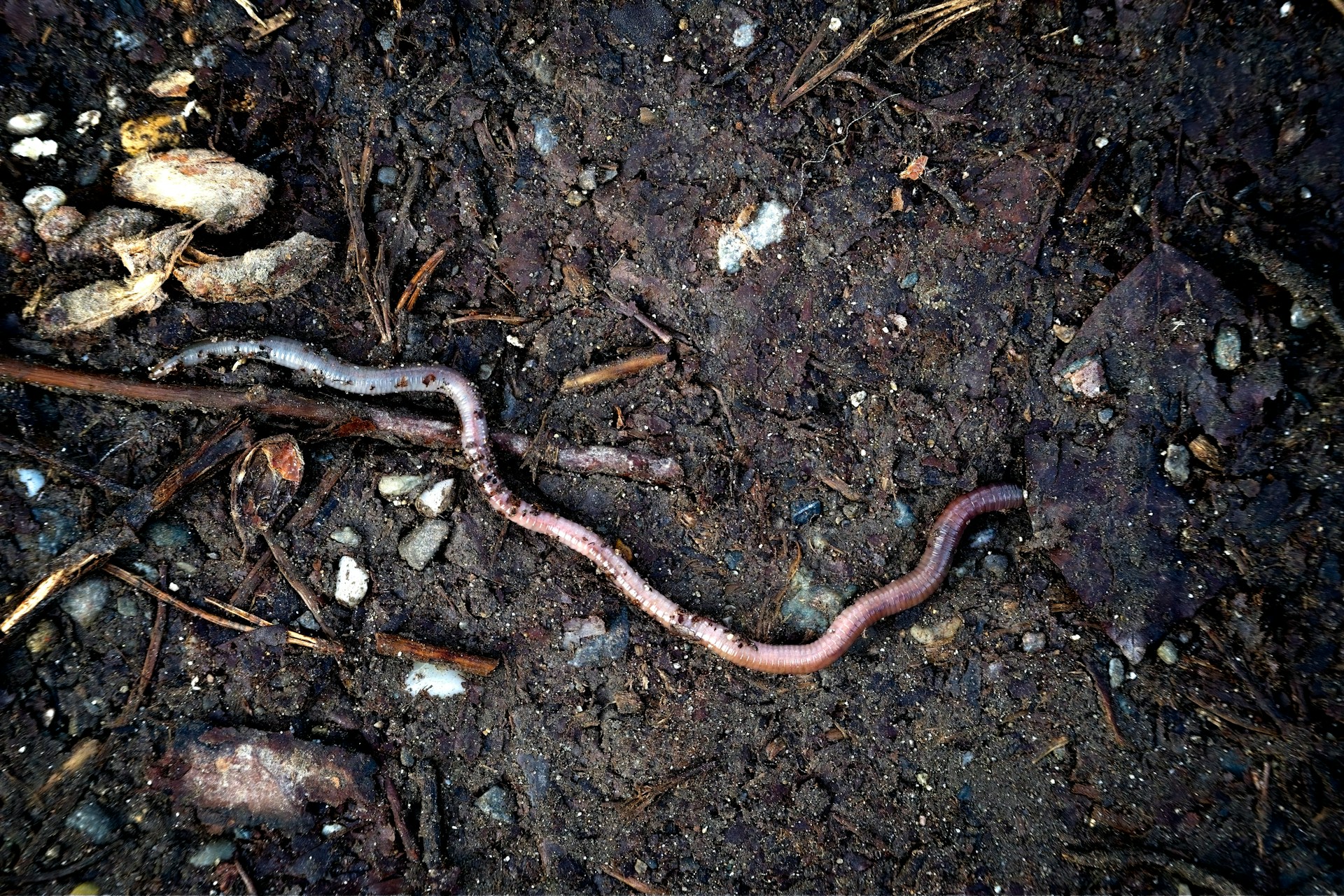
A compost heap becomes a miniature ecosystem full of hidden life.
These creatures break down organic matter and enrich your soil.
They use compost heaps for warmth and shelter.
They may bask nearby or shelter within the heap.
They use compost heaps for warmth and hunting insects.
Each species plays a role in keeping your garden healthy. To understand how different species use gardens throughout the year, our Seasonal Wildlife in Summer guide explains what changes as the weather warms.
You don’t need specialist tools, but a few simple items make composting easier:
A few simple steps help protect the creatures that use your heap:
A gentle, hands off approach works best.

After spending a moment near your compost heap, pause and note:
“What small sign of life did I notice today?”
It might be a beetle moving through the leaves, a rustle from within, or simply the warmth rising from the heap. These small clues reveal the hidden world your compost supports.
If you’d like to start a simple nature journal, our beginner’s guide walks you through how to begin: How to Start a Wildlife Journal.
A compost heap is most valuable when it’s allowed to develop naturally. A few simple principles help keep it wildlife friendly:
This calm, respectful approach is at the heart of NatureGuide.
A wildlife friendly compost heap is a quiet powerhouse; recycling your garden waste while offering warmth, shelter, and food to countless species. By creating a simple, undisturbed pile of natural materials, you’re supporting the hidden life of your garden and inviting a deeper connection with the creatures that share it.