
Fungi are some of the most overlooked treasures in the natural world. They appear quietly on fallen logs, tree trunks, mossy banks, and the forest floor; often unnoticed unless you pause and look closely. Once you begin spotting them, woodland walks take on a whole new sense of curiosity and wonder.
This gentle guide introduces the common fungi you’re likely to see throughout the year and helps you notice the subtle signs that reveal their presence. If you enjoy exploring woodland habitats, our How to Track Wildlife in Your Local Area guide explains the subtle signs animals leave behind on forest floors.

Fungi are essential to healthy ecosystems. They break down fallen wood, recycle nutrients, support trees through underground networks, and create habitats for insects and small mammals. Even the smallest toadstool or bracket fungus is part of a much bigger story unfolding beneath your feet.
For beginners, fungi are perfect to observe because:
Once you start noticing them, you’ll see them everywhere.
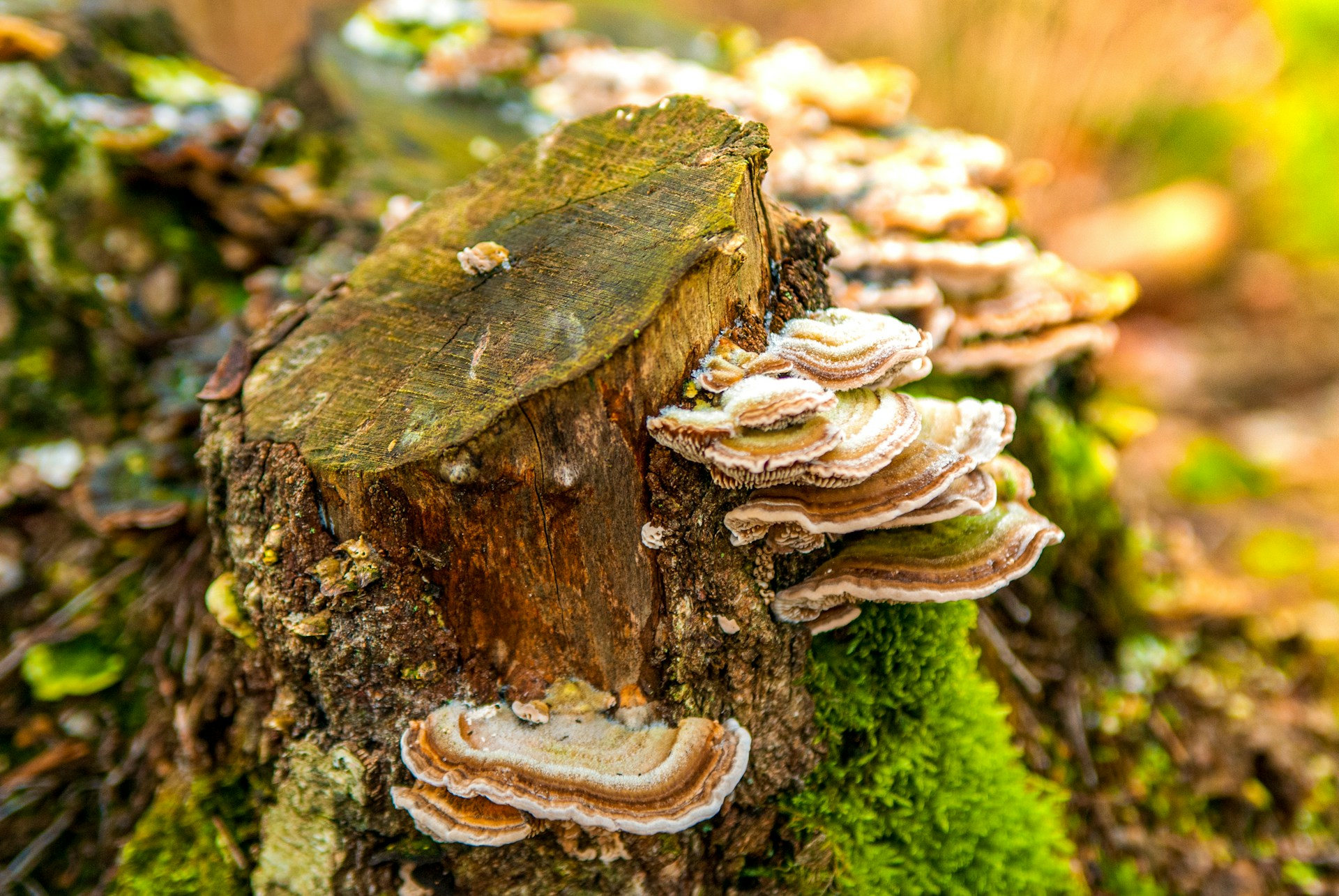
Fungi thrive in places with moisture, shade, and decaying material. Some of the best spots include:
Fallen logs and stumps
Look for clusters of small mushrooms, colourful brackets, or jelly‑like forms growing on old wood.
Tree trunks and branches
Many fungi grow directly on living or dead trees, especially beech, oak, and birch.
Leaf litter and mossy banks
The forest floor is full of tiny species that blend into the leaves and soil.
Shaded paths and damp hollows
Moisture encourages growth, especially after rain.
Rotting wood piles
These are hotspots for fungi, insects, and other woodland life.
Move slowly, pause often, and let your eyes adjust to the textures and shapes around you.

You don’t need to identify every species, simply noticing patterns, colours, and shapes is enough. Here are some of the most recognisable fungi you might encounter:
Bracket fungi
Shelf‑like layers growing on tree trunks or logs. They can be brown, grey, orange, or striped. Present year‑round.
Toadstools and classic mushrooms
Small caps with slender stems, often appearing in clusters. Colours range from brown and cream to bright red or orange.
Puffballs
Round, soft fungi found on the ground or rotting wood. When mature, they release a small cloud of spores when touched (observe, don’t disturb).
Jelly fungi
Bright orange, yellow, or brown blobs with a soft, jelly‑like texture. Often found on fallen branches.
Birch polypore
A smooth, pale bracket fungus commonly found on birch trees. Easy to recognise and present most of the year.
Turkey tail
A beautiful, fan‑shaped fungus with colourful, concentric rings. Very common on dead wood.
These species are widespread, beginner‑friendly, and easy to photograph. To understand how seasonal changes affect what you’re likely to find, our Seasonal Wildlife in Summer guide highlights the shifts that happen as temperatures rise.

After your walk, pause for a moment and note:
“Which fungi shape or colour caught my attention today?”
It might be a tiny cup fungus on a mossy log, a bright bracket on a tree trunk, or simply the texture of the woodland floor. These small observations help you slow down and connect more deeply with the landscape.
If you’d like to start a simple nature journal, our beginner’s guide walks you through how to begin: How to Start a Wildlife Journal.
.jpg)
Fungi are delicate and play vital roles in woodland ecosystems. A few simple principles help you enjoy them without causing harm:
Look closely, but avoid touching or picking
Stay on paths where possible to protect fragile habitats
Photograph fungi rather than collecting them
Avoid disturbing logs or rolling over wood
Keep pets from trampling sensitive areas
Many fungi are protected, and some are poisonous; observing without handling is the safest and most ethical approach.
This calm, ethical approach is at the heart of NatureGuide.
Fungi reveal a quieter side of the natural world; one that rewards patience, curiosity, and close attention. Whether you spot a colourful bracket on a tree or a tiny mushroom hidden among leaves, each discovery adds depth to your woodland walks. Once you begin noticing fungi, the forest becomes a richer, more magical place.