Few summer wildlife moments are as uplifting as seeing a butterfly drift across a garden or meadow. Their colours, gentle flight, and warm weather activity make them some of the easiest insects for beginners to enjoy. You do not need specialist knowledge to recognise them. Once you know a few simple features, butterflies become familiar and rewarding to watch.
This guide introduces the species you are most likely to see in summer, how to identify them, and where to find them across the UK.
If you enjoy watching insects, our Common UK Insects for Beginners guide introduces other species that appear throughout spring and summer.
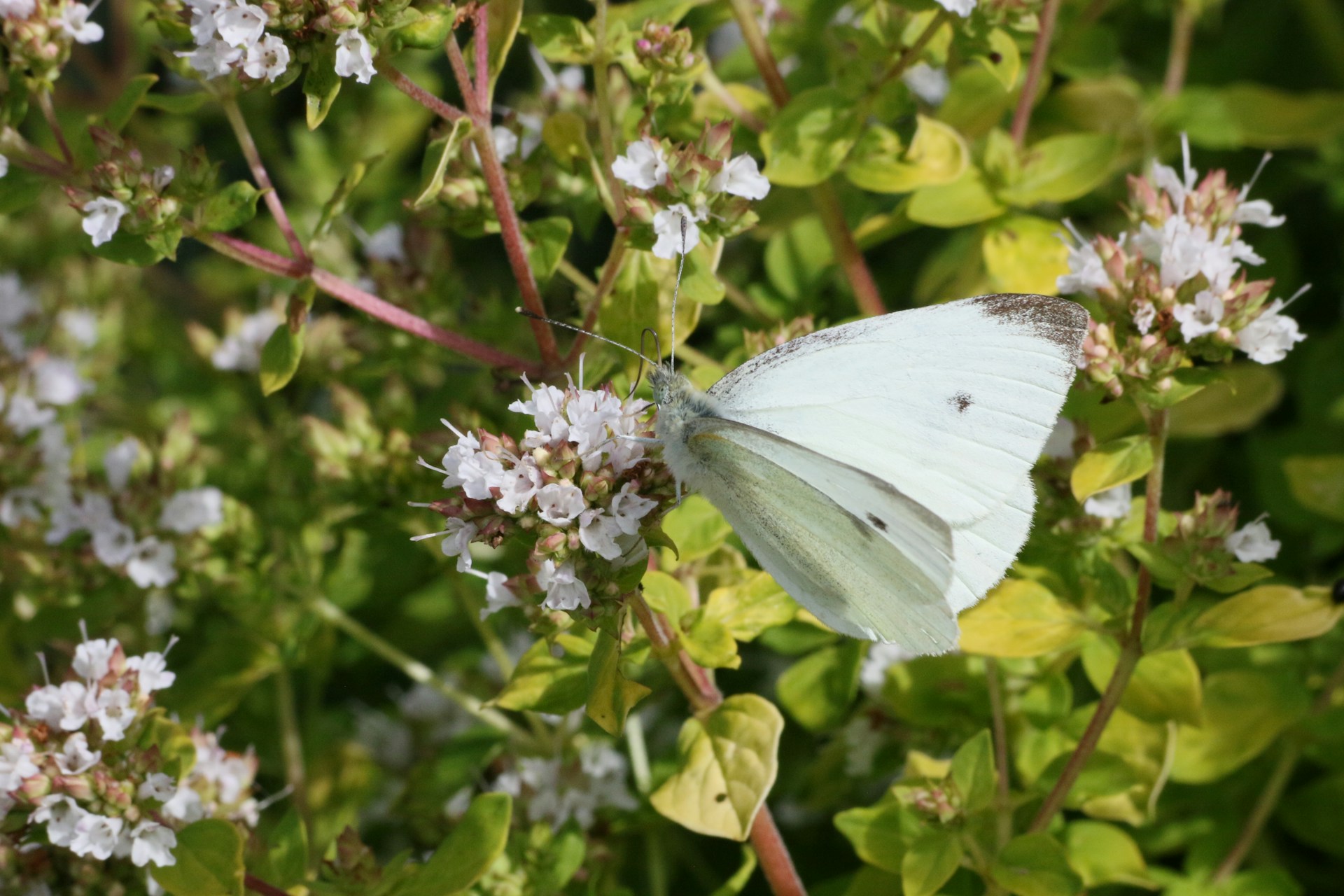
Butterflies are closely tied to warm weather. Their wings need sunlight to warm their bodies, and their activity rises as temperatures climb. Meadows, gardens, parks, and woodland edges become busy places in June, July, and August, with butterflies feeding, resting, and searching for suitable plants for their eggs.
Today:
Their presence is a sign of a healthy summer landscape.
.jpg)
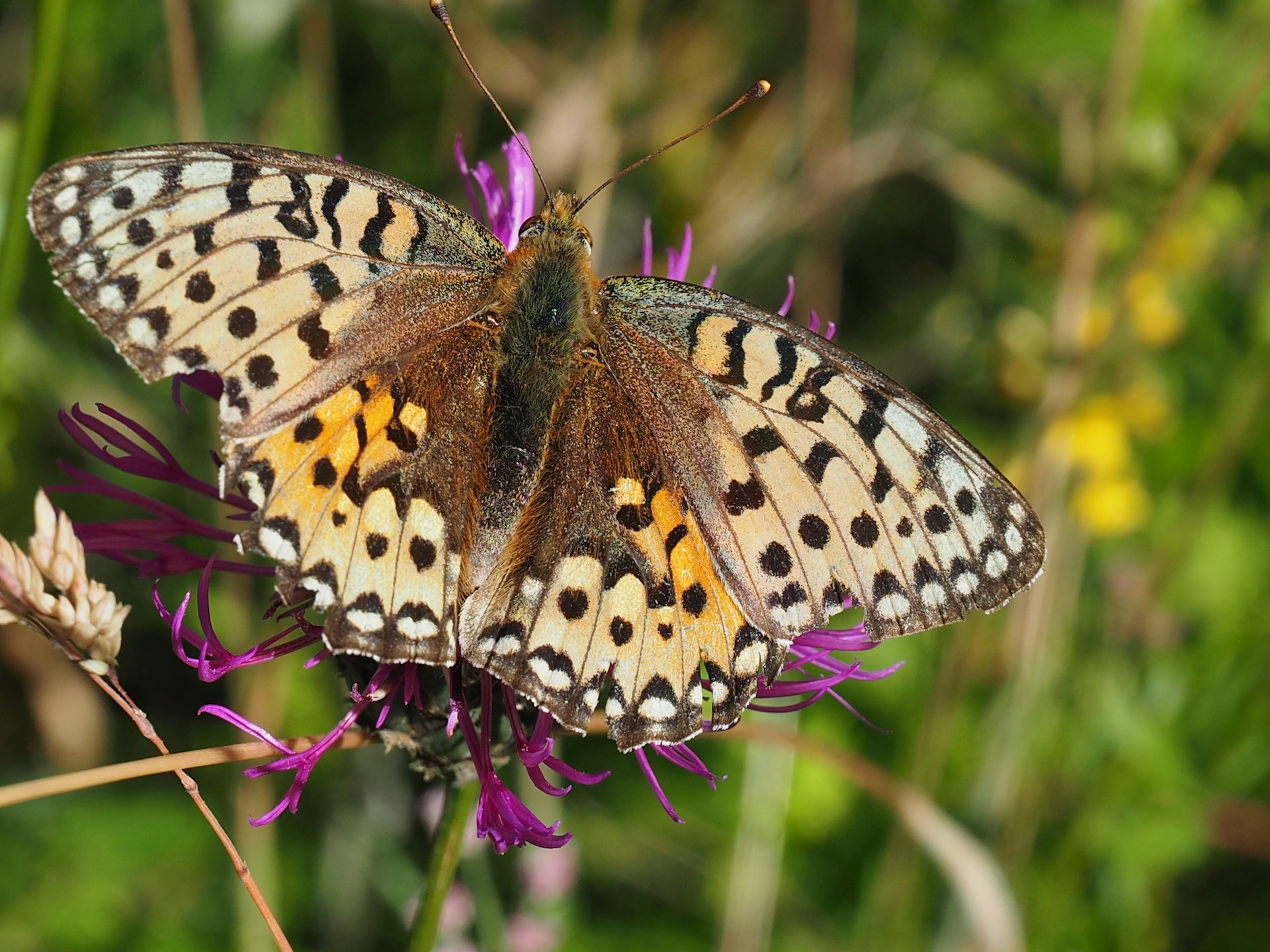
Butterflies show clear patterns and colours that help with identification. Look for spots, stripes, and blocks of colour.
Some butterflies glide gently. Others flutter quickly and stay close to the ground.
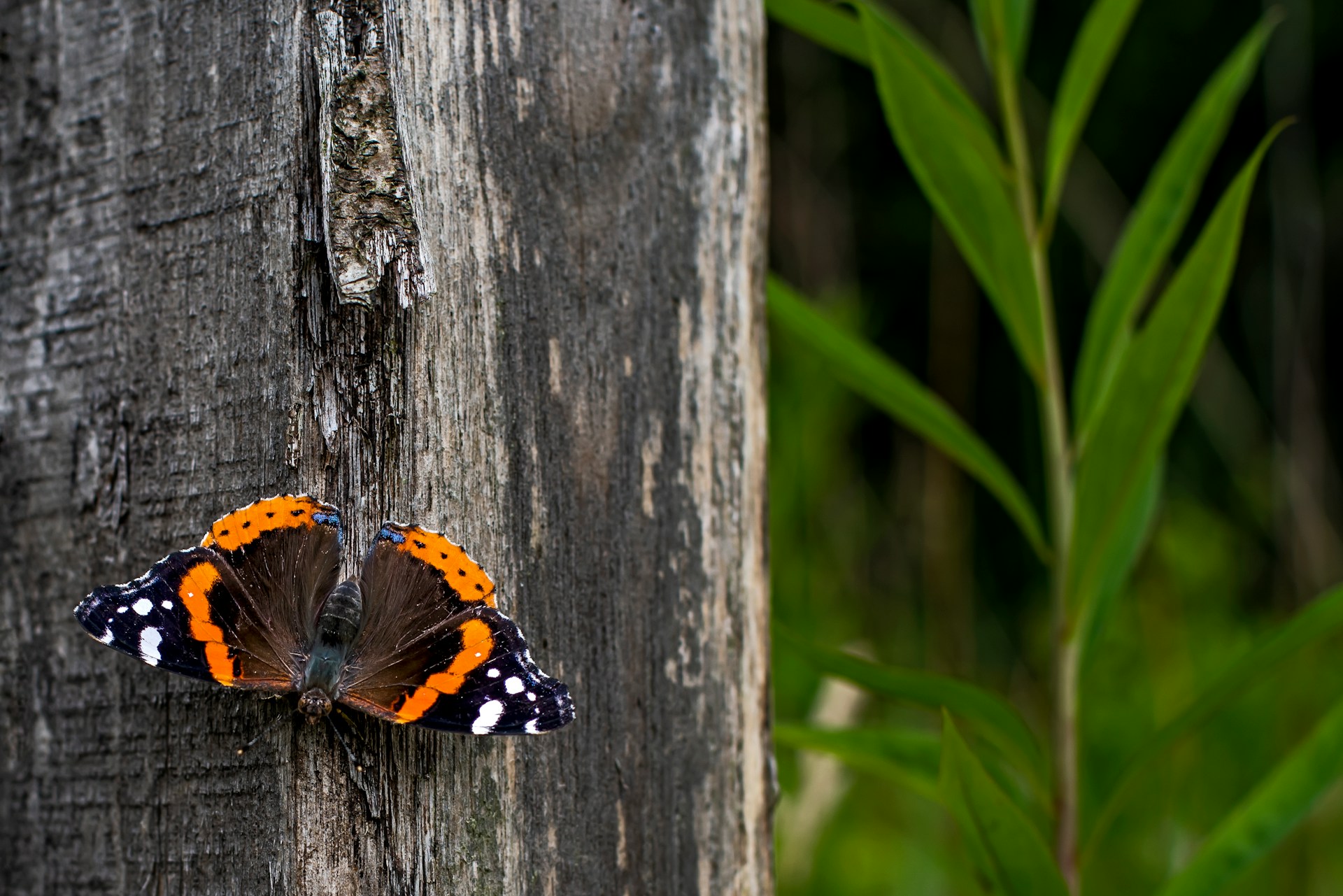
Large species like the red admiral are easy to spot. Smaller species like the common blue often stay near flowers.
Different butterflies prefer different plants. This can help you narrow down the species.
Summer butterflies show bright reds, oranges, yellows, and blues.
Once you have seen a few species, the differences become clear.
A bold butterfly with black wings and bright red bands. Often seen in gardens.
Orange and black wings with blue spots along the edges. A familiar garden visitor.
Orange wings with ragged edges. Often rests with wings closed.
Large wings with striking eye spots. Easy for beginners to recognise.
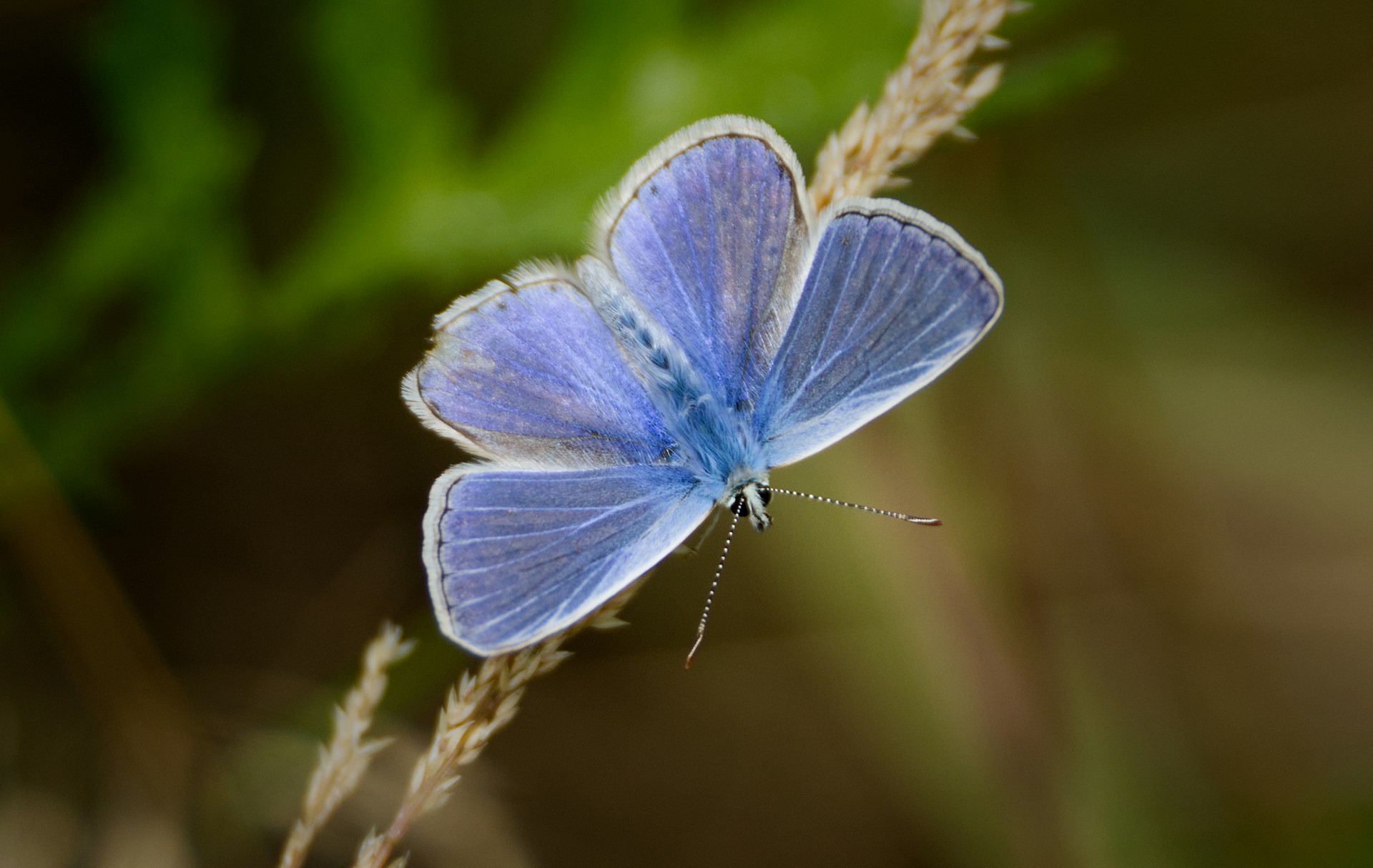
A small butterfly with vivid blue wings. Often found in meadows and grassy areas.
A simple white butterfly often seen around gardens and allotments.
These species are widespread and ideal for beginners.
.jpg)
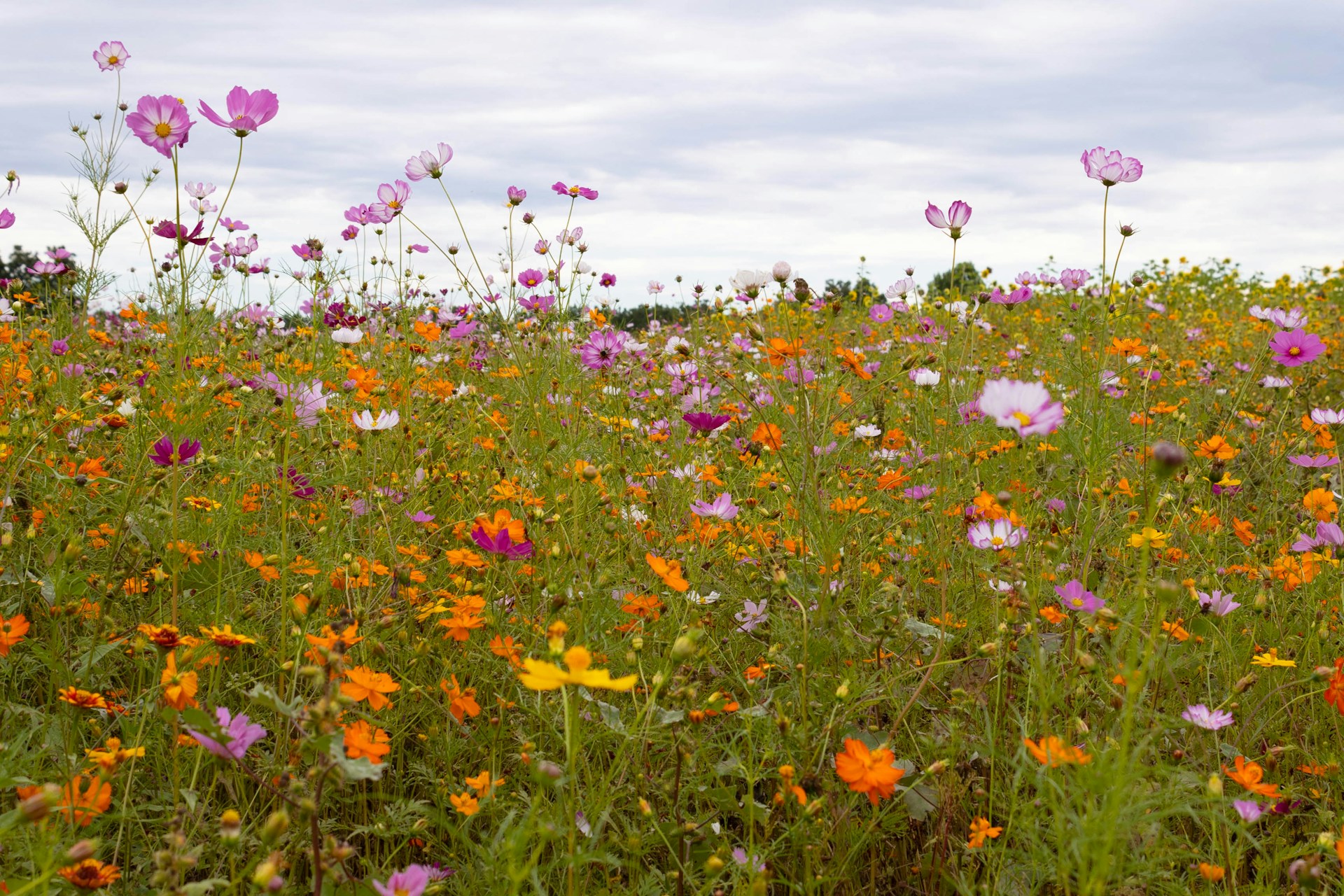
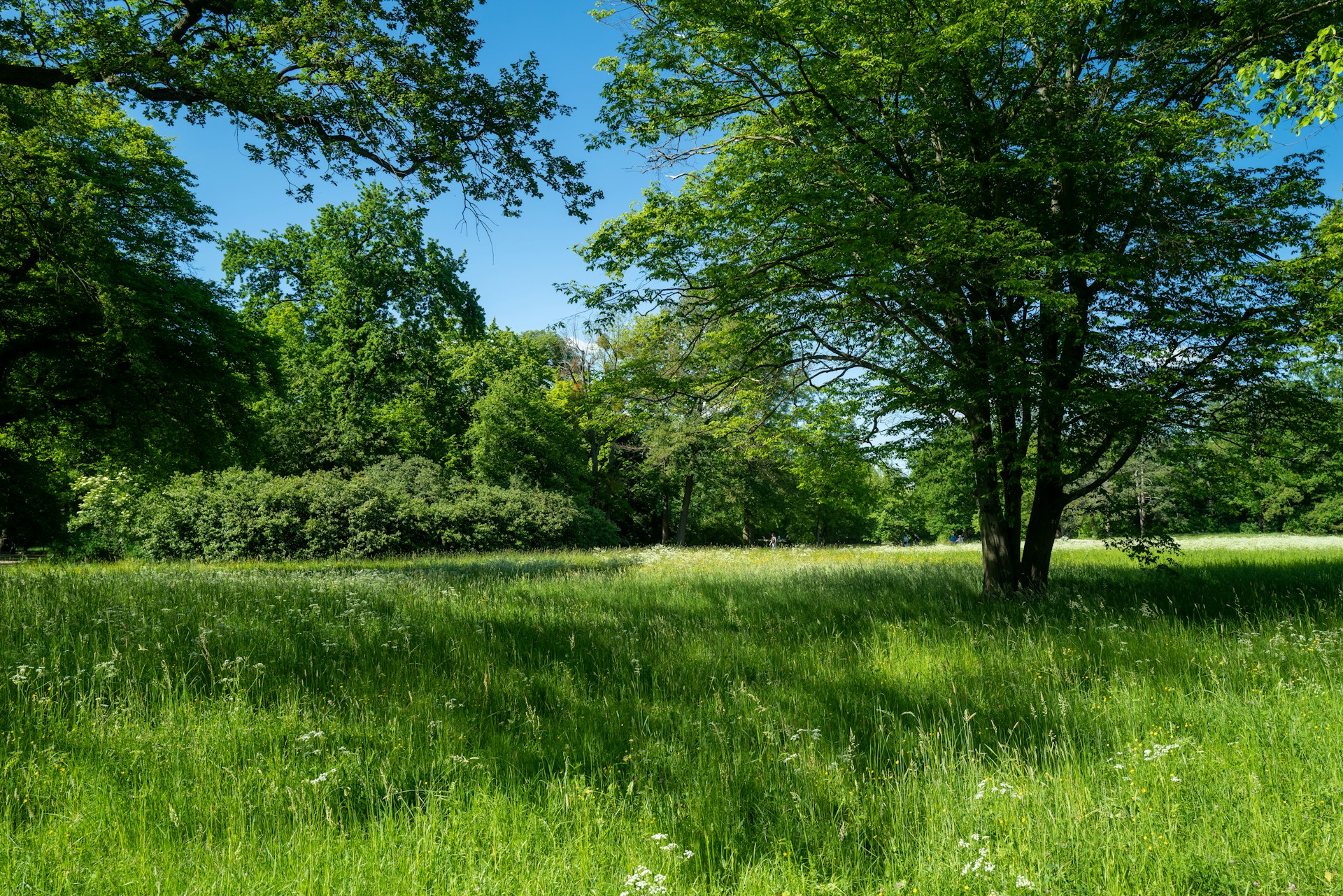
Flowering plants and long grass attract many species.
Warm, open areas with wildflowers are excellent for butterfly watching.
Sunny paths and clearings often hold several species.
Look for areas with nectar rich flowers.
Some species thrive in warm, open coastal areas.
Warm, sunny days with little wind are best for butterfly watching.
If you enjoy exploring summer habitats, our Riverbank and Canal Wildlife guide introduces other species you can find near water.
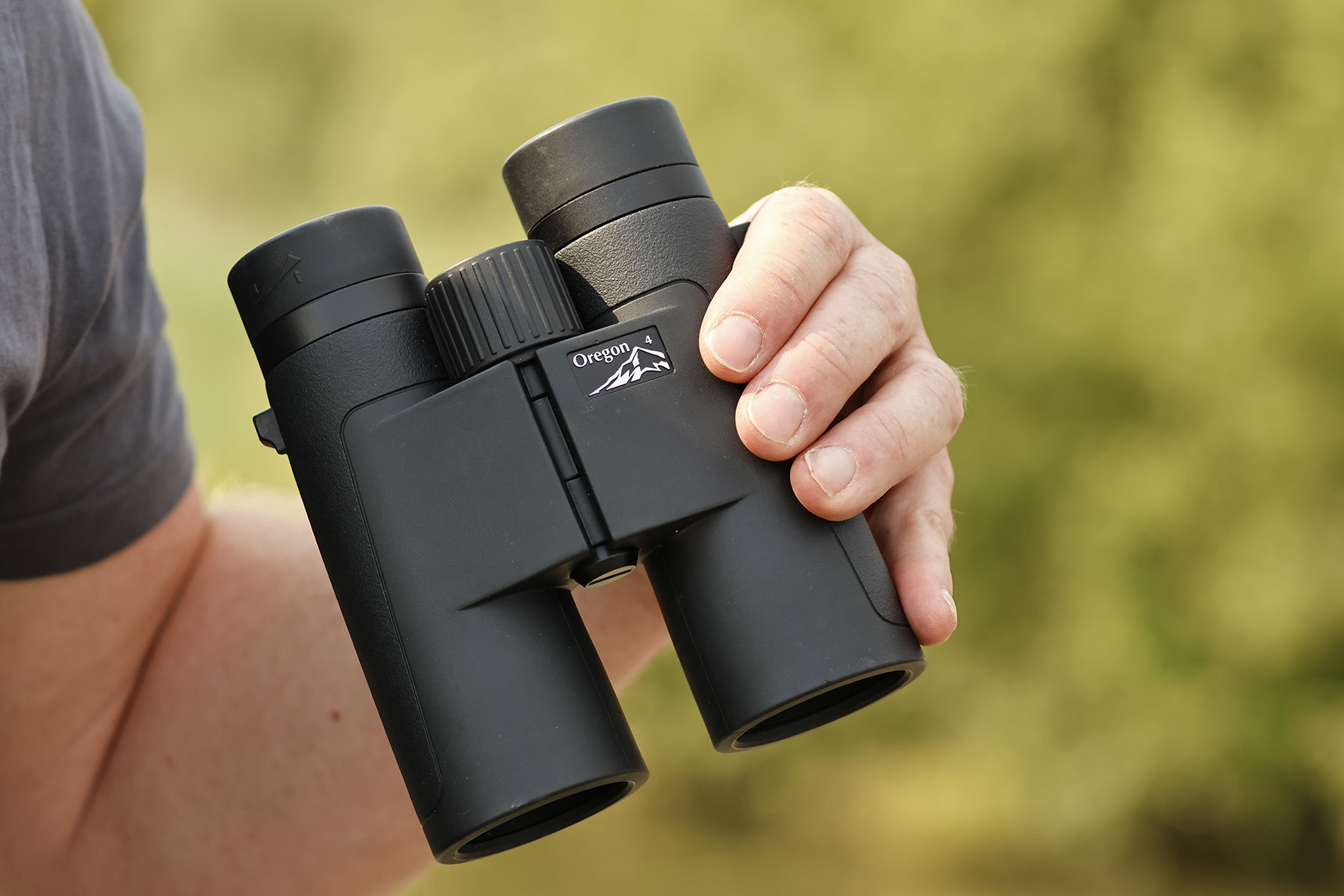
See our Beginner Binoculars Guide for simple advice on choosing your first pair, including what magnification means, how much to spend, and which models are genuinely beginner friendly.
See our Field Guides Gear Guide for simple advice on choosing beginner friendly wildlife books, including general wildlife guides, bird guides, and pocket guides.
These items can also be helpful for beginners:
If you enjoy attracting insects to your garden, our Mini Wildflower Patch guide shows how to create a small space that supports butterflies and other summer wildlife.

Find a quiet spot with flowers nearby, pause for a moment, and note:
“What colours and movements stand out most in the butterflies I can see today?”
Butterflies show a wide range of patterns and behaviours. Journaling helps you notice the details.
If you would like to begin a simple nature journal, our beginner’s guide walks you through how to start: How to Start a Wildlife Journal.
Butterflies are delicate insects that depend on healthy habitats. A few gentle principles help protect them:
This calm, hands off approach is at the heart of NatureGuide.
Watching butterflies is one of the simplest ways to enjoy summer wildlife in the UK. Their colours, gentle movements, and presence in everyday places bring a sense of calm and curiosity to any walk. By learning their patterns, noticing their behaviour, and watching them gently, you are connecting with one of the most familiar and beautiful parts of our summer landscapes.