Few summer wildlife experiences are as captivating as watching dragonflies and damselflies dart and glide over water. Their bright colours, delicate wings, and fast movements make them some of the most eye catching insects in the UK. You do not need specialist knowledge to enjoy them. Once you know where to look and what features to notice, these insects become easy and rewarding to watch.
This guide introduces the species you are most likely to see, how to tell dragonflies and damselflies apart, and the best places to find them during warm summer days.
Dragonflies and damselflies have been part of British wetlands for millions of years. They spend most of their lives underwater as larvae, hunting small creatures in ponds, lakes, and canals. When summer arrives, they climb out of the water, transform, and take to the air.
Warm weather brings them to life. On sunny days you will see them patrolling the edges of ponds, resting on reeds, or chasing other insects with incredible speed. Their presence is a sign of a healthy wetland and clean water.
Today:
Their summer emergence is one of the most reliable wildlife events of the season.
You can explore more easy to recognise insects in our beginner friendly guide to common UK insect species that appear throughout spring and summer.
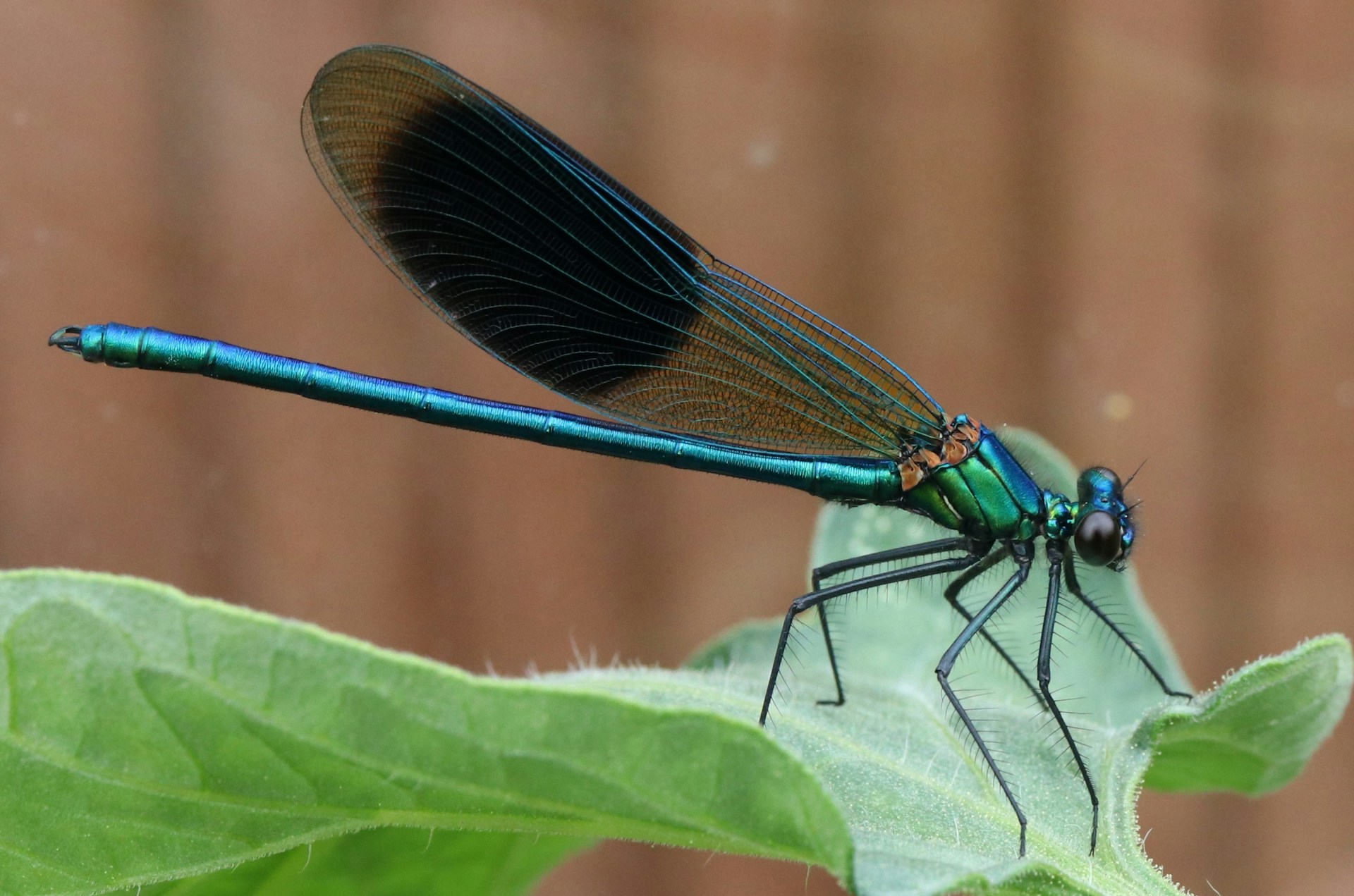
Dragonflies rest with their wings open.Damselflies rest with their wings closed.
Dragonflies have thicker bodies.Damselflies have slim, delicate bodies.
Dragonflies move fast and change direction sharply.Damselflies flutter gently and often stay close to vegetation.
Dragonfly eyes meet at the top of the head.Damselfly eyes sit apart.
Both groups show bright colours, but damselflies often appear in vivid blues and greens.
Once you have seen both, the differences become clear.
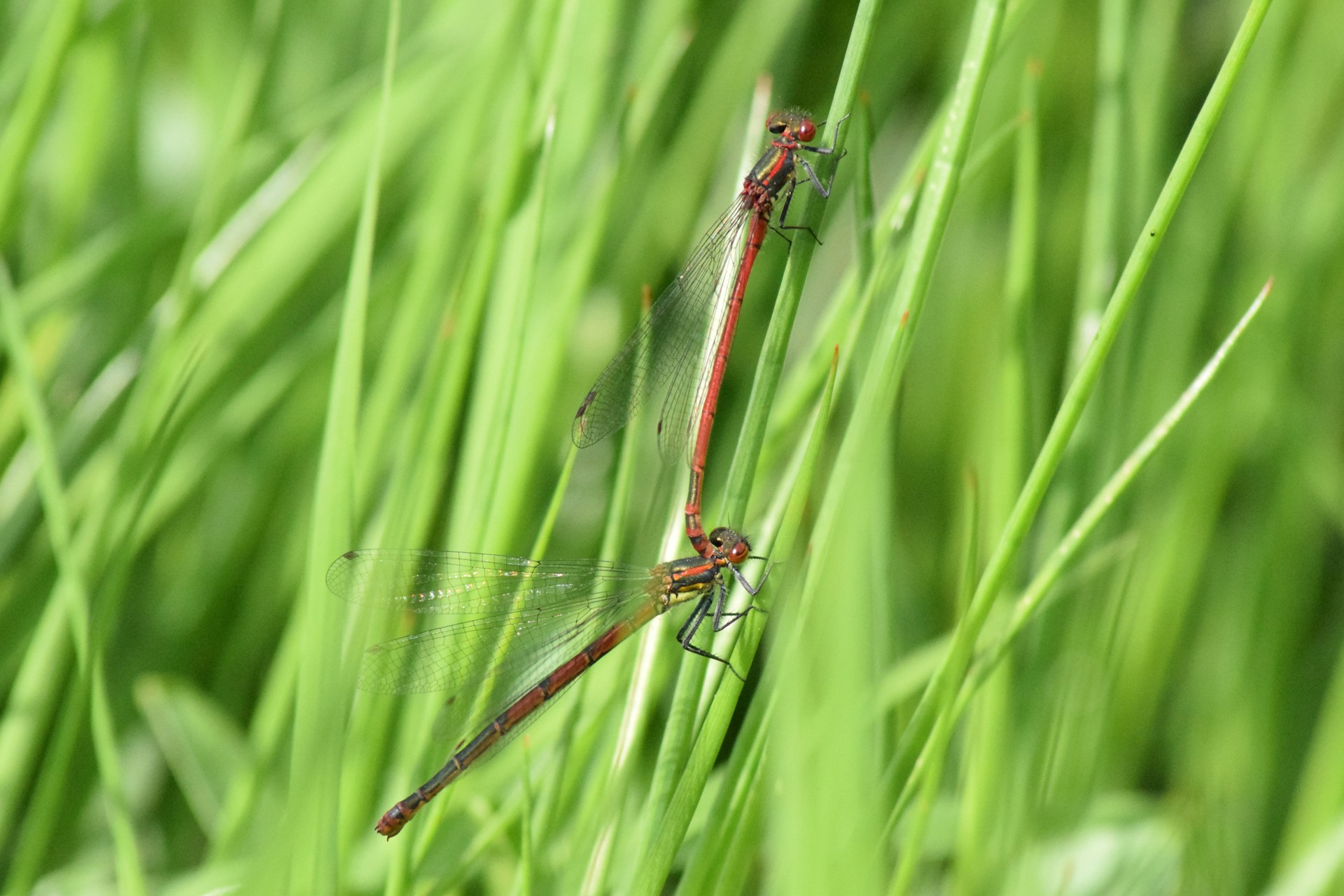
One of the earliest species to appear in summer. Bright red body with black markings.
A familiar blue species often found around garden ponds.
A large dragonfly with green and blue markings. Often curious and may fly close to you.
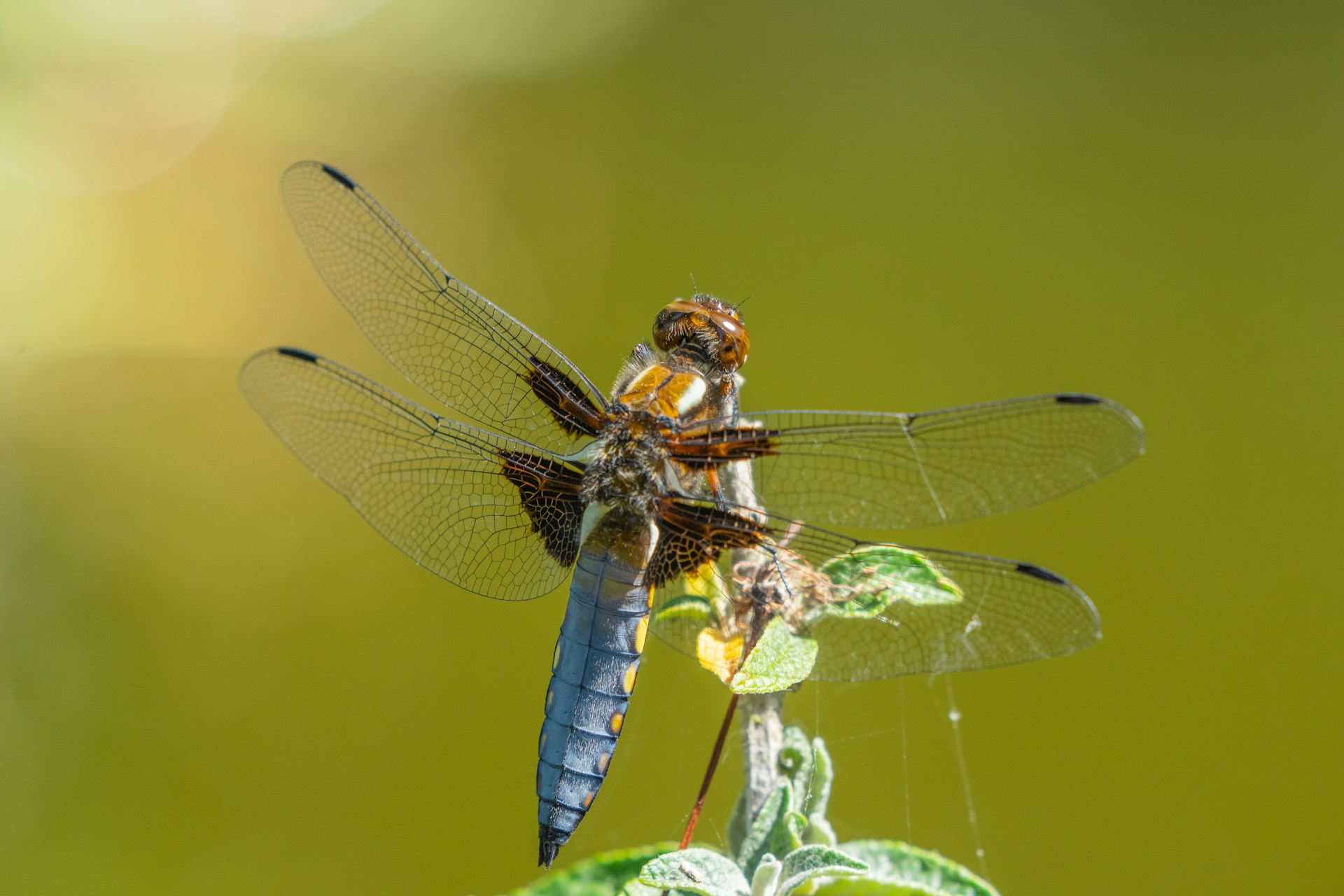
A chunky dragonfly with a pale blue or yellow body. Frequently seen resting on sticks.
One of the biggest species in the UK. Fast, powerful flight and bright green colouring.
These species are common across much of the country and ideal for beginners.

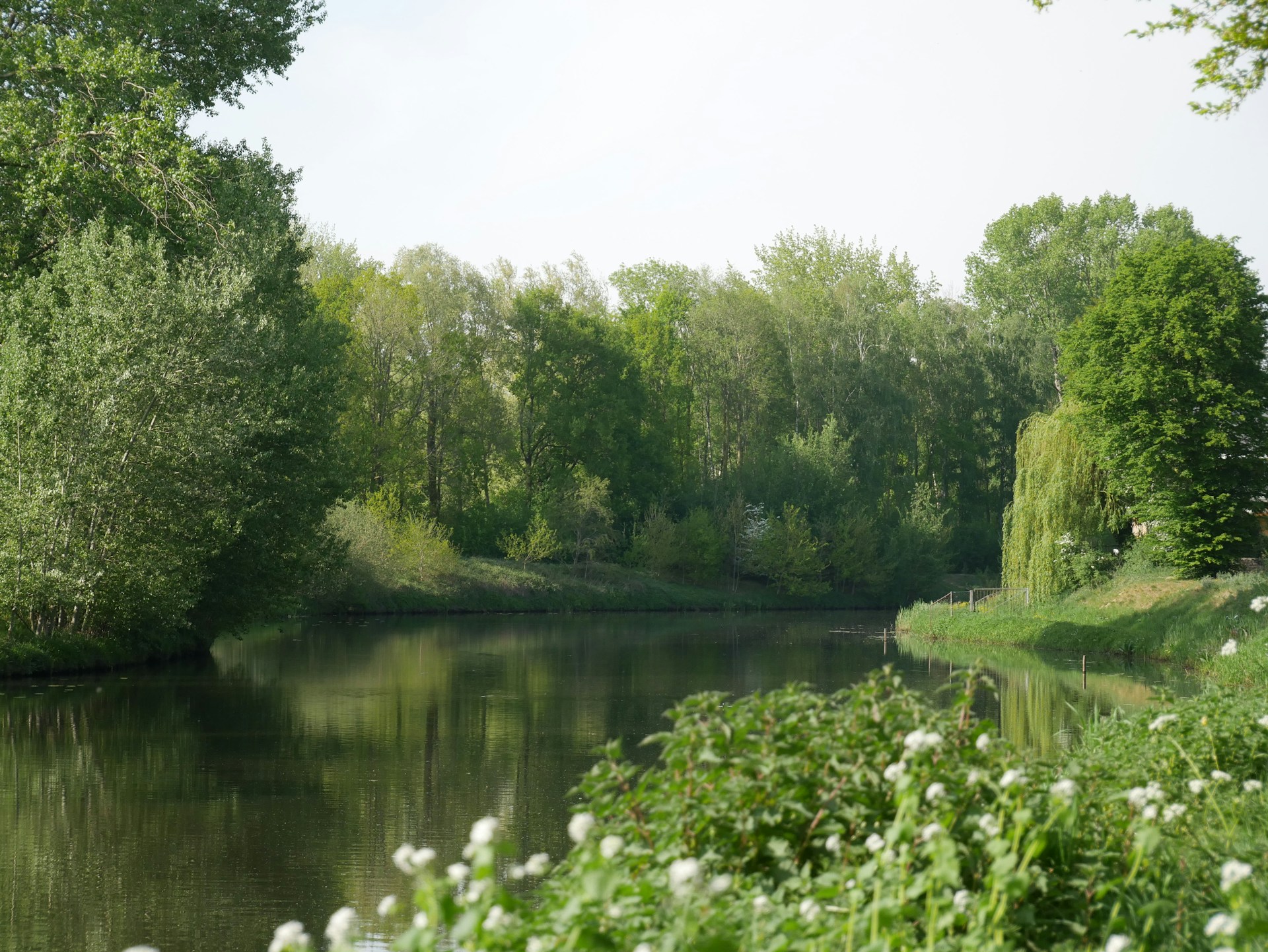
Garden ponds, nature reserves, and village ponds are excellent places to start.
Larger species patrol open water and reed beds.
Calm stretches of water attract damselflies and hawkers.
Look for dragonflies resting on branches or flying low over the surface.
Many reserves have dedicated dragonfly trails and viewing platforms.
Warm, sunny days are best. Activity drops during rain or strong wind.
If you would like to learn about the wider wildlife that lives around ponds, canals, and slow rivers, our riverbank and canal guide introduces the birds, mammals, and insects you are most likely to see.
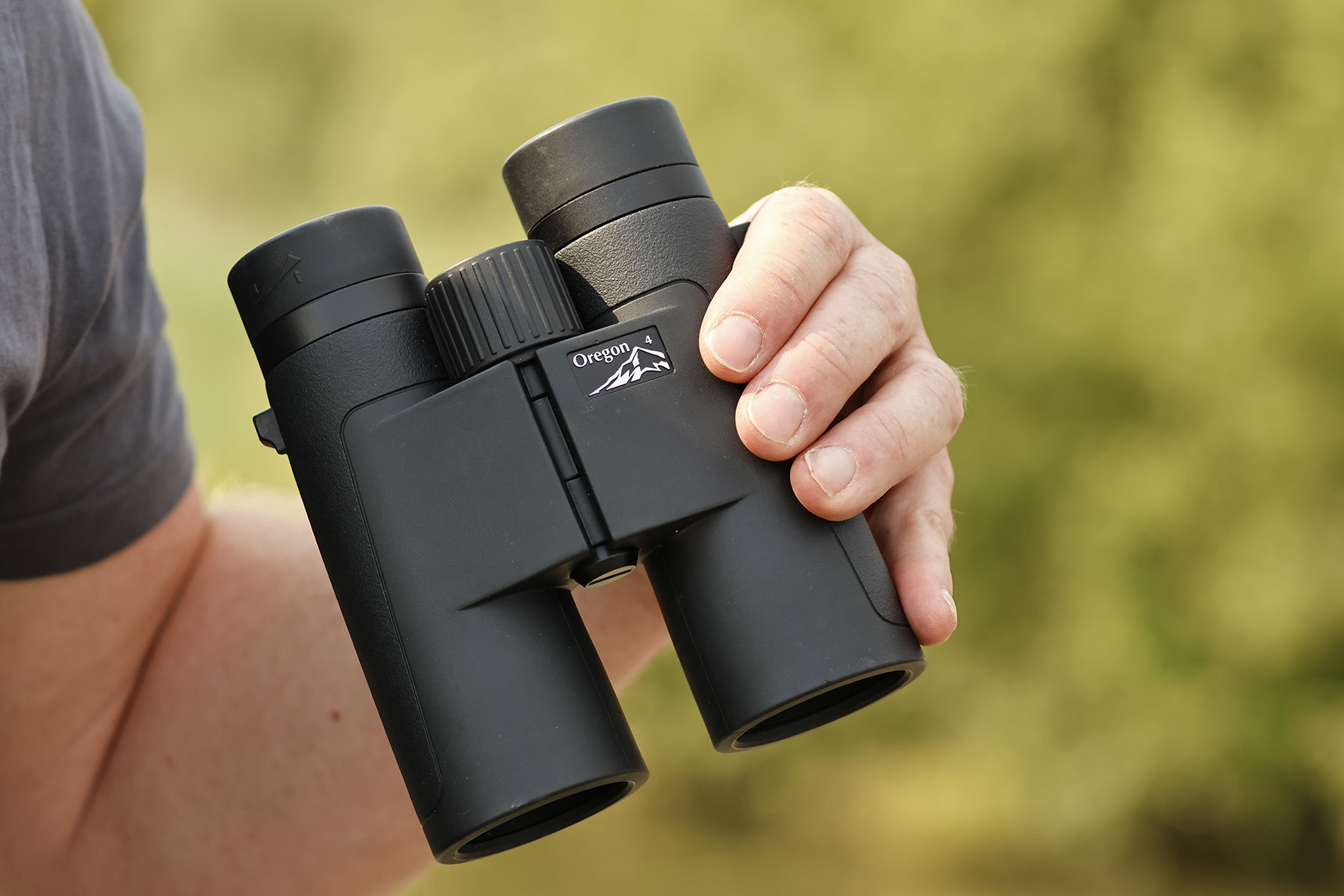
See our Beginner Binoculars Guide for simple advice on choosing your first pair, including what magnification means, how much to spend, and which models are genuinely beginner‑friendly.
See our Field Guides Gear Guide for simple advice on choosing beginner friendly wildlife books, including general wildlife guides, bird guides and pocket guides.
These simple items make dragonfly watching easier:

Find a quiet spot near the water, pause for a moment, and note:
“What colours and movements stand out most in the insects I can see today?”
Dragonflies and damselflies show a wide range of colours and behaviours. Journaling helps you notice the details.
If you would like to begin a simple nature journal, our beginner’s guide walks you through how to start: How to Start a Wildlife Journal.
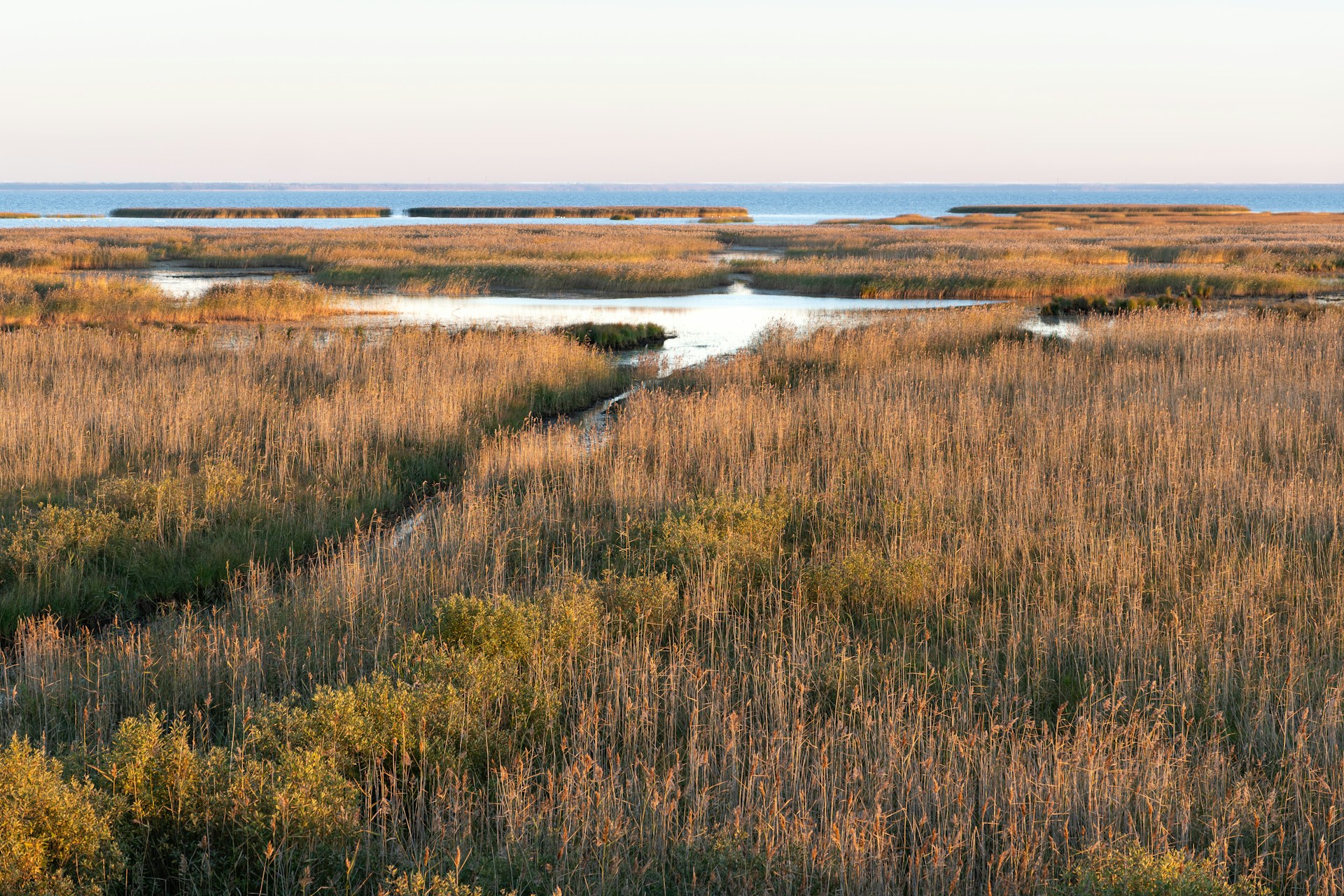
Wetlands are delicate habitats. A few gentle principles help protect the insects and the places they depend on:
This calm, hands off approach is at the heart of NatureGuide.
Watching dragonflies and damselflies is one of the simplest ways to enjoy summer wildlife in the UK. Their colours, movements, and presence around water bring a sense of calm and curiosity to any walk. By learning their shapes, noticing their behaviour, and watching them gently, you are connecting with one of the most ancient and beautiful parts of our wetland ecosystems.