Seals are some of the UK’s most charismatic coastal animals. They are curious, expressive, and surprisingly easy to see once you know where to look. Whether you’re walking along a quiet beach, exploring a rocky headland, or watching from a clifftop viewpoint, seals often reveal themselves through gentle movements, distinctive shapes, or the unmistakable “bottle nose” pose as they rest in the water.
You don’t need specialist equipment or long hikes. What you do need is a calm approach, a good understanding of tide and habitat, and the confidence to watch seals without disturbing them. This guide introduces the UK’s two common seal species, where to find them, and how to enjoy respectful, memorable encounters.

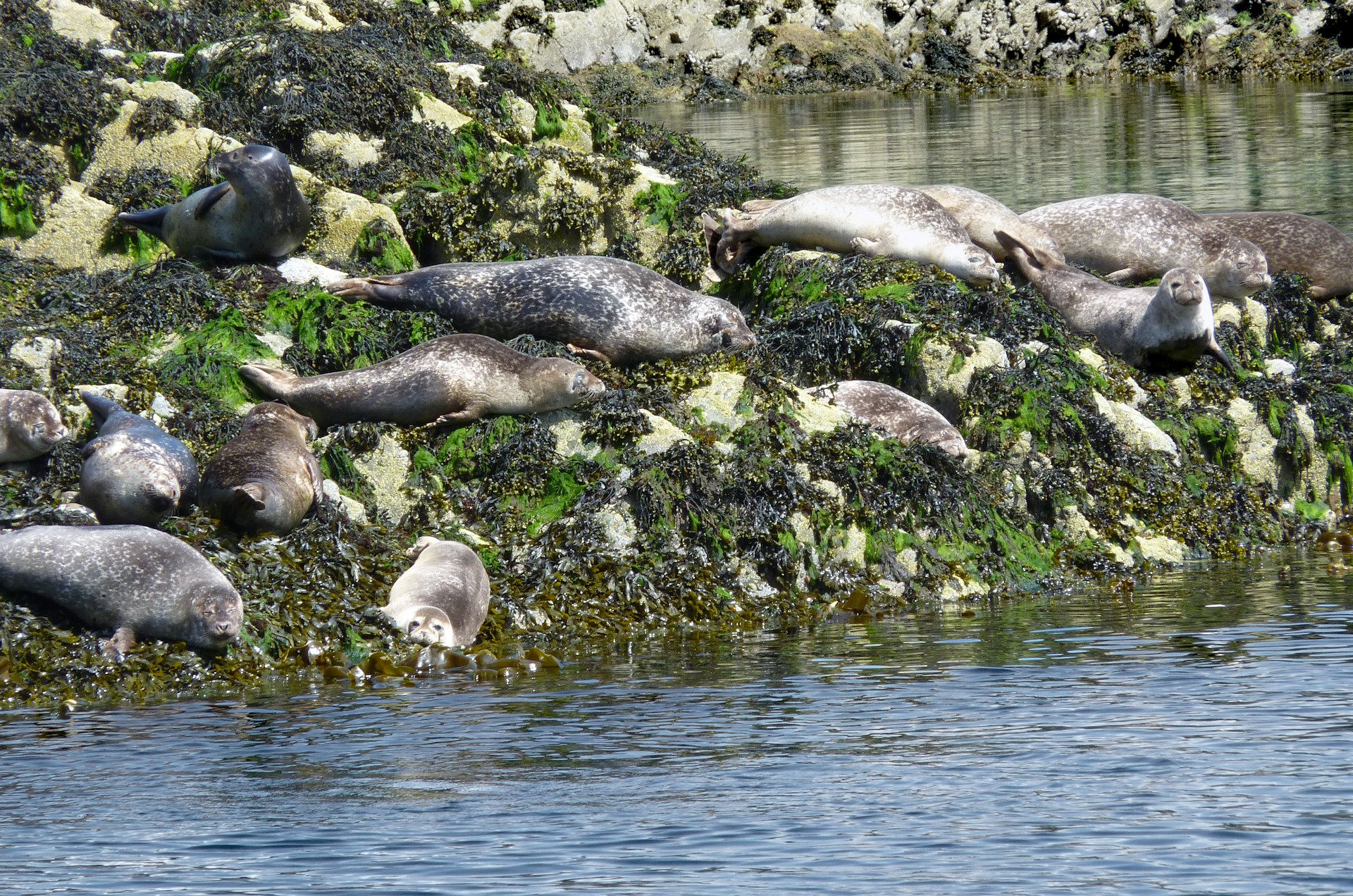
Seals appear all around the UK coastline, but some places offer especially reliable sightings.
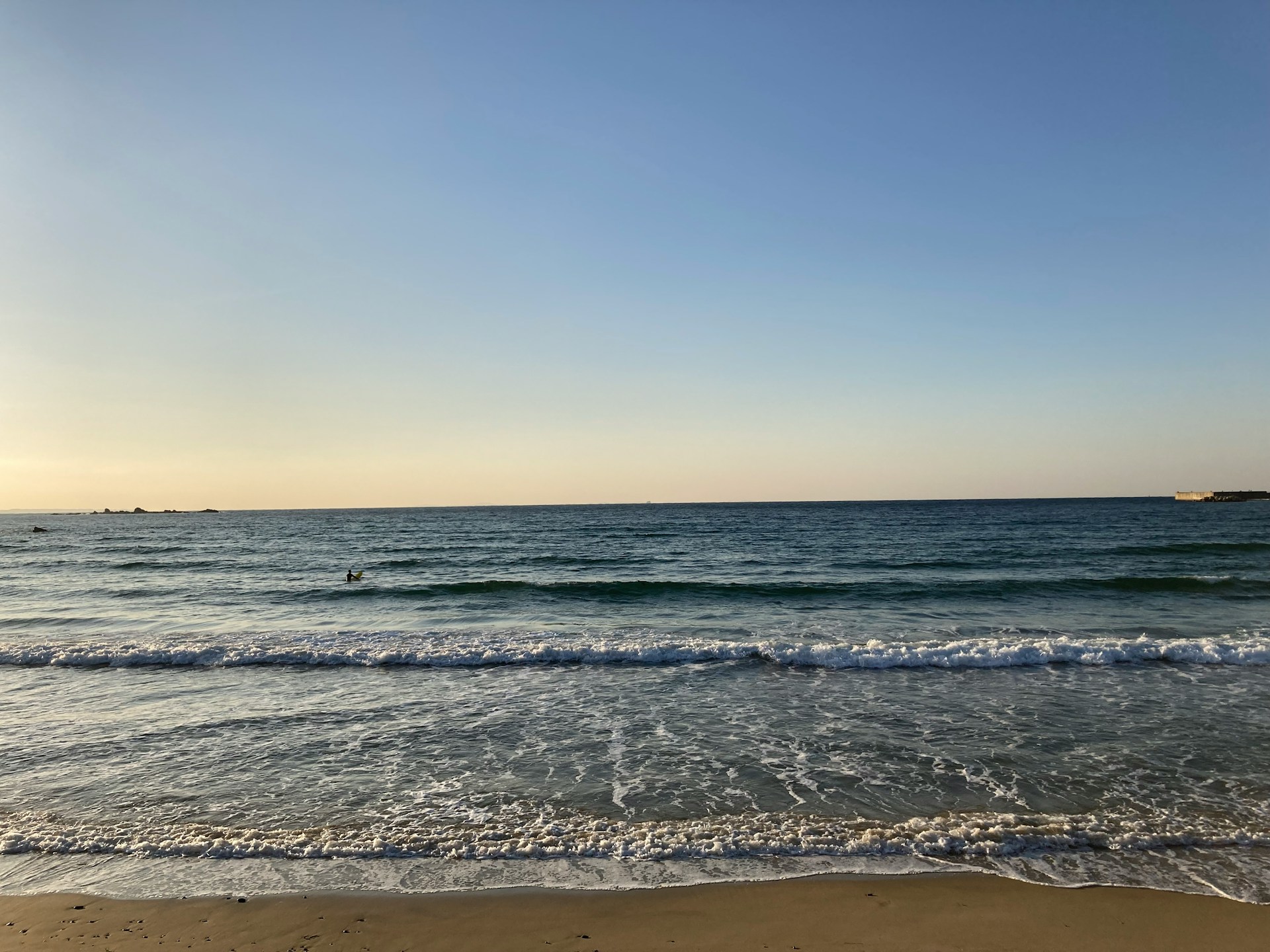
Rocky Shores & Headlands
Sandy Beaches (quiet, remote ones)
Estuaries & Mudflats
Clifftop Viewpoints
Harbours & Coastal Villages
Top regions for seal watching:
If you’re near quiet coastline with clean water and good feeding grounds, you’re in the right place.
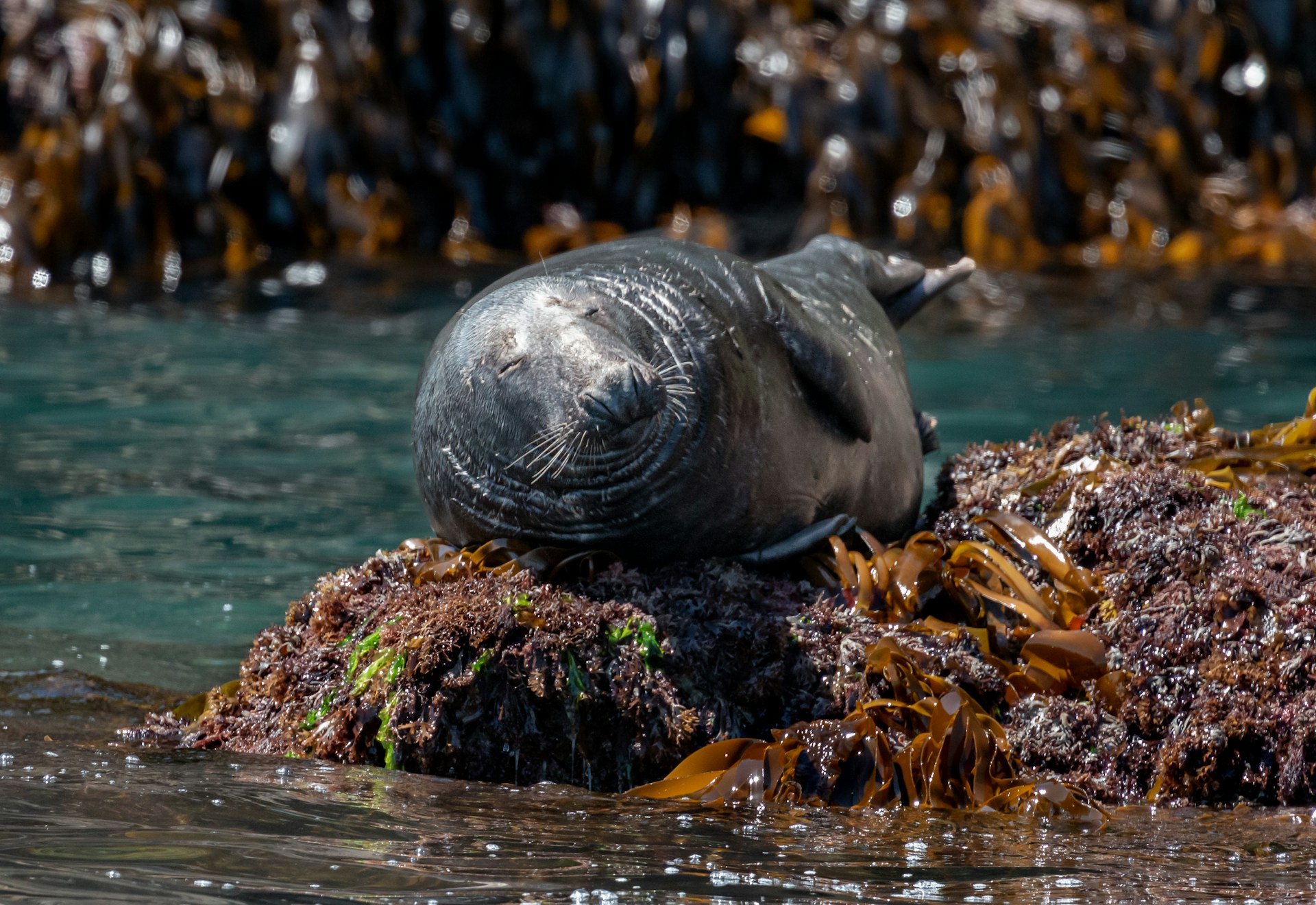
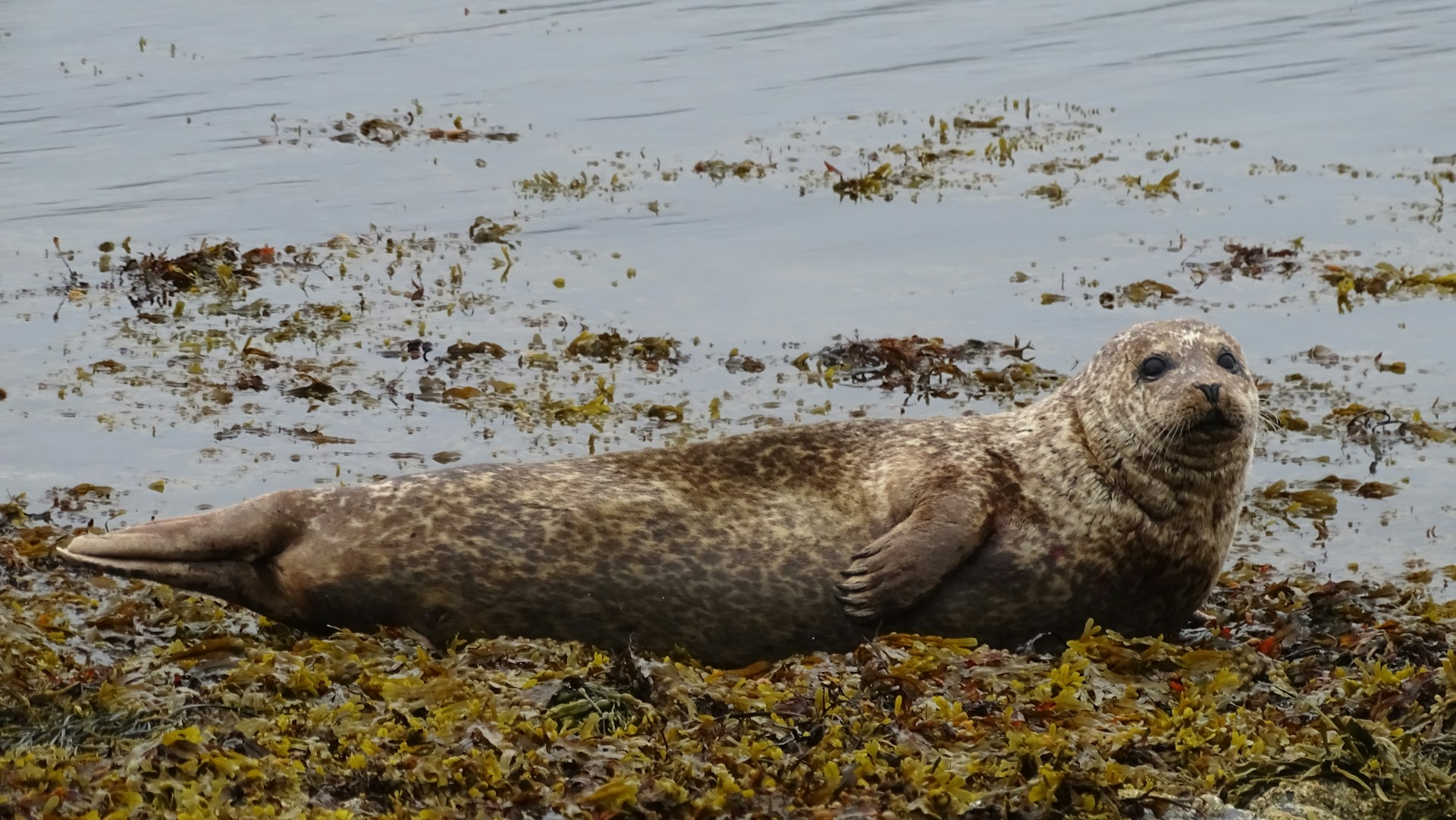
The UK has two common species: grey seals and common (harbour) seals.
Here’s how to tell them apart quickly.
Grey Seal
Common Seal
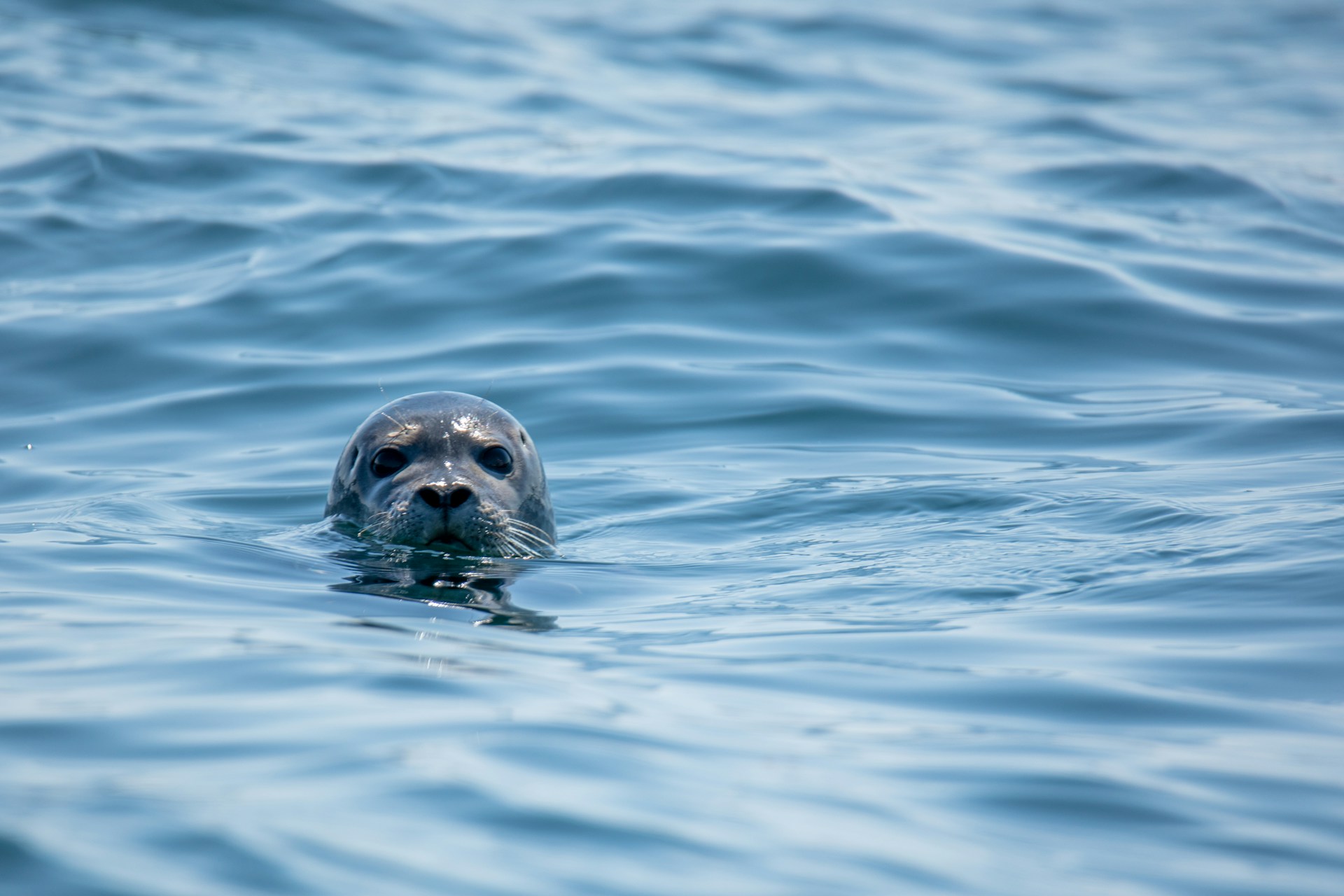
Both species often “bottle” - floating vertically with just the head visible.
Look for:
Watching how a seal moves is often the easiest clue.
Best seasons
Best time of day
Best weather
Rough seas make seals harder to spot.
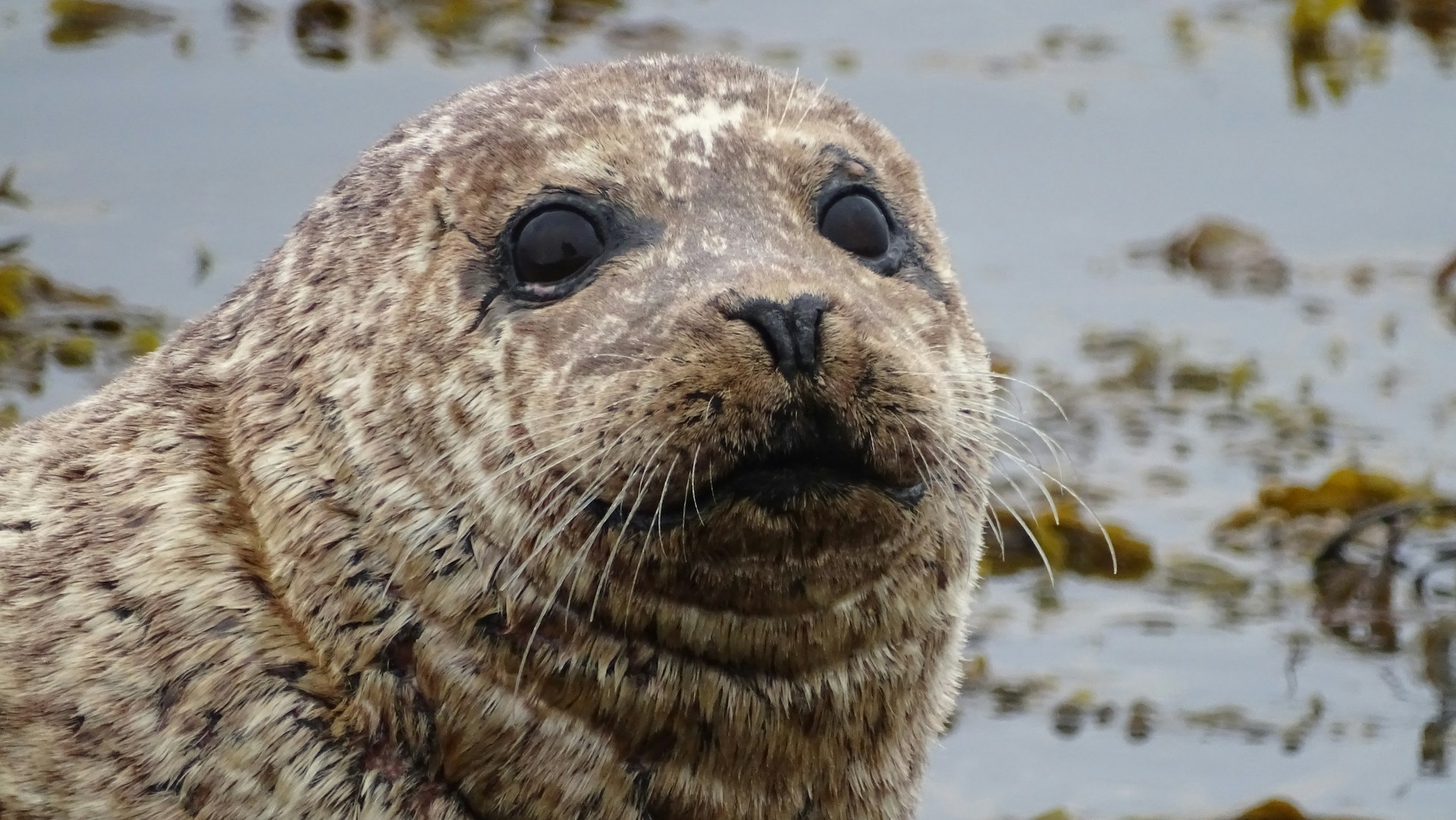
Seals are protected by law, and disturbance (especially during pupping season) can cause serious harm. A few gentle habits keep them safe:
If a seal looks up repeatedly, shuffles, or moves toward the water, you’re too close.
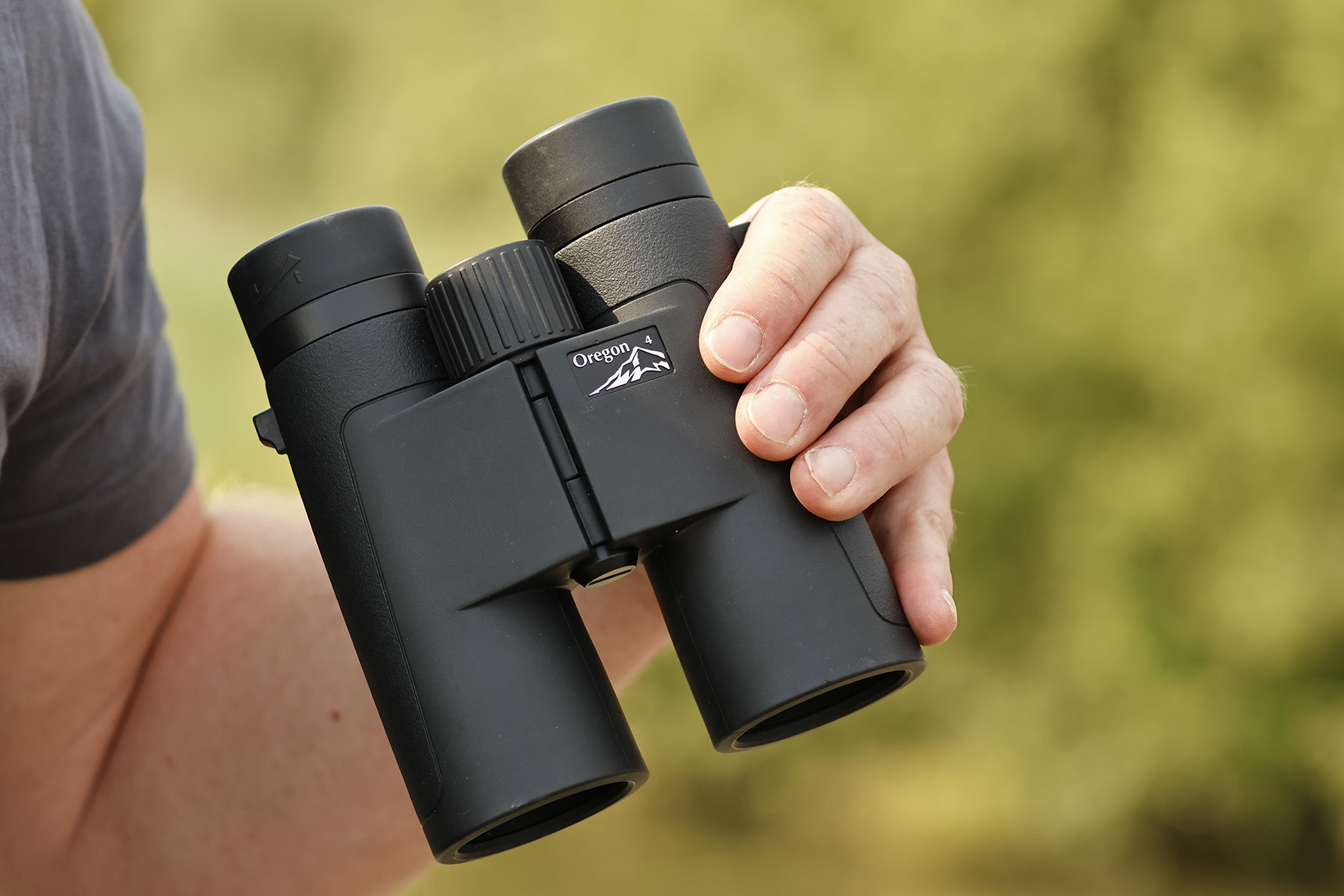
See our Beginner Binoculars Guide for simple advice on choosing your first pair, including what magnification means, how much to spend, and which models are genuinely beginner‑friendly.
See our Field Guides Gear Guide for simple advice on choosing beginner friendly wildlife books, including general wildlife guides, bird guides and pocket guides.
These items can also be really helpful for beginners:

Find a quiet spot overlooking the water, pause for a moment, and note:
“What behaviours or movements tell me the seal is relaxed and how does the landscape shape the encounter?”
It might be a seal bottling calmly offshore, a group resting on a sandbank, or the rhythm of the tide. Journaling helps you tune into the coastal environment.
If you’d like to start a simple nature journal, our beginner’s guide walks you through how to begin: How to Start a Wildlife Journal.
At NatureGuide, we believe wildlife watching should always be gentle, calm, and respectful. Giving animals space, moving quietly, and leaving no trace helps keep every encounter safe for you and for the wildlife you’re here to enjoy.
Watching seals along the UK coast is one of the simplest and most rewarding wildlife experiences. Whether you glimpse a curious head bobbing offshore or a group resting peacefully on a distant sandbank, each encounter offers a moment of connection with the wild. By moving slowly, staying quiet, and giving seals the space they need, you can enjoy these coastal mammals without ever disturbing them.